
Reviewed · TOKYO TRADITIONAL MUSIC AND DANCE SHOWS
Japanese Traditional Music Show in Tokyo
Tokyo’s ZAKURO SHOW puts traditional Japanese instruments within arm’s reach, rather than behind a distant theater stage. You’ll hear koto, shamisen, shakuhachi flute, and taiko drums while an English and Japanese host explains how the instruments work and where the music comes from.
I like the small numbered audience, which keeps the concert personal, and the thoughtful mix of old pieces, newer arrangements, and one unexpected Western song. The main limitation is simple: one hour goes quickly, and this is a concert and introduction to Japanese music, not a full evening of food, dance, or theater.
Key points at a glance
- Four major wagakki instruments: Hear the koto, shamisen, shakuhachi flute, and taiko drums in one compact performance.
- English explanations between pieces: The host translates and gives context, so you do not need to know Japanese to follow the program.
- Small, reserved seating: A limited audience places the musicians close to you and avoids the feel of a large commercial show.
- Photos and videos are welcome: You can record during the concert and take photos with the musicians afterward.
- A one-hour cultural stop: The show fits neatly into a Harajuku or Meiji-Jingumae day.
- Accessible central location: Hall 60 is one minute from Meiji-Jingumae Station Exit 7 and five minutes from JR Harajuku Station’s Omotesando Exit.
Four instruments, one compact Tokyo concert
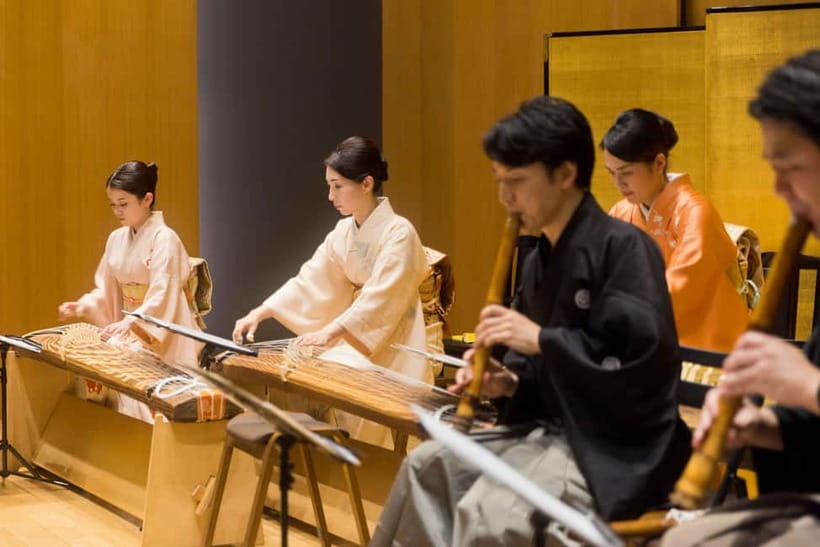
The appeal here is variety. Japanese traditional music is not one single sound, and this performance lets you hear several very different instruments in the same room.
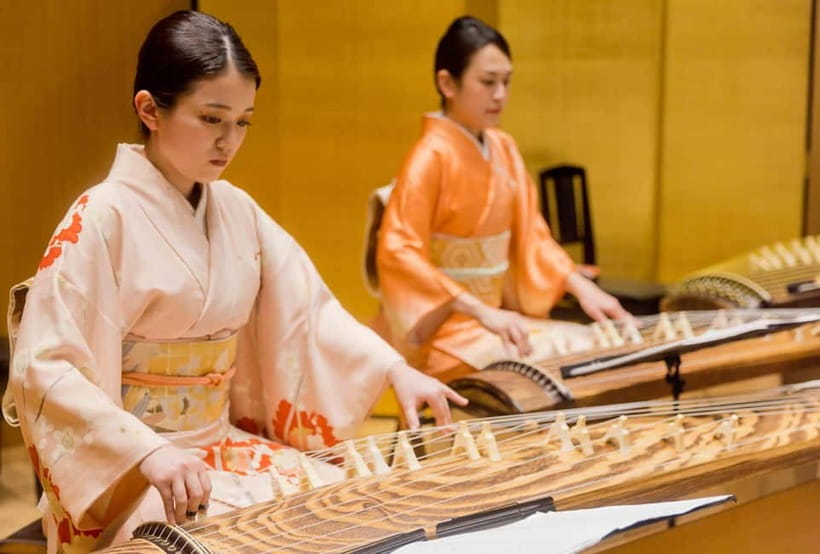
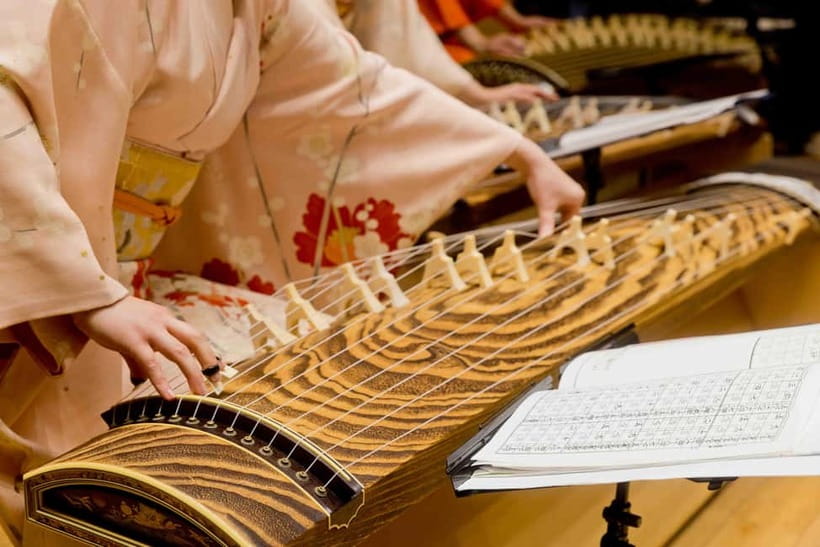
The koto, often described as a Japanese harp, provides bright, ringing notes. Its long body and plucked strings can sound delicate, but the instrument has enough range to carry a full melody. You get a clearer sense of its character when you hear it close up, rather than as part of a large stage production.
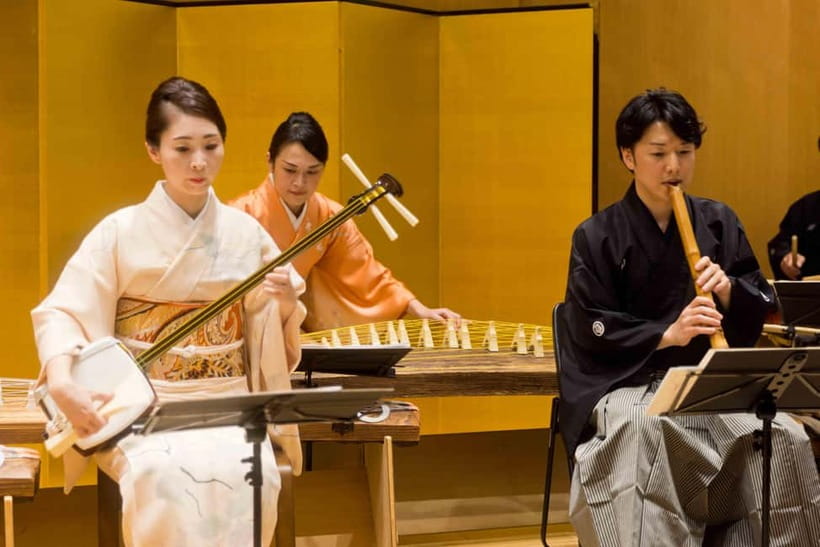
The shamisen has a sharper, more percussive voice. It is a three-stringed instrument with a sound that can feel spare, dramatic, or playful depending on the piece. The contrast with the koto helps you hear that Japanese traditional music is not simply quiet or meditative.
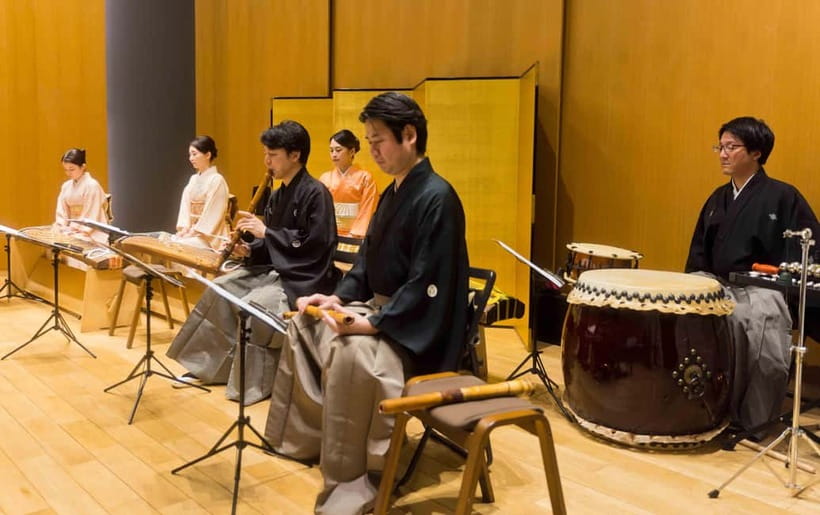
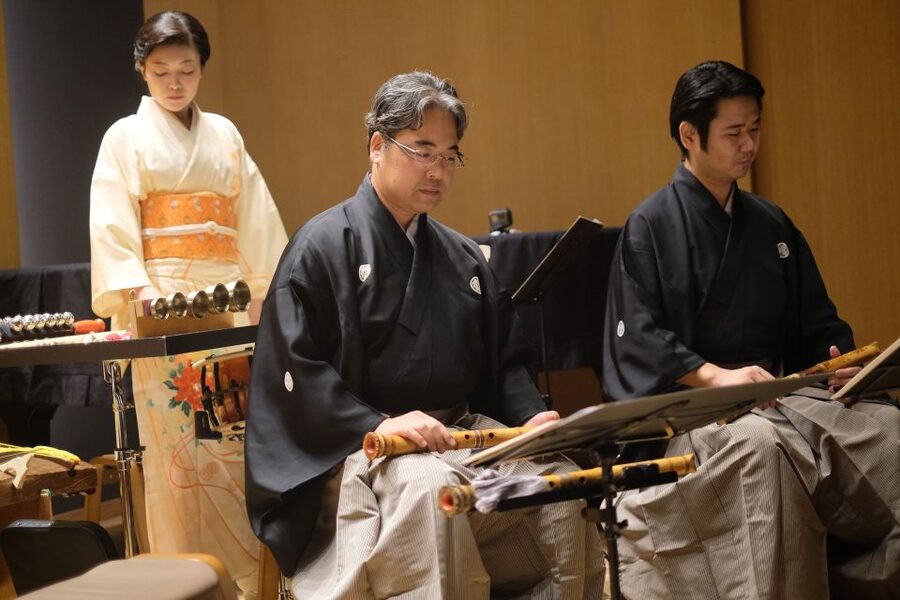
The shakuhachi flute brings a breathy, human quality. Its sound can be soft and airy, then turn more forceful within the same musical phrase. Taiko drums supply the physical punch. Even in a short program, the change from plucked strings and flute to drums gives the concert a useful sense of scale.
The musicians perform in kimono, with their instruments placed directly in front of the audience. That close arrangement matters. You can watch the hand movements, see how the performers approach each instrument, and connect the explanation to what you hear a moment later.
More Tokyo traditional music and dance shows:
- Tokyo: Japanese Dance Cabaret Theater Asakusa-Kaguwa Ticket
★ 4.8 · 2,270 reviews - Tokyo: KABUKI Show at Kabukiza Theatre Admission Ticket
★ 4.8 · 152 reviews - Tokyo: KABUKI, BUNRAKU, etc. presented by National Theatre
★ 4.6 · 135 reviews
Why the explanations make the music easier to follow
A concert of unfamiliar music can be hard to read if you do not know the instruments or the traditions behind the pieces. ZAKURO SHOW deals with that problem by placing short explanations between musical selections.
The host works in English and Japanese, translating and explaining the instruments, their construction, how they are played, and the background of the music. The explanations are not an unrelated lecture. They give you a reason to listen for certain sounds in the next piece.
This format is especially useful if you are visiting Japan for the first time and want cultural context without committing to a long museum visit or a full evening performance. You hear an instrument introduced, learn a little about its place in Japanese music, and then hear it used.
The program also includes background on the pieces themselves. The selection moves between ancient and modern Japanese traditional music, so you get both historical material and a sense of how these instruments still work in a contemporary setting.
The program moves from old traditions to a modern surprise
The exact running order is not provided, but the show is designed around a clear progression of sound and context. Expect music from different periods, with explanations that help connect the pieces.
The older selections give you a window into the musical traditions that shaped the instruments. These pieces may appeal most if you want a direct connection to historic Japan, though the presentation does not require prior musical knowledge.
Modern arrangements prevent the program from feeling like a museum display. The instruments are not treated as objects from the past. You hear how the performers use them in newer settings, which makes the concert more accessible to teenagers and anyone who is unsure about traditional music.
There is also a cover of a Western hit. The title is not specified in the available information, so do not book this expecting a particular song. The point is the contrast: a familiar melody played on Japanese instruments can make their tone and range easier to understand.
That surprise is also a good reason not to search for the full set list before you go. The concert is short, and the change of style gives the program a light moment without turning it into a novelty act.
A small room changes the experience
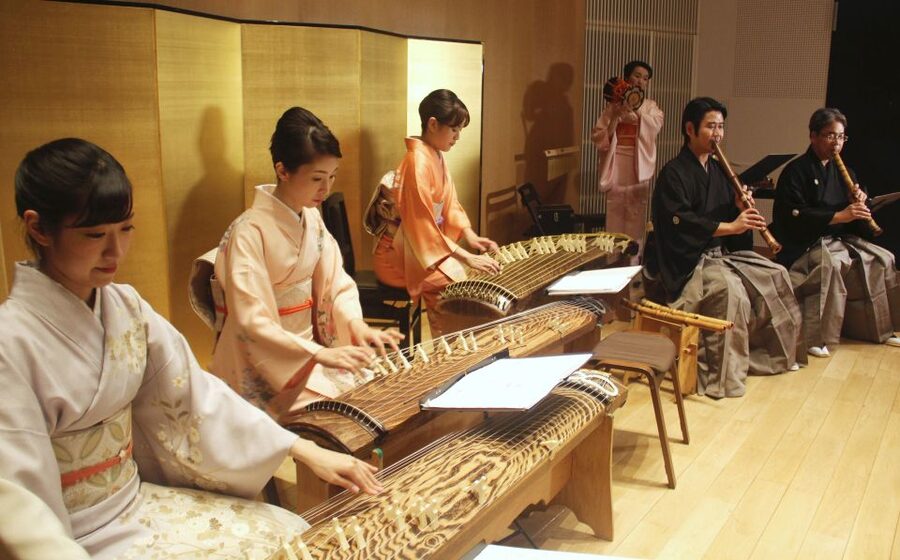
The audience is limited and seats are numbered. That gives you two practical benefits: you know you have a reserved place, and the musicians are close enough for you to watch their technique.
This is not the right choice if you want a grand concert hall, a sweeping stage production, or a long formal performance. The strength is intimacy. You are there to see the instruments and understand them, not just to hear a finished concert from a distance.
The compact setting also suits families. One family found that teenagers stayed interested enough to record the entire show. The short running time helps, and the change between strings, flute, and drums keeps the sound from becoming repetitive.
Still, recording an entire concert may not be your best way to experience it. Since photos and videos are allowed, you can capture a few moments, but it is worth putting your phone down for part of the program and watching the musicians directly.
More Tokyo shows and performances:
- Mt Fuji & Hakone Cruise, Drum Show Bullet Train 1 Day from Tokyo
★ 4.0 · 7,413 reviews - Tokyo: Sumo Show and Dining Experience
★ 4.8 · 2,742 reviews - the SUMO show
★ 5.0 · 1,960 reviews - Tokyo Shinjuku Sumo Show & Experience with Photo
★ 5.0 · 1,750 reviews
What happens after the final piece
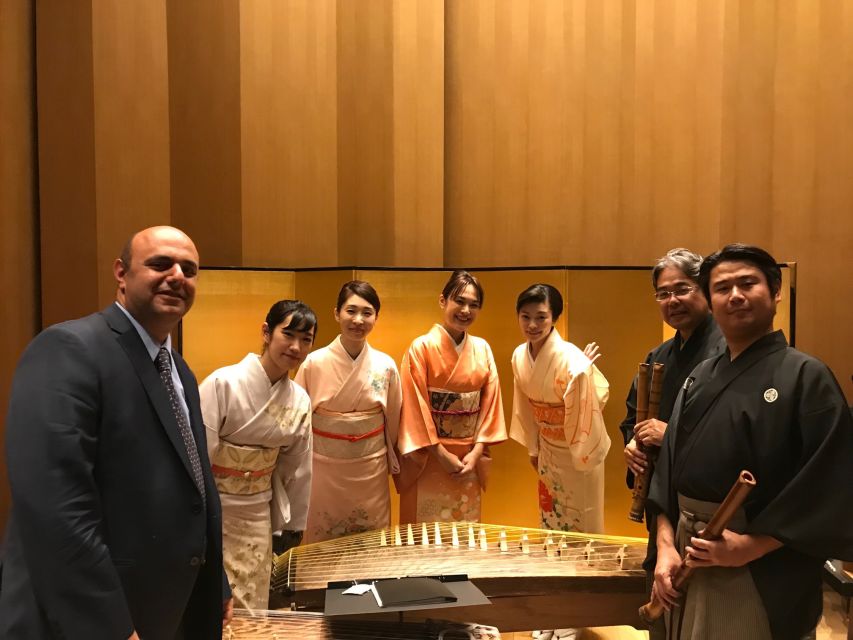
The performance includes an opportunity to take photos of the musicians and to pose with them afterward. This is a useful extra because it gives you a relaxed moment to see the performers outside the formal concert setting.
You can also take photos and videos during the show. Follow any instructions given in the room, especially if the host asks you to avoid flash or to keep devices from blocking another person’s view. The information provided confirms that recording is allowed, but it does not specify detailed camera rules.
The post-show photos make this experience feel more personal than a standard seated concert. You leave with more than a general memory of Japanese music. You can remember the instruments, the performers’ kimono, and the close-up setting.
Location near Harajuku makes it easy to pair with other plans
Hall 60 is close to both major rail options. From Meiji-Jingumae Station, Exit 7, it is a one-minute walk. From JR Harajuku Station’s Omotesando Exit, allow about five minutes.
That location makes the show easy to fit into a day around Harajuku, Omotesando, or Meiji-Jingu. The concert itself lasts one hour, so you do not have to give up an entire afternoon or evening.
The meeting point is specific, but the supplied information does not give a full street address or detailed directions inside Hall 60. Check the booking details before you leave your hotel, and allow enough time to find the correct entrance.
There is no hotel pickup or drop-off. That is not a problem for most people staying in central Tokyo, since the venue is near two well-known stations, but you need to make your own way there.
Is $38 a fair price?
At $38 per person, the ticket costs more than a casual street performance but less than many full-length theater evenings. The price includes entry, a reserved seat, and the one-hour concert. It does not include food, drinks, transportation, or merchandise.
I think the value is strongest if you want a focused cultural activity with clear explanations. You are paying for live musicians, a small room, translation, instrument demonstrations through performance, and the chance to meet the musicians for photos afterward.
The value is less convincing if you want a long show or a broad package with dinner and other entertainment. Since the concert lasts only an hour, consider it a compact cultural appointment rather than a complete night out.
The consistently strong response to the music, translation, and instrument explanations supports the price. The most praised elements are not flashy production tricks. They are the musicians’ skill, the clear host, and the chance to hear traditional instruments in a close setting.
Who will enjoy this most
I would choose this show for several kinds of visitors:
- First-time visitors to Japan who want a clear introduction to traditional music.
- Music lovers who want to compare the tones of the koto, shamisen, shakuhachi, and taiko.
- Families with older children or teenagers who may respond to the modern arrangement and Western song.
- Couples looking for a short evening activity with a personal atmosphere.
- Repeat visitors to Tokyo who have already seen the major sights and want a cultural experience with less time commitment.
- Visitors who do not speak Japanese, since the host provides English explanations.
It is also suitable for Japanese residents, since the program operates in both English and Japanese and includes music from both older and newer traditions.
I would be more cautious if you are looking for dance, costumes beyond the musicians’ kimono, a meal, or a large-scale stage spectacle. Those are not part of the stated program.
Practical details before you book
The experience is wheelchair accessible, and the ticket includes a reserved seat. It also skips the ticket line, which keeps arrival simple.
The host or greeter speaks English and Japanese. The activity description does not name the host, so you should not expect a particular presenter by name. What matters is that the explanations and translation are built into the show rather than left to written material.
You can reserve now and pay later, which helps if your Tokyo schedule is still changing. Free cancellation is available up to 24 hours in advance for a full refund. Check the available starting times before booking, since the supplied information does not give one fixed daily schedule.
Bring your phone if you want photos, but remember that the main value is live sound. A recording cannot fully capture the physical presence of taiko drums or the fine detail of the strings and flute.
Should you book ZAKURO SHOW?
Book it if you want a short, well-explained introduction to Japanese traditional music in a small setting. The combination of talented musicians, English translation, varied instruments, and a modern song makes the show approachable without stripping away its cultural focus.
It is especially good for a first or second day in Tokyo, when you want something meaningful but do not yet want to spend several hours at a formal performance. It also works well as a Harajuku stop before or after sightseeing.
Skip it if you need a full evening of entertainment, food, or a large theatrical production. For everyone else, $38 is a reasonable price for an intimate hour of live music and a rare chance to photograph the performers afterward.
FAQ
Where does the Japanese Traditional Music Show take place?
The show takes place at Hall 60 in Tokyo. It is one minute from Meiji-Jingumae Station, Exit 7, and five minutes from JR Harajuku Station’s Omotesando Exit.
How long does the concert last?
The concert program lasts one hour.
How much does the experience cost?
The listed price is $38 per person.
Which instruments are played?
The program features the koto, also described as a Japanese harp, shamisen, shakuhachi flute, and taiko drums.
Is the show available in English?
Yes. The host or greeter provides English and Japanese support, including explanations and translation during the program.
Can I take photos and videos?
Yes. Photos and videos are allowed during the show, and you can take photos with the musicians afterward.
Is a seat reserved?
Yes. Your entry includes a reserved seat, and the audience is limited to a small numbered group.
Does the ticket include food or drinks?
No. Food and drinks are not included.
Is hotel transportation included?
No. Hotel pickup and drop-off are not included. You make your own way to Hall 60.
Can I cancel for a refund?
Yes. You can cancel up to 24 hours in advance for a full refund.
Newly reviewed around Tokyo
- Tokyo Asakusa:Calligraphy & Make T-shirt Activity★ 5.0 · 62 reviews
- Intercity Shuttle, Tokyo to Haneda /Narita /Yokohama /Makuhari★ 5.0 · 5 reviews
- 1 Hour Travel around Tokyo with a Professional Photographer★ 5.0 · 3 reviews
- Travel Tokyo with Your Own Personal Photographer★ 5.0 · 43 reviews
- Train in Samurai Swordsmanship and Defeat the Demon in Tokyo★ 5.0 · 5 reviews
- Shuttle Van 6hr Tokyo Tour to-and-from Tokyo, Yokohama and Narita★ 5.0 · 9 reviews
- Kickboxing & Body Training with EX-Pro Fighter★ 5.0 · 4 reviews
- Traditional Japanese Knife Sharpening Class★ 5.0 · 18 reviews
Tokyo Traditional Music and Dance Shows, compared.
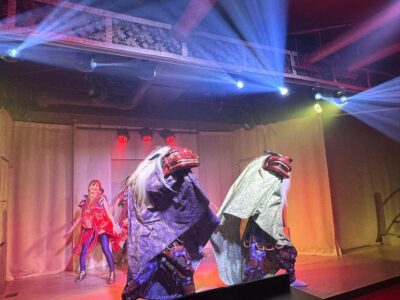
Japanese Dance Cabaret Theater Asakusa-Kaguwa Ticket
Read our review →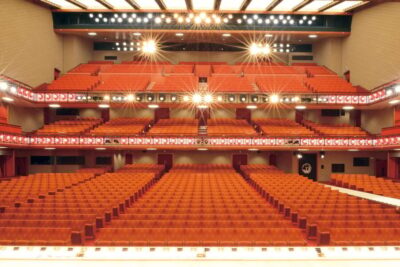
KABUKI Show at Kabukiza Theatre Admission Ticket
Read our review →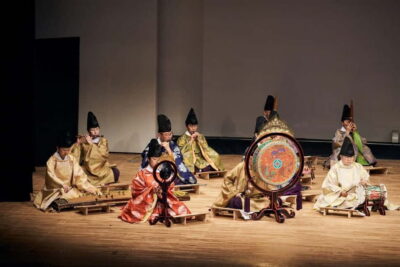
KABUKI, BUNRAKU, etc. presented by National Theatre
Read our review →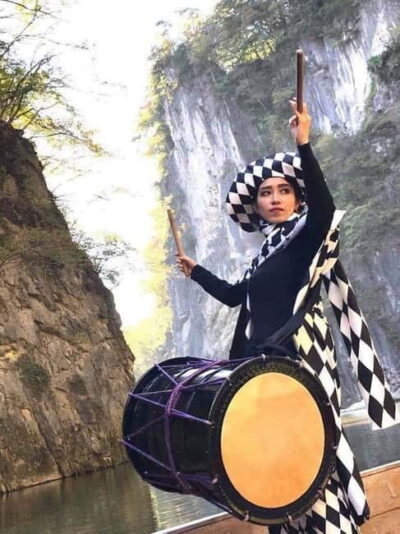
Tokyo’s Authentic and Finest Taiko Drumming Experience
Read our review →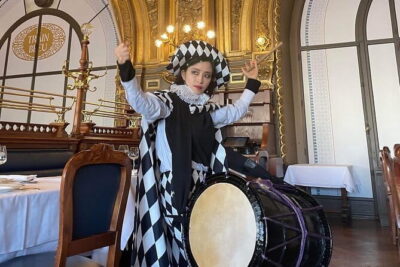
Tokyo’s Authentic and Finest Taiko Drumming Workshop
Read our review →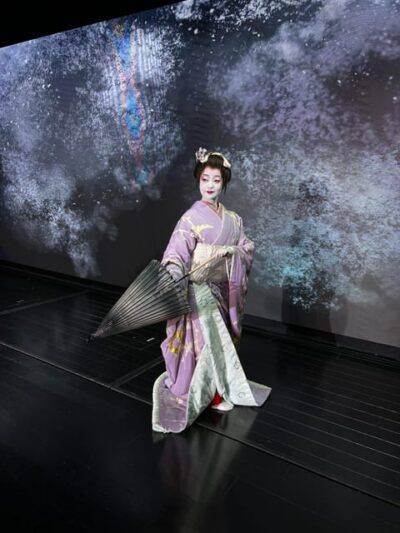
Authentic Japanese Dance Show ticket by professionals
Read our review →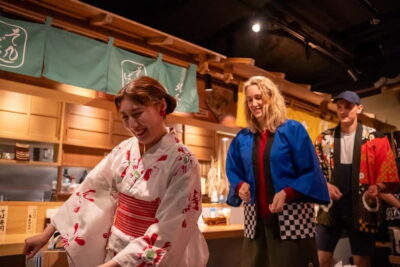
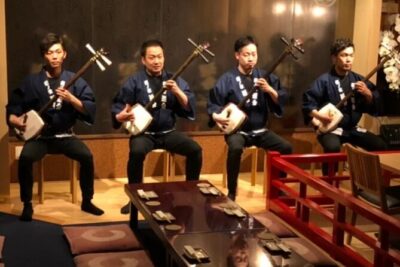
Tsugaru shamisen performance over traditional dinner
Read our review →Browse the lists this tour appears in