
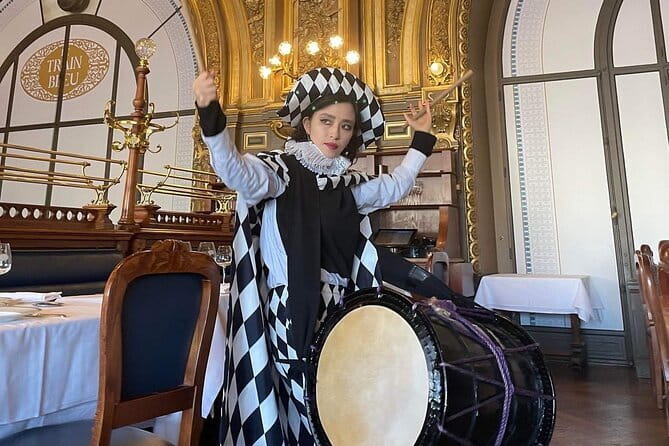
Reviewed · TOKYO TRADITIONAL MUSIC AND DANCE SHOWS
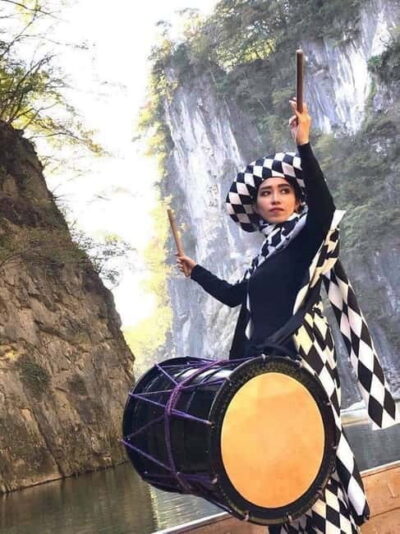
Tokyo’s Authentic and Finest Taiko Drumming Workshop
Taiko drumming turns a short Tokyo activity into a full-body cultural lesson. You learn the basic stance, rhythm, and movement, then play a traditional or contemporary piece with a group under the direction of Eva Kestner, a professional drummer and instructor.
I especially like the small-group format, which gives you real attention instead of a quick demonstration from the back of a crowded room. I also like the personal performance video, a useful souvenir that captures something you actually learned rather than something you simply bought.
The main caution is physical: this is a workout. The class can be loud, your legs do plenty of work, and one young participant developed blisters. Wear breathable clothes, bring water, and consider packing Band-Aids.
Quick reasons to book this workshop
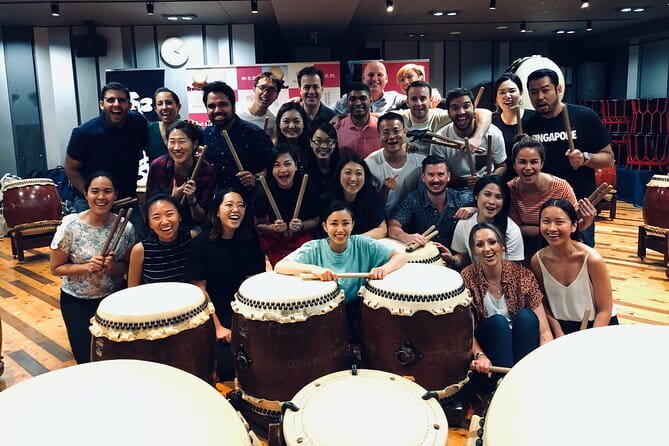
- Play almost right away: The class moves quickly from instruction into hands-on drumming, leaving plenty of time for practice.
- Learn from Eva Kestner: Eva founded and served as the first musical director of Cornell University’s Taiko Drumming group.
- Each person gets a drum: The setup lets you participate fully rather than take turns with shared equipment.
- Traditional and modern music meet: You study basic rhythms before performing a traditional or contemporary taiko piece.
- A central Shibuya-area location: The studio is near public transportation and easy to pair with more sightseeing.
- A genuine physical activity: Taiko uses posture, legs, arms, timing, and concentration, so it feels more like training than a passive cultural show.
Why taiko is such a good Tokyo activity
Many Japanese cultural activities ask you to watch quietly. This one asks you to make the sound yourself. That difference matters. You are not just hearing a taiko performance or looking at an old instrument. You are learning how rhythm, posture, movement, and group timing work together.
Taiko drums have a powerful public image in Japan, but the workshop gives you a closer look at the discipline behind that sound. The beat may seem simple at first. Once you add footwork, body position, repeated patterns, and the need to stay with the group, concentration becomes the real challenge.
That is part of the fun. You can arrive with no musical background and still take part. At the same time, the class has enough structure to interest someone who already plays percussion. Eva teaches beginner and novice-intermediate rhythms, so the session is not limited to children or complete first-timers.
I see this as a particularly good break from temples, department stores, and long days on your feet. It is active, social, and rooted in Japanese music without requiring a full day outside Tokyo.
More Tokyo traditional music and dance shows:
- Tokyo: Japanese Dance Cabaret Theater Asakusa-Kaguwa Ticket
★ 4.8 · 2,270 reviews - Tokyo: KABUKI Show at Kabukiza Theatre Admission Ticket
★ 4.8 · 152 reviews - Tokyo: KABUKI, BUNRAKU, etc. presented by National Theatre
★ 4.6 · 135 reviews
Meeting Eva Kestner at the Shibuya studio
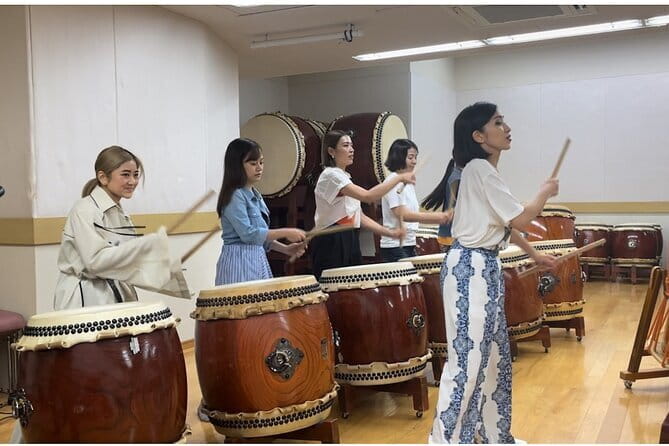
The experience takes place at Eva Kestner International Taiko Drum Academy in the Daikanyama area of Shibuya, at 111 Taiyo Residence Daikanyama, Uguisudanicho, Tokyo 150-0032. The location is near public transportation, and the activity begins and ends at the same meeting point.
The studio’s central position gives you a useful before-or-after plan. You can schedule the workshop between sightseeing stops in Shibuya or Daikanyama rather than spending most of the day getting to and from a distant venue. The larger-group option is different: groups of more than 20 people use a location about 20 minutes from Shibuya.
Give yourself enough time to find the entrance. One participant found the address harder to locate through the booking information, while Google Maps showed the spot correctly. That is a small issue, but it is worth checking the map before you leave. In Tokyo, a few minutes spent finding the right building can make the difference between arriving relaxed and rushing in.
Eva brings an unusual background to the class. She founded and served as the first musical director of Cornell University’s Taiko Drumming group. She also received an excellence award from the Tokyo University of the Arts New Artists Competition, and her original music has been published by HarperCollins and the Cambridge International Curriculum.
You do not need to know those credentials to enjoy the class, but they help explain its balance. This is not simply a tourist activity with a drum placed in front of you. You are working with a professional performer who knows how to break rhythm and movement into steps that beginners can follow.
The first 20 minutes: posture, sticks, and basic rhythm
The session lasts about 90 minutes. Eva provides the taiko drums and sticks, so you only need to bring yourself and clothing that lets you move comfortably.
Instruction begins with foundation training. Expect to learn how to hold the sticks, position your body, and approach the drum with the correct technique. These details may sound minor, but they make the difference between simply hitting a drum and producing a controlled sound.
You will also begin rhythm training. The class is taught in English, with Japanese support available, so international participants can follow the directions. Eva’s teaching style is patient and energetic, and the format is designed for people who have never played taiko before.
The pace is one of the workshop’s strengths. You start playing early rather than sitting through a long talk about Japanese music. That keeps the energy up and gives you enough time to ask questions after you have tried the basic patterns yourself.
Pay attention to your lower body. Taiko can look like an arm exercise, but the technique uses the legs and whole body. Several participants found the class more physical than expected, with one person noting that the legs worked harder than the arms. That is why water and breathable clothing matter.
The demonstration and short history lesson
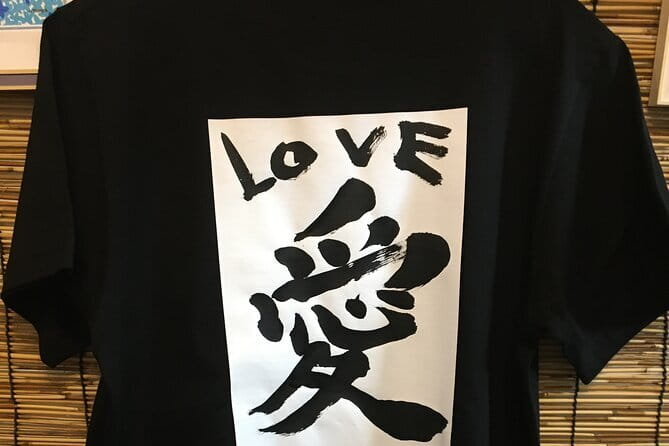
Eva includes a demonstration performance and a brief explanation of taiko’s history. This portion gives the practical lesson a wider cultural frame, but it does not take over the session.
I like that balance. You get context before returning to the instrument, yet most of the 90 minutes remains active. A demonstration also gives you a clear target: you can hear the timing, force, and movement that the instructor is asking you to build toward.
The workshop is not presented as a long academic lecture. If you want a detailed historical survey of Japanese percussion, this is not the right format. If you want enough background to understand the instrument before trying it yourself, the short introduction fits the schedule well.
The sound level deserves a clear warning. Taiko is loud by nature, and part of the pleasure is feeling the beat in the room. If you are sensitive to noise, keep that in mind before booking. The volume is not an accidental problem. It is part of the activity.
More hands-on classes and workshops in Tokyo:
- Sushi Making Tokyo Roll and Authentic Japanese Sushi Class
★ 5.0 · 3,971 reviews - Tokyo: Roll and Authentic Sushi Making Class in Asakusa
★ 4.9 · 1,957 reviews - Tokyo Shinjuku Chopsticks Making Class
★ 5.0 · 1,763 reviews - Tokyo: Sushi Making Class in a Happi Coat near a Famous Spot
★ 4.9 · 1,377 reviews
Learning a piece as a group
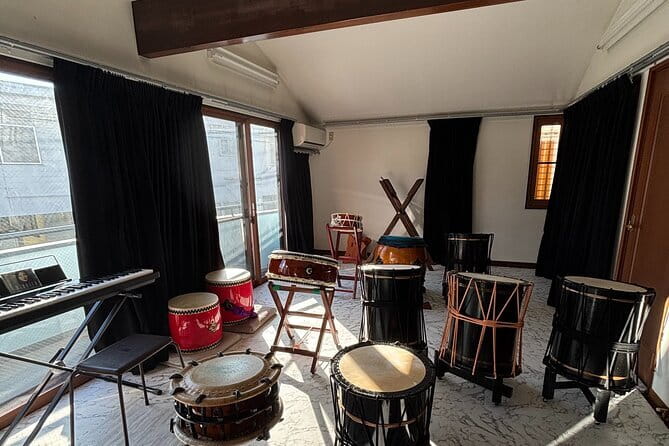
After the foundation work, you learn a traditional or contemporary taiko piece. The exact piece can vary, but the structure is clear: basic rhythms become a sequence, and the group works toward a shared performance.
This is where the workshop becomes more than a drumming lesson. You must listen to the people around you, remember the pattern, and follow Eva’s signals. A few simple beats can feel surprisingly demanding once they are arranged into a piece with timing and choreographed movement.
The group format also lowers the pressure. You are not expected to perform alone from the start. Everyone works through the same material, and the relaxed atmosphere helps beginners keep trying when a rhythm goes wrong.
Each participant receives an individual drum, which is important. You are not waiting for a turn or tapping on a practice surface while someone else plays. The group can create a fuller sound, and you get enough repetition to improve during the session.
Families with teenagers and a tween can fit well here, provided everyone is comfortable with a physical and loud activity. Teenagers can learn the rhythms quickly, while adults get the same chance to work on coordination. The class also suits couples, solo participants, and small groups looking for something more active than a standard sightseeing stop.
Your recorded performance and personal takeaway
A personalized video of you playing taiko is included. This adds value because the session produces a record of your performance, not just a memory of the studio.
The video can also help you see the workshop from a different angle. While you are concentrating on the beat, you may not notice your posture, movements, or how the group comes together. A recording gives you something concrete to keep after the class.
The activity combines tradition and the present in a practical way. You learn a Japanese musical form, perform a piece with other people, and leave with a modern digital souvenir. That mix works well for visitors who want culture without a formal museum setting.
The instructor’s performance is another highlight. Eva does not only explain the technique. She also plays for the class, giving you a sense of what the instrument can do when handled by someone with advanced skill. The contrast between the demonstration and your first attempts is part of the learning process, not a reason to feel intimidated.
What the $120 price really covers
At $120 per person, this is not the cheapest one-hour activity in Tokyo. The price makes more sense when you look at what is included: a 90-minute session, an individual drum and sticks, English instruction, Japanese support, a professional demonstration, a small-group setting, and a personalized video.
The small group is especially important. The maximum is 15 people, though sessions can be smaller. You are paying for access to an instructor who can watch your technique, correct your rhythm, and keep the group moving. That is a better value than a large performance workshop where personal guidance is limited.
It is also a good use of time if you want an activity that combines entertainment, exercise, and cultural context. You are not paying for a long transfer or multiple stops. The central location lets you add the class to a day in Shibuya or nearby Daikanyama.
I would not book it expecting a polished concert with a short audience participation segment. The value comes from doing the work yourself. If you prefer watching professionals, a taiko performance may suit you better. If you want to leave with a new skill and a little sweat, the cost is easier to justify.
The experience is usually booked about 31 days ahead, so it is sensible to reserve early if your Tokyo dates are fixed. Free cancellation is available until 24 hours before the start time. Changes or cancellations inside that window are not accepted for a refund.
Comfort, access, and practical preparation
The activity requires a moderate level of physical fitness. You do not need prior drumming experience, but you should be ready to stand, move, repeat rhythms, and use your body with some force for about 90 minutes.
Wear comfortable, breathable clothing. Tight or restrictive clothes will make the movement less enjoyable, and the room may feel warm once you are playing. Bring water, especially if you are fitting the class into a full sightseeing day.
Taiko sticks and drums are supplied. You do not need to bring instruments or musical equipment. If you have delicate hands, Band-Aids are a sensible backup because repeated playing can cause rubbing or blisters.
Accessibility support is available for visual, audio, mobility, and neurodivergent needs. If you need a particular arrangement, make that clear when booking so the academy can prepare appropriate support.
The confirmation arrives at booking, and the activity ends back at the meeting point. That makes the timing simple, but you should still allow extra time before the class for Tokyo transport and finding the building.
Who will enjoy this most
I would recommend the workshop to first-time visitors who want a cultural activity they can actively take part in. It is especially well suited to:
- Families with older children and teenagers who need a break from walking and sightseeing
- Couples looking for a shared activity with a clear Japanese connection
- Solo visitors who enjoy small-group classes
- People interested in percussion, rhythm, dance, or movement
- Beginners who want patient English instruction
- Repeat visitors who have already covered the major temples and museums
It may be less suitable if you have a strict dislike of loud sounds, cannot comfortably take part in a physical activity, or want a quiet and highly detailed history lesson. This is a hands-on workshop first, with cultural explanation built around it.
The class can also work for a mixed-ability group. Beginners get clear foundations, while people with some percussion experience can pay more attention to timing, body movement, and cleaner technique.
Should you book Eva Kestner’s taiko workshop?
Yes, if you want to do something in Tokyo rather than simply see something. The workshop gives you a drum, a structured lesson, a performance to watch, a group piece to learn, and a personal video to take home.
The strongest reasons to book are Eva’s professional background, the early hands-on practice, and the small-group attention. Just come prepared for noise, concentration, and a real workout. At $120, it is a premium short activity, but the combination of instruction, equipment, performance, and recording gives it solid value for anyone who wants an active cultural experience near Shibuya.
FAQ
How long does the taiko workshop last?
The workshop lasts approximately 90 minutes.
How much does the experience cost?
The listed price is $120 per person.
Are the taiko drums and sticks provided?
Yes. The academy provides both taiko drums and taiko drumming sticks.
Is the workshop taught in English?
Yes. Eva teaches the workshop in English, and English and Japanese support are available.
Where does the activity meet and end?
It meets at Eva Kestner International Taiko Drum Academy at 111 Taiyo Residence Daikanyama, Uguisudanicho, Shibuya, Tokyo 150-0032. The activity ends back at the meeting point.
How many people can join the workshop?
The maximum group size is 15 people. Groups larger than 20 use a different location about 20 minutes from Shibuya.
Can I cancel for a refund?
Yes. You can cancel up to 24 hours before the experience start time for a full refund. Cancellations or changes made less than 24 hours before the start time are not accepted for a refund.
Newly reviewed around Tokyo
- Tokyo Asakusa:Calligraphy & Make T-shirt Activity★ 5.0 · 62 reviews
- Travel Tokyo with Your Own Personal Photographer★ 5.0 · 43 reviews
- Intercity Shuttle, Tokyo to Haneda /Narita /Yokohama /Makuhari★ 5.0 · 5 reviews
- 1 Hour Travel around Tokyo with a Professional Photographer★ 5.0 · 3 reviews
- Train in Samurai Swordsmanship and Defeat the Demon in Tokyo★ 5.0 · 5 reviews
- Shuttle Van 6hr Tokyo Tour to-and-from Tokyo, Yokohama and Narita★ 5.0 · 9 reviews
- Kickboxing & Body Training with EX-Pro Fighter★ 5.0 · 4 reviews
- Traditional Japanese Knife Sharpening Class★ 5.0 · 18 reviews
Tokyo Traditional Music and Dance Shows, compared.
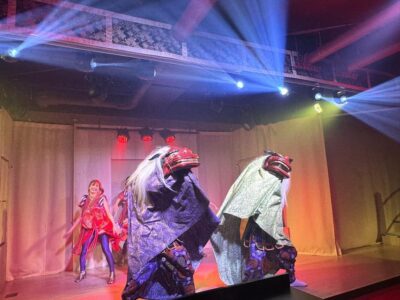
Japanese Dance Cabaret Theater Asakusa-Kaguwa Ticket
Read our review →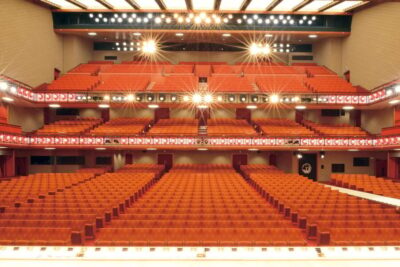
KABUKI Show at Kabukiza Theatre Admission Ticket
Read our review →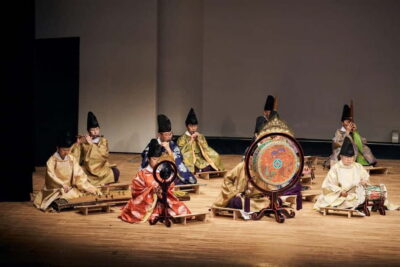
KABUKI, BUNRAKU, etc. presented by National Theatre
Read our review →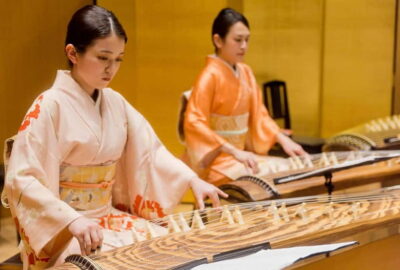
Tokyo’s Authentic and Finest Taiko Drumming Experience
Read our review →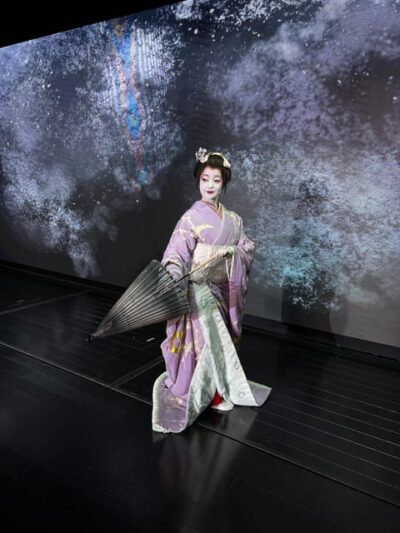
Authentic Japanese Dance Show ticket by professionals
Read our review →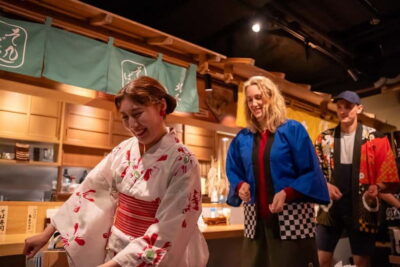
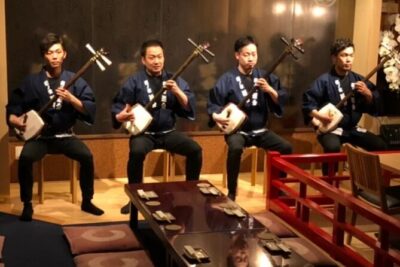
Tsugaru shamisen performance over traditional dinner
Read our review →Browse the lists this tour appears in