
Reviewed · TOKYO TRADITIONAL MUSIC AND DANCE SHOWS
Tokyo’s Authentic and Finest Taiko Drumming Experience
Taiko is not a gentle sit-down lesson. In this 90-minute Tokyo workshop, you learn with your whole body: firm stance, sharp movements, strong rhythm, and plenty of arm work. Professional instructor Eva Kestner also gives a performance and explains how these powerful drums fit into Japanese culture.
I like two things right away. You learn real playing technique, not just a few tourist poses, and you leave with a personal video of your performance. I also like the balance between a traditional piece and a contemporary one, which gives you a wider sense of what taiko can be.
The main thing to consider is the physical effort. Several parts keep you moving, and the studio can get warm. Bring water, wear comfortable clothing, and expect your arms to feel the lesson afterward.
Key points to know before booking
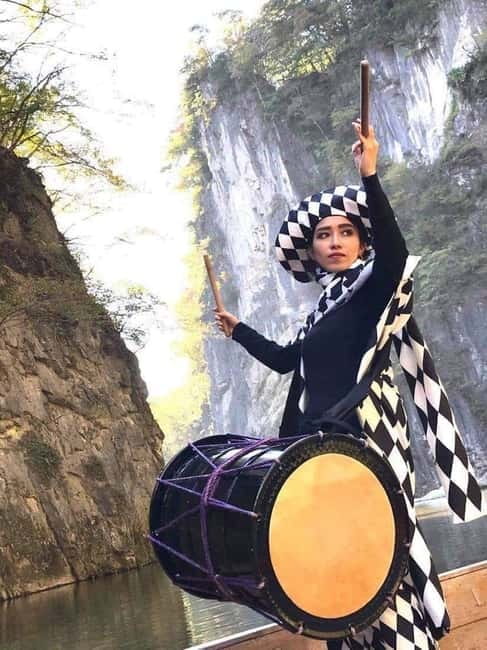
- Eva Kestner leads the workshop: She is a professional taiko performer, teacher, composer, and former founder and musical director of Cornell University’s taiko group.
- You learn more than basic beats: The class covers stick handling, foundation technique, rhythm drills, and both traditional and contemporary music.
- A real regional composition is part of the lesson: One traditional piece comes from Miyake Island, part of the Izu Islands near Tokyo.
- The class is active: You may sweat, and the arm work can be tiring, especially during repeated rhythms and performance sections.
- You receive a personal video: The recording gives you a useful memory and a way to practice your form later.
- The price is $120 per person: That is a fair amount for a private, expert-led cultural class if you value instruction and a lasting keepsake.
Why this taiko class feels different from a quick tourist activity
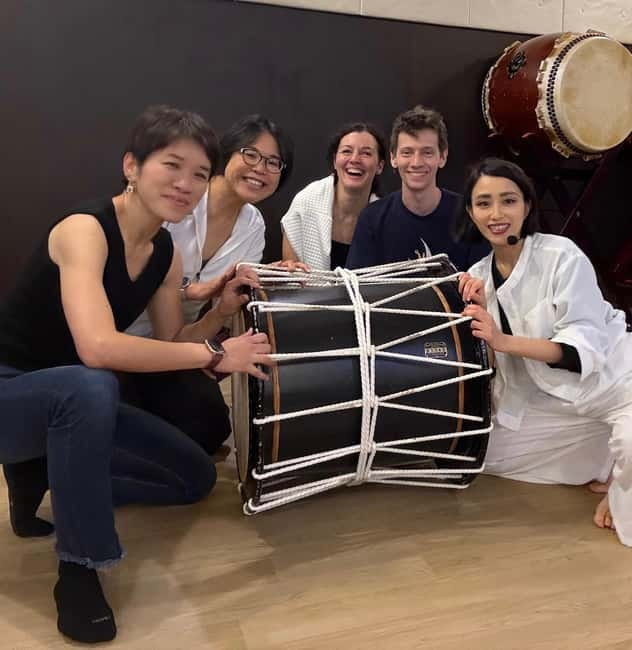
Taiko is often presented as booming drums and dramatic poses. This workshop gives you that energy, but it also shows the discipline underneath it. You work on how to hold the sticks, how to stand, how to move, and how to keep a rhythm with control.
That matters because taiko is not simply a matter of hitting a drum as hard as possible. Form and style are part of the music. Your posture affects the sound, and your movement helps shape the performance. The class gives you a short but useful look at that relationship.
Eva Kestner brings serious performance experience to the room. She founded and served as the first musical director of Cornell University’s Taiko Drumming group. She has also received the excellence award from the Tokyo University of the Arts New Artists Competition. Her original music is published by Harper Collins and Cambridge International Curriculum.
You do not need previous experience. The instruction is in English, with Japanese also available. Eva breaks the work into manageable sections, which helps you keep up even if you have never held taiko sticks before.
More Tokyo traditional music and dance shows:
- Tokyo: Japanese Dance Cabaret Theater Asakusa-Kaguwa Ticket
★ 4.8 · 2,270 reviews - Tokyo: KABUKI Show at Kabukiza Theatre Admission Ticket
★ 4.8 · 152 reviews - Tokyo: KABUKI, BUNRAKU, etc. presented by National Theatre
★ 4.6 · 135 reviews
Beginning with sticks, stance, and foundation training
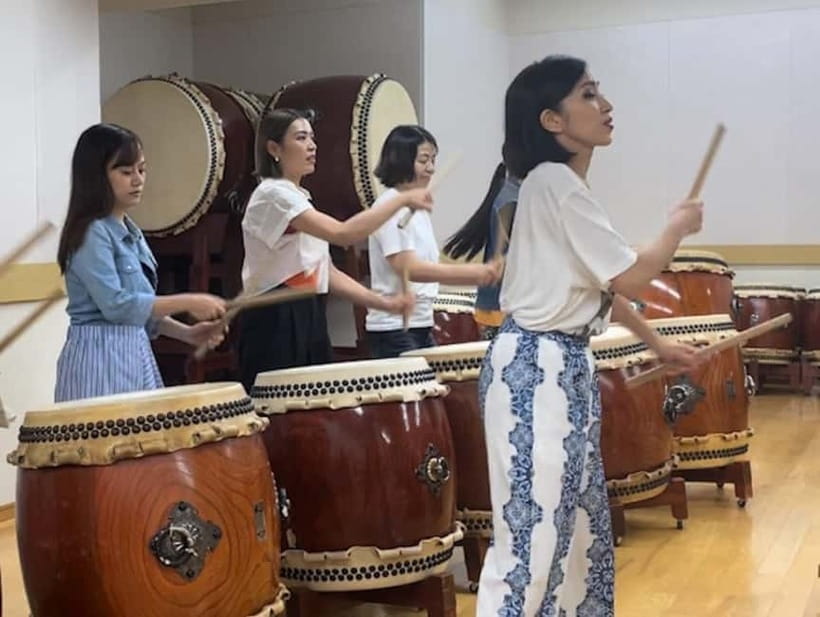
The first part focuses on the basics. You learn how to hold the taiko sticks and how to approach the drum with the right physical form. This may sound simple, but it gives the rest of the session a clear structure.
Expect the teaching to move at a good pace. You are not spending the whole 90 minutes on background information. The explanation is brief, then you get to work. That makes the class useful for people who prefer doing over listening.
The foundation section also prepares you for the visual side of taiko. A performance includes more than sound. Stance, arm position, timing, and coordinated movement all matter. You begin building those habits before the faster rhythms arrive.
I would not book this expecting a completely relaxed cultural talk. The lesson asks you to pay attention and repeat movements. That is part of its value, but it also explains why comfortable clothing and water are specifically recommended.
Rhythm training that keeps you moving
After the basic technique, the class shifts into rhythm training. You work through different beat patterns and learn how to stay accurate as the rhythm changes. This is where the workshop starts to feel like a workout.
The physical effort comes from repetition and full-arm movement. You may be moving constantly rather than sitting between exercises. One participant described the class as exhausting, while another said it was an unexpected workout. That is useful planning information, especially if you have a full day of sightseeing afterward.
The energy is not only physical. Rhythm work also demands focus. You need to listen, remember the pattern, and coordinate your movements with the rest of the group. That concentration gives the class a different feel from a simple drum demonstration.
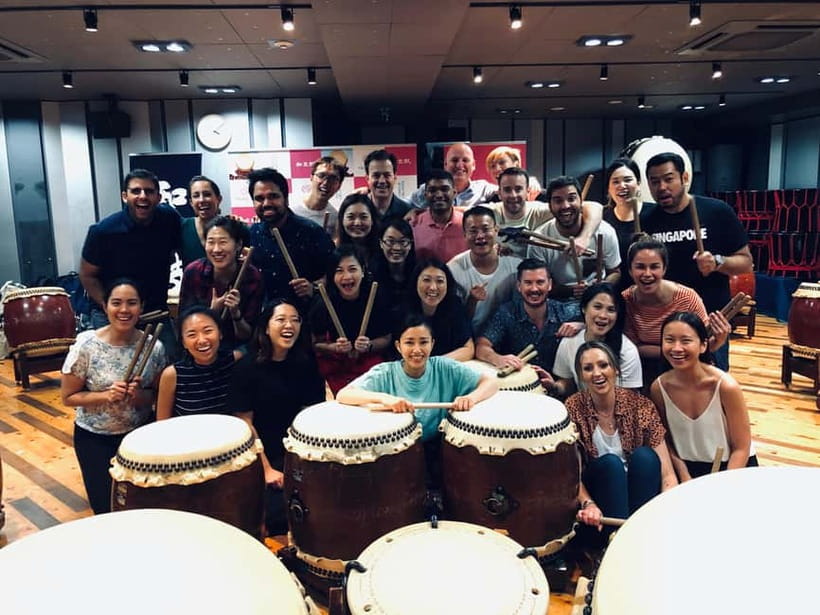
Families can enjoy this section because everyone can work on the same beat together. Couples and friends also get a shared task, rather than simply watching the instructor. The activity suits people who enjoy music, movement, and a clear challenge.
Learning a traditional Miyake Island composition
The most culturally meaningful part of the workshop is the traditional piece. The exact selection may vary, but the session has included a genuine composition from Miyake Island, one of the islands near Tokyo.
This gives you more context than a generic rhythm exercise. You are learning a piece with a regional connection and a recognizable structure. In one section, participants use two different types of drums. The result is a more complete introduction to taiko than learning one repeating beat.
The piece can be challenging. That is not a flaw, but you should know what you are signing up for. Eva leads you through it step by step, and the earlier foundation and rhythm work help prepare you for the final performance.
I like this progression because you can feel the lesson building. You start with how to hold the sticks, move into patterns, and then apply those skills to music with greater shape and character. Even if you make mistakes, you have learned how the parts fit together.
A completely different kind of day in Tokyo:
- Mt Fuji and Hakone 1-Day Bus Tour Return by Bullet Train
★ 5.0 · 26,383 reviews - 1-Day Tokyo Bus Tour
★ 5.0 · 14,250 reviews - Tokyo: teamLab Planets TOKYO Digital Art Museum Entry Ticket
★ 4.6 · 9,779 reviews - Mt Fuji & Hakone Cruise, Drum Show Bullet Train 1 Day from Tokyo
★ 4.0 · 7,413 reviews
Adding a contemporary taiko piece
The workshop also includes a contemporary taiko piece. This helps correct the idea that taiko belongs only to the distant past. Japanese drumming continues to develop, and modern compositions can use traditional instruments in new ways.
The contrast between the traditional and contemporary material gives the class welcome variety. You can hear and feel the difference in approach, even within a short session. The traditional work connects you with a regional form, while the contemporary section shows how artists can continue to build on it.
You may also learn a paired performance involving different beats and poses. This adds a visual element and requires you to notice what your partner is doing. Another exercise involves switching on and off the drum, making the group performance feel more active and playful.
These sections are good for groups because the music is not only about individual skill. You learn how separate parts work together. That said, the class is still suitable for a solo participant because no prior drumming background is required.
Eva’s demonstration and teaching style
At some point, Eva gives a demonstration performance. This is worth paying attention to, not just as entertainment but as a clear example of the technique you are trying to learn.
Seeing an accomplished performer helps you understand the difference between basic practice and polished taiko. You can watch the posture, timing, controlled power, and movement that make the performance so compelling. It also gives you a chance to hear the instruments without worrying about your own rhythm.
Her background matters here. Eva is not simply reading instructions from a script. She is an experienced performer who has created music, led a university taiko group, and received recognition from the Tokyo University of the Arts. Her instruction combines artistic skill with a clear teaching method.
The teaching style is energetic but patient. The class moves quickly through several exercises, yet each step is explained clearly. If you want a slow, quiet lesson, this may feel busy. If you want to get a lot from 90 minutes, the pace works in your favor.
The video keeps the experience going after Tokyo
The personal video is one of the strongest practical features. After the workshop, you receive a recording of you playing taiko, supplied through a private YouTube link.
This gives you more than a photograph of the activity. You can see your form, remember the rhythms, and practice later if you wish. One person specifically appreciated being able to review the session and work on technique at home.
The recording also makes the workshop easier to share with family and friends. You have a direct reminder of what you learned, rather than relying on a short memory after a busy Japan trip.
I would still keep expectations realistic. The video does not turn a beginner into a trained taiko performer after one class. Its value is as a personal record and a practice aid. For a one-time cultural activity, that is a useful extra.
What the $120 price includes
The cost is $120 per person. That is not a budget activity, especially for a 90-minute session. Still, the price includes an expert-led lesson, use of the drums and sticks, a demonstration, cultural background, two styles of music, and your personal video.
I see the value most clearly if you want instruction rather than a performance alone. You are paying for Eva’s experience, a structured class, and the chance to take part in the music. The personal recording adds something you can keep after the trip.
For a family or private group, the cost can also make sense because the session creates a shared activity. The private group option may suit people who want to learn together at their own pace, though the exact group arrangements depend on the option you book.
Large groups of more than 20 people should contact Eva directly. Those groups use a studio about 20 minutes from Shibuya by train. The meeting point can vary, so check the location attached to your booking before setting out.
Who will enjoy this workshop most
I would choose this class if you want an active cultural experience and enjoy learning by doing. It suits first-time drummers, families, couples, friends, and anyone curious about Japanese music beyond the usual sightseeing stops.
You do not need to be musically trained. The workshop begins with the foundation, and the instructor explains the process in English. You only need to be willing to repeat the patterns and stay engaged.
It is also a good choice for people who want a personal souvenir. The video feels more meaningful than a standard group photograph because it shows you taking part in the music.
I would think twice if you dislike exercise, have limited energy, or want a calm indoor activity. The class can be tiring, and the room may become warm. Several participants ended with sore or tired arms, so avoid placing it immediately before a demanding evening plan.
Simple preparation for a better session
Wear clothes that let you move your arms and upper body freely. Shorts or other cool clothing may be helpful because the room can feel warm during the active sections.
Bring a water bottle. The activity does not provide clothing or refreshments, and hydration matters once the rhythm training begins.
You do not need to bring drums or sticks. Both are provided. You also do not need prior taiko experience, so beginners can arrive without special preparation.
Leave enough time to reach the correct studio. The meeting point may vary by booking option, and the studio for large groups is about 20 minutes from Shibuya by train. Check your confirmation carefully rather than assuming every session begins in the same place.
The activity lasts 90 minutes. Starting times depend on availability, so choose a slot that leaves you room to arrive without rushing.
Should you book Eva’s taiko workshop?
Book it if you want to take part in Japanese culture instead of only watching it. The combination of basic technique, rhythm drills, traditional and contemporary music, Eva’s demonstration, and a personal video gives you a lot to do in a short session.
The strongest reason to choose it is the instruction. Eva brings real performance experience, yet the class remains accessible to beginners. You get a genuine introduction to taiko form and rhythm without needing to commit to a long course.
The main caution is physical. This is an active workshop, not a restful break between sightseeing stops. Wear cool, comfortable clothes and expect some arm fatigue.
At $120, I consider it worthwhile for people who value a hands-on lesson and a lasting recording. If you want only a short performance or a low-effort activity, spend your money elsewhere. If you want a memorable Tokyo experience with music, movement, and a skilled teacher, this is a strong choice.
FAQ
How long does the taiko workshop last?
The workshop lasts 90 minutes.
How much does the experience cost?
The price is $120 per person.
Do I need previous taiko experience?
No. Prior experience is not required. The workshop begins with foundation training and basic rhythm work.
What languages are available?
The instructor teaches in English and Japanese.
What should I wear and bring?
Wear comfortable clothing and bring a water bottle. The class can be physically active and the room may become warm.
What is included in the workshop?
The session includes foundation training, rhythm training, a traditional and contemporary taiko piece, a demonstration by Eva, a brief explanation of taiko’s history, use of drums and sticks, and a personalized video of you playing.
Can I cancel for a full refund?
Yes. You can cancel up to 24 hours in advance for a full refund. You can also reserve now and pay later, depending on the booking option.
Newly reviewed around Tokyo
- Tokyo Asakusa:Calligraphy & Make T-shirt Activity★ 5.0 · 62 reviews
- Intercity Shuttle, Tokyo to Haneda /Narita /Yokohama /Makuhari★ 5.0 · 5 reviews
- 1 Hour Travel around Tokyo with a Professional Photographer★ 5.0 · 3 reviews
- Travel Tokyo with Your Own Personal Photographer★ 5.0 · 43 reviews
- Train in Samurai Swordsmanship and Defeat the Demon in Tokyo★ 5.0 · 5 reviews
- Shuttle Van 6hr Tokyo Tour to-and-from Tokyo, Yokohama and Narita★ 5.0 · 9 reviews
- Kickboxing & Body Training with EX-Pro Fighter★ 5.0 · 4 reviews
- Traditional Japanese Knife Sharpening Class★ 5.0 · 18 reviews
Tokyo Traditional Music and Dance Shows, compared.
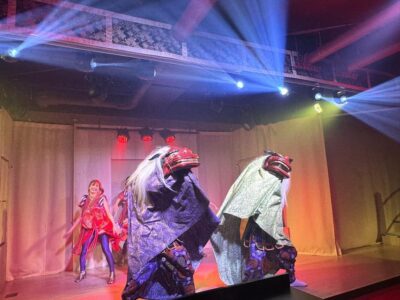
Japanese Dance Cabaret Theater Asakusa-Kaguwa Ticket
Read our review →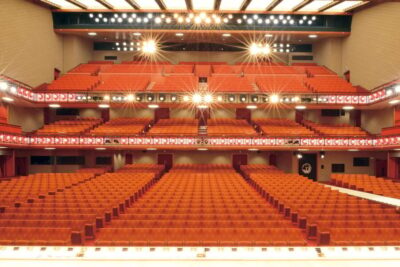
KABUKI Show at Kabukiza Theatre Admission Ticket
Read our review →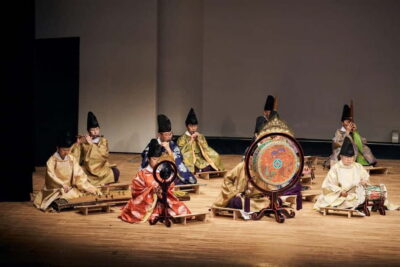
KABUKI, BUNRAKU, etc. presented by National Theatre
Read our review →
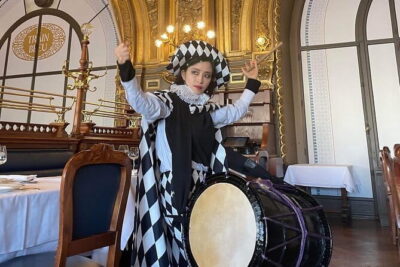
Tokyo’s Authentic and Finest Taiko Drumming Workshop
Read our review →
Authentic Japanese Dance Show ticket by professionals
Read our review →
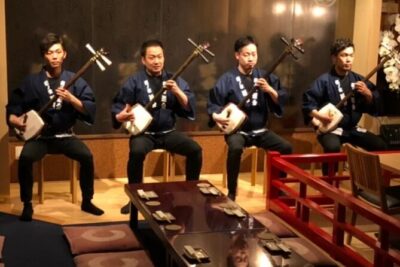
Tsugaru shamisen performance over traditional dinner
Read our review →Browse the lists this tour appears in