
Reviewed · TOKYO COOKING CLASSES
Beauty Vegan Dessert Cooking Class + Sake Kasu Hand Mask Trial!
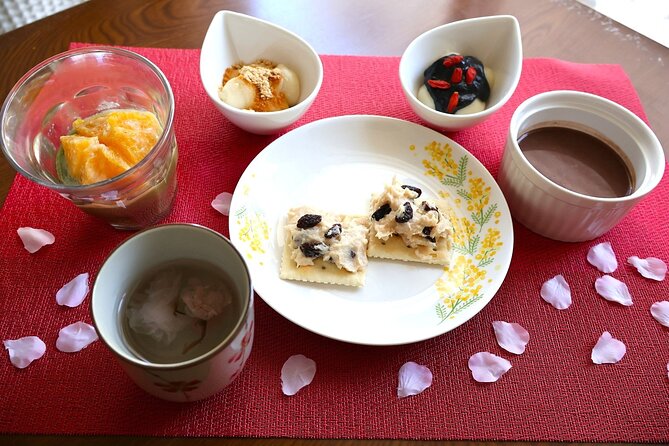
Japanese fermentation takes the spotlight in this small Tokyo cooking class. You’ll make vegan desserts with amazake and sake kasu, two traditional ingredients tied to Japanese food culture, health, and beauty. The class also includes a sake kasu hand mask and a graceful afternoon tea with sakura tea.
I like the practical recipes, since you receive a handout to help you continue making amazake-based treats at home. I also like the intimate group size, with no more than six people, and the easy access from Akasaka-Mitsuke Station. The main consideration is the sake kasu: it contains about 8% alcohol, and it may irritate sensitive skin during the hand mask.
Key points to know before booking
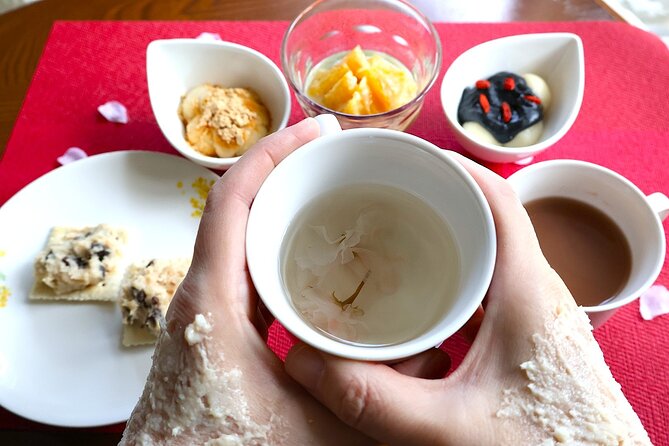
- Amazake replaces refined sugar: Learn how fermented rice creates a naturally sweet base for desserts and drinks.
- Sake kasu adds a grown-up twist: This nutrient-rich sake byproduct contains alcohol, so tell the host if you need the banana alternative.
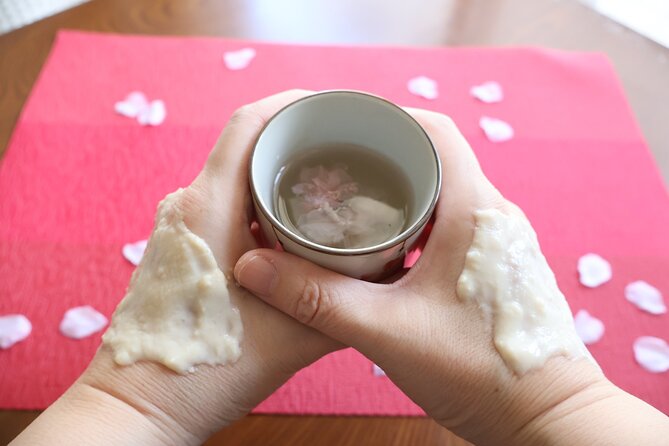
- The hand mask is part of the class: Try sake kasu on your hands, but skip it if you have cuts, wounds, or sensitive skin.
- Small groups make questions easier: The class accepts a maximum of six people, useful for a hands-on lesson.
- The timing suits a busy Tokyo day: Meet at 2 pm for about two hours, just 10 minutes from Shibuya Station.
- A seasonal menu keeps things flexible: The desserts change according to the time of year.
Why Japanese fermentation makes this dessert class different
Many Japanese cooking classes focus on sushi, ramen, or tempura. This one takes a quieter route, exploring fermented foods and how they fit into everyday cooking, wellness, and Japanese culture.
The two main ingredients are amazake and sake kasu. Amazake is a sweet fermented rice drink or paste. Depending on how it is made, it can taste naturally sweet without added sugar. Sake kasu is the solid material left after sake is pressed from its fermented mash. It contains alcohol, with this class noting around 8 percent.
That gives the lesson a useful cultural angle. You are not simply following a dessert recipe. You are learning why fermentation matters in Japan and how familiar ingredients can be used in modern, plant-based food.
I especially like that the class treats fermentation as something you can use at home. The recipes are not presented as a one-time Tokyo trick. With the recipe handout, you can look for amazake or rice koji after returning home and continue experimenting.
The health claims should be kept sensible. The class presents amazake and sake kasu as ingredients associated with gut health and glowing skin, but this is still a cooking experience, not a medical treatment. The value is in learning a traditional food practice and tasting ingredients in several forms.
More Tokyo cooking classes:
- Tokyo: Roll and Authentic Sushi Making Class in Asakusa
★ 4.9 · 1,957 reviews - Tokyo Shinjuku Chopsticks Making Class
★ 5.0 · 1,763 reviews - Tokyo: Sushi Making Class in a Happi Coat near a Famous Spot
★ 4.9 · 1,377 reviews
Meeting at Akasaka-Mitsuke for a two-hour afternoon
The meeting point is at Akasaka-Mitsuke Station, at 3-chōme-1-6 Akasaka in Minato City. The class begins at 2 pm and returns to the same meeting point when it ends.
This is a useful time slot. You can spend the morning sightseeing, have lunch elsewhere, and still fit the class into your Tokyo day. The venue is described as about 10 minutes from Shibuya Station, and it is near public transportation, so you do not need to plan a long trip across the city.
The class lasts about two hours. That is long enough for a proper lesson and tasting, but short enough to combine with another activity. You will not lose an entire afternoon to a cooking program.
The indoor setting also helps when Tokyo weather turns wet or uncomfortable. Still, the booking terms say the activity requires good weather and may be canceled if conditions are poor. If that happens, you are offered another date or a full refund.
Because the group limit is six people, I would expect a more personal setting than a large demonstration class. You should have a better chance to ask about fermentation, ingredient substitutions, and the recipes. The class may not suit children aged six or younger, since the lecture can be difficult for very young participants.
What you make with amazake and sake kasu
The exact menu changes by season, so you should not book expecting one fixed dessert. That is a small uncertainty, but also a strength. Seasonal changes let the instructor work with ingredients suited to the time of year rather than repeating the same menu regardless of the calendar.
The central lesson is how amazake and sake kasu can be used in sweet foods. You make vegan desserts together, then eat the snacks as part of the afternoon tea. Coffee and Japanese tea, including green tea, are included.
Amazake is the friendlier ingredient for most visitors. Its sweetness can help reduce or replace added sugar, and its soft fermented flavor works well in drinks and desserts. The class gives you a chance to taste it in a prepared dish rather than buying an unfamiliar bottle and guessing how to use it.
Sake kasu has a stronger personality. It can bring a fermented, slightly boozy note to food, which makes it more distinctive than ordinary dessert ingredients. Since it contains alcohol, you should not drive after class.
The instructor can use banana instead for participants under 20 or anyone who does not drink alcohol. You need to mention this when booking or provide the information in advance. This option makes the class more practical for mixed-age groups and people who avoid alcohol for personal, religious, or health reasons.
You should also report food allergies or ingredient restrictions before the class. The information provided does not promise that every restriction can be accommodated, so early notice matters.
The Japanese beauty afternoon tea
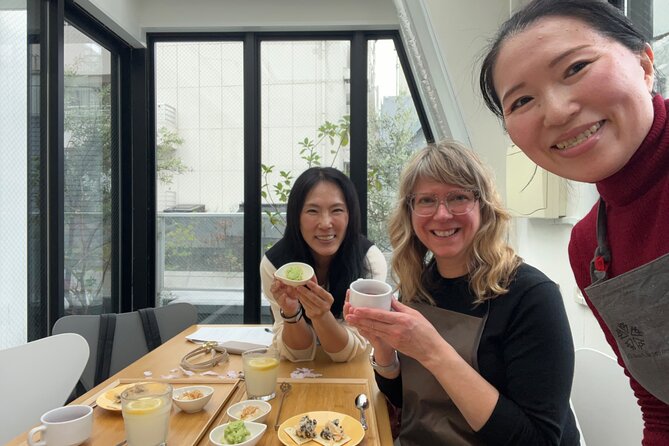
After preparing the desserts, you sit down to enjoy them with tea. This is more than a quick bite between cooking steps. The format gives the lesson a pleasant finish and lets you compare the ingredients in finished foods.
Sakura tea adds a distinctly Japanese touch. Its floral, seasonal character suits the beauty theme, while green tea or another Japanese tea gives you a more familiar option. Coffee is also available.
I like this part because it turns the class into a small cultural meal. You are tasting food made with ingredients that have been explained in context, rather than simply sampling sweets from a counter.
The word beauty in the class title may sound grand, but the experience is fairly simple: fermented ingredients appear in desserts, tea accompanies the food, and sake kasu is also used for the hand mask. Think of it as a food and self-care workshop, not a spa treatment.
More Tokyo sake tastings:
- Ramen and Sushi Cooking Class with Sake Pairing Set in Tokyo
★ 5.0 · 291 reviews - Sake Tasting Masterclass in Shinjuku (8+ Varieties with a Pro)
★ 5.0 · 271 reviews - Sake Omakase in Tokyo: Guided Tasting by Certified Sommeliers
★ 5.0 · 239 reviews - Tasting All Types of Sake with Sommelier
★ 5.0 · 151 reviews
The sake kasu hand mask needs a little caution
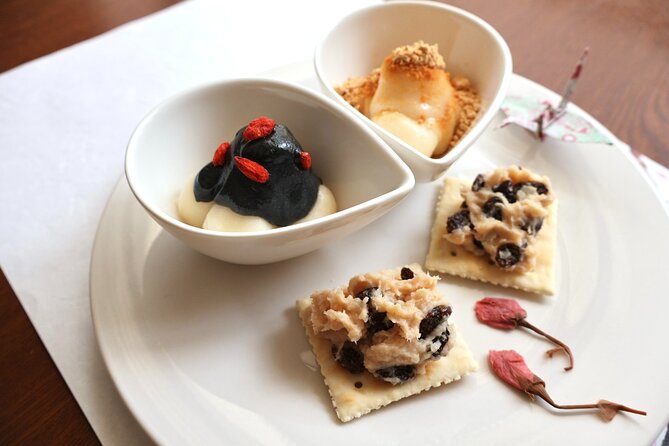
The hand mask is the most unusual part of the experience. Sake kasu is applied as a trial treatment, connecting the ingredient’s culinary use with Japanese beauty traditions.
This can be a fun way to understand the ingredient through touch as well as taste. It also gives the class a clear theme: nourish yourself through food, then try the same fermented product as a cosmetic ingredient.
But you should take the safety notes seriously. Sake kasu does not suit every skin type. It may cause irritation, especially if you have sensitive skin. Do not take part in the hand mask if you have cuts or open wounds on your hands.
The host cannot accept responsibility for skin problems caused by the trial. If your skin reacts easily to new products, you can ask about skipping the mask. People under 20 and those who do not drink alcohol can use the banana option for the food, but the information provided does not state that banana replaces the cosmetic trial, so clarify this before arrival.
This is one area where the class is not ideal for everyone. The cooking portion remains appealing even if you decide not to use the mask, but the hand treatment is a central feature and should be considered before booking.
What the recipe handout adds after you leave Tokyo
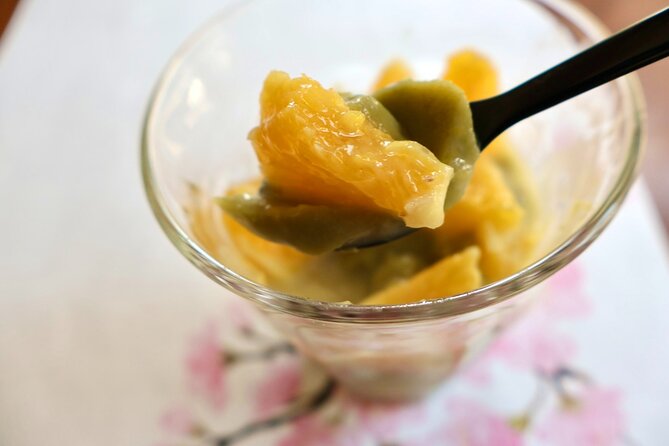
The included lecture handout contains the recipe and presentation material used during the class. That is important because amazake and sake kasu may be unfamiliar once you leave Japan.
The lesson gives you a starting point for finding amazake or rice koji in your own country. One participant who also took the fermented food lunch class planned to make amazake after returning home. That says something useful about the class: it can leave you with a new cooking project, not just a pleasant memory.
If you are already interested in fermentation, you will probably get more from the explanations and recipe notes. If you are new to it, the class offers a gentle introduction through sweet foods rather than a technical food science lesson.
The possible drawback is availability. The handout may explain what to do, but the ingredients may be harder to find at home. Ask questions during class and make notes about substitutions while the instructor is available.
Price and overall value at $64.09
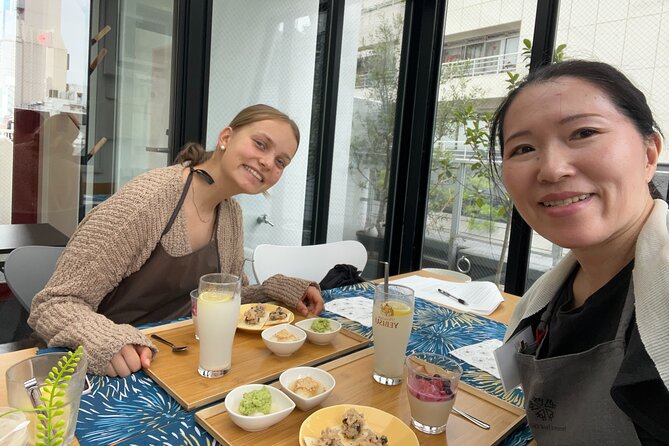
At $64.09 per person, this is not the cheapest way to eat dessert in Tokyo. You are paying for instruction, ingredients, an apron, tea, the food you make, the recipe material, and the hand mask trial.
The value improves if you care about specialized food culture. Fermentation-focused dessert classes are unusual, and this one combines cooking with a short lecture about Japanese culture, health, and beauty. The maximum group size of six also makes the price easier to justify than it would be for a large, impersonal workshop.
You should not choose it if your main goal is simply to eat a large amount of dessert. The class is educational and hands-on. Its pleasure comes from learning how amazake and sake kasu work, then tasting the result.
The class also works well as a compact experience during a longer Tokyo trip. At two hours, it does not demand a full day. Its 2 pm start leaves room for morning sightseeing, while the central location makes it easy to continue your evening afterward.
A second class may improve the value for especially interested cooks. Coji Life Cooking also offers a fermented food lunch class beginning at 11 am. If you join both on the same day, you receive a gift of the rice koji amazake used in the dessert class. That makes the combination appealing if fermentation is a major reason for your visit.
Who should book this class
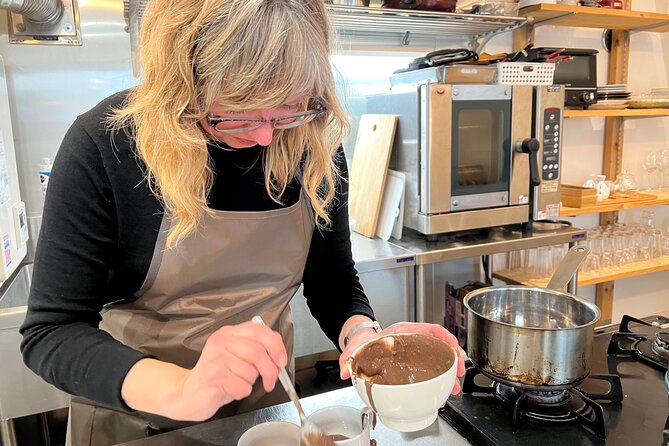
I would recommend this experience to you if you enjoy cooking, plant-based food, Japanese food culture, or unusual ingredients. It suits solo visitors, couples, and small groups who prefer a calm lesson to a crowded sightseeing stop.
It is also a good choice for anyone who wants an activity unaffected by ordinary Tokyo rain, though the cancellation terms still refer to poor weather. The short duration makes it easy to fit between other plans.
You may want to skip it if you dislike fermented flavors, avoid all alcohol, or have highly sensitive skin. The banana option helps people who cannot consume sake kasu, but the class still places strong attention on amazake and sake kasu.
Families should check the age issue carefully. Children six and under may struggle with the lecture, and anyone under 20 must be identified in advance so the instructor can use banana instead of the alcoholic ingredient.
The class is also a good match for repeat visitors to Japan. If you have already seen the major sights, learning how Japanese fermented foods appear in desserts and beauty care gives your day a more local focus.
Booking, cancellation, and practical details
Confirmation normally arrives at booking. If you book within three days of the class, confirmation may take up to 48 hours and depends on availability.
You can cancel for a full refund up to 24 hours before the 2 pm start time. Cancellations or changes made less than 24 hours ahead are not refunded or accepted. The cut-off follows Tokyo local time, so check the time difference if you are arranging plans from abroad.
Transportation to the venue is not included. You are responsible for getting to Akasaka-Mitsuke Station, though the area is near public transportation. The activity begins and ends at the meeting point.
The mobile ticket is convenient, and the apron is supplied. You only need to arrive ready to cook, with any allergy, age, alcohol, or skin concerns already explained.
Should you book the amazake dessert class?
Book it if you want a small, unusual Tokyo activity that combines vegan cooking, Japanese fermentation, and beauty customs. The recipes, tea service, seasonal menu, and handout give the two hours more substance than a simple tasting.
The strongest reasons to choose it are the rare focus on fermented desserts, the six-person maximum, and the chance to keep working with amazake after your trip. The strongest reasons to hesitate are the alcohol in sake kasu, the possible skin irritation, and the fact that the menu changes by season.
For most curious food lovers, the class offers good value at $64.09, especially if you combine it with the morning fermented food lunch class and receive the rice koji amazake gift. Just disclose restrictions early, skip the hand mask if your skin is vulnerable, and do not drive afterward.
FAQ
Where does the class meet?
The meeting point is Akasaka-Mitsuke Station, at 3-chōme-1-6 Akasaka, Minato City, Tokyo 107-0052. The activity ends back at the meeting point.
What time does the class start?
The class starts at 2 pm and lasts approximately two hours.
Is the class entirely vegan?
Yes. The class uses vegan ingredients for the dishes and desserts.
Does sake kasu contain alcohol?
Yes. The sake kasu used in the experience contains around 8% alcohol. Participants under 20 and people who do not drink alcohol can request the banana option.
Is the sake kasu hand mask suitable for sensitive skin?
Not necessarily. Sake kasu may irritate sensitive skin, and you should not use it if you have cuts or wounds on your hands. The provider cannot accept responsibility for problems caused by the trial.
What happens if I need to cancel?
You can receive a full refund if you cancel at least 24 hours before the experience begins. Cancellations or changes made less than 24 hours before the start are not accepted or refunded.
More Dessert Tours in Tokyo
- Matcha Making Class in Tokyo with Authentic Japanese Sweets Set
★ 5.0 · 744 reviews - Tokyo: Matcha Making Experience with Mochi Sweets in Asakusa
★ 4.9 · 388 reviews - Make Traditional Nerikiri Sweets & Matcha experience in Shibuya
★ 5.0 · 130 reviews - Private Mochi Sweets Making class near Shibuya area
★ 5.0 · 93 reviews
More Tokyo drink tastings and bars
- Tokyo Bar Hopping Tour in Shinjuku (All-You-Can-Drink + Dinner)
★ 5.0 · 3,587 reviews - Best of Shinjuku: Izakaya Food Tour (4 Stops, 14+ Tastings)
★ 5.0 · 1,863 reviews - Tokyo: Shinjuku Local Bar and Izakaya Guided Walking Tour
★ 4.9 · 1,794 reviews - Shibuya Meltdown Nightlife Tour: All-You-Can-Drink Bar Hopping
★ 5.0 · 1,058 reviews
Newly reviewed around Tokyo
- Tokyo Asakusa:Calligraphy & Make T-shirt Activity★ 5.0 · 62 reviews
- Intercity Shuttle, Tokyo to Haneda /Narita /Yokohama /Makuhari★ 5.0 · 5 reviews
- 1 Hour Travel around Tokyo with a Professional Photographer★ 5.0 · 3 reviews
- Travel Tokyo with Your Own Personal Photographer★ 5.0 · 43 reviews
- Train in Samurai Swordsmanship and Defeat the Demon in Tokyo★ 5.0 · 5 reviews
- Shuttle Van 6hr Tokyo Tour to-and-from Tokyo, Yokohama and Narita★ 5.0 · 9 reviews
- Kickboxing & Body Training with EX-Pro Fighter★ 5.0 · 4 reviews
- Traditional Japanese Knife Sharpening Class★ 5.0 · 18 reviews
Tokyo Cooking Classes, compared.

Roll and Authentic Sushi Making Class in Asakusa
Read our review →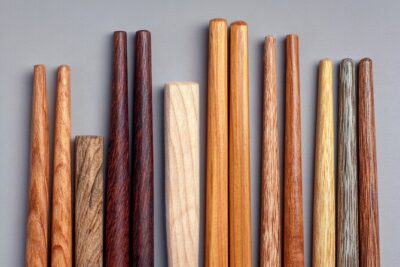
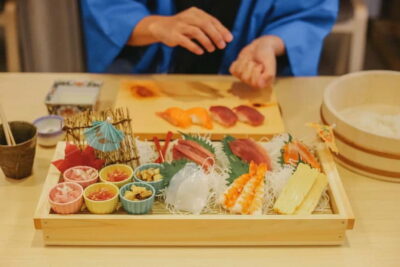
Sushi Making Class in a Happi Coat near a Famous Spot
Read our review →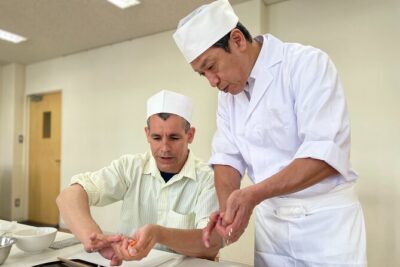
Tokyo Sushi Making Class in Tsukiji with Professional Chef
Read our review →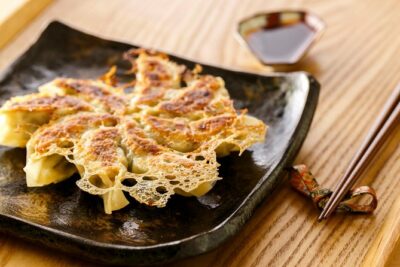
Ramen & Gyoza Cooking Class in Tokyo with Local Supermarket Visit
Read our review →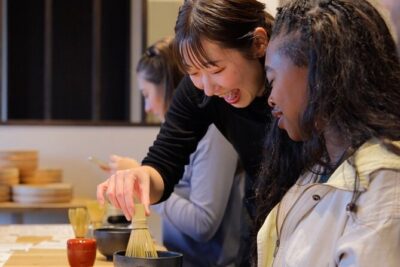
Matcha Making Class in Tokyo with Authentic Japanese Sweets Set
Read our review →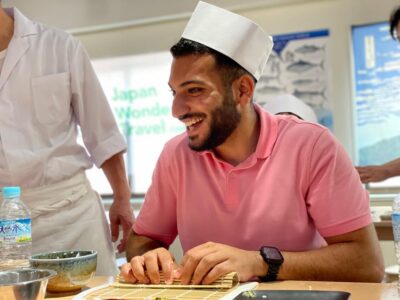
Tsukiji Fish Market Sushi Making Class with Pro Chef
Read our review →
Browse the lists this tour appears in