
Reviewed · ASAKUSA AND SENSOJI TOURS
Asakusa: Culture exploring bar visits after history tour
Asakusa becomes most interesting when the temple gates give way to tiny bars, lantern-lit streets, and plates meant for sharing. This four-hour tour links the district’s best-known sights with three authentic izakaya stops, giving you both the public face of Asakusa and its after-dark character.
I like the mix of clear historical context and a full dinner of three to four drinks and dishes. I also like the small group limit of eight, which should make questions and conversation easier. The drawback is the fixed four-hour route: if you want long temple visits, serious shopping, or a late-night bar crawl, this tour may move too quickly.
Key points at a glance
- Three drinking stops included: Hoppy Street, Kamiya Bar, and a sake-focused izakaya provide different sides of Asakusa’s bar culture.
- A useful opening view: The Asakusa Culture Tourist Information Center gives you a high look over the route, Sumida River, and Tokyo Skytree.
- Temple and shrine context: You visit Sensoji Temple and nearby Asakusa Shrine while learning how Buddhist and Shinto traditions share this area.
- Dinner is part of the price: Three to four drinks and three to four dishes are included, enough to function as a full evening meal.
- Small group format: The tour accepts a maximum of eight people, a practical size for narrow streets and small bars.
- Simple afternoon timing: The tour begins at 3:00 pm and ends back at the meeting point after about four hours.
Why this Asakusa tour works
Many Asakusa walks stop at Kaminarimon and Sensoji Temple, take a few photos, and call it a day. This experience adds the part of the district that is harder to arrange on your own: a guided route through local drinking spots, with food and drinks included.
That combination matters. Asakusa is not only about grand gates and incense smoke. It is also about old entertainment streets, compact bars, casual food, and the social custom of ordering small dishes with a drink. You get a short history walk first, then see how the neighborhood changes as the afternoon moves toward evening.
The price is $156.07 per person. That is not a low-cost sightseeing walk, but the calculation is different from a temple tour. The price includes the guide, three to four drinks, three to four dishes, and visits to three distinct bar settings. If you would otherwise pay separately for dinner, drinks, and a guided cultural walk, the package can make sense.
You should still book it for the format, not simply for the food. The real value is having someone explain what you are seeing, lead you to places you could miss, and help you make sense of Japanese drinking customs. The tour averages 26 days booked ahead, so planning early is sensible if your Tokyo dates are fixed.
More Asakusa and Sensoji tours:
- Tokyo: Japanese Dance Cabaret Theater Asakusa-Kaguwa Ticket
★ 4.8 · 2,270 reviews - Tokyo: Meiji Shrine, Asakusa, Skytree Bus Tour and Cruise
★ 4.7 · 1,986 reviews - Tokyo: Roll and Authentic Sushi Making Class in Asakusa
★ 4.9 · 1,957 reviews
Starting beside the Sumida River
The meeting point is Burger King Asakusa Azumabashi at 3:00 pm. From there, the route begins at Sumida Park, beside one of Tokyo’s most important waterways.
This opening stop gives the tour a useful sense of place. The story of Sensoji Temple is tied to the Sumida River, with its origins reaching back about 1,400 years. You are not simply looking at a bridge and taking a photo. You are hearing why this stretch of water matters to Asakusa’s identity and to the temple’s origin story.
The park stop lasts about 15 minutes. That is enough for an introduction and a look around, but not a long riverside stroll. If you want extensive park time, arrive early and explore before the official start.
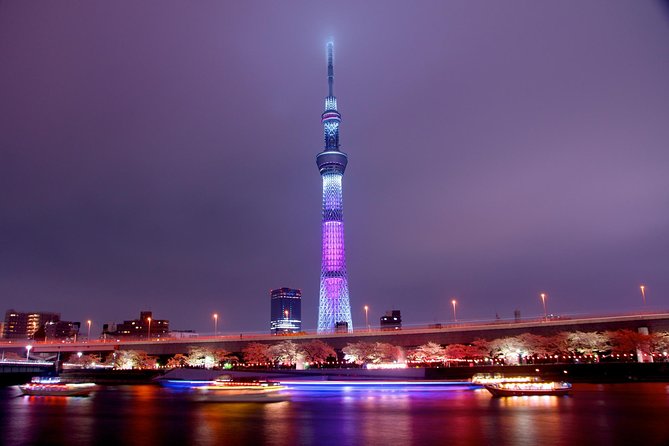
Next comes the Asakusa Culture Tourist Information Center. The building provides a high view toward the Sumida River and Tokyo Skytree, along with a preview of the route. This is a smart early stop because Asakusa’s streets can feel like a maze when you first arrive. Seeing the district from above helps you understand how the river, temple grounds, shopping streets, and entertainment quarter fit together.
Kaminarimon and the approach to Sensoji
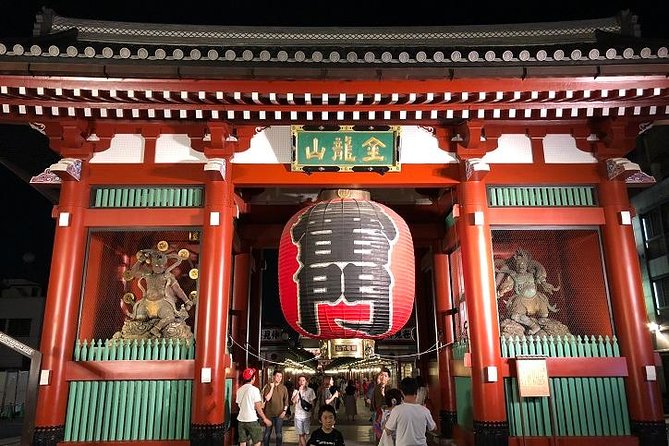
Kaminarimon, or Thunder Gate, is one of Tokyo’s most familiar sights. Its enormous red lantern marks the entrance to the Sensoji area and gives you an immediate visual signal that you have reached the heart of old Asakusa.
Your guide uses the gate to explain the connection between Buddhist and Shinto sites in this part of town. The subject is useful because the religious buildings are close together, yet they belong to different traditions. The tour continues through Nakamise Shopping Street, the long approach leading toward Sensoji.
Nakamise is not a quiet path to a temple. It is lined with shops and has a friendly, busy feel that may surprise you if you expect a solemn approach. You have about 15 minutes here, so treat this as an introduction rather than a shopping session. The street is a place to notice the mix of souvenirs, food, and religious surroundings, but the schedule does not leave much room for browsing every shop.
The next gate is Hozomon, the inner gate of Sensoji. It is a large two-story structure, with the upper level holding important temple treasures. The guide gives you context for the gate before taking you into the temple grounds.
Sensoji Temple and Asakusa Shrine
Sensoji is Tokyo’s oldest temple and the main historical stop on the route. This is where the earlier explanation of the Sumida River comes together with the buildings around you.
You spend about 15 minutes at the temple, learning what you are seeing rather than simply passing through. That short time is helpful for a first visit, especially if you are unsure about the order of the gates, the temple grounds, and the customs associated with the site.
The tour then visits Asakusa Shrine, located beside Sensoji. Its proximity makes the area a useful lesson in Japan’s religious past and present. A Buddhist temple and a Shinto shrine share the same neighborhood, and the guide explains how that arrangement developed.
This portion is strongest for people who want meaning behind the sights. If you have already spent hours studying Sensoji or want time for quiet reflection and photographs, the 15-minute stops may feel brief. The tour is designed to give you a well-shaped introduction, not an exhaustive temple visit.
More Tokyo drink tastings and bars:
- Tokyo Bar Hopping Tour in Shinjuku (All-You-Can-Drink + Dinner)
★ 5.0 · 3,587 reviews - Best of Shinjuku: Izakaya Food Tour (4 Stops, 14+ Tastings)
★ 5.0 · 1,863 reviews - Tokyo: Shinjuku Local Bar and Izakaya Guided Walking Tour
★ 4.9 · 1,794 reviews - Shibuya Meltdown Nightlife Tour: All-You-Can-Drink Bar Hopping
★ 5.0 · 1,058 reviews
From temple grounds to the Rokku district
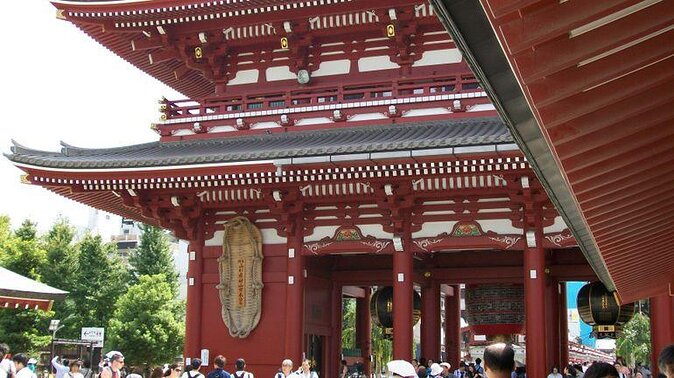
After Sensoji and Asakusa Shrine, the route changes mood in Asakusa Demboin-dori. You move toward the Rokku area, the district’s traditional entertainment quarter.
This section helps separate the temple zone from the rest of Asakusa. The streets carry traces of the Meiji period while continuing into modern Tokyo life. The area is often lively without feeling as crowded as the main approach to Sensoji, which makes it a useful transition before the evening stops begin.
The schedule gives roughly 15 minutes here. Again, it is a guided walk rather than a chance to investigate every side street. I like this part because it explains why Asakusa feels broader than its famous temple gate. You see a neighborhood shaped by religion, entertainment, shopping, and nightlife, all within a compact area.
First stop: lanterns and local atmosphere on Hoppy Street
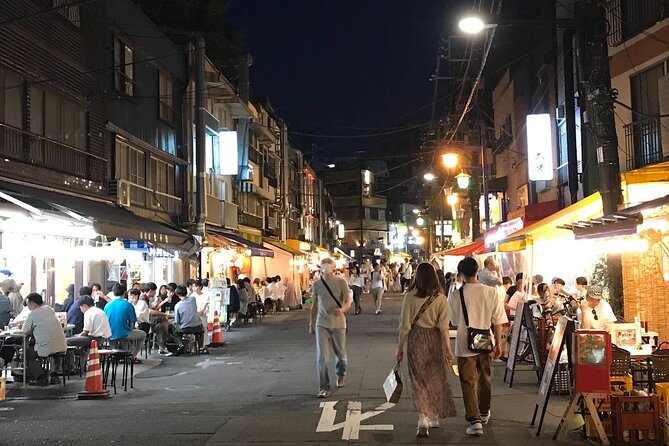
The first izakaya stop is on Hoppy Street, an approximately 80-meter stretch lined with small drinking establishments. Lanterns and outdoor seating create a casual street scene, and the bars are open during the day as well as in the evening.
This is a good place to begin the food portion because it shows the social side of Asakusa without asking you to understand too much at once. You can settle in, eat a dish or two, and watch the street while your guide explains the setting.
The stop lasts about 40 minutes. That is long enough for a proper drink and food, but not long enough to linger over a large menu. Three to four dishes are included across the tour, along with three to four drinks, so you should expect several small servings rather than one formal restaurant meal.
Hoppy Street is also where the tour feels most casual. Outdoor seating and compact bars are part of the appeal, but the setting may not suit anyone seeking a quiet, polished dinner. The point is local character, not fine dining.
Second stop: historic Kamiya Bar
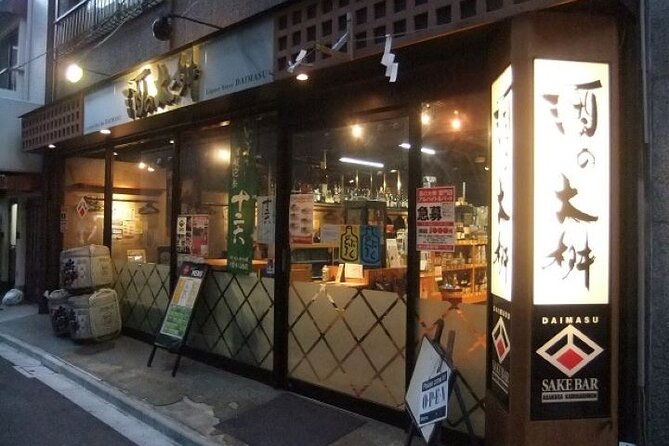
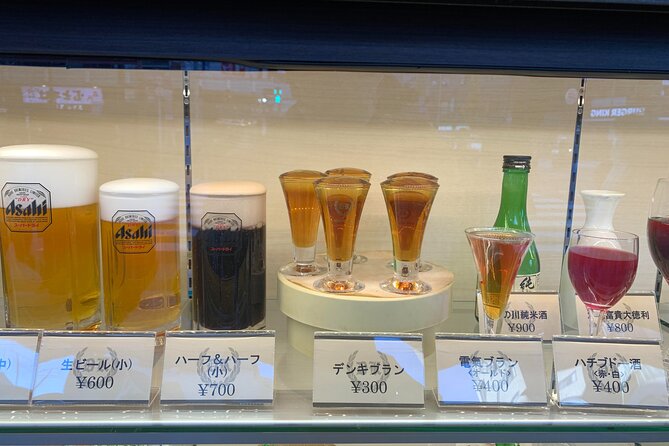
The route continues to Kamiya Bar, established in 1880 and described as Japan’s oldest Western-style bar. Despite its name, it is not simply a modern cocktail lounge. Its long history gives this stop a different feel from the informal bars on Hoppy Street.
You spend about 40 minutes here. The contrast is useful. At the first stop, the emphasis is on the street and the izakaya atmosphere. At Kamiya Bar, you get a link to Asakusa’s older drinking culture and to the early influence of Western-style bars in Japan.
The stop also gives the evening some variety. Three identical bars would make the tour feel repetitive. Instead, the route moves from an outdoor drinking street to a historic establishment, then finishes with a place focused on sake.
Because the bar is a well-known historic stop, it may appeal most to people who enjoy places with a story. If your priority is fashionable cocktails or a modern nightlife scene, this is not that kind of visit. It is about continuity and character.
Final stop: learning the basics of sake
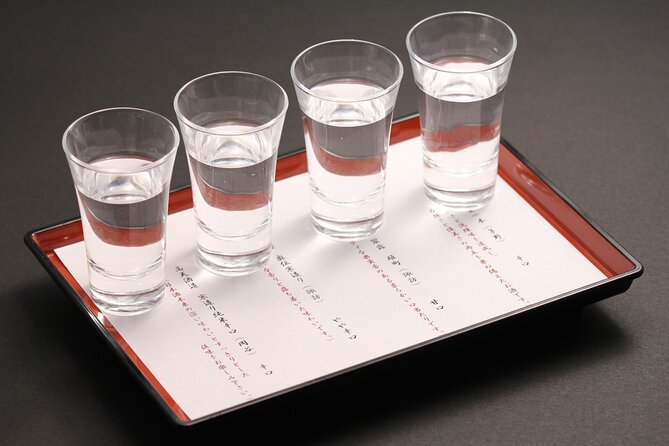
The last izakaya specializes in sake and carries a wide range of varieties. This is the most educational drinking stop, since your guide explains why sake developed in Japan and which ingredients play an important role in its production.
That explanation gives structure to what can otherwise be an intimidating subject. Sake comes in many styles, and a menu with unfamiliar names is not always easy to approach on your own. Having the guide explain the basics helps you understand what you are drinking rather than treating it as just another alcoholic beverage.
The final stop lasts about 40 minutes. You have the remaining included food and drink here, making the overall package enough for a full dinner according to the tour details. Still, dinner is served through several stops, so the meal feels more like a series of tastings and shared dishes than a single seated course.
The sake stop is especially useful if you have wanted to try sake but did not know where to start. You may not become an expert in one evening, but you should leave with a clearer idea of how the drink fits into Japanese culture and dining.
What the small group changes
The maximum group size is eight people. That is a practical number for this route, since small bars and narrow streets are easier to manage with fewer people.
A small group also makes the history and food explanations more useful. You can ask questions while walking, and the guide can spend more time responding to individual interests than on a large coach-style outing. One especially strong element of the experience is the guide’s role as a conversational host. The guide is expected to explain the sights and help you navigate the bar stops, not simply recite dates.
There is no hotel pickup or drop-off. You need to reach the Burger King meeting point near Asakusa Azumabashi on your own, using public transportation or another method. Since the tour ends back at the starting point, it is easy to continue your evening in Asakusa afterward or return by the same transport network.
Most people can participate, and service animals are allowed. The experience requires good weather, so a weather cancellation may lead to another date or a full refund.
Who should book it
I would recommend this tour to a first-time Asakusa visitor who wants more than photographs at Sensoji. It suits you if you like local food, short historical explanations, and a social evening with a guide rather than a formal restaurant meal.
It is also a good fit if you are nervous about ordering in small Japanese bars. The guide takes care of the route and helps explain the drinks and dishes, so you do not need to plan three separate stops yourself.
You may want another option if your main goal is temple photography, extensive shopping, or a quiet dinner. The tour gives each major stop about 15 minutes, then spends 40 minutes at each of the three drinking venues. That balance is deliberate, but it leaves little room for wandering off the route.
Free cancellation is available up to 24 hours before the 3:00 pm start. Cancellations or changes inside that window are not refunded or accepted, and the tour may be rescheduled or refunded if poor weather or insufficient bookings prevent it from running.
Should you book this Asakusa experience?
Book it if you want Asakusa explained through both its temples and its bar counters. The strongest feature is the combination of Sensoji, Asakusa Shrine, old entertainment streets, and three included food and drink stops.
At $156.07, it is best judged as a guided dinner experience rather than a simple walking tour. The small group, full meal allowance, historic Kamiya Bar visit, and sake introduction give the price a reasonable basis.
Skip it if you prefer to explore at your own pace or already know Asakusa well. For everyone else, especially first-time visitors who want history followed by an easy, social evening, this is a well-planned way to meet the district on its own terms.
FAQ
How long does the Asakusa tour last?
The experience lasts approximately four hours.
What time does the tour begin?
The tour begins at 3:00 pm.
Where does the tour meet?
The meeting point is Burger King Asakusa Azumabashi, in Kaminarimon, Taito City, Tokyo.
Where does the tour end?
The activity ends back at the meeting point.
How many people can join the tour?
The tour has a maximum of eight travelers.
What food and drinks are included?
Three to four drinks and three to four dishes are included. This amount is described as enough for a full dinner meal.
Which major sights are visited?
The route includes Sumida Park, the Asakusa Culture Tourist Information Center, Kaminarimon, Nakamise Shopping Street, Hozomon, Sensoji Temple, Asakusa Shrine, and Asakusa Demboin-dori.
Which bar areas are included?
The food and drink portion includes Hoppy Street, Kamiya Bar, and a final izakaya specializing in sake.
Can I cancel for a full refund?
Yes. You can cancel at least 24 hours before the experience starts for a full refund. Cancellations or changes made less than 24 hours before the start time are not accepted or refunded.
More history and heritage tours in Tokyo
- Tokyo: Imperial Palace and Shogun Historical Walking Tour
★ 5.0 · 2,251 reviews - Tokyo: Imperial Palace Japanese History Walking Tour
★ 4.9 · 987 reviews - Yanaka Walking Tour: Historic and Traditional District of Tokyo
★ 5.0 · 530 reviews - Tokyo: Shinjuku Historical Walking Tour & Secret Backstreets
★ 5.0 · 530 reviews
Newly reviewed around Tokyo
- Tokyo Asakusa:Calligraphy & Make T-shirt Activity★ 5.0 · 62 reviews
- Intercity Shuttle, Tokyo to Haneda /Narita /Yokohama /Makuhari★ 5.0 · 5 reviews
- 1 Hour Travel around Tokyo with a Professional Photographer★ 5.0 · 3 reviews
- Travel Tokyo with Your Own Personal Photographer★ 5.0 · 43 reviews
- Train in Samurai Swordsmanship and Defeat the Demon in Tokyo★ 5.0 · 5 reviews
- Shuttle Van 6hr Tokyo Tour to-and-from Tokyo, Yokohama and Narita★ 5.0 · 9 reviews
- Kickboxing & Body Training with EX-Pro Fighter★ 5.0 · 4 reviews
- Traditional Japanese Knife Sharpening Class★ 5.0 · 18 reviews
Asakusa and Sensoji Tours, compared.
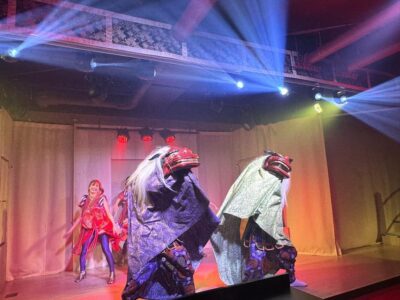
Japanese Dance Cabaret Theater Asakusa-Kaguwa Ticket
Read our review →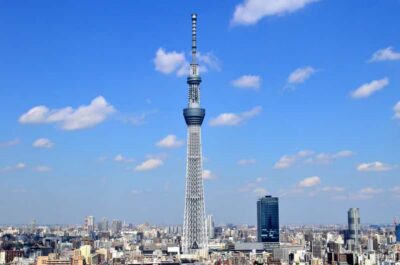
Meiji Shrine, Asakusa, Skytree Bus Tour and Cruise
Read our review →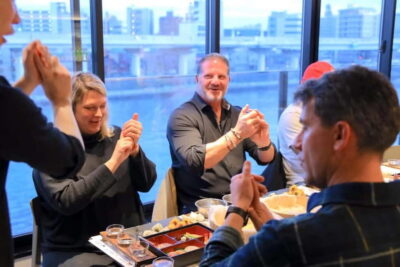
Roll and Authentic Sushi Making Class in Asakusa
Read our review →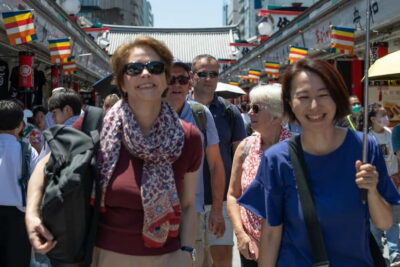
Asakusa Walking Tour with Sensoji Temple Visit
Read our review →
Tokyo Panoramic 1 Day: Meiji Shrine, Asakusa, Odaiba and SKYTREE®
Read our review →
Tokyo Go Kart: Asakusa, Skytree, and Akihabara **IDP MUST**
Read our review →
Asakusa, Skytree & Akhihabara Go-Kart City Experience
Read our review →Browse the lists this tour appears in