
Reviewed · ASAKUSA AND SENSOJI TOURS
Asakusa: 1400-year history exploration
Sensoji Temple is the heart of this walk, but the best detail comes before you reach its famous red gate: the story of two fishermen who found a Buddhist statue in the Sumida River and helped set Asakusa on its long path through Japanese history. The 1,400-year tale gives the temple, shrine, shops, and entertainment streets more meaning than a quick photo stop.
I like the small maximum of eight people, which leaves room for questions, and I like the mix of temples, food, shopping, and local advice. The included sweets, such as melon pan, rice dumplings, rice crackers, or sweet puffed rice, add a pleasant taste of the neighborhood. The main caution is time: this is a slow, talk-focused walk, and crowds or a soft-speaking guide can make parts harder to follow.
Key points at a glance
- A river-to-temple story: Begin at the Sumida River, where Asakusa’s earliest story takes shape.
- Small group of up to eight: The format supports questions and personal attention.
- Sensoji beyond the postcard: See Kaminarimon, Nakamise Street, Hozomon, the pagoda, and the main hall.
- Buddhism and Shinto together: Visit both Sensoji Temple and Asakusa Shrine, then learn how they share the same grounds.
- Sweet samples included: Try a selection of Japanese treats during the walk.
- Rokku local advice: Finish with tips on food, drinks, shopping, and Asakusa’s old entertainment quarter.
Why Asakusa makes a good first Tokyo walk
Asakusa gives you an unusually clear look at old Tokyo. The district is not preserved as a quiet museum. It is a working part of the city, with commuters, worshippers, souvenir sellers, food stalls, restaurants, and a steady stream of people heading toward Sensoji.
This tour lasts about three and a half hours, from 1:30 p.m. until it returns to the meeting point near Burger King Asakusa Azumabashi. That afternoon timing matters. You see the district in full activity, though the temple approach can also be loud and packed, especially on weekends or during popular seasons.
I would choose this walk if you want context as you go. You will learn why Sensoji has remained central to Asakusa, how Buddhism and Shinto developed side by side, and how the area changed from an old temple town into a modern entertainment and shopping district.
It is less suitable if you want to cover the sights quickly. One dissatisfied participant felt the walk took too long to reach the temple, while another found the guide’s explanations too detailed. That is useful advice: the tour is designed for people who enjoy stories, questions, and a measured pace.
More Asakusa and Sensoji tours:
- Tokyo: Japanese Dance Cabaret Theater Asakusa-Kaguwa Ticket
★ 4.8 · 2,270 reviews - Tokyo: Meiji Shrine, Asakusa, Skytree Bus Tour and Cruise
★ 4.7 · 1,986 reviews - Tokyo: Roll and Authentic Sushi Making Class in Asakusa
★ 4.9 · 1,957 reviews
Starting beside the Sumida River
The group meets at Burger King Asakusa Azumabashi, close to public transportation. From there, the walk begins at the Sumida River, across Azumabashi Bridge.
This is a smart starting point. Asakusa’s story is tied to the water, and the river gives you a useful sense of the district’s setting before the temple crowds take over. Look across for Tokyo Skytree and the Asahi Breweries headquarters, with its famous golden flame sculpture.
The river stop lasts about 15 minutes and requires no admission fee. It is brief, but it helps you get your bearings and gives the guide a natural place to explain how waterways shaped the area.
Bring water if you visit in warm weather. Vending machines are available, but carrying a bottle is simpler. You will be walking for most of the afternoon, so comfortable shoes are more important than stylish ones.
Asakusa Culture Tourist Information Center
The next stop is the Asakusa Culture Tourist Information Center, one of the district’s newer attractions. It is both a practical information hub and a modern architectural counterpoint to the old temple buildings nearby.
You spend about 30 minutes here. The center is useful because it places Asakusa’s many sights in one frame. Instead of seeing each gate, street, and shrine as a separate photo opportunity, you begin to understand how they connect.
The contrast is part of the appeal. Asakusa is not only about historic buildings. It is also about how Tokyo keeps adding new structures and services around old religious sites. The guide uses this stop to link the neighborhood’s past with its present-day role.
Kaminarimon and the 250-meter Nakamise approach
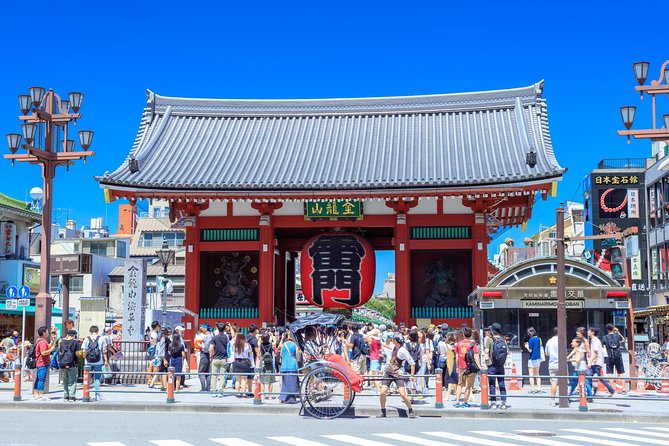
Kaminarimon means Thunder Gate, and its giant red lantern is one of Tokyo’s most recognizable sights. It is the outer gate of the Sensoji complex, with statues guarding the entrance.
You get about 15 minutes here, enough to look closely and hear the basic story before moving into Nakamise Shopping Street. The gate is a natural photo stop, but it can be crowded and noisy. The supplied earphone system is meant to carry the guide’s voice to each person, which should help when the group spreads out.
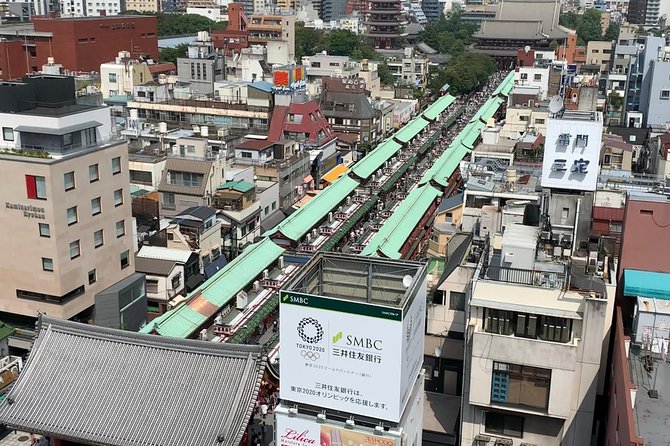
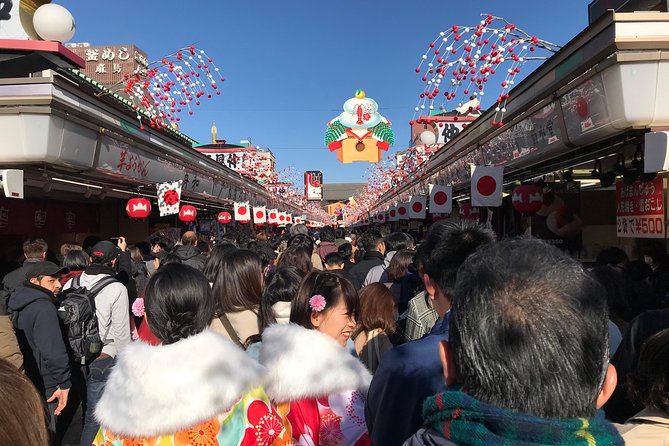
Nakamise stretches about 250 meters toward Sensoji’s inner gate. Shops and food stalls line both sides, selling souvenirs, snacks, small gifts, and traditional items. Your guide points out places to buy suitable presents and explains what the food stalls are offering.
This is one of the tour’s most useful sections for first-time visitors. You can return later with a better idea of what interests you, instead of wandering past every shop without knowing what you are seeing.
The included sweets may include melon pan, rice dumplings, rice crackers, sweet puffed rice, or similar Japanese treats. The exact selection can vary, and other food and drinks are not included. If you have dietary needs, contact the operator ahead of time and ask what can be arranged.
More history and heritage tours in Tokyo:
- Tokyo: Imperial Palace and Shogun Historical Walking Tour
★ 5.0 · 2,251 reviews - Tokyo: Imperial Palace Japanese History Walking Tour
★ 4.9 · 987 reviews - Tokyo: Shinjuku Historical Walking Tour & Secret Backstreets
★ 5.0 · 530 reviews - Yanaka Walking Tour: Historic and Traditional District of Tokyo
★ 5.0 · 530 reviews
Hozomon and the Sensoji temple grounds
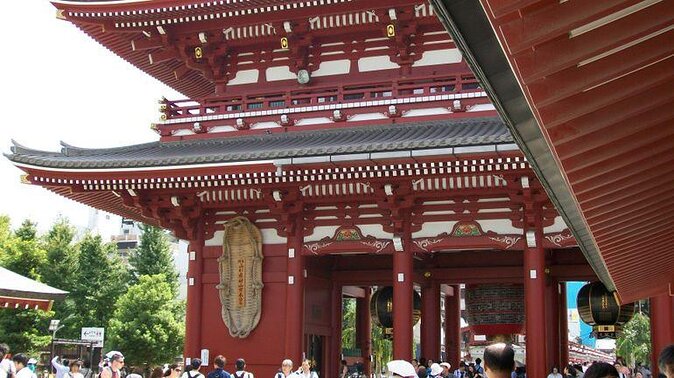
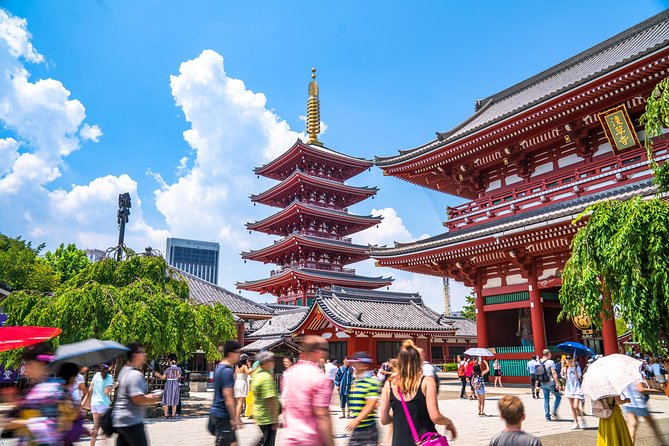
Hozomon, the Treasure House Gate, is the inner gate leading toward Sensoji’s main hall. It is a large two-story structure, and the guide explains its details before taking you farther into the complex.
The Sensoji portion lasts about 45 minutes, making it the longest formal stop. That is appropriate because there is much to see between Hozomon and the main hall.
You will see the five-story pagoda, described on the tour as 53 meters high and linked to a pagoda first built in 942. You will also have time to look at the main hall and learn how the temple was founded after two fishermen recovered a Buddhist image from the Sumida River.
The important lesson is that Sensoji’s buildings are not simply untouched survivors from the seventh century. Earthquakes, fires, war, and air raids destroyed or damaged the complex, and ordinary people helped rebuild it through donations. The temple’s continuing presence says as much about community life as it does about age.
The guide also connects Sensoji to Japan’s later development and modernization. That broader view is one reason to take the guided version rather than simply arriving, snapping a picture, and leaving.
You should expect active worship, not only sightseeing. People may be praying, making offerings, buying charms, or taking part in ceremonies. Follow the guide’s instructions and be respectful around the main hall.
Asakusa Shrine and the meeting of two traditions
Asakusa Shrine sits on the same general grounds as Sensoji, but it belongs to Shinto rather than Buddhism. The tour uses this stop to explain a feature that can confuse first-time visitors: a Buddhist temple and a Shinto shrine can exist side by side and share local origins and worshippers.
You spend around 15 minutes here. That may sound brief, but the stop works best as part of the larger explanation. Without a guide, you might walk past the shrine and assume it is simply another temple building.
The distinction between Buddhism and Shinto is one of the most praised teaching points of the walk. Guides such as Sachi, Aki, Amy, Emiko, and Taka have been singled out for making cultural details understandable and for answering questions. The quality of any group tour depends on the individual guide, so the strongest experience will come when you ask questions and use the small group to shape the discussion.
Denboin Street and the Rokku entertainment quarter
After the main temple grounds, the route shifts into Denboin Street and Rokku, Asakusa’s traditional entertainment district. This change in mood is valuable. You move from grand religious buildings into older streets, shops, restaurants, and places tied to local leisure.
The final section lasts about 45 minutes. The guide describes how the area moved from the Meiji period into modern Tokyo and points out places to eat, drink, and shop. The district is lively without feeling like a single giant shopping complex, though some streets can still be crowded.
This is also where the tour becomes most practical. A guide can help you decide where to return for a meal or snack after the walk. The advice is especially handy because the area offers far more choices than you can sort through in one afternoon.
Several highly rated experiences mention the balance of historical sites, food, shopping, and old buildings. One family with three teenagers found the subject interesting enough that one child wanted to learn more afterward. That suggests the tour can work for families, provided your children can manage several hours of walking and listening.
The guide, group size, and sound system
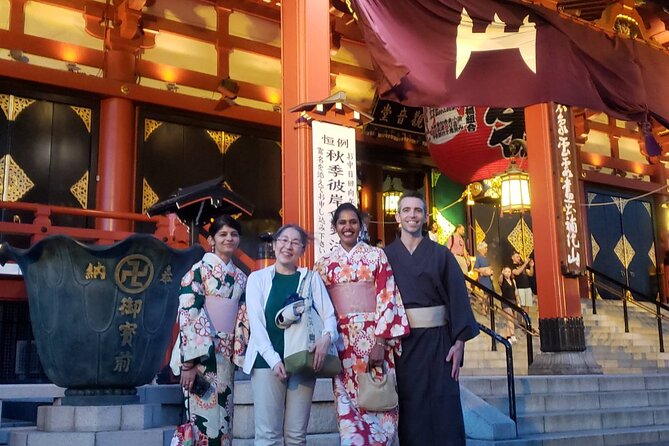
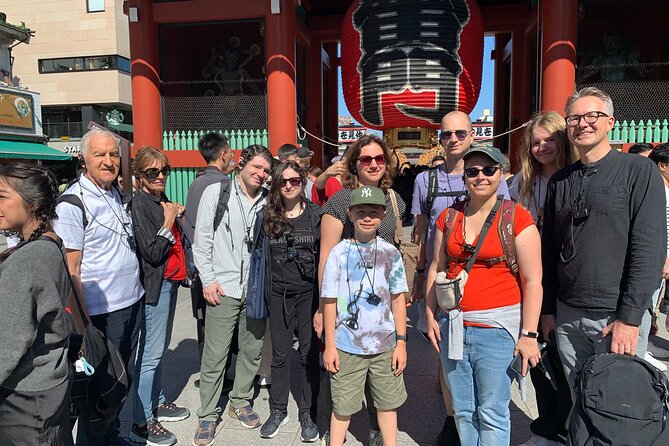
The maximum group size is eight. That is a meaningful limit in Asakusa, where a large group could easily block walkways or lose people at the gates. A small group also gives you a better chance to ask about Japanese customs, local food, religion, and daily life.
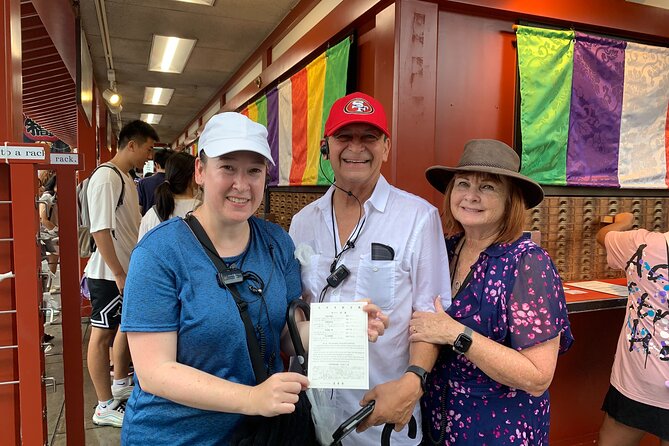
The earphone guide system sends the guide’s voice to each participant. In theory, this is a strong feature for a busy neighborhood. In practice, one complaint described difficulty hearing in a crowded area, and another person found a guide too soft and too fast.
I would stand fairly close to the guide and speak up early if the volume is low. The operator has used guides named Aki, Sachi, Taka, Yasu, Yoko, Amy, and Emiko on different departures, with many positive comments about their friendliness, patience, and clear explanations. One poor experience involved an English-speaking guide whose communication was judged inadequate, while another concern was addressed by removing a guide from future assignments for retraining.
That mixed record does not make the tour a bad choice, but it does mean the guide matters. The small group and headset system are designed to help, yet neither can replace clear delivery.
Is $91.17 good value?
At $91.17 per person, this is not the cheapest way to see Sensoji. You can enter the temple grounds and walk Nakamise Street without paying for a tour.
The value comes from the extra three hours of explanation, the river-to-temple route, the included sweets, and the practical advice in Rokku. You are paying for interpretation and convenience, not admission tickets. Most stops have no separate entrance fee, and the main hall and temple grounds are free to visit.
I consider the price fair if you are new to Tokyo, care about Japanese history and religion, or want a guide to connect the sights. It is less appealing if you already understand Sensoji, prefer to explore independently, or only want a quick visit.
The booking pattern, about 47 days in advance on average, suggests that planning ahead can be sensible. Last-minute reservations are accepted up to two hours before the start time when space remains, but the group is capped at eight.
Practical details before you book
The tour runs in all weather, so dress for the forecast. Rain will not automatically cancel the walk. Good shoes are essential, and water is recommended, especially in summer.
Most people can take part, but you should be comfortable walking for three and a half hours with periodic stops. Contact the operator before booking if you have mobility or dietary needs. Children younger than six may join free, but they do not receive the included items. The activity is aimed more at adults because of its historical focus, though families are welcome.
You return to the original meeting point. Hotel pickup and drop-off are not provided.
Free cancellation is available until 24 hours before the 1:30 p.m. start time for a full refund. Changes or cancellations inside that window are not accepted, and the operator may offer another date or a full refund if the minimum number of participants is not reached.
Should you book the Asakusa history walk?
Book it if you want Sensoji to make sense, not just appear in your photo album. The river origin story, the Buddhist and Shinto comparison, the rebuilding of the temple, the sweets, and the Rokku advice give you a fuller afternoon than a quick self-guided circuit.
I would especially recommend it for first-time visitors, families with older children, and anyone who likes asking questions. Guides such as Sachi, Aki, Taka, Yasu, and Yoko have received strong praise for warmth and clear explanations.
Skip it if you dislike slow walking tours, crowded streets, or long historical talks. If you do book, wear good shoes, bring water, stay close enough to hear the guide, and tell the guide what interests you. That is the best way to turn a busy temple district into a clear, memorable story.
FAQ
How long does the Asakusa 1400-year history exploration last?
The tour lasts approximately 3 hours and 30 minutes.
What time does the tour start?
The scheduled start time is 1:30 p.m.
Where does the tour meet?
The meeting point is Burger King Asakusa Azumabashi in Taito City, Tokyo.
Where does the tour end?
The activity ends back at the original meeting point.
How many people can join the tour?
The maximum group size is eight participants.
Is an English-speaking guide included?
Yes. An English-speaking guide is included, along with an earphone system intended to make the guide easier to hear from a short distance.
Are food and drinks included?
A selection of Japanese sweet snacks is included. Other food and drinks are not included.
Is Sensoji Temple admission included?
The tour includes the visit to Sensoji Temple, and the listed stops do not require a separate admission payment.
Can children join the tour?
Children younger than six may join without charge, but they are not entitled to the included items. Families are welcome, although the tour’s historical focus is recommended mainly for adults.
Newly reviewed around Tokyo
- Tokyo Asakusa:Calligraphy & Make T-shirt Activity★ 5.0 · 62 reviews
- Intercity Shuttle, Tokyo to Haneda /Narita /Yokohama /Makuhari★ 5.0 · 5 reviews
- 1 Hour Travel around Tokyo with a Professional Photographer★ 5.0 · 3 reviews
- Travel Tokyo with Your Own Personal Photographer★ 5.0 · 43 reviews
- Train in Samurai Swordsmanship and Defeat the Demon in Tokyo★ 5.0 · 5 reviews
- Shuttle Van 6hr Tokyo Tour to-and-from Tokyo, Yokohama and Narita★ 5.0 · 9 reviews
- Kickboxing & Body Training with EX-Pro Fighter★ 5.0 · 4 reviews
- Traditional Japanese Knife Sharpening Class★ 5.0 · 18 reviews
Asakusa and Sensoji Tours, compared.
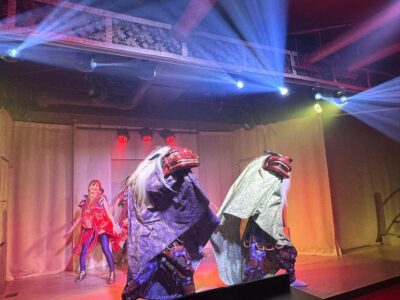
Japanese Dance Cabaret Theater Asakusa-Kaguwa Ticket
Read our review →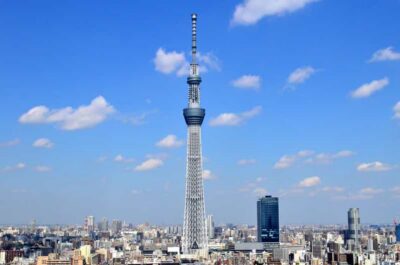
Meiji Shrine, Asakusa, Skytree Bus Tour and Cruise
Read our review →
Roll and Authentic Sushi Making Class in Asakusa
Read our review →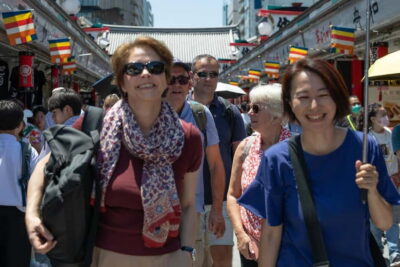
Asakusa Walking Tour with Sensoji Temple Visit
Read our review →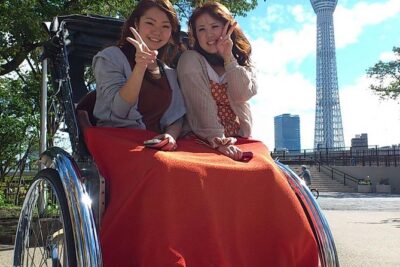
Tokyo Panoramic 1 Day: Meiji Shrine, Asakusa, Odaiba and SKYTREE®
Read our review →
Tokyo Go Kart: Asakusa, Skytree, and Akihabara **IDP MUST**
Read our review →
Asakusa, Skytree & Akhihabara Go-Kart City Experience
Read our review →Browse the lists this tour appears in