
Reviewed · TOKYO TRADITIONAL MUSIC AND DANCE SHOWS
Tokyo: Know about Kabuki performing – Ginza Walking
Kabuki’s grand home, Kabukiza, is more than a theater facade. This two-hour Ginza walk gives you a compact look at its exhibits, traditions, and shopping corners, then adds a shrine tied to Kabuki and a famous clock tower. It is a smart choice if a full Kabuki performance does not fit your schedule.
I like the small group of no more than nine, which should make it easier to ask questions. I also like the mix of culture and ordinary sightseeing: you learn about Japanese theater, then browse sweets, accessories, and Kabuki goods that are sold only around Kabukiza.
The trade-off is clear. This is an introduction, not a performance, and one afternoon may not answer every question about Kabuki technique or history. If you want to see actors on stage, you will need a separate Kabuki ticket.
Key points to know before booking
- Kabukiza is the centerpiece: You learn about the theater and view Kabuki-related exhibits with an English-speaking guide.
- No performance is included: The tour explains Kabuki culture but does not include Kabuki viewing.
- Shopping is part of the route: Look for Kabuki goods, Japanese accessories, and sweets sold in shops around the theater.
- The walk adds two Ginza landmarks: You visit a shrine associated with Kabuki and a famous clock tower.
- The group stays small: The maximum is nine people, useful in busy Ginza.
- The schedule is short and focused: Two hours works well for a first look, but not for a full study of Kabuki.
Why this short Ginza walk makes sense
Tokyo can feel like a menu with too many dishes. You have temples, towers, markets, gardens, museums, and theater, all competing for your time. This tour solves one small problem neatly: it lets you sample Kabuki culture without giving up an entire evening for a performance.
You meet in front of NISSAN CROSSING, a clear location in Ginza, then walk toward the Kabukiza area. The tour is conducted in English, and the guide explains what you are seeing as you go. That matters because Kabuki can be hard to understand from a building exterior alone. The costumes, makeup, stage customs, and long-established performance traditions need some context.
I would think of this as a cultural orientation. Afterward, you should have a better sense of what Kabuki represents and whether you want to return for a full show. You also get a pleasant walk through one of Tokyo’s best-known shopping districts.
More things to do in Ginza:
- Chopstick Making Workshop in Ginza
★ 4.8 · 1,366 reviews - Tokyo: Art Aquarium Museum GINZA Entry Ticket
★ 4.5 · 278 reviews - Official Japan Go-Kart Through Tokyo Bay / Ginza (IDP Required)
★ 4.5 · 71 reviews
Seeing Kabukiza without buying a performance ticket
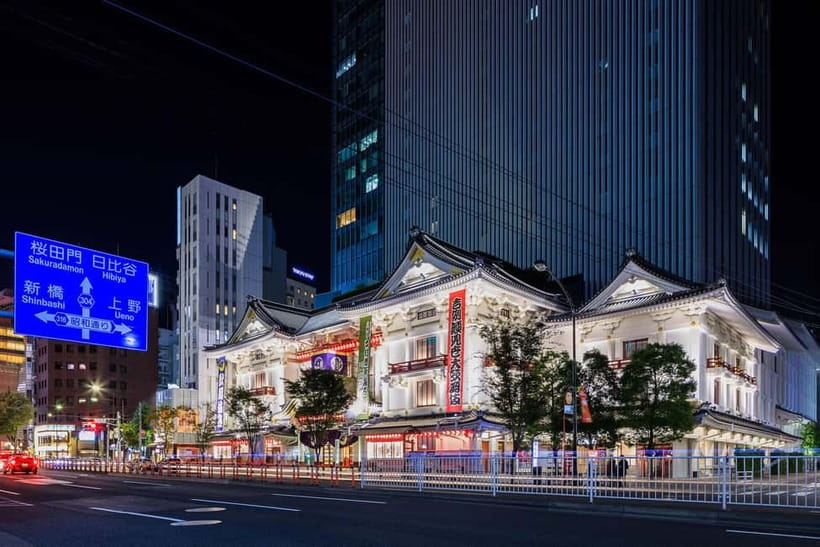
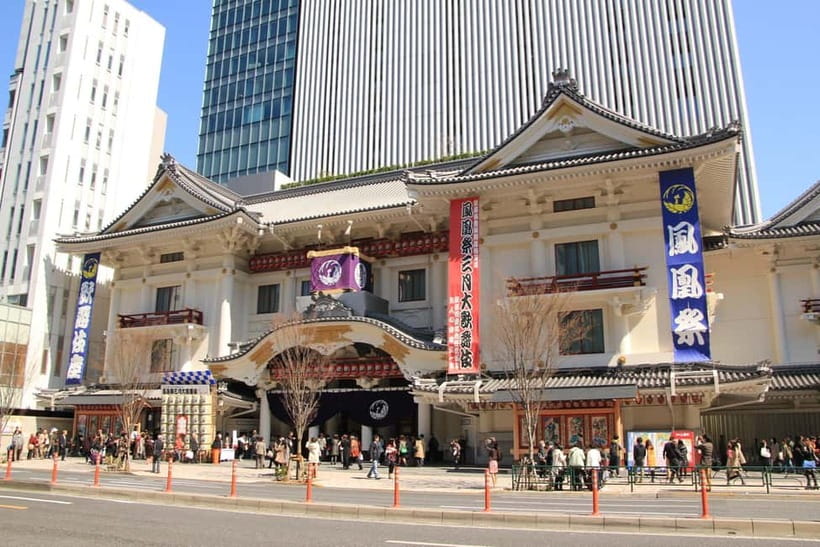
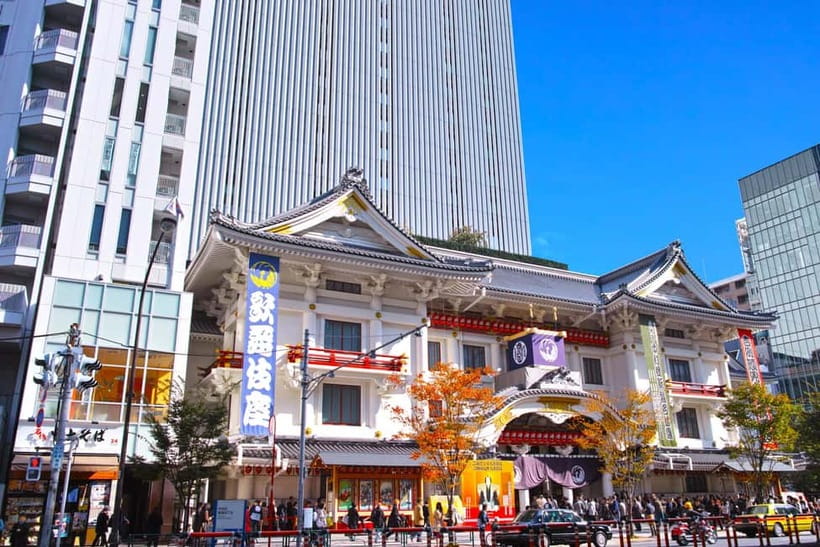
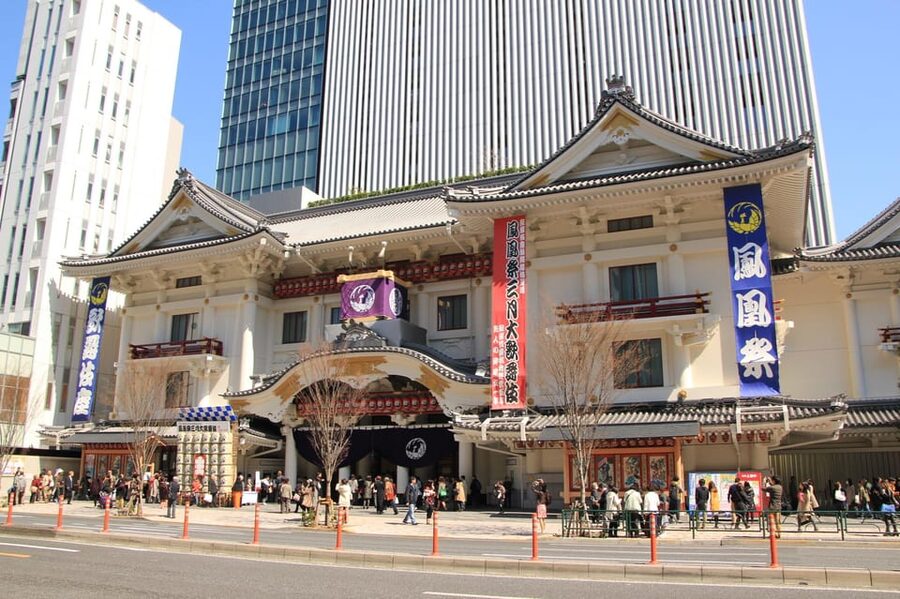
Kabukiza gives the tour its focus. The building is one of Ginza’s major cultural sights, and the route helps you look beyond its famous exterior. You visit the gallery and Kabuki exhibits with a guide, gaining an introduction to the art form rather than simply taking a few photographs outside.
This is especially useful if you are new to Kabuki. The form can seem formal and unfamiliar at first, with stylized movement, elaborate costumes, and conventions that are not obvious to first-time viewers. The guide’s explanations help place those details in context.
The information supplied for the tour does not promise a full lesson on every part of Kabuki. That is important. One booking described the introduction as interesting but wished for more detail about the ways of Kabuki. I would set your expectations at a first look, not a specialist seminar.
Still, the short format has an advantage. You do not need to commit to several hours in a theater when you are unsure if Kabuki is for you. You can learn the basics, see the setting, and make a more informed choice about attending a performance later.
The gallery: a better first step than a quick photo
The Kabukiza gallery is where the tour moves from sightseeing to explanation. Rather than treating the theater as a backdrop, you look at exhibits connected to Kabuki and hear the guide describe their place in Japanese performing arts.
The supplied details do not list each exhibit, so you should not expect a fixed checklist of costumes, props, or stage machinery. What you can count on is a guided visit to Kabuki displays inside or associated with the Kabukiza complex.
I like this part because it gives the building a purpose. A theater can be easy to admire and easy to misunderstand. The gallery helps you see Kabuki as a living performance tradition, not just an ornate Japanese attraction.
A guide can also answer the simple questions that signs may not cover. Why do Kabuki performances look so stylized? What makes the theater different from a modern stage show? How does Kabuki fit into Japanese culture? The tour is designed to address that kind of curiosity, although the amount of detail will depend on the guide and the questions you ask.
Guide Fumei is specifically praised for being wonderful, and the tour’s guiding style is described as friendly and helpful. That personal contact may be the best reason to choose a guided visit rather than walking through Ginza alone.
Kabukiza shopping with a local purpose
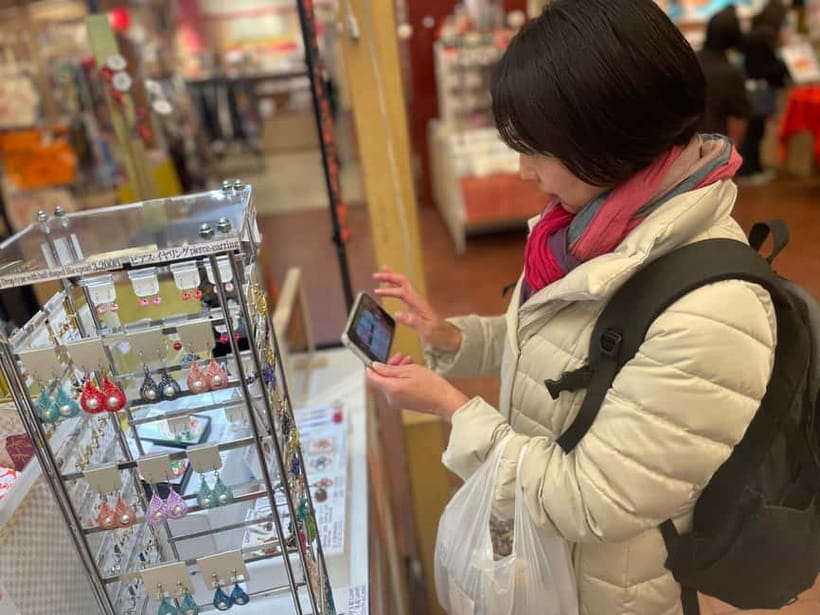
Shopping is not an afterthought here. The route includes stores that can only be found in the Kabukiza area, with Kabuki goods, Japanese accessories, Japanese sweets, and other souvenirs.
You pay for anything you buy, so the $56 price does not cover shopping. That is easy to manage if you treat the shops as optional stops rather than part of the admission. You can look around without turning the tour into an expensive shopping trip.
The useful point is selectivity. Kabukiza-only goods can feel more connected to the place than generic souvenirs found throughout Tokyo. If you want a small reminder of Japanese theater, this is a better setting to browse than a random airport shop.
You might find items that appeal to a Kabuki fan, while other products may suit someone who simply wants a Japanese gift. The information provided does not specify exact merchandise or prices, so keep your expectations broad. The appeal is the connection to Kabukiza, not a guarantee of one particular souvenir.
Japanese sweets and accessories also give the shopping portion a wider reach. Someone who is not ready to buy Kabuki memorabilia can still enjoy the cultural setting and browse food or decorative items.
More Tokyo traditional music and dance shows:
- Tokyo: Japanese Dance Cabaret Theater Asakusa-Kaguwa Ticket
★ 4.8 · 2,270 reviews - Tokyo: KABUKI Show at Kabukiza Theatre Admission Ticket
★ 4.8 · 152 reviews - Tokyo: KABUKI, BUNRAKU, etc. presented by National Theatre
★ 4.6 · 135 reviews - Japanese Traditional Music Show in Tokyo
★ 5.0 · 72 reviews
A shrine linked to Kabuki
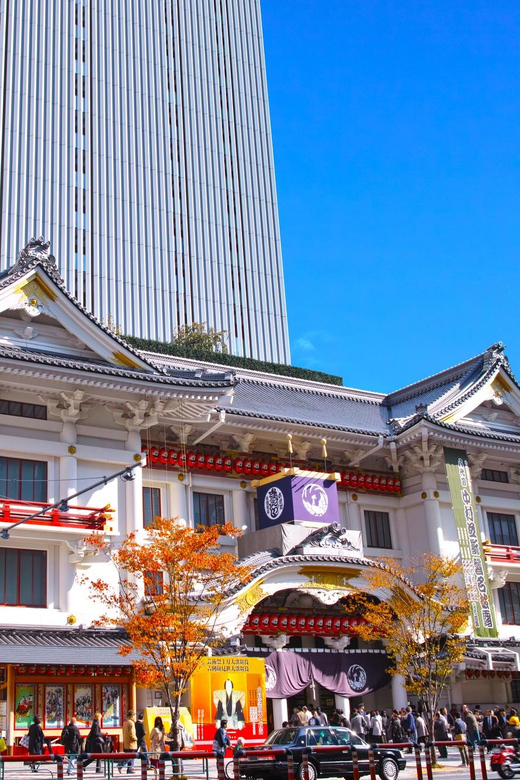
The walk continues beyond the theater to a shrine associated with Kabuki. This adds a quieter cultural stop and shows how Kabuki fits into the wider life of the neighborhood.
The shrine’s name is not given, so you should not book this expecting a particular famous sanctuary by name. The important point is its connection to Kabuki. Your guide can explain that relationship and help you understand why a shrine belongs on a Kabuki-themed Ginza route.
I like this stop because it prevents the tour from becoming a single-building visit. You get a change of pace, move through the area on foot, and see another side of Japanese culture. The shrine also gives the guide a chance to connect theater with customs and beliefs outside the stage.
Do not expect a long temple or shrine tour. The full activity lasts two hours and also includes the gallery, shops, and clock tower. Think of the shrine as one focused stop within a compact walk.
The famous Ginza clock tower
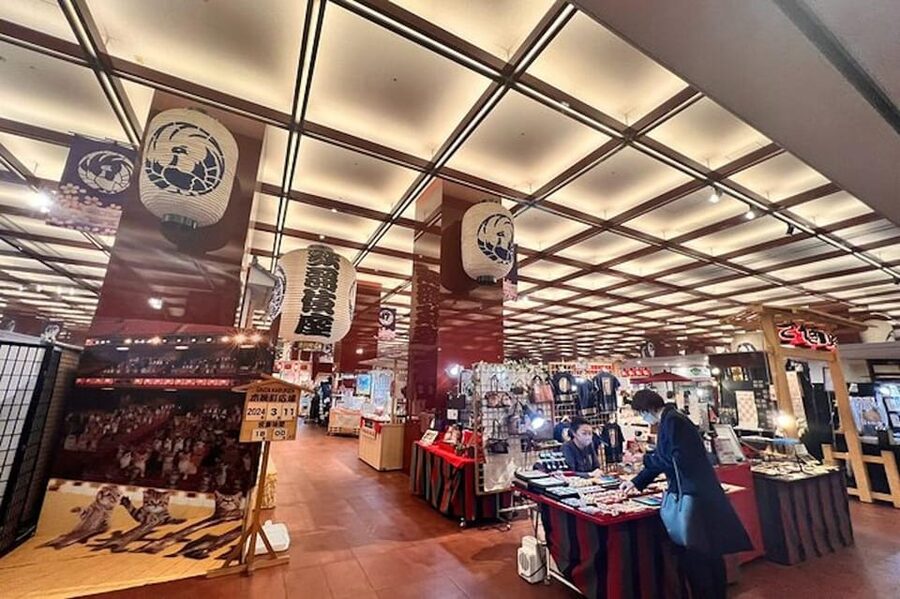
The final sightseeing element is a famous clock tower in Ginza. The supplied details do not name it, so the tour description leaves the exact landmark open. You will want to confirm the precise stop with the operator if the clock tower is a major reason for booking.
Even without the name, the inclusion makes sense. Ginza is known for polished streets, department stores, and landmarks that help define the district. A clock tower gives you an easy visual marker and a chance to connect Kabukiza with the wider identity of Ginza.
This is also a practical bonus for anyone seeing Ginza for the first time. You are not only learning about Kabuki, you are getting a short introduction to the neighborhood around it. The route should help you decide where to return for more shopping, food, or independent sightseeing.
What the two-hour schedule can and cannot do
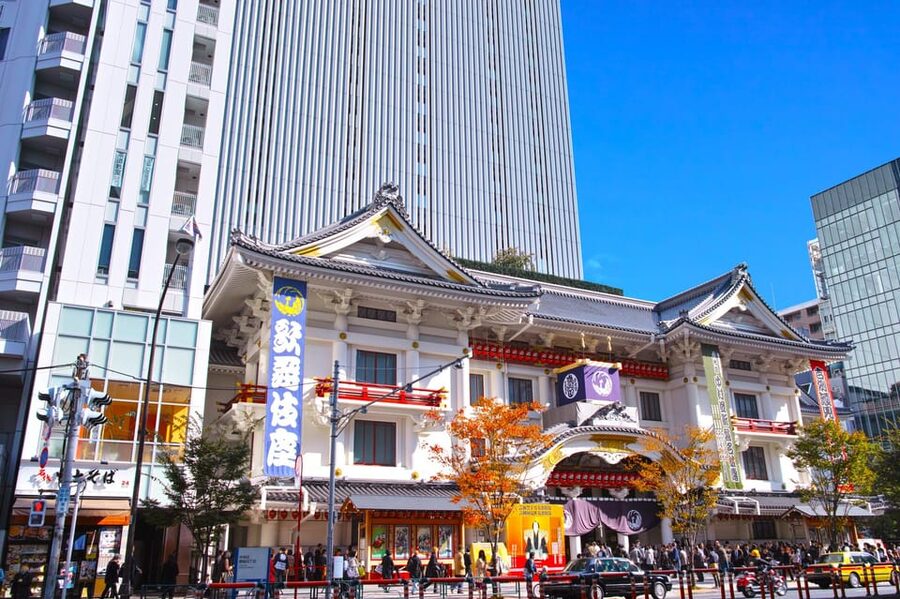
Two hours is enough for a taste of Kabuki culture, but it sets a firm limit. You can visit the theater and gallery, shop, see the shrine, and stop at the clock tower. You cannot expect a full history of Kabuki, an extended museum visit, and a detailed walking tour of all Ginza.
The compact length is helpful if you have a packed Tokyo itinerary. You can fit it between other plans more easily than a full theater evening. It also suits visitors who want something cultural but do not want to spend half a day in one venue.
I would arrive ready to keep moving. This is a walking tour, not a seated lecture. Comfortable shoes are sensible, and you should leave room in your schedule for browsing if the shops interest you.
The group size helps. With no more than nine people, the guide can keep the route together and respond to questions more easily than on a large coach tour. Small groups do not guarantee a private lesson, but they usually make a short cultural tour feel more personal.
Is $56 a fair price?
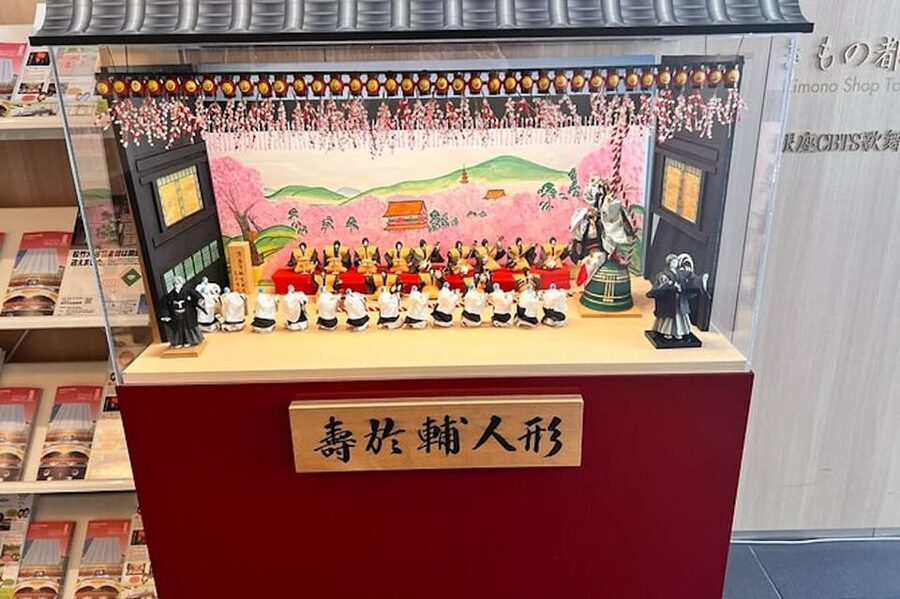
At $56 per person, the value depends on what you want from the morning or afternoon. You are paying for a two-hour guided experience, an English-speaking guide, the Kabukiza gallery visit, and a route that combines theater, shopping, a shrine, and a Ginza landmark.
You are not paying for a Kabuki performance, shopping, or a private guide. That distinction matters. If you mainly want to see Kabuki on stage, put the $56 toward a performance instead. If you want a brief introduction and help making sense of the area, the price is easier to justify.
I see the strongest value for first-time visitors. You do not need to research Kabuki on your own, find the gallery, or work out which nearby sights connect to the theater. A good guide turns a simple walk into a more coherent cultural visit.
The value is weaker for someone who already knows Kabuki well or prefers independent sightseeing. You could visit Ginza on your own and spend nothing on a guide, though you would miss the organized explanations and the focused route.
Who will enjoy this Kabuki introduction most?
I would recommend it to you if you fit one or more of these descriptions:
- You have limited time in Tokyo but want a taste of traditional Japanese performing arts.
- You are curious about Kabuki but are not ready to attend a full performance.
- You enjoy small-group walking tours with cultural explanation.
- You want souvenirs tied to Kabukiza rather than general Tokyo merchandise.
- You are already planning to visit Ginza and want more structure than a self-guided walk provides.
Families and mixed-age groups may also find the short length manageable, though the activity is still built around cultural explanation and shopping. If your main goal is fast sightseeing with no stops, the gallery and guide may feel slower than you want.
Kabuki fans should treat this as a supplement, not a replacement for the theater. It can give you useful context before a performance, but it does not include viewing.
Practical booking notes
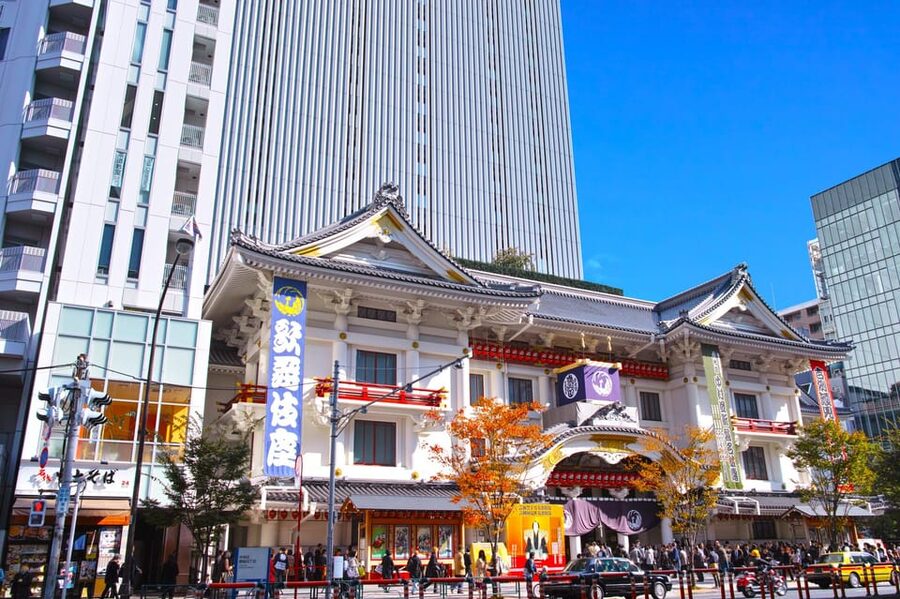
The meeting point is in front of NISSAN CROSSING. The tour is offered in English, lasts two hours, and has a maximum of nine participants.
You can cancel up to 24 hours in advance for a full refund. You can also reserve now and pay later, which is useful if your Tokyo schedule is still shifting. Starting times depend on availability, so check the date and time before you commit.
Shopping costs are separate and depend on what you choose to buy. Kabuki viewing is also separate. Plan your budget around the tour fee plus any souvenirs or theater tickets you may add.
Should you book this Ginza Kabuki tour?
Book it if you want a short, guided introduction to Kabuki rather than a full performance. The combination of Kabukiza exhibits, local-only shopping, a Kabuki-linked shrine, and a famous Ginza clock tower gives you more variety than a simple theater stop.
Skip it if your priority is seeing actors perform, studying Kabuki in depth, or exploring Ginza at your own pace. The tour is intentionally brief, and even a friendly guide such as Fumei cannot turn two hours into a complete course.
For most first-time visitors with an interest in Japanese culture, I see this as a useful orientation and a pleasant way to spend two hours. Just book it with the right expectation: you are getting a guided look behind the Kabuki curtain, not the curtain rising on a show.
FAQ
Where does the tour meet?
The meeting point is in front of NISSAN CROSSING in Ginza.
How long does the tour last?
The tour lasts two hours.
Is Kabuki performance viewing included?
No. The activity teaches you about Kabuki and visits related exhibits, but Kabuki viewing is not included.
Is the tour conducted in English?
Yes. The tour has a live English-speaking guide.
How large is the group?
The group is limited to nine participants.
Are shopping purchases included in the price?
No. Shopping costs are separate and depend on what you choose to buy.
More Tokyo walking tours
- Tokyo Tsukiji Fish Market Food and Culture Walking Tour
★ 5.0 · 3,184 reviews - Tokyo: Imperial Palace and Shogun Historical Walking Tour
★ 5.0 · 2,251 reviews - Tokyo: Shinjuku Local Bar and Izakaya Guided Walking Tour
★ 4.9 · 1,794 reviews - Tokyo: Tsukiji Fish Market Food and Walking tour
★ 5.0 · 1,724 reviews
Newly reviewed around Tokyo
- Tokyo Asakusa:Calligraphy & Make T-shirt Activity★ 5.0 · 62 reviews
- Intercity Shuttle, Tokyo to Haneda /Narita /Yokohama /Makuhari★ 5.0 · 5 reviews
- 1 Hour Travel around Tokyo with a Professional Photographer★ 5.0 · 3 reviews
- Travel Tokyo with Your Own Personal Photographer★ 5.0 · 43 reviews
- Train in Samurai Swordsmanship and Defeat the Demon in Tokyo★ 5.0 · 5 reviews
- Shuttle Van 6hr Tokyo Tour to-and-from Tokyo, Yokohama and Narita★ 5.0 · 9 reviews
- Kickboxing & Body Training with EX-Pro Fighter★ 5.0 · 4 reviews
- Traditional Japanese Knife Sharpening Class★ 5.0 · 18 reviews
Tokyo Traditional Music and Dance Shows, compared.
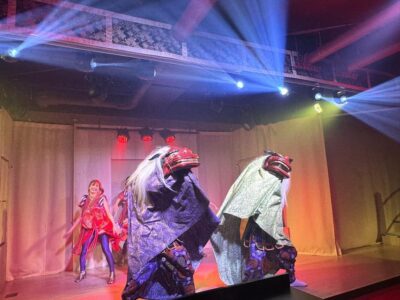
Japanese Dance Cabaret Theater Asakusa-Kaguwa Ticket
Read our review →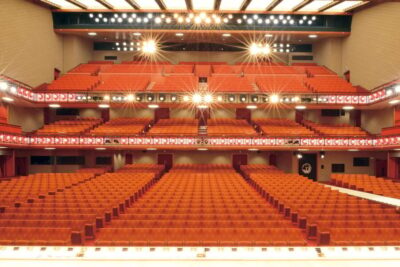
KABUKI Show at Kabukiza Theatre Admission Ticket
Read our review →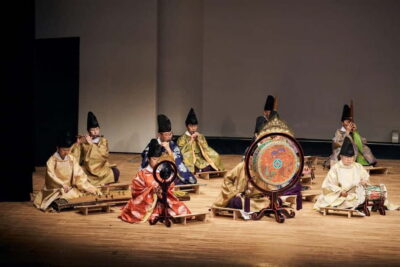
KABUKI, BUNRAKU, etc. presented by National Theatre
Read our review →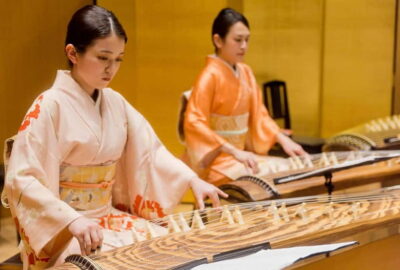

Tokyo’s Authentic and Finest Taiko Drumming Experience
Read our review →
Tokyo’s Authentic and Finest Taiko Drumming Workshop
Read our review →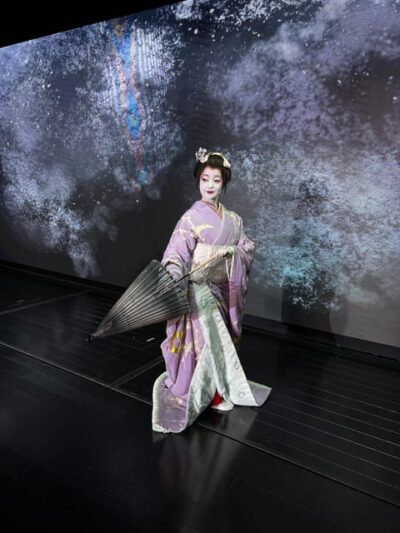
Authentic Japanese Dance Show ticket by professionals
Read our review →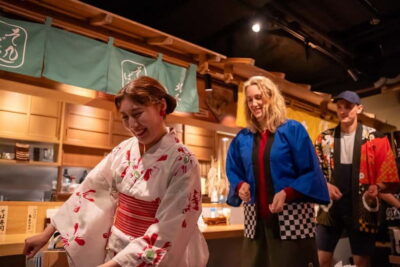
Browse the lists this tour appears in