
Reviewed · TOKYO IMPERIAL PALACE TOURS
Tokyo: Imperial Palace, the history of Japan (ENGLISH GUIDE)
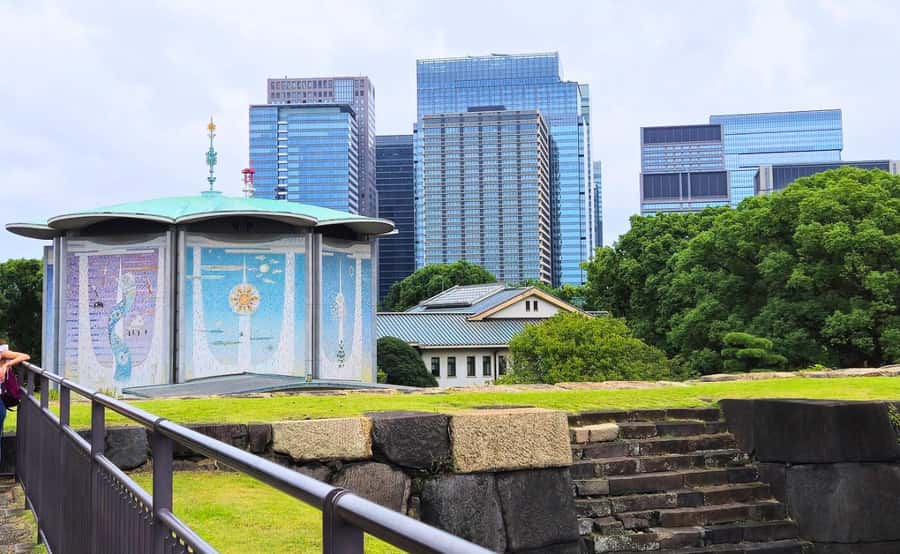
Tokyo’s Imperial Palace eastern gardens hold the remains of Edo Castle, the former seat of the shoguns, inside one of the city’s most surprising quiet spaces. This walking tour helps you read the stone walls, gardens, barracks, and palace ruins as chapters in Japan’s long shift from feudal rule to the modern state. The special koi and miniature palace model add detail beyond the usual photo stop.
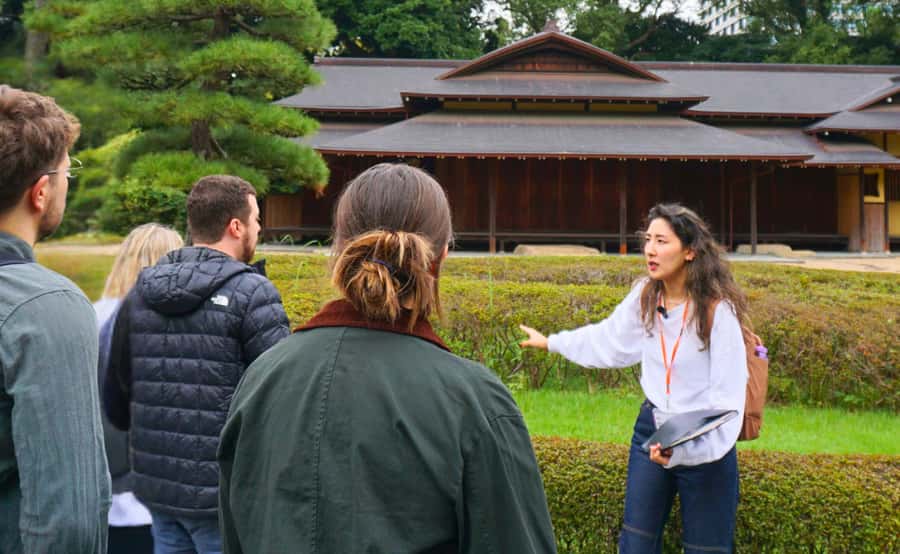
I like the way the guide connects the grounds to wider Japanese history, rather than simply pointing out pretty gardens. I also like the small-group feel described by past participants, including one group of five with Franco-Japanese guide Nicolas, which made it easy to ask about mythology, language, and the Imperial family. The main drawback is the language confusion: the experience title says English guide, but the included language information says French, so confirm this before booking.
Key points to know before you book
- Edo Castle ruins: Walk across the former base of Edo Castle, more than 350 years old, and learn why the main castle no longer survives.
- French-speaking guide: The practical information lists French as the tour language, although the title refers to English.
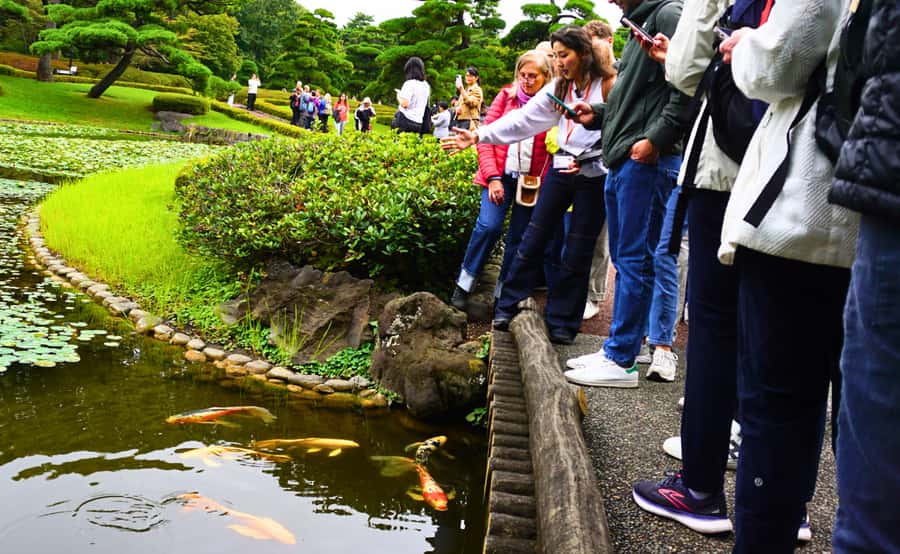
- Special palace koi: See a distinctive breed of koi said to be found only here.
- Quiet garden setting: The eastern gardens offer a calm break from central Tokyo’s busy streets.
- Small-group conversation: A past group of five had plenty of time for questions and personal discussion.
- Simple central meeting point: Meet near Starbucks at Wadakuramon Fountain Park, a 5 to 10 minute walk from Tokyo or Otemachi Station.
Why Edo Castle makes this more than a garden walk
If you only see the Imperial Palace from the outside, it is easy to miss the political story under your feet. The eastern gardens occupy part of the former Edo Castle complex, the power center of the shogunate for more than 350 years. This tour gives you a way to connect the surviving walls and open spaces with the dramatic changes that shaped modern Japan.
I like this setting because the evidence is physical. Massive stone foundations, old defensive areas, former barracks, and carefully arranged gardens let you see how authority was organized. You are not only hearing dates and names. You are walking through the remains of the place where military government once operated.
The main castle itself is gone. That may sound like a disappointment, but it becomes one of the tour’s useful questions. Your guide explains why the structure disappeared, and you can also see a miniature version of the former palace. The model helps you picture a building that is no longer present at full scale.
This approach suits you if you want context, not just photographs. The gardens are pleasant on their own, but the experience has more value when you understand why the castle mattered and how Japan later moved toward the country you see today.
More Imperial Palace tours in Tokyo:
- Tokyo: Imperial Palace and Shogun Historical Walking Tour
★ 5.0 · 2,251 reviews - Tokyo: Imperial Palace Japanese History Walking Tour
★ 4.9 · 987 reviews - Tokyo: Imperial Palace and Shogun Walking Tour
★ 4.9 · 935 reviews
Meeting at Wadakuramon Fountain Park
The meeting point is near Starbucks in Wadakuramon Fountain Park. Your guide waits by the fountain with a SUNRISE ADVENTURE sign. The park is a 5 to 10 minute walk from either Tokyo Station or Otemachi Station, so you should allow enough time to find the correct exit and cross the surrounding streets.
This is a practical meeting place, but it is not a doorstep pickup. You need to reach the park yourself. I would arrive early, especially if Tokyo Station is unfamiliar to you. It is a large station, and a short walk on a map can take longer when you are navigating underground passages, signs, and busy roads.
The tour begins near the park and ends back at the same meeting point. That makes the outing easy to fit around other central Tokyo plans. You can leave your afternoon open without having to arrange a separate return transfer.
Arriving on time matters. If you are more than 10 minutes late, the group may leave without you. There is no mention of hotel pickup, so plan on using Tokyo Station or Otemachi Station as your starting point.
Passing through Otemon, the great main gate
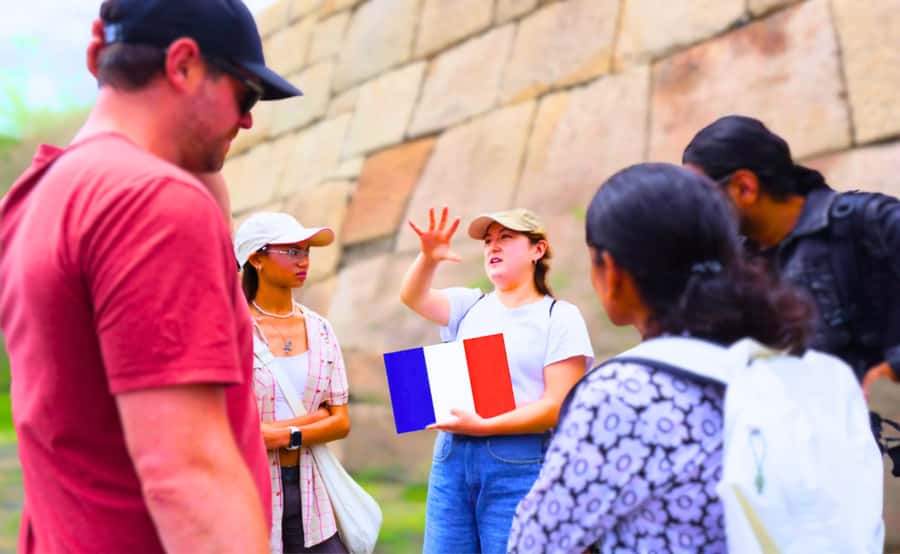
From the meeting point, you walk with the guide toward Otemon, the large main gate of the Imperial Palace grounds. This transition is part of the experience. You move from a modern business district into a historic compound where the scale of the walls and gate begins to explain the defensive importance of Edo Castle.
The gate is not simply an entrance to a garden. It sets up the story of how the castle controlled movement and protected the shogun’s base. Your guide can add the meaning that a signboard alone cannot provide, especially if you want to understand how the castle worked as a military and political center.
The walk is outdoors, so your comfort depends heavily on the weather. The tour operates in good weather or bad weather, and the instructions ask you to dress for the conditions. Wear practical shoes and bring suitable protection from sun or rain. The information does not give a fixed duration, so you should avoid scheduling another activity too tightly afterward.
Smoking, drones, alcohol, drugs, littering, and skateboards are not allowed. These rules fit the setting, which is both a public garden and an important historic site.
Reading the remains of Edo Castle

Once inside, the focus shifts to the former castle grounds. The main castle no longer exists, but the remaining foundations and open spaces give you clues about its former scale. This is where a guide adds the most value, explaining what you are looking at and why the central structure disappeared.
I appreciate tours that treat ruins as evidence rather than decoration. The stonework, former palace areas, and military spaces can seem abstract when you walk past them alone. With a historical explanation, they become part of a larger story about the shogunate, the Imperial family, and the political changes that brought Japan into the modern era.
You also explore the former soldiers’ barracks. That detail broadens the visit beyond palace life. It reminds you that the castle was a working military compound, with people, routines, and defenses supporting the ruling system.
The tour does not include access to the inner palace. This is an important limit. You are visiting the eastern gardens and former castle grounds, not the private or restricted areas associated with the Imperial residence. If your main goal is to enter the inner palace, this is not the right activity. If you want the historic remains of Edo Castle and an outdoor explanation of Japan’s past, the eastern gardens are the relevant part.
More history and heritage tours in Tokyo:
- Tokyo: Shinjuku Historical Walking Tour & Secret Backstreets
★ 5.0 · 530 reviews - Yanaka Walking Tour: Historic and Traditional District of Tokyo
★ 5.0 · 530 reviews - Mt. Fuji Heritage Tour: Traditional Villages, Lakes & Shrine
★ 4.5 · 509 reviews - From Tokyo: Nikko World Heritage Site Private Full-Day Trip
★ 4.9 · 243 reviews
Gardens, prefectural trees, and a rare koi encounter
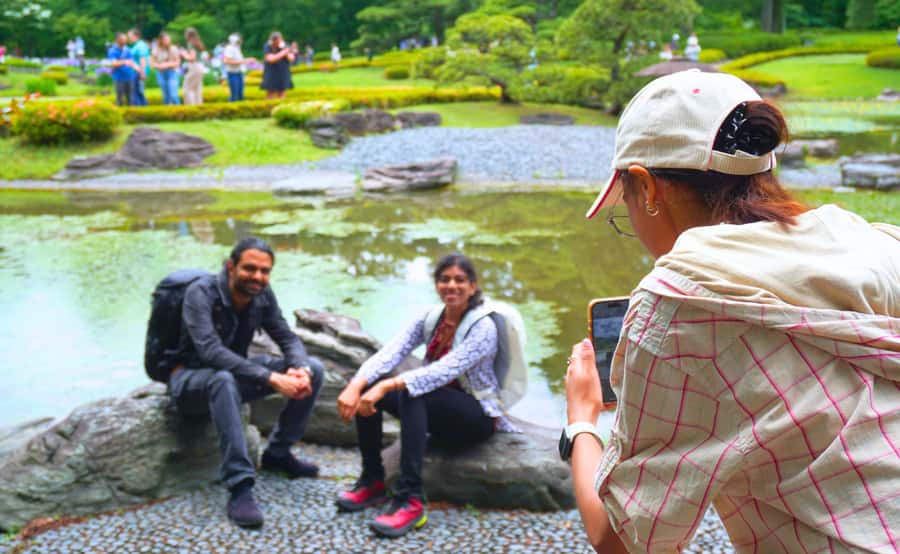
The gardens provide a softer counterpoint to the heavy stone walls. You stroll through oriental garden areas and see trees from different prefectures of Japan. That makes the grounds feel like more than a single historic site. The plantings connect the palace to the wider country and offer attractive photo opportunities along the route.
The special koi are one of the most unusual details. You have the chance to see a breed said to be found only here. It is a small feature, but it gives the tour a specific point of interest that you might miss without guidance.
I would not book this experience expecting a wildlife outing or a formal garden lesson. The koi and trees are part of a broader historical walk. Their value comes from how they add texture to the story and break up the castle explanations with visual stops.
The guide also takes you to good photo spots. You can expect chances to photograph the gardens, ruins, water, trees, and historic structures. Since no exact route or timing is provided, the number of stops may depend on the guide, weather, and the group’s pace.
A guide-led history of Japan
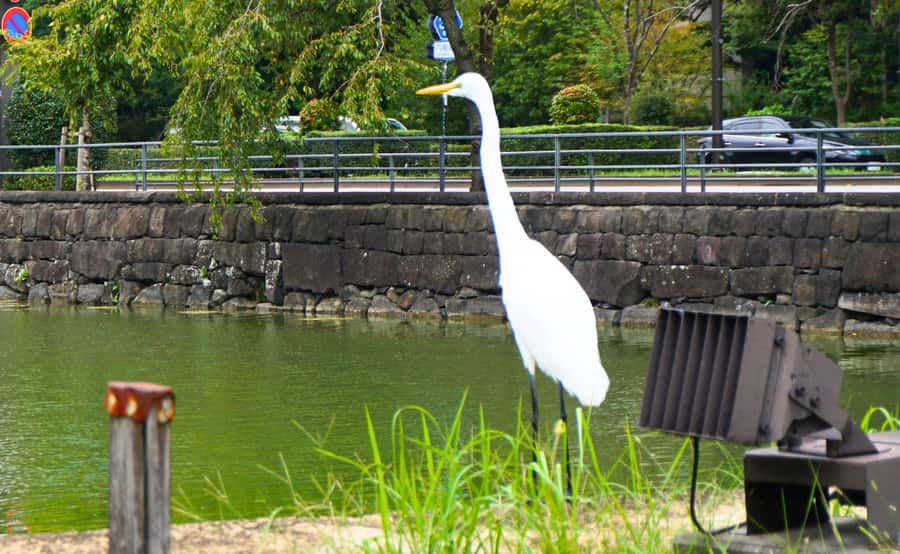
The strongest reason to choose this tour is the conversation. The guide explains how Japan evolved from the world of Edo Castle toward the modern country you see today. That is a large subject, and the visit gives it a physical starting point.
The available information identifies French as the tour language, and Nicolas is named in one account as a Franco-Japanese guide. A past visit included questions about Japanese mythology, the Japanese language, Japan in general, and the Imperial family. Those subjects suggest a flexible discussion rather than a script limited to the next monument.
That flexibility matters if you like asking questions. You can use the walk to clear up details that are hard to understand from a guidebook, such as the difference between the shogun’s authority and the Imperial institution, or why certain parts of the castle remain while others disappeared.
The title presents this as an English-guide experience, but the language details say French. Do not assume English service from the title alone. Confirm the language with Sunrise Adventure before paying if you are not comfortable with French. This is the clearest practical issue in the description.
The guide experience may also vary. Nicolas is specifically named, but the information does not promise that he will lead every departure. You should treat his appearance as possible, not guaranteed.
Group size and the feel of the visit
The tour can work well as a social, conversational walk. One described group had five people, small enough for easy questions and a friendly exchange. The group size for every departure is not stated, so I would not assume all dates will have exactly five participants.
A smaller group is useful here because the subject is broad. You may want to stop and ask about a stone wall, a garden feature, or a point about the Imperial family. In a very large group, that can be harder. If your departure is small, you may get more room for discussion.
The personal side of the experience can extend beyond the formal route. One group connected so well with Nicolas that they ate together after the visit. That is not part of the included tour and should not be expected, but it shows the kind of open conversation this format can encourage.
At the same time, you should choose this tour for the history, not for guaranteed social plans. The included service is a historical walking tour. Any meal or time together after the visit would be separate and informal.
Is $40 a fair price?
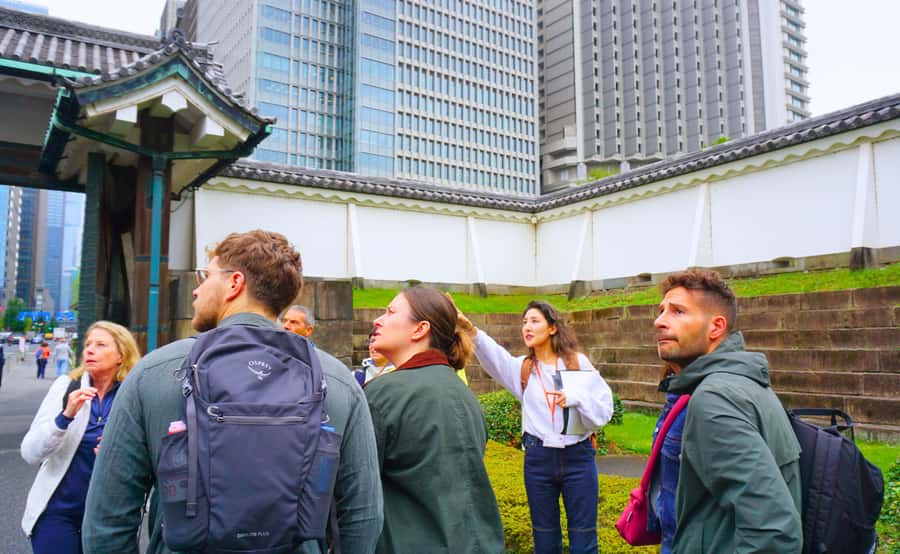
At $40 per person, the value depends on how much historical explanation you want. You can visit the eastern gardens without paying for a private car or major attraction ticket, so the fee is not buying access to an exclusive palace interior. It pays for a guided walk, historical interpretation, and the chance to ask questions.
I think the price is reasonable if you want help making sense of Edo Castle and Japan’s political past. The main value is not the garden scenery alone. It is the connection between the ruins, the shogunate, the Imperial family, and modern Japan.
The price is less compelling if you are happy to stroll independently, read signs, and take photographs without much context. The tour does not include inner palace access, and no meal or transport is included. You are paying for the guide’s time and historical storytelling.
Flexible booking adds some practical value. You can reserve now and pay later, and cancellation is allowed up to 24 hours before the activity for a full refund. Check the final booking terms when you reserve, especially because the language issue should be settled first.
Who should book this Imperial Palace walk?
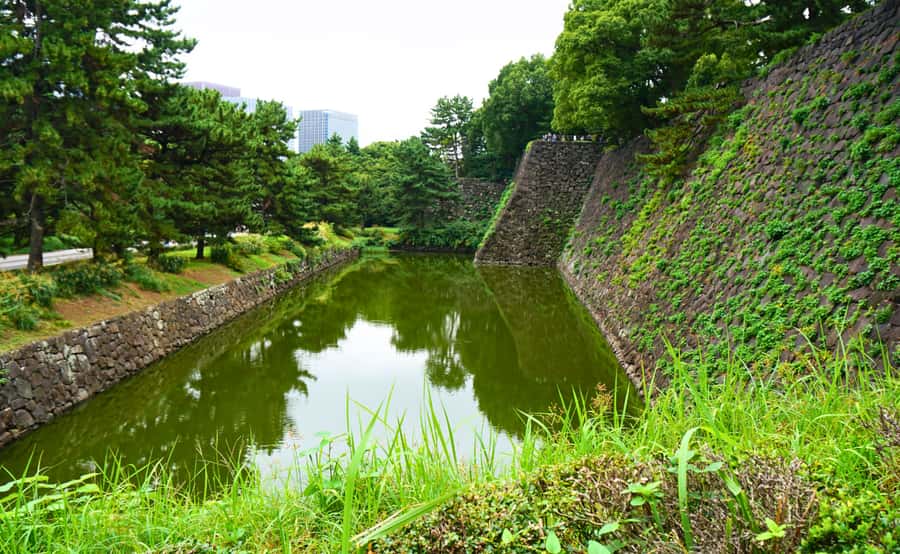
I would choose this tour if you have a genuine interest in Japanese history and want more than a quick palace photo. It suits first-time visitors who want a clear introduction to Edo Castle, as well as returning visitors who missed the eastern gardens on an earlier Tokyo trip.
It is also a good fit if you enjoy asking questions. The guide can discuss mythology, language, the Imperial family, and Japan’s development beyond the immediate garden route. That makes the experience useful for curious adults, couples, families with older children, and anyone trying to place Tokyo’s modern streets in historical context.
I would hesitate if you want a polished English-language tour without needing to confirm anything. The supplied details conflict, so French may be the actual language. I would also skip it if your priority is entering the inner palace, since that is not included.
Wear clothing suited to the forecast and shoes for a walking tour. Keep your schedule flexible because the duration is not provided, and arrive before the meeting time at the fountain.
My verdict on Sunrise Adventure’s palace tour
I like this experience because it gives the Imperial Palace grounds a clear purpose. The gardens, koi, trees, barracks, and ruins are not isolated sights. Together, they help explain Edo Castle and the changes that shaped Japan.
The best part is the guide-led discussion. Nicolas, if assigned to your group, appears suited to a wide-ranging conversation, and the small-group example shows how personal the visit can feel. The main caution is simple but important: confirm the language. The title says English, while the practical details list French.
Book it if you want history, questions, and a calm walk through the eastern gardens for $40. Skip it if you need inner palace access, a self-guided visit, or guaranteed English service without prior confirmation.
FAQ
Where does the tour start?
The tour starts at Wadakuramon Fountain Park, near Starbucks and the fountain. Your guide waits with a SUNRISE ADVENTURE sign.
How do I reach the meeting point?
You can take the train to Tokyo Station or Otemachi Station, then walk about 5 to 10 minutes to Wadakuramon Fountain Park.
Where does the tour end?
The activity ends back at the meeting point.
Is the tour in English or French?
The title refers to an English guide, but the included language information and additional information list French. Confirm the language with Sunrise Adventure before booking.
Is access to the inner Imperial Palace included?
No. The tour includes the eastern gardens and former Edo Castle grounds, but not access to the inner palace.
What will I see during the walk?
You will see palace ruins, former soldiers’ barracks, oriental gardens, trees from different prefectures, a miniature structure of the former palace, and special koi.
Is the main castle still standing?
No. The main castle no longer exists. The guide explains why, and you can see a miniature structure of the former palace.
What is the price?
The price is $40 per person.
What happens if I arrive late?
If you do not arrive within 10 minutes of the meeting time, the tour may leave without you.
Can I cancel the booking?
You can cancel up to 24 hours in advance for a full refund. You can also reserve and pay later, according to the booking information.
Newly reviewed around Tokyo
- Tokyo Asakusa:Calligraphy & Make T-shirt Activity★ 5.0 · 62 reviews
- Intercity Shuttle, Tokyo to Haneda /Narita /Yokohama /Makuhari★ 5.0 · 5 reviews
- 1 Hour Travel around Tokyo with a Professional Photographer★ 5.0 · 3 reviews
- Travel Tokyo with Your Own Personal Photographer★ 5.0 · 43 reviews
- Train in Samurai Swordsmanship and Defeat the Demon in Tokyo★ 5.0 · 5 reviews
- Shuttle Van 6hr Tokyo Tour to-and-from Tokyo, Yokohama and Narita★ 5.0 · 9 reviews
- Kickboxing & Body Training with EX-Pro Fighter★ 5.0 · 4 reviews
- Traditional Japanese Knife Sharpening Class★ 5.0 · 18 reviews
Tokyo Imperial Palace Tours, compared.

Imperial Palace and Shogun Historical Walking Tour
Read our review →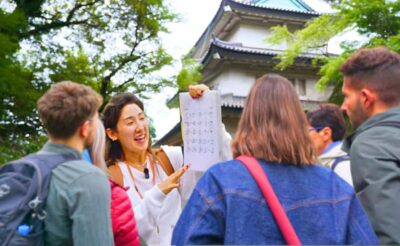
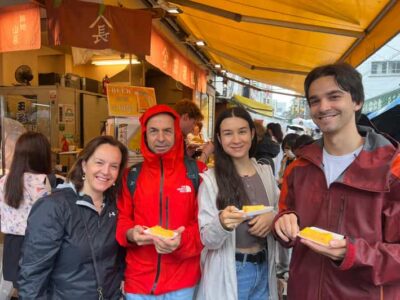
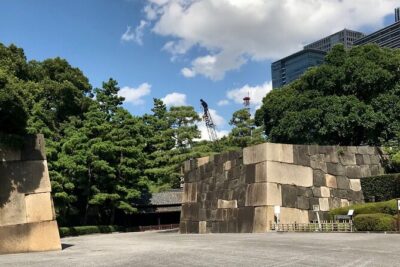
Imperial Palace East Garden and Edo Castle Walking Tour in Tokyo
Read our review →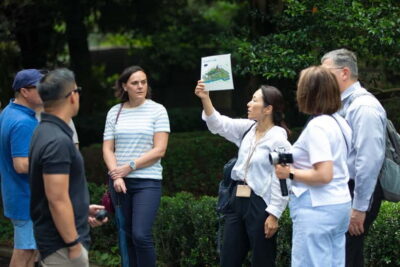
Imperial Palace, Sensō-ji Temple, & Tokyo Tower Tour
Read our review →
Tokyo Castle, Imperial Palace, Shogun & Garden Walking Tour
Read our review →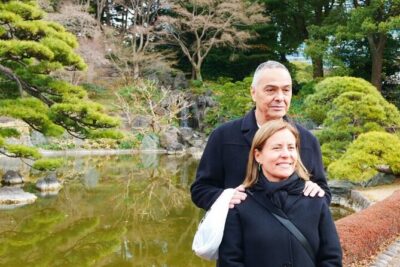
Edo Castle & East Garden of the Imperial Palace Tour
Read our review →Browse the lists this tour appears in