
Reviewed · TOKYO IMPERIAL PALACE TOURS
Tokyo: Edo Castle and Imperial Palace Guided Walking Tour
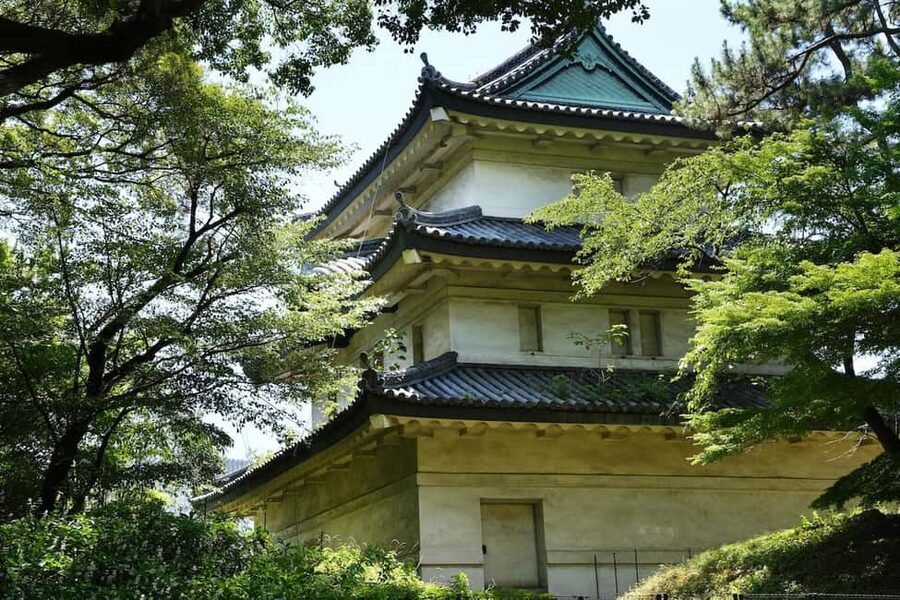
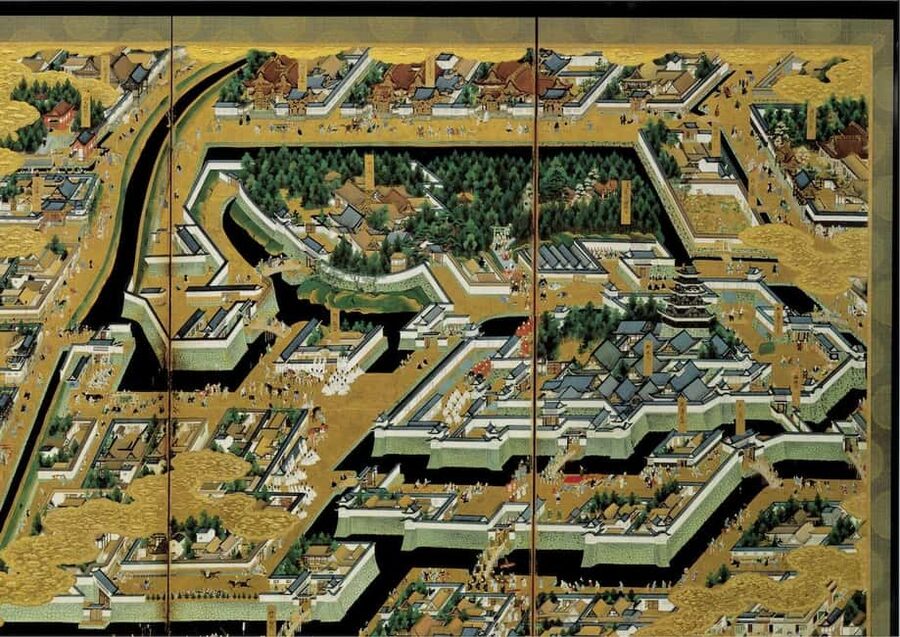
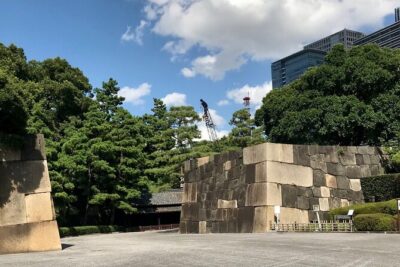
The most interesting part of this Edo Castle walking tour is that the castle itself is mostly gone, yet its scale remains easy to read in the gates, moats, guardhouses, and huge stone foundations. With a map of Edo in the 1650s, your guide helps you picture the shogun’s residence and the government center that ruled Japan for 260 years.
I like two things here. First, the route focuses on physical clues, not just dates: stone walls, defensive gates, and the former Honmaru, or main castle compound. Second, the small group, capped at eight people, gives you a better chance to ask about subjects such as the Tokugawa Shogunate, the Meiji Restoration, the Great Fire of Meireki, and life inside the castle. The main drawback is that this is a fairly long walk with no meal or drink included, so comfortable shoes and a water bottle matter.
Key points to know before you go
- The 1650s map gives the walk its shape: You use an old map to compare Edo’s former castle center with present-day Tokyo.
- The route covers real defensive features: Sakurada-mon, Kikyo-mon, Ote-mon, Kita-Hanebashi, Hirakawa Bridge, moats, and guardhouses all help explain how the castle worked.
- The former Honmaru gets 30 minutes: This is the longest stop, giving you time to consider the main hall and the castle’s political role.
- The tour connects two eras: Your guide explains both Tokugawa government and the transition that turned Edo Castle into the Imperial Palace.
- It is a small English-language group: The maximum of eight people suits visitors who want room for questions.
- The price is unusually low: At $3.22 per person, the tour offers strong value if the scheduled time and walking route fit your plans.
Why Edo Castle is worth seeing without a castle
Many visitors arrive at Tokyo’s Imperial Palace hoping to see a grand palace building and find instead a broad complex of walls, gates, trees, open spaces, and restricted areas. That can feel anticlimactic if you do not know what you are looking at.
This walk solves that problem. Edo Castle was the center of the Tokugawa Shogunate for 260 years, and its importance is still visible in the arrangement of the site. The walls and moats were not decorative. They marked layers of defense and controlled access to the shogun’s residence.
The English-speaking guide supplies the missing story. You are not simply being led from one gate to another. You are asked to picture who passed through each entrance, how authority was organized, and how the castle related to the wider city of Edo.
I especially like the use of the 1650s map. Tokyo can be hard to read as an old city because modern streets and buildings cover so much of the earlier layout. A map gives you a reference point. As you walk, you can compare the old political center with the present Imperial Palace area.
This is an outdoor history lesson, not a palace interior visit. You should book it for the setting and explanation of the grounds rather than for rooms filled with furniture or art.
More Imperial Palace tours in Tokyo:
- Tokyo: Imperial Palace and Shogun Historical Walking Tour
★ 5.0 · 2,251 reviews - Tokyo: Imperial Palace Japanese History Walking Tour
★ 4.9 · 987 reviews - Tokyo: Imperial Palace and Shogun Walking Tour
★ 4.9 · 935 reviews
Meeting at Tokyo Station’s historic Marunouchi side
The meeting point is on the ground floor at the Marunouchi South Exit of Tokyo Station. Look for the historic yellow-colored dome. The listed coordinates are 35.68048457383692, 139.76571024138642.
That detail matters because Tokyo Station has several exits, and the station area is large. Give yourself enough time to reach the Marunouchi South Gate rather than relying on a last-minute dash from another part of the station.
The tour begins with a short walk to the Mitsubishi Ichigokan Museum. The museum receives about 10 minutes of guided attention. Even if you do not enter for a full museum visit, this first stop helps place the tour in the Marunouchi area before the route turns toward the former castle grounds.
The walking segments are short, generally four to seven minutes between stops. The total experience lasts 150 minutes, so the pace is broken up by frequent explanations. Still, the route is on foot from start to finish, and the ground may feel tiring if you have already spent the day sightseeing.
Sakurada-mon and the outer defenses
From the museum, you walk toward Sakurada-mon Gate. The guide spends about 10 minutes here, making it one of the early stops with a fuller explanation.
A gate is a useful place to begin understanding Edo Castle. It shows how movement into the castle area was managed. Rather than treating the site as a single building, the tour presents it as a controlled series of entrances, walls, moats, and guarded approaches.
The route then continues through several points around the Imperial Palace area. One stop is listed at MQH4+V6 in Chiyoda City, followed by the Sakashita Gate security post associated with the Imperial Guard. These brief explanations last about five minutes each.
You should expect the guide to connect present-day security and access with the older function of the castle. The current Imperial Palace is the Emperor’s residence, while the former Edo Castle was the shogun’s home and the center of government. Seeing both ideas in the same place makes the change from military rule to imperial rule easier to grasp.
Kikyo-mon, Sakurada Tatsumi Yagura, and the visual language of power
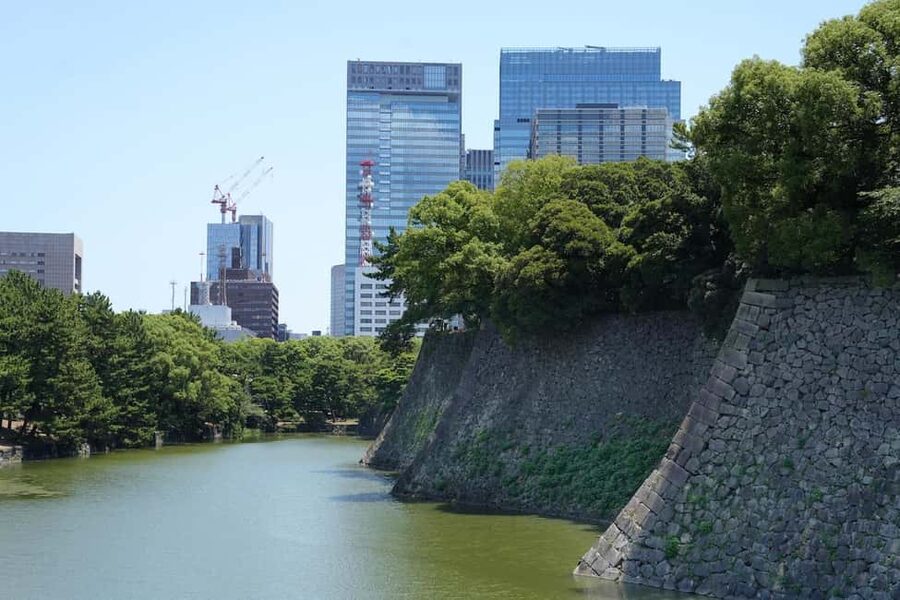
Kikyo-mon Gate receives another five-minute explanation, followed by Sakurada Tatsumi Yagura, which gets about six minutes. The word yagura refers to a tower structure, and this stop helps you notice how the castle used elevated points and fortified edges.
You do not need a specialist background to appreciate this part. The guide’s job is to point out what an untrained eye could miss: the relationship between a gate, a wall, a moat, and the route approaching them.
The walk also gives you a chance to look closely at the stonework. One especially useful point from the tour’s historical discussion is that Edo Castle was built through tenka-fushin, a system in which major lords contributed to large public construction projects. The stone walls can show subtle differences in cutting and placement linked to the groups that built them.
That makes the walls more than a backdrop for photographs. You can inspect the blocks and ask how construction methods differed. The distinction between cut-stone masonry and rougher fitted stonework adds a practical layer to the history.
More Tokyo walking tours:
- Tokyo Tsukiji Fish Market Food and Culture Walking Tour
★ 5.0 · 3,184 reviews - Tokyo: Shinjuku Local Bar and Izakaya Guided Walking Tour
★ 4.9 · 1,794 reviews - Tokyo: Tsukiji Fish Market Food and Walking tour
★ 5.0 · 1,724 reviews - Tokyo: Asakusa Walking Tour with Sensoji Temple Visit
★ 4.8 · 1,583 reviews
Ote-mon and the guards who controlled access
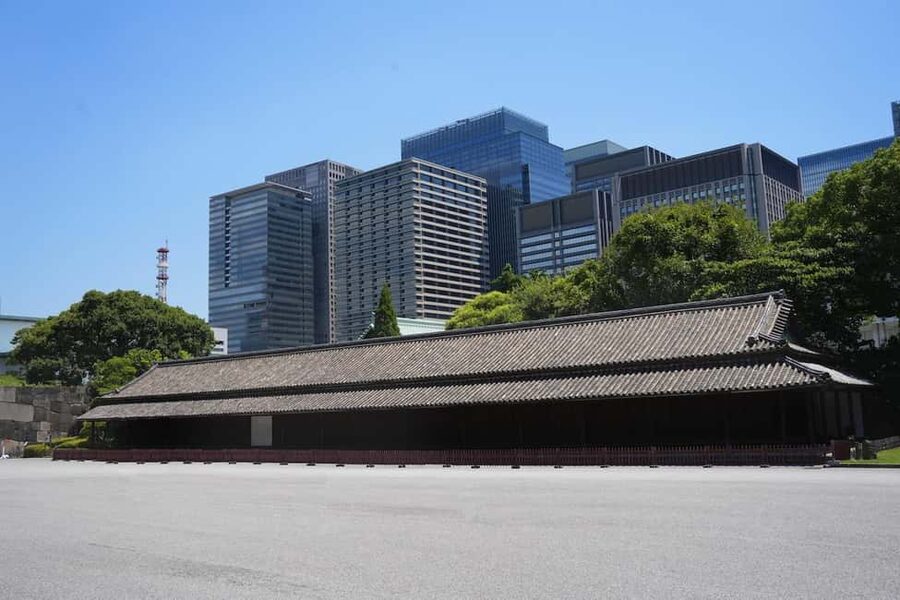
Ote-mon Gate is one of the key stops, followed by the Ote-San’no Gate ruins. The guide explains each for about five minutes, then spends seven minutes at the Hyakunin Bansho Guardhouse.
The guardhouse is one of the most useful places for imagining daily operations inside Edo Castle. Its name points to a guard unit of one hundred men, and the stop shifts attention away from famous rulers toward the people who kept the castle functioning.
That is one of the tour’s strengths. You hear about the Tokugawa family and political decisions, but you also get a sense of the staff, guards, residents, and officials who occupied the site. The castle was a working government center, not simply a private home for the shogun.
The short stops work well here because each has a clear purpose. Ote-mon explains a major entrance. The gate ruins show how the complex has changed. The guardhouse brings the structure back to human scale.
The Honmaru site and the 30-minute history lesson
The longest stop is the site of Edo Castle’s Honmaru, or main hall. The guide allows about 30 minutes here, which is appropriate because this is the point where the earlier pieces come together.
The Honmaru was the core of the castle compound. Even without the original main hall, the open site gives you a sense of the space required for the shogun’s residence and government center. Your guide uses the old map and the surrounding remains to explain how the area once functioned.
This is also where the political story becomes more layered. The Tokugawa Shogunate governed for roughly 260 years, then the Meiji Restoration changed the political order. Edo Castle later became the Imperial Palace, linking the location to the Emperor’s current residence.
A particularly interesting subject is the Great Fire of Meireki. After the fire, a new castle keep foundation was built, but the decision was made to prioritize rebuilding Edo rather than reconstructing the keep itself. That choice says a great deal about practical government. A grand tower could wait, while the city and its people needed attention.
The Honmaru discussion also includes the political side of the inner palace, including the Ooku. You may hear about the women’s quarters and the way they could have political significance, rather than treating the area only as a secluded domestic space.
The guide also explains the fujomon, or unclean gate, and the obikuruwa. These less familiar features add depth because they show that castle design was shaped by custom, status, security, and ritual as well as military need.
Kita-Hanebashi, Takebashi, and the final bridges
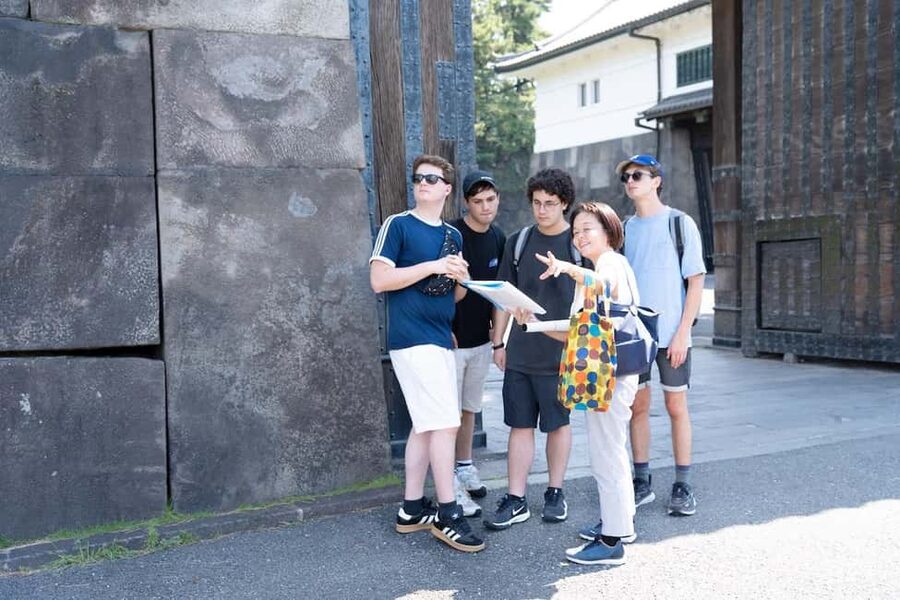
After the Honmaru, the route continues to Kita-Hanebashi Gate for about five minutes. This keeps the focus on the castle’s perimeter and the way different gates connected the central compound to the surrounding area.
You then walk toward Takebashi, where the guide gives another short explanation. The route finishes at Hirakawa Bridge, with about seven minutes of guided time, and ends at Hirakawa-mon Gate.
This final section is useful because it brings you away from the central Honmaru area and back toward the outer edge of the old castle. Hirakawa Bridge and Hirakawa-mon help show that the castle was a large network of passages, entrances, and controlled zones.
The ending is at Hirakawa-mon, not back at Tokyo Station. Plan your next activity with that in mind. Transportation to the meeting point is not included, and neither are meals or drinks, but the finish point gives you flexibility to continue sightseeing in the area.
What the $3.22 price really offers
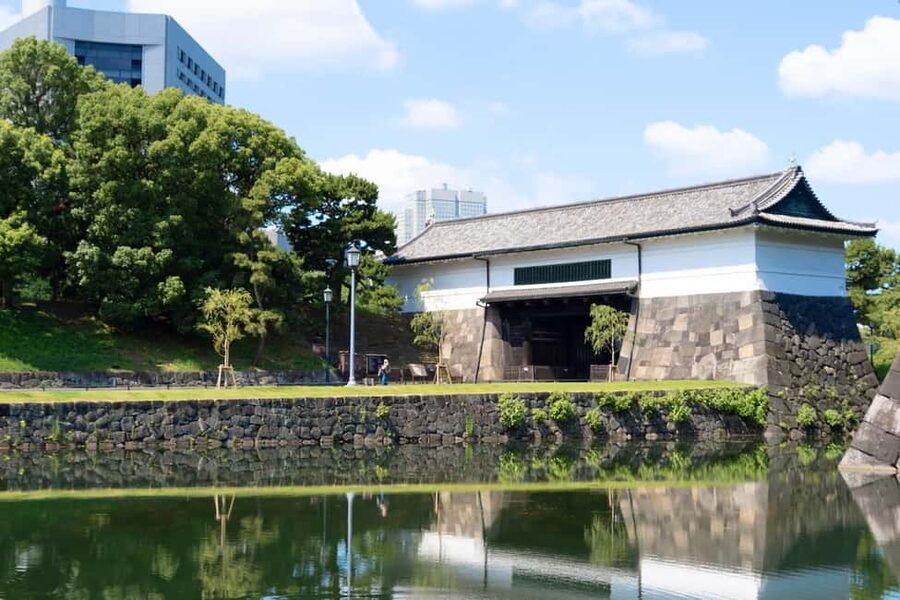
At $3.22 per person, the value is unusually strong. You receive 150 minutes with an English-speaking guide, a small gift, and a compact group limited to eight people.
The price is especially attractive if you already plan to visit the Imperial Palace area but want help making sense of it. On your own, you can see gates and walls, but the political connections and old layout are much harder to reconstruct.
The low price does not mean this is a full-day cultural program. There is no meal, transportation, palace interior admission, or large museum component included. You are paying for guided interpretation on foot.
That makes the tour a good choice for budget-conscious visitors, first-time Tokyo sightseers, and history fans who want a focused introduction. If you prefer to move at your own pace or spend a long time taking photographs at each gate, the fixed route may feel less flexible.
Comfort, group size, and practical planning
Wear comfortable shoes. The walk lasts two and a half hours, and although individual walking sections are short, the route contains many stops and continues across a large outdoor site.
Bring your own drink because refreshments are not included. Dress for the weather as you would for any extended outdoor activity. The supplied information does not give a specific weather policy, so check conditions before setting out.
The group limit of eight is one of the most useful features. A small party makes it easier to hear beside roads and open areas, and it gives you a realistic chance to ask about stonework, castle life, or the transition from shogunate rule to the Meiji government.
The tour is listed as wheelchair accessible. Since the route includes walking around gates, walls, moats, bridges, and historic grounds, you should still confirm current route conditions when booking if you have particular mobility needs.
Free cancellation is available up to 24 hours before the activity for a full refund. You can also reserve now and pay later, which helps if your Tokyo schedule is still changing.
Who should book this Edo Castle walk
I would choose this for you if you enjoy history but do not want a lecture in a classroom. The tour keeps moving, and almost every stop relates to something visible in front of you.
It is also a good fit if you are curious about the Tokugawa Shogunate, the Meiji Restoration, Japanese castle design, or the daily operation of a large political center. The discussion of the Meireki fire, the Honmaru, the Ooku, the unclean gate, and the stone walls offers more substance than a simple photo stop.
Families with older children may find the gates and guardhouses easier to understand than an abstract timeline. The small group can also suit solo visitors who want the social ease of a guide without joining a large crowd.
I would hesitate if you want to enter the Imperial Palace or see lavish palace rooms. This is a guided outdoor walk around the former Edo Castle site. It is about reading the ground, not touring a furnished royal residence.
Should you book it?
Book this tour if you want Tokyo’s Imperial Palace area to make sense. The 1650s map, the 30-minute Honmaru stop, and the close look at gates, guardhouses, moats, and stonework turn a broad open site into a readable historical place.
The $3.22 price is hard to fault, especially with an English-speaking guide, a maximum of eight people, and two and a half hours of coverage. Just arrive at the correct Tokyo Station exit, wear good shoes, bring a drink, and remember that the tour ends at Hirakawa-mon rather than returning to the station.
FAQ
Where does the Edo Castle tour begin?
It begins on the ground floor at the Marunouchi South Exit of Tokyo Station. The meeting point is near the historic yellow-colored dome.
Where does the tour finish?
The walk finishes at Hirakawa-mon, also known as Hirakawa Gate.
How long does the tour last?
The experience lasts 150 minutes, or two and a half hours.
Is the tour conducted in English?
Yes. The tour includes a live English-speaking guide.
How large is the group?
The group is limited to eight participants.
Is transportation included?
No. Transportation to the starting point is not included. Meals and drinks are also excluded.
What should I wear?
Wear comfortable shoes because the experience involves walking between many castle gates, walls, bridges, and historic sites.
Newly reviewed around Tokyo
- Tokyo Asakusa:Calligraphy & Make T-shirt Activity★ 5.0 · 62 reviews
- Intercity Shuttle, Tokyo to Haneda /Narita /Yokohama /Makuhari★ 5.0 · 5 reviews
- 1 Hour Travel around Tokyo with a Professional Photographer★ 5.0 · 3 reviews
- Travel Tokyo with Your Own Personal Photographer★ 5.0 · 43 reviews
- Train in Samurai Swordsmanship and Defeat the Demon in Tokyo★ 5.0 · 5 reviews
- Shuttle Van 6hr Tokyo Tour to-and-from Tokyo, Yokohama and Narita★ 5.0 · 9 reviews
- Kickboxing & Body Training with EX-Pro Fighter★ 5.0 · 4 reviews
- Traditional Japanese Knife Sharpening Class★ 5.0 · 18 reviews
Tokyo Imperial Palace Tours, compared.

Imperial Palace and Shogun Historical Walking Tour
Read our review →
Imperial Palace East Garden and Edo Castle Walking Tour in Tokyo
Read our review →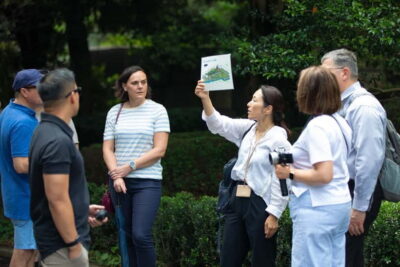
Imperial Palace, Sensō-ji Temple, & Tokyo Tower Tour
Read our review →
Tokyo Castle, Imperial Palace, Shogun & Garden Walking Tour
Read our review →
Edo Castle & East Garden of the Imperial Palace Tour
Read our review →Browse the lists this tour appears in