
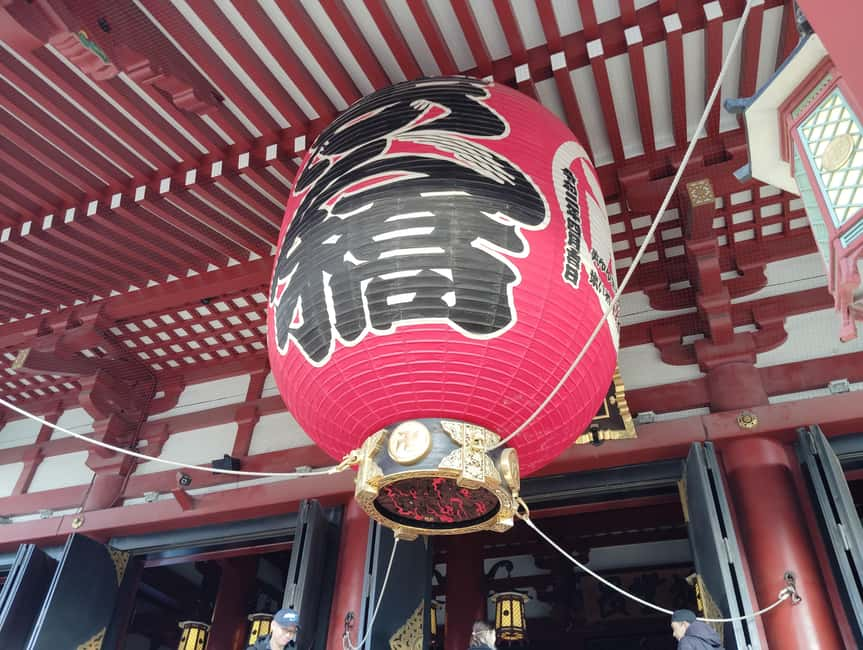
Reviewed · ASAKUSA AND SENSOJI TOURS
Tokyo: Asakusa & Senso-ji Temple 1.5-Hour Guided Tour
Senso-ji is where Tokyo’s past feels closest to the surface. On this 90-minute walk, you’ll pass beneath the famous Kaminarimon, learn how to approach a Buddhist temple, purify yourself with water and incense, and draw an omikuji fortune. The rituals give the visit purpose, instead of leaving you to simply point at the buildings.
I like the clear route and the small amount of walking between major sights. I also like that incense and omikuji fees are included, so you can take part without fumbling for extra cash at each step. The main consideration is time: 90 minutes goes quickly, and Nakamise is more of a short tasting and shopping stop than a relaxed browse.
Key points to know before you book
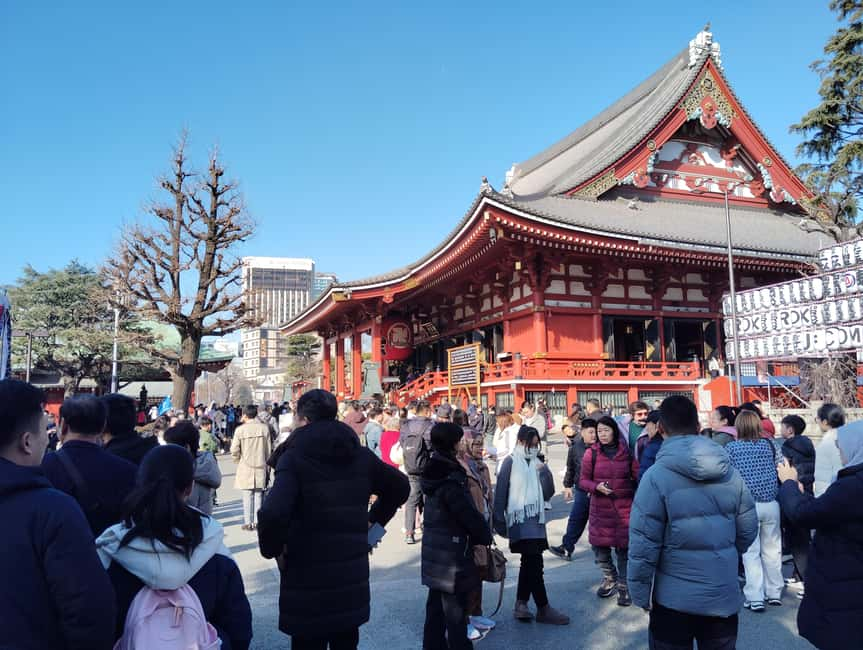
- Senso-ji has around 1,400 years of religious history, making this more than a photo stop.
- Purification rituals are explained and included, with water and incense forming a useful introduction to temple etiquette.
- Omikuji is part of the tour, giving you a chance to draw a traditional fortune at no extra fee.
- The route begins at Kaminarimon, then continues through Senso-ji and Nakamise Shopping Street.
- Guide Yohei has earned especially strong praise for making the visit enjoyable and informative.
- The tour costs $27 per person, a fair price if you want context and practical guidance rather than a self-guided walk.
Why Senso-ji makes a strong first Tokyo temple visit
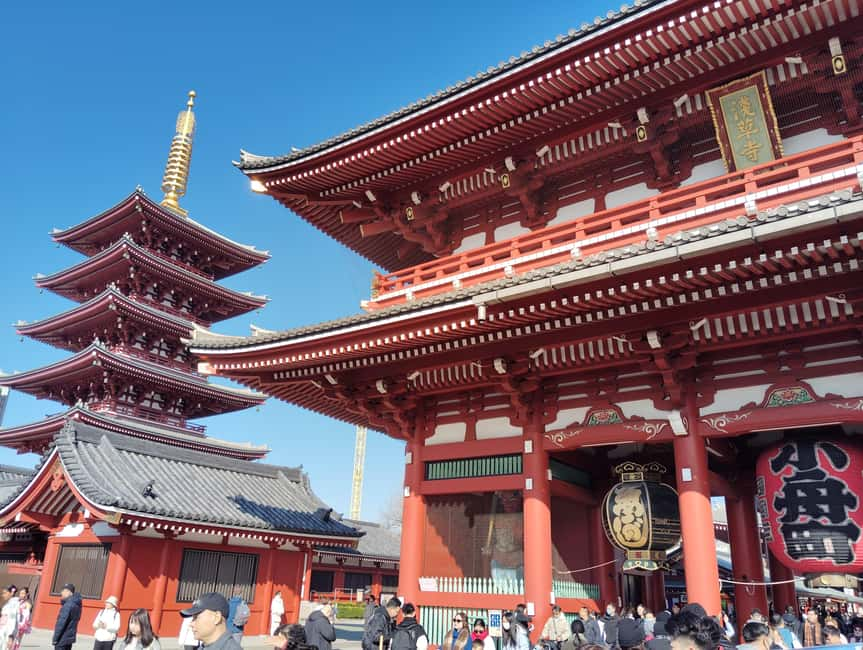
Senso-ji is Tokyo’s oldest temple, with a history said to reach back about 1,400 years. Its grounds include several halls and five-story pagodas, and the temple remains an important place of faith in the Kanto region.
That last point matters. Senso-ji is not simply an old building preserved for tourists. People still come to pray, make offerings, draw fortunes, and follow familiar rituals. Your guide helps you recognize the difference between sightseeing and respectful participation.
The main image in the temple’s principal hall is a hidden Buddha image. You will not be viewing a displayed statue in the usual museum sense. Instead, the hidden image forms part of the temple’s long religious tradition, adding a sense of mystery to the visit.
I find this kind of background especially helpful in Japan, where a temple visit can feel confusing if you do not know what to do. The tour gives you a simple structure: arrive, purify, offer incense, enter with the right manners, and learn what the buildings and customs mean.
More Asakusa and Sensoji tours:
- Tokyo: Japanese Dance Cabaret Theater Asakusa-Kaguwa Ticket
★ 4.8 · 2,270 reviews - Tokyo: Meiji Shrine, Asakusa, Skytree Bus Tour and Cruise
★ 4.7 · 1,986 reviews - Tokyo: Roll and Authentic Sushi Making Class in Asakusa
★ 4.9 · 1,957 reviews
Meeting at Asakusa Culture and Tourism Center
The meeting point is inside the Asakusa Culture and Tourism Center on the second floor. Your guide will be holding a yellow sign, which should make the initial meeting fairly straightforward.
The center is near Kaminarimon, so you begin in the heart of Asakusa rather than spending time walking in from a distant station or gathering point. You should allow enough time to reach the building and find the second floor, since the tour begins there and the schedule is compact.
The English-speaking guide leads the full route. Private and small-group options are available, which can matter if you prefer a quieter pace or want more chances to ask questions. The activity is also listed as wheelchair accessible, though the tour still involves walking through temple grounds and a shopping street.
Kaminarimon: a dramatic start to the walk
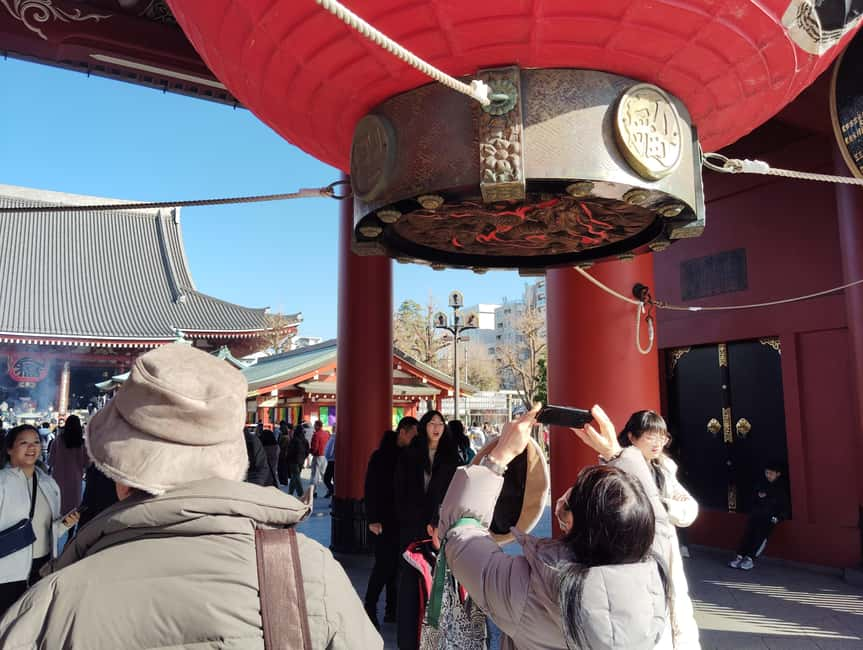
The first sightseeing stop is Kaminarimon, or Thunder Gate. The gate is one of Asakusa’s best-known landmarks and creates an immediate sense of arrival.
You spend about 20 minutes here with the guide. That time allows for sightseeing, walking, and an introduction to the area before you move toward the temple grounds. The gate is also a practical orientation point. Once you know where Kaminarimon is, you can find your way back to the main Asakusa area more easily.
A guide is useful here because the gate can feel like a quick photo stop when seen alone. With explanation, it becomes the front door to a larger religious and commercial district. You begin to understand how the approach to Senso-ji works, rather than treating each landmark as a separate picture.
The tour does not promise a long historical lecture at this point, so expect a brisk introduction. If you want extended time for photography, you may need to return later on your own.
Purifying with water and incense
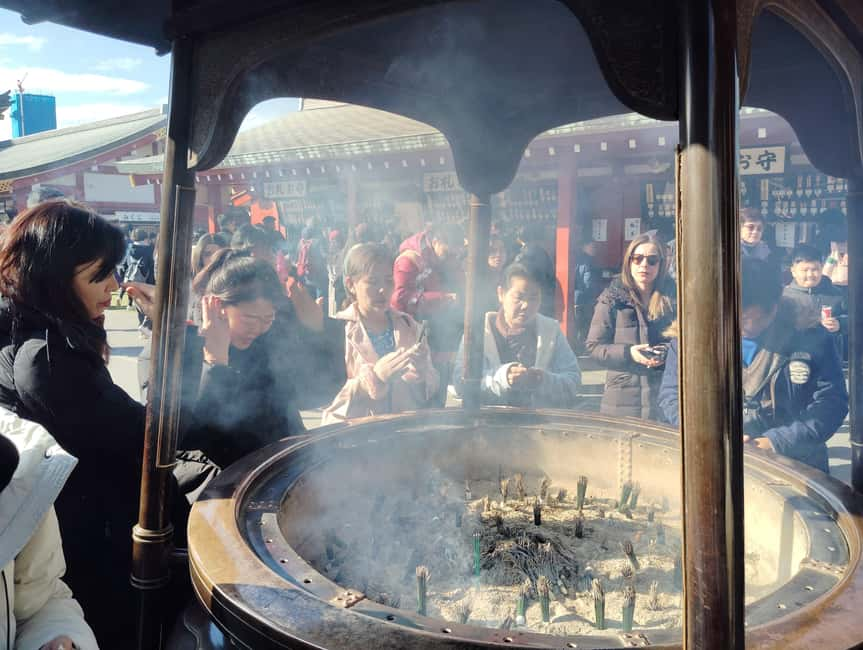
The central part of the visit takes place at Senso-ji and lasts about 50 minutes. This is where the tour earns much of its value.
Your guide explains the process of visiting the temple and shows you how to purify your body and mind with water. You also offer incense before continuing your visit. These customs can be easy to miss when you walk through the grounds alone, especially if you are unsure which actions are appropriate.
The incense fee is included. That is a small detail, but a helpful one. You can take part in the ritual without wondering if you need to buy something separately or how the payment works.
The guide also covers temple etiquette. That practical instruction is likely to be more useful than a list of dates. You learn how to behave in a place that is still used for worship, and you can carry that awareness to other temples during your time in Japan.
Senso-ji’s grounds include multiple halls and five-story pagodas. The temple complex has enough visual detail to reward slow looking, but the 50-minute visit means you will follow a focused route rather than inspect every corner. That is a sensible trade for a short tour.
More guided tours in Tokyo:
- Tokyo 6hr Private Tour with Government-Licensed Guide
★ 5.0 · 3,902 reviews - Tokyo: Shinjuku Local Bar and Izakaya Guided Walking Tour
★ 4.9 · 1,794 reviews - Tokyo: Private City Highlights Tour with Local Guide
★ 4.8 · 1,433 reviews - Tokyo: Tsukiji Fish Market Guided Walking Tour
★ 4.9 · 1,397 reviews
Drawing an omikuji fortune
The tour includes the fee for an omikuji fortune. These paper fortunes are known for results that can be surprisingly direct, so this is one of the more playful parts of the visit.
Your guide can explain the role of omikuji within the temple visit and help you understand what to do. The activity gives you a personal moment amid the larger site. You are not only listening to information about Senso-ji, you are taking part in one of its familiar customs.
The supplied details do not specify which fortune you will receive or how the guide handles an unfavorable result. You can expect the opportunity to draw one, but not a guaranteed lucky message. That uncertainty is part of the appeal.
For some people, this will be a highlight. For others, it may feel less important than the temple architecture. Either way, the included fee removes one small barrier to trying it.
Nakamise Shopping Street and the final 15 minutes
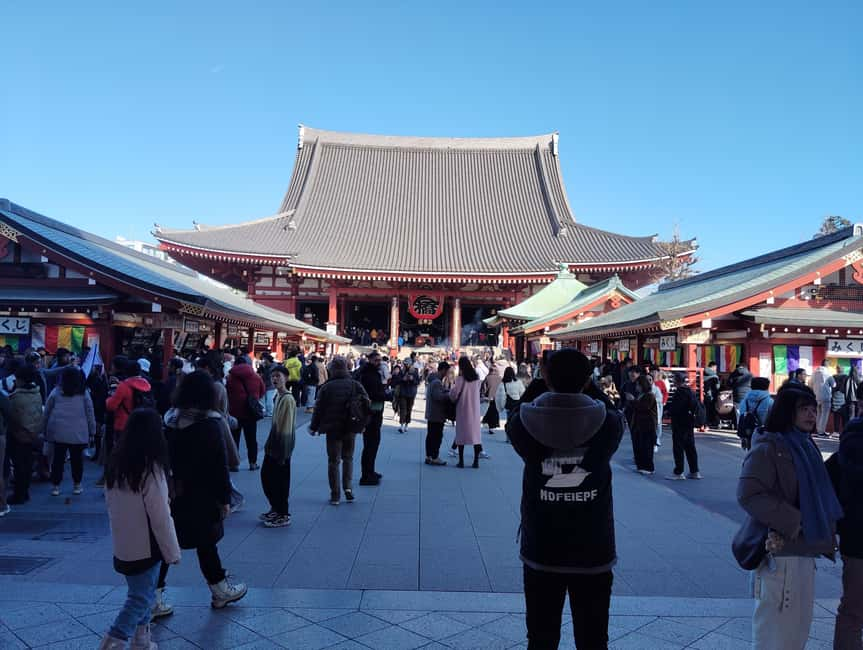
After Senso-ji, the route continues along Nakamise Shopping Street for about 15 minutes. This traditional approach to the temple is lined with places selling snacks and souvenirs.
The stop is short, so you should think of it as an introduction rather than a full shopping session. You can get a feel for the street, notice the traditional goods, and perhaps pick up a snack or souvenir if something catches your eye.
Food and drinks are not included in the $27 price. That keeps the tour cost clear, but you should budget separately if you want to buy something along Nakamise. Since the group finishes at Senso-ji’s Kaminarimon, you are left in a useful central spot for continuing your own Asakusa visit.
I like this ending because it shifts naturally from worship to everyday local commerce. The shopping street shows how the temple area functions beyond its halls and gates. Still, do not expect time for a leisurely meal or extended bargaining. The schedule gives you a taste of Nakamise, not a dedicated food tour.
What $27 buys you
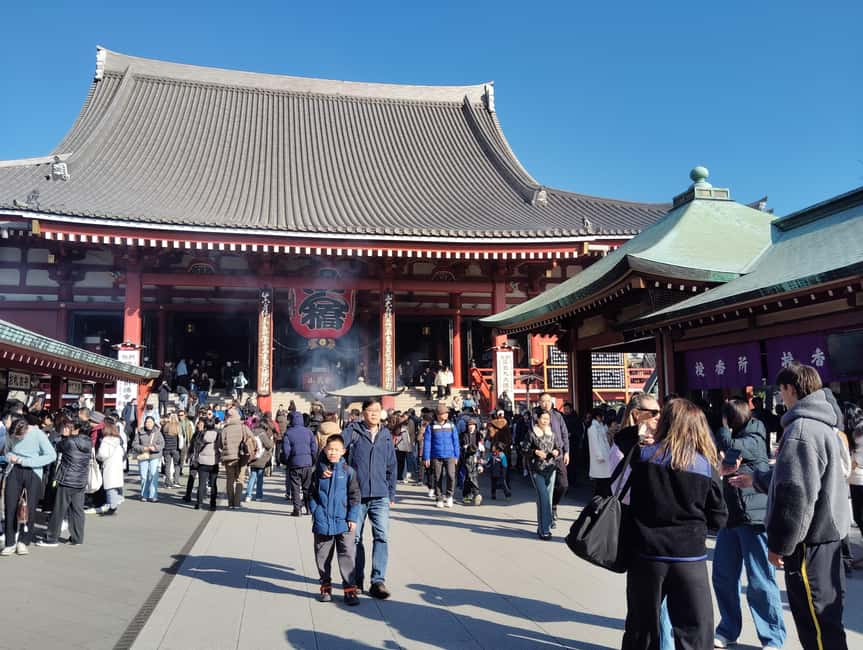
At $27 per person, this is a reasonably priced guided introduction to one of Tokyo’s major cultural areas. You are paying for 90 minutes with an English-speaking guide, plus the incense and omikuji fees.
The strongest value comes from the explanations and rituals. If you only want photographs of Kaminarimon and Senso-ji, you can visit the area without booking a tour. If you want to understand what you are doing, the guide adds real usefulness.
The price also makes sense for a first visit. You avoid guessing your way through temple etiquette and get a clear route through three connected sights. The tour is short enough to fit into a busy Tokyo day, although that also limits how much detail you can receive.
Food and drinks are extra, and the shopping portion is brief. Keep those limits in mind. This is a cultural walking tour, not a meal, shopping, or full-day Asakusa program.
Guide quality and the small-group advantage
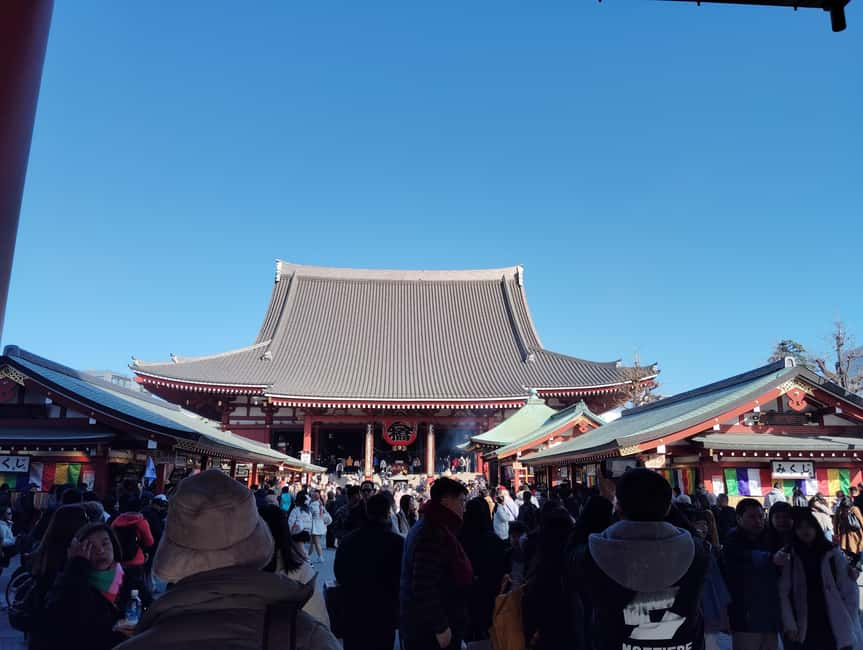
The guide makes a major difference on an experience this short. Yohei received especially warm feedback, with specific praise for making the tour enjoyable and helping people learn a lot. That suggests a friendly teaching style, though guide experiences can naturally vary by date.
An English-speaking guide is included, and the tour can be arranged as a private or small-group activity. A smaller group may make it easier to hear explanations, ask questions, and move through the rituals without feeling hurried by a large crowd.
The 90-minute format suits you if you want a clear introduction without giving up half a day. Families, first-time visitors to Tokyo, and anyone unsure about temple customs should find the structure useful. Independent sightseers who already know Asakusa may prefer to explore alone and spend more time shopping.
Timing, access, and practical limits
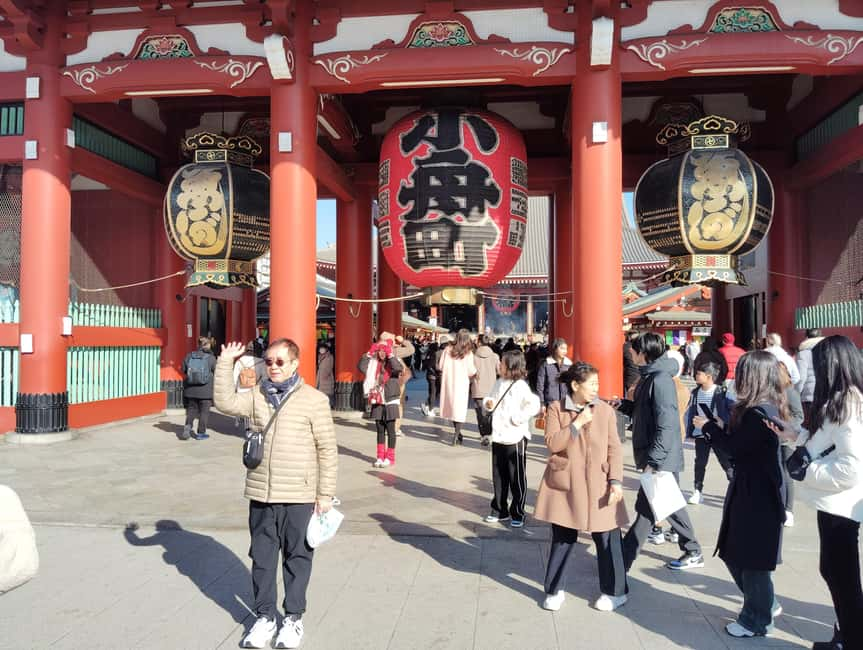
The activity lasts 90 minutes, with roughly 20 minutes at Kaminarimon, 50 minutes at Senso-ji, and 15 minutes at Nakamise. The remaining time is used for meeting, transitions, and the flow between stops.
You should wear comfortable shoes. The tour is a walking experience through temple grounds and a shopping street, even though wheelchair access is listed. If you need specific information about surfaces, facilities, or the exact route for your mobility needs, confirm those details before booking.
The activity offers free cancellation up to 24 hours before the start time. You can also reserve now and pay later, which helps if your Tokyo schedule is still shifting. Starting times vary, so you need to check availability for your chosen date.
The tour ends at Senso-ji’s Kaminarimon, not back at the tourism center. That is convenient if you plan to continue around Asakusa, but remember the meeting and finishing points are not identical.
Who should book this Asakusa tour?
I would recommend it to you if this is your first visit to Senso-ji, you want an English explanation, or you feel uncertain about Japanese temple customs. It is also a good fit if you have limited time and want to cover the area in a well-organized 90-minute visit.
You will get the most from it if you take part in the water purification, incense offering, and omikuji fortune rather than treating the tour as a photo walk. Those actions make the temple visit more personal and help you understand why the site remains important.
You may want a different option if you want a long shopping session, a food-focused outing, or detailed architectural study. The route is compact, and Nakamise receives only 15 minutes.
Should you book it?
Book this tour if you want a short, practical introduction to Senso-ji that explains what to do as well as what you are seeing. The $27 price is fair because it includes a live English guide, incense, and omikuji, while the route covers Kaminarimon, the temple, and Nakamise.
I would be especially comfortable choosing it for a first morning or afternoon in Asakusa. Just keep your expectations focused: this is a guided orientation with meaningful rituals, not an all-day exploration. If you want that balance, the positive feedback for Yohei and the clear, compact route make it a sensible choice.
FAQ
How long does the Asakusa and Senso-ji tour last?
The tour lasts 90 minutes.
Where does the tour meet?
You meet inside the Asakusa Culture and Tourism Center on the second floor. The guide will be holding a yellow sign.
Where does the tour finish?
The tour finishes at Senso-ji’s Kaminarimon.
What language is the tour offered in?
The tour is offered in English with a live English-speaking guide.
What places are included?
The route includes Kaminarimon, Senso-ji Temple, and Nakamise Shopping Street.
Are incense and omikuji included in the price?
Yes. Incense fees and the omikuji fee are included.
Is food or drink included?
No. Food and drinks are not included.
Is the tour wheelchair accessible?
Yes, the activity is listed as wheelchair accessible.
Can I cancel for a full refund?
Yes. You can cancel up to 24 hours in advance for a full refund.
Newly reviewed around Tokyo
- Tokyo Asakusa:Calligraphy & Make T-shirt Activity★ 5.0 · 62 reviews
- Intercity Shuttle, Tokyo to Haneda /Narita /Yokohama /Makuhari★ 5.0 · 5 reviews
- 1 Hour Travel around Tokyo with a Professional Photographer★ 5.0 · 3 reviews
- Travel Tokyo with Your Own Personal Photographer★ 5.0 · 43 reviews
- Shuttle Van 6hr Tokyo Tour to-and-from Tokyo, Yokohama and Narita★ 5.0 · 9 reviews
- Kickboxing & Body Training with EX-Pro Fighter★ 5.0 · 4 reviews
- Train in Samurai Swordsmanship and Defeat the Demon in Tokyo★ 5.0 · 5 reviews
- Traditional Japanese Knife Sharpening Class★ 5.0 · 18 reviews
Asakusa and Sensoji Tours, compared.
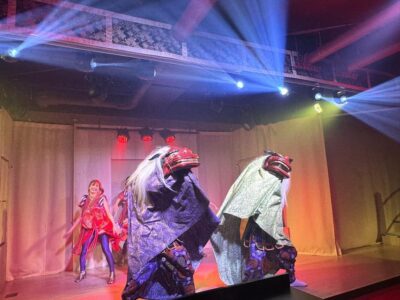
Japanese Dance Cabaret Theater Asakusa-Kaguwa Ticket
Read our review →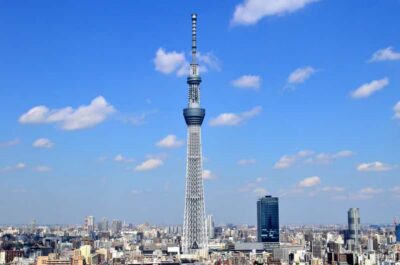
Meiji Shrine, Asakusa, Skytree Bus Tour and Cruise
Read our review →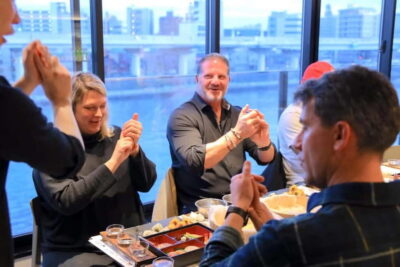
Roll and Authentic Sushi Making Class in Asakusa
Read our review →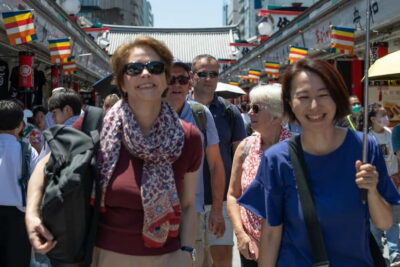
Asakusa Walking Tour with Sensoji Temple Visit
Read our review →
Tokyo Panoramic 1 Day: Meiji Shrine, Asakusa, Odaiba and SKYTREE®
Read our review →
Tokyo Go Kart: Asakusa, Skytree, and Akihabara **IDP MUST**
Read our review →
Asakusa, Skytree & Akhihabara Go-Kart City Experience
Read our review →Browse the lists this tour appears in