
Reviewed · ASAKUSA AND SENSOJI TOURS
Tokyo History: Sensoji Temple & Asakusa District Private Tour
Asakusa gives you Tokyo at its most traditional, with a giant red gate, incense smoke, temple rituals, snack stalls, old shopping lanes, and kitchen shops packed with curious treasures. This private walk connects those pieces with a local guide instead of leaving you to decode them alone.
I like the one-to-one format, which lets you ask about customs, food, religion, or daily life as you go. I also like the mix of famous Sensoji with less obvious stops, especially the craft center and Kappabashi Street. The main drawback is pace: three hours can feel tight when shopping, tasting, and temple visits all compete for your attention.
Key points
- Sensoji Temple dates to 628, making it the historic heart of the walk.
- Nakamise Street combines souvenirs, sweets, and temple access in one lively stretch.
- Your private guide can adjust the route around your interests and questions.
- Age manju and melon pan add local flavor to what might otherwise be a sightseeing walk.
- Kappabashi Street reveals Tokyo’s restaurant trade, including the shops that make plastic food models.
- The experience ends where it begins, at 2-chōme-16-11 Kaminarimon.
Why Asakusa is the right place to start
If you want a first look at old Tokyo, Asakusa is a smart choice. The district centers on Sensoji, Tokyo’s oldest temple, but the appeal goes beyond the main hall. Around it, you find traditional shopping streets, small food stops, craft displays, amusement history, and the practical world of restaurant supplies.
That range gives the tour a useful shape. You are not spending three hours hearing dates in front of one building. You are moving from religious tradition to street food, from handmade objects to the tools of modern Japanese kitchens.
I especially like this kind of introduction early in a Tokyo visit. Guides such as Gulay, Carlos, Sheilina, RamKy, Abu, and William have been assigned to this experience, though your guide will depend on the date. Several are praised for explaining Japanese customs as well as local history, which can help you make sense of temple behavior and neighborhood etiquette during the rest of your trip.
The private format matters here. Asakusa can be crowded, especially around holidays and major temple days. With only your group and a guide, you can pause for a question, spend more time at a shop, or move on when a display does not interest you.
More Asakusa and Sensoji tours:
- Tokyo: Japanese Dance Cabaret Theater Asakusa-Kaguwa Ticket
★ 4.8 · 2,270 reviews - Tokyo: Meiji Shrine, Asakusa, Skytree Bus Tour and Cruise
★ 4.7 · 1,986 reviews - Tokyo: Roll and Authentic Sushi Making Class in Asakusa
★ 4.9 · 1,957 reviews
Kaminarimon and Nakamise: the grand entrance
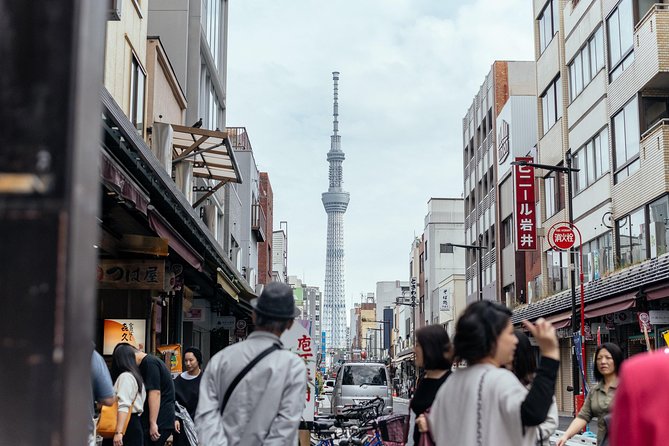
The walk begins at 2-chōme-16-11 Kaminarimon, near the famous Kaminarimon gate. You pass beneath its large lantern and statues before entering Nakamise Shopping Street, a traditional approach to Sensoji.
The planned time here is about 20 minutes. That is enough to get oriented and see the main sights, but not enough for a slow shopping expedition. Nakamise is lined with souvenirs, small foods, sweets, and traditional-style goods. Your guide can explain what you are looking at and help separate useful purchases from items aimed mainly at visitors.
This is also a good place to ask questions about the temple approach itself. The street is not simply a shopping lane placed beside a shrine. It is part of the experience of arriving at Sensoji, shifting you from the city’s modern streets into a ceremonial setting.
If you already know you want souvenirs, tell your guide early. Three hours passes quickly, and browsing every shop would take much longer than the scheduled stop.
Hozomon Gate and the age manju stop
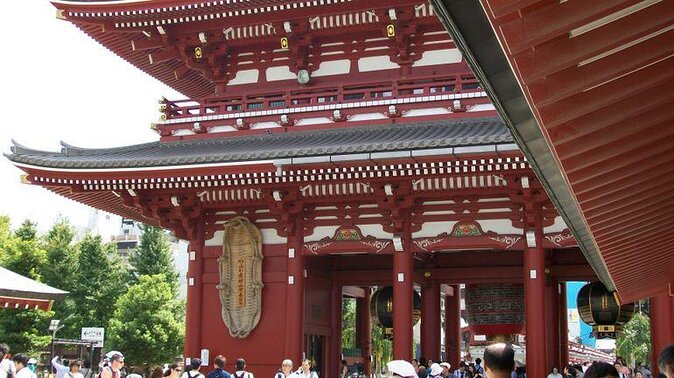
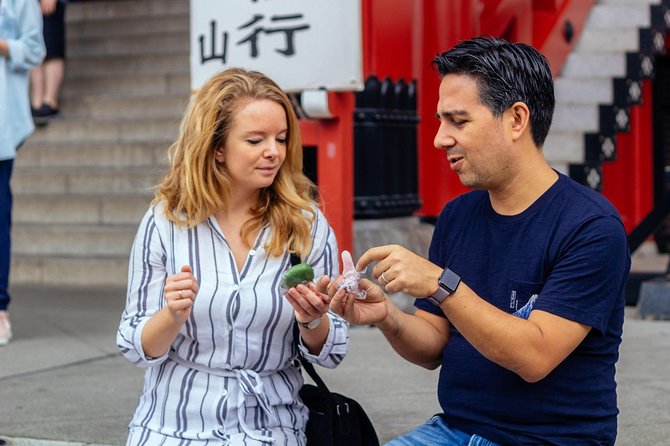
After Nakamise comes Hozomon, the second major gate leading toward the temple grounds. Before entering, the tour includes a stop at a shop for age manju, a fried sweet with a filling, in a flavor of your choice.
This is one of the tour’s most useful touches. Food gives you an easy way to connect with the place, and a small snack break keeps the visit from becoming a string of formal explanations. The stop is short, about 20 minutes, so you will sample rather than settle in for a full meal.
Age manju is also a practical choice for a walking tour. It is a local-style sweet that you can try without turning the schedule upside down. Food preferences can vary, so ask your guide about the available flavors before choosing.
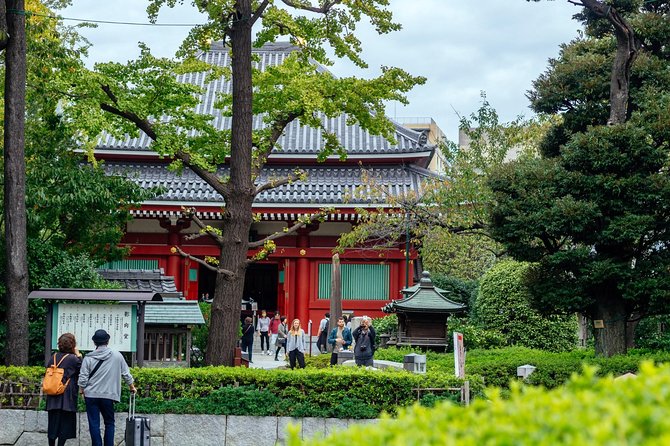
Hozomon has its own visual weight, with traditional details and large guardian figures. A guide can point out what deserves your attention before you move into the temple grounds. That personal explanation is valuable because a first-time visitor can easily focus only on the largest gate and miss the smaller details around it.
Sensoji Temple and the meaning of the rituals
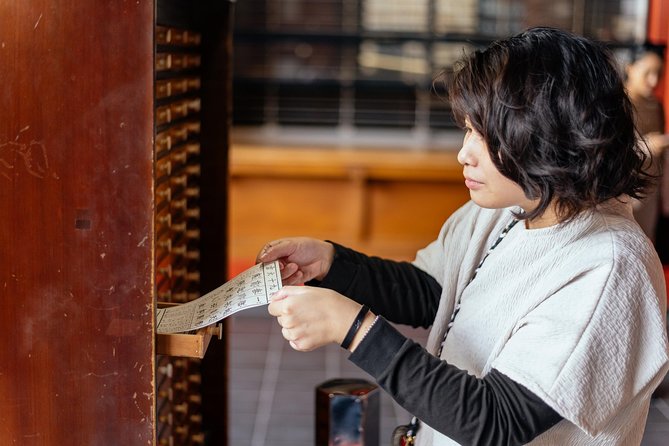
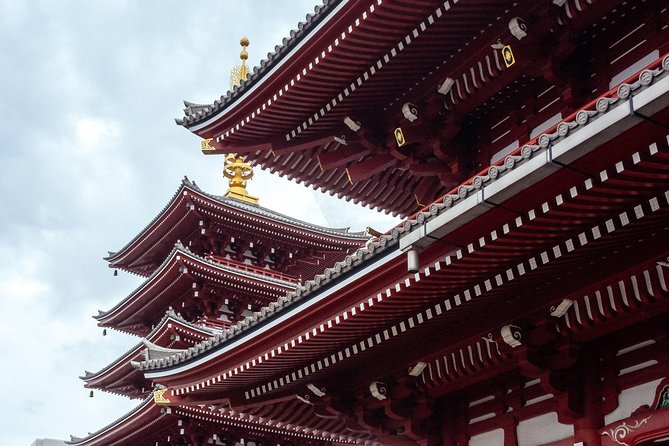
Sensoji is the center of the experience. The temple dates to the year 628 and is considered Tokyo’s oldest. The visit includes a small offering for you to make, giving you a chance to take part in the site rather than only photograph it.
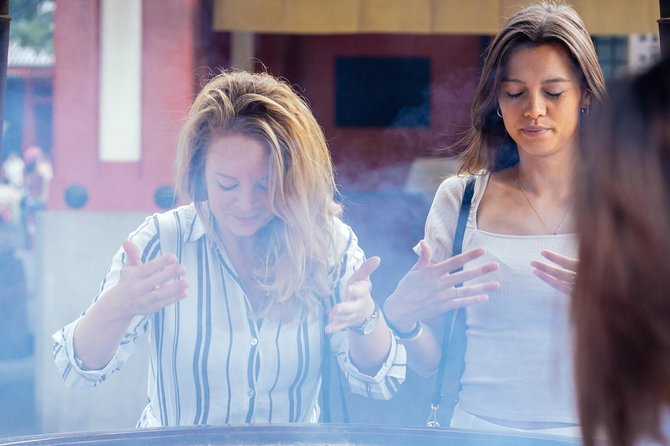
Before entering the temple, you can let incense smoke waft over you. This is a familiar ritual at Japanese Buddhist temples, and the guide can explain the custom and how to behave respectfully. You will also have a chance to ask about the offering and the proper flow through the grounds.
Allow about 20 minutes for this part of the scheduled route. That sounds brief, but the guide’s ability to focus the visit helps. Several guides assigned to this experience are praised for explaining Japanese culture and customs along with the buildings themselves. That distinction matters. Knowing when to pause, where to stand, and what a ritual means can make the visit feel less like a photo stop.
The temple grounds may be especially busy during holidays and festival periods. One guide has helped groups navigate crowded days that included Lunar New Year and Japan’s Foundation Day. A private guide cannot remove the crowds, but can help you keep moving and still notice the important parts.
You might also encounter a ceremony or wedding blessing. Such events are not guaranteed, but they show how Sensoji functions as a living religious place rather than a preserved monument.
More history and heritage tours in Tokyo:
- Tokyo: Imperial Palace and Shogun Historical Walking Tour
★ 5.0 · 2,251 reviews - Tokyo: Imperial Palace Japanese History Walking Tour
★ 4.9 · 987 reviews - Tokyo: Shinjuku Historical Walking Tour & Secret Backstreets
★ 5.0 · 530 reviews - Yanaka Walking Tour: Historic and Traditional District of Tokyo
★ 5.0 · 530 reviews
Hanayashiki and the backstreets
From the temple, the route turns through narrower streets toward Asakusa Hanayashiki. The planned stop lasts about 15 minutes and includes a well-known spot for freshly made melon pan, a sweet bread with a crisp shell.
The route does not present Hanayashiki as a full amusement-park visit. Instead, you pass through the area while your guide points out the neighborhood and its food culture. That keeps the focus on Asakusa as a district with several layers, not just a temple precinct.
Melon pan is worth trying if you want another small taste along the way. Like the age manju, it adds a simple pleasure to the walk without requiring a separate restaurant stop. Food is not included beyond the stated temple offering, so bring money if you want to buy the sweets and snacks.
I like the change of pace here. After the formal temple grounds, the backstreets and bakery stop make Asakusa feel lived-in and local. The tradeoff is that the stop is short, so this is more about seeing and tasting than sitting down.
Traditional crafts at the Edo Taito center
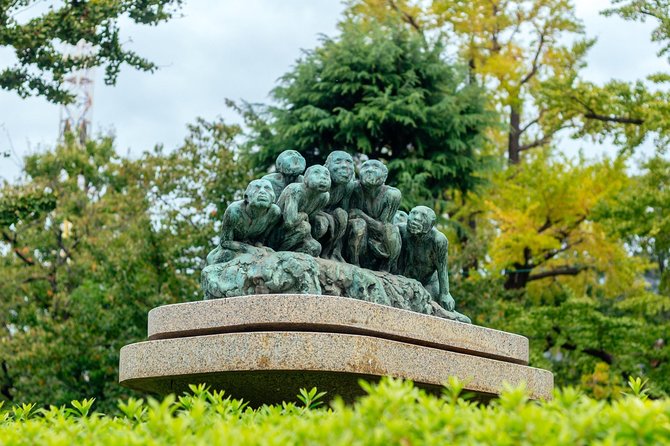
The Edo Taito Traditional Crafts Center, also called the Edo Shitamachi Traditional Crafts Museum, gives the tour another angle. The visit lasts about 15 minutes and focuses on objects made by Tokyo artists.
On weekends, you may see a craftsperson working in front of you. That possibility is worth keeping in mind when choosing a tour day, though a live demonstration is not promised. Even without one, the center helps explain the skill behind goods that can look simple at first glance.
This stop suits you if you like handmade items and want more than mass-produced souvenirs. It also gives your guide a chance to explain how older neighborhood trades fit into Tokyo today. The time is limited, so think of it as a focused introduction rather than a full museum visit.
You may find something worth buying, but remember that shopping can eat into the rest of the route. Tell your guide if you want time for purchases, especially if crafts are a major reason you booked.
Kappabashi Street and Tokyo’s kitchen culture
The final major area is Kappabashi Street, also called Kappabashi Dogugai. The street is famous for restaurant supplies, kitchen tools, and the realistic plastic dishes displayed outside Japanese restaurants.
The food models are the memorable hook. You can see where the perfect bowls of ramen, sushi, rice dishes, and other meals used in restaurant windows are made and sold. The tour schedule gives this area two 15-minute entries, suggesting that Kappabashi is an important part of the route, although the exact timing may vary.
Kappabashi is more than a novelty stop. It shows the practical side of Japanese food culture. Behind a restaurant meal are specialized knives, dishes, signs, utensils, and display pieces. You may also find small bowls, chopsticks, cooking tools, or other items that are easy to pack and use at home.
One guide helped a visitor choose special little bowls on this street. That is a good example of the value of a private walk: you can ask for help with what to look for instead of simply wandering past rows of unfamiliar goods.
The drawback is clear. If you love kitchenware, you may want far more time than the tour allows. If shopping is your main goal, you could return on your own after the walk. The guided visit gives you context and orientation, but it is not designed as an all-day shopping trip.
What the private guide adds
The guide is the main reason to choose this experience over a self-guided Asakusa walk. Sensoji and Nakamise are easy to locate, but the meaning of the rituals, the food, and the crafts is less obvious.
A private host can tailor the conversation. Families may want a lighter pace and snack advice. First-time visitors may want basic explanations of Buddhist and Shinto customs. Food lovers may prefer extra attention at Nakamise and Kappabashi. History fans can ask about Tokyo’s past and the events that shaped the capital.
The guide names associated with this experience include Abu, Sheilina, Gulay, Carlos, RamKy, and William. Their backgrounds differ, so the exact style will vary. The strongest pattern is an emphasis on clear explanations, flexibility, and personal recommendations for other places in Tokyo.
You should still communicate what you want. Say if you care most about history, food, shopping, photography, or customs. A private tour works best when you treat it as a conversation, not a fixed lecture.
Time, price, and practical value
The price is $139.63 per person, with group discounts available. For a solo visitor or a pair, that is a noticeable expense compared with walking Asakusa independently. You can enter the public streets and see Sensoji without paying for a guide.
The value comes from the private attention. If your group includes several people, the cost can make more sense, especially if the discount applies to your booking. You are paying for a local host, route planning, cultural explanation, a small temple offering, and the ability to shape the conversation.
The tour lasts about three hours and ends back at the starting point. Hotel pickup and drop-off are not included, so you need to reach the Kaminarimon meeting point yourself. The area is near public transportation, which makes the start practical for most visitors who are already getting around Tokyo by train or subway.
Expect a moderate amount of walking and standing. Wear comfortable shoes, particularly if you plan to continue exploring after the tour. Food and drinks beyond the included temple offering are extra, and the age manju or melon pan stops are purchases rather than included meals.
Mobile ticketing makes the booking simple. Free cancellation is available up to 24 hours before the start time. Inside 24 hours, the cost is not refunded and changes are not accepted.
The tour is carbon neutral, with the carbon emissions offset. That does not change the route, but it may matter to you when comparing similar private experiences.
Who should book this Asakusa walk
I would choose this tour for a first visit to Tokyo, especially if you want cultural context without committing to a full-day city tour. It suits couples, families, and small groups who prefer a guide to themselves.
It is also a good match if you like food, crafts, or practical shopping. The combination of age manju, melon pan, handmade goods, and kitchenware keeps the walk varied.
You may want to skip it if you prefer exploring alone, dislike scheduled stops, or want long periods for shopping. The public parts of Asakusa are easy to visit independently, and three hours is not enough to linger everywhere.
Book it early if your schedule is fixed. This experience is commonly reserved well ahead of the visit, with an average booking lead time of about 48 days. If you book, tell the guide your priorities before the meeting time and use the private format to ask the questions you would not think to ask while walking alone.
Should you book this tour?
Book this private Asakusa tour if you want Sensoji explained in plain language and like the idea of linking temple customs with local sweets, crafts, and restaurant culture. The best parts are the flexible guide, the small temple offering, and the unusual Kappabashi stop.
Skip it if your goal is simply to take photos at Sensoji or spend hours shopping. At $139.63 per person, the tour earns its price through personal attention and cultural explanation, not admission tickets. For a first or early Tokyo day, that guidance can be worth the extra cost.
FAQ
How long is the Asakusa private tour?
The experience lasts approximately three hours.
Where does the tour begin?
It begins at 2-chōme-16-11 Kaminarimon, Taito City, Tokyo 111-0034, Japan.
Where does the tour end?
The activity ends back at the meeting point.
Is the tour private?
Yes. Only your group and your local guide participate.
Is food included?
Food and beverages are not included unless specifically stated. The tour includes a small offering at Sensoji Temple, while items such as age manju and melon pan are additional purchases.
Can I cancel for a full refund?
Yes. You can cancel at least 24 hours before the experience start time for a full refund. Cancellations or changes made less than 24 hours before the start time are not refunded or accepted.
Newly reviewed around Tokyo
- Tokyo Asakusa:Calligraphy & Make T-shirt Activity★ 5.0 · 62 reviews
- Intercity Shuttle, Tokyo to Haneda /Narita /Yokohama /Makuhari★ 5.0 · 5 reviews
- 1 Hour Travel around Tokyo with a Professional Photographer★ 5.0 · 3 reviews
- Travel Tokyo with Your Own Personal Photographer★ 5.0 · 43 reviews
- Shuttle Van 6hr Tokyo Tour to-and-from Tokyo, Yokohama and Narita★ 5.0 · 9 reviews
- Kickboxing & Body Training with EX-Pro Fighter★ 5.0 · 4 reviews
- Train in Samurai Swordsmanship and Defeat the Demon in Tokyo★ 5.0 · 5 reviews
- Traditional Japanese Knife Sharpening Class★ 5.0 · 18 reviews
Asakusa and Sensoji Tours, compared.

Japanese Dance Cabaret Theater Asakusa-Kaguwa Ticket
Read our review →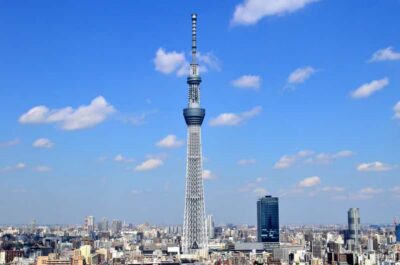
Meiji Shrine, Asakusa, Skytree Bus Tour and Cruise
Read our review →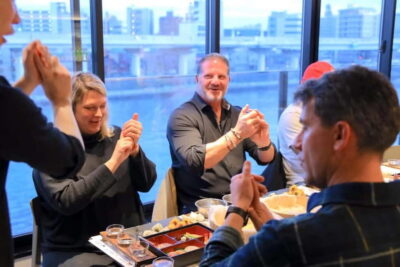
Roll and Authentic Sushi Making Class in Asakusa
Read our review →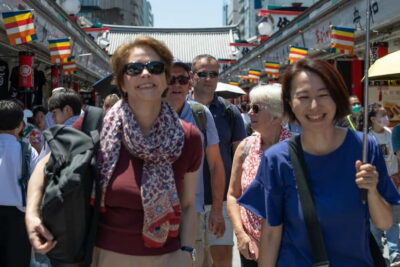
Asakusa Walking Tour with Sensoji Temple Visit
Read our review →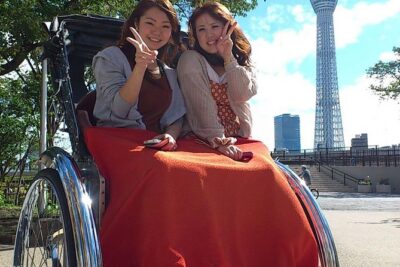
Tokyo Panoramic 1 Day: Meiji Shrine, Asakusa, Odaiba and SKYTREE®
Read our review →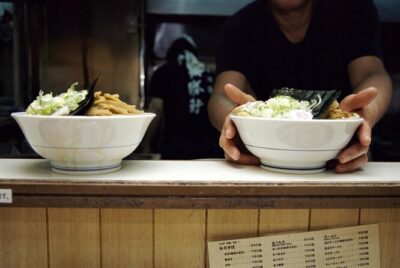
Tokyo Go Kart: Asakusa, Skytree, and Akihabara **IDP MUST**
Read our review →
Asakusa, Skytree & Akhihabara Go-Kart City Experience
Read our review →Browse the lists this tour appears in