
Reviewed · TOKYO COOKING CLASSES
Japanese Sake Tasting & Wagyu Sukiyaki Cooking Class in Tokyo
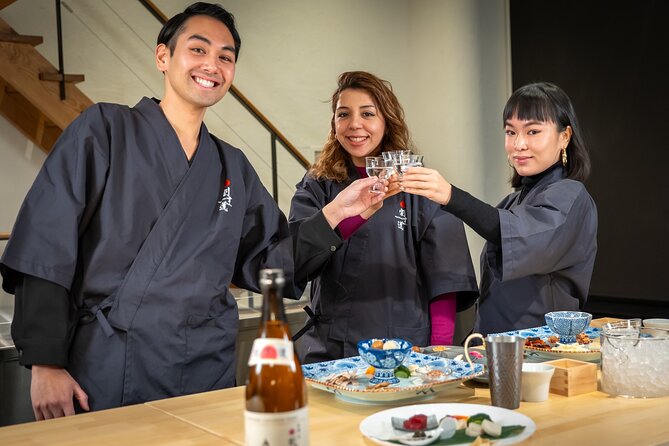
The most interesting part of this Tokyo class is the sake comparison. You taste the same drink chilled, at room temperature, and warm, then see how heat and serving vessels change its character before cooking Wagyu sukiyaki in a small kitchen studio. It turns a familiar Japanese drink into a practical lesson you can use at dinner later.
I like the small group size, capped at eight, and the way the class links tasting with cooking instead of treating them as separate shows. I also like that Hiromi is named as the sake instructor, while Naoya and Kimagai are among the cooking staff praised for making the lesson clear and enjoyable.
The main consideration is time. Two hours gives you a useful taste of Japanese food culture, but not a long cooking course. At $129 per person, the value depends on how much you want the instruction, sake, Wagyu, and guided setting, rather than simply a quick meal.
Key points at a glance
- Three sake temperatures: Compare chilled, room-temperature, and warm sake to find out how serving temperature alters flavor.
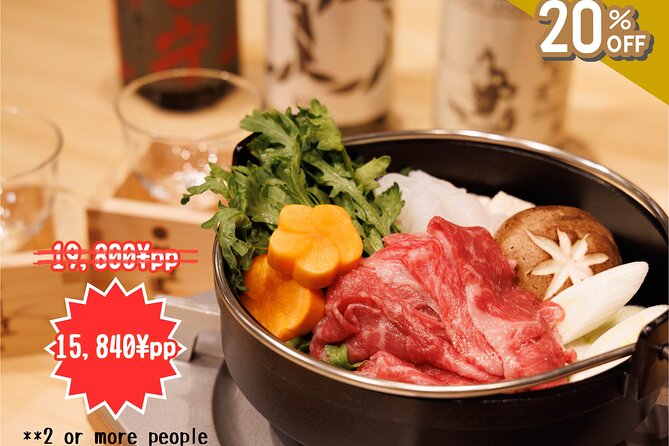
- Wagyu sukiyaki workshop: Prepare and cook a Japanese hot pot, then eat it as lunch with sake.
- Professional vegetable carving: Watch a live decorative cutting demonstration while your sukiyaki simmers.
- Small class of up to eight: The size should allow more direct help than a large cooking demonstration.
- English instruction: Hiromi has led English-language classes covering sake, food pairings, and cooking.
- Useful same-day saving: Your participation certificate includes access to 10 percent off items in the first-floor shop that day.
A two-hour introduction to sake and sukiyaki
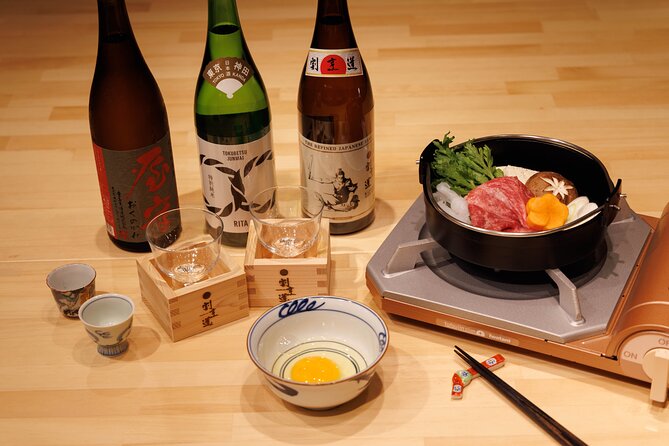
This experience packs two very Japanese pleasures into one sitting: drinking sake with small food pairings and cooking sukiyaki in a hot pot. That combination matters. You do not just hear a short explanation of sake, then move on to lunch. You taste how sake behaves, match it with food, and then put that lesson to work beside a simmering pot.
The class takes place at Kappodo’s Tokyo D Kitchen Studio in Nishiazabu, in Minato City. The listed address is 2-chome 21-12, DK Building, and the meeting time is 11:00 a.m. The activity ends at the same location, so you do not have to arrange a separate ride after lunch.
I see this as a good fit for someone who wants a compact cultural activity near public transportation. It is more focused than a general food tour, but less demanding than a full-day cooking school. You get an explanation, a tasting, practical work, and a meal within about two hours.
More Tokyo cooking classes:
- Tokyo: Roll and Authentic Sushi Making Class in Asakusa
★ 4.9 · 1,957 reviews - Tokyo Shinjuku Chopsticks Making Class
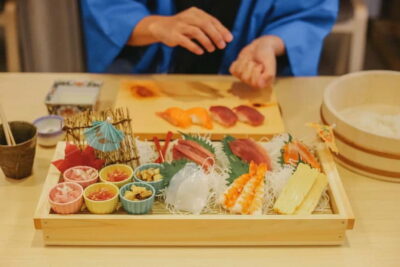
★ 5.0 · 1,763 reviews - Tokyo: Sushi Making Class in a Happi Coat near a Famous Spot
★ 4.9 · 1,377 reviews
The sake tasting begins with a useful experiment
The opening tasting is the strongest educational feature. You compare sake served in three temperature ranges: chilled, at room temperature, and warm. This is not just a list of pours. It shows you that sake is not a fixed-tasting drink, and that temperature can change what you notice.
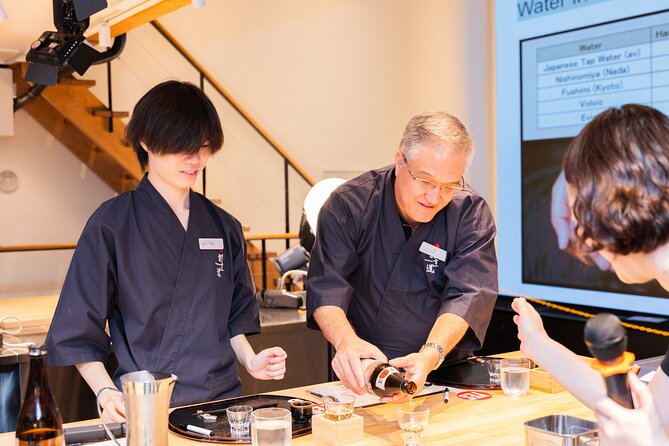
Hiromi leads the sake portion, explaining the basics and helping you compare the samples. The instruction covers the history and production of sake, along with different types of sake. The exact selection can vary, but the point is clear: you get to test your own preferences rather than being told what you should like.
The vessel also matters. You learn how the cup or serving container can affect the way sake reaches your nose and palate. That small detail is valuable because it helps explain why the same drink can feel different in a restaurant, at home, or at a tasting counter.
Selected Japanese snacks are served with the sake. Pairing the pours with food gives the tasting a practical purpose. You can notice how a snack changes the drink, or how a warmer pour works better with a particular flavor. I would pay close attention here, since this is the sort of information you can use during the rest of your Japan trip.
The class also includes other types of sake, not only the three temperature versions. Alcohol is included, so you should plan your pace sensibly. The tasting is part of a cooking class, not a drinking contest, and you still have hands-on work ahead.
From tasting table to Wagyu sukiyaki
After the sake lesson, the focus shifts to sukiyaki. This Japanese hot pot is known for thinly sliced beef cooked with vegetables and a sweet-savory sauce. Here, the central ingredient is premium Wagyu beef, which gives the cooking portion a more special feel than a basic home-style meal.
The instructors guide you through preparing the dish. You get the chance to take part rather than simply watch a chef cook everything. That makes the class useful for families, friends, and small groups looking for an activity they can do together.
The cooking is not described as a long, advanced course, so I would set your expectations accordingly. You are learning the main process and enjoying the result, not training as a professional chef. The benefit is that the lesson remains approachable, even if you have little experience with Japanese cooking.
Several staff members are named in the feedback connected with the class. Hiromi is repeatedly associated with the sake and workshop instruction. Naoya is praised for his cooking, and Kimagai is mentioned in connection with the Kano-style sukiyaki. The names suggest a team approach, although the exact instructor for each session may depend on the day.
A vegetable-carving demonstration adds a visual pause
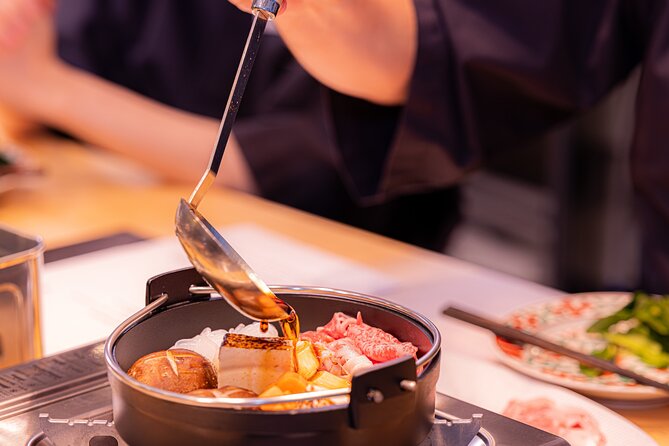
While the sukiyaki simmers, a professional chef demonstrates decorative vegetable cutting. This is a pleasant change of pace from the tasting and cooking. Japanese culinary presentation often gives ordinary ingredients a precise, decorative look, and the demonstration lets you see that skill up close.
The timing is smart. You have something to watch while the hot pot cooks, rather than standing around waiting for lunch. It also gives the class a visual element, which is useful if you enjoy food presentation as much as flavor.
Do not book this expecting a separate knife-skills course. The information provided describes a live demonstration, not a long lesson in carving techniques. Still, it adds craft and showmanship to an otherwise practical cooking session. The class includes all equipment used for the sake pairing lesson, and the cooking workshop supplies the tools needed for the activity.
More Tokyo wagyu and yakiniku dinners:
- Tokyo Night Foodie Tour in Shinjuku – Seasonal Sushi, Wagyu Beef
★ 5.0 · 1,161 reviews - Tokyo: Wagyu and 7 Japanese Dishes Cooking Class
★ 4.9 · 273 reviews - Small-Group Wagyu Beef and 7 Japanese Dishes Tokyo Cooking Class
★ 5.0 · 190 reviews - Nagano Snow Monkey 1 Day Tour with Beef Sukiyaki Lunch from Tokyo
★ 4.5 · 123 reviews
Eating your own sukiyaki with sake
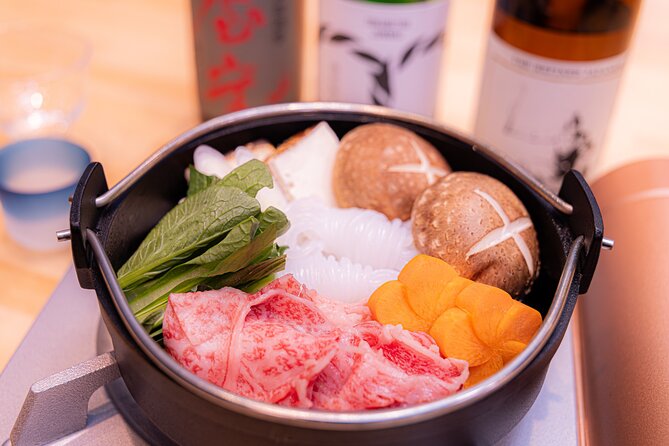
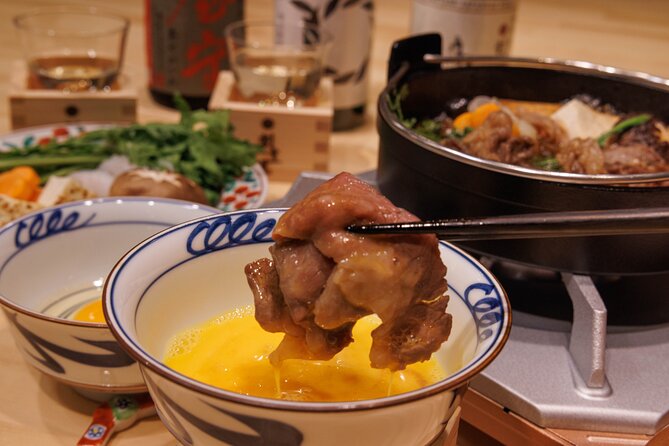
The final meal is your cooked Wagyu sukiyaki, served with sake. This is where the class comes together. You have compared sake temperatures, considered food pairings, helped prepare a hot pot, and watched the vegetable-cutting demonstration. Now you can taste the dish with the drink you have been studying.
The lunch is included in the $129 price, as are the alcoholic beverages. That matters when judging value in Tokyo, where a premium beef meal and several sake samples can add up quickly. The price is not low for a two-hour activity, but it includes instruction, ingredients, food, drinks, equipment, and a certificate of participation.
I would think of the fee as paying for a guided cultural meal rather than just lunch. If you only want to eat Wagyu, you may find a restaurant more direct. If you want to understand sake and take part in preparing the food, the package makes more sense.
The meal also gives you a chance to return to the tasting lesson. Try to notice which sake temperature suits the sukiyaki best for you. That personal comparison is more useful than a standard lecture about the correct pairing.
Why the small group size matters
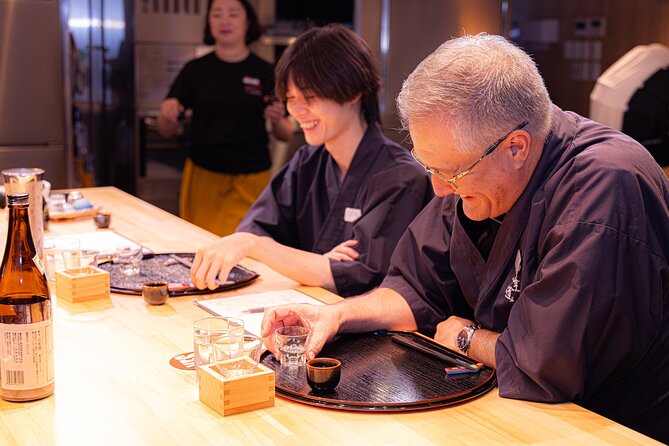
The maximum of eight participants is one of the best practical details. A small class should make it easier to see the demonstrations, ask questions, and get help while preparing the sukiyaki. It also suits families and groups of friends who want to share the activity without being lost in a crowd.
The family angle comes through strongly in the way the class is described. The teaching is designed to be fun as well as informative, and the staff have been praised for creating a smooth, relaxed atmosphere. That does not mean every family will have the same experience, but the format is more social than formal.
A small class can also make the sake tasting more personal. You can compare preferences with the people beside you, then talk about which temperature or food pairing worked best. For visitors with no background in sake, that kind of conversation can make unfamiliar flavors easier to understand.
The limit is that small classes can fill quickly, especially around popular meal times. Confirmation is provided when you book, and the listed start time is 11:00 a.m. Plan to arrive with enough time to find the studio, since the address is in a city neighborhood rather than a major attraction entrance.
Location, timing, and what to plan
The meeting point is Kappodo H.Q, Tokyo D Kitchen Studio, at the listed DK Building address in Nishiazabu. The studio is near public transportation, but private transportation is not included. You are responsible for getting to the meeting point and returning from there after the class.
The activity starts at 11:00 a.m. and lasts about two hours. That makes it easy to pair with afternoon sightseeing, shopping, or a museum visit. Since lunch is part of the experience, you probably do not need to plan another substantial meal immediately afterward.
The end point is the same as the start point. This is simple, but useful in Tokyo, where a cooking activity can otherwise leave you wondering which station or neighborhood you will reach next.
A mobile ticket is available, and booking confirmation is sent at the time of reservation. The cancellation terms are generous if your plans change early: cancel at least 24 hours before the local start time for a full refund. Changes or cancellations inside that 24-hour window are not accepted for a refund.
The certificate and first-floor shop discount
A certificate of participation is included. It is a modest extra, but families and first-time sake students may enjoy having a physical reminder of the class.
You also receive 10 percent off items at the first-floor shop on the same day as the workshop. The details of the merchandise are not specified, so I would treat this as a useful bonus rather than a reason to book. If you already plan to browse the shop, the discount can improve the overall value.
The discount is time-limited to the day of your class. You cannot assume it applies later in your trip, so use it during the visit if you see something you want.
Who will enjoy this class most
I would recommend the experience to:
- Couples who want a meal with an activity attached
- Families looking for a shared Japanese cultural experience
- Friends interested in sake but unsure how to taste it
- First-time visitors who want an introduction to Wagyu and sukiyaki
- Small groups that prefer direct instruction
- Anyone curious about how temperature affects sake
You may want to choose something else if you want a full-day cooking course, a private class, or a broad Tokyo food tour. The format is focused. It covers sake, sukiyaki, and vegetable presentation, rather than many different dishes.
It is also worth considering the alcohol. Sake is central to the activity, and several pours are included. If you do not drink alcohol, the cooking lesson and food may still interest you, but much of the first half is built around tasting.
How the $129 price measures up
At $129 per person, this is a mid-to-high priced two-hour activity. The price makes the most sense when you count everything included: Wagyu sukiyaki lunch, several sake samples, Japanese snacks, equipment, instruction, the vegetable-cutting demonstration, and the participation certificate.
You are also paying for a small class, which affects the quality of instruction. An eight-person limit can give you more useful contact with the staff than a cheaper, crowded demonstration.
Still, value depends on your priorities. A person mainly looking for a filling lunch could spend less elsewhere. A person who wants an easy way to understand sake, cook a premium beef dish, and share the experience with family or friends gets more from the fee.
The 10 percent shop discount may add a little value, especially if you plan to buy something that day. I would not count it in the main price calculation, since you may not want anything from the shop.
Should you book the Kappodo sake and sukiyaki class?
Book it if you want a compact, hands-on introduction to Japanese food culture, especially if sake is new to you. The temperature comparison is specific and memorable, the Wagyu sukiyaki gives you a substantial meal, and the small group keeps the class personal.
I would be especially comfortable recommending it to families and small groups. Hiromi’s role in the sake instruction, along with the cooking support from staff such as Naoya and Kimagai, gives the class a clear teaching focus.
Skip it if your main goal is a cheap meal, a private experience, or advanced chef training. At $129, you should want the complete combination of tasting, instruction, cooking, and lunch. For the right audience, it is a well-packed two hours and a practical way to understand sake beyond simply ordering a bottle at dinner.
FAQ
Where does the sake and sukiyaki class take place?
The class begins and ends at Kappodo H.Q, Tokyo D Kitchen Studio, in DK Building at 2-chome 21-12, Nishiazabu, Minato City, Tokyo 106-0031.
What time does the activity start?
The listed start time is 11:00 a.m.
How long does the experience last?
The class lasts approximately two hours.
What food and drinks are included?
The package includes Wagyu beef sukiyaki for lunch, sake served in three temperature ranges, other types of sake, and Japanese snack pairings.
How many people can join the class?
The activity has a maximum of eight participants.
Can I cancel for a full refund?
Yes. You can cancel at least 24 hours before the local start time for a full refund. Cancellations or changes made less than 24 hours before the start time are not accepted for a refund.
More Tokyo drink tastings and bars
- Tokyo Bar Hopping Tour in Shinjuku (All-You-Can-Drink + Dinner)
★ 5.0 · 3,587 reviews - Best of Shinjuku: Izakaya Food Tour (4 Stops, 14+ Tastings)
★ 5.0 · 1,863 reviews - Tokyo: Shinjuku Local Bar and Izakaya Guided Walking Tour
★ 4.9 · 1,794 reviews - Shibuya Meltdown Nightlife Tour: All-You-Can-Drink Bar Hopping
★ 5.0 · 1,058 reviews
More Tokyo sake tastings
- Ramen and Sushi Cooking Class with Sake Pairing Set in Tokyo
★ 5.0 · 291 reviews - Sake Tasting Masterclass in Shinjuku (8+ Varieties with a Pro)
★ 5.0 · 271 reviews - Sake Omakase in Tokyo: Guided Tasting by Certified Sommeliers
★ 5.0 · 239 reviews - Tasting All Types of Sake with Sommelier
★ 5.0 · 151 reviews
Newly reviewed around Tokyo
- Tokyo Asakusa:Calligraphy & Make T-shirt Activity★ 5.0 · 62 reviews
- Travel Tokyo with Your Own Personal Photographer★ 5.0 · 43 reviews
- Intercity Shuttle, Tokyo to Haneda /Narita /Yokohama /Makuhari★ 5.0 · 5 reviews
- 1 Hour Travel around Tokyo with a Professional Photographer★ 5.0 · 3 reviews
- Train in Samurai Swordsmanship and Defeat the Demon in Tokyo★ 5.0 · 5 reviews
- Shuttle Van 6hr Tokyo Tour to-and-from Tokyo, Yokohama and Narita★ 5.0 · 9 reviews
- Kickboxing & Body Training with EX-Pro Fighter★ 5.0 · 4 reviews
- Traditional Japanese Knife Sharpening Class★ 5.0 · 18 reviews
Tokyo Cooking Classes, compared.
Roll and Authentic Sushi Making Class in Asakusa
Read our review →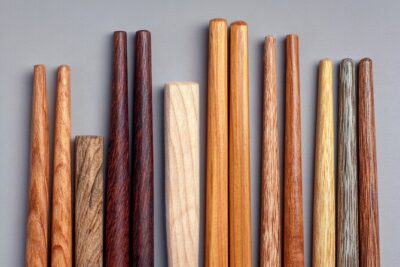
Sushi Making Class in a Happi Coat near a Famous Spot
Read our review →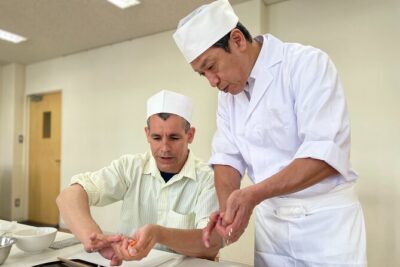
Tokyo Sushi Making Class in Tsukiji with Professional Chef
Read our review →
Ramen & Gyoza Cooking Class in Tokyo with Local Supermarket Visit
Read our review →
Matcha Making Class in Tokyo with Authentic Japanese Sweets Set
Read our review →
Tsukiji Fish Market Sushi Making Class with Pro Chef
Read our review →
Browse the lists this tour appears in