
Reviewed · TOKYO SAMURAI AND NINJA EXPERIENCES
Imperial Palace Tour: Discover Samurai History with a Guide
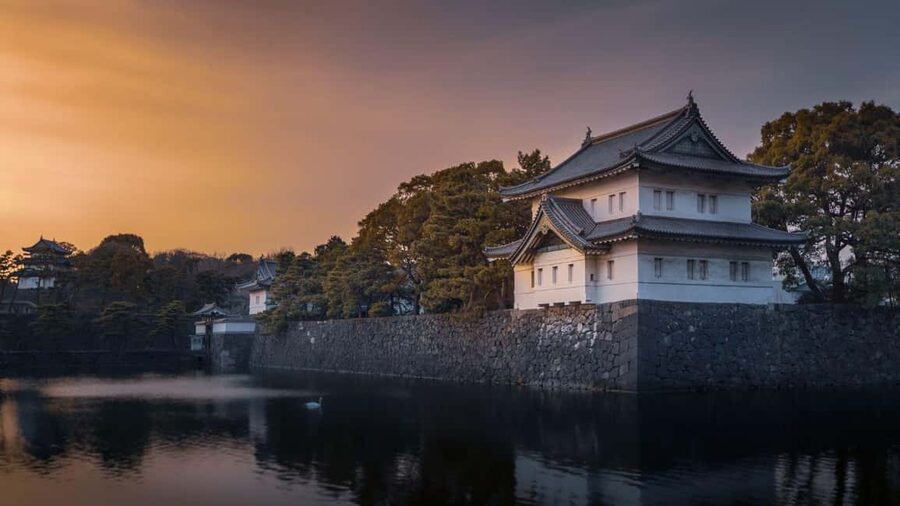
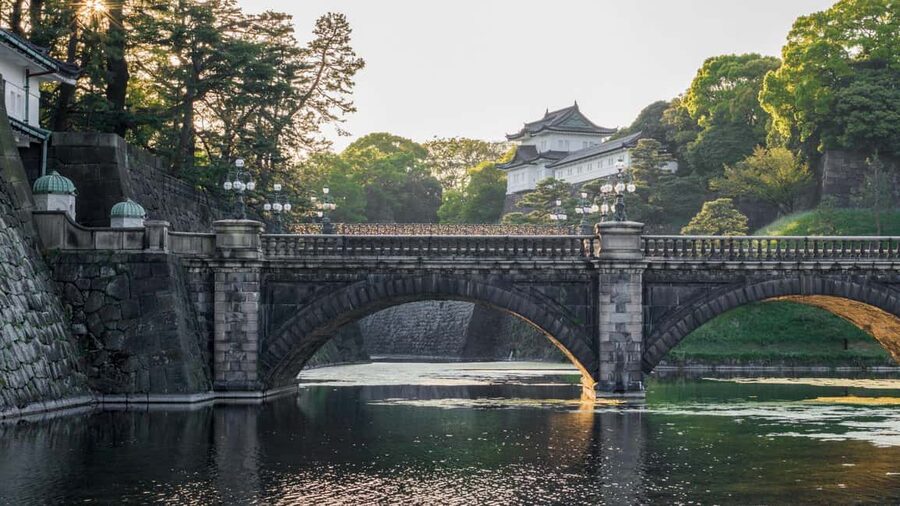
The most memorable part of this Tokyo tour is its setting: the peaceful East Gardens occupy ground once controlled by Edo Castle, the seat of the Tokugawa shogunate. You’ll walk past massive stonework, old gates, and the Tatsumi Yagura watchtower while your guide connects these remains to Japan’s samurai government and imperial past.
I like the small group of no more than eight, which gives you room to ask questions. I also like the choice of guides and languages: English, Spanish, and French are available, and guides including Hina, Naoki Sugar, Delfo, Hiroshi, and Taku have been singled out for clear explanations and warm manners.
The main point to check is timing. The booking information lists 90 minutes, while the advertised route adds up to about 100 minutes and is also described as a 2-hour walk. That difference is minor, but you should confirm the start time if your Tokyo day is tightly planned.
Key points at a glance
- Walk through former Edo Castle grounds: See the Tenshudai base, stone ruins, gates, and the Tatsumi Yagura tower.
- Get history with the scenery: The guide explains samurai rule, shoguns, emperors, and the political forces that shaped Tokyo.
- Keep the group personal: The maximum group size is eight, useful for questions and closer attention.
- Choose your tour language: Live guiding is available in English, Spanish, and French.
- Pay $24 per person: That is a fair price for a guided walk in central Tokyo, especially if history is a major reason for your visit.
- Plan for walking: Comfortable shoes and water matter, even though the route is listed as wheelchair and stroller accessible.
Why Edo Castle makes this more than a garden walk

Tokyo’s Imperial Palace can be hard to understand from the outside. You see broad open spaces and formal buildings, but the older story is partly hidden under the modern capital. The East Gardens help fill in that gap because they occupy a former section of Edo Castle.
Edo Castle was the center of the Tokugawa shogunate, the military government that ruled Japan for centuries. This was not simply a residence. It was a place where power was organized, guarded, and displayed. The tour uses surviving walls, foundations, and towers to explain how that system worked.
That context gives the walk purpose. You are not just moving from one attractive garden view to another. You are looking at the remains of a castle complex that once controlled access to the shogun and helped govern Japan.
I would choose this tour if you want history explained in plain language while you walk. It suits visitors who might find a textbook account of the Edo period dry, but who enjoy learning when the evidence is right in front of them.
More Imperial Palace tours in Tokyo:
- Tokyo: Imperial Palace and Shogun Historical Walking Tour
★ 5.0 · 2,251 reviews - Tokyo: Imperial Palace Japanese History Walking Tour
★ 4.9 · 987 reviews - Tokyo: Imperial Palace and Shogun Walking Tour
★ 4.9 · 935 reviews
Meeting at Wada-Kura Fountain Park Starbucks
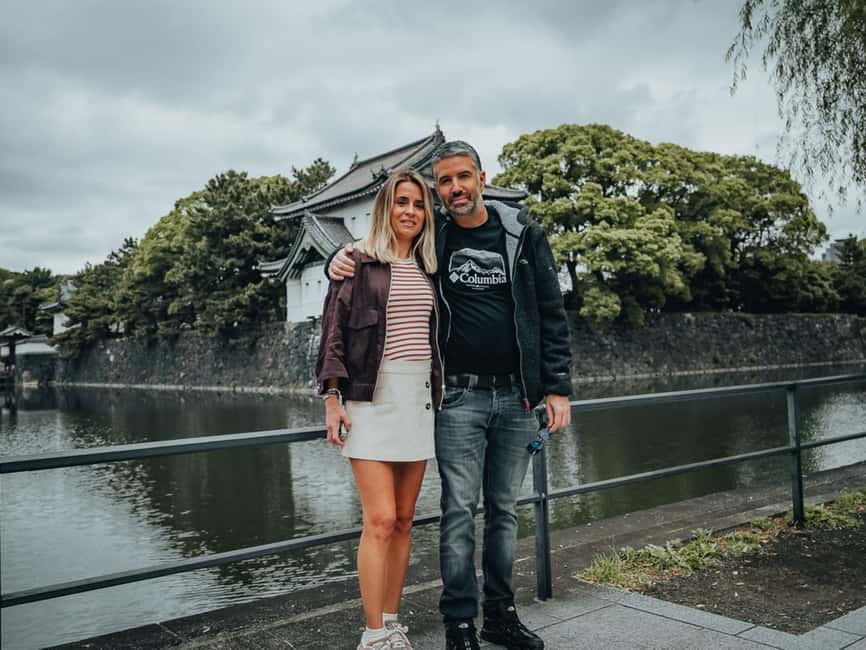
The meeting point is in front of Starbucks at Wada-Kura Fountain Park, written in Japanese as スターバックス コーヒー 皇居外苑 和田倉噴水公園店. The guide will hold a sign for the inbound tour service YURAGI.
That sign is important. The palace area has broad paths and several possible meeting spots, so do not rely only on spotting a guide by appearance. Look for the YURAGI board, and use WhatsApp or the provided phone contact if you have trouble finding the group.
Arrive ready to walk. You should bring comfortable shoes, water, and a camera. The route is near public transportation, which makes the meeting point practical for a day in central Tokyo, though the provided details do not name a specific station or exit.
The first 30 minutes around the Imperial Palace
The first part of the route is described as a 30-minute visit to the Tokyo Imperial Palace area. This section gives you your bearings before the longer walk through the East Gardens.
Your guide’s job here is to explain the place in context. The palace is tied to Japan’s emperors, while the older castle remains tell the story of the shoguns and samurai government. Those two threads are easy to confuse, especially if this is your first visit to Japan.
This is where a live guide adds real value. A plaque can name a tower or wall, but it cannot easily explain how imperial authority and military power shifted over time. A guide can also adjust the explanation to your questions, which is useful in a small group.
Do not expect a tour of every palace interior. The listed route focuses on the grounds and East Gardens. If your main goal is to see private palace rooms, this is not the right product.
Seventy minutes among the East Gardens
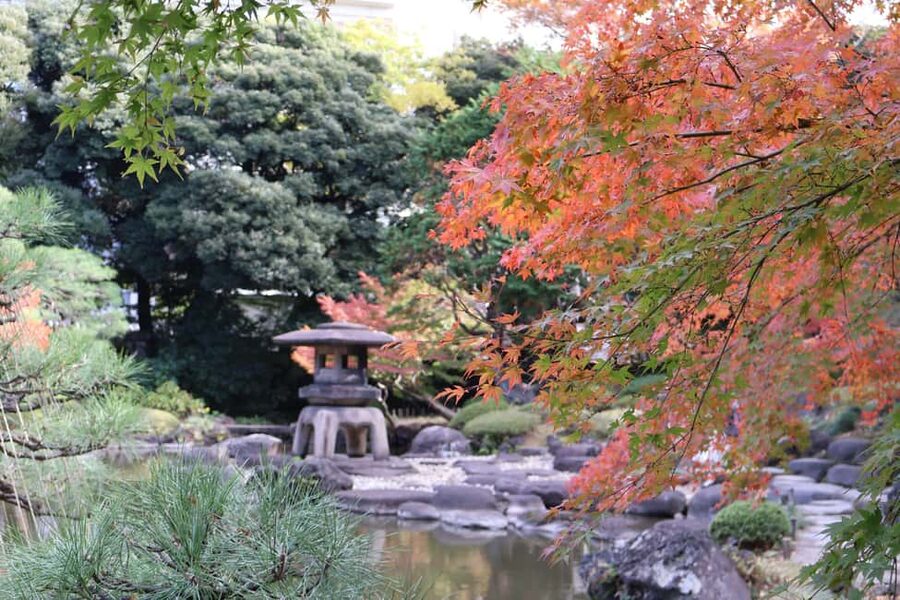
The main visit lasts about 70 minutes in the Imperial Palace East Gardens. This is the heart of the experience, and it is where you will spend most of your time seeing the remains of Edo Castle.
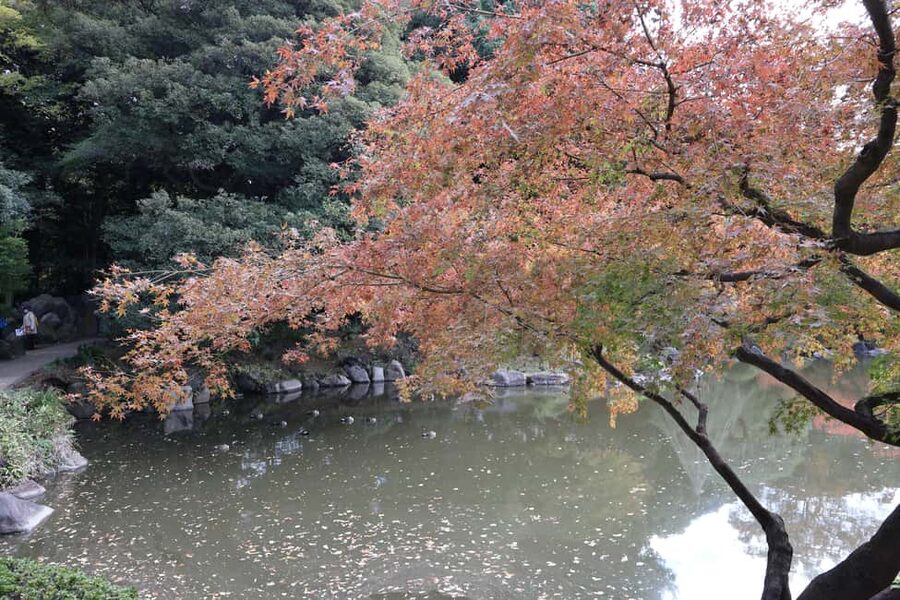
The paths are described as carefully maintained, with gardens, stone ruins, old gates, and historic structures along the way. The setting should feel calmer than many parts of central Tokyo, but the tour is still a walking activity, not a seated lecture.
The Tenshudai base is one of the key stops. It is the remaining base of the castle’s former main tower, and it gives you a sense of the scale and defensive character of Edo Castle. A bare stone foundation can be easy to overlook when you walk alone. With an explanation, it becomes evidence of the castle’s former importance.
The Tatsumi Yagura is another highlight. This watchtower helped guard the castle grounds and remains one of the recognizable historic structures in the area. Your guide will use it to discuss castle security, samurai authority, and the way important compounds were protected.
The tour also includes ancient gates and other stonework. These details may seem modest compared with a fully rebuilt castle, but that is part of the appeal. You are seeing surviving pieces rather than a modern replica. The experience asks you to use the remains, the layout, and the guide’s words to picture the larger complex.
Your guide may also talk about Japanese emperors, samurai warriors, and the political forces that shaped Tokyo. The emphasis is not only on battles. It includes the organization of power and the changing relationship between military rulers and the imperial court.
More Tokyo samurai and ninja experiences:
- Tokyo: Samurai Ninja Museum Guided tour and Experience
★ 4.6 · 1,010 reviews - Tokyo: Samurai Sword & Archery Class from Samurai Descendant
★ 5.0 · 603 reviews - Best Samurai Experience in Tokyo
★ 5.0 · 458 reviews - Ninja Experience (Family Friendly) at Samurai Ninja Museum TOKYO
★ 5.0 · 441 reviews
What the guides add to the walk
A good guide matters here because the East Gardens do not explain every layer of their past on their own. The guide turns a stone base or watchtower into part of a connected story.
Several guides have received especially strong praise for the qualities that matter on this route. Hina was described as pleasant, accommodating, and clear when discussing the Edo period. Naoki Sugar led a Spanish-language tour, and the available feedback specifically highlights his Spanish and his kind manner.
Delfo was noted for being informative, warm, and courteous. Hiroshi was described as prepared and pleasant, while Taku answered questions and shared interesting facts about the site. One small group had both a guide and a trainee, which meant extra attention during the walk.
These names do not guarantee which guide you will receive. They do show the kind of service you can expect from the better guide matches: direct answers, a friendly tone, and explanations suited to the people in the group.
The language choice is useful for more than convenience. Historical terms can be hard to follow in a second language, especially when the subject includes shoguns, emperors, and social ranks. Booking English, Spanish, or French lets you hear the story in the language you handle best.
Is $24 a fair price?
At $24 per person, this is reasonably priced for a guided walk in central Tokyo. You are paying for a professional local guide rather than transportation, meals, or entry to a separate paid attraction.
The value depends on how you like to visit historic places. If you are happy to read signs and wander on your own, you can see the gardens without paying for a guide. But if you want the castle ruins to make sense, the cost is easier to justify.
The small-group limit is important here. Eight people is large enough to keep the price down but small enough for questions. A private tour would cost more, while a large bus group would make the ruins feel more distant.
The tour is also useful early in a Tokyo visit. A guide can give you a historical framework that helps you understand later stops, museums, and neighborhoods. If your schedule is very short, this walk offers a focused introduction to Tokyo’s political past without taking a full day.
Timing, walking, and physical effort
The published details are not perfectly consistent. The activity is listed as 90 minutes, the highlights call it a 2-hour guided walk, and the route itself lists 30 minutes at the palace area plus 70 minutes in the East Gardens. That adds up to 100 minutes.
You should allow roughly 90 minutes to 2 hours, then confirm the exact meeting time before booking other plans. The difference will not matter to most people, but it could matter if you have a train reservation, restaurant booking, or another timed attraction.
The route involves walking through gardens and historic grounds. Comfortable shoes are a must. Bring water, particularly if you are visiting during a warm part of the year, and carry a camera if you enjoy architectural details and stonework.
The activity is listed as wheelchair accessible and stroller accessible. Service animals are allowed, and the location is near public transportation. At the same time, it is marked as unsuitable for pregnant women and people with a low level of fitness. Those details may seem contradictory, so ask the provider about the exact walking conditions if mobility or stamina is a concern.
The listing does not provide a detailed route map, surface description, or rest schedule. If you need frequent breaks, confirm those points directly before reserving.
Who will get the most from this tour?
This is a good match for you if you want a short, guided introduction to samurai-era Tokyo. It works especially well for first-time visitors who want the main facts without committing to a full-day history tour.
Families may like the outdoor setting and manageable length, though the walking requirement still matters for younger children. The stroller-accessible note is helpful, but you should keep the timing and garden paths in mind.
History fans will appreciate the focus on castle remains rather than only modern palace views. The tour also suits photographers who enjoy stone walls, gates, towers, and formal gardens.
It may be less suitable if you want a slow, silent garden visit. The point is the commentary, and you will be walking with a group. It is also not the best fit if you want a long architectural lecture or access to palace interiors.
How to make the most of the 90 minutes to 2 hours
Start by arriving at the Starbucks meeting point early enough to find the YURAGI sign without rushing. Keep your phone available in case the guide needs to contact you.
During the walk, ask about the difference between the emperor’s role and the shogun’s role. That question connects many of the stops and helps prevent the history from becoming a list of unfamiliar names.
When you reach the Tenshudai base, pause to look at the stone construction rather than taking only a quick photograph. At Tatsumi Yagura, ask how the tower fit into the wider castle defenses. The tour is small enough that these questions should be practical.
Wear shoes that can handle steady walking, and do not treat the garden setting as a reason to skip water. Keep your camera ready, but listen first. The ruins are more rewarding once you understand what they once did.
Should you book this Imperial Palace tour?
Book it if you want clear historical context, a small group, and a modest price. The strongest part of the experience is the combination of Edo Castle remains and a guide who can explain samurai power, imperial history, and Tokyo’s development in one compact walk.
I would be more cautious if you have limited stamina, need a precise 90-minute schedule, or want to enter palace buildings. Confirm the timing and walking conditions before you pay.
For most visitors interested in Japan’s past, $24 is a sensible way to make the East Gardens more meaningful. You will see the same stone ruins on an independent visit, but you are less likely to understand why they matter.
FAQ
How long does the Imperial Palace tour last?
The activity is listed as 90 minutes. The route also includes a 30-minute palace-area visit and a 70-minute East Gardens visit, so you should allow about 90 minutes to 2 hours and confirm the exact schedule.
What language is the tour offered in?
Live guiding is available in English, Spanish, and French.
Where does the tour meet?
The meeting point is in front of Starbucks at Wada-Kura Fountain Park, written in Japanese as スターバックス コーヒー 皇居外苑 和田倉噴水公園店.
How will I recognize the guide?
The guide will hold a signboard for the inbound tour service YURAGI.
What historic sites will I see?
The route includes the Tokyo Imperial Palace area and the Imperial Palace East Gardens, with Edo Castle remains such as the Tenshudai base and Tatsumi Yagura watchtower.
How many people are in the group?
The tour is limited to eight participants.
Is the tour wheelchair accessible?
Yes. The activity is listed as wheelchair accessible and stroller accessible. Service animals are also allowed.
What should I bring?
Bring comfortable shoes, water, and a camera.
Can I cancel for a full refund?
Yes. You can cancel up to 24 hours in advance for a full refund. Reserve now and pay later is also available.
More history and heritage tours in Tokyo
- Tokyo: Shinjuku Historical Walking Tour & Secret Backstreets
★ 5.0 · 530 reviews - Yanaka Walking Tour: Historic and Traditional District of Tokyo
★ 5.0 · 530 reviews - Mt. Fuji Heritage Tour: Traditional Villages, Lakes & Shrine
★ 4.5 · 509 reviews - From Tokyo: Nikko World Heritage Site Private Full-Day Trip
★ 4.9 · 243 reviews
Newly reviewed around Tokyo
- Tokyo Asakusa:Calligraphy & Make T-shirt Activity★ 5.0 · 62 reviews
- Intercity Shuttle, Tokyo to Haneda /Narita /Yokohama /Makuhari★ 5.0 · 5 reviews
- 1 Hour Travel around Tokyo with a Professional Photographer★ 5.0 · 3 reviews
- Travel Tokyo with Your Own Personal Photographer★ 5.0 · 43 reviews
- Kickboxing & Body Training with EX-Pro Fighter★ 5.0 · 4 reviews
- Train in Samurai Swordsmanship and Defeat the Demon in Tokyo★ 5.0 · 5 reviews
- Shuttle Van 6hr Tokyo Tour to-and-from Tokyo, Yokohama and Narita★ 5.0 · 9 reviews
- Traditional Japanese Knife Sharpening Class★ 5.0 · 18 reviews
Tokyo Samurai and Ninja Experiences, compared.
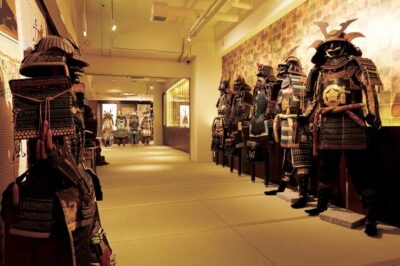
Samurai Ninja Museum Guided tour and Experience
Read our review →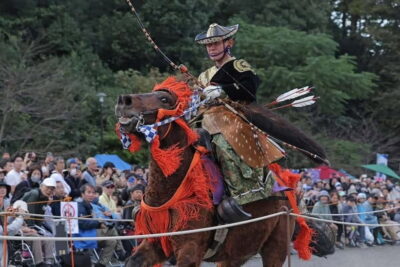
Samurai Sword & Archery Class from Samurai Descendant
Read our review →

Ninja Experience (Family Friendly) at Samurai Ninja Museum TOKYO
Read our review →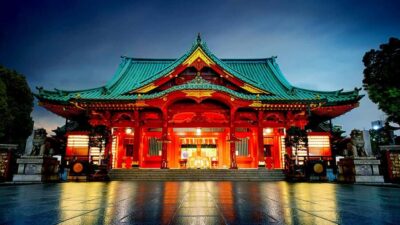
Samurai Entertainment Night Show in Kanda Shrine
Read our review →
Tokyo Sword Experience – includes Museum Ticket/Ninja Experience
Read our review →
Samurai Ninja Museum Asakusa: Samurai Sword Lesson & Tour
Read our review →
Ninja Samurai 2-hour hands-on lesson by Japanese master in Tokyo
Read our review →Browse the lists this tour appears in