
Reviewed · TOKYO TEA CEREMONY EXPERIENCES
【Spanish/ English】Tsukiji Matcha at a 100-Year old Japanese shop
Tsukiji is best known for seafood, but this experience takes you to a quieter corner of the neighborhood: a nearly 100-year-old Japanese tea shop where four premium cold-brewed matchas are served in wine glasses. A certified tea master explains how growing regions and cultivation methods shape each cup, making this more than a quick green-tea tasting.
I like the small, private setting and the chance to taste matcha without the noise of a packed food market. I also like the gentle pairing of tea with seasonal wagashi, which helps you understand how Japanese sweets balance matcha’s flavor. The main drawback is the price: at $65.04 per person for about 90 minutes, this is a focused cultural tasting rather than a full meal or broad Tsukiji food tour.
Key points
- Four cold premium matchas: Each variety is served in a wine glass, giving the tasting a modern look while keeping the focus on flavor.
- A century-old tea shop: The setting offers a direct link to Japanese tea culture that a museum display cannot provide.
- Private and beginner-friendly: Only your group participates, so you can ask questions without feeling rushed.
- Tsukiji Hongwan-ji Temple first: The tour begins with about 30 minutes at one of Tokyo’s most striking temples.
- Spanish or English guidance: A local guide leads the experience in one of these languages.
- A calm break from Tsukiji: You finish near the Outer Market, where you can continue exploring or find lunch on your own.
Starting at Tsukiji Hongwan-ji Temple
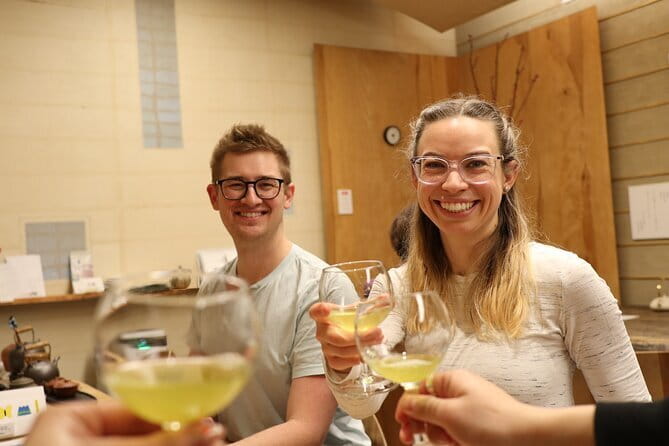
Your meeting point is Tsukiji Hongwan-ji Temple, at 3-chome-15-1 Tsukiji. This is a useful starting place because the temple gives you a clear sense of place before the tasting begins.
The visit here lasts about 30 minutes, and admission is free. The temple is described as one of Tokyo’s biggest and most impressive, so this first stop is not filler. It gives the tour a cultural frame: you begin with Japanese religious architecture and then move into the daily craft of tea.
You should allow enough time to reach the temple before the scheduled start. The activity is listed for Mondays from noon to 3 p.m., during the operating period shown as November 5, 2024, through February 17, 2027. Since the tea session is reservation-only, arriving late could make the short temple visit feel even shorter.
The temple stop also helps you get your bearings in Tsukiji. You are not simply being taken straight to a tasting room without context. Instead, the route connects one of the district’s best-known cultural sights with a long-running local shop.
More Tsukiji and Toyosu fish market tours:
- Tokyo Tsukiji Fish Market Food and Culture Walking Tour
★ 5.0 · 3,184 reviews - Tokyo: Tsukiji Fish Market Food and Walking tour
★ 5.0 · 1,724 reviews - Tokyo: Tsukiji Fish Market Guided Walking Tour
★ 4.9 · 1,397 reviews
Entering a nearly 100-year-old tea shop
After the temple, the focus shifts to tea. The shop has nearly a century of history, which matters here because the experience is built around place as much as flavor.
You are not tasting matcha in a generic cooking studio. You are stepping into a Japanese business with a long connection to tea. The tour information does not provide the shop’s name or the tea master’s personal name, so you should not expect a formal celebrity-led demonstration. What you do get is a certified tea master guiding the session in a private setting.
That private format is one of the strongest reasons to book. Only your group takes part, so the pace can suit beginners. You can ask why one matcha tastes sweeter, more bitter, or more rounded without worrying about holding up a large class.
The setting should also appeal to people who find major culinary attractions tiring. Tsukiji Outer Market can be busy, loud, and crowded. This tea session offers a quiet hour inside that larger district. It is a good pause in the middle of a Tokyo day, especially if you want a cultural activity that does not demand constant walking.
Comparing four matchas in wine glasses
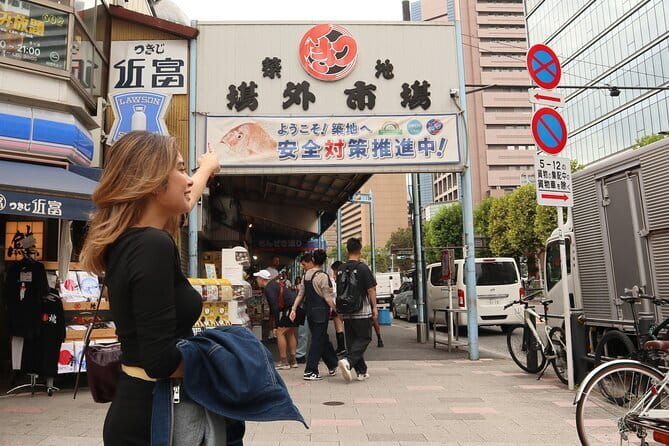
The central tasting includes four types of premium cold matcha. They are served in wine glasses, an unusual choice that makes the differences easier to notice visually and gives the session a polished feel.
Cold-brewed matcha is also a useful format for beginners. Hot matcha can be intense, especially if you are not used to its bitter or grassy notes. Serving the tea cold may make the tasting feel lighter and more approachable, while still allowing the tea master to explain its character.
The important part is the comparison. You are not receiving one small cup and a general explanation of matcha. You taste four varieties side by side, with guidance on where their flavors come from. The session covers tea-growing regions and cultivation styles, so the discussion connects what is in your glass with how and where the tea is produced.
That gives the tasting real value. Instead of hearing that matcha is simply good or traditional, you learn to notice differences. The guide may explain the origins and production methods behind each sample, but the supplied information does not name the specific regions or cultivars. You should think of this as a guided introduction to tea flavor, not a specialist certification course.
The wine glasses are practical as well as decorative. They let you look at the color and smell the tea before tasting. Matcha is usually associated with a bowl and whisk, so this presentation shows another side of Japanese tea culture without claiming to replace the formal tea ceremony.
Seasonal wagashi and the balance of flavor
Each tea is paired with seasonal wagashi, traditional Japanese sweets. This is an important part of the session because the sweets give you a way to understand matcha through contrast.
Matcha can have bitter, vegetal, creamy, or lightly sweet notes. Wagashi offers a softer counterpoint, often with a texture and sweetness that changes how the tea tastes. The activity does not specify the exact sweets served, so the selection may vary with the season. That is useful to know if you have strict food preferences.
The pairing also shows why Japanese tea culture is tied to aesthetics. The experience is not only about consuming a drink. It asks you to notice presentation, balance, season, and the relationship between a small sweet and a carefully prepared tea.
You should not book this expecting a substantial snack or lunch. The traditional sweets are part of the tasting, but lunch is not included. If you arrive hungry, plan to eat before or after the session in Tsukiji Outer Market.
More Tokyo tea ceremonies:
- Matcha Making Class in Tokyo with Authentic Japanese Sweets Set
★ 5.0 · 744 reviews - Tokyo: Traditional Tea Ceremony with a Tea Master
★ 5.0 · 528 reviews - Dynamic Tokyo: Tokyo Tower, Tea Experience, Bay Cruise Day Tour
★ 4.5 · 521 reviews - Tokyo: Matcha Making Experience with Mochi Sweets in Asakusa
★ 4.9 · 388 reviews
What the guide adds to the experience
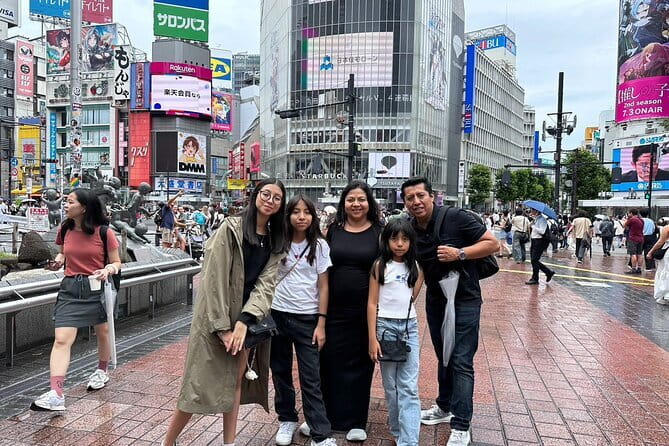
The tour includes a local Japanese guide who speaks English or Spanish, along with a certified tea master. The guide also takes photos during the activity, which is useful if you want a record of the visit without having to interrupt the tasting to take pictures.
The strongest praise attached to this experience centers on the guide’s friendly manner, clear explanations, and ability to make the session feel personal. That matters in a private activity. A cold tea tasting can easily become a series of facts and small cups. The guide’s role is to turn those cups into a story about Japanese taste, cultivation, and daily culture.
The information does not provide the guides’ names, so you cannot request a particular person from the details available. You can, however, book knowing that the session is designed for both English and Spanish speakers.
I would also keep your expectations realistic. The tour lasts about 90 minutes, and only around one hour is assigned to the tea shop. This is enough time for a focused introduction, but not enough for an advanced lesson on every major tea region in Japan.
Why this is different from a standard tea ceremony
This is not presented as a formal tea ceremony with a long sequence of prescribed movements. The emphasis is on tasting four cold premium matchas, learning about origins and cultivation, and pairing the tea with wagashi.
That makes it a better fit for you if you want to understand what you are drinking. It is also easier for beginners who might feel uncertain about the rules of a traditional ceremony.
The wine-glass presentation reinforces that difference. You are encouraged to compare aroma, color, and flavor in a modern tasting format. At the same time, the century-old shop and seasonal sweets keep the experience connected to Japanese customs.
If your main goal is to watch a highly formal tea ceremony, this may not be the right choice. The supplied details focus on matcha tasting and explanation rather than ceremonial performance. If you want an intimate introduction with room for questions, the format is more promising.
How the $65.04 price measures up
At $65.04 per person, this is not the cheapest way to drink matcha in Tokyo. You could find an ordinary cup of green tea for far less. The question is what you are paying for beyond the liquid.
The price includes the temple introduction, a private tea-shop visit, four premium matchas, seasonal wagashi, a local English or Spanish-speaking guide, photos, and the workshop itself. You are also paying for access to a nearly 100-year-old setting and for explanations that connect flavor with tea-growing regions and cultivation.
For a casual drink, the price is high. For a private cultural activity in central Tokyo, it is easier to justify, especially if you value a quiet setting and personal attention. Group discounts may be available, which could improve the value if you are booking with family or friends.
I would compare it with the cost of a larger food tour. A broad Tsukiji food experience may give you more food and a longer route. This activity gives you less quantity but more focus. You leave with a small souvenir rather than a full meal, so the best value comes if you are specifically interested in matcha, Japanese aesthetics, or local tea culture.
Timing, transport, and the end at Tsukiji Outer Market
The experience lasts about one hour and 30 minutes. It begins at Tsukiji Hongwan-ji Temple and ends at Tsukiji Outer Market, listed near 4-chome-16 and part of 6-chome.
No private transportation is included. That is not a major issue because the meeting point is near public transportation, but you are responsible for getting to the temple and continuing on from the market afterward.
The ending is practical. You can stay in Tsukiji for lunch, browse the market, or use public transport to continue sightseeing. Lunch is not included, so the location gives you a natural chance to make your own meal plans.
The Monday schedule deserves attention. The listed operating hours are Monday from noon to 3 p.m., so this is not a flexible daily activity based on the information provided. If your Tokyo schedule is tight, confirm that the available date fits before arranging other Tsukiji plans.
Who should book this matcha experience
I would recommend this for several kinds of visitors:
- Matcha beginners who want a clear introduction without a large class.
- Tea enthusiasts who enjoy comparing several premium varieties.
- Culture-focused visitors who want something quieter than a market crawl.
- Couples, families, or small groups who will appreciate a private session.
- Spanish-speaking visitors who want the option of guidance in Spanish.
- Photographers and food-focused visitors who like thoughtful presentation and guide-taken photos.
It may be less suitable if you want a full meal, a long walking tour, or a formal tea ceremony. It is also not the best choice if Monday afternoon does not work for you.
Most people can participate, and service animals are allowed. The activity is near public transportation, but no further mobility details are provided, so contact the provider if you need specific access information.
Cancellation and booking notes
Confirmation is provided when you book. You can cancel for a full refund if you do so at least 24 hours before the scheduled start time. Cancellations or changes made within 24 hours are not accepted for a refund, and cut-off times use Tokyo local time.
The activity is often booked about 11 days ahead. That is a useful planning clue for a private session with limited availability, especially if you are visiting Tokyo on a fixed schedule.
Should you book this Tsukiji matcha tasting?
Book it if you want a calm, personal introduction to matcha with real attention to flavor and setting. The temple, century-old shop, four cold teas, seasonal wagashi, and private format create a compact experience with a clear purpose.
I would skip it if you are mainly looking for lunch, a large selection of Tsukiji foods, or a formal tea ceremony. At $65.04, the value depends on your interest in tea and Japanese aesthetics.
For the right person, this is a thoughtful way to see another side of Tsukiji. You get a quiet hour away from the market crowds, a chance to compare premium matcha, and enough explanation to make your next cup more interesting.
FAQ
How long does the Tsukiji matcha experience last?
The experience lasts approximately one hour and 30 minutes. About 30 minutes are spent at Tsukiji Hongwan-ji Temple, followed by about one hour at the tea shop.
Where does the activity begin?
It begins at Tsukiji Hongwan-ji Temple, located at 3-chome-15-1 Tsukiji, Chuo City, Tokyo 104-8435, Japan.
Where does the activity end?
The experience ends at Tsukiji Outer Market in Tokyo, near 4-chome-16 and part of 6-chome in Tsukiji.
How many types of matcha will I taste?
You will taste four types of premium cold-brewed matcha served in wine glasses.
Is food included?
Traditional seasonal wagashi sweets are included. Lunch is not included.
Is the activity private?
Yes. Only your group participates in the private tour or activity.
Can I cancel for a full refund?
Yes. You can receive a full refund if you cancel at least 24 hours before the scheduled start time. Changes or cancellations made less than 24 hours before the start are not accepted for a refund.
Newly reviewed around Tokyo
- Tokyo Asakusa:Calligraphy & Make T-shirt Activity★ 5.0 · 62 reviews
- 1 Hour Travel around Tokyo with a Professional Photographer★ 5.0 · 3 reviews
- Travel Tokyo with Your Own Personal Photographer★ 5.0 · 43 reviews
- Intercity Shuttle, Tokyo to Haneda /Narita /Yokohama /Makuhari★ 5.0 · 5 reviews
- Train in Samurai Swordsmanship and Defeat the Demon in Tokyo★ 5.0 · 5 reviews
- Shuttle Van 6hr Tokyo Tour to-and-from Tokyo, Yokohama and Narita★ 5.0 · 9 reviews
- Kickboxing & Body Training with EX-Pro Fighter★ 5.0 · 4 reviews
- Traditional Japanese Knife Sharpening Class★ 5.0 · 18 reviews
Tokyo Tea Ceremony Experiences, compared.
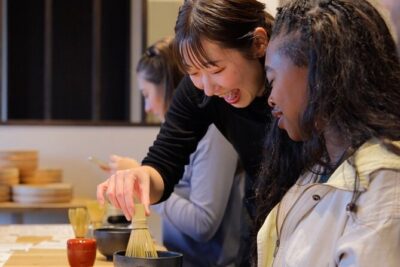
Matcha Making Class in Tokyo with Authentic Japanese Sweets Set
Read our review →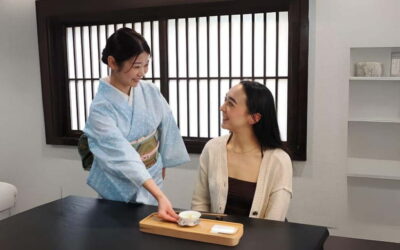
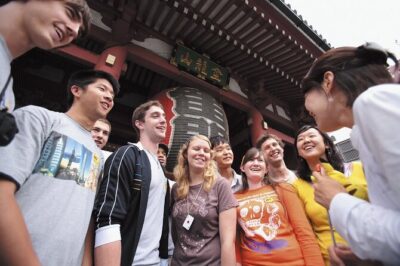
Dynamic Tokyo: Tokyo Tower, Tea Experience, Bay Cruise Day Tour
Read our review →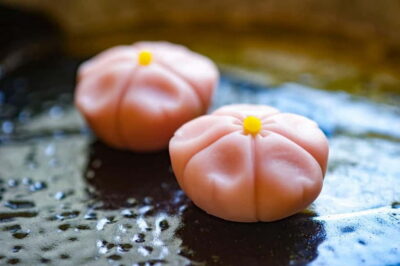
Matcha Making Experience with Mochi Sweets in Asakusa
Read our review →
Tea Ceremony Workshop in Tokyo by the Experienced Instrucor
Read our review →
Browse the lists this tour appears in