
Reviewed · TOKYO SAMURAI AND NINJA EXPERIENCES
Tokyo: Samurai Sword & Archery Class from Samurai Descendant
The most unusual part of this three-hour class is that you do not simply watch a sword show. You train through basic iai sword forms, friendly sparring, target cutting, and Japanese archery under Yoshioki Sumida, a samurai descendant and teacher of both disciplines. The moving target work is especially demanding, since correct footwork and blade control matter more than movie-style swings.
I like the real dojo setting and the clear mix of history with physical practice. I also like that the class includes clean training clothes, a short sword lecture, hands-on instruction, and a chance to handle a Japanese bow linked to traditional horseback archery.
The main drawback is the price, $193 per person, and the class is a workout rather than a light photo stop. You also need to reach Machida, allow extra time from central Tokyo, and be comfortable following right-handed sword and archery techniques.
Key points at a glance

- Train with Yoshioki Sumida: Learn from a samurai descendant who teaches swordsmanship and traditional Japanese horseback archery.
- Practice more than posing: Work on iai forms, attack and defense timing, sparring, blade alignment, and target cutting.
- Try the samurai bow: Shoot arrows with a Japanese-style long bow connected to horseback archery traditions.
- Wear proper training clothes: A supplied uniform helps you move safely and gives the class a serious dojo feel.
- Plan for Machida: The dojo is about a 10-minute walk from JR Machida Station, on the third floor above a sword shop.
- Expect real effort: The class suits curious beginners, but you need enough strength to swing a sword and should expect some soreness.
A real training session, not a staged sword show
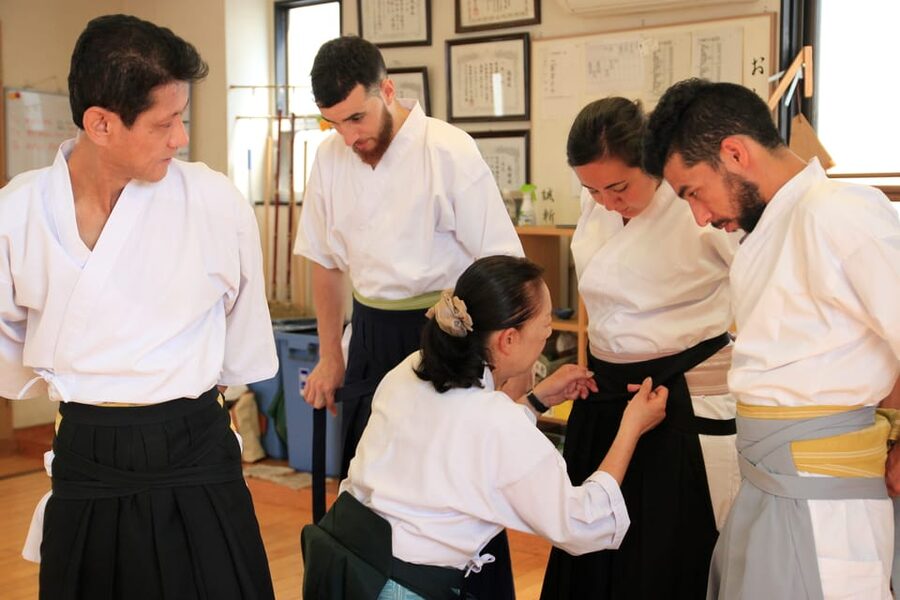
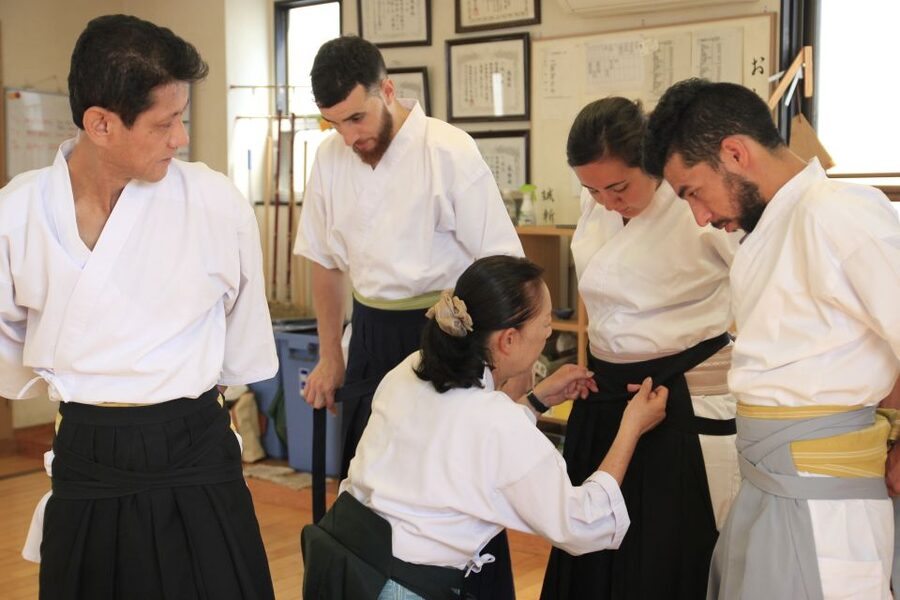
This class works best if you want to learn something, not just pose with a katana. You arrive at Toyama-Ryu BIZENKAI, change into the supplied practice uniform, and take part in a lesson built around basic technique. The mood is serious, but the instructors keep it friendly and approachable.
That distinction matters. Many samurai-themed activities offer a short demonstration followed by a few easy photographs. Here, the demonstration is only one part of the session. You are expected to listen, copy the movements, accept corrections, and repeat them until your posture and timing improve.
The instructor, Yoshioki Sumida, teaches in Japanese and English. His English is described as basic but clear, and he uses demonstrations to make each movement easier to follow. An assistant may also help with instruction. Harry is specifically noted as one of the supporting teachers, and the teaching team is patient with beginners.
You should not expect to become a swordsman in three hours. You will, however, come away with a better sense of how much control sits behind a simple sword movement. The class replaces fantasy images with practical details: stance, grip, foot position, blade line, etiquette, and the timing of an attack or defense.
More Tokyo samurai and ninja experiences:
- Tokyo: Samurai Ninja Museum Guided tour and Experience
★ 4.6 · 1,010 reviews - Best Samurai Experience in Tokyo
★ 5.0 · 458 reviews - Ninja Experience (Family Friendly) at Samurai Ninja Museum TOKYO
★ 5.0 · 441 reviews
What happens after you reach the Machida dojo
Toyama-Ryu BIZENKAI is about a 10-minute walk from JR Machida Station. The dojo is on the third floor. At street level, look for the stairs at the back, between the sword shop and the vending machines. That detail is worth saving before you arrive, since the entrance is not presented as a large tourist attraction.
Machida is outside the main central Tokyo sightseeing loop, so plan your route carefully. One booking party allowed about 90 minutes from Shimbashi, though your exact journey will depend on the train and departure point. I would arrive early rather than cut it close. One participant found that arriving 30 minutes ahead allowed time to watch the instructors practice and speak with the teacher.
Once inside, you receive a short introduction and change into the practice clothes. You need to provide the height and weight of every participant in advance so the uniform can be prepared. Bring water and a camera, but keep the camera out of the way during active sword and archery work.
The class is shared and can include up to 15 people. That is a larger group than a private lesson, but the teaching format includes repeated corrections and hands-on practice. If your booking happens to have only a few people, you may receive much more individual attention. Do not count on that, though.
The opening sword talk puts the class in context
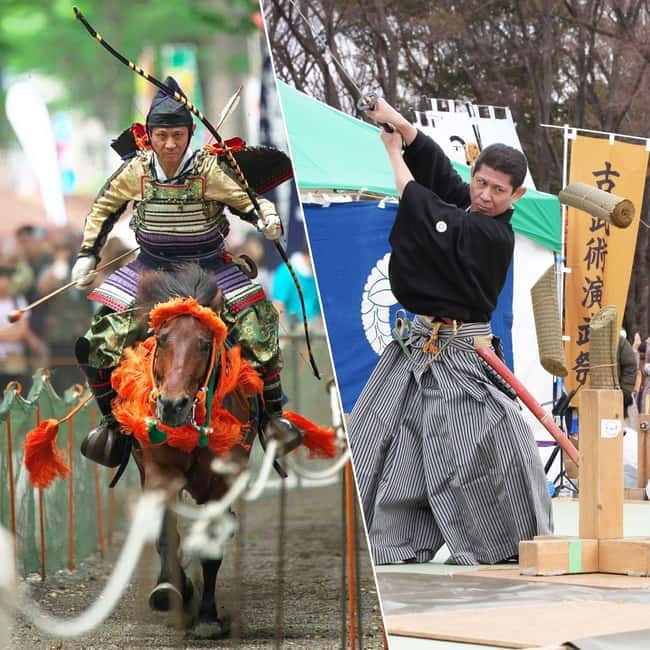
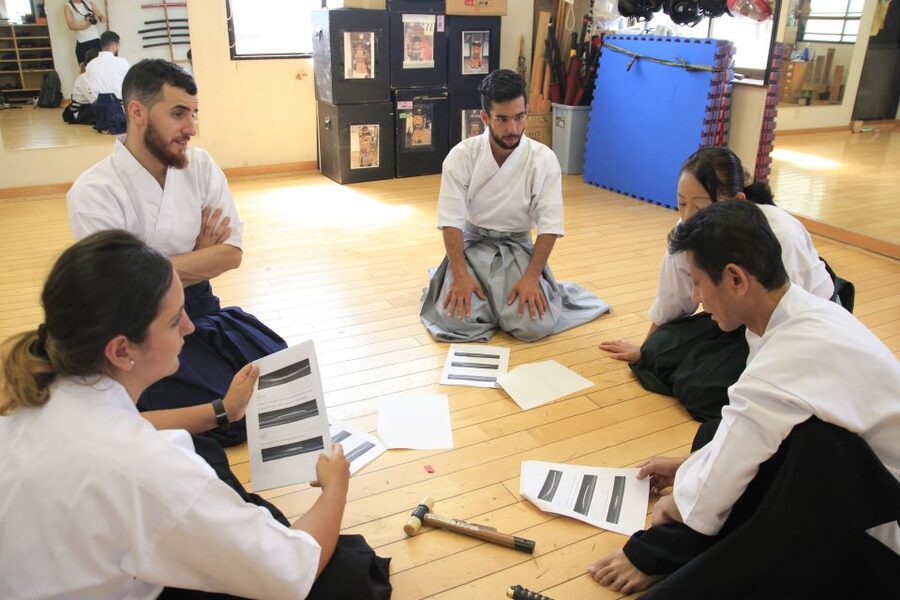
The early lecture covers Japanese swords, samurai weapons, and the place of the sword within a longer military story. The teacher explains that the bow was the main samurai weapon about 1,000 years ago. About 450 years ago, the matchlock gun became more powerful, and after civil war ended about 400 years ago, the sword took on a more central role.
This timeline gives the activities a useful frame. The sword was not always the only or even the main weapon associated with samurai. The class also includes a chance to hold an antique matchlock gun, adding another physical link to the changing weapons of Japan.
You learn about the construction of the Japanese sword as well as its use. That is a good balance. The sword is not treated only as a dramatic object. Its handling, blade line, and care all require discipline, and the teacher corrects the kind of mistakes films often encourage.
The history section is fairly short, which is good news if you came to practice. You get enough background to understand the training, then move on to the floor work.
Iai teaches control before speed
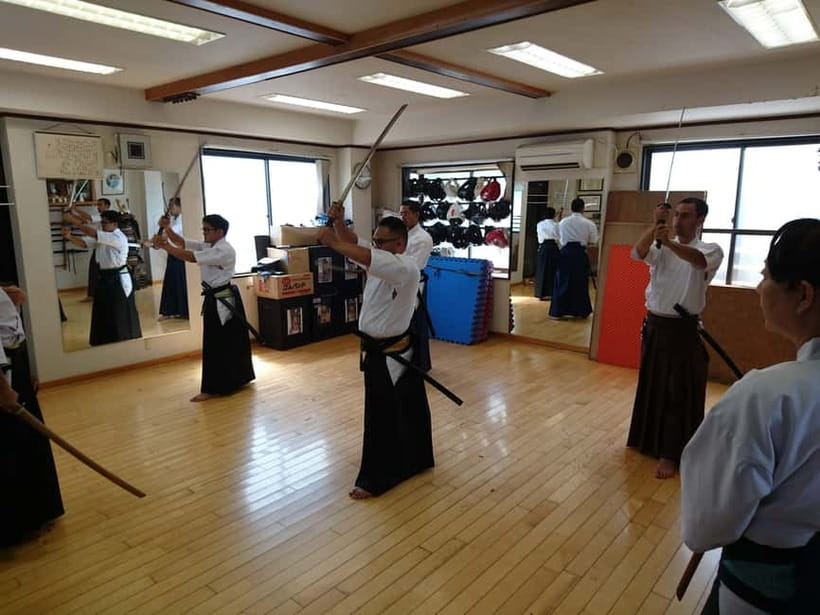
The iai portion introduces the way a sword is drawn, handled, and swung. You use a practice sword for this lesson and learn basic forms, known as kata. These repeated sequences may look simple at first, but they demand concentration.
You work on posture, grip, the path of the blade, and the return of the sword. The point is not to slash as hard or fast as you can. It is to make a controlled movement with the correct line and finish.
This is where the class feels most unlike a movie scene. The instructor pays attention to small details and may stop you to show what is wrong before asking you to try again. That can feel demanding, but it is also why the lesson feels like training rather than a costume activity.
Left-handed participants should take note. The standard instruction is right-handed, and one left-handed student found that this affected archery more than sword work. It did not prevent participation, but you should be ready to copy the prescribed form rather than use your natural side.
More Tokyo martial arts classes:
- Tokyo:Samurai sword and archery class from a samurai descendant
★ 5.0 · 121 reviews - Tokyo 2-Hour Genuine Samurai Experience: Kendo in Japan
★ 5.0 · 112 reviews - Tokyo: Samurai Kendo Practice Experience
★ 4.7 · 102 reviews - Samurai Experience – Learn Bushido through Kendo, in Tokyo
★ 5.0 · 88 reviews
Sparring adds timing and a little pressure
The gekken lesson brings attack and defense into play. You use a practice sword and work with a partner in friendly sparring. The emphasis is on timing, distance, and control, not on trying to overpower the person opposite you.
This is often the most playful part of the morning, but it still has a serious purpose. A sword form can be practiced alone. Sparring forces you to react to another person, keep your guard, and understand when an opening appears.
The class is intended for beginners, yet the activity is not effortless. Several participants described it as fun and demanding, and you may feel the physical work in your shoulders and legs later in the day. Follow the instructor closely, since safety depends on controlled movements and clear boundaries.
The sparring is friendly rather than competitive. That makes it suitable for couples, friends, and people with no martial arts background. It is less suitable if you want a completely passive cultural presentation.
Target cutting shows why technique matters
The target-cutting section is one of the class highlights. You learn how to move through several targets while cutting, a task that combines footwork, timing, posture, and blade control.
This is not the same as swinging at a target with force. The instructor checks the blade line and shows how to make the cut correctly. Moving while cutting makes the exercise far harder than a stationary practice swing.
The supplied information refers to a mock or practice sword for parts of the session, while participants also describe hands-on cutting with a katana. The exact equipment and cutting setup may vary, so follow the teacher’s instructions rather than assuming every sword is used in the same way.
This part gives you a clear lesson in why technique matters. A powerful-looking swing can still be poorly aligned. The goal is a clean, controlled motion, and the instructor’s corrections help you see the difference.
You should also treat the photo opportunities with care. Cameras are welcome, but filming should not distract you from the safety rules or the other people in the shared class.
The bow links samurai training to horseback archery
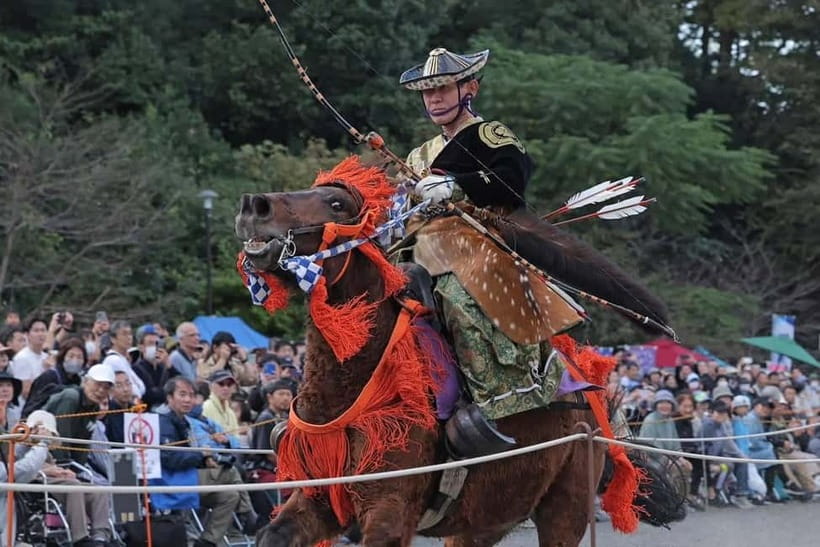
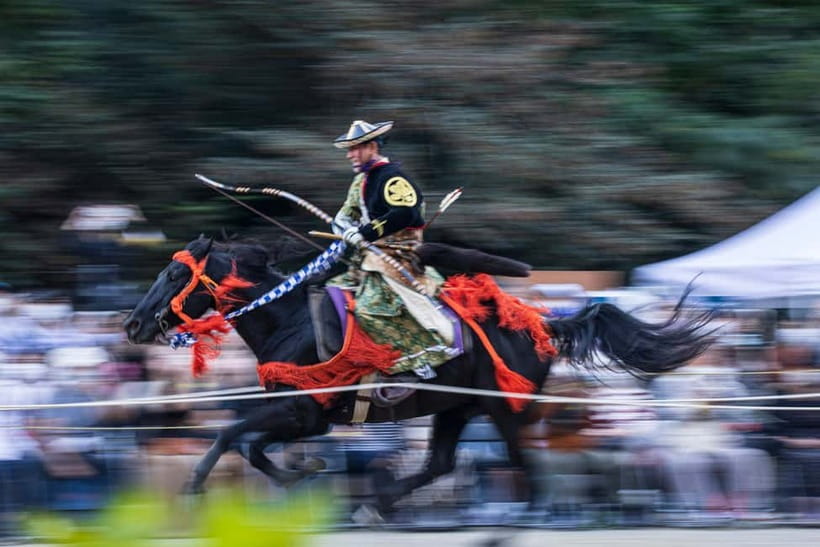
The final practical element introduces the Japanese bow. You try shooting arrows with a long bow associated with traditional horseback archery, an art the instructor has mastered alongside swordsmanship.
The bow is longer and handled differently from the compact modern bows many people know. You learn the basic position and release under supervision. As with the sword work, accuracy comes from posture and patience, not from pulling as hard as possible.
The class also displays traditional horseback archery clothing said to date back about 1,000 years. You are not riding a horse during this three-hour program, but the equipment and explanation connect the bow to an older form of mounted warfare.
Archery can be the trickiest section for left-handed participants because the class teaches a set method. It is also the portion where a wide-angle camera can help if someone is filming from a safe position. Keep the camera advice secondary, though. The priority is listening to the instructor and keeping clear of the shooting line.
The final demonstration shows the standard you are chasing
At some point, you may see a live demonstration of Toyama-ryu by a seventh-grade practitioner. The class description warns that this is not entertainment and that the techniques can be difficult. That warning is useful.
The demonstration gives you a better sense of the gap between basic instruction and years of practice. Movements that felt awkward in your hands appear measured and precise when performed by an expert. It also gives the session a strong finish without turning the whole event into a show.
The instructor’s background matters here. Sumida is presented as one of the few masters to have trained in both swordsmanship and horseback archery. You do not need a martial arts background to appreciate the demonstration, but you should approach it with respect rather than expecting a theatrical stunt.
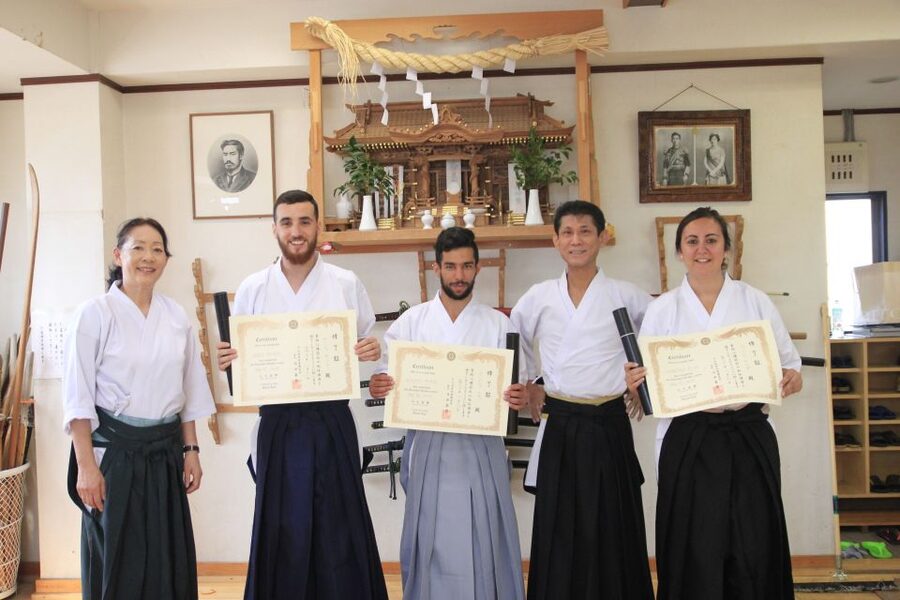
Some participants receive a signed certificate showing they learned the basics of both disciplines. The certificate is a pleasant extra, though the more lasting souvenir is the understanding of how much discipline sits behind these arts.
Is $193 good value?
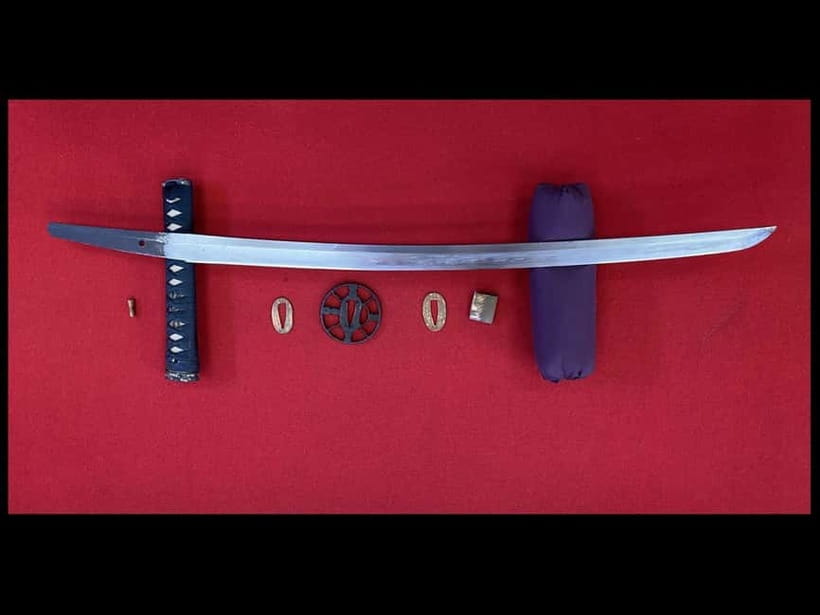
At $193 per person, this is not a budget activity. You are paying for a three-hour class, an instructor, practice clothing, a practice sword, access to a real dojo, sword instruction, sparring, target cutting, archery, and historical explanation.
I see the value if you would otherwise spend money on several separate cultural stops that only offer demonstrations. Here, you take part in the movements and receive corrections. The lesson also combines two different samurai disciplines, which is unusual.
The price is harder to justify if you mainly want a quick photograph in armor or a polished stage performance. You could find cheaper cultural activities that require less time and less physical effort. This class asks for attention, punctuality, and a willingness to practice.
For martial arts fans, history students, and people who want a hands-on activity with substance, the cost is easier to defend. Couples and families with older teenagers may also find it memorable, provided everyone can manage the physical demands and follows the age rules.
Who should book this class?
You should book if you are curious about Japanese martial arts and want to be corrected rather than simply entertained. Beginners are welcome, and the instruction is paced so people without sword experience can follow along.
It is also a good choice if you have already visited Tokyo’s temples, museums, and major sights and want an activity that uses your body as well as your eyes. The dojo setting, supplied uniform, bow work, and sword practice give the morning a different rhythm from standard sightseeing.
You should think twice if you have back, heart, or mobility problems, epilepsy, a visual impairment, or if you are pregnant. Wheelchair users cannot take part. The stated age information also requires care: children under 18 need parental permission and supervision, while the suitability section says the activity is not for children under 18. Contact the provider before booking if a minor is involved.
You also need enough strength to swing the sword. The class is not described as a gentle introduction for every body type, and some soreness afterward is possible.
Cancellation is allowed up to 24 hours before the start for a full refund, and a reserve-now, pay-later option is available. Those policies help if your Tokyo plans are still moving, but they do not change the need to provide accurate height and weight details in advance.
Should you book the Toyama-Ryu BIZENKAI class?
Book it if you want a serious, hands-on introduction to samurai swordsmanship and Japanese archery, and if $193 fits your budget. The strongest reasons are the real dojo setting, Sumida’s unusual training in both disciplines, the chance to practice rather than watch, and the careful attention given to form and safety.
Skip it if you want a short, effortless show or if you are uncomfortable with physical instruction. Also allow plenty of time to reach Machida from central Tokyo. For the right person, this is not just a sword photo opportunity. It is a demanding half-day lesson that gives you a much clearer respect for the patience, strength, and control behind samurai arts.
FAQ
How long does the samurai and archery class last?
The class lasts three hours.
Where does the activity take place?
It takes place at Toyama-Ryu Bizen-kai, also written as 戸山流備前会 BIZENKAI, near JR Machida Station. The dojo is about a 10-minute walk from the station and is on the third floor.
Who teaches the class?
Yoshioki Sumida teaches swordsmanship and traditional Japanese horseback archery. The teaching team may also include an assistant, such as Harry. Instruction is available in Japanese and English.
What activities are included?
You learn about Japanese swords, practice iai forms, work on attack and defense timing, spar with a practice sword, practice target cutting, and try shooting arrows with a Japanese-style bow. You may also see a demonstration by a Toyama-ryu seventh-grade practitioner and handle an antique matchlock gun.
Are training clothes and a sword provided?
Yes. A practice uniform and practice sword are included. You need to provide the height and weight of all participants before the class so the clothing can be prepared.
Can people under 18 take part?
The information states that people under 18 may participate with parental permission and supervision, but they need enough strength to swing the sword. It also lists children under 18 as unsuitable, so contact the provider for a clear decision before booking.
Is the class suitable for people with medical or mobility limitations?
The class is not suitable for pregnant women, people with back, heart, or mobility problems, wheelchair users, people with epilepsy, or people with visual impairments. It also requires enough strength to handle the sword.
More hands-on classes and workshops in Tokyo
- Sushi Making Tokyo Roll and Authentic Japanese Sushi Class
★ 5.0 · 3,971 reviews - Tokyo: Roll and Authentic Sushi Making Class in Asakusa
★ 4.9 · 1,957 reviews - Tokyo Shinjuku Chopsticks Making Class
★ 5.0 · 1,763 reviews - Tokyo: Sushi Making Class in a Happi Coat near a Famous Spot
★ 4.9 · 1,377 reviews
Newly reviewed around Tokyo
- Tokyo Asakusa:Calligraphy & Make T-shirt Activity★ 5.0 · 62 reviews
- Intercity Shuttle, Tokyo to Haneda /Narita /Yokohama /Makuhari★ 5.0 · 5 reviews
- 1 Hour Travel around Tokyo with a Professional Photographer★ 5.0 · 3 reviews
- Travel Tokyo with Your Own Personal Photographer★ 5.0 · 43 reviews
- Train in Samurai Swordsmanship and Defeat the Demon in Tokyo★ 5.0 · 5 reviews
- Shuttle Van 6hr Tokyo Tour to-and-from Tokyo, Yokohama and Narita★ 5.0 · 9 reviews
- Kickboxing & Body Training with EX-Pro Fighter★ 5.0 · 4 reviews
- Traditional Japanese Knife Sharpening Class★ 5.0 · 18 reviews
Tokyo Samurai and Ninja Experiences, compared.
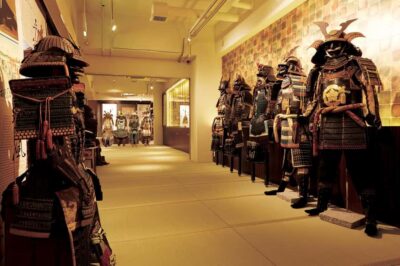
Samurai Ninja Museum Guided tour and Experience
Read our review →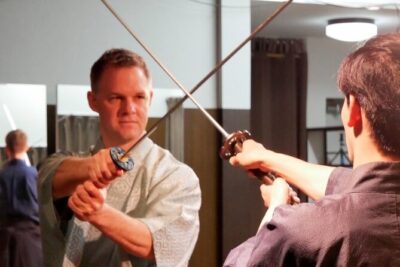
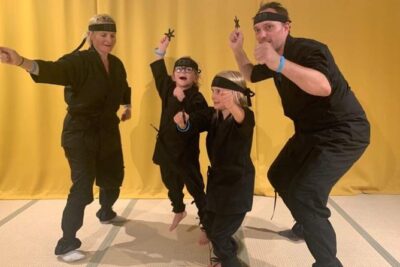
Ninja Experience (Family Friendly) at Samurai Ninja Museum TOKYO
Read our review →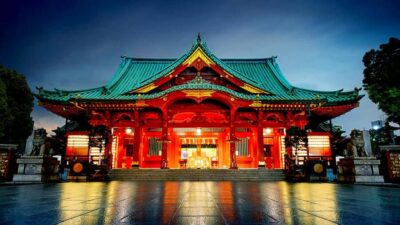
Samurai Entertainment Night Show in Kanda Shrine
Read our review →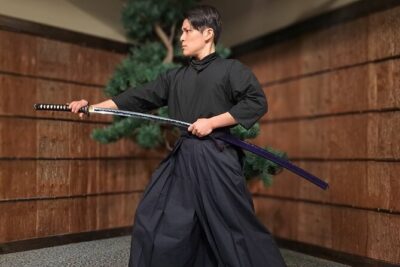
Tokyo Sword Experience – includes Museum Ticket/Ninja Experience
Read our review →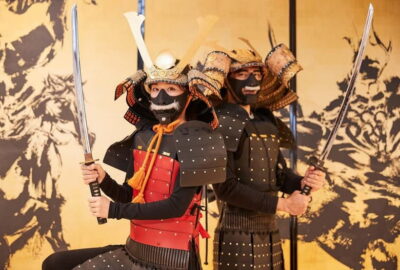
Samurai Ninja Museum Asakusa: Samurai Sword Lesson & Tour
Read our review →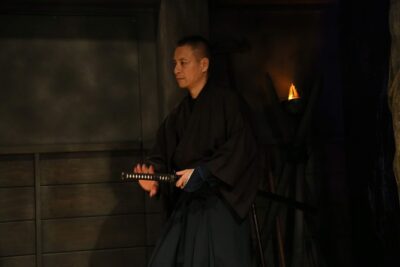
Ninja Samurai 2-hour hands-on lesson by Japanese master in Tokyo
Read our review →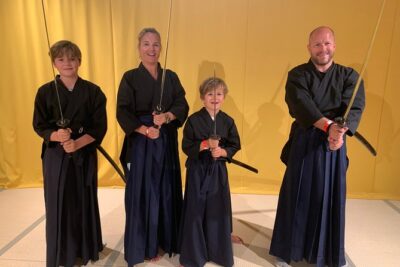
Samurai Sword Experience (Family Friendly)at SAMURAI MUSEUM TOKYO
Read our review →Browse the lists this tour appears in