
Reviewed · TOKYO SKYTREE TICKETS
Tokyo Tours in Spanish (Asakusa – Skytree Tower- Akihabara)
Tokyo’s size can turn a first day into a string of wrong trains and missed turns. This Spanish-language tour links Asakusa, Tokyo Skytree, and Akihabara in one long day, with a local guide helping you understand both the places and the customs behind them.
I like the eight-hour format, which gives you more time than a quick sightseeing loop. I also like the chance to travel by local transportation and get practical help from guides such as Beto, Ana, and Huit, all of whom have spent more than 15 years in Japan. The main drawback is that transportation, meals, and entrance fees are extra, so the $103 price is not your full day’s cost.
Key points to know
- Three very different Tokyo areas: Visit traditional Asakusa, the Tokyo Skytree area, and electronics-focused Akihabara in one day.
- Spanish throughout the tour: Your guide explains each place and helps you handle the language barrier.
- Eight hours on foot and by train: Wear comfortable shoes and expect a full day of movement.
- Small groups of up to 10: This is more personal than a large coach outing.
- Transport costs extra: You ride local transportation, but fares are not included.
- A useful first or second day in Tokyo: The guide can help you understand the city and offer ideas for the rest of your trip.
Three sides of Tokyo in one day
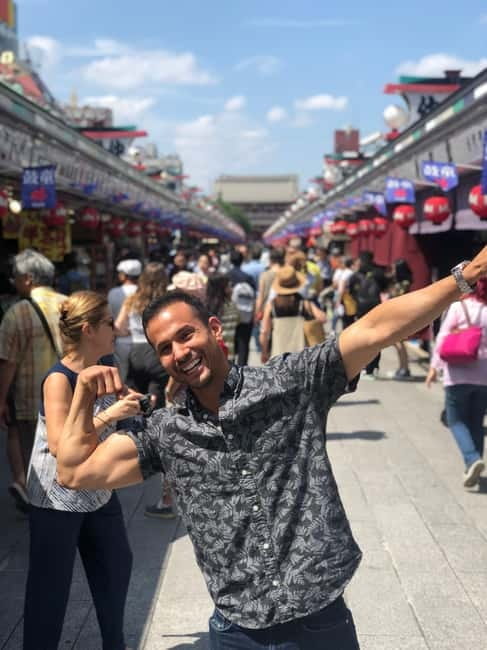
The strength of this tour is its range. Asakusa gives you an older, more traditional side of Tokyo. Tokyo Skytree brings you face to face with the modern city and its huge scale. Akihabara shifts the mood again, with its pop culture, electronics, and shopping energy.
That range is useful because Tokyo is not one single kind of city. You can spend a morning around temples and traditional streets, look across the city from a major tower, and finish among anime, manga, games, and electronics. The tour gives you a broad first look instead of keeping you in one neighborhood.
I would choose this outing early in a Japan trip if you want help getting oriented. Your guide is not there only to point at buildings. The aim is to explain local customs, religion, traditions, and everyday life in Spanish, then help you feel more comfortable moving around Tokyo on your own.
Still, this is not a quiet private walk through one neighborhood. You will use local transportation, cover a lot of ground, and spend much of the day walking. If you want a slow morning with plenty of time inside every temple, shop, or viewpoint, you may prefer a shorter area-focused tour.
More Tokyo Skytree tickets:
- Tokyo: Meiji Shrine, Asakusa, Skytree Bus Tour and Cruise
★ 4.7 · 1,986 reviews - Tokyo Panoramic 1 Day: Meiji Shrine, Asakusa, Odaiba and SKYTREE®
★ 4.5 · 1,222 reviews - Tokyo Go Kart: Asakusa, Skytree, and Akihabara **IDP MUST**
★ 5.0 · 988 reviews
Starting in Asakusa, Tokyo’s traditional side
Asakusa is the natural place to begin a day built around old and new Tokyo. The district is known for its temples, traditional atmosphere, and streets filled with food, souvenirs, and local character. The tour description does not promise a specific sequence of stops within the area, so your exact route can depend on the group and the guide.
What you can count on is context in Spanish. That matters in Asakusa, where a temple visit can feel like little more than a photo stop if you do not know how the religious spaces work or what local customs mean. A guide can explain the difference between a place of worship and a simple sightseeing site, as well as help you understand what you are seeing.
This is one of the areas where Beto’s approach may be especially useful. Rodrigo from Chile described Beto as someone who explained Tokyo’s culture, traditions, religion, and way of life, not just the names of neighborhoods. That kind of explanation gives Asakusa more meaning than a list of dates and building names.
You should allow room for the human side of the visit. Ask about customs, food, daily routines, and the parts of Tokyo that are easy to miss when you follow only a map. The guides are local residents, and the company says they often know places a solo visitor may not find easily.
The tradeoff is pace. Asakusa rewards wandering, but an all-day route must keep moving toward the next district. You may not have unlimited time for shopping or photographs. Tell your guide early if you care most about temple details, local streets, or shopping, so the day can better match your interests.
Tokyo Skytree and the question of paying for the view
Tokyo Skytree adds a different kind of sight to the day. From ground level, it changes your sense of Tokyo’s scale. From a paid viewpoint, it offers a higher look over the city, but entrance fees are not included in the tour price.
That exclusion is worth planning for. The tour can take you to the Skytree area, but you should not assume that admission to a viewpoint is part of the $103 fee. If you want to go up, ask about the current ticket cost and availability before you book or before the tour begins.
You may decide that the outside view and the surrounding area are enough. You may also want the full tower experience, especially if this is your first time in Tokyo. The right choice depends on your budget and how much time you want to spend indoors. The guide can explain the area, but optional admissions remain your responsibility.
This is also a useful point to remember about the tour as a whole. The price pays for the Spanish-speaking guide and the day’s organization, not every expense along the route. You still need money for train or subway fares, food, drinks, and any temple or viewpoint admissions.
For some people, that arrangement is a plus. You are not forced to pay for every attraction, and you can decide where to spend your money. For others, a tour with more included tickets may be easier to budget. I would compare the total likely cost, not just the headline price.
Akihabara, where Tokyo gets playful and highly specific
Akihabara gives the day its sharpest change of tone. The area is associated with electronics, anime, manga, games, and pop culture shopping. It can be confusing if you do not know which streets or stores match your interests, especially if you are looking for something specific.
The guide’s role here is practical. You can ask for help with the language, directions, and the difference between places aimed at collectors, casual shoppers, or curious first-time visitors. Mildred’s experience included shopping and visits to Instagram-friendly places, which suggests the tour can work well for people who want both shopping time and photo stops.
Do not expect every minute to be a shopping free-for-all. This is one part of a three-area day, so the time available in Akihabara will depend on the route and the group. If you have a long shopping list, tell the guide in advance and be clear about your priorities.
Akihabara is also a good place to ask questions about modern Japanese culture. A guide can help connect the district’s stores and characters with wider parts of Japanese life, rather than treating the area as a row of flashy shops. That context is one reason to choose a guided visit instead of simply arriving alone.
The practical warning is simple: shopping can eat the clock. Set a budget and decide what you actually want before you enter a store. If you are mainly interested in photography and an introduction to the district, you may have a better day than someone hoping to inspect every shelf.
More Asakusa and Sensoji tours:
- Tokyo: Japanese Dance Cabaret Theater Asakusa-Kaguwa Ticket
★ 4.8 · 2,270 reviews - Tokyo: Roll and Authentic Sushi Making Class in Asakusa
★ 4.9 · 1,957 reviews - Tokyo: Asakusa Walking Tour with Sensoji Temple Visit
★ 4.8 · 1,583 reviews - Tokyo Asakusa Rickshaw Tour
★ 5.0 · 1,375 reviews
What eight hours really feels like
Eight hours gives this tour enough room to connect distant parts of Tokyo without turning every stop into a rushed photograph. It is also a long day. The company describes the outing as suitable for all ages, but it is still a walking tour with local transportation.
Wear supportive shoes. Bring water and keep your belongings easy to carry. You may spend time walking between stations, streets, shops, temples, and viewpoints, and you will need to board trains or other local transport along the way.
The schedule can vary because the tour may be private or shared with a small group. Group tours use a meeting point, while some guests are picked up in a hotel lobby. The stated meeting arrangements include the hotel lobby, but you should confirm the exact starting point when booking.
There is some flexibility in the day. The company says that if the tour is extended, there is no extra charge. That sounds helpful, but I would not treat an extension as guaranteed. Ask your guide on the day, especially if you have dinner plans or a train reservation.
Small groups are another practical advantage. With a maximum of 10 participants, you should have a better chance to ask questions than on a large bus tour. It is not the same as a private tour, though. You will still share the pace and decisions with other people if your booking is part of a group.
How the Spanish guide changes the experience
A Spanish-speaking guide is the main reason to book this outing. Tokyo is easy to enjoy visually, but the language barrier can make simple tasks harder, from reading signs to understanding a shrine custom or asking for directions.
The guides have lived in Japan for more than 15 years. That length of residence matters because a person who knows only the main sights may not be able to explain how Tokyo works day to day. The strongest comments about the guides focus on friendliness, cultural explanations, help before and during the tour, and useful tips for the rest of a Japan trip.
Beto receives especially warm attention for explaining more than neighborhoods. Ana is also named as a friendly guide who explained and showed the sights clearly. Huit is praised for kind treatment and a fun day. Guide availability can vary, so do not book expecting a specific person unless the operator confirms it.
I would use the guide actively. Ask about etiquette, transit, meals, shopping, and places you plan to visit later. The more specific your questions, the more useful the day becomes.
Is $103 a fair price?
At $103 per person, this is not a bargain walking tour in the narrow sense. You still pay for local transportation, food, drinks, and optional entrance tickets. A pair or family should add those costs before deciding.
The value comes from the combination of a full eight hours, a Spanish-speaking guide, a small group capped at 10, and a route linking three distinct parts of Tokyo. If you would otherwise spend half a day studying train routes or worrying about getting lost, the guidance can save time and stress.
The price looks stronger for first-time visitors who want orientation. It may be less appealing to repeat visitors who already know Tokyo’s transport system and can visit Asakusa, Skytree, and Akihabara alone.
I also see value in the cultural explanation. A self-guided day can show you the sights, but it may not explain the customs and traditions that make those sights meaningful. The tour is at its best when you treat the guide as a cultural interpreter, not simply as a person holding the route together.
Booking details that affect your decision
This tour is conducted in Spanish and accepts small groups of up to 10 people. It lasts eight hours, with starting times subject to availability. The exact meeting arrangement may be a hotel-lobby pickup or a group meeting point.
Local transportation is not included, and neither are meals, drinks, temple admissions, or viewpoint tickets. Plan for those costs separately. Comfortable shoes are important because the day involves walking.
You can cancel up to 24 hours in advance for a full refund. The reserve-now, pay-later option also gives you some flexibility if your Tokyo schedule is still changing.
When booking, specify which tour you want, identified as Tour 1, Tour 2, or Tour 3. That instruction matters because the information provided for this experience covers the Asakusa, Skytree, and Akihabara route but does not explain the differences among all three tour choices.
Who should book this Tokyo tour?
I would recommend it to Spanish-speaking visitors who are new to Tokyo, want cultural explanation, and prefer not to manage the city alone on their first full day. It also suits families and mixed-age groups who value a guide’s help with transit and orientation.
It is a good match if you want three contrasting areas in one outing and are willing to walk. The flexible, local-transport approach feels more connected to ordinary Tokyo than a coach route that keeps you behind glass.
I would hesitate if you need a fixed schedule, want every admission included, or plan to spend hours shopping in Akihabara. You should also think twice if eight hours on foot sounds tiring.
Should you book it?
Book this tour if Spanish support, local context, and a broad first look at Tokyo matter more to you than an all-inclusive price. The guides’ long experience in Japan and the strong focus on cultural explanation are the clearest reasons to choose it.
Skip it if you already navigate Tokyo comfortably or want to explore each district at your own slow pace. For a first visit, though, the mix of Asakusa, Tokyo Skytree, and Akihabara gives you a useful introduction, and the guide can help turn a huge city into a place you can handle on your own.
FAQ
How long does the Tokyo tour last?
The tour lasts eight hours. The company says an extension may be possible without an extra charge, but you should confirm that with the guide on the day.
Which areas does this experience cover?
The experience is titled around Asakusa, Tokyo Skytree, and Akihabara. The exact order and timing are not specified.
Is the tour conducted in Spanish?
Yes. A live Spanish-speaking guide accompanies the tour throughout the day.
How large is the group?
The experience is described as a small-group tour with a maximum of 10 participants.
Where does the tour meet?
The meeting point may be a hotel lobby or a designated group meeting point. Confirm the exact arrangement when booking.
Is hotel pickup always included?
No. Some guests may be picked up in a hotel lobby, while group bookings may use a meeting point.
Is transportation included in the price?
No. The tour uses local transportation, but city transportation costs are not included.
Are food, drinks, and entrance fees included?
No. Food, drinks, temple admissions, and viewpoint entrance fees are not included.
Can I cancel for a full refund?
Yes. You can cancel up to 24 hours in advance for a full refund.
More Akihabara and anime tours
- Official Street Go-Kart Tour – Akihabara
★ 5.0 · 1,578 reviews - Akihabara Anime & Game Adventure Walking Tour (Group or Private)
★ 5.0 · 404 reviews - Tokyo: Gameboy Mod Workshop at Akihabara
★ 5.0 · 253 reviews - Owl Cafe Tokyo Akiba Fukurou
★ 4.8 · 154 reviews
Newly reviewed around Tokyo
- Tokyo Asakusa:Calligraphy & Make T-shirt Activity★ 5.0 · 62 reviews
- Intercity Shuttle, Tokyo to Haneda /Narita /Yokohama /Makuhari★ 5.0 · 5 reviews
- 1 Hour Travel around Tokyo with a Professional Photographer★ 5.0 · 3 reviews
- Travel Tokyo with Your Own Personal Photographer★ 5.0 · 43 reviews
- Train in Samurai Swordsmanship and Defeat the Demon in Tokyo★ 5.0 · 5 reviews
- Shuttle Van 6hr Tokyo Tour to-and-from Tokyo, Yokohama and Narita★ 5.0 · 9 reviews
- Kickboxing & Body Training with EX-Pro Fighter★ 5.0 · 4 reviews
- Traditional Japanese Knife Sharpening Class★ 5.0 · 18 reviews
Tokyo Skytree Tickets, compared.
Meiji Shrine, Asakusa, Skytree Bus Tour and Cruise
Read our review →
Tokyo Panoramic 1 Day: Meiji Shrine, Asakusa, Odaiba and SKYTREE®
Read our review →
Tokyo Go Kart: Asakusa, Skytree, and Akihabara **IDP MUST**
Read our review →
Asakusa, Skytree & Akhihabara Go-Kart City Experience
Read our review →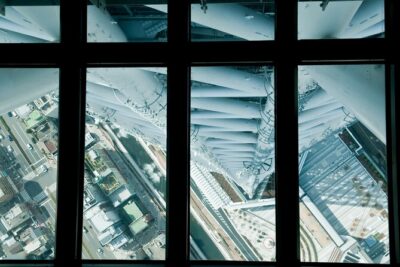
Tokyo Skytree Admission Ticket with Tembo Deck and Galleria
Read our review →
1 Day Bus Tour with Meiji-Jingu,Odaiba,lunch&Skytree
Read our review →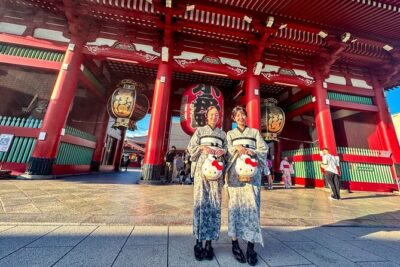
Full Tokyo: Meiji Shrine, Imperial Palace, Asakusa & Skytree
Read our review →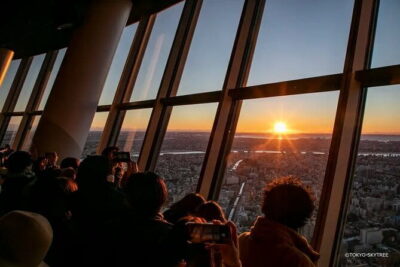
Browse the lists this tour appears in