
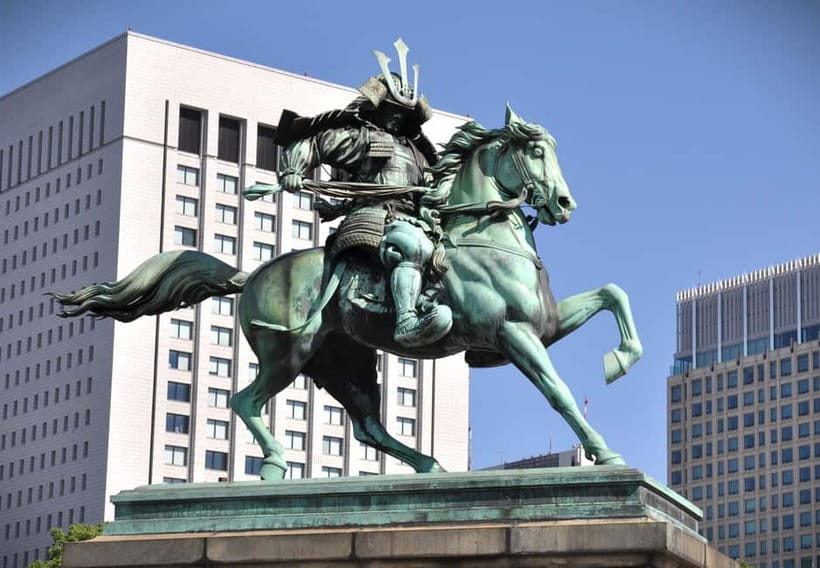
Reviewed · TOKYO SAMURAI AND NINJA EXPERIENCES
Tokyo: Samurai History Walking Tour
Tokyo’s samurai story stretches from the warrior class’s rise in the 900s to its fall in 1868. This four-hour tour gives that long story a useful shape, taking you from Taira no Masakado’s Grave to Edo Castle and finally to the 47 Ronin at Sengaku-ji.
I like the way the tour uses real places instead of treating samurai history as movie material. I also like the small-group format and guide John’s clear, friendly approach. The drawback is simple: this is a fairly long walk, with public transport added between sites, and there is no planned food stop.
Key points at a glance
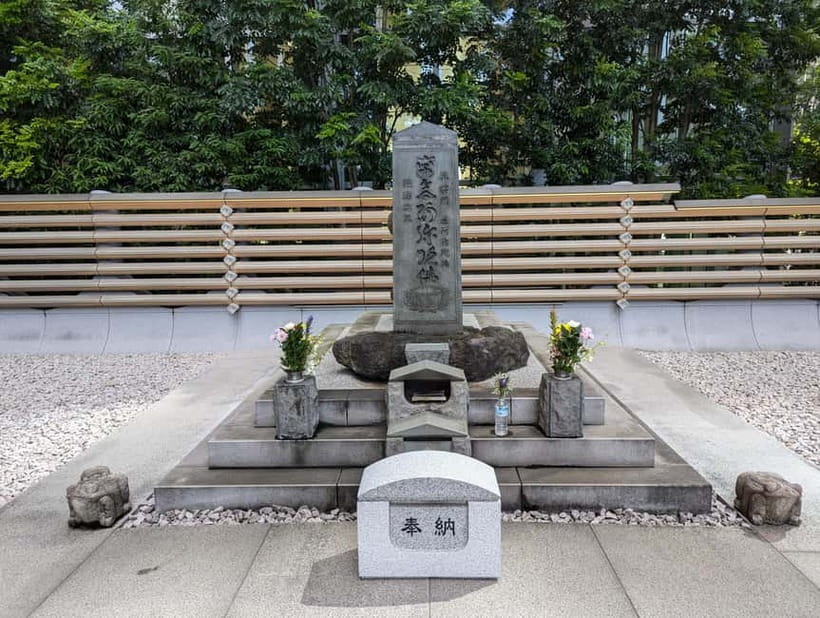
- Follow the samurai story across three major eras: See places linked to the warriors’ beginnings, their rule from Edo Castle, and their final chapter in 1868.
- Start at Marunouchi Square: Meet outside the Marunouchi Central Exit of JR Tokyo Station, an easy location to reach.
- Spend 105 minutes at Edo Castle: The East Gardens offer the longest and most detailed stop on the tour.
- Visit the 47 Ronin graves at Sengaku-ji: You can pay separately for the cemetery and museum if you want more context.
- Expect about 400 yen in transport costs: Public transport gives your legs a break, but it is not included in the $33 tour price.
- Bring a snack and comfortable shoes: The tour generally does not stop for a meal and is not suitable for wheelchair users.
Why this tour works for understanding samurai history
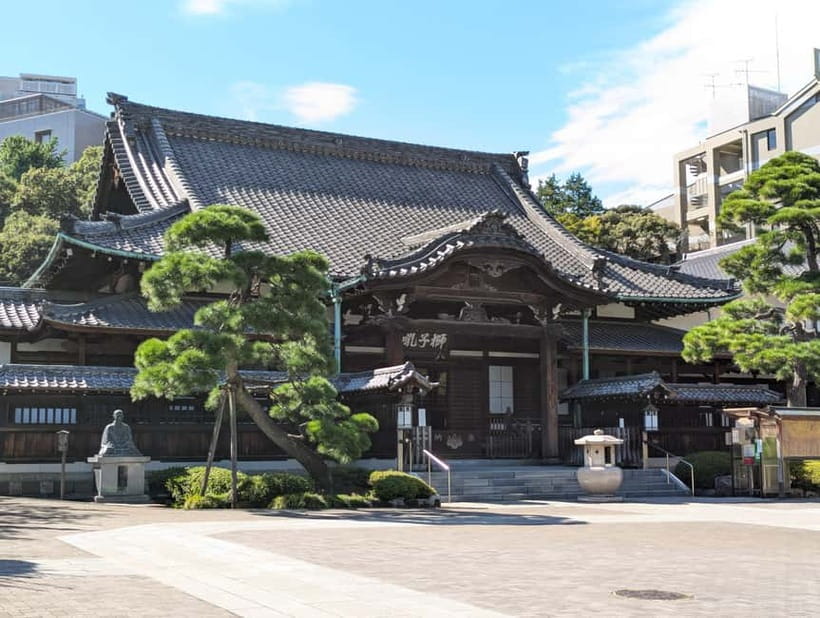
Samurai stories often arrive in tidy packages: loyal warriors, strict honor, dramatic sword fights, and a noble final stand. The more useful question is how these warriors came about, how their role changed, and why their rule ended.
That is the promise of this tour. You move through places connected to different periods rather than staying in one museum or temple. The route lets you connect the early rise of samurai power with the political center at Edo Castle and the famous 47 Ronin story at Sengaku-ji.
I like this approach because the sites give the discussion some weight. You are not simply hearing names and dates in a classroom. You are seeing the remains of Edo Castle, visiting a grave associated with Taira no Masakado, and standing at a temple tied to one of Japan’s best-known tales of loyalty and revenge.
The tour is led in English by John, who is described as friendly and very well informed about Japanese history and culture. His style appears to suit both adults and families with teenagers. He is also willing to answer questions, which matters on a subject where a good conversation can be more useful than a fixed speech.
More Tokyo samurai and ninja experiences:
- Tokyo: Samurai Ninja Museum Guided tour and Experience
★ 4.6 · 1,010 reviews - Tokyo: Samurai Sword & Archery Class from Samurai Descendant
★ 5.0 · 603 reviews - Best Samurai Experience in Tokyo
★ 5.0 · 458 reviews
Meeting John outside Tokyo Station
The tour begins at Marunouchi Square, outside the Marunouchi Central Exit of JR Tokyo Station. This is a practical starting point, though Tokyo Station can feel large and confusing if you have just arrived in the city.
Your guide will send a Google Maps link to his location on the day of the tour. Check your email and the GetYourGuide app for messages, and watch for a bald white male guide, which is the identifying description provided for John.
If your hotel is within a reasonable distance of Tokyo Station, John may be able to meet you there and walk with you to the start. This is available for only one group on the tour, so treat it as a possibility rather than a guaranteed hotel pickup.
Marunouchi Square is a good place to begin. The setting gives you a quick look at Tokyo’s modern business core before the tour turns toward older political and military stories. You get your bearings, meet the guide, and begin with a city view that makes the historical contrast clear.
Taira no Masakado and the early samurai story
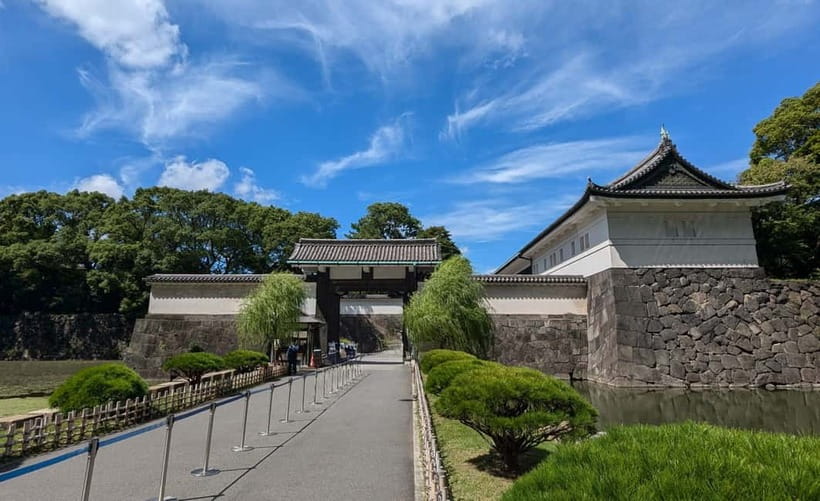
The tour includes Taira no Masakado’s Grave, a site linked to the beginning of samurai history in the 900s. The supplied tour description presents this part of the route as a way to examine how the samurai came into being, rather than treating them as a permanent and unchanging class.
That distinction is important. You will hear about samurai as a force that developed over time, not simply as men in armor who appeared fully formed. John’s role here is to explain the shift from the early period through the later centuries and to question the familiar image of the samurai as either perfect gentlemen or ordinary thugs.
The grave itself is likely to appeal most to visitors who enjoy small historical sites with a strong story. It is not presented as a grand attraction. Its value comes from the connection to a major figure and from the explanation around it.
This is one reason I would choose the tour over trying to assemble the same history alone. A small site can be easy to miss, and without context you may not understand why it matters. With a guide, the stop becomes part of a larger story about the growth of warrior power.
Edo Castle’s East Gardens in a 105-minute visit
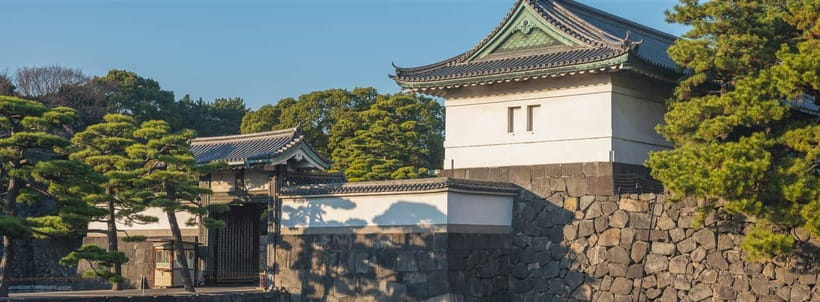
Edo Castle is the longest stop, with about 105 minutes of guided time. Today, you visit the Tokyo Imperial Palace East Gardens and the surviving castle ruins rather than a fully preserved feudal fortress.
That makes the stop more about reading the site than walking through palace rooms. The ruins help you picture Edo as the center of political authority during the period when the samurai class held power. John can connect the physical remains to the wider story of rule, status, and the structure of Japanese society.
The long visit is a strength. A quick photo stop would not give you enough time to understand the grounds or ask questions. Ninety minutes or more allows the guide to explain the site without rushing every point.
It is also the part of the tour where comfortable footwear matters most. You will be outside and walking for a substantial stretch. The tour description does not give a precise total distance, so anyone who tires easily should take the warning seriously. Extra rests can be arranged for people who need them, but this is not a seated sightseeing experience.
The East Gardens also provide a useful change of pace after the opening discussion. Instead of thinking about samurai only through individual heroes, you can consider the institutions and power center that shaped their world.
More Tokyo walking tours:
- Tokyo Tsukiji Fish Market Food and Culture Walking Tour
★ 5.0 · 3,184 reviews - Tokyo: Imperial Palace and Shogun Historical Walking Tour
★ 5.0 · 2,251 reviews - Tokyo: Shinjuku Local Bar and Izakaya Guided Walking Tour
★ 4.9 · 1,794 reviews - Tokyo: Tsukiji Fish Market Food and Walking tour
★ 5.0 · 1,724 reviews
Sengaku-ji and the 47 Ronin
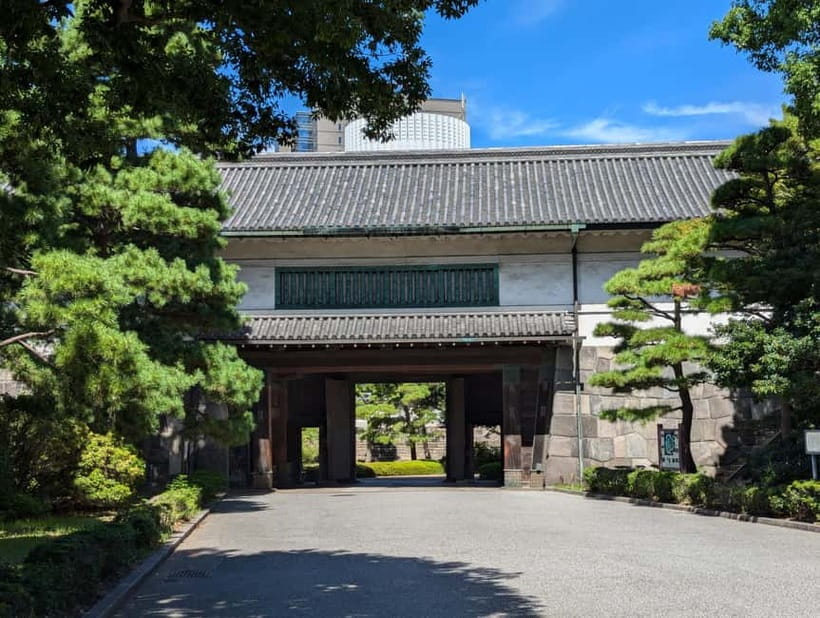
The final major stop is Sengaku-ji, the temple associated with the graves of the 47 Ronin. You spend about an hour here, giving the guide time to explain the story and its place in Japanese memory.
The 47 Ronin are among the most famous figures connected with samurai loyalty. The tour does not present the tale as a simple morality play. Its wider goal is to examine the ideas of honor, duty, and warrior identity, and to ask how much of the popular image matches the historical record.
You can pay separately to enter the cemetery and museum. The cemetery costs 300 yen, and the museum costs 500 yen. Those charges are not included in the $33 tour price, so bring some extra yen if you want the full visit.
The cemetery is the key draw for many people, while the museum offers additional material for those who want more background. You do not have to pay for both. If you are watching your budget, ask John which part best fits your interests before paying.
Ending at Sengaku-ji works well. The tour begins with the early development of samurai power, moves through the center of Edo rule, and finishes with one of the best-known stories tied to samurai conduct. From there, the tour ends at Takanawa Gateway Station.
Public transport keeps the route manageable
Although this is sold as a walking tour, you will use public transport occasionally. The reason is practical: the sites are not all next door to one another, and riding between them gives your legs a break.
Transport costs about 400 yen per person and are not included. That is a small extra cost, but you should budget for it in advance. The route ends at Takanawa Gateway Station, so you will not return to Tokyo Station at the end.
Using trains or other public transport also makes the tour feel more like a real day in Tokyo rather than a sealed sightseeing bubble. At the same time, changing from walking to transit adds a little movement and coordination. Stay close to the group and keep your ticket or transit card ready.
The tour lasts four hours. That is enough time for three historical stops, but not enough for a relaxed meal or long independent browsing at each location. If you want to linger at Sengaku-ji or explore the East Gardens at your own pace, plan a separate visit.
What the $33 price really covers
At $33 per person, the tour offers a reasonable deal if you want a guide to connect several historical places. The price covers the guide fee and an English-speaking guide, with private or small-group arrangements available.
You still pay about 400 yen for public transport. At Sengaku-ji, the cemetery and museum cost another 300 yen and 500 yen, respectively, if you enter both. The possible add-ons are modest, but the full cost is higher than the headline price.
The value comes from the interpretation. Taira no Masakado’s Grave and castle ruins may not mean much when seen without explanation. John’s job is to show how the stops relate to one another and to answer questions as the story develops.
I would consider this good value for someone who wants history, not just landmarks. It is less attractive if you prefer to move quickly, take photos, and spend little time listening. You are paying for four hours of guided context as much as for access to the places themselves.
Who will enjoy this walk most
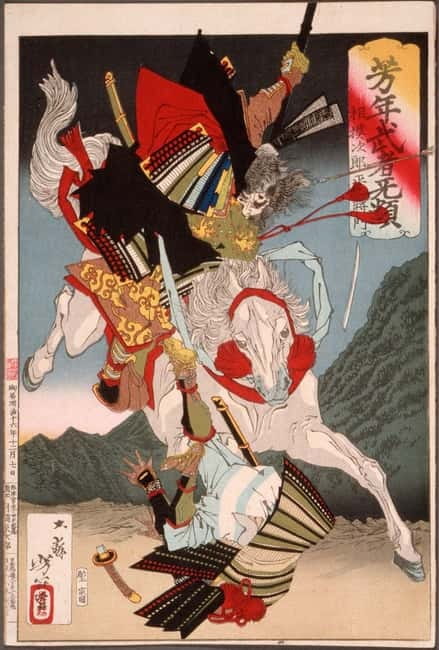
This tour suits you if you have a real interest in Japanese history, especially the political and social role of the samurai. It should also work well for families with older children or teenagers. John’s explanations have been described as accessible enough to keep a teenage group satisfied, while still giving adults plenty to discuss.
It is a good choice for a first visit to Tokyo if you want one focused history morning or afternoon. The route gives you a clear subject and a fixed structure, which can be easier than trying to understand samurai history through scattered independent visits.
You should think twice if you tire easily, dislike public transport, or need step-free access. The tour is not suitable for wheelchair users, and it is not recommended for people over 95. Extra rests are possible, but the basic format remains active.
Bring water, comfortable shoes, and a small snack from a convenience store. The tour generally does not stop for food, so you may need to eat while moving between sites. That is not a major problem, but it is easy to forget when booking a four-hour experience.
A practical choice for an English-speaking history tour
The strongest part of this experience is its focus. You are not being shown every famous corner of Tokyo. You are following one question: what were the samurai, how did they rise, and how did they disappear?
John’s role is central. His broad knowledge of Japanese history and culture, friendly manner, and willingness to answer questions make the tour more flexible than a recorded audio guide. The private or small-group format should also make it easier to ask for clarification or take a short rest.
The main compromises are the walking, extra costs, and limited time for food. The opening meeting point can also require careful attention to messages because Tokyo Station is large, and the exact meeting position is sent by Google Maps on the day.
Book this tour if you want a clear, guide-led explanation of samurai history tied to real Tokyo sites. Skip it if you want a slow temple visit, a meal-focused outing, or a fully accessible route. For history-minded visitors who can handle four hours on foot, it offers a focused way to connect early samurai history, Edo Castle, and the 47 Ronin in one outing.
FAQ
How long does the samurai history walking tour last?
The tour lasts four hours.
Where does the tour begin?
It begins at Marunouchi Square, generally outside the Marunouchi Central Exit of JR Tokyo Station.
Where does the tour finish?
The tour finishes at Takanawa Gateway Station.
Which historical sites are included?
The route includes Taira no Masakado’s Grave, Edo Castle ruins in the Tokyo Imperial Palace East Gardens, and Sengaku-ji, the site associated with the 47 Ronin graves.
Is public transport used during the tour?
Yes. Public transport is used occasionally to rest your legs and connect the walking sections.
How much does public transport cost?
Transport costs about 400 yen per person and is not included in the tour price.
Are Sengaku-ji’s cemetery and museum included?
No. Entry costs 300 yen for the cemetery and 500 yen for the museum.
Is food included?
No. The tour generally does not stop for food. Bringing a snack from a convenience store is recommended.
Is the tour suitable for wheelchair users?
No. The experience is not suitable for wheelchair users.
Is the tour available as a private experience?
Yes. Private and small-group options are available, with an English-speaking live guide.
More history and heritage tours in Tokyo
- Tokyo: Imperial Palace Japanese History Walking Tour
★ 4.9 · 987 reviews - Tokyo: Shinjuku Historical Walking Tour & Secret Backstreets
★ 5.0 · 530 reviews - Yanaka Walking Tour: Historic and Traditional District of Tokyo
★ 5.0 · 530 reviews - Mt. Fuji Heritage Tour: Traditional Villages, Lakes & Shrine
★ 4.5 · 509 reviews
Newly reviewed around Tokyo
- Tokyo Asakusa:Calligraphy & Make T-shirt Activity★ 5.0 · 62 reviews
- Intercity Shuttle, Tokyo to Haneda /Narita /Yokohama /Makuhari★ 5.0 · 5 reviews
- 1 Hour Travel around Tokyo with a Professional Photographer★ 5.0 · 3 reviews
- Travel Tokyo with Your Own Personal Photographer★ 5.0 · 43 reviews
- Shuttle Van 6hr Tokyo Tour to-and-from Tokyo, Yokohama and Narita★ 5.0 · 9 reviews
- Kickboxing & Body Training with EX-Pro Fighter★ 5.0 · 4 reviews
- Train in Samurai Swordsmanship and Defeat the Demon in Tokyo★ 5.0 · 5 reviews
- Traditional Japanese Knife Sharpening Class★ 5.0 · 18 reviews
Tokyo Samurai and Ninja Experiences, compared.
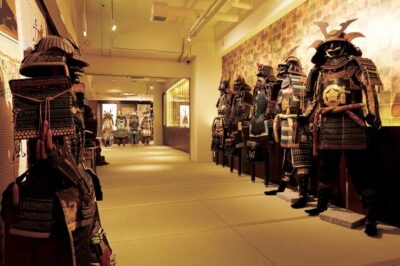
Samurai Ninja Museum Guided tour and Experience
Read our review →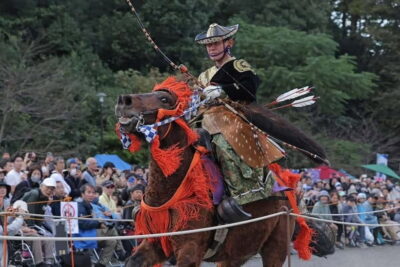
Samurai Sword & Archery Class from Samurai Descendant
Read our review →

Ninja Experience (Family Friendly) at Samurai Ninja Museum TOKYO
Read our review →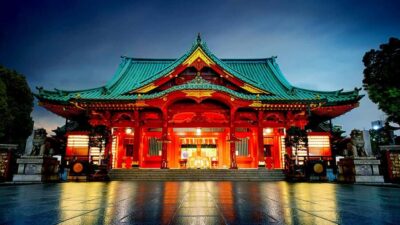
Samurai Entertainment Night Show in Kanda Shrine
Read our review →
Tokyo Sword Experience – includes Museum Ticket/Ninja Experience
Read our review →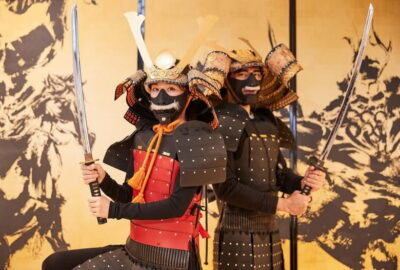
Samurai Ninja Museum Asakusa: Samurai Sword Lesson & Tour
Read our review →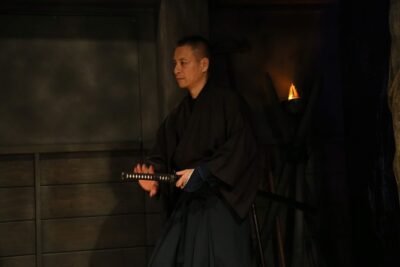
Ninja Samurai 2-hour hands-on lesson by Japanese master in Tokyo
Read our review →Browse the lists this tour appears in