
Reviewed · TSUKIJI AND TOYOSU FISH MARKET TOURS
Tokyo’s Kitchen: Tsukiji Market Food & Culture Walk
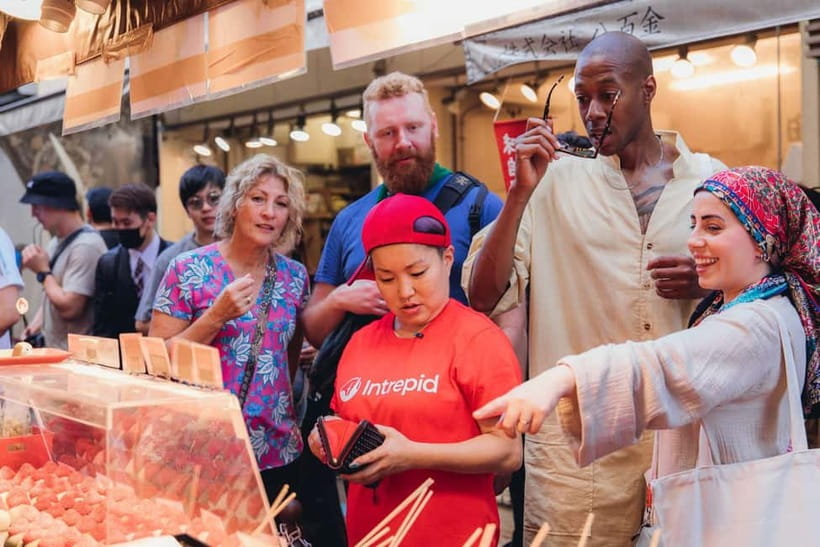
Tsukiji is best understood with someone who knows which stall to enter and what you are looking at. This small-group walk turns a maze of seafood counters, sweets, tea, beef, and cooking supplies into a guided tasting tour, with local guides such as Mikki, Oku, Mihori, Shino, and Yumi bringing their own stories and vendor connections.
I like the generous range of tastings, from sushi and sashimi to tamagoyaki, matcha, dashi, wagashi, and seasonal snacks. I also like the calm cultural thread, which links the market to Kabuki Inari Shrine and Namiyoke Inari Jinja. The trade-off is that Tsukiji is crowded, sometimes wet, and this is a market walk rather than a behind-the-scenes tour of wholesale operations.
Key points at a glance
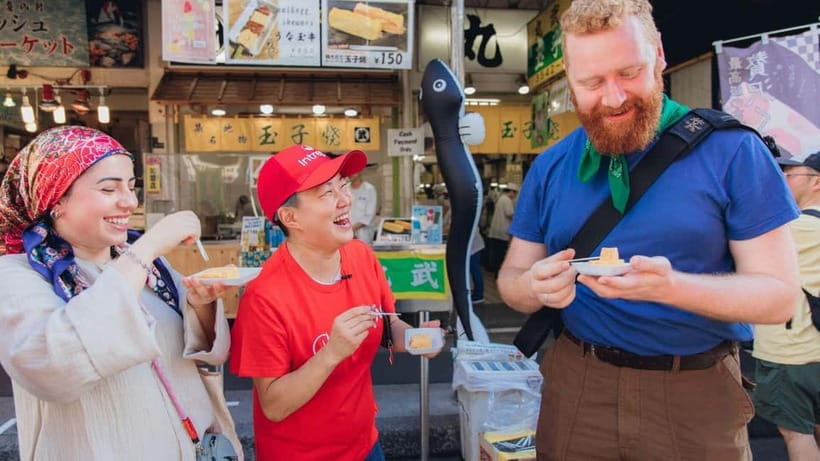
- Tiny groups make Tsukiji easier: The tour is limited to six people, so your guide can answer questions and keep everyone together in tight lanes.
- Come hungry, but not too hungry: Tastings can include sushi, sashimi, tamagoyaki, Kobe beef, sweets, tea, and sake.
- The market has moved, but the culture remains: The famous tuna auction is now at Toyosu, while Tsukiji Outer Market continues as a food district for shops and prepared foods.
- Shrines give the morning a quiet pause: Kabuki Inari Shrine and Namiyoke Inari Jinja connect market life with simple Japanese customs.
- Guides make the difference: Past tours have been led by Mikki, Oku, Mihori, Shino, Yumi, Kyou, and others, with strong praise for their warmth and local contacts.
- Wear practical shoes: Market floors may be wet, and closed-toe shoes are recommended.
Tsukiji is more than a fish market
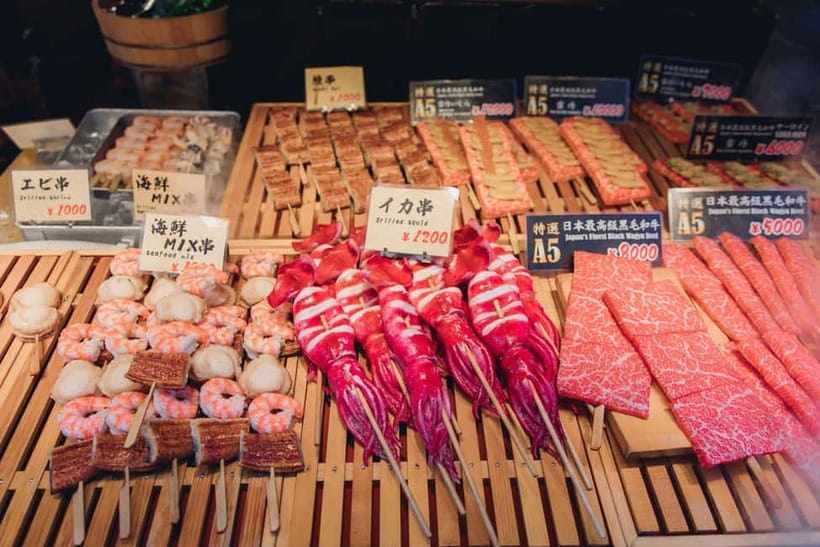
The famous tuna auction left Tsukiji for Toyosu, but that does not make the old district a leftover attraction. Tsukiji Outer Market still works as Tokyo’s neighborhood food counter, shopping street, and meeting place. You will find seafood, knives, tea, soy products, dried ingredients, sweets, meat, and ready-to-eat food packed into a compact area.
That mix is what makes this tour useful. On your own, you can walk through the market and enjoy the smells and colors, but it is easy to miss the point of what you are seeing. A guide can explain why one tamagoyaki shop draws a line, how dashi fits into everyday cooking, or why a tiny shrine matters to people who work around food.
The group limit of six matters here. Tsukiji’s lanes can be crowded, and a large group would spend much of the morning waiting at corners. In a tiny group, you can hear the guide, ask about unfamiliar foods, and pause without losing everyone.
More Tsukiji and Toyosu fish market tours:
- Tokyo Tsukiji Fish Market Food and Culture Walking Tour
★ 5.0 · 3,184 reviews - Tokyo: Tsukiji Fish Market Food and Walking tour
★ 5.0 · 1,724 reviews - Tokyo: Tsukiji Fish Market Guided Walking Tour
★ 4.9 · 1,397 reviews
Meeting at Kabukiza and beginning with a shrine
The tour starts at Higashi-ginza Station, Exit 3, at street level in front of the Kabukiza Theatre. Look for the small shrine and torii gate on the Harumi Street side. This is a practical meeting point, but allow time to find the correct station exit and reach the street.
The first stop is Kabuki Inari Shrine. It is a short cultural introduction before the food begins. Your guide explains basic Japanese shrine behavior, including how to show respect and take part in simple rituals. You do not need prior knowledge or special clothing. The point is to help you understand what you are seeing rather than turn the visit into a formal religious lesson.
This opening also gives the walk some shape. You are not simply moving from one snack to another. The route begins by showing how food, work, performance, and spiritual practice overlap in Tokyo.
Entering Tsukiji Outer Market with a local guide
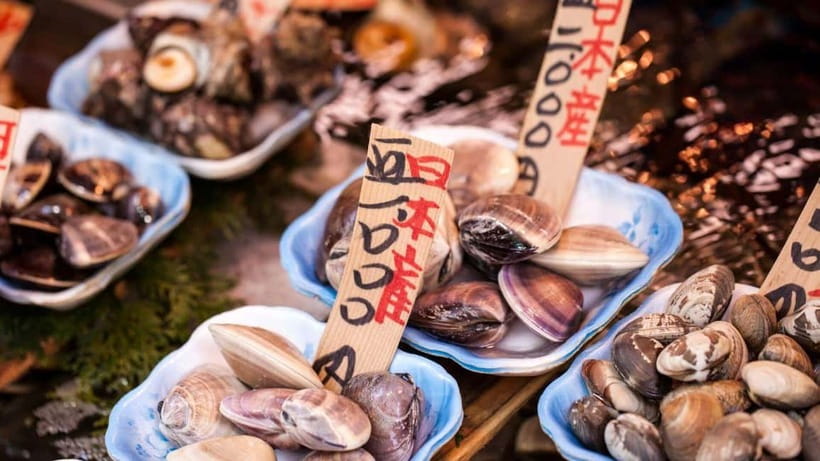
From the shrine, the route heads toward Tsukiji Outer Market. The market can feel like a lot at first: narrow paths, shop signs, fresh seafood, sizzling food, and customers stopping to buy something for home. Your English-speaking guide acts as a translator and interpreter, helping you understand both the products and the way the market operates.
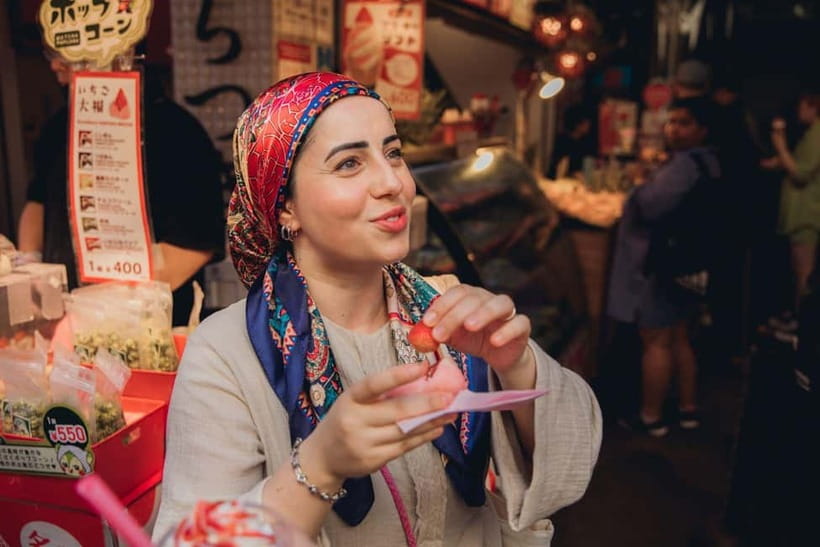
The strongest part of the experience is the range. Tastings are not limited to one sushi plate. Depending on the day and the group’s preferences, you might sample fresh sushi or sashimi, grilled or skewered foods, tamagoyaki, Kobe beef, soybeans, matcha, dashi, seasonal wagashi, and other Japanese snacks.
The exact menu is not fixed, since this is a working market and availability changes. That is a good thing in one sense. You are tasting what is available rather than receiving a standard buffet prepared far from the market. It also means you should treat the food list as a guide, not a promise that every named item will appear on every tour.
Several guides have used small visual aids such as photos, maps, and models to explain unfamiliar foods and market customs. That can be especially helpful if you do not know the difference between types of Japanese sweets, have never seen tamagoyaki being made, or want to understand how dashi is used.
The tastings: sushi, tamagoyaki, sweets, and more
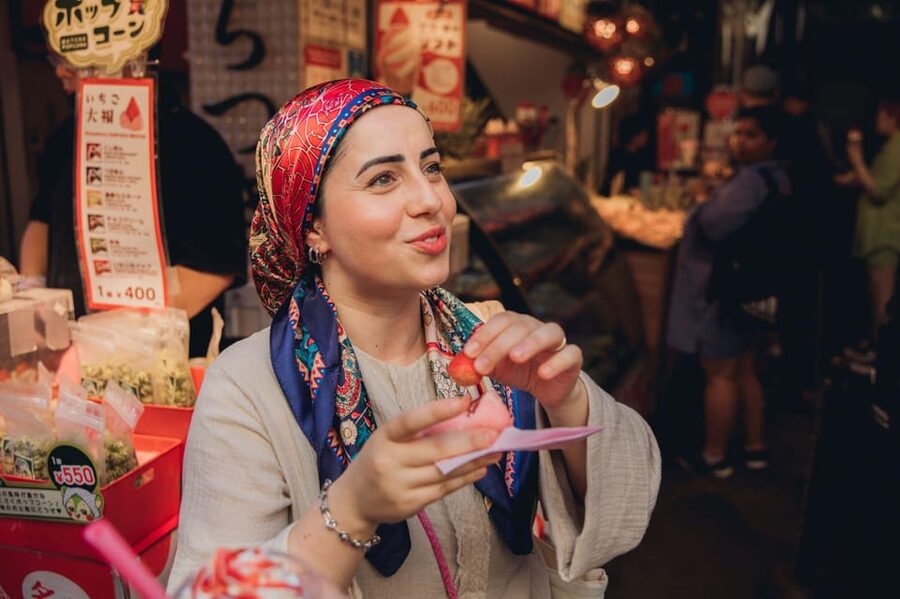
This is a morning food tour, so do not eat a full breakfast beforehand. At the same time, arriving with an entirely empty stomach may not suit you if you are unused to rich or unfamiliar foods. The portions are described as small, but the number of samples can add up.
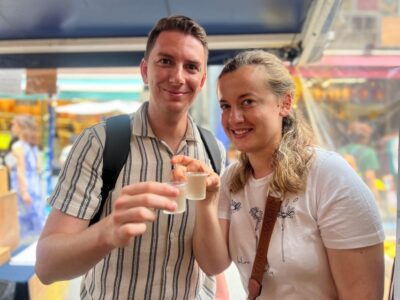
Sushi and sashimi are the main reason many people book the walk. The final tasting can include a generous serving of fresh sushi, and one guide has included a shared food moment with sashimi and sake. Another guide had the group grind its own wasabi, which gives you a more direct sense of the ingredient than simply receiving a dab beside your fish.
Tamagoyaki is another highlight. The sweet rolled omelet is common in Japanese food culture, but watching how it is made and tasting it fresh makes it more memorable. You might also try dashi, the stock that supports much Japanese cooking, along with tea, matcha, soy products, or unusual drinks such as pepper cola tea.
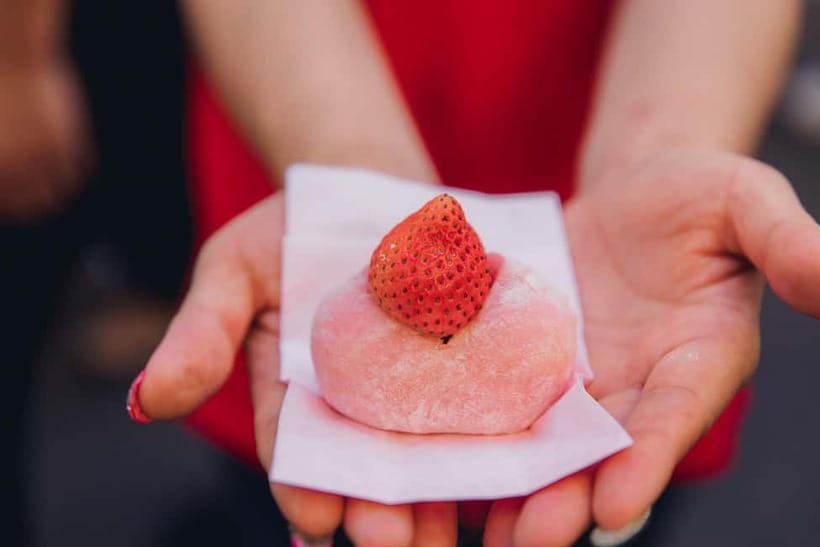
Wagashi adds a seasonal and artistic side to the meal. These Japanese sweets are tied to the time of year and to careful craftsmanship. They balance the seafood tastings and help you see the market as more than a place for raw fish.
Alcohol may be included in the form of sake for people aged 20 and over. Anyone under 20 receives a non-alcoholic option. Extra food and drinks are not included, so you should carry some spending money if you see something you want to buy after the guided tastings.
More Tokyo food tours:
- Tokyo: Shinjuku Food Tour (13 Dishes at 4 Local Eateries)
★ 5.0 · 6,603 reviews - Tokyo: Shinjuku Food Tour (15 Dishes and 4 Eateries)
★ 4.9 · 2,033 reviews - Best of Shinjuku: Izakaya Food Tour (4 Stops, 14+ Tastings)
★ 5.0 · 1,863 reviews - Eat and Drink Like a Local: Tokyo Ueno Food Tour-Taverns&Ramen
★ 5.0 · 957 reviews
Meeting the vendors, not just looking at stalls
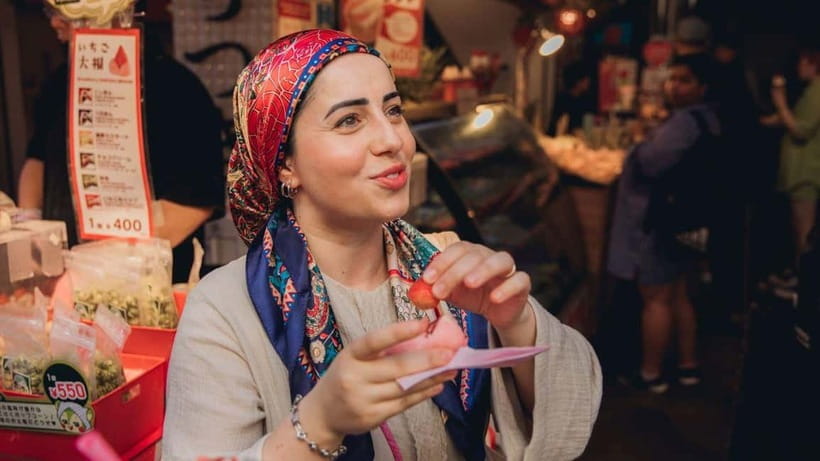
One of the best reasons to choose this walk over a self-guided visit is the relationship between the guides and the shopkeepers. Guides such as Oku and Shino have been praised for friendly contacts in the market, which can make the visit feel more natural and less like a series of transactions.
That does not mean you get access to every private work area. The tour is designed around tasting and explanation, not a wholesale-market inspection. One fair criticism is that you may want more behind-the-scenes detail about the working side of Tsukiji. The former wholesale tuna auction is not part of this route, and the market’s most active business may be happening around you rather than being presented as a formal show.
Still, the vendor connections have real value. Your guide can help you approach a stall politely, explain what is being sold, and keep the group from blocking a narrow passage. You get a better sense of the people behind the counters, not just photographs of food.
Namiyoke Inari Jinja and the market’s spiritual side
The route includes Namiyoke Inari Jinja, a historic shrine close to the market. This is where the food story gains a deeper cultural frame. Your guide explains the links between Buddhist beliefs, Shinto customs, and the daily life of Tsukiji.
The shrine visit is not long, but it changes the pace. After the noise and food stalls, a quiet stop helps you notice that the market is also a community with its own traditions and protective rituals. You learn the basic gestures used to show respect, then connect those customs to the people who work with seafood and food preparation every day.
This is a useful part of the tour for first-time visitors to Japan. Shrine etiquette can seem confusing when you are watching from the side, and a few clear instructions are enough to make the setting feel more approachable. You are not expected to perform perfectly. You are simply shown how to behave respectfully.
Why the sushi history matters
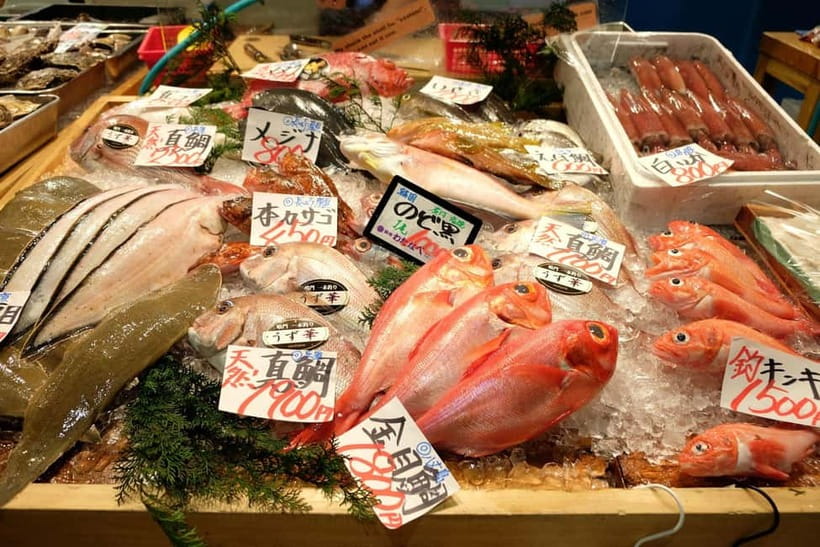
Sushi is often treated as a single famous Japanese dish, but its story is tied to preservation, trade, changing tastes, and city life. The guide explains how sushi developed and how Tsukiji became associated with Tokyo’s seafood culture.
The move of the famous tuna auction to Toyosu is important context. Tsukiji no longer holds that auction, yet the Outer Market continues to serve shops, cooks, restaurants, and people looking for fresh ingredients. Understanding this difference prevents a common disappointment: you should not book this tour expecting to watch the old wholesale auction.
Instead, think of Tsukiji as the public-facing food district that remains. You are seeing the market’s retail and prepared-food side, with a guide filling in the history and customs that signs alone cannot explain.
How much value do you get for $80?
At $80 per person, this is not the cheapest way to eat in Tsukiji. If your only goal is to buy one sushi breakfast, you can spend less by choosing a shop on your own. The price makes more sense when you count the number of tastings, the English guidance, the shrine visits, the small group, and the time saved figuring out what to order.
A three-hour walk gives you enough time to sample many foods without rushing from one counter to the next. The maximum of six people is also valuable in a market where space is tight. In some departures, the group has been smaller, even just two or three people, which allows for more questions and personal attention.
The tour suits you best if you want a guided introduction rather than a simple meal. It is less useful if you already know Tsukiji well, prefer to choose every dish yourself, or mainly want access to wholesale operations.
Weather, food needs, and practical comfort
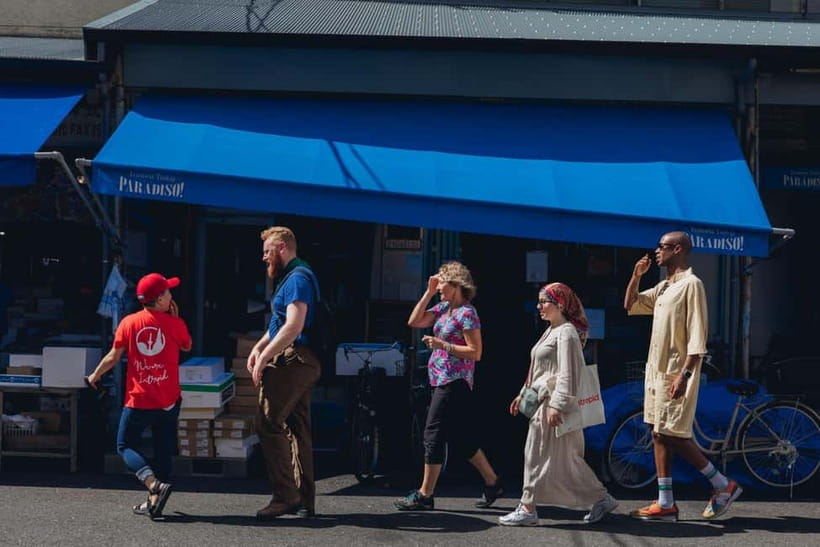
Wear closed-toe shoes with a good grip. The market floor may be wet, and sandals are not the smart choice here. The walk takes place in the morning, so bring a light layer suited to the season and be ready for changing weather.
Vegetarian and vegan options are available where possible, but choices may be limited because the tour takes place in a seafood-centered market. Tell the provider about dietary needs when you book. The same advice applies to allergies and strong food preferences, since the guide may be able to adjust the route or tastings if given notice.
The tour is family-friendly, and children age five and under join free. Anyone under 20 receives non-alcoholic alternatives instead of sake. Keep in mind that food stalls, crowds, and wet flooring may be tiring for very young children, even though the age policy allows them to attend.
Rain can affect the experience. One departure was made less comfortable by rain and wind, so bring suitable protection and avoid assuming that a market morning will be dry. The route remains possible in poor weather, but the open-air setting means conditions matter.
Who should book this Tsukiji walk?
I would choose this tour for a first morning in Tokyo, especially if you want food to help you get oriented. It gives you a practical look at Japanese ingredients, eating customs, shrine etiquette, and daily market life in one compact outing.
It is also a good match for cautious eaters. You can try small portions with a guide explaining what is in front of you, and you can ask questions before ordering. People who enjoy photography, food history, and local encounters will have plenty to notice, though you should be considerate of shopkeepers and avoid blocking work areas.
You may want a different experience if your main aim is the old tuna auction, a long sit-down sushi meal, or a formal cooking class. You may also find the pace less satisfying if you want to browse and shop independently for the full three hours.
Should you book it?
Book this tour if you want Tsukiji explained, not just visited. The strongest features are the small group, the wide food selection, the friendly vendor relationships, and the way the shrines connect the market to Japanese customs.
At $80, the value depends on how much you would otherwise spend on separate tastings and how much help you want choosing food. For most first-time visitors, the guide is the key reason to pay the premium. Wear sensible shoes, skip a large breakfast, share your dietary needs in advance, and arrive ready to taste several small portions. If that sounds like your kind of morning, this is a well-focused introduction to Tokyo’s food culture.
FAQ
Where does the Tsukiji food tour meet?
Meet at Higashi-ginza Station, Exit 3, serving the Tokyo Metro Hibiya Line and Toei Asakusa Line. The meeting point is at the top of the escalator at street level, in front of Kabukiza Theatre on the Harumi Street side, beside the small shrine and torii gate.
How long does the experience last?
The tour lasts three hours. Starting times vary, so check availability when booking.
How many people can join the tour?
The group is limited to six participants. Some departures may have fewer people.
What food and drinks are included?
Included tastings can feature fresh sushi, sashimi, Japanese snacks, tamagoyaki, seasonal wagashi, tea, and other market foods. Sake may be offered to participants aged 20 and over. Additional food and drinks are not included.
Can vegetarians and vegans join?
Vegetarian and vegan options are available where possible, but choices may be limited because Tsukiji is a seafood-focused market. Share dietary restrictions in advance.
Is the tour suitable for children?
Yes. Children aged five and under join free, but you should notify the provider when booking. Participants under age 20 receive non-alcoholic alternatives instead of alcoholic drinks.
What should I wear?
Closed-toe shoes such as sneakers are recommended because market floors can be wet. Prepare for outdoor conditions, including possible rain and wind.
More Tokyo walking tours
- Tokyo: Imperial Palace and Shogun Historical Walking Tour
★ 5.0 · 2,251 reviews - Tokyo: Shinjuku Local Bar and Izakaya Guided Walking Tour
★ 4.9 · 1,794 reviews - Tokyo: Asakusa Walking Tour with Sensoji Temple Visit
★ 4.8 · 1,583 reviews - Tokyo Castle & Imperial PalaceーShogun Walking Tour
★ 4.7 · 1,068 reviews
More Tokyo markets and shopping streets
- Tsukiji Fish Market Guided Tour and Sushi Making with Pro Chef
★ 5.0 · 775 reviews - Tokyo: Tsukiji Fish Market Food and Culture Walking Tour
★ 4.7 · 757 reviews - Tsukiji Fish Market: Street Food & Culture Walking Tour
★ 5.0 · 669 reviews - Tsukiji Fish Market Small-Group Food Walking Tour
★ 5.0 · 621 reviews
Newly reviewed around Tokyo
- Tokyo Asakusa:Calligraphy & Make T-shirt Activity★ 5.0 · 62 reviews
- Intercity Shuttle, Tokyo to Haneda /Narita /Yokohama /Makuhari★ 5.0 · 5 reviews
- 1 Hour Travel around Tokyo with a Professional Photographer★ 5.0 · 3 reviews
- Travel Tokyo with Your Own Personal Photographer★ 5.0 · 43 reviews
- Train in Samurai Swordsmanship and Defeat the Demon in Tokyo★ 5.0 · 5 reviews
- Shuttle Van 6hr Tokyo Tour to-and-from Tokyo, Yokohama and Narita★ 5.0 · 9 reviews
- Kickboxing & Body Training with EX-Pro Fighter★ 5.0 · 4 reviews
- Traditional Japanese Knife Sharpening Class★ 5.0 · 18 reviews
Tsukiji and Toyosu Fish Market Tours, compared.
Tokyo Tsukiji Fish Market Food and Culture Walking Tour
Read our review →
Tokyo Sushi Making Class in Tsukiji with Professional Chef
Read our review →
Tsukiji Fish Market Guided Tour and Sushi Making with Pro Chef
Read our review →Tsukiji Fish Market Food and Culture Walking Tour
Read our review →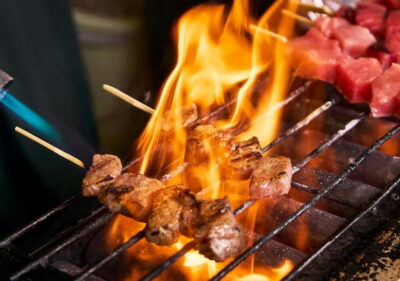
Tsukiji Fish Market: Street Food & Culture Walking Tour
Read our review →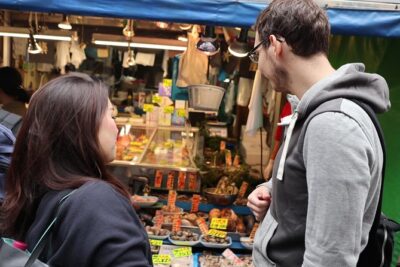
Tsukiji Fish Market Small-Group Food Walking Tour
Read our review →Browse the lists this tour appears in