
Reviewed · TOKYO WALKING TOURS
Yanaka District: Historical Walking Tour in Tokyo’s Old Town
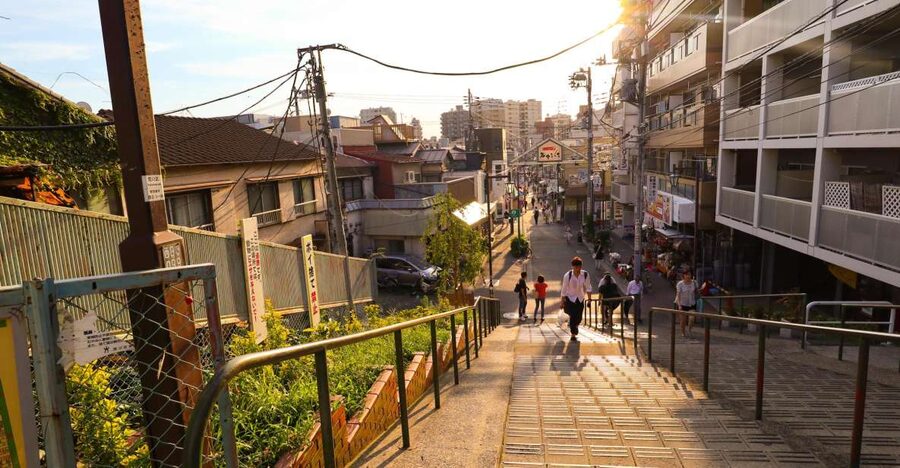
Yanaka gives you a side of Tokyo that neon-heavy districts cannot. The neighborhood survived World War II attacks and major earthquakes, so its narrow lanes, wooden buildings, temples, cemeteries, small shops, and local market still feel tied to an earlier Tokyo. I like the small group of seven or fewer and the way the walk mixes history with ordinary daily life. I also like the hour spent painting a Maneki neko, which gives your feet a rest and leaves you with a handmade souvenir.
The main drawback is the amount of walking. You will spend much of the 210 minutes on foot, some paths are not suitable for wheelchairs or strollers, and summer heat can be severe. The food stops are also not designed for every allergy or dietary restriction, so bring cash and set your expectations before you arrive.
Key points
- Nezu Shrine and red Torii gates: Learn how Shinto shapes Japanese shrine visits while photographing one of Tokyo’s most appealing religious sites.
- Quiet lanes and Hebimichi: See residential Yanaka, where the value lies in slow observation rather than grand monuments.
- Lucky-cat painting break: Spend about an hour at a local cafe with a drink, sweet treat, and your own Maneki neko craft.
- Yanaka Ginza food walk: Sample deli foods, sweets, and snacks along the shopping street most closely linked with old Tokyo.
- Personal guiding: Guides including Hina, Yoko, Kenji, Inok, Masae, and Ramesh have been praised for clear explanations, humor, photos, and practical Japan tips.
- Practical format: Meet outside Nezu Station Exit 1, carry cash, wear good shoes, and arrive on time.
Why Yanaka makes a smart change from central Tokyo
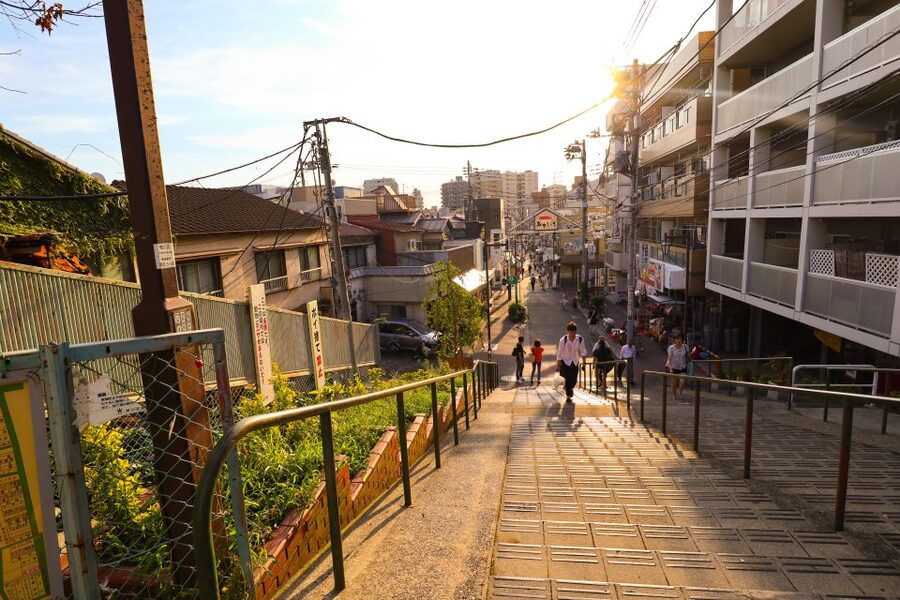
Tokyo can feel like a city of glass towers, giant crossings, and packed train stations. Yanaka offers another rhythm. The neighborhood is still in central Tokyo, but its streets are quieter and more human in scale. You pass homes, small workshops, shrines, old cemeteries, food stalls, and shops that serve local residents rather than chasing international crowds.
That is the real point of this tour. You are not simply checking off a famous building. You are watching how a traditional neighborhood works. Your guide explains what you are seeing, answers questions about Japanese culture, and helps you notice details that are easy to miss when walking alone.
The tour lasts three and a half hours, long enough to create a real sense of place without taking an entire day. The pace includes two extended walking sections and a seated craft break in the middle. That balance matters in Tokyo, where even a pleasant walk can become tiring after several hours.
The group limit of seven keeps the experience personal. Guides such as Hina, Yoko, Kenji, Inok, Masae, and Ramesh have been singled out for friendly conversation, clear English, flexible answers, and helpful travel advice. The exact guide depends on the departure, but the format is built around discussion rather than a speech delivered to a crowd.
More old Tokyo walks around Yanaka:
- The Old Quarter of Tokyo – Yanaka Walking Tour
★ 4.5 · 590 reviews - Yanaka Walking Tour: Historic and Traditional District of Tokyo
★ 5.0 · 530 reviews - Tokyo: Old Quarter Yanaka Walking Tour
★ 4.8 · 406 reviews
Starting outside Nezu Station
The meeting point is directly outside Tokyo Metro Nezu Station Exit 1. Take the stairs to street level and look for a guide holding a red or orange Magical Trip sign. This is a simple meeting point, but you should still allow time to find the correct exit and reach the station platform.
Punctuality matters here. If you arrive late and the group has already left, you cannot join later, receive a refund, or reschedule. Tokyo’s train system is efficient, but stations can take longer to navigate than expected, especially if you are changing lines.
Nezu is also a useful starting point because you begin near one of the district’s major cultural sights rather than spending the first part of the tour commuting. Bring cash from the start. Many small old shops do not accept credit cards, and you may want to buy additional food or souvenirs along the way.
Nezu Shrine and the meaning of the Torii gates
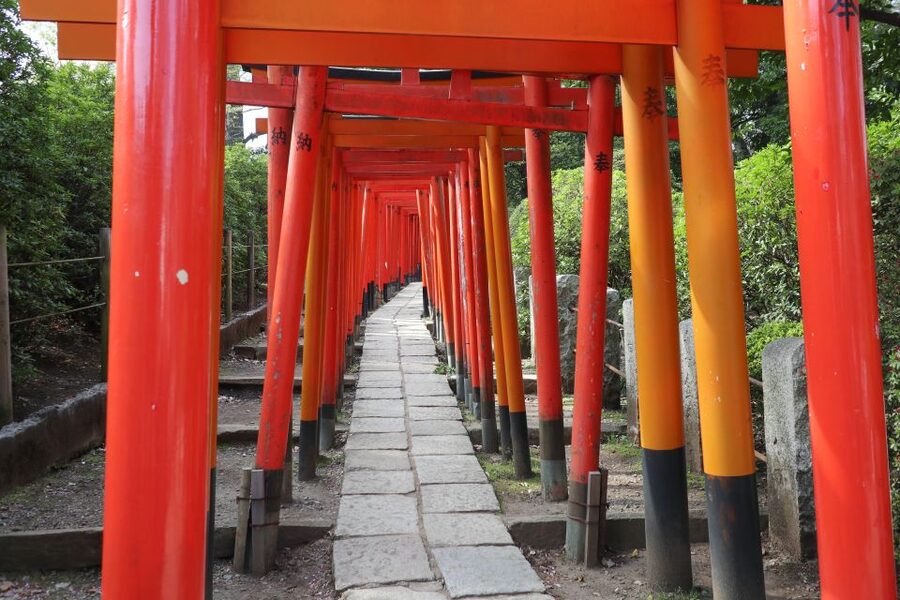
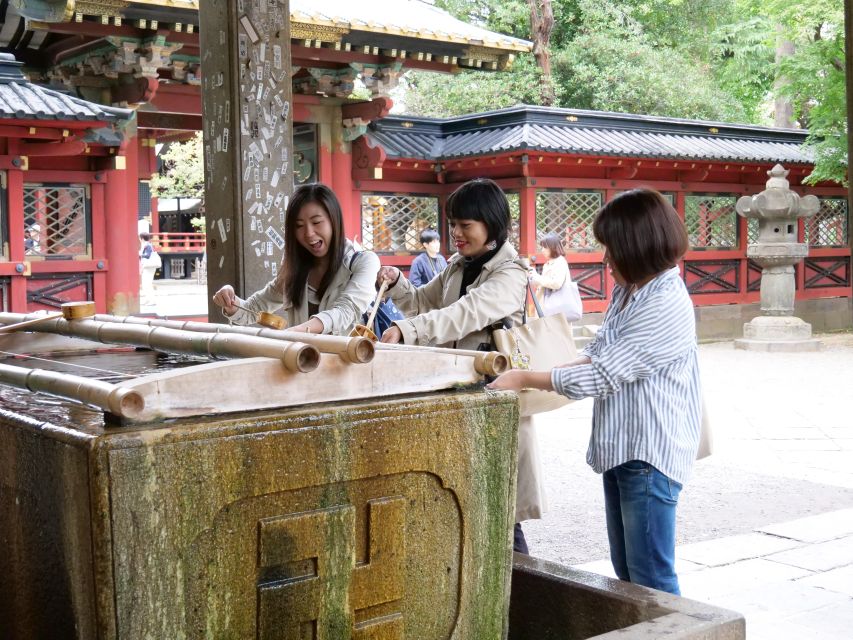
The first stop is Nezu Shrine, with about 20 minutes set aside for the visit. The bright red Torii gates make an immediate visual impression and provide one of the best photo settings on the route. The gates also offer a natural opening for your guide to explain Shinto, Japan’s traditional religion.
This is useful context even if you have already seen shrines elsewhere in Japan. Your guide can explain how to approach a shrine, what the gates represent, and how Shinto differs from other religious traditions in Japan. The value is not just the photographs. You begin to understand the customs you will encounter at other shrines during your trip.
Twenty minutes is enough for an introduction and photos, but it is not an exhaustive historical visit. If you want to study every detail of the shrine grounds at length, you may wish to return on your own. On the tour, the shrine works best as a clear cultural introduction before the group turns into Yanaka’s residential streets.
Several guides have been praised for making this part especially useful. Hina, for example, has been noted for answering questions about the cultural importance of what you see. One guide also helped visitors understand shrine practices well enough to feel more confident at later shrines.
Hebimichi and the quieter face of Tokyo
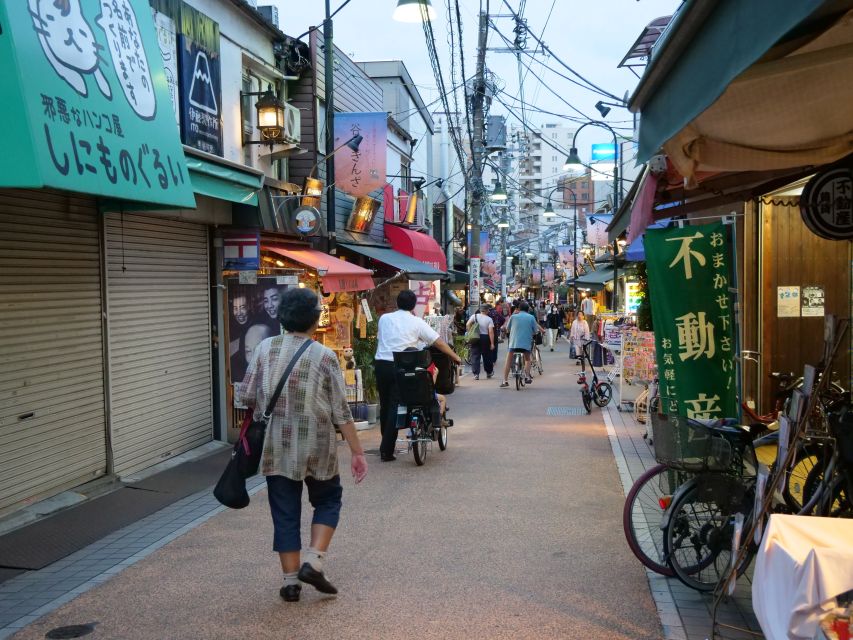
The route then moves through Hebimichi and nearby residential areas for roughly 45 minutes. This is where the experience leaves the major sight behind and becomes a neighborhood walk. Expect narrow streets, small local businesses, older homes, and the everyday movement of people who actually live in Yanaka.
The charm is subtle. There may not be one dramatic monument at every turn. Instead, you get the pleasure of seeing a part of Tokyo that has kept its older character because it avoided the worst destruction of war and earthquakes. Your guide supplies the context, pointing out how the district endured and explaining the stories behind the area.
This section is also where a local guide earns the tour fee. Guides have taken groups down streets they would not have discovered alone, answered spontaneous questions, and adjusted the conversation to match individual interests. If you care about architecture, ask directly about what is genuinely old and what has been rebuilt. One visitor wanted more detail about the district’s historical buildings, which is a fair reminder that the level of architectural discussion can depend on your guide and your questions.
The path is not a formal museum route. It is a walking tour through a living neighborhood. You should be comfortable with uneven or narrow sections and with walking at a steady pace. Comfortable shoes are essential.
More Tokyo walking tours:
- Tokyo Tsukiji Fish Market Food and Culture Walking Tour
★ 5.0 · 3,184 reviews - Tokyo: Imperial Palace and Shogun Historical Walking Tour
★ 5.0 · 2,251 reviews - Tokyo: Shinjuku Local Bar and Izakaya Guided Walking Tour
★ 4.9 · 1,794 reviews - Tokyo: Tsukiji Fish Market Food and Walking tour
★ 5.0 · 1,724 reviews
The old-house cafe and your lucky cat
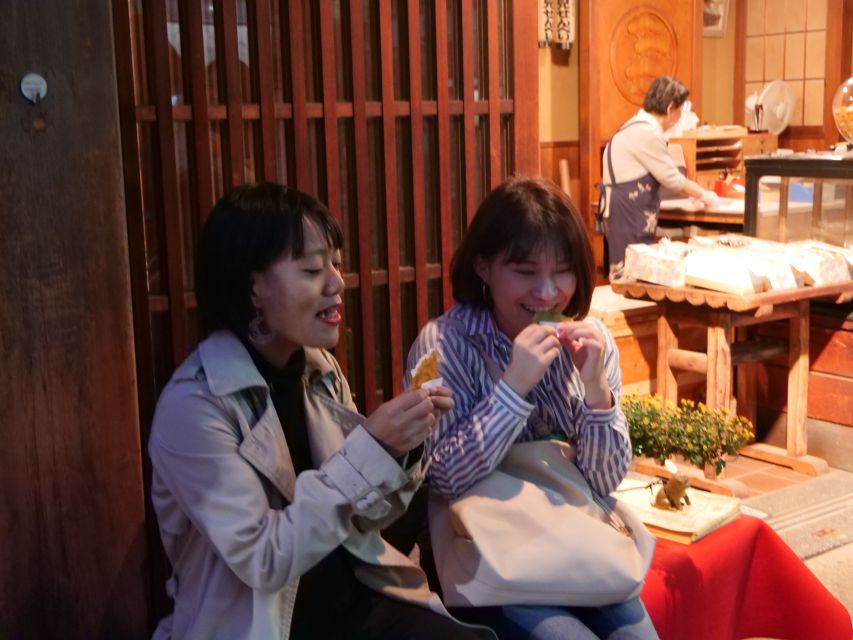
The middle stop is a local cafe, where you spend about 75 minutes. The package includes one drink and a sweet treat, followed by a painting activity featuring a Maneki neko, the familiar Japanese beckoning cat.
This is more than a quick souvenir workshop. You sit down, rest your feet, and make something with your own hands. The break gives the walking tour a welcome change of pace, especially during a hot afternoon or after several days of sightseeing in Tokyo. Several guides have joined in the fun, kept the conversation relaxed, and helped groups enjoy the activity even when not everyone considered themselves artistic.
The lucky cat has a familiar place in Japanese shops and homes, so painting one gives you a small cultural connection as well as a keepsake. You can take home an object that recalls this particular neighborhood rather than buying another mass-produced souvenir from a large store.
The cafe stop lasts a full hour, so it will feel leisurely rather than rushed. The drink and sweet treat are included, but extra food or drinks cost more. The experience is not suitable for every dietary need. Food is prepared in kitchens outside the tour operator’s control, allergy-free service cannot be guaranteed, and substitutions may not always be possible.
Yanaka Ginza and the taste of old Tokyo
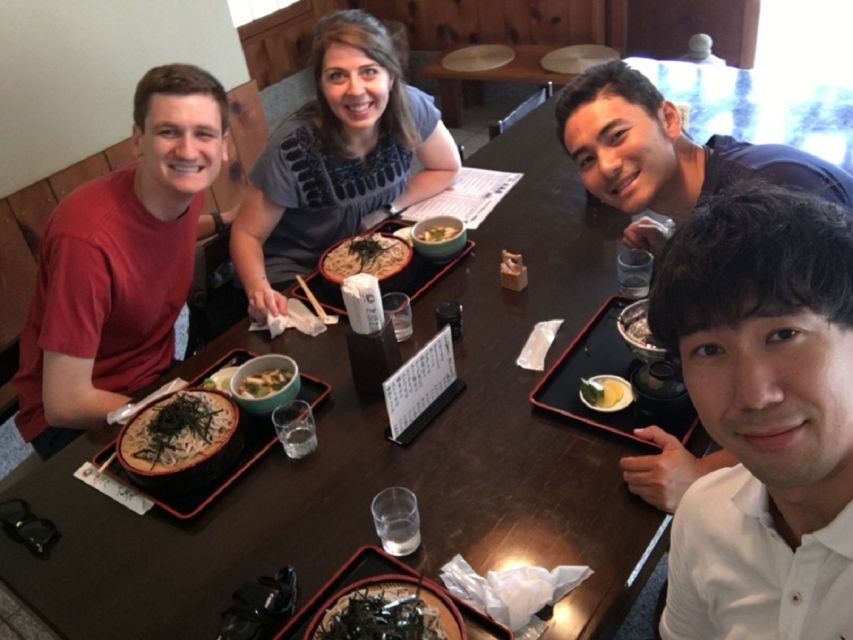
The final major section lasts about 100 minutes in the Yanaka area and includes Yanaka Ginza, a shopping street associated with the flavors and character of old Tokyo. This is where the tour becomes especially practical. You can sample local deli foods, snacks, and sweets while learning what the small shops sell.
The guide helps you understand what you are looking at and can make the market feel less confusing. Instead of pointing at an unfamiliar food and guessing, you can ask what it is, how it is eaten, and which items make good gifts. Guides have also helped people with souvenir shopping, including finding locally made and handcrafted items.
The market dates back to the 1940s, giving it a long connection to neighborhood life. It is not a polished food hall built for sightseeing. It functions as a local shopping street, which means the atmosphere can change with the time of day and the season. You might find deli counters, sweets, stalls, and shops selling everyday goods alongside items suitable for a suitcase.
The included tastings add value, but they are not intended to replace lunch. Bring cash for additional purchases, since many older shops do not take cards. If you have food allergies or strict dietary rules, tell your guide early and be prepared for limited choices.
The tour returns to Nezu Station after the Yanaka walk. Since the route finishes in the same general area where it began, you do not need to work out a complicated transfer at the end.
What the $79 price really covers
At $79 per person, this is not the cheapest way to walk around Yanaka. You can visit the shrine and explore the neighborhood independently for very little money. The price makes more sense if you want a guide who can explain the customs, introduce local foods, take photos, and handle the cultural details that are easy to miss.
The fee includes the English-speaking walking tour, the guide, the cafe drink and sweet, the Maneki neko painting activity, local snack and sweet samples, and tour photos. The group size is limited to seven, which is important. A private tour would cost more, while a large group would make the narrow streets and cafe activity less personal.
I see the strongest value in the combination of three services: orientation, interpretation, and access to small local stops. You could walk through Yanaka alone, but you would need to research the shrine customs, identify the market foods, find the cafe activity, and work out which streets best show the district’s older character.
The price is less compelling if you already know Yanaka well, dislike organized activities, or want to spend the whole day shopping at your own speed. It is also less suitable if you cannot comfortably walk for several hours.
Timing, weather, and comfort
The tour runs for 210 minutes, with starting times available according to the date you choose. Since the activity is outdoors for much of the time, weather has a real effect on comfort.
Tokyo summers can reach 40 degrees Celsius, or 110 Fahrenheit, while winter temperatures can fall to about minus 5 Celsius, or 20 Fahrenheit. Wear suitable clothing, carry water, and use sun protection in hot weather. One guide even lent an umbrella to a participant who needed shade, but you should prepare rather than rely on that kind of help.
Wear shoes you can walk in for several hours. The craft session breaks up the distance, but it does not turn this into a gentle, mostly seated outing. The tour is not suitable for people with mobility impairments, and some locations are not accessible for wheelchairs or strollers.
Food is another practical point. The included samples are part of the fun, but the operator cannot guarantee allergy-free preparation or dietary substitutions. If you have strict restrictions, you may enjoy the cultural walk more than the tasting portion.
Free cancellation is available up to 24 hours before the start time, and you can reserve now and pay later. Those terms are useful if your Tokyo plans are still shifting, but they do not protect you from missing the start because of a late arrival.
Who will enjoy this Yanaka walk
I would choose this tour for a first visit to Tokyo if you want a softer introduction after the energy of Shinjuku or Shibuya. It also suits repeat visitors who have seen the major sights and want a neighborhood that feels less polished and less crowded.
Solo visitors can benefit from the small group and the guide’s conversation. Families may enjoy the lucky-cat painting, especially when children need a break from walking. Couples and older relatives should consider the heat, distance, and uneven access before booking.
The tour is especially good for you if you like:
- Local food shops more than formal restaurants
- Religious customs and cultural explanations
- Older architecture and residential streets
- Hands-on activities
- Small groups and plenty of questions
- Practical advice about shopping and the rest of your Japan trip
It is not the best match if you want major landmarks, extensive free time, a wheelchair-friendly route, or a food tour built around dietary restrictions.
Should you book the Yanaka District tour?
Yes, if you want to see how Tokyo feels away from its giant stations and famous crossings. The best parts are the small-group format, the personal guiding, the contrast between Nezu Shrine and ordinary residential streets, and the relaxed lucky-cat workshop.
Book it early in your Tokyo stay if you want cultural orientation and shopping advice for later days. Ask questions about architecture if that matters to you, and bring cash for extra snacks and local goods.
Skip it if long walks are difficult or if you prefer exploring independently. For most visitors who want an approachable look at old Tokyo, $79 is reasonable because it combines a guided neighborhood walk, tastings, a craft session, and useful local context in one afternoon.
FAQ
Where does the tour meet?
Meet outside Tokyo Metro Nezu Station Exit 1. Go upstairs to street level, where the guide will wait near the exit holding a red or orange Magical Trip sign.
How long does the tour last?
The tour lasts 210 minutes, or three and a half hours. Starting times depend on availability for your chosen date.
How large is the group?
The group is limited to seven participants, including the small-group guide service.
What language is the tour offered in?
The tour is conducted in English with a live English-speaking guide.
What is included in the price?
The price includes the walking tour, local guide, one drink and sweet treat at the cafe, the lucky-cat painting activity, local snack and sweet samples, and tour photos.
Should I bring cash?
Yes. Bring cash for extra food, drinks, and shopping because many older local shops do not accept credit cards.
Is the tour suitable for wheelchairs or strollers?
No. Some locations on the route are not accessible by wheelchair or stroller, and the experience is not suitable for people with mobility impairments.
What should I wear?
Wear comfortable shoes and clothes suitable for several hours of walking. Prepare for the weather, since Tokyo summers can reach 40 degrees Celsius and winters can fall to about minus 5 Celsius.
Can the tour accommodate food allergies or dietary restrictions?
Allergy-free preparation and dietary substitutions cannot be guaranteed. Food comes from kitchens outside the tour operator’s control, although the guide will make reasonable efforts to provide alternatives at other stops when possible.
More history and heritage tours in Tokyo
- Tokyo: Imperial Palace Japanese History Walking Tour
★ 4.9 · 987 reviews - Tokyo: Shinjuku Historical Walking Tour & Secret Backstreets
★ 5.0 · 530 reviews - Mt. Fuji Heritage Tour: Traditional Villages, Lakes & Shrine
★ 4.5 · 509 reviews - From Tokyo: Nikko World Heritage Site Private Full-Day Trip
★ 4.9 · 243 reviews
Newly reviewed around Tokyo
- Tokyo Asakusa:Calligraphy & Make T-shirt Activity★ 5.0 · 62 reviews
- Travel Tokyo with Your Own Personal Photographer★ 5.0 · 43 reviews
- Intercity Shuttle, Tokyo to Haneda /Narita /Yokohama /Makuhari★ 5.0 · 5 reviews
- 1 Hour Travel around Tokyo with a Professional Photographer★ 5.0 · 3 reviews
- Train in Samurai Swordsmanship and Defeat the Demon in Tokyo★ 5.0 · 5 reviews
- Shuttle Van 6hr Tokyo Tour to-and-from Tokyo, Yokohama and Narita★ 5.0 · 9 reviews
- Kickboxing & Body Training with EX-Pro Fighter★ 5.0 · 4 reviews
- Traditional Japanese Knife Sharpening Class★ 5.0 · 18 reviews
Tokyo Walking Tours, compared.
Tokyo Tsukiji Fish Market Food and Culture Walking Tour
Read our review →
Imperial Palace and Shogun Historical Walking Tour
Read our review →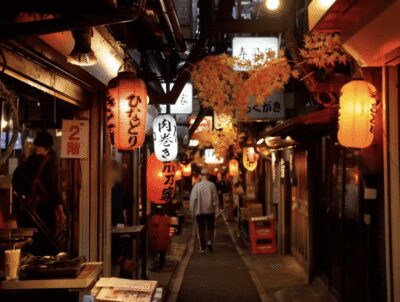
Shinjuku Local Bar and Izakaya Guided Walking Tour
Read our review →
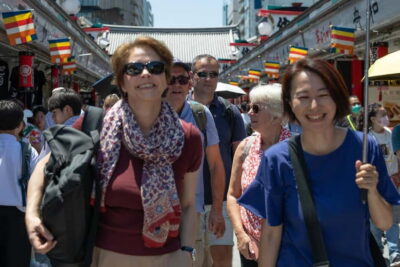
Asakusa Walking Tour with Sensoji Temple Visit
Read our review →
Tokyo Castle & Imperial PalaceーShogun Walking Tour
Read our review →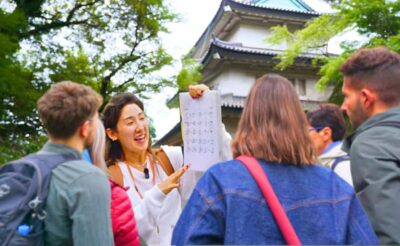
Browse the lists this tour appears in