
Reviewed · TOKYO TRADITIONAL CRAFT WORKSHOPS
Tokyo: Kintsugi Art Repair Workshop
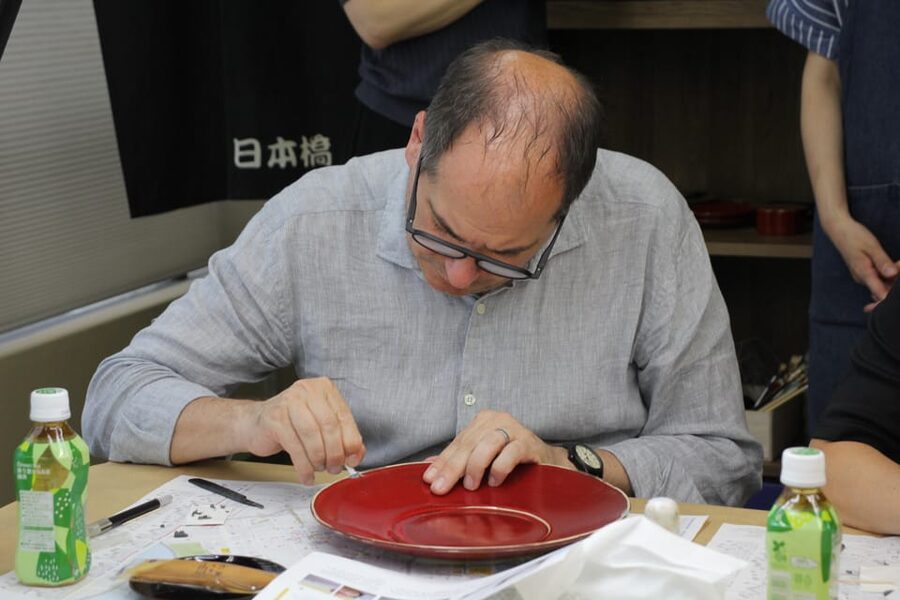
Broken pottery gets a second life here, with cracks turned into golden design lines. In 90 minutes, you’ll handle the basic steps of kintsugi, choose from available ceramic pieces, and leave with a small work of art made by you.
I like the quiet, patient teaching and the small group limit of five. I also like the location: the workshop is only about 15 minutes by subway from Asakusa, so it fits neatly between major Tokyo sights. The main thing to keep in mind is that this is a shortened workshop version, not the many-week process used for fully traditional kintsugi.
Key points at a glance
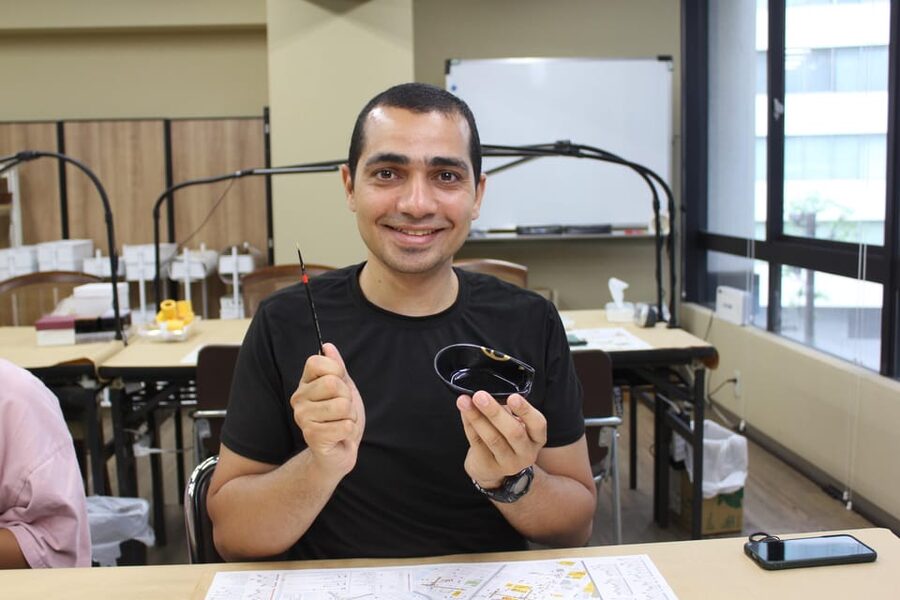
- A five-person maximum: You get close guidance rather than a crowded craft class.
- A hands-on repair: You work through joining, filling, sanding, and painting instead of only watching a demonstration.
- English support: The class is offered in English, with interpretation available when needed.
- A practical Tokyo location: The meeting point is at Nihonbashi Mutoh Main Store, around 15 minutes by subway from Asakusa.
- A useful time frame: The session lasts 90 minutes, making it easy to fit into a busy sightseeing day.
- A thoughtful souvenir: You take home a handmade ceramic piece, mainly for display and suitable for holding dry food.
What this Tokyo kintsugi class really teaches
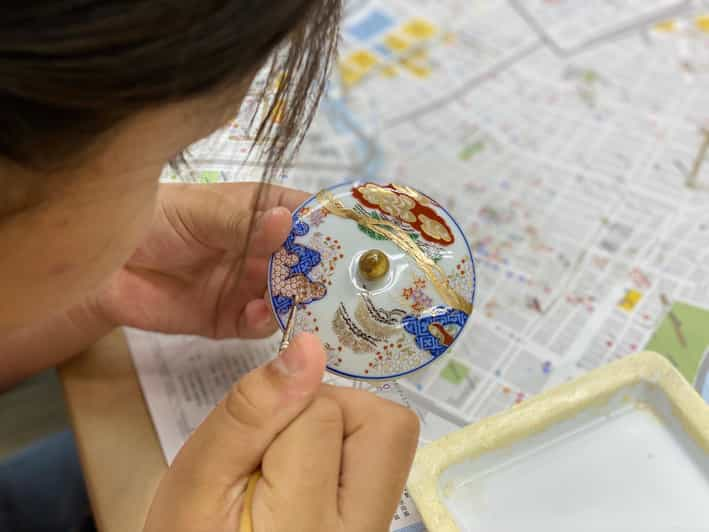
Kintsugi is the Japanese practice of repairing broken or chipped pottery so the damage becomes part of the design. Instead of hiding a crack, you trace it with a gold-colored finish. The idea is simple, but the work asks for a steady hand and some patience.
This class gives you a shortened version of that process. You are not signing up for a month-long studio apprenticeship, and the finished object is not meant to match the durability or food safety of a professionally restored vessel. You are learning the basic movements and meaning of the craft, then creating a souvenir in a compact format.
That distinction matters. If you want a full technical course in traditional lacquer work, this is too brief. If you want to understand the craft by doing it yourself, the 90-minute format makes good sense.
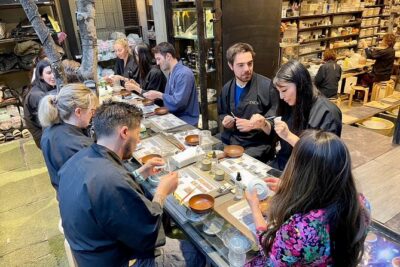
The session takes place in a shop and workshop setting at Nihonbashi Mutoh Main Store. The store itself sells kintsugi pieces, ceramics, lacquerware, tenugui, chopstick sets and rests, table linens, and bento boxes. You can browse before or after class, though the shopping is separate from the workshop price.
More Tokyo craft workshops:
- Tokyo Shinjuku Chopsticks Making Class
★ 5.0 · 1,763 reviews - Chopstick Making Workshop in Ginza
★ 4.8 · 1,366 reviews - Kintsugi Experience: Art of Golden Joinery in Tokyo
★ 5.0 · 467 reviews
From Asakusa to Nihonbashi in about 15 minutes
The location is one of this activity’s strongest practical points. If you are staying near Asakusa, the subway ride to the Nihonbashi area takes about 15 minutes, so you do not lose half a day getting to a craft class.
Your meeting point is:
Nihonbashi Mutoh Main Store
日本橋滄浪閣 Bldg.
1-8-13 Nihonbashihoncho, Chuo City, Tokyo 103-0023
Arrive at least five minutes early. The workshop begins on time, and the end time cannot be extended if you arrive late or do not finish. That rule is worth taking seriously, especially if you are coming from another part of Tokyo.
You may want to allow a little extra time to find the building. The meeting point is a shop, not a large tourist attraction with an obvious entrance. Once inside, you will find a calm setting rather than a noisy group activity. That quiet mood suits the careful work.
Choosing a piece and getting set up
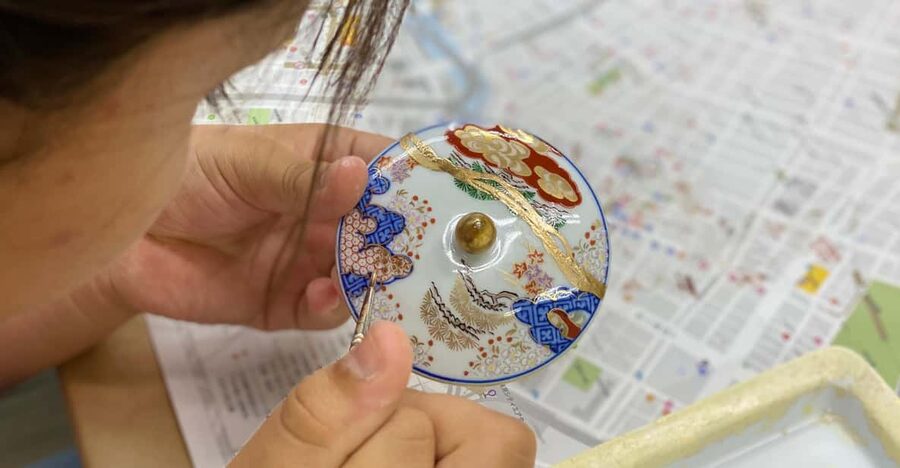
All materials are provided, so you do not need to pack tools, glue, paint, or protective equipment. Wear comfortable clothes that you do not mind using around craft materials. The workshop is suitable for ages 13 and up, and anyone under 18 must attend with a guardian.
The available pieces can include small ceramic vessels such as bowls or cups. The exact item may differ from the illustrative images, so you should not book expecting one particular shape or pattern. The choice of piece is part of the fun, but the selection depends on what is available that day.
The class may also allow you to bring your own damaged ceramic vessel. This option needs care. The object must be ceramic, no larger than 15 centimeters in diameter and 15 centimeters high. It should have one or two cracks, and chipped or cracked mug handles cannot be repaired.
Large damage can take longer than 90 minutes. If you bring something with several broken parts, a deep crack, or a sizeable missing section, you may not finish it during the session. For a predictable result, use the workshop’s own small piece instead of bringing an emotionally important family bowl.
The repair process, step by step
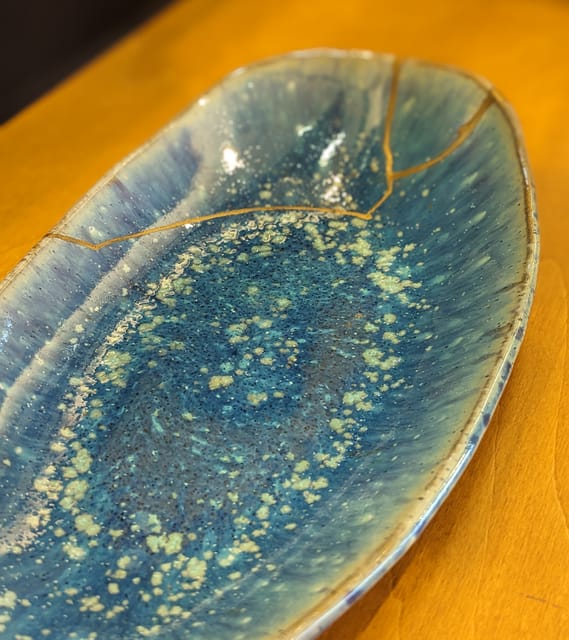
The exact order can vary, but the workshop covers the main stages of a shortened kintsugi repair.
More hands-on classes and workshops in Tokyo:
- Sushi Making Tokyo Roll and Authentic Japanese Sushi Class
★ 5.0 · 3,971 reviews - Tokyo: Roll and Authentic Sushi Making Class in Asakusa
★ 4.9 · 1,957 reviews - Tokyo: Sushi Making Class in a Happi Coat near a Famous Spot
★ 4.9 · 1,377 reviews - Tokyo Sushi Making Class in Tsukiji with Professional Chef
★ 5.0 · 1,177 reviews
Joining the broken parts
If your piece has several sections, you first fit the parts together. In one session, participants worked through the process of taping broken sections into place before applying adhesive. This is a useful lesson: the repair starts with alignment, not decoration.
You need to check that the pieces sit correctly before they are fixed. A small shift can leave the final object uneven. The instructor guides you through this stage, which is helpful if you have never repaired ceramics before.
Filling chips and gaps
Small missing areas may be filled with putty or clay. This gives you a chance to see how a repair is built up rather than simply painted over. The instructor provides material gradually and refills it as needed, helping reduce waste while keeping the work manageable.
This stage can feel more hands-on than expected. You are shaping the surface, not just following a coloring exercise. If you enjoy tactile crafts, this is likely to be one of the most satisfying parts.
Smoothing the surface
Once the filler has been applied, you work toward a smoother finish. Sanding helps soften rough edges and prepares the repaired area for the final color.
Do not expect factory-perfect results. Kintsugi is about making the repair visible, and a handmade piece will show your touch. The instructors provide close help, especially when you need to judge how much material to remove.
Painting the seams
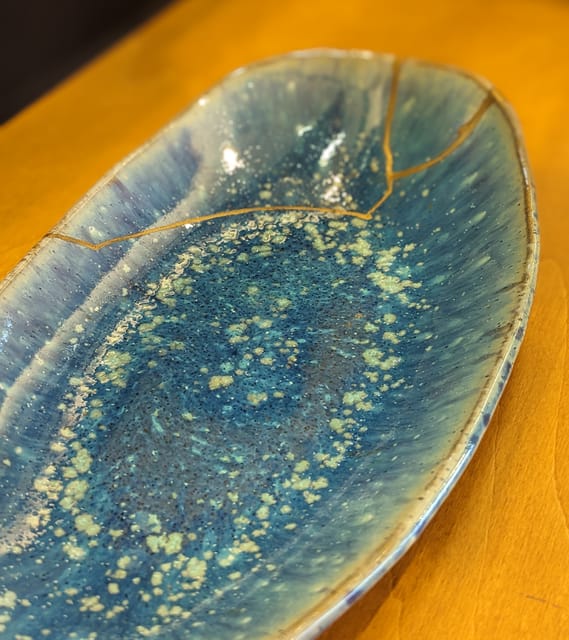
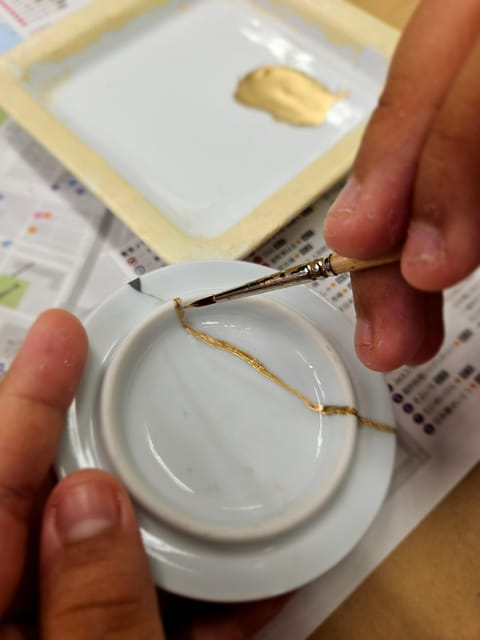
The final stage gives the repair its distinctive appearance. You apply metallic paint along the cracks and repaired areas, turning the damage into a visible line.
The workshop uses a shortened method. It captures the look and basic spirit of kintsugi, but traditional work can involve longer curing periods and more stages. One completed project needed about a week to cure before it could be taken home, while the class souvenir is prepared for you to leave with after the session. Ask the instructor about the care instructions for your particular piece.
English guidance and the teaching style
The activity is offered in English, and English interpretation is available. You may have an English-speaking instructor, or a Japanese instructor working with an interpreter. That arrangement can make the class feel like a real craft lesson rather than a tourist demonstration.
The teaching style is attentive and patient. An instructor named Hijiri has led sessions described as clear, kind, and helpful. You may not have Hijiri on your date, but the experience is designed around close guidance rather than a lecture from across the room.
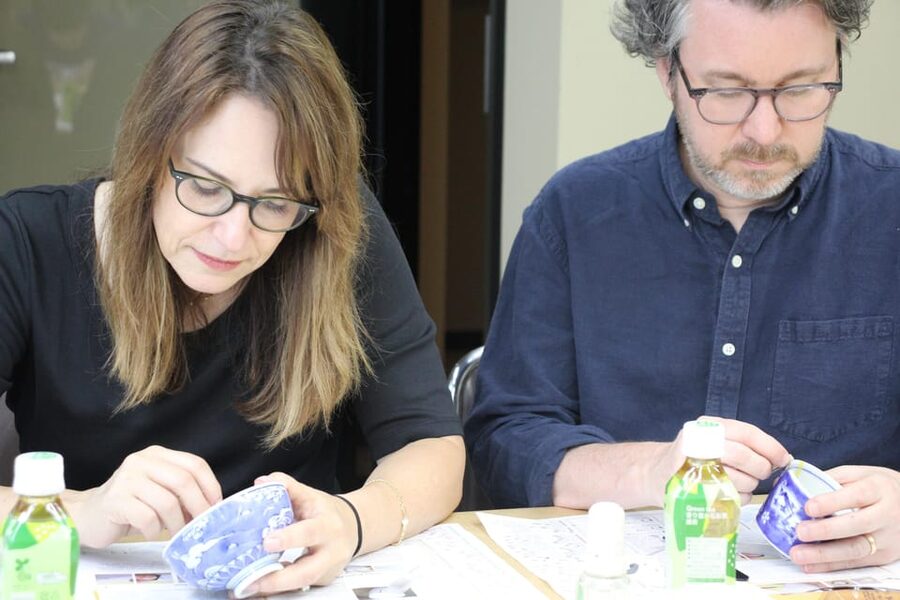
The small-group limit of five is important here. Some sessions have only two or three participants, which allows the instructor to watch each step and correct your technique. At other times, you may work alongside professional artists or staff working on their own pieces. That gives you a glimpse of the craft beyond the beginner exercise.
The amount of cultural explanation can vary with the pace of the group. One visitor found the practical work more prominent than the theory and felt the traditional method could have been explained in greater depth. I suggest reading a little about kintsugi before class if the philosophy interests you. Then you can spend the workshop asking sharper questions rather than waiting for a long introduction.
The atmosphere: quiet, focused, and a little meditative
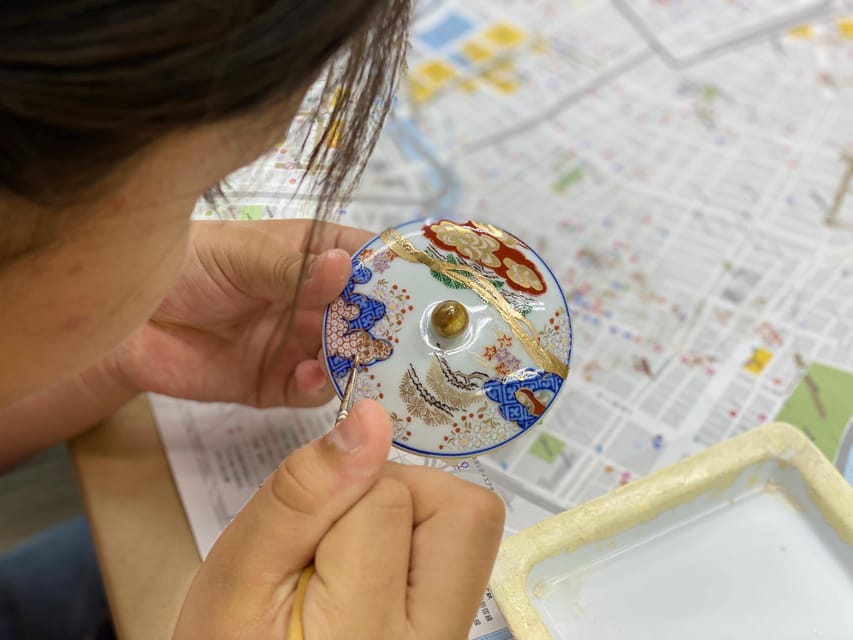
This is not a loud social activity. You sit at a worktable, concentrate on small surfaces, and listen for instructions. Several people have found the process calming, almost like a short meditation.
That quiet mood is a real benefit if Tokyo sightseeing has left you tired. You get a break from train platforms, crowded shopping streets, and constant decisions. The work is slow enough to settle you, but active enough that you are not simply sitting through a talk.
It is also a good choice for couples, friends, and parent-and-teen trips. You can work side by side and compare your finished pieces. Because the group is small, the class can feel nearly private when few people book the same time.
The tradeoff is that it may feel too quick for anyone seeking a serious craft course. One session was completed in about 35 minutes, according to one participant, while other groups used most of the scheduled 90 minutes. The final pace depends on the object, the number of people, and how much explanation you want.
What you take home, and how to use it
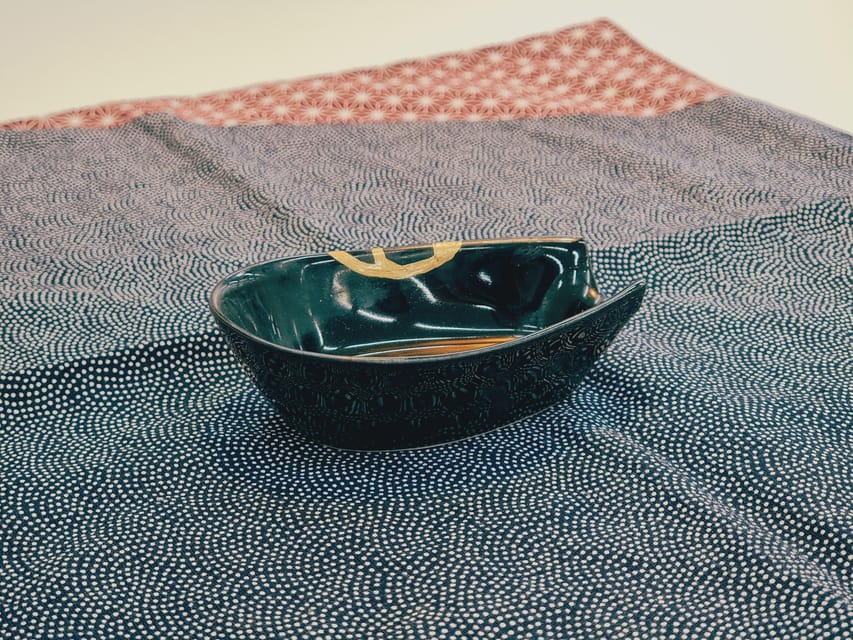
The finished ceramic piece is included in the experience fee. It makes a personal souvenir because you can see exactly where you joined, filled, sanded, and painted the surface.
The repaired item can hold dry food, but it is mainly intended as a decorative object. Do not treat it like a newly manufactured serving bowl for wet or hot food. If you bring a treasured vessel, the emotional value may be high, but the finished result still has practical limits.
Packaging is available for completed pieces that need to cure or travel safely. If you are flying home soon, tell the staff so they can advise you on protecting the object. Ceramic can break in luggage even after a careful repair.
You can also buy additional items in the shop. The selection may include finished kintsugi work, new ceramic pieces, lacquerware, tenugui with seasonal designs, chopstick rests, bento boxes, and table linens. These purchases are not part of the $125 workshop price, but the store gives you a chance to continue the theme without taking another class.
Is the $125 price fair?
At $125 per person, this is not a bargain craft activity. You are paying for the instructor, all materials, a small group, English support, and the piece you take home.
The price makes more sense if you value three things: direct instruction, a central Tokyo location, and a handmade souvenir. A five-person limit means the instructor can help with small repairs and guide you through each stage. You are also paying for a cultural activity that fits into a single morning or afternoon rather than taking over your itinerary.
The value is weaker if you mainly want a cheap souvenir or a detailed study of traditional lacquer techniques. You could buy a finished ceramic item for less, and the workshop does not reproduce the full month-long process of traditional kintsugi.
For me, the best comparison is with other short Tokyo craft classes. This one offers more personal attention than a large group activity and leaves you with something you actually made. If the idea of working carefully with your hands appeals to you, $125 is easier to justify.
Who should book this workshop?
You should consider it if you want:
- A calm break from sightseeing
- A hands-on cultural activity rather than a museum visit
- A small group with personal instruction
- An English-supported class
- A souvenir with a story behind it
- A short activity that fits beside Asakusa or central Tokyo plans
- A creative experience for adults or teenagers age 13 and up
You may want to skip it if you need a full technical course in traditional Japanese lacquer repair. You should also think twice about bringing a precious family object if you would be upset by an unfinished repair or a result that looks handmade.
The class works best when you treat it as an introduction. You learn the basic sequence, hear about the craft’s background, and practice turning damage into a design feature. You are not becoming a professional restorer in 90 minutes.
Practical details before you reserve
The workshop costs $125 per person and lasts 90 minutes. It is limited to five participants, and English is the listed language.
Book only if you can arrive at least five minutes early. The class starts promptly, and the end time will not be extended for late arrivals. Wear comfortable clothing and bring nothing else unless you plan to restore your own ceramic vessel.
For your own item, check these limits carefully:
- Ceramic only
- Maximum diameter of 15 centimeters
- Maximum height of 15 centimeters
- One or two cracks
- No chipped or cracked mug handles
You can cancel up to three days in advance for a full refund. Check the available starting times when choosing your date, since the 90-minute activity can be placed around other Tokyo plans.
Should you book the Tokyo kintsugi workshop?
I would book this for a first introduction to kintsugi, especially if you are staying near Asakusa or Nihonbashi and want a quiet activity with a real object to take home. The patient instruction, small groups, and short travel time make it easy to add to a full Tokyo schedule.
I would not book it expecting a complete traditional restoration course. The shortened method is designed for visitors, and the theory may be brief unless you ask questions. For most people, though, that is a fair trade: you learn by doing, spend 90 focused minutes away from the crowds, and leave with a handmade reminder of Japan.
FAQ
How long does the Tokyo kintsugi workshop last?
The workshop lasts 90 minutes. The activity begins at the scheduled time and cannot be extended for late arrivals or unfinished work.
How much does the workshop cost?
The price is $125 per person. The fee includes the professional instructor, experience fees, materials, and a souvenir piece.
Where does the workshop meet?
The meeting point is Nihonbashi Mutoh Main Store, in the Nihonbashi Mutoh Main Store building at 1-8-13 Nihonbashihoncho, Chuo City, Tokyo 103-0023.
Is the class taught in English?
English is available for the experience, with English interpretation provided when needed. Some sessions may pair a Japanese-speaking instructor with an English interpreter.
How many people can join the workshop?
The group is limited to five participants. Smaller groups may receive especially close instruction.
What should I bring?
All workshop materials are provided. You should wear comfortable clothes and arrive at least five minutes before the start time.
Can I bring my own broken pottery?
You may bring your own ceramic vessel if it is no larger than 15 centimeters in diameter and 15 centimeters high, with one or two cracks. Chipped or cracked mug handles cannot be repaired, and larger damage may not be finished within 90 minutes.
Can I use the repaired piece for food?
The completed piece can hold dry food, but it is primarily intended for decoration. It should not be treated like a standard new food-serving vessel.
Is the workshop suitable for children?
The activity is recommended for people age 13 and up. Minors must be accompanied by a guardian, and children under 13 cannot participate.
Newly reviewed around Tokyo
- Tokyo Asakusa:Calligraphy & Make T-shirt Activity★ 5.0 · 62 reviews
- Intercity Shuttle, Tokyo to Haneda /Narita /Yokohama /Makuhari★ 5.0 · 5 reviews
- 1 Hour Travel around Tokyo with a Professional Photographer★ 5.0 · 3 reviews
- Travel Tokyo with Your Own Personal Photographer★ 5.0 · 43 reviews
- Train in Samurai Swordsmanship and Defeat the Demon in Tokyo★ 5.0 · 5 reviews
- Shuttle Van 6hr Tokyo Tour to-and-from Tokyo, Yokohama and Narita★ 5.0 · 9 reviews
- Kickboxing & Body Training with EX-Pro Fighter★ 5.0 · 4 reviews
- Traditional Japanese Knife Sharpening Class★ 5.0 · 18 reviews
Tokyo Traditional Craft Workshops, compared.
Kintsugi Experience: Art of Golden Joinery in Tokyo
Read our review →

Authentic Pure Gold Kintsugi Workshop with Master Taku in Tokyo
Read our review →
Private Handmade Ring Workshop Activity in Tokyo Shibuya
Read our review →
Browse the lists this tour appears in