
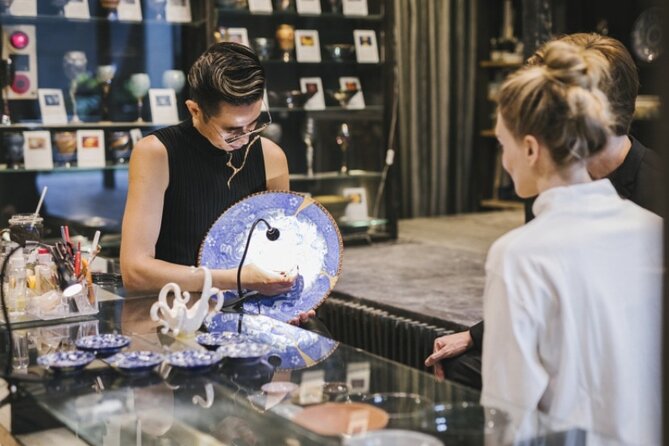
Reviewed · TOKYO TRADITIONAL CRAFT WORKSHOPS
Authentic Pure Gold Kintsugi Workshop with Master Taku in Tokyo
Kintsugi turns a broken plate into something worth keeping, using real urushi lacquer and pure gold powder rather than a quick craft-store substitute. At Master Taku Nakano’s studio in stylish Minami-Aoyama, you work on a handmade plate and leave with a one-of-a-kind souvenir.
I like the calm change of pace from Tokyo sightseeing, and I like that the small group, capped at five, gives you close help. The clear instruction, patient teaching, and option to choose among three plate styles make this a good fit for beginners, couples, and families with older children.
The main consideration is the price, $142.60 per person, for roughly two hours. It is not a cheap make-and-take activity, and the non-refundable booking policy means you should be certain of your plans before reserving.
Key details before you book
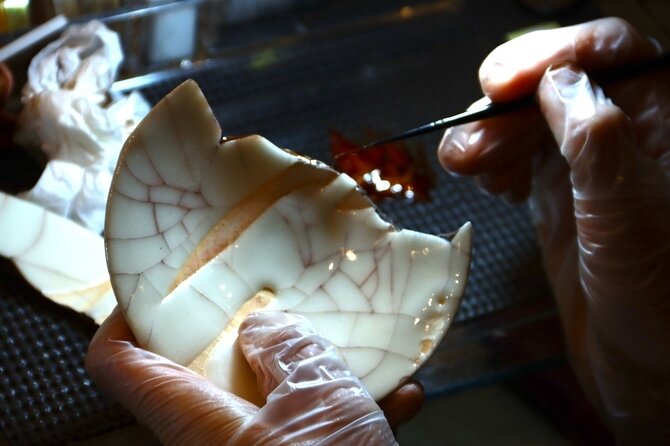
- Real urushi and pure gold: You use traditional natural lacquer and genuine gold powder, not a modern imitation finish.
- Three ways to work: Pick the 110-minute rustic lacquer option, a 90-minute black plate, or a 90-minute decorative yobitsugi project.
- A handmade plate is included: Your working piece is supplied by Master Taku and goes home with you.
- Very small class size: A maximum of five people allows direct help at the worktable.
- Central Tokyo setting: The studio is in Minami-Aoyama, near public transportation and close to the Omotesando area.
- English-friendly instruction: Master Taku speaks good English, and assistants such as Junko may help guide the work.
Why kintsugi makes a better souvenir
Most Tokyo souvenirs begin in a shop and end in a suitcase. This one begins with a handmade ceramic plate, your own decisions, and the slightly nerve-racking pleasure of making something imperfectly beautiful.
Kintsugi is the Japanese practice of repairing broken pottery with lacquer and highlighting the joins with gold. Its appeal is not only visual. The finished crack remains visible, so the repair becomes part of the object rather than something to hide.
That idea gives this workshop more weight than a standard pottery painting session. You are not simply decorating a blank item. You are learning how damage, repair, and design can work together.
The class also connects with wabi-sabi, the appreciation of imperfection, age, and modest beauty. The supplied pottery has already been treated with rustic lacquer to give it a weathered sabi feeling. In practical terms, that means the plate has character before you begin, so your gold repair becomes part of an intentionally imperfect surface.
I especially like this aspect for a Tokyo trip. After crowded streets, train rides, and a full day of temples or department stores, sitting down to work with your hands can reset your attention. You are asked to slow down, follow each step, and let the piece develop at its own pace.
More Tokyo craft workshops:
- Tokyo Shinjuku Chopsticks Making Class
★ 5.0 · 1,763 reviews - Chopstick Making Workshop in Ginza
★ 4.8 · 1,366 reviews - Kintsugi Experience: Art of Golden Joinery in Tokyo
★ 5.0 · 467 reviews
Arriving at TNCA Minami-Aoyama Studio
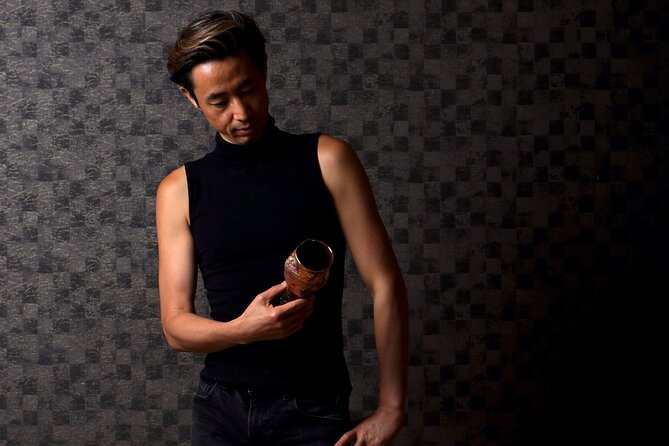
The meeting point is TNCA Minami-Aoyama Studio, at 3-chōme-8-2 Minamiaoyama, Minato City, Tokyo 107-0062. It is in Minami-Aoyama, an area known for fashion, design, and well-heeled Tokyo style.
The studio is near public transportation, but allow time to locate the entrance. Finding the place can take a little patience, especially if you are relying on a map while walking through unfamiliar side streets. One participant arrived late after getting lost and was still welcomed, but I would not plan to repeat that experiment. Arrive early enough to get your bearings.
The activity begins and ends at the same studio. There is no hotel pickup, drop-off, food, or drink included, so plan this as a stand-alone visit between meals or other stops in central Tokyo.
The small class size is a real practical benefit here. With no more than five people, the teacher can watch how you handle the tools and step in when a line of lacquer needs correction. That matters more than it might in a larger craft class, since precision and patience are part of the appeal.
Choosing among three kintsugi projects
You have three formats to choose from. The key difference is not just color. Each option gives the finished plate a different mood and requires a different amount of time.
Option A: Shuurushi kannyuzome, the 110-minute traditional choice
This is the most complete version of the workshop. You repair the plate with real natural urushi lacquer and pure gold powder, following the authentic kintsugi process taught by Master Taku.
The project takes about 110 minutes, making it the best choice if you want the fullest introduction to the technique. You have more time to hear about the craft, work through the stages, and ask questions without feeling rushed.
The rustic surface treatment gives this piece an aged, earthy appearance. If you want a souvenir that most closely matches the traditional wabi-sabi idea presented in the class, this is the option I would choose.
You should also understand that traditional materials are part of what you are paying for. This is not simply a gold-colored line painted across a plate. The use of natural lacquer and genuine gold powder makes the process more special, but it also means the class requires care and attention.
More hands-on classes and workshops in Tokyo:
- Sushi Making Tokyo Roll and Authentic Japanese Sushi Class
★ 5.0 · 3,971 reviews - Tokyo: Roll and Authentic Sushi Making Class in Asakusa
★ 4.9 · 1,957 reviews - Tokyo: Sushi Making Class in a Happi Coat near a Famous Spot
★ 4.9 · 1,377 reviews - Tokyo Sushi Making Class in Tsukiji with Professional Chef
★ 5.0 · 1,177 reviews
Option B: Black and gold Shikkokurai
The black plate offers a sharper, more modern look. The method is the same as Option A, but the dark surface gives the gold repair stronger contrast.
This is the shorter format, at about 90 minutes. It suits you if you like a clean, sophisticated design or have a tightly planned day in Tokyo. The black-and-gold finish also makes a strong decorative object, though your final result will still depend on your own handling of the materials.
The shorter session does not mean you lose the central idea of kintsugi. You still learn the repair process and complete a plate under guidance. It simply gives you less time for extended work and discussion than the traditional 110-minute choice.
Option C: Yobitsugi, repair with added decoration
Yobitsugi is described as the highest technique among the three options. Instead of only tracing a break, you attach different decorations and materials to missing areas.
This makes the project more experimental. It is a good pick if you are drawn to design choices and want the repaired section to become a noticeable decorative feature. You can easily experience the technique during the 90-minute session, but the project may appeal most to people who want something less restrained than a simple gold seam.
The three choices also make the workshop easier to share. A couple or family group does not have to produce matching plates. Each person can pick the visual style that suits them.
How the 90 to 110 minutes unfold
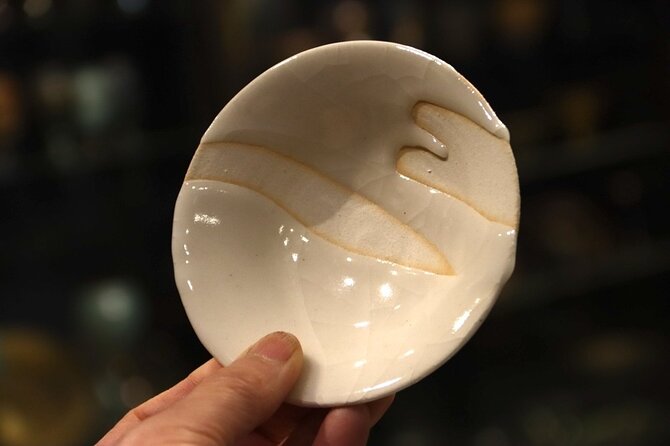
The experience starts with an introduction to kintsugi and the ideas behind wabi-sabi. Master Taku explains the origin of the craft and shows how the materials fit into the process.
You then work with the supplied pottery. The plate is handcrafted by Master Taku, and the materials and equipment are provided. That is important for first-timers because you do not need to arrive with a broken family heirloom or worry about bringing special tools through an airport.
The central task is the repair itself. You follow the instructions, apply the lacquer, and add pure gold powder to the repaired area. The process is hands-on, but it is not presented as a free-for-all. The teacher guides the group through each stage and helps correct problems as they arise.
The pace appears well suited to beginners. The teaching is clear and patient, and assistants may help at the table. Junko has assisted with the authentic workshop, and her guidance was described as easy to follow and well paced. You can expect help rather than being left alone with unfamiliar materials.
Master Taku also brings the authority of a working ceramic artist. He runs a pottery studio in Omotesando and works under the principle of making an object even more beautiful and stronger than before it broke. That gives the lesson a personal connection to contemporary ceramics, not just a textbook explanation of an old technique.
At the end, you take your plate home the same day. This is a major advantage for a short Tokyo visit. You do not need to return to the studio later in the trip, and you leave with a souvenir you made during the city break rather than something selected from a shelf.
What the teaching is like
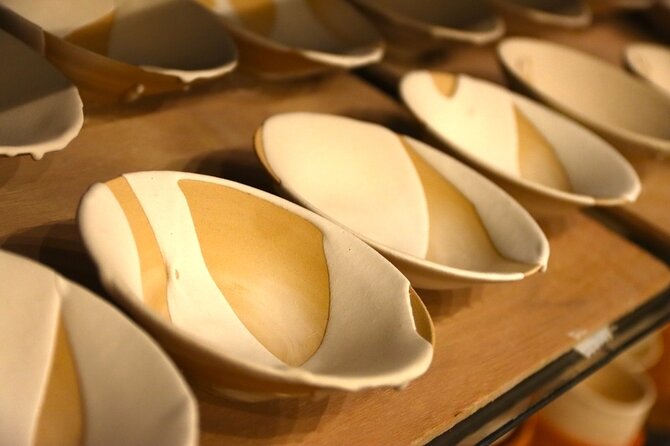
The strongest part of the class is the human guidance. Master Taku is calm, encouraging, and willing to explain the work at a beginner’s pace. He speaks good English, which removes a major worry for international visitors taking a technique-heavy class.
The tone also seems friendly rather than formal. One late arrival was met with patience, and an overheated participant was fanned with a laminated card. That small detail tells you something useful about the atmosphere: the focus is on helping you enjoy the process, not making you feel embarrassed for being new.
The class has received a 5.0 rating from 217 reviews, with 100 percent recommending it. Ratings alone do not tell you everything, but here they line up with the specific strengths that matter: clear instruction, a patient teacher, a pleasant studio, and a finished object you can take home.
Several people found the activity so absorbing that they wished it had lasted longer. Another described the repair as cathartic, which makes sense. You spend the session concentrating on one modest task, and the visible crack gives you a clear before-and-after result.
The workshop may even leave you wanting to try kintsugi at home. Keep in mind that the class provides all necessary equipment, so an interest in continuing would require finding suitable materials and instruction after you return. The experience can spark that interest, but it does not claim to supply a complete home studio.
Is $142.60 a fair price?
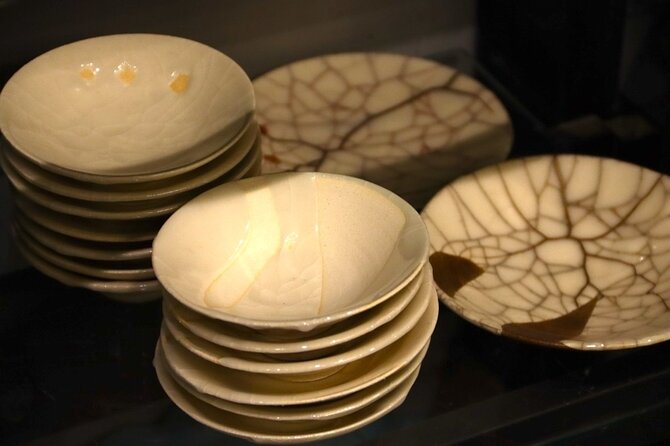
At $142.60 per person, this is a premium two-hour activity. You are paying more than you would for a casual craft class or a mass-market souvenir, so the value depends on what you want from the experience.
The fee includes all taxes, handling charges, lesson costs, equipment, and the plate you use and take home. The real value comes from the combination of instruction, genuine materials, a handmade ceramic base, and a five-person maximum.
If you mainly want an inexpensive object to pack in your luggage, this is not the best use of your budget. Tokyo has plenty of ready-made ceramics at many price points.
If you want a personal activity led by a working artist, the price is easier to justify. You receive a souvenir, but you also spend part of your trip learning a craft and hearing how it connects to Japanese ideas about imperfection and repair. For a special occasion, a parent-child outing, or a couple looking for something beyond sightseeing, that can be worthwhile.
The time matters, too. A 90 to 110-minute class fits neatly into a day without consuming half your schedule. Since you do not need to return for pickup, the activity gives you a clean start and finish.
Who should book this workshop
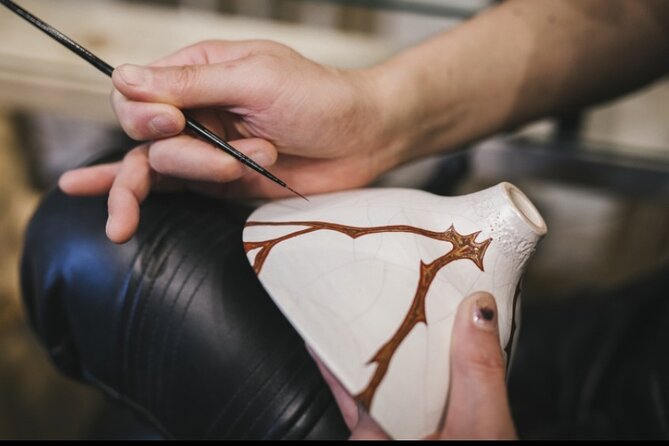
I would recommend it most strongly to:
- First-time visitors who want a quieter cultural activity between major sights
- Couples seeking a shared souvenir with different final results
- Families with older children who can focus on a careful hands-on task
- Ceramic fans and design-minded visitors
- People who value making an object more than buying one
- Anyone interested in wabi-sabi and traditional Japanese craft
The small group should help people who prefer personal instruction. It may be less suitable if you want a quick, casual activity with no concentration required. Kintsugi rewards a steady hand and attention, so do not book it expecting a loud, fast-moving class.
You should also think about luggage. The plate is taken home on the day, but the information provided does not describe special packing or shipping. Bring enough care and space to carry a ceramic souvenir safely for the rest of your trip.
The experience is near public transportation, and most people can participate. No separate accessibility details are provided, so contact the operator if you need specific assistance before booking.
Booking advice and the non-refundable policy
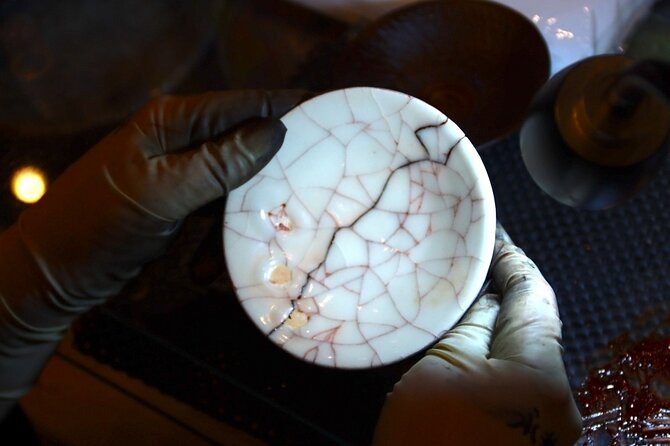
Confirmation arrives within 48 hours, subject to availability. Since the class is limited to five people, popular dates may require some planning.
The cancellation rule is strict: the experience is non-refundable and cannot be changed for any reason. If you cancel or request an amendment, you will not receive your money back. The one stated exception is a cancellation by the operator because the minimum number of participants was not met. In that case, you are offered another date or experience, or a full refund.
That policy makes travel insurance or a firm itinerary worth considering, especially at this price. Check your Tokyo schedule, transport plans, and the meeting-point location before you commit.
Should you book the Master Taku kintsugi class?
Book it if you want to slow down, make something with your hands, and take home a ceramic piece with a story attached to it. The small class, genuine materials, clear English instruction, and three project choices give it more substance than a basic souvenir workshop.
I would choose Option A if you want the fullest traditional experience, Option B if you prefer a bold black-and-gold finish or have less time, and Option C if you want to experiment with decorative materials. The price is high for two hours, but the teaching, plate, equipment, and personal result make it reasonable for the right kind of visitor.
Skip it if your budget is tight, your schedule is uncertain, or you only want to browse Japanese ceramics. For everyone else, this is a thoughtful break from Tokyo’s fast pace, with the rare advantage of letting you carry home something you helped repair yourself.
FAQ
How long does the kintsugi workshop last?
The traditional Shuurushi kannyuzome option lasts about 110 minutes. The black-and-gold Shikkokurai and decorative Yobitsugi options last about 90 minutes.
Where does the workshop take place?
The workshop takes place at TNCA Minami-Aoyama Studio, 3-chōme-8-2 Minamiaoyama, Minato City, Tokyo 107-0062, Japan.
What materials are used?
The class uses real natural urushi lacquer and pure gold powder. The pottery and necessary equipment are supplied.
Can I take my finished plate home?
Yes. The plate used during the lesson is included, and you can take it home on the day of the workshop.
How many people are in the class?
The activity has a maximum of five participants.
Who teaches the workshop?
Master Taku Nakano teaches the authentic kintsugi process. Assistants, including Junko, may also help guide participants.
Are food and drinks included?
No. Food and drinks are not included, and hotel pickup and drop-off are also not included.
Can I cancel and receive a refund?
No. The experience is non-refundable and cannot be changed for any reason. If the operator cancels because the minimum number of participants is not met, you may receive another date or experience, or a full refund.
Newly reviewed around Tokyo
- Tokyo Asakusa:Calligraphy & Make T-shirt Activity★ 5.0 · 62 reviews
- 1 Hour Travel around Tokyo with a Professional Photographer★ 5.0 · 3 reviews
- Travel Tokyo with Your Own Personal Photographer★ 5.0 · 43 reviews
- Intercity Shuttle, Tokyo to Haneda /Narita /Yokohama /Makuhari★ 5.0 · 5 reviews
- Train in Samurai Swordsmanship and Defeat the Demon in Tokyo★ 5.0 · 5 reviews
- Shuttle Van 6hr Tokyo Tour to-and-from Tokyo, Yokohama and Narita★ 5.0 · 9 reviews
- Kickboxing & Body Training with EX-Pro Fighter★ 5.0 · 4 reviews
- Traditional Japanese Knife Sharpening Class★ 5.0 · 18 reviews
Tokyo Traditional Craft Workshops, compared.
Kintsugi Experience: Art of Golden Joinery in Tokyo
Read our review →
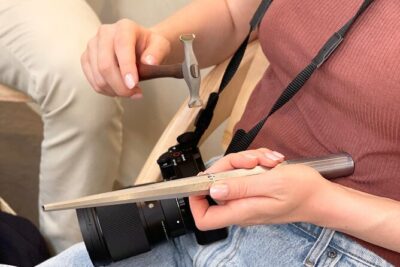
Private Handmade Ring Workshop Activity in Tokyo Shibuya
Read our review →
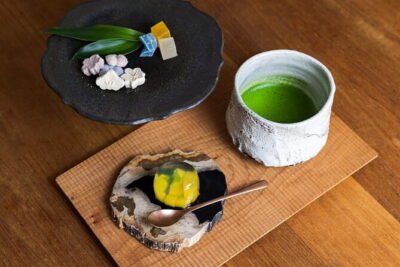
Kintsugi Workshop Class in Shibuya, Tokyo with mon cadeau
Read our review →Browse the lists this tour appears in