
Reviewed · TOKYO WALKING TOURS
Tokyo: Asakusa & Tokyo’s Oldest Temple Senso-ji Walking Tour
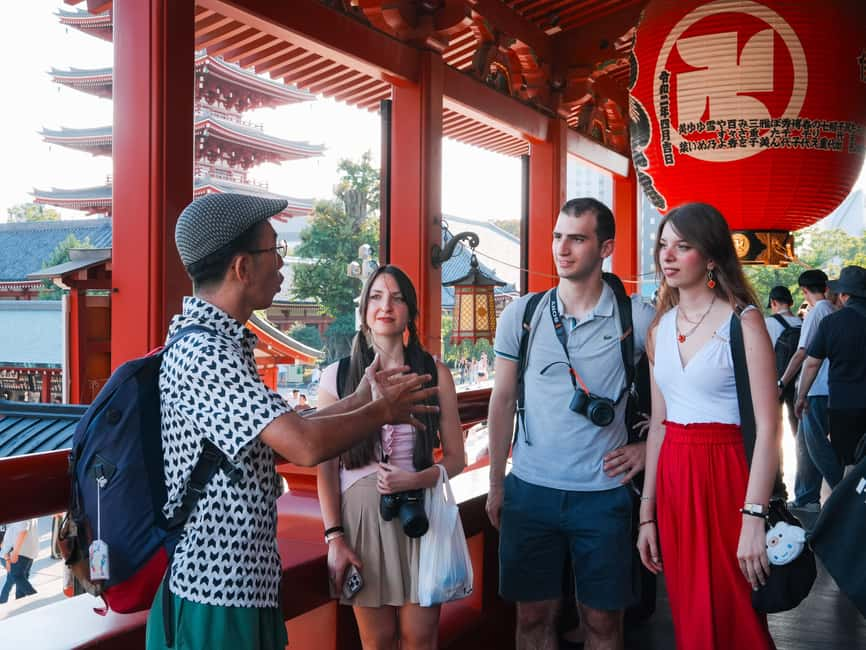
Asakusa gives you one of Tokyo’s clearest looks at the city before high-rises took over. This two-hour walk leads from the Kaminarimon Gate area through Nakamise Street and into Senso-ji, where lanterns, temple roofs, old shops, and food stalls create a strong first taste of traditional Tokyo.
I like the modest $11 price and the small-group limit of 10. I also like the focus on stories rather than simply pointing at buildings. Guides such as Lax and Shoma have been praised for friendly, clear English and for explaining Japanese religion and culture in a useful way. The main drawback is that the tour stays within one compact district, so its quality depends heavily on how well the guide connects the sights into one story.
Key points to know before you book
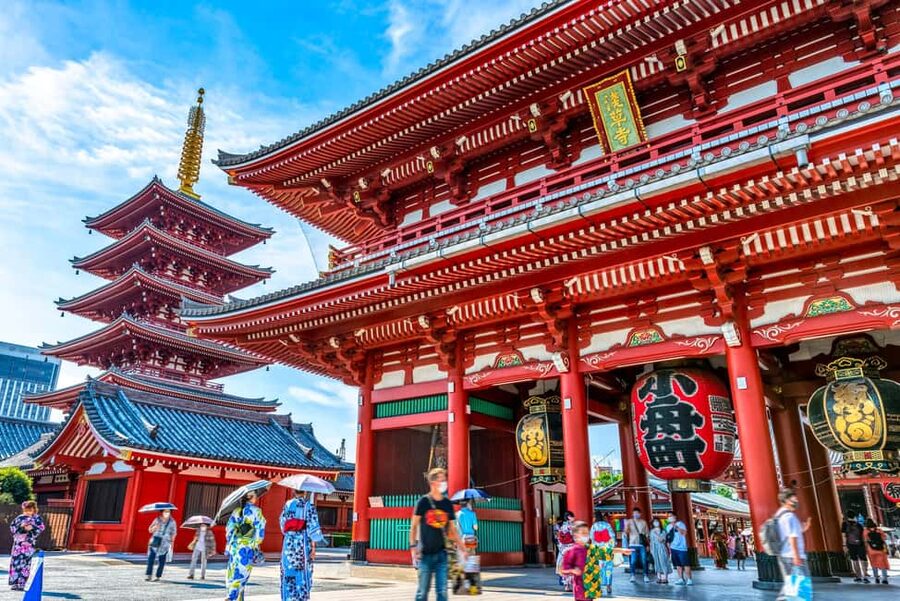
- Senso-ji is the centerpiece: Visit Tokyo’s oldest and best-known Buddhist temple, with time for photographs, sightseeing, and shopping.
- Nakamise Street adds local color: Traditional shops, sweets, souvenirs, lanterns, and snacks line the approach to the temple.
- A guide can make the difference: Lax has been praised for energy and passion, while Shoma has been praised for clear English and explanations of Japanese customs.
- The group is kept small: A maximum of 10 people gives you a better chance to hear the guide and ask questions.
- It is a low-cost introduction: At $11 for two hours, this works well as a first activity in Tokyo, though it is not a full-day cultural tour.
Why Asakusa makes a smart first stop in Tokyo
Asakusa is one of the few parts of central Tokyo where the city’s older identity remains easy to see. You are not simply looking at a historic building behind a fence. You walk through a working neighborhood, pass shops selling traditional goods, and follow the same general approach to Senso-ji used by generations of worshippers.
That matters because Tokyo can feel huge and hard to read at first. Asakusa gives you a clear starting point. The route is compact, the main sights are close together, and the guide can explain how temple customs fit into everyday Japanese life.
The walk begins at Kaminarimon Police Station, written in the meeting information as 雷門交番. This is a practical meeting place near the Kaminarimon area. You should arrive with the exact meeting instructions in hand, since a police station can be easier to find on a map than by looking for a tour sign.
From there, the route moves toward Senso-ji. The guide’s job is important here. Without context, you may see a giant red lantern, a long shopping lane, and a temple courtyard. With context, those same places become part of a story about religion, old Tokyo, trade, entertainment, war, and recovery.
More Asakusa and Sensoji tours:
- Tokyo: Japanese Dance Cabaret Theater Asakusa-Kaguwa Ticket
★ 4.8 · 2,270 reviews - Tokyo: Meiji Shrine, Asakusa, Skytree Bus Tour and Cruise
★ 4.7 · 1,986 reviews - Tokyo: Roll and Authentic Sushi Making Class in Asakusa
★ 4.9 · 1,957 reviews
Walking under the Kaminarimon Gate
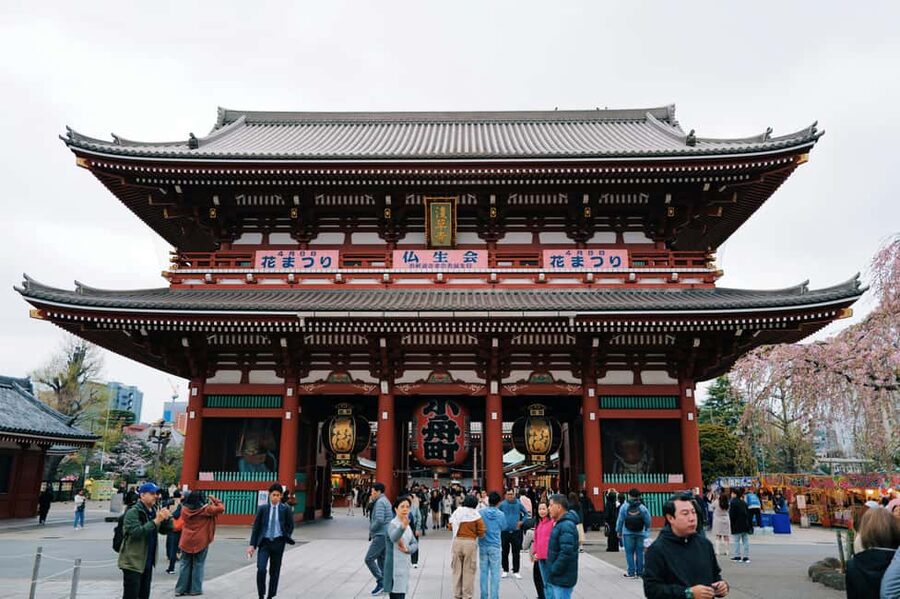
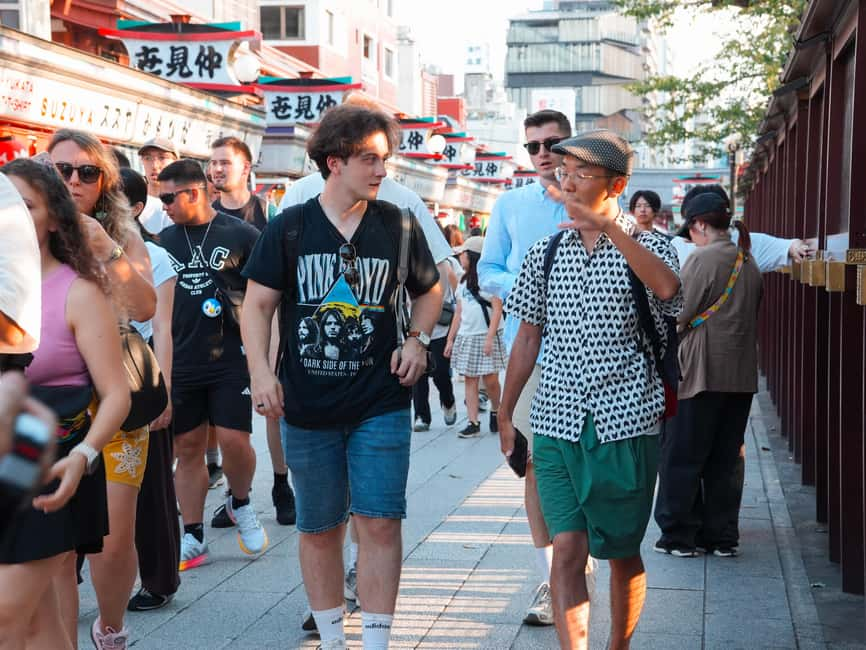
Kaminarimon, or the Thunder Gate, is the dramatic entrance to the Senso-ji district. Its giant lantern and strong red structure make it one of the easiest photo stops in Tokyo. It is also the point where the modern city gives way to a more traditional-looking stretch of Asakusa.
This is a good place for your guide to explain the role of the gate and the temple grounds. You will likely pause here for orientation and photographs before continuing along Nakamise Street. The area can be crowded, so a group of 10 is useful. You can stay close to the guide instead of trying to pick a meeting point inside a mass of people.
The gate is visually grand, but do not expect a quiet temple entrance. Asakusa is one of Tokyo’s best-known sightseeing districts. You will share the route with shoppers, worshippers, photographers, and people simply passing through. That mixture is part of the appeal, but it also means the walk is not a private, slow-paced meditation.
Nakamise Street, one shop and snack at a time
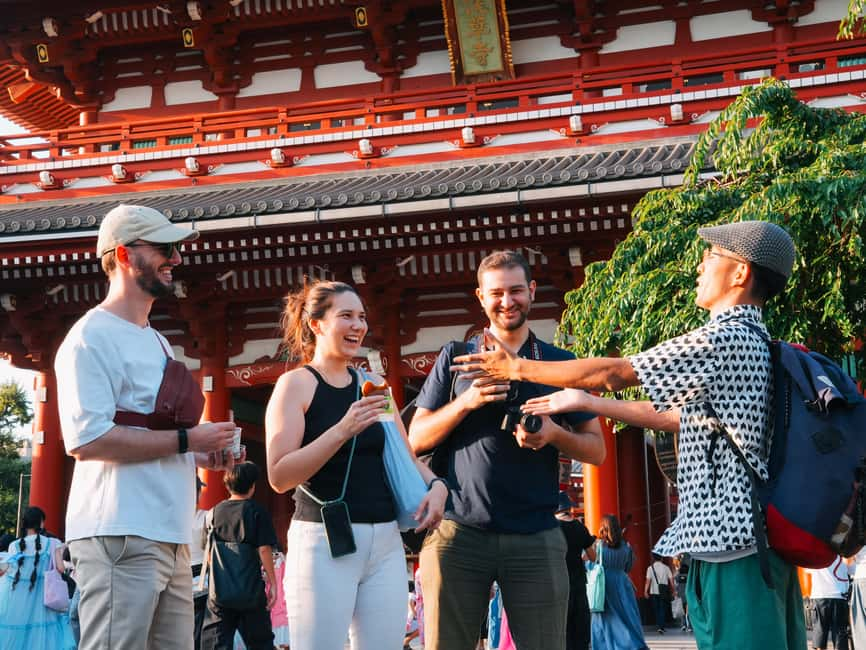
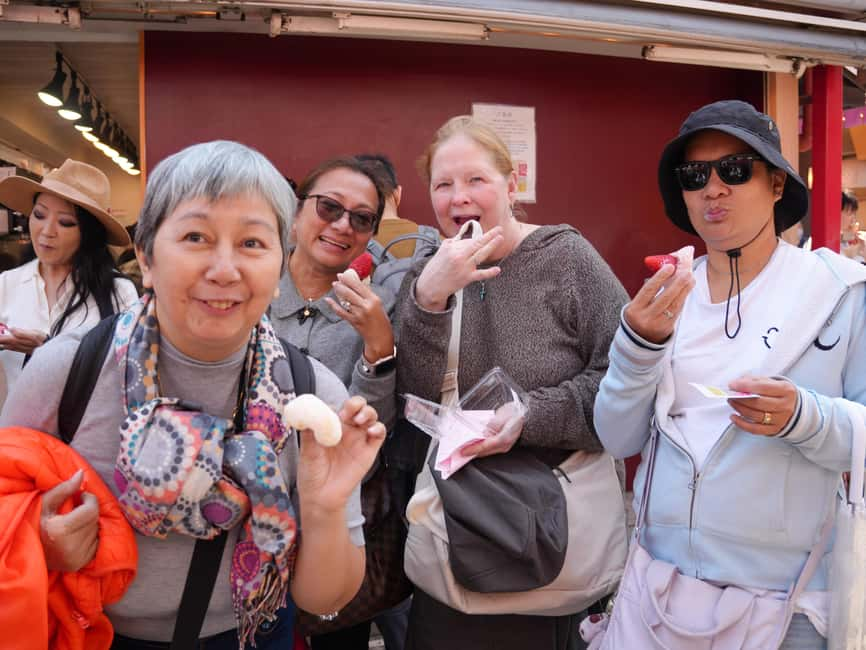
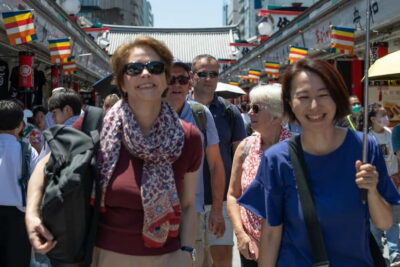
Nakamise Shopping Street runs toward Senso-ji and is one of the most enjoyable parts of the walk. Traditional storefronts line the route, with souvenirs, small gifts, sweets, and street food filling the space between the gates and the temple.
The value of having a guide here is not just learning what to buy. You can ask about the meaning of objects, how temple shopping differs from ordinary retail, and which foods are connected with the district. The supplied tour details specifically point to freshly made sweets and street snacks, so plan to enjoy the smells and displays even if you do not purchase anything.
The itinerary gives Nakamise about an hour. Since the full tour is advertised as two hours, the timing should be understood as a flexible sightseeing plan rather than a promise of a full 60-minute stop followed by every other listed time in full. The route is compact, and time may be shared between walking, explanations, photographs, and shopping.
I would not treat this as a serious shopping trip. The street is designed for browsing, and the group needs to keep moving. If you find a souvenir you want, ask the guide how much time is available before making a purchase. The main point is to understand the approach to the temple and notice how commerce has grown around a major religious site.
Senso-ji and the stories behind the temple
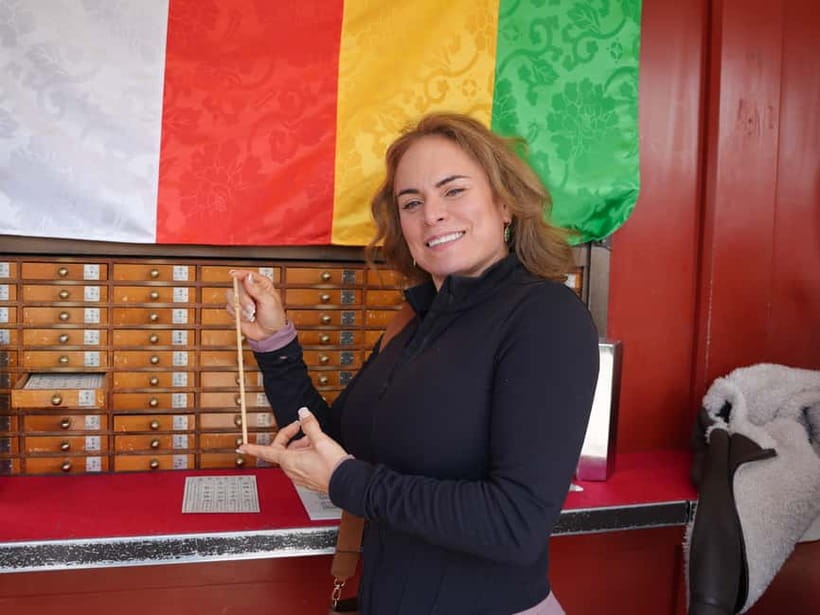
Senso-ji is the heart of the walk. The temple dates back to the seventh century and is regarded as Tokyo’s oldest and most celebrated temple. Its fame makes it an essential stop, but the guide is what can turn a quick photo visit into a useful cultural lesson.
You can expect time for photographs, sightseeing, and temple-related shopping. The tour description also promises stories about legends, hidden shrines, geisha quarters, and the area’s changes over time. Those subjects help you see Asakusa as more than a pretty old district.
A strong guide should explain what you are looking at without turning the visit into a stream of disconnected facts. One piece of feedback described a newer guide as kind and pleasant but suggested that the tour needed a stronger story linking each sight. That is a fair point. Since the walking area is small, the best version of this tour will connect the temple, gate, shopping street, and neighborhood into one clear narrative.
The religious setting also calls for basic courtesy. Follow the guide’s lead around worship areas, avoid blocking the path for photographs, and remember that Senso-ji is not only a sightseeing stop. It remains a place of worship. The tour offers an opportunity to learn about Japanese religion, but it is not a formal religious ceremony.
More Tokyo walking tours:
- Tokyo Tsukiji Fish Market Food and Culture Walking Tour
★ 5.0 · 3,184 reviews - Tokyo: Imperial Palace and Shogun Historical Walking Tour
★ 5.0 · 2,251 reviews - Tokyo: Shinjuku Local Bar and Izakaya Guided Walking Tour
★ 4.9 · 1,794 reviews - Tokyo: Tsukiji Fish Market Food and Walking tour
★ 5.0 · 1,724 reviews
Asakusa beyond the main temple route
The final portion looks at Asakusa itself, not just the temple compound. The supplied timing lists about 80 minutes for this neighborhood visit, though again, the total activity is advertised as two hours. Expect the guide to use the surrounding streets to explain the district’s older character and its changes over time.
Asakusa was once part of Edo, the old name for Tokyo. The tour connects the neighborhood with samurai-era power, entertainment districts, geisha quarters, small shrines, and post-war renewal. This broad view is useful because the area’s appeal comes from contrast. You see polished temple buildings beside ordinary city streets, old-style shops beside modern Tokyo, and religious traditions alongside food and commerce.
The promise of less obvious stops is appealing, but keep expectations sensible. This is a short walking tour, not an extensive exploration of every side street in Asakusa. The route may include tucked-away places that you would miss on your own, yet the main focus remains Senso-ji and its immediate surroundings.
I like this part because it gives you a reason to stay in Asakusa after the tour. Once you understand the layout, you can return to a shop, take more photographs, or continue exploring at your own pace. The tour ends back at Kaminarimon Police Station, so you are not left guessing where the walk finishes.
What the guides add to the visit
The strongest praise has gone to the guides’ personality, communication, and ability to explain Japanese culture. Lax has been described as fun, passionate, friendly, and good at sharing his love of Tokyo. Shoma has been praised for his clear English, broad vocabulary, punctuality, kindness, and explanations of differences between Japanese and Anglo culture.
Those details matter more than a long list of stops. Asakusa is easy to walk through without a guide. It is much harder to understand why the gates, temple customs, shopping street, and neighborhood history fit together.
Guide quality may vary from one departure to another. One three-star assessment found the guide pleasant but wanted more group interaction and a stronger narrative. That does not make the tour a poor choice, but it points to the main risk: you are paying for interpretation in a compact area, so the guide’s energy and storytelling carry a lot of weight.
The small group limit of 10 helps. You should have a better chance of hearing explanations and asking questions than on a large coach-style tour. On a quiet departure, you might even receive very personal attention. One booking had Lax guiding only two people, which allowed the visit to feel more tailored.
Is $11 good value for two hours?
At $11 per person, this is inexpensive by Tokyo tour standards. The price covers the walking guide and access to the Asakusa, Nakamise Street, and Senso-ji sightseeing areas. You are not paying for transport, hotel pickup, food, or a full-day program.
The real value is the orientation. If you are new to Tokyo, two hours with an English-speaking guide can help you understand a district that you might otherwise treat as a series of photo stops. You also avoid spending your first visit trying to work out where to go and what customs mean.
The price is less compelling if you already know Asakusa well or prefer to explore at your own pace. You can walk through the main temple approach independently. The tour earns its fee through the guide’s explanations, local stories, and answers to your questions.
I would also avoid expecting a food tour. You may encounter sweets and snacks, and the route includes shopping, but food is not listed as included. Budget separately for anything you want to buy.
Who will enjoy this walking tour most?
This tour suits first-time Tokyo visitors who want a gentle introduction to Japanese culture without committing to a long day. It also works well for history fans who want Edo-era stories, temple legends, and a look at how Asakusa changed after the war.
Families and older visitors may appreciate the short duration and compact route, though the information provided does not specify accessibility conditions. The walk includes shopping streets and temple grounds, so you should consider your own comfort with city walking and crowds.
It is also a good choice if you want a low-cost activity near the start of your trip. The guide can help you learn basic cultural context that makes later temple and shrine visits easier to understand.
You may want something else if your main goal is food tasting, nightlife, detailed Buddhist study, or a broad tour of Tokyo. This experience stays in Asakusa and focuses on walking, stories, photographs, and sightseeing.
Useful booking details for a smooth visit
The meeting point is Kaminarimon Police Station. The tour is in English and uses a live guide. The group is limited to 10 people, and the activity lasts two hours, with departure times varying by availability.
There is no hotel pickup or drop-off, so you need to reach the meeting point yourself. Wear shoes you can walk in and leave room in your schedule for photographs and browsing. The route includes a shopping street, so a small bag with free space can be handy if you buy sweets or souvenirs.
You can cancel up to 24 hours before the activity for a full refund. You can also reserve now and pay later, which is useful if your Tokyo schedule is still changing. These policies do not change the nature of the walk, but they reduce the risk of booking a short activity too early in a busy itinerary.
My verdict on the Asakusa and Senso-ji walk
I would book this tour if you want an affordable, guided introduction to one of Tokyo’s most historic districts. The best reasons are the low price, small group, central meeting point, and chance to hear clear cultural explanations from guides such as Lax or Shoma.
I would book it early in your Tokyo stay, then use what you learn to explore Asakusa again on your own. Just keep your expectations in line with the format. This is a two-hour neighborhood walk, not a full city tour or a carefully planned food crawl.
If you care most about a lively guide who connects every stop into one story, understand that the result may depend on who leads your departure. For $11, though, the risk is modest. If your priority is seeing Senso-ji, learning the basics, and getting your bearings in old Tokyo, this is a sensible and good-value choice.
FAQ
Where does the tour meet?
The meeting point is Kaminarimon Police Station, written as 雷門交番 in the activity information.
How long does the walking tour last?
The activity is advertised as two hours. The route includes Nakamise Shopping Street, Senso-ji Temple, and the surrounding Asakusa area.
What language is the tour conducted in?
The live tour guide speaks English.
How many people can join the group?
The group is limited to 10 participants.
Is Senso-ji Temple included?
Yes. The activity includes admission to Senso-ji Temple and time for photographs, sightseeing, and shopping.
Is Nakamise Shopping Street included?
Yes. The route includes a visit to Nakamise Shopping Street, with time for shopping and sightseeing.
Does the tour include hotel pickup and drop-off?
No. Hotel pickup and drop-off are not included, so you need to reach the meeting point yourself.
Can I cancel the booking?
Yes. You can cancel up to 24 hours in advance for a full refund. You can also reserve now and pay later.
Newly reviewed around Tokyo
- Tokyo Asakusa:Calligraphy & Make T-shirt Activity★ 5.0 · 62 reviews
- Intercity Shuttle, Tokyo to Haneda /Narita /Yokohama /Makuhari★ 5.0 · 5 reviews
- 1 Hour Travel around Tokyo with a Professional Photographer★ 5.0 · 3 reviews
- Travel Tokyo with Your Own Personal Photographer★ 5.0 · 43 reviews
- Train in Samurai Swordsmanship and Defeat the Demon in Tokyo★ 5.0 · 5 reviews
- Shuttle Van 6hr Tokyo Tour to-and-from Tokyo, Yokohama and Narita★ 5.0 · 9 reviews
- Kickboxing & Body Training with EX-Pro Fighter★ 5.0 · 4 reviews
- Traditional Japanese Knife Sharpening Class★ 5.0 · 18 reviews
Tokyo Walking Tours, compared.
Tokyo Tsukiji Fish Market Food and Culture Walking Tour
Read our review →
Imperial Palace and Shogun Historical Walking Tour
Read our review →
Shinjuku Local Bar and Izakaya Guided Walking Tour
Read our review →
Asakusa Walking Tour with Sensoji Temple Visit
Read our review →
Tokyo Castle & Imperial PalaceーShogun Walking Tour
Read our review →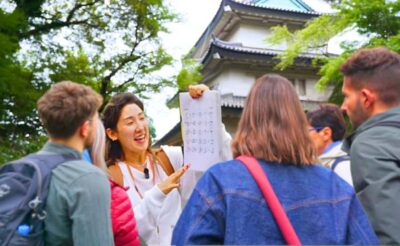
Browse the lists this tour appears in