
Reviewed · TOKYO WALKING TOURS
Tokyo Asakusa Half Day Walking Tour with Local Guide
Asakusa’s best moments are easy to miss if you only follow the main road. This two-and-a-half-hour walking tour gives you the big sights, then adds local details around snacks, worship, craft shops, and old Shitamachi streets. Guides such as Hana, Shino, and Kurumi have been praised for their patience, warmth, and clear explanations.
I like the small maximum of five people, which gives you a real chance to ask questions and request changes. I also like that the route includes more than Senso-ji: you can sample age-manju and kibidango, look at folding fans and leather goods, and wander around Kamiya Bar and Hoppy Street. The main drawback is that lunch, food, drinks, transportation, and other experience fees are not included in the $61.78 price.
Key points to know before booking
- Start at 9:30 a.m. at the Asakusa Culture Tourist Information Center, a handy place near Kaminarimon Gate.
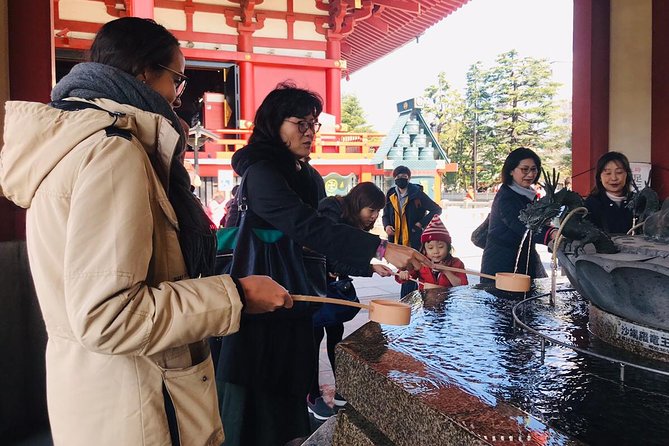
- See Senso-ji the right way, with guidance on washing, praying, and drawing a fortune.
- Taste classic Asakusa snacks, including age-manju, kibidango, ningyo-yaki, matcha, and Kaminari Okoshi.
- Shop for traditional goods, with stops that may include folding fans and leather items.
- Request a personalized route, since the stated itinerary is only an example.
- Plan for extra costs, especially lunch and food samples, which are paid separately.
Why this small Asakusa walk works well
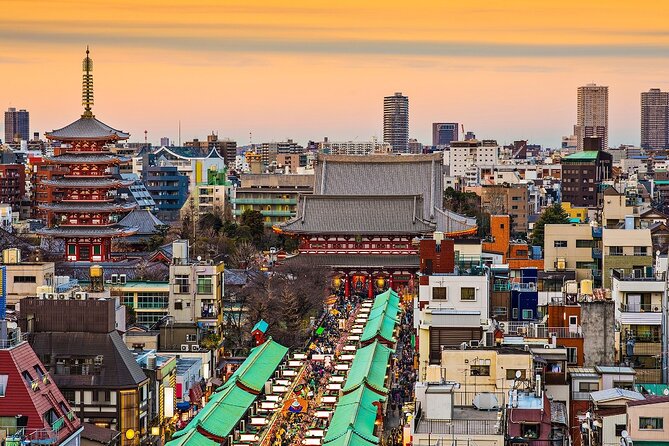
Asakusa is one of Tokyo’s easiest districts to visit on foot, but it has layers that are not obvious at first glance. You can walk from the red Kaminarimon Gate to Senso-ji in minutes, yet the meaning of the temple rituals, the history of the shopping street, and the character of the older side streets take more time to understand.
This tour gives you a useful first look without asking you to give up an entire day. At about two hours and thirty minutes, it fits well into a morning before an afternoon in Ueno, the Tokyo Skytree area, or another part of the city.
I especially like the group limit. With no more than five people, the guide can explain things at a human pace rather than delivering a speech to a crowd. The route can also be adjusted if you have a particular interest in temples, food, shopping, or local streets.
Four published ratings give this experience five stars, with special praise for guides Hana, Shino, and Kurumi. The recurring strengths are simple and important: pleasant company, patience, useful explanations, and a better understanding of what you are seeing.
More Asakusa and Sensoji tours:
- Tokyo: Japanese Dance Cabaret Theater Asakusa-Kaguwa Ticket
★ 4.8 · 2,270 reviews - Tokyo: Meiji Shrine, Asakusa, Skytree Bus Tour and Cruise
★ 4.7 · 1,986 reviews - Tokyo: Roll and Authentic Sushi Making Class in Asakusa
★ 4.9 · 1,957 reviews
Starting at Kaminarimon Gate
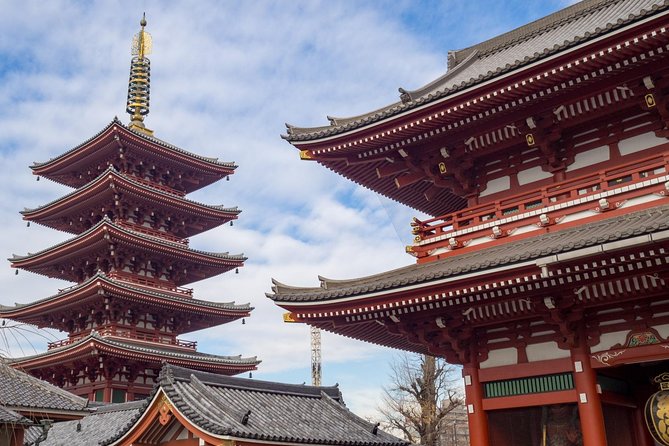
Meet at the Asakusa Culture Tourist Information Center at 9:30 a.m., at 2-chōme-18-9 Kaminarimon. The tour begins at Kaminarimon Gate, also called the Thunder Gate, the familiar entrance to Senso-ji.
This is a smart starting point because the gate gives you an immediate sense of Asakusa’s scale and purpose. It is not just a photo stop. It marks the approach to one of Tokyo’s oldest temples and leads directly toward Nakamise Shopping Street.
Your guide can explain the gate and help you get your bearings before the crowds and shops take over. The morning start also gives the walk a clear rhythm. You begin with the district’s best-known landmark, then move inward through food stalls, craft shops, temple grounds, and older streets.
Bring comfortable shoes. The route is a walking experience, and the schedule is fairly compact, so you will get more from it if you are ready to keep moving between stops.
Nakamise Shopping Street, where food is part of the lesson
Nakamise Shopping Street runs toward Senso-ji and is one of the most colorful parts of the route. It is lined with specialty shops aimed largely at people visiting Asakusa, but that does not make it a place to rush through.
The guide can point out snacks that are easy to overlook or difficult to identify on your own. Possible tastings include:
- Age-manju, a deep-fried sweet bun
- Kibidango, small millet dumplings
- Ningyo-yaki, doll-shaped waffles
- Matcha tea
- Kaminari Okoshi, a sweet rice cracker
Food costs are not included, so carry some money for anything you want to try. That arrangement gives you control, which is useful if you have dietary limits or prefer to spend more on souvenirs than snacks.
Nakamise is also a good place to shop for small gifts. The tour specifically includes craft shops such as Bunsen-do, known for folding fans, and Bunkoya-Ozeki, which sells leather items. I like this part of the route because it shifts the focus away from generic Tokyo shopping and toward objects connected to traditional Japanese crafts.
Do not expect a quiet market. Nakamise is a popular approach to Senso-ji, and the shopping street can feel busy. Your guide is most useful here as a filter, helping you understand what is worth noticing instead of simply leading you past one shop after another.
Senso-ji and the practical side of temple worship
Senso-ji is the heart of this walk. It is one of Tokyo’s oldest temples, and its bright gates, incense burner, and broad grounds make it a major stop for first-time visitors to the city.
The useful part of having a guide here is not just hearing dates or names. You will learn how to approach the temple, how to worship, and how to make a prayer. You can also draw a fortune, an everyday temple custom that becomes more meaningful when you understand what you are doing.
This guidance matters because many visitors see people washing their hands, waving incense smoke, or making a prayer without knowing the order or purpose of the actions. A short explanation turns those details from decoration into part of the visit.
The temple can be busy, and two hours and thirty minutes does not allow unlimited time at every stop. If you want long periods for photography, shopping, or quiet reflection, you may need to return on your own after the tour. The benefit here is an efficient introduction, not a slow private meditation.
More Tokyo walking tours:
- Tokyo Tsukiji Fish Market Food and Culture Walking Tour
★ 5.0 · 3,184 reviews - Tokyo: Imperial Palace and Shogun Historical Walking Tour
★ 5.0 · 2,251 reviews - Tokyo: Shinjuku Local Bar and Izakaya Guided Walking Tour
★ 4.9 · 1,794 reviews - Tokyo: Tsukiji Fish Market Food and Walking tour
★ 5.0 · 1,724 reviews
From Kamiya Bar to Hoppy Street
After the main temple area, the route moves into Asakusa’s old Shitamachi district. Shitamachi refers to the traditional low-town areas of Tokyo, and this section gives the tour a different feel from the polished temple approach.
The stated route includes the area around the oldest Kamiya Bar and Hoppy Street, followed by more Asakusa streets. These places help show the neighborhood as more than a temple complex and souvenir corridor. You get a look at the older local character that many visitors would pass without understanding.
The information provided does not promise a meal at Kamiya Bar or Hoppy Street, so treat these as walking stops unless your guide confirms otherwise. The same applies to the Monja-yaki lunch mentioned in the experience description. You can enjoy this savory pancake lunch at your own expense, but the meal is not included in the tour price.
That extra cost is worth planning for if food is one of your reasons for booking. Monja-yaki is associated with Tokyo’s old downtown food culture, and trying it adds a hands-on element to the morning. Still, you should see the $61.78 fee as the cost of the guide and walking experience, not as an all-inclusive food tour.
A route that can change around your interests
One of the more useful features is the option to request places or themes you would like to see. The listed stops are an example, and the guide can set up the route around your questions and interests.
That flexibility could help in several ways. You might ask for more time around temple customs, traditional shopping, local food, or the older streets. If you have already seen Senso-ji, you could request greater attention to the Shitamachi area, though the final route depends on what the guide can arrange.
The small group makes this option more practical. In a large tour, one person’s request can slow down everyone else. With a maximum of five people, the guide has more room to adjust the pace and explain details that match the group.
You should still think of the route as flexible rather than unlimited. The tour lasts about two and a half hours, and the experience description does not guarantee every possible Asakusa sight. If there is one place you care about most, request it when booking or contact the provider before the morning begins.
What the guides add
The guides named in the published feedback include Hana, Shino, and Kurumi. Hana is described as sweet and informative, with explanations covering temples, shopping districts, history, and cultural meaning. Shino is praised for a delightful personality and for meeting the group’s expectations. Kurumi is described as doing a strong job telling the story of the area.
Those details point to the kind of guide you can expect: friendly, patient, and focused on helping you understand the neighborhood. One person specifically praised the guide’s patience, while another appreciated learning many historical details rather than simply being shown from one stop to the next.
That personal element is the main reason to choose this tour over a self-guided walk. You can find Kaminarimon Gate and Senso-ji on your own. The value comes from having someone explain how the temple works, identify local snacks, answer questions, and connect the shopping street with the older district around it.
The provider is Attractive JAPAN. The experience has mobile ticketing, and confirmation is sent within 48 hours of booking, subject to availability. Most people can participate, and the meeting point is near public transportation.
Is $61.78 a fair price?
At $61.78 per person, this is not the cheapest way to walk around Asakusa. You can visit the main public areas without paying an admission fee, and you will still see Kaminarimon, Nakamise, and Senso-ji on your own.
The price makes more sense if you want context and a personal route. You are paying for a local guide, a small group, temple instruction, help with the food and craft stops, and the chance to shape the morning around your interests.
The extra costs matter. Lunch is not included, and neither are food and drinks, transportation, or other experience fees. If you sample several snacks and stop for Monja-yaki, your final spending will be higher than the advertised tour price.
I would consider it good value for a first morning in Tokyo, especially if you are uneasy about temple customs or want a quick introduction before exploring independently. If you are comfortable researching Asakusa and prefer to spend your money on food or shopping, the price may feel less attractive.
Timing, meeting point, and practical planning
The tour starts at 9:30 a.m. and ends back at the meeting point. That return is convenient because you do not need to arrange a separate pickup or work out where the walk finishes.
The starting point is the Asakusa Culture Tourist Information Center, close to Kaminarimon Gate. Check the meeting details carefully before setting out, since arriving at the general Asakusa area is not the same as arriving at the exact address.
The experience requires good weather. If poor weather causes cancellation, you are offered another date or a full refund. It can also be canceled if the minimum number of participants is not reached, with the choice of another date or experience, or a full refund.
Your own cancellation terms are strict: the booking is non-refundable and cannot be changed for any reason. I would avoid booking far in advance if your plans are uncertain. The tour is designed for a morning outdoors, so weather is a real part of the decision.
Who will get the most from this walk?
This tour suits first-time visitors who want to understand Asakusa without spending a full day on it. It is also a good fit if you like food, traditional goods, and local customs but do not want to plan every stop yourself.
Families and small groups may appreciate the limited group size and flexible route, provided everyone is comfortable walking for two and a half hours. People interested in Japanese temple practice will get more from the visit than someone who only wants photographs.
I would be less likely to book it if I had already spent substantial time in Asakusa or if I wanted a dedicated food tour. Since lunch and food are extra, the experience is better understood as a guided cultural walk with food opportunities, not a full meal-based outing.
Should you book the Asakusa half-day tour?
Book it if you want a friendly local guide, a compact introduction to Asakusa, and the chance to ask questions in a very small group. Hana, Shino, and Kurumi have each been praised for clear explanations and pleasant company, which is exactly what helps in a district filled with details that are easy to miss.
The strongest reasons to choose it are the flexible route, the temple guidance, and the mix of Senso-ji with snacks, crafts, and old Shitamachi streets. Just budget separately for lunch and food, wear comfortable shoes, and remember that the booking cannot normally be changed or refunded.
If you prefer complete independence and already know how to navigate Tokyo, you can explore the same public sights for less. For a first, well-organized look at Asakusa with real human context, the $61.78 price is reasonable.
FAQ
How long does the Asakusa walking tour last?
The tour lasts approximately two hours and thirty minutes.
What time does the tour start?
It starts at 9:30 a.m.
Where does the tour begin?
The meeting point is the Asakusa Culture Tourist Information Center at 2-chōme-18-9 Kaminarimon, Taito City, Tokyo 111-0034, Japan.
Where does the tour end?
The activity ends back at the meeting point in Asakusa.
How many people can join the tour?
The maximum group size is five travelers.
Is lunch included in the tour price?
No. Lunch is not included. Food, drinks, transportation, and other experience fees are also paid separately.
Can the itinerary be customized?
Yes. The stated itinerary is an example, and you can request places or subjects you would like to visit. The guide will arrange the route around your requests.
What happens if the tour is canceled because of bad weather?
You will be offered a different date or a full refund. The same options apply if the minimum number of participants is not reached.
Newly reviewed around Tokyo
- Tokyo Asakusa:Calligraphy & Make T-shirt Activity★ 5.0 · 62 reviews
- Intercity Shuttle, Tokyo to Haneda /Narita /Yokohama /Makuhari★ 5.0 · 5 reviews
- 1 Hour Travel around Tokyo with a Professional Photographer★ 5.0 · 3 reviews
- Travel Tokyo with Your Own Personal Photographer★ 5.0 · 43 reviews
- Shuttle Van 6hr Tokyo Tour to-and-from Tokyo, Yokohama and Narita★ 5.0 · 9 reviews
- Kickboxing & Body Training with EX-Pro Fighter★ 5.0 · 4 reviews
- Train in Samurai Swordsmanship and Defeat the Demon in Tokyo★ 5.0 · 5 reviews
- Traditional Japanese Knife Sharpening Class★ 5.0 · 18 reviews
Tokyo Walking Tours, compared.
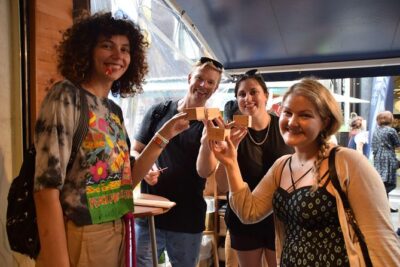
Tokyo Tsukiji Fish Market Food and Culture Walking Tour
Read our review →
Imperial Palace and Shogun Historical Walking Tour
Read our review →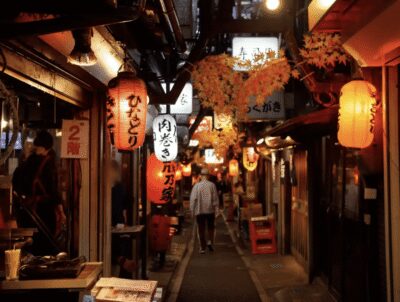
Shinjuku Local Bar and Izakaya Guided Walking Tour
Read our review →
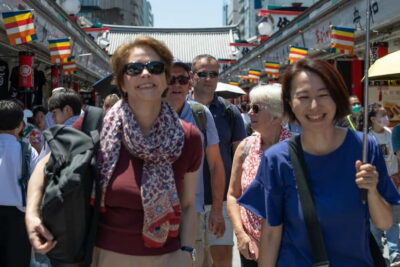
Asakusa Walking Tour with Sensoji Temple Visit
Read our review →
Tokyo Castle & Imperial PalaceーShogun Walking Tour
Read our review →
Browse the lists this tour appears in