
Reviewed · ASAKUSA AND SENSOJI TOURS
Private Japanese Sample Food Making and Asakusa History Tour
Japanese restaurants use plastic and wax food displays so convincing that you may need a second look. This three-hour tour lets you make one yourself, then places you in Kappabashi Street, Tokyo’s kitchen-supply district, before finishing at Sensoji Temple and Nakamise Dori. I like the hands-on workshop and the clear connection between craft, food, and daily Japanese life. I also like the small-group format, capped at 15 people, with guides such as Mami and Hitomi adding personal help along the way.
The main drawback is the price: at $172.66 per person, this is not a cheap sightseeing walk. You also need to protect your hands and nails during the wax session, and the cancellation terms need careful checking because the supplied booking information gives two different versions.
Key points to know before booking
- You make a real sampuru souvenir: The workshop focuses on tempura-style fake food models, and you take your finished piece home.
- Kappabashi gives the craft a proper setting: This is Tokyo’s kitchen district, filled with cooking tools, restaurant goods, and sample food displays.
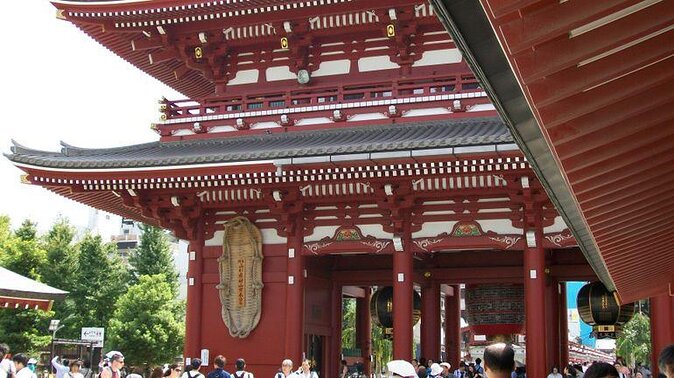
- Sensoji adds the cultural side: You visit Tokyo’s oldest and most popular temple, followed by Nakamise Dori, the shopping street leading toward the temple hall.
- The tour suits families: Children age 7 and up may join, but anyone aged 7 to 14 must stay with an adult aged 20 or older.
- The schedule is limited: Tours run on Tuesdays, Thursdays, and Sundays from 10:00 a.m. to noon, except on some holidays.
- The guide matters here: English-speaking guides explain the craft and help with the workshop, with Mami and Hitomi specifically praised for their friendly assistance and local explanations.
Why Japanese fake food is worth your time
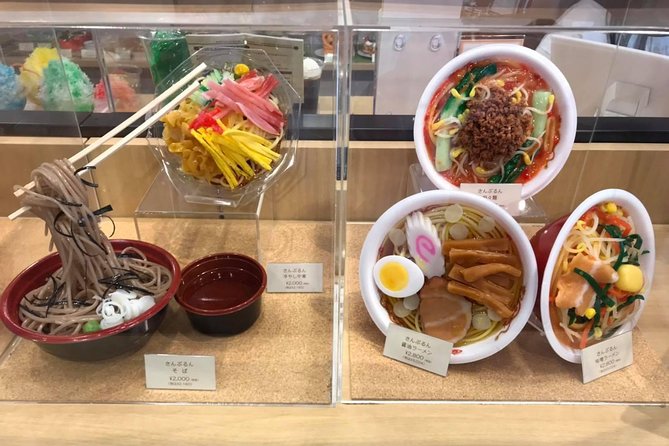
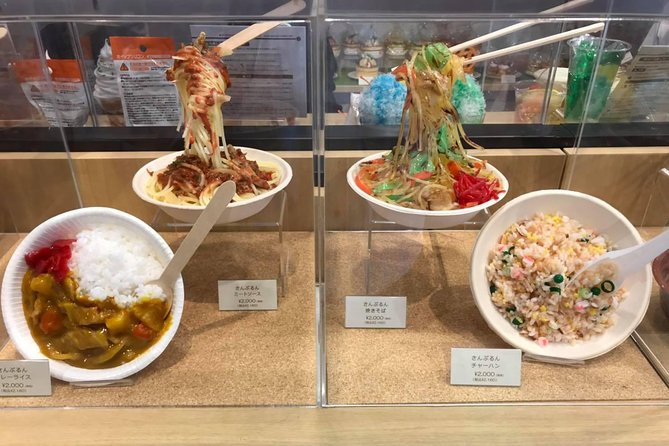
Sampuru is the Japanese craft of making food models for restaurant windows. The word comes from the English word sample, and the displays have become a familiar part of eating out in Japan. A bowl of noodles, a plate of tempura, or a perfectly arranged dessert can sit outside a restaurant and show you exactly what you might order.
The models are made from plastic or wax, and the work remains highly manual. Some pieces take only a few hours, while larger displays can take up to a week. The fine detail helps explain the high cost: an elaborate model may sell for up to ten times the price of the real dish, sometimes reaching $500, or about 55,000 yen.
The craft is often traced to Takizo Iwasaki, an artisan from Gujo Hachiman. The story says he made a wax omelet so realistic that his wife could not tell it from the real thing. He later founded one of Japan’s major plastic food companies, which is estimated to control about 60 percent of the sampuru market.
That background gives the workshop more weight than a simple children’s craft project. You are learning why these models exist, how they developed, and why restaurant owners still value them. Then you get to handle the same basic idea yourself.
More Asakusa and Sensoji tours:
- Tokyo: Japanese Dance Cabaret Theater Asakusa-Kaguwa Ticket
★ 4.8 · 2,270 reviews - Tokyo: Meiji Shrine, Asakusa, Skytree Bus Tour and Cruise
★ 4.7 · 1,986 reviews - Tokyo: Roll and Authentic Sushi Making Class in Asakusa
★ 4.9 · 1,957 reviews
Making your tempura sample in a small group
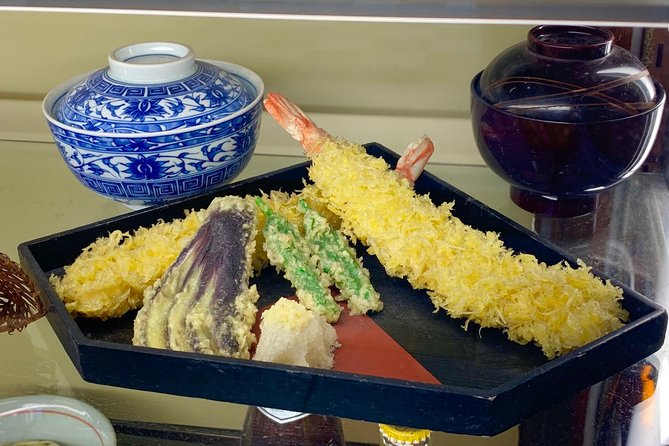
The workshop is the heart of the experience. Before you begin, the guide explains the history and purpose of sampuru and shows different kinds of models. You then work with wax to make tempura-style food samples.
The process is designed for beginners, including children age 7 and up. The hands-on element makes this a good choice if you want more than a guide pointing out famous buildings. You are not just looking at Japanese food culture. You are shaping a small object connected to it.
The finished sampuru becomes your souvenir, which is more personal than buying a standard magnet or key ring. It also gives you something to show family and friends while explaining what you did in Tokyo. The experience includes photo opportunities, so you can record the craft process as well as the final result.
The group limit is 15 people. That is still large enough to include other families or couples, but small enough for the guide to offer help during a practical activity. The tour is described as private, meaning only your own group participates, yet it also lists a maximum of 15 people. If you are booking for a larger family or party, confirm how your reservation will be handled.
One practical warning deserves attention. The wax can remove nail art or polish from your hands. If that matters to you, skip the manicure before the tour or be prepared for some wear. You may also want clothing suited to a hands-on activity, although no special uniform is required.
Kappabashi Street, Tokyo’s kitchen supply district
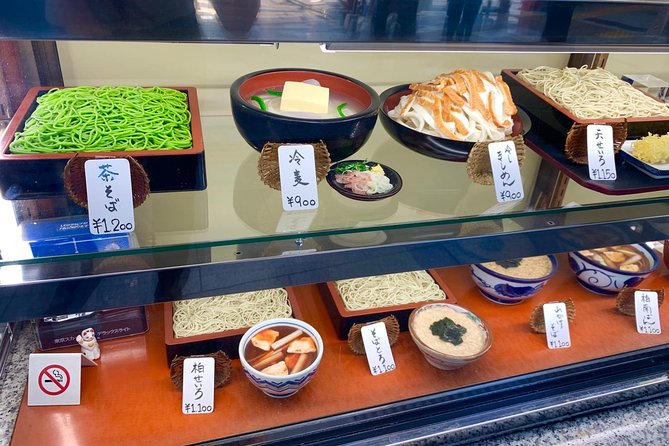
After the workshop, the tour moves into Kappabashi Street, also called Kitchen Town. This area is known for stores selling cooking tools, restaurant equipment, dishes, knives, and food models. Even if you are not shopping, the street helps you see how restaurants operate behind the dining room.
The sample food displays are especially useful here. You can compare the handmade models you have just studied with the polished examples used in restaurant windows. The result is a sharper eye for details such as glossy sauces, curled shrimp, translucent noodles, and carefully arranged toppings.
Kappabashi also gives you a chance to browse practical Japanese goods. The tour does not include meals or drinks, and purchases are your responsibility, so keep that in mind if you see kitchenware you want to take home. One guide, Mami, is specifically noted for helping with a tax-free refund and directing visitors to a next stop. That kind of assistance can be useful if you plan to shop.
Do not expect a long, unhurried shopping session. The complete experience lasts about three hours and includes both the workshop and Asakusa sights. Think of Kappabashi as a guided introduction rather than a dedicated retail tour. If you want to inspect every knife shop or buy bulky kitchen equipment, you will need extra time on your own.
Sensoji Temple and the walk along Nakamise Dori
The tour includes a visit to Sensoji Temple, also known as Asakusa Kannon Temple. It is Tokyo’s oldest and most popular temple, and the visit provides a strong contrast to the modern, commercial craft of sampuru.
The temple portion is listed at about 30 minutes, with admission included. That is enough to see the principal areas and hear an explanation of the site, but it is not a long temple study. If you enjoy taking time for photographs, reading every sign, or watching daily worship, you may want to return separately.
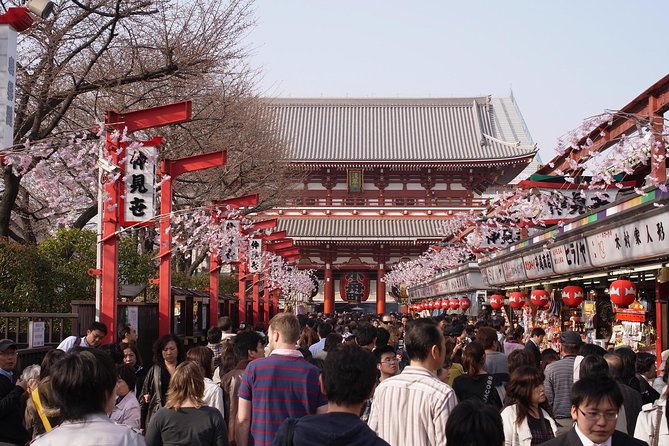
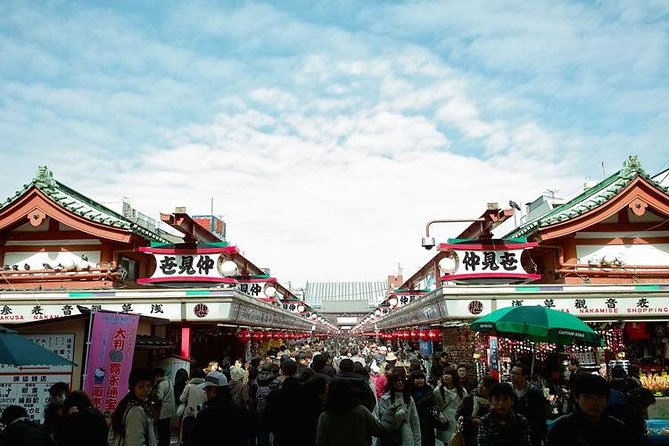
Nakamise Dori connects the main gate of Sensoji with the main hall. This shopping street is part of the temple approach, not just an unrelated retail strip. It gives you a sense of how worship, souvenirs, snacks, and city life meet in Asakusa.
The route works well because the stops relate to one another. At the workshop, you learn how food is represented. At Kappabashi, you see the tools and displays linked to restaurants. At Sensoji and Nakamise Dori, you encounter an older side of Tokyo, where the temple approach remains one of the city’s best-known public spaces.
More Tokyo food tours:
- Tokyo: Shinjuku Food Tour (13 Dishes at 4 Local Eateries)
★ 5.0 · 6,603 reviews - Tokyo Tsukiji Fish Market Food and Culture Walking Tour
★ 5.0 · 3,184 reviews - Tokyo: Shinjuku Food Tour (15 Dishes and 4 Eateries)
★ 4.9 · 2,033 reviews - Best of Shinjuku: Izakaya Food Tour (4 Stops, 14+ Tastings)
★ 5.0 · 1,863 reviews
How the three-hour schedule works
You meet at 9:45 a.m. outside the APA Hotel Asakusa Tawaramachi Station Mae, at 1-chome-2-3 Nishiasakusa in Taito City. The activity begins at 10:00 a.m. and ends back at the meeting point.
The tour information lists nearby public transportation, which is helpful in Tokyo’s Asakusa area. You should arrive early. The guide waits up to 30 minutes after the scheduled start, but after that the activity is treated as cancelled.
The exact order of stops may vary. The stated program includes the workshop, Kappabashi Street, Sensoji Temple, and Nakamise Dori. Weather can also cause a slight change, since the tour operates in most conditions but not during a typhoon or other extreme event.
A three-hour block is a reasonable fit for a morning or early afternoon plan. It gives you a focused introduction without taking over the whole day. You can still schedule lunch, another Asakusa visit, or a separate Tokyo activity afterward.
There is also an optional four-hour or six-hour Tokyo add-on at checkout. This is a private city tour with an English-speaking guide, or another language if arranged. Public transportation for you and the guide is included, but optional activity fees are not. An add-on lunch at Japan’s oldest tempura restaurant is also available, which could make sense if you want to connect the fake-food workshop with a real tempura meal.
Guide support and the family question
The tour includes an English-speaking guide and translator. That matters because sampuru involves craft terms, local history, and explanations that may be harder to follow in a busy shopping district without help.
Hitomi is specifically associated with friendly explanations about the area and the history of sample food making. The activity is also described as surprisingly easy and fun to make, which is encouraging if you worry that you lack artistic skill. Mami is noted for practical help with a tax-free refund and directions for continuing the day.
Families should find the age policy clear. Children must be at least 7 years old, and those aged 7 to 14 need a guardian aged 20 or older with them at all times. Wheelchairs and strollers are listed as accessible, and most people can participate.
Still, accessibility on paper does not tell you every detail of the walking route, shop entrances, or workshop setup. If you use a wheelchair or stroller, ask the provider about the specific path and the space available at the worktable before booking.
Is $172.66 a fair price?
At $172.66 per person, the cost is high for three hours. You are paying for more than admission to Sensoji, which is included but not the main expense. The price covers an English-speaking guide, a private or small-group setting, the craft lesson, your handmade souvenir, and a guided introduction to two important Asakusa areas.
The value is strongest if you want a structured cultural activity. You receive an object made during the tour, get help understanding a craft that is difficult to appreciate from a restaurant window alone, and avoid having to organize the workshop and neighborhood walk yourself.
The value is weaker if your main goal is shopping or temple sightseeing. You can visit Sensoji and Nakamise Dori independently, and Kappabashi is open to anyone. The premium makes the most sense for families, first-time visitors, and people who want an English explanation tied to a hands-on activity.
Group discounts may reduce the cost for a larger booking. Since the experience is capped at 15 and described as private, check the final price for your exact group before assuming the discount applies.
Weather, cancellation, and small practical details
The tour operates in all weather except typhoons and other extreme conditions. Wear shoes and clothing suitable for walking, and prepare for outdoor time between indoor stops. If the weather forces a change, the route may be adjusted.
The cancellation details supplied with the experience are not fully consistent. One section says you receive a full refund when cancelling up to four days before the start time, with no refund after that. Another section says the experience is non-refundable and cannot be changed for any reason, while also noting that a 15 percent service fee may remain nonrefundable after planning begins.
Because those terms conflict, check the final cancellation policy shown at checkout or ask Japan Awaits before paying. This is especially important for a $172.66 booking.
The mobile ticket and instant confirmation make the booking process simple. You do not need to bring food or drinks as part of the package, since meals and beverages are not included. Any other fees, purchases, or optional activities are also extra.
Who should book this Asakusa experience?
I would choose this tour for families with children who enjoy making things, couples looking for an unusual Tokyo activity, and first-time visitors who want Asakusa explained rather than simply photographed. The craft gives younger participants a clear focus, while Kappabashi and Sensoji give adults more cultural and shopping interest.
It also suits anyone curious about the fake food seen outside Japanese restaurants. You get the rare chance to handle the material and then look at restaurant displays with a better understanding of the labor behind them.
I would think twice if you are watching every yen, dislike guided schedules, or want a slow day devoted only to temples and shops. Three hours passes quickly, and the workshop means less time for independent browsing.
Should you book it?
Book this experience if the idea of making your own tempura sampuru sounds more appealing than another standard Tokyo walking tour. The combination of craft, Kappabashi, and Sensoji has a clear purpose, and guides such as Hitomi and Mami add useful help beyond basic directions.
The price is the main hurdle. For a family or private group that values an easy, organized activity and a take-home souvenir, it can be worthwhile. Before committing, confirm the cancellation terms, check the group arrangement, and leave your nail polish at home.
FAQ
What is included in the tour?
The tour includes an English-speaking guide, a hands-on Japanese sample food workshop, one sampuru model to take home, a walking tour of Kappabashi Street, a visit to Sensoji Temple, photo opportunities, and explanations about the history and craft of Japanese food displays.
How long does the experience last?
The experience lasts about three hours. It starts at 10:00 a.m. and ends back at the meeting point.
Where does the tour begin and end?
The meeting point is APA Hotel Asakusa Tawaramachi Station Mae, at 1-chome-2-3 Nishiasakusa, Taito City, Tokyo. The activity ends back at the same meeting point.
What days is the tour available?
The tour is available on Tuesdays, Thursdays, and Sundays from 10:00 a.m. to noon, except on some holidays. The meeting time is 9:45 a.m.
What age is required to participate?
Participants must be at least 7 years old. Children aged 7 to 14 must stay with a guardian aged 20 or older throughout the activity.
Is the tour accessible for wheelchairs and strollers?
Wheelchairs and strollers are listed as accessible, and most people can participate. You may still want to confirm the details of the walking route and workshop space before booking.
Are food and drinks included?
No. Meals, food, and drinks are not included. An optional lunch at Japan’s oldest tempura restaurant is available as an add-on.
Can I cancel or change the booking?
The supplied information gives conflicting cancellation terms. One section states that cancellations up to four days before the start time receive a full refund, while another states that the experience is non-refundable and cannot be changed. Check the final terms at checkout or confirm them with Japan Awaits before booking.
More history and heritage tours in Tokyo
- Tokyo: Imperial Palace and Shogun Historical Walking Tour
★ 5.0 · 2,251 reviews - Tokyo: Imperial Palace Japanese History Walking Tour
★ 4.9 · 987 reviews - Tokyo: Shinjuku Historical Walking Tour & Secret Backstreets
★ 5.0 · 530 reviews - Yanaka Walking Tour: Historic and Traditional District of Tokyo
★ 5.0 · 530 reviews
Newly reviewed around Tokyo
- Tokyo Asakusa:Calligraphy & Make T-shirt Activity★ 5.0 · 62 reviews
- Intercity Shuttle, Tokyo to Haneda /Narita /Yokohama /Makuhari★ 5.0 · 5 reviews
- 1 Hour Travel around Tokyo with a Professional Photographer★ 5.0 · 3 reviews
- Travel Tokyo with Your Own Personal Photographer★ 5.0 · 43 reviews
- Train in Samurai Swordsmanship and Defeat the Demon in Tokyo★ 5.0 · 5 reviews
- Shuttle Van 6hr Tokyo Tour to-and-from Tokyo, Yokohama and Narita★ 5.0 · 9 reviews
- Kickboxing & Body Training with EX-Pro Fighter★ 5.0 · 4 reviews
- Tokyo History: Sensoji Temple & Asakusa District Private Tour★ 5.0 · 28 reviews
Asakusa and Sensoji Tours, compared.
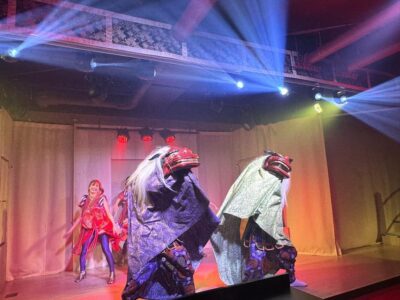
Japanese Dance Cabaret Theater Asakusa-Kaguwa Ticket
Read our review →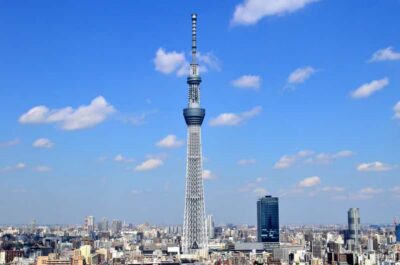
Meiji Shrine, Asakusa, Skytree Bus Tour and Cruise
Read our review →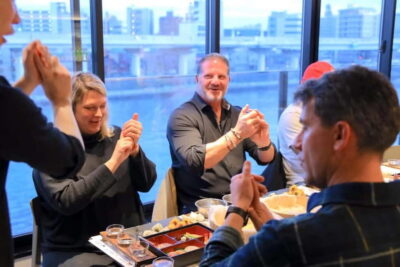
Roll and Authentic Sushi Making Class in Asakusa
Read our review →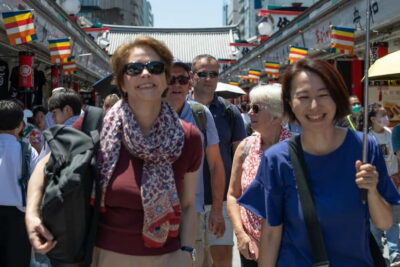
Asakusa Walking Tour with Sensoji Temple Visit
Read our review →
Tokyo Panoramic 1 Day: Meiji Shrine, Asakusa, Odaiba and SKYTREE®
Read our review →
Tokyo Go Kart: Asakusa, Skytree, and Akihabara **IDP MUST**
Read our review →
Asakusa, Skytree & Akhihabara Go-Kart City Experience
Read our review →Browse the lists this tour appears in