

Reviewed · TOKYO SAMURAI AND NINJA EXPERIENCES
Imperial Palace Tour: Discover Samurai History with a Local Guide
Tokyo’s Imperial Palace hides a surprising amount of samurai-era history in the middle of modern Tokyo. This two-hour walk takes you through the East Gardens of the Imperial Palace, former grounds of Edo Castle, with stone walls, old gates, watchtowers, and the Tenshudai castle ruin.
I like the small maximum group of eight, which gives you a better chance to hear the guide and ask questions. I also like the low price of $12.90, especially since the main stops have no admission charge. The main drawback is meeting the guide at a busy central location, since one guest had trouble finding the guide at the start.
Key points at a glance
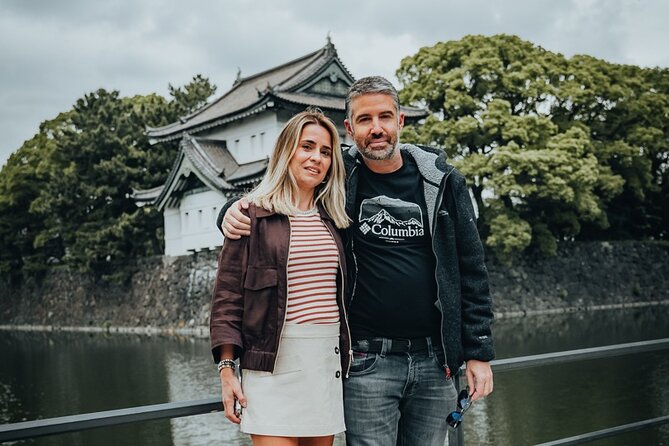
- Former Edo Castle grounds: Walk through the old center of Tokugawa power, where samurai politics shaped Japan.
- Tatsumi Yagura Watchtower: See one of the few surviving Edo-period structures within the palace grounds.
- Nijubashi Bridge: Stop for one of the most recognizable Imperial Palace views.
- Small group of up to eight: The setting should feel more personal than a large coach tour.
- Two-hour walking format: A useful introduction for first-time visitors, with enough time for several major sights.
- $12.90 price: A strong value for guided context at a mostly free public site.
Why Edo Castle gives this walk its purpose
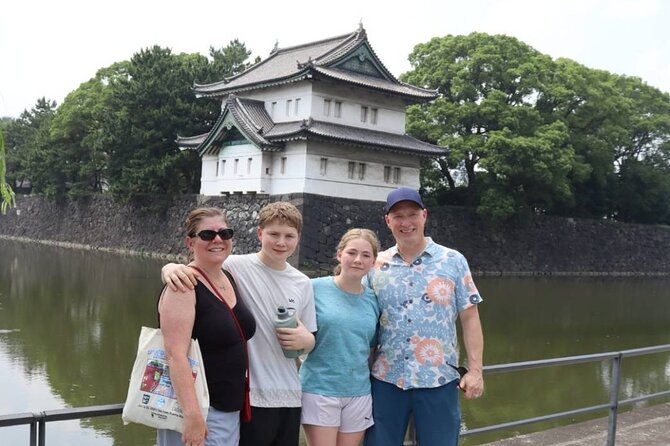
The Imperial Palace can seem quiet and formal at first glance. Its broad open spaces, moats, stone walls, and carefully kept gardens do not immediately explain the political drama that once played out here.
The key is to remember that today’s palace grounds occupy the former site of Edo Castle. During the Edo period, the castle was the stronghold of the Tokugawa shogunate, the military government that held power over Japan. The walk connects the surviving pieces of that fortress with the wider story of samurai rule, imperial authority, and Tokyo’s growth.
That context is where the guide adds real value. You can see a stone wall by yourself, but you may not understand why its scale mattered or how a watchtower fit into the castle’s defenses. You can photograph Nijubashi Bridge alone, but a guide can place the view within the larger story of the imperial grounds.
This is not a tour of the palace interiors. The route centers on outdoor areas, historic remains, gardens, and viewpoints. If you want a short introduction to the setting before exploring more of Tokyo, the format makes sense. If you expect access to the Emperor’s private residence or a long visit inside palace buildings, this is not the right experience.
More Imperial Palace tours in Tokyo:
- Tokyo: Imperial Palace and Shogun Historical Walking Tour
★ 5.0 · 2,251 reviews - Tokyo: Imperial Palace Japanese History Walking Tour
★ 4.9 · 987 reviews - Tokyo: Imperial Palace and Shogun Walking Tour
★ 4.9 · 935 reviews
Meeting at Wadakura Fountain Park
The walk begins at Starbucks Coffee in Wadakura Fountain Park, at 3-1 Kōkyogaien in Chiyoda City. This is a useful central meeting point, but you should allow time to find it and identify your guide before the scheduled start.
That advice matters here. One guest had a difficult start because the guide was not easy to locate, although the rest of the experience became interesting and enjoyable. It is a small issue, but it can sour the first few minutes of a timed tour. Have your mobile ticket ready, arrive early, and do not assume that standing near the café will automatically make the guide visible.
The activity ends back at the meeting point. That makes the tour easier to fit into a day of sightseeing because you are not left at an unfamiliar part of Tokyo. The route is also near public transportation, although the supplied details do not identify a specific station or train line.
Tatsumi Yagura, a rare surviving watchtower
The first listed stop is Sakurada Tatsumi Yagura, also called Sakurada Nijū Yagura. You have about 30 minutes here, making it the longest single stop on the route.
Tatsumi Yagura is a two-story watchtower built during the Edo period. Only a small number of structures from that period remain within the Imperial Palace grounds, so this is more than a photogenic old building. It gives you a direct link to the defensive system of Edo Castle.
A watchtower also helps you picture the castle as a working military and political center, not simply as a royal residence. The guide’s explanation of samurai culture and castle power should make the structure easier to read. Look for the details that separate a defensive building from a decorative garden feature.
The 30-minute allocation is useful for anyone who prefers explanation over a quick photo stop. It also means the guide can discuss the tower without rushing straight to the next view. On the other hand, the tour is still only about two hours, so this part will not become a long architectural study.
Admission is listed as free. You are paying for the guided interpretation and organization rather than an entrance ticket.
Nijubashi Bridge and the classic palace view
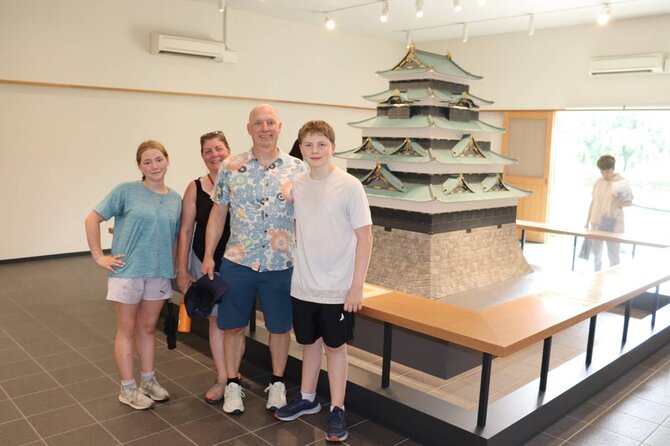
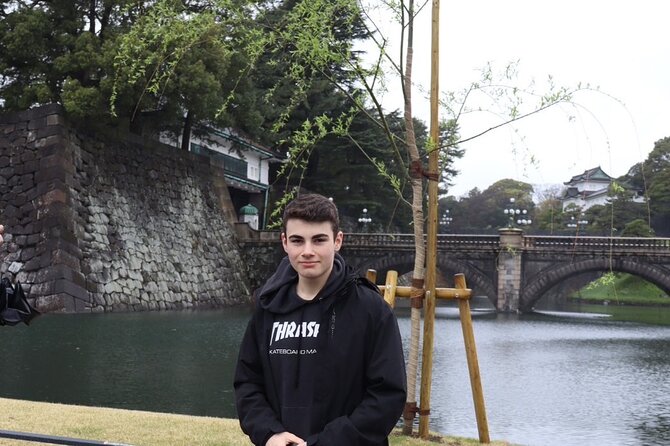
The walk then includes about 15 minutes at Nijubashi, commonly called the Two-tiered Bridge. It is one of the Imperial Palace’s most familiar views, with the bridge crossing the moat on the approach to the inner grounds.
This is the shortest stop, so expect a focused look rather than a leisurely bridge visit. The elegant stone structure is a natural place for photographs, but the guide can also explain why this approach to the palace carries such symbolic weight.
The contrast here is part of the appeal. The bridge presents the refined, formal face of the Imperial Palace, while the watchtower and castle ruins show its military past. In a short tour, that contrast helps connect the imperial institution of today with the samurai power that came before it.
You should also keep your expectations practical. The route gives you a view of Nijubashi and the surrounding palace setting, not an open visit to every inner palace area. The listed admission is free, and the stop is mainly about seeing the bridge, the moat, and the approach to the grounds.
More Tokyo samurai and ninja experiences:
- Tokyo: Samurai Ninja Museum Guided tour and Experience
★ 4.6 · 1,010 reviews - Tokyo: Samurai Sword & Archery Class from Samurai Descendant
★ 5.0 · 603 reviews - Best Samurai Experience in Tokyo
★ 5.0 · 458 reviews - Ninja Experience (Family Friendly) at Samurai Ninja Museum TOKYO
★ 5.0 · 441 reviews
East Gardens and the Tenshudai castle ruin
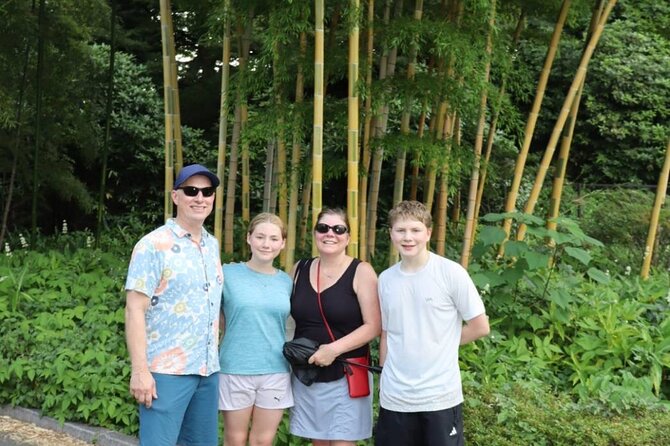
The East Gardens are the historical center of the walk. They are open to the public and occupy former Edo Castle grounds, with old stone walls, gates, seasonal flowers, and traditional Japanese gardening.
The garden setting can make the castle’s past easy to overlook. You might see trimmed plantings and quiet paths first, then notice the heavy masonry and changes in elevation that reveal the older fortress beneath the park. This is where a guide’s running commentary can turn a pleasant stroll into a clearer lesson in Tokyo’s past.
A key sight here is the Tenshudai, the base of the former castle keep. The remains do not offer a complete castle building, but the foundation helps show the scale and importance of Edo Castle. Ruins often require more explanation than intact buildings, and this is one of the stronger reasons to choose a guided visit instead of walking through the gardens alone.
You have about 30 minutes in this area. That is enough for a meaningful stop, though not enough to inspect every path or garden feature. If you already know you want a slow garden visit, you may want to return on your own after the tour. The guided walk gives you the historical frame, then you can decide how much more time to spend.
The Imperial Palace and Tokyo’s changing power
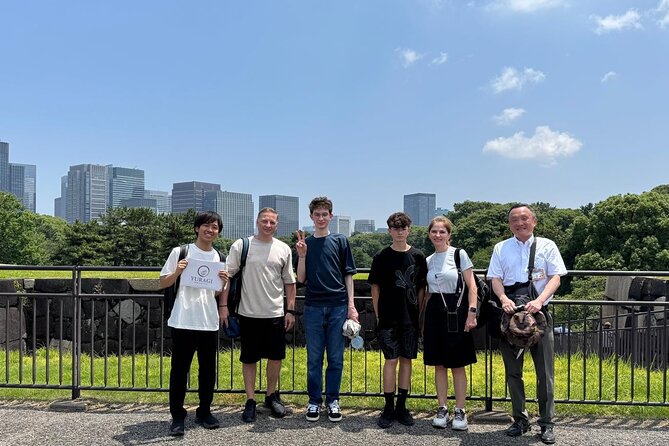
The final listed stop is the Imperial Palace itself, with roughly 30 minutes devoted to the residence of the Emperor of Japan and its surrounding grounds.
The palace occupies the same broad historical setting as Edo Castle, but its role changed as Japan moved from shogunal rule toward imperial government and the modern state. The tour uses the palace setting to explain that shift, along with the evolution of Tokyo from a feudal power center into Japan’s capital.
This is a good portion of the walk for visitors who want more than samurai stories. The commentary also covers emperors and the political forces that shaped Japan. You get a sense of how different kinds of authority occupied the same central ground over time.
The palace exterior and grounds are the focus. There is no information indicating access to interior rooms, private areas, or a formal palace building tour. Keep that distinction in mind when deciding how this fits into your Tokyo plans.
What the $12.90 price really buys you
At $12.90 per person, this is an inexpensive guided experience for central Tokyo. The strongest value comes from the combination of a professional guide, a small group capped at eight people, and several major sights that do not require separate admission tickets.
You are not paying for a costly entry pass or a long transport package. You are paying for someone to connect scattered remains: the watchtower, the bridge, the stonework, the gardens, and the castle base. That is worthwhile at a site where the historical meaning is not always obvious from the view alone.
The value is especially good if you are visiting Tokyo for the first time and want a simple orientation to Chiyoda. It is also a sensible choice for anyone interested in samurai history but short on time. A two-hour walk can provide a firm historical base before you visit other parts of the city.
The price is less compelling if you only want photographs or a quiet walk. The East Gardens and palace surroundings can be visited without paying for this tour, so independent visitors who already understand Edo Castle may prefer to explore at their own pace.
Small group size and the walking pace
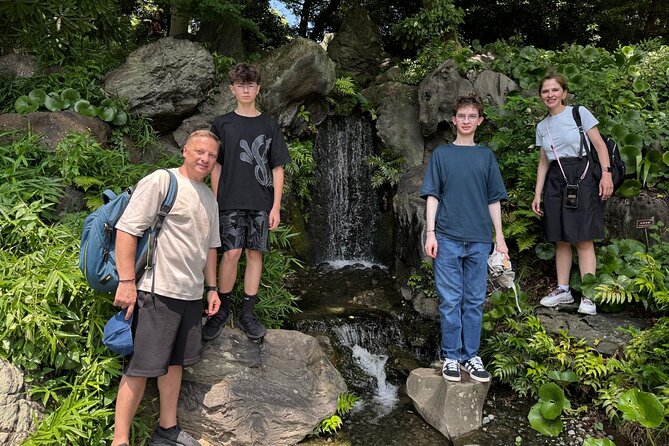
The maximum of eight people is one of the better features here. A group this size is easier to keep together around gates, bridges, and narrow sections of a historic site. It also gives you a better chance to ask about details that interest you, from samurai customs to the changing role of the imperial family.
The tour lasts about two hours and requires a moderate level of physical fitness. You should expect to walk along paths through the gardens and palace grounds. The available information does not give a precise distance, number of steps, or terrain description, so anyone with mobility concerns should ask the provider for more detail before booking.
The small group does not make the tour private. Eight people can still create a little delay at a viewpoint, and the guide must follow a shared pace. Still, this is a much more intimate setup than a large city sightseeing group.
The mobile ticket is convenient for a short activity. You do not need to manage a printed voucher, but you should keep your phone charged and easy to access, especially while finding the meeting point.
Who will get the most from this experience
I would recommend this walk to you if you want a short, guided introduction to Tokyo’s political and military past. It suits first-time visitors, history fans, and anyone who likes to understand the places behind the photographs.
It also works well for a day with several planned stops. The tour begins and ends at the same location, lasts about two hours, and stays in one central part of the city. You can fit it between other Chiyoda sights without giving up an entire morning or afternoon.
Families and mixed-age groups may appreciate the compact length, although the moderate fitness requirement still matters. The small group can also make questions easier than on a large organized outing. Service animals are allowed.
I would be more cautious about booking if you need a fully detailed accessibility plan, since the provided information only says that moderate physical fitness is required. I would also think twice if your main goal is entering palace buildings. The experience is centered on outdoor grounds and historic remains.
A few practical ways to make the walk better
Arrive early at the Starbucks in Wadakura Fountain Park. The one negative detail attached to this experience involved difficulty finding the guide, so give yourself a buffer rather than arriving at the exact start time.
Wear comfortable walking shoes. The route covers several outdoor stops, including gardens, castle remains, a watchtower, and palace approaches. Bring a phone for the mobile ticket, and keep the confirmation available in case you need to identify the booking.
Use the guide’s historical explanations as a starting point, not the end of your visit. The two-hour route gives you the main story and major landmarks. If the East Gardens appeal to you, you may want to spend additional independent time there after the guided portion, although the activity itself returns you to the original meeting point.
The score attached to this experience is 4.9 out of 5 from 20 ratings, with 100 percent recommending it. There is also a 4 out of 5 account that points to the one practical weakness: the opening meeting process. The overall picture is strong, but the high score should not make you ignore that small bit of planning.
Should you book the Imperial Palace walk?
Book it if you want affordable historical context, a compact route, and a small group rather than a grand sightseeing operation. At $12.90, the tour offers good value because it links Edo Castle ruins, samurai history, imperial power, and modern Tokyo in one manageable walk.
Skip it if you want interior palace access, a private guide, or a slow garden visit with no fixed pace. For everyone else, this is a sensible way to make the Imperial Palace grounds easier to understand. Just arrive early at the Wadakura meeting point, keep your mobile ticket ready, and expect an outdoor history walk rather than a palace-interior tour.
FAQ
How long does the Imperial Palace tour last?
The tour lasts approximately two hours.
How much does the experience cost?
The listed price is $12.90 per person.
Where does the tour start?
The meeting point is Starbucks Coffee in Kokyo Gaien Wadakura Fountain Park, at 3-1 Kōkyogaien, Chiyoda City, Tokyo 100-0002, Japan.
Where does the tour end?
The activity ends back at the original meeting point.
What places are included in the walk?
The route includes Sakurada Tatsumi Yagura, Nijubashi Bridge, the East Gardens of the Imperial Palace and Edo Castle ruins, and the Imperial Palace grounds.
Are admission tickets included?
Admission to the listed stops is shown as free. The tour price covers the guided activity rather than separate entrance tickets.
How large is the group?
The activity has a maximum of eight travelers.
Is the tour available as a mobile ticket?
Yes. A mobile ticket is available, and confirmation is received when you book.
Can I cancel for a full refund?
Yes, if you cancel at least 24 hours before the experience start time. Cancellations made within 24 hours are not refunded, and changes within that period are not accepted.
More history and heritage tours in Tokyo
- Tokyo: Shinjuku Historical Walking Tour & Secret Backstreets
★ 5.0 · 530 reviews - Yanaka Walking Tour: Historic and Traditional District of Tokyo
★ 5.0 · 530 reviews - Mt. Fuji Heritage Tour: Traditional Villages, Lakes & Shrine
★ 4.5 · 509 reviews - From Tokyo: Nikko World Heritage Site Private Full-Day Trip
★ 4.9 · 243 reviews
Newly reviewed around Tokyo
- Tokyo Asakusa:Calligraphy & Make T-shirt Activity★ 5.0 · 62 reviews
- Intercity Shuttle, Tokyo to Haneda /Narita /Yokohama /Makuhari★ 5.0 · 5 reviews
- 1 Hour Travel around Tokyo with a Professional Photographer★ 5.0 · 3 reviews
- Travel Tokyo with Your Own Personal Photographer★ 5.0 · 43 reviews
- Train in Samurai Swordsmanship and Defeat the Demon in Tokyo★ 5.0 · 5 reviews
- Shuttle Van 6hr Tokyo Tour to-and-from Tokyo, Yokohama and Narita★ 5.0 · 9 reviews
- Kickboxing & Body Training with EX-Pro Fighter★ 5.0 · 4 reviews
- Tokyo History: Sensoji Temple & Asakusa District Private Tour★ 5.0 · 28 reviews
Tokyo Samurai and Ninja Experiences, compared.
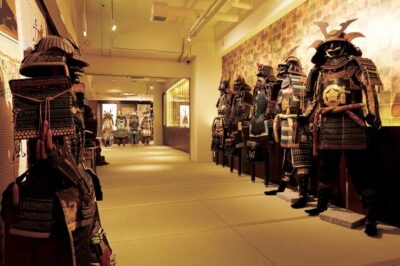
Samurai Ninja Museum Guided tour and Experience
Read our review →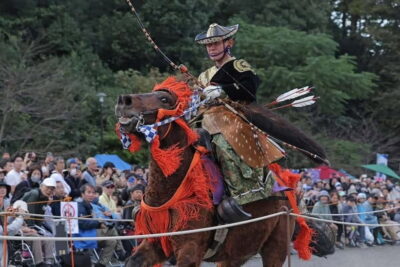
Samurai Sword & Archery Class from Samurai Descendant
Read our review →

Ninja Experience (Family Friendly) at Samurai Ninja Museum TOKYO
Read our review →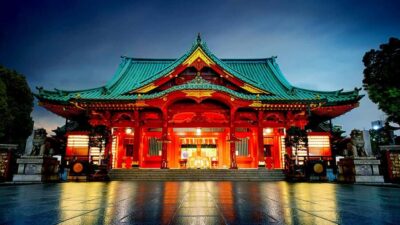
Samurai Entertainment Night Show in Kanda Shrine
Read our review →
Tokyo Sword Experience – includes Museum Ticket/Ninja Experience
Read our review →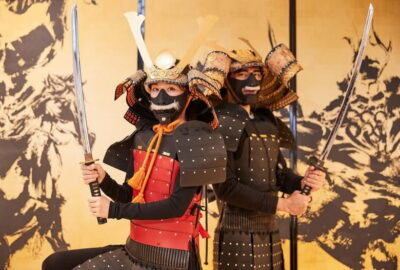
Samurai Ninja Museum Asakusa: Samurai Sword Lesson & Tour
Read our review →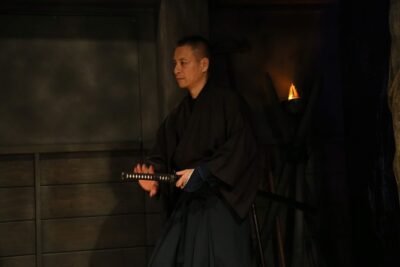
Ninja Samurai 2-hour hands-on lesson by Japanese master in Tokyo
Read our review →Browse the lists this tour appears in