
Reviewed · TOKYO IMPERIAL PALACE TOURS
Imperial Palace or Edo Castle Time Trip Learning Walking Tour
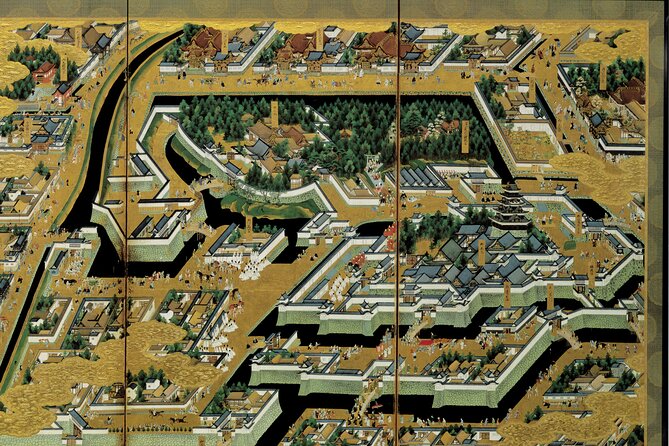
The most interesting part of this walk is that it turns Tokyo’s Imperial Palace grounds into a vanished castle. You’ll use an illustrated map of Edo from the 1650s, then match its picture of gates, moats, bridges, huts, and stone walls with what remains today. I like the clear time-travel theme and the chance to think about how the Shogun, Emperor, samurai class, castle women, and ordinary city residents fit into one society. I also like the small group limit of eight, which should make questions easier.
The main drawback is the distance: you’ll walk about 5.4 kilometers in two and a half hours. The route is not a quick photo stop at the famous bridge. It is a history walk with a steady amount of pavement underfoot, and the meeting point at Tokyo Station needs care. Find the Marunouchi South Exit on the ground floor, not simply the broad Tokyo Station area.
Key points at a glance
- A 1650s map brings Edo Castle back to life, helping you picture the fortress that once occupied this part of Tokyo.
- The route covers about 5.4 kilometers, linking Tokyo Station, Sakurada Gate, the Imperial Palace bridges, the Imperial Eastern Garden, and Hirakawa-mon Gate.
- A government-licensed English-speaking guide leads the walk, with Blanca specifically praised for her clear English, pleasant manner, and strong command of Japanese history.
- The group is capped at eight people, a useful size for a walking tour built around questions and explanation.
- The tour costs $3.25 per person, making it unusually inexpensive for a guided Tokyo activity, though meals and bottled water are not included.
- You receive a small gift, and the mobile ticket makes the booking simple once you reach the correct station exit.
Why this walk works better than a quick palace photo
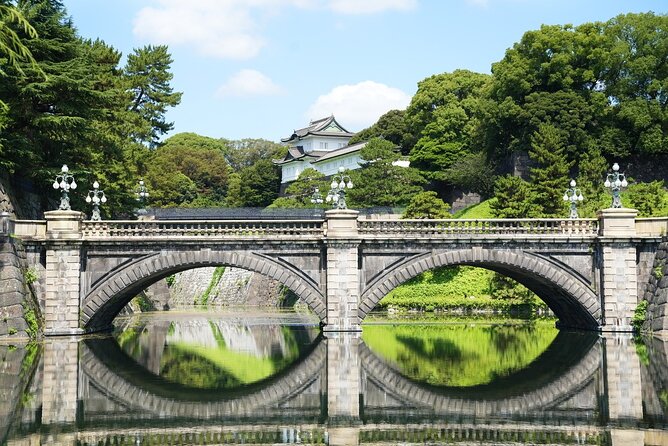
The Imperial Palace can be confusing if you see only its famous double bridges and broad open spaces. You get a handsome view, take a picture, and move on. This experience gives you a framework for reading the site.
Your guide starts with Edo in the 1650s, when the city was organized around the power of the Shogun and the castle at its center. The map matters because much of the original castle is gone. The remaining walls, gates, moats, bridges, and guard structures are clues rather than a complete building.
I like this approach because it asks you to imagine the castle without pretending that the modern palace grounds are untouched. You can compare the old map with the present-day setting and see how a fortified political center has become an Imperial site and public garden area.
The tour also promises more than military architecture. You’ll hear about the Shogun, the Emperor, the samurai ruling class, people living in Edo city, and women connected to the castle. That wider view gives the stones a human purpose. A gate was not just a gate. It controlled movement and helped organize power.
More Imperial Palace tours in Tokyo:
- Tokyo: Imperial Palace and Shogun Historical Walking Tour
★ 5.0 · 2,251 reviews - Tokyo: Imperial Palace Japanese History Walking Tour
★ 4.9 · 987 reviews - Tokyo: Imperial Palace and Shogun Walking Tour
★ 4.9 · 935 reviews
Starting at Tokyo Station’s Marunouchi South Exit
The walk begins at Tokyo Station’s Marunouchi South Gate Dome, at 1-chome 9, Marunouchi, Chiyoda City. This is a convenient starting area near public transportation, but the station is large enough to cause trouble if you rely on a general map pin.
A previous meeting-point explanation was adjusted to direct participants to the Marunouchi South Exit on the ground floor. Take that detail seriously. Tokyo Station has several exits, levels, and grand approaches, so arrive with a few spare minutes. The mobile ticket confirms your booking, but it does not remove the need to find the right door.
The first stop is the Mitsubishi Ichigokan Museum area. The stop lasts about five minutes and does not include an admission ticket because the purpose is a short explanation of the Mitsubishi Group and its important role in Japan’s economy.
This opening may feel separate from the castle story at first. It gives you a quick look at another force that shaped modern Japan: large business power. The contrast is useful. You begin with a modern economic institution near Tokyo Station, then move toward the older political center of Edo.
Do not expect a museum visit here. The listed time is brief, and the stop is meant as an introduction rather than a full cultural attraction.
Sakurada Gate and the first look at Imperial Palace
From the station area, the route moves toward Sakurada Gate and the Imperial Palace. This is where the walk’s central idea becomes easier to see.
Sakurada Gate is one of the key points for understanding the old castle’s defensive design. You’ll encounter the kind of gate, wall, moat, and controlled approach that allowed the castle to function as a protected seat of power. The guide uses the surviving features to explain the larger Edo Castle complex.
The route then brings you to the bridges before the main entrance of the Imperial Palace. The double-bridge view is one of the most recognizable palace scenes in Tokyo. It is also a good example of why this tour adds value beyond a photograph. Your guide can place the bridges within the broader story of entrances, authority, and the castle’s changing identity.
The experience does not include a palace interior visit or a paid admission attraction. That keeps the cost low, but it also means you should book this for outdoor interpretation rather than access to rooms or royal collections.
Weather matters here. The experience requires good weather and may be moved or canceled if conditions are poor. There is no indoor substitute described, so check the forecast and dress for a long outdoor walk.
Imagining Edo Castle from its surviving pieces
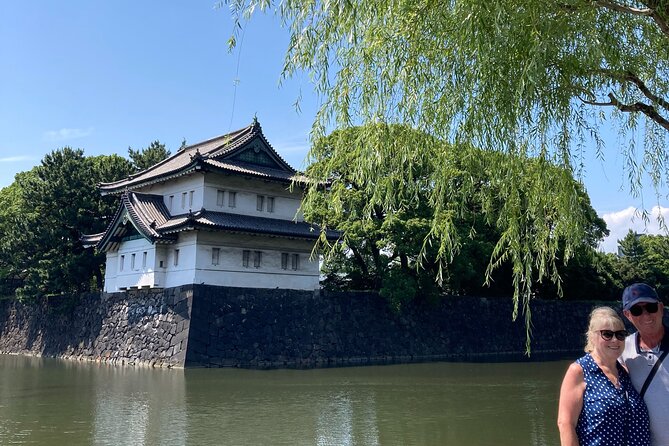
The main portion of the tour lasts about two hours and takes place around the Imperial Palace and the former Edo Castle site, now called the Imperial Eastern Garden.
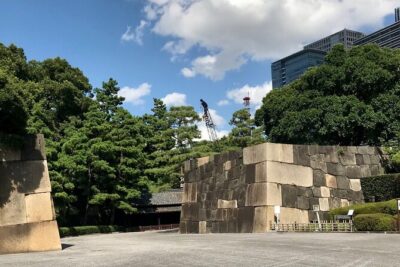
This is the heart of the experience. You’ll see stone walls, moats, gates, bridges, and guard huts while the guide explains what they tell you about the former castle. Some structures are easy to recognize as defenses. Others may look like isolated fragments unless someone explains how they worked together.
I find this kind of walk most useful for people who enjoy reconstruction. You are not touring a preserved medieval fortress with every room intact. You are assembling a picture from pieces. The illustrated map helps you understand the scale and structure of old Edo, while the physical route shows what still exists.
The guide’s role matters a great deal. A government-licensed guide is expected to provide more than directions and dates, and the available comments specifically praise Blanca’s English, pleasant manner, and command of the subject. If Blanca leads your group, you can expect a guide who is comfortable explaining Japanese history in English and sharing time with the group.
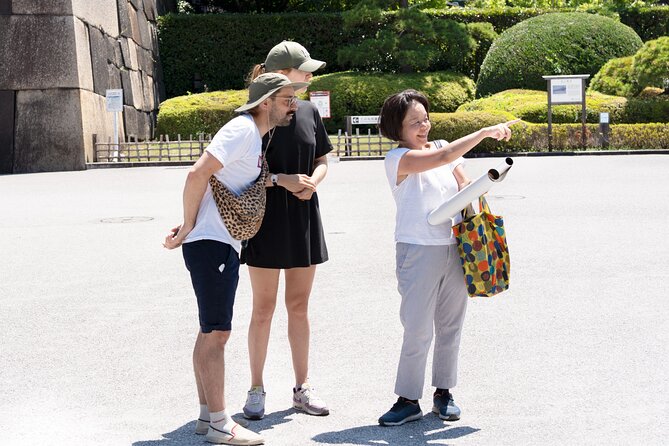
The group limit of eight is another strength. A large group can turn a historical walk into a parade, with people strung out between the guide and the last gate. A maximum of eight allows the guide to point out details and gives you a better chance to ask about terms such as Shogun, Emperor, or samurai.
Still, keep your expectations realistic. The tour is about explanation and imagination, not a long list of preserved interiors. You will see the site as it exists now, then use the map and the guide’s words to picture the castle that once stood there.
More Tokyo walking tours:
- Tokyo Tsukiji Fish Market Food and Culture Walking Tour
★ 5.0 · 3,184 reviews - Tokyo: Shinjuku Local Bar and Izakaya Guided Walking Tour
★ 4.9 · 1,794 reviews - Tokyo: Tsukiji Fish Market Food and Walking tour
★ 5.0 · 1,724 reviews - Tokyo: Asakusa Walking Tour with Sensoji Temple Visit
★ 4.8 · 1,583 reviews
The Imperial Eastern Garden as a history lesson
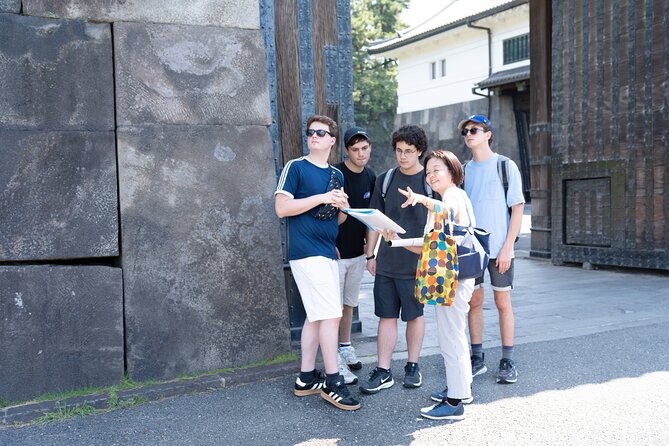
The Imperial Eastern Garden is the former Edo Castle area and the longest part of the route. Its value lies in the connection between open space and hidden structure.
As you walk, you can see how moats and walls shaped the castle’s edges. Gates and bridges show how people entered and moved through the compound. Guard huts suggest the daily work required to monitor access. These details help you picture the castle as a working political center rather than a decorative residence.
The discussion of social groups adds another useful layer. The Shogun held military and political power, while the Emperor occupied a different place in Japan’s political and cultural system. The samurai ruling class formed the governing structure of the period. Beyond those official roles were the people of Edo city and the women who lived and worked within the castle world.
That range keeps the walk from becoming only a military-history lesson. You’ll get a sense of how power was arranged and how different groups related to the castle. The guide’s map can help you picture not only walls and gates, but also the people who passed through them.
The practical issue is pace. Five point four kilometers is manageable for most people who can take a normal two-and-a-half-hour city walk, but it is not a short stroll. You may want water before starting, since bottled water is not included. Meals are also not included, though the tour is short enough that most people can eat before or after.
Ending at Hirakawa-mon Gate
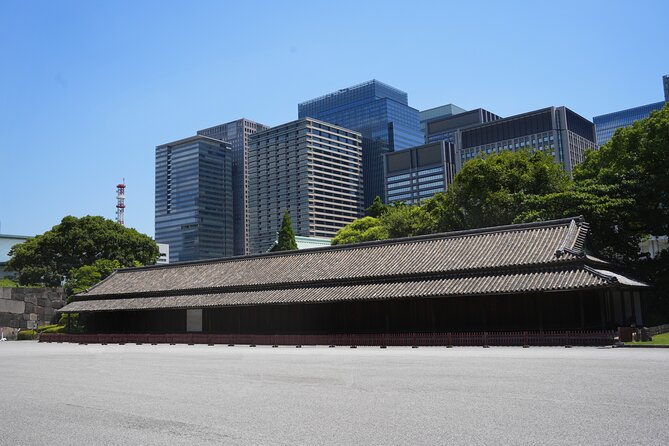
The walk ends at Hirakawa-mon Gate, in Chiyoda City. The final stop takes about ten minutes and serves as a recap of the material covered along the way.
This ending is useful because the tour covers several names and political ideas in a short time. A final summary helps connect the opening map, Sakurada Gate, the palace bridges, the Eastern Garden, and the castle’s social structure.
The end point is not the same as the start. You finish at Hirakawa-mon Gate rather than returning to Tokyo Station, so plan your next move from there. The tour description confirms that the area is near public transportation, but it does not specify a particular station or onward route. If you have a timed reservation afterward, leave a buffer.
Is $3.25 a good value?
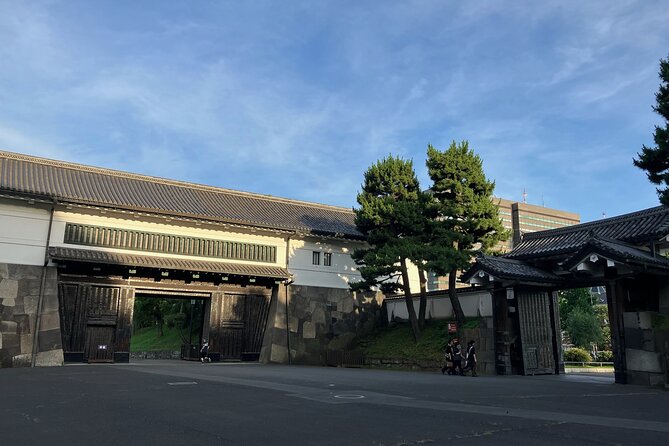
At $3.25 per person, this is priced far below most guided sightseeing activities in Tokyo. The low price makes sense because the tour uses public outdoor spaces, includes no meal or bottled water, and does not include paid admission.
The value comes from the guide rather than from an included attraction. You are paying for two and a half hours of interpretation, an illustrated historical map, English guidance, and a small gift. If you already know Edo Castle’s layout and Japanese political history, the walk may feel basic. If the palace grounds currently look like disconnected walls and bridges, the explanation can change what you see.
The price also lowers the risk of trying something different. You do not need to commit to a full-day excursion or pay for an elaborate package. Just remember that very low prices can mean a simple format. This is a walking lesson, not a luxury tour.
The strongest value is likely for first-time visitors who want context before exploring more of Tokyo. It also suits repeat visitors who have seen the palace from outside but never understood the former castle’s scale and purpose.
What to bring and how to prepare
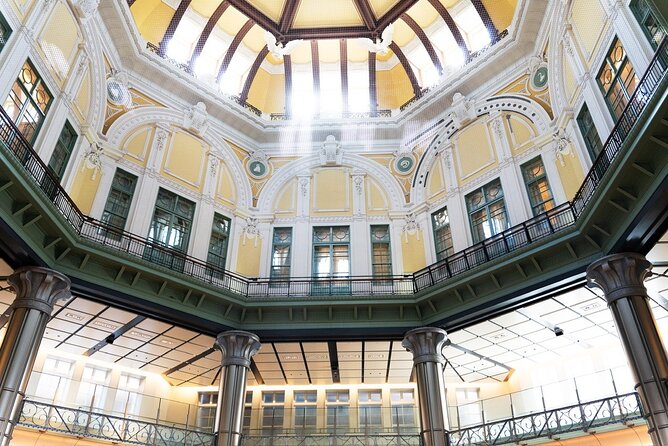
Wear shoes suitable for 5.4 kilometers of city walking. The supplied details do not describe the exact walking surface throughout the route, so sturdy, comfortable footwear is the sensible choice.
Bring your own water because bottled water is not included. Food is also your responsibility. You may want to eat before meeting at Tokyo Station, or plan a meal after reaching Hirakawa-mon Gate.
Arrive early enough to locate the correct exit. The meeting point is at Tokyo Station’s Marunouchi South Exit on the ground floor, and the station’s size can make a vague arrival stressful.
Bring your mobile ticket and check the local weather. Since the tour requires good weather, poor conditions can lead to a different date or a full refund. You can cancel for a full refund if you do so at least 24 hours before the start time. Changes or cancellations inside that window are not accepted, and the amount paid is not refunded.
Who should book this Imperial Palace walk?
I would choose this tour if you want a focused introduction to Edo Castle without paying for a full museum program. It is especially suitable if you enjoy maps, old city layouts, political history, and the challenge of reconstructing a vanished place from what remains.
It also works well for visitors who want an English-speaking guide and a small group. The praise for Blanca points to the importance of the guide’s communication skills, and the group limit of eight gives this format a more personal feel than a large city walk.
You may want to skip it if you dislike long outdoor walks, need frequent indoor stops, or want to enter palace buildings. You should also avoid booking it too close to another timed activity, since the walk ends at a different place from where it begins.
Should you book it?
Book this experience if you want to understand what you are seeing around the Imperial Palace rather than simply photograph the famous bridges. The combination of the 1650s map, surviving castle defenses, social history, and a licensed English-speaking guide gives the walk a clear purpose.
The low price is a major advantage, but the route is not effortless. Confirm the Marunouchi South Exit, bring water, allow for 5.4 kilometers of walking, and watch the weather. If those conditions suit you, this is a practical and inexpensive way to turn the Imperial Palace grounds into a readable chapter of Tokyo’s past.
FAQ
How long does the Imperial Palace walking tour last?
The tour lasts approximately two hours and 30 minutes.
How far do you walk?
The route covers about 5.4 kilometers on foot.
Where does the tour begin?
It begins at Tokyo Station’s Marunouchi South Gate Dome, with the meeting point clarified as the Marunouchi South Exit on the ground floor.
Where does the tour end?
The tour ends at Hirakawa-mon Gate in Chiyoda City.
Is admission included?
The listed stops have no admission charge. Meals and bottled water are not included.
How many people can join the tour?
The group has a maximum of eight participants.
Newly reviewed around Tokyo
- Tokyo Asakusa:Calligraphy & Make T-shirt Activity★ 5.0 · 62 reviews
- Intercity Shuttle, Tokyo to Haneda /Narita /Yokohama /Makuhari★ 5.0 · 5 reviews
- 1 Hour Travel around Tokyo with a Professional Photographer★ 5.0 · 3 reviews
- Travel Tokyo with Your Own Personal Photographer★ 5.0 · 43 reviews
- Train in Samurai Swordsmanship and Defeat the Demon in Tokyo★ 5.0 · 5 reviews
- Shuttle Van 6hr Tokyo Tour to-and-from Tokyo, Yokohama and Narita★ 5.0 · 9 reviews
- Kickboxing & Body Training with EX-Pro Fighter★ 5.0 · 4 reviews
- Tokyo History: Sensoji Temple & Asakusa District Private Tour★ 5.0 · 28 reviews
Tokyo Imperial Palace Tours, compared.

Imperial Palace and Shogun Historical Walking Tour
Read our review →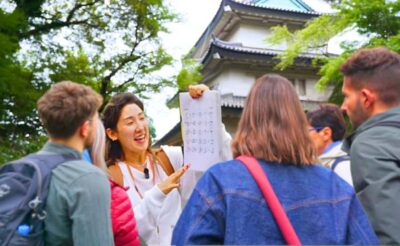
Imperial Palace East Garden and Edo Castle Walking Tour in Tokyo
Read our review →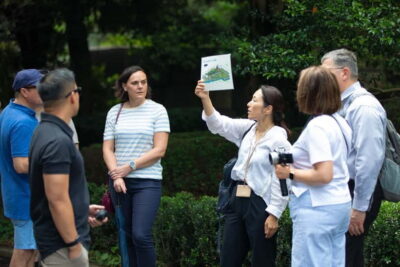
Imperial Palace, Sensō-ji Temple, & Tokyo Tower Tour
Read our review →
Tokyo Castle, Imperial Palace, Shogun & Garden Walking Tour
Read our review →
Edo Castle & East Garden of the Imperial Palace Tour
Read our review →Browse the lists this tour appears in