
Reviewed · HISTORICAL TOURS
Historic Temple・traditional Japanese garden& Eating around at a shopping strip
Tokyo can feel like a city of trains, towers, and crowds. This private outing takes a different route, from the quiet grounds of Ikegami Honmonji Temple to an old-style Japanese garden and then into the everyday shopping streets of Togoshi Ginza. I like the contrast between temple calm and neighborhood life, and I like that guide Miyuki brings the focus back to ordinary Japanese customs and daily routines.
The tour also gives you two useful things that many Tokyo sightseeing plans lack: a small-group setting and time to wander without racing from one landmark to the next. The main consideration is pace. You’ll walk for several hours, and lunch, drinks, and any shopping are extra.
Key points to know before booking
- Ikegami Honmonji Temple: Visit a hilltop temple complex dating from the end of the 13th century, with free admission and a quiet setting.
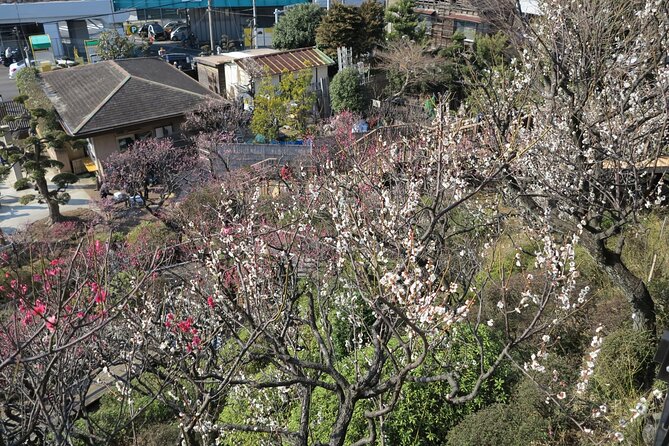
- Ikegami Baien garden: Walk five minutes from the temple to a Japanese stroll garden planted with about 370 Japanese apricot trees.
- Togoshi Ginza: Spend roughly two hours walking through a local shopping strip with a strong working-class character.
- Guide Miyuki: Expect an English-guided private tour with room to ask about Japanese life, customs, and the places you see.
- Food is flexible: Lunch and drinks are not included, so you can choose how much to spend while exploring the shops.
- A slower Tokyo outing: The four-to-six-hour route suits you if you want temples, gardens, a short train ride, and local streets rather than major city sights.
Why this route feels different from central Tokyo
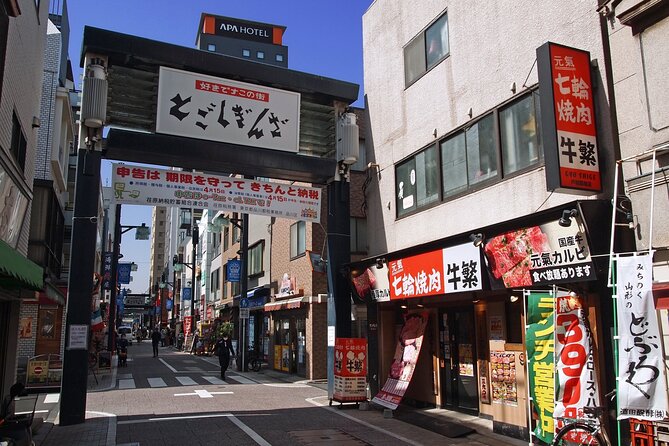
The strength of this experience is its change of mood. You begin at Ikegami Station, then walk toward a temple district that feels removed from the usual Tokyo rush. Later, you move into a neighborhood shopping street where the interest comes from small shops, food, and local routine rather than famous monuments.
I like this kind of route because it gives you a better sense of how Tokyo works as a collection of neighborhoods. The temple provides history and quiet. The garden provides seasonal beauty. Togoshi Ginza provides the practical, social side of the city.
This is not the tour for checking off Tokyo’s most famous sights. You will not be visiting the city’s grandest central landmarks. Instead, you get a more relaxed half-day with a private guide who can explain what you are seeing and answer questions along the way.
The experience lasts about four to six hours. That is long enough to give each stop some breathing room, but it is also long enough for the walking to matter. You should be comfortable on your feet and ready for a neighborhood stroll rather than a bus-based sightseeing trip.
More Tokyo markets and shopping streets:
- Tokyo Tsukiji Fish Market Food and Culture Walking Tour
★ 5.0 · 3,184 reviews - Tokyo: Tsukiji Fish Market Food and Walking tour
★ 5.0 · 1,724 reviews - Tokyo: Tsukiji Fish Market Guided Walking Tour
★ 4.9 · 1,397 reviews
Starting at Ikegami Honmonji Temple
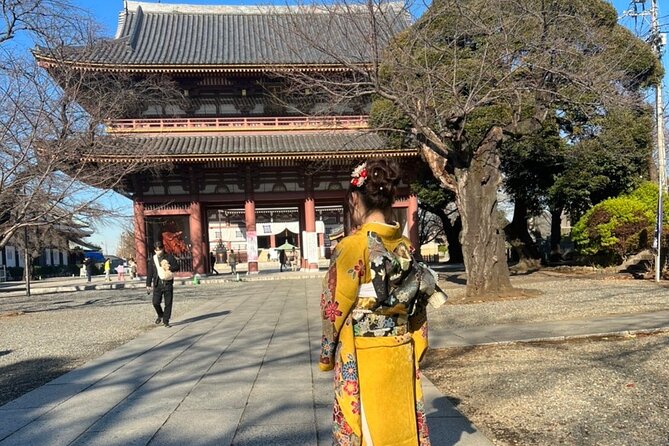
Meet at Ikegami Station in Ota City. From there, it is about a ten-minute walk to Ikegami Honmonji Temple. The temple complex sits on a hill, so the approach involves some walking and a change in elevation.
The temple dates from the end of the 13th century. That age gives the first part of the tour a strong sense of time, but the appeal is not only historical. The setting is notably quiet, with the sound of leaves providing a sharp contrast to the noise of central Tokyo.
Admission to the temple is free. That matters when you compare the price of this tour with private sightseeing options that include several costly attractions. Here, the value comes from the guide, the route, and the context rather than from a high entrance fee.
Give yourself a moment to notice how the temple grounds feel. The hilltop setting helps create a sense of distance from the city below. You can ask Miyuki about the temple, the neighborhood, or Japanese religious life, rather than simply walking through and taking photographs.
The temple stop lasts about one hour. That is enough time for a measured visit, but it does not leave room for endless wandering. If you prefer to explore every corner of a large religious complex at your own pace, a private tour may feel a little structured. If you want a clear introduction with explanations along the way, the timing should work well.
Walking five minutes to Ikegami Baien
From Ikegami Honmonji, the route continues on foot to Ikegami Baien, about five minutes away. The name helps explain the place: Ikegami refers to the area, while Baien means apricot garden.
About 370 Japanese apricot trees are planted here. The garden is designed for strolling, so the pleasure comes from moving through it rather than standing in one viewing spot. The experience will change with the season, especially when the trees are in flower, though the provided details do not promise a particular bloom period.
Admission to Ikegami Baien is included. The stop lasts about one hour, giving you time to look at the garden, walk its paths, and hear more about Japanese garden design and local planting traditions from your guide.
I like the pairing of temple and garden. They are close enough to connect on foot, but they offer different kinds of quiet. The temple gives you a historic religious setting. The garden gives you a more intimate place to slow down and notice plants, paths, and views.
Keep expectations sensible. This is a neighborhood garden visit, not a full-day trip to one of Japan’s enormous famous gardens. Its value comes from the easy connection with the temple and the way it adds a second layer to the morning.
Taking the train toward Togoshi Ginza

After the temple and garden, the tour continues by train to Togoshi Ginza. The transportation cost between Ikegami and Togoshi is included, which keeps the transition simple and avoids adding another separate expense during the tour.
The train ride also helps you see how close Tokyo’s different neighborhoods can be. In a city this large, a short local journey can move you from a quiet historic district into a busy commercial area without requiring a long transfer across town.
The route is private, so only your group takes part. That gives you more freedom than a large scheduled group. You can ask Miyuki to explain something that caught your attention, and the pace can be more personal than a standard group walk.
The meeting point and final return point are both at Ikegami Station. Plan your day around that fact. The experience does not end at Togoshi Ginza, so you return to the original neighborhood after exploring the shopping street.
More history and heritage tours in Tokyo:
- Tokyo: Imperial Palace and Shogun Historical Walking Tour
★ 5.0 · 2,251 reviews - Tokyo: Imperial Palace Japanese History Walking Tour
★ 4.9 · 987 reviews - Tokyo: Shinjuku Historical Walking Tour & Secret Backstreets
★ 5.0 · 530 reviews - Yanaka Walking Tour: Historic and Traditional District of Tokyo
★ 5.0 · 530 reviews
Two hours on Togoshi Ginza Shopping Street
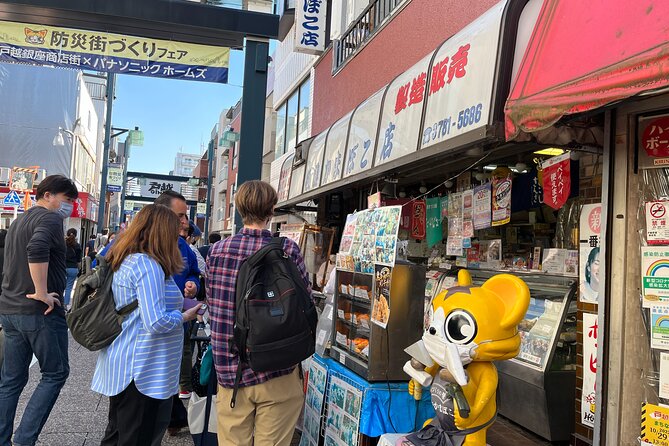
Togoshi Ginza is the most everyday part of the experience. The shopping district has a working-class character, with narrow streets and local businesses rather than a polished department-store feel.
You spend about two hours walking here. That is the longest stop, and rightly so. A shopping street is best understood at a walking pace. You can look at the shopfronts, watch the flow of neighborhood life, and decide where you want to spend money.
Food and drinks are not included. I see this as a useful feature, not simply a missing item. You are not locked into a fixed restaurant or forced to pay for a meal you do not want. You can choose a snack, a drink, or lunch according to your appetite and budget.
One particularly memorable possibility is stopping for a beer at a local butcher shop. This is not presented as a guaranteed part of every departure, so treat it as an example of the sort of informal neighborhood moment that may arise, not as a promised inclusion. If that kind of simple local stop appeals to you, ask Miyuki what fits the day.
The shopping street also gives you a chance to see a less polished side of Tokyo. That can be more revealing than another major attraction. You may find small food shops, practical stores, and ordinary scenes that show how residents use their neighborhood.
At the same time, the street may not satisfy you if you want a tightly planned food tour with tastings included. You pay for your own purchases, and the exact stops can depend on what interests your group and what is open.
What Miyuki adds to the experience
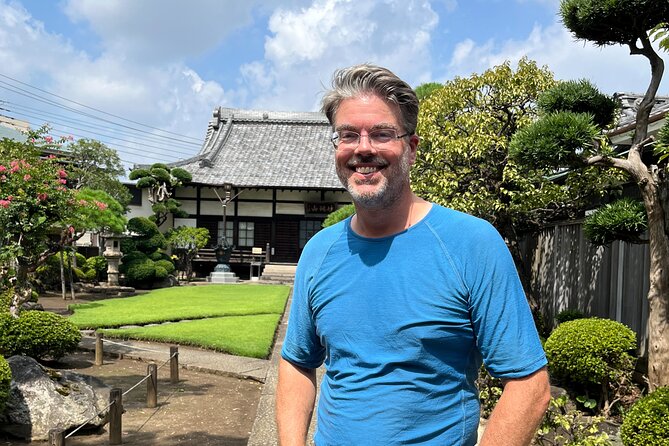
The guide is an important part of this tour. Miyuki leads in English and is described as friendly, professional, open, and willing to discuss both Tokyo and Japanese daily life.
That matters because the route is not built around a single famous sight. A temple, a garden, and a shopping street can be enjoyable on their own, but good explanations connect them. Miyuki can help you understand why the temple is important, what makes the garden different from a public park, and how a local shopping street fits into city life.
I also like the fact that the tour is private. You are not sharing the day with a large bus group or following a fixed script designed for dozens of people. The format should suit couples, families, and small groups who want to ask questions or adjust their attention from one stop to the next.
Do not expect a formal lecture at every site. The appeal is conversational guidance and local context. If you prefer complete independence, you can visit these areas on your own with a map. The extra cost here pays for company, interpretation, and a smoother connection between the three stops.
Is the $52.02 price good value?
At $52.02 per person, this is a reasonable price for a private four-to-six-hour experience in Tokyo, especially when the cost of transportation between the two areas and garden admission are included.
The temple itself is free, so you are not paying for a bundle of expensive tickets. You are paying mainly for Miyuki’s time, the planning of the route, the private format, and the ease of moving between places. For visitors who value local explanation, that can be good value.
The price works best for you if you want structure but not a large group. It is less compelling if your priority is keeping costs as low as possible and you are happy to navigate Tokyo independently.
Remember to budget separately for lunch, snacks, drinks, and purchases at Togoshi Ginza. That flexibility is useful, but it means the final cost depends on what you choose to eat and buy.
The tour is often booked about 34 days ahead. That does not guarantee that every date will fill, but it is a useful sign to plan ahead, especially if you want a private departure with a particular guide.
Who should choose this Tokyo half-day?
I would choose this tour if you have already seen some of central Tokyo or simply want a quieter first look at the city. It works especially well for people who enjoy local streets, gardens, historic places, and conversation with a guide.
It is also a good option before a cruise or at the beginning of a Japan trip. The route gives you a gentle introduction to temple customs, neighborhood transport, garden spaces, and everyday shopping without requiring a full-day commitment.
Families and older visitors should think about the hill at Honmonji and the total amount of walking. The tour requires a moderate level of physical fitness. Service animals are allowed, and the route is near public transportation, but the supplied details do not promise step-free access at every point.
I would not choose it if your main goal is a food tasting tour, a major Tokyo landmark tour, or a fully flexible independent day. I would choose it if you want a calm route with a personal guide and a clear contrast between historic grounds and ordinary city life.
Practical details that matter
Confirmation is normally sent at booking. If you book within two days of the start date, confirmation may arrive within 48 hours and depends on availability.
You can cancel for a full refund up to 24 hours before the local start time. Changes or cancellations made inside that window are not accepted for a refund. The experience requires good weather, and a weather cancellation offers either another date or a full refund.
The tour ends back at the Ikegami Station meeting point. Since the route takes four to six hours, check your evening plans before booking. You will want enough time for the return and for any meal or shopping you add in Togoshi Ginza.
Should you book this tour?
Book this experience if you want a quieter, more personal Tokyo and enjoy the mix of temple history, a Japanese garden, and a local shopping street. Miyuki’s English guidance and the private format are the main reasons to choose it over visiting the same areas alone.
Skip it if you want famous central attractions, included meals, or a short outing with very little walking. For the right visitor, the $52.02 price is fair because it turns three separate neighborhood stops into one connected half-day, with transport and garden admission handled for you.
FAQ
Where does the tour start?
The tour starts at Ikegami Station in Ota City, at the stated meeting point in Tokyo.
Where does the tour end?
The experience ends back at the Ikegami Station meeting point.
How long does the tour last?
The tour lasts approximately four to six hours.
Is the tour private?
Yes. Only your group participates in this private activity.
Is the tour conducted in English?
Yes. Guided tours in English are included, and guide Miyuki leads the experience.
Are food and drinks included?
No. Lunch and drinks are not included. You pay separately for anything you choose to eat or drink.
What happens if the weather is poor?
The experience requires good weather. If it is canceled because of poor weather, you will be offered another date or a full refund.
Newly reviewed around Tokyo
- Tokyo Asakusa:Calligraphy & Make T-shirt Activity★ 5.0 · 62 reviews
- Travel Tokyo with Your Own Personal Photographer★ 5.0 · 43 reviews
- Intercity Shuttle, Tokyo to Haneda /Narita /Yokohama /Makuhari★ 5.0 · 5 reviews
- 1 Hour Travel around Tokyo with a Professional Photographer★ 5.0 · 3 reviews
- Train in Samurai Swordsmanship and Defeat the Demon in Tokyo★ 5.0 · 5 reviews
- Shuttle Van 6hr Tokyo Tour to-and-from Tokyo, Yokohama and Narita★ 5.0 · 9 reviews
- Kickboxing & Body Training with EX-Pro Fighter★ 5.0 · 4 reviews
- Traditional Japanese Knife Sharpening Class★ 5.0 · 18 reviews
Historical Tours, compared.

Imperial Palace and Shogun Historical Walking Tour
Read our review →
Yanaka Walking Tour: Historic and Traditional District of Tokyo
Read our review →
Shinjuku Historical Walking Tour & Secret Backstreets
Read our review →
Mt. Fuji Heritage Tour: Traditional Villages, Lakes & Shrine
Read our review →

The Best of Izakaya in Shinjuku Food & Cultural Tour
Read our review →
Yanaka Historical Walking Tour in Tokyo’s Old Town
Read our review →Browse the lists this tour appears in