
Reviewed · TOKYO TRADITIONAL CRAFT WORKSHOPS
Tokyo: Kintsugi Workshop to Learn the Art of Golden Joinery
Kintsugi turns a broken plate into a story you can hold. In this two-hour Tokyo workshop, you learn how cracks can become golden lines rather than flaws to hide. The work is hands-on, calm, and more thoughtful than a typical souvenir-making class.
I like the small group of up to six, which gives the English-speaking instructor time to guide each person. I also like the way the class connects a practical craft with wabi-sabi, the Japanese appreciation of imperfection and impermanence. The main thing to check before booking is exactly how much pottery you will repair. One participant expected to work on a whole bowl but found the repair section quite small, while others completed a larger bowl or dish.
The extra cost for your pottery piece is another point to note. The plate is not included, and you should arrange one for about ¥1,000 to ¥2,000. The published information also gives conflicting accessibility details, describing the activity as wheelchair accessible while listing wheelchair users among those it is not suitable for. Ask the provider before paying if this matters to you.
Key points to know before you book
- Meet at Gakugei Daigaku Station: Your guide sends a photo before the meeting, which helps you find the right person.
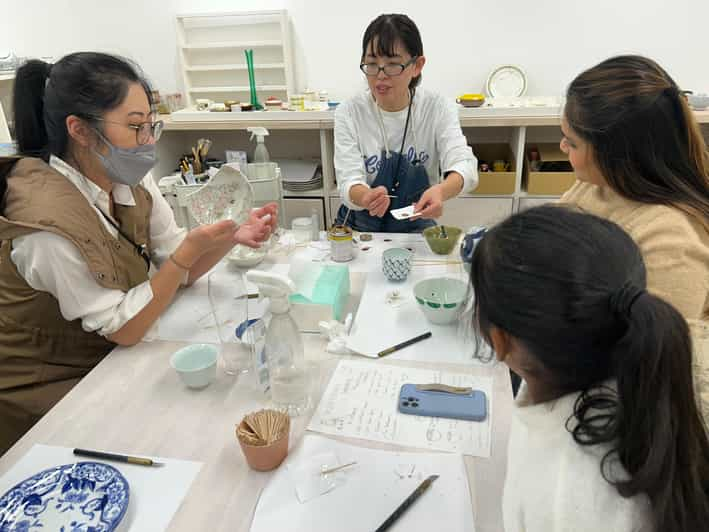
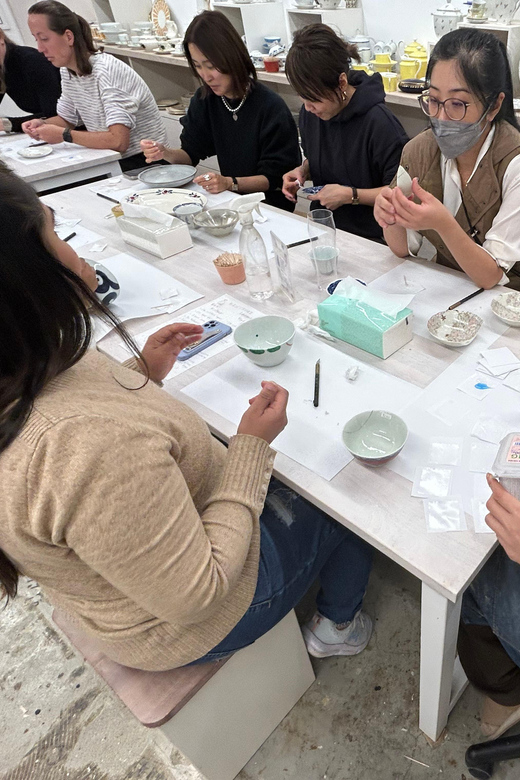
- Two hours of careful handwork: The class leaves time to file, apply lacquer, add gold powder, and talk with the instructor.
- English instruction: Anne and Chiara are named instructors associated with the workshop, and translation support has also been used.
- The pottery costs extra: Plan on ¥1,000 to ¥2,000 for the plate or other piece you work on.
- Your repair becomes a keepsake: You take home the pottery you worked on, complete with its visible golden seam.
- The class size is limited to six: That makes personal help more likely than in a large craft class.
Turning a crack into the main attraction
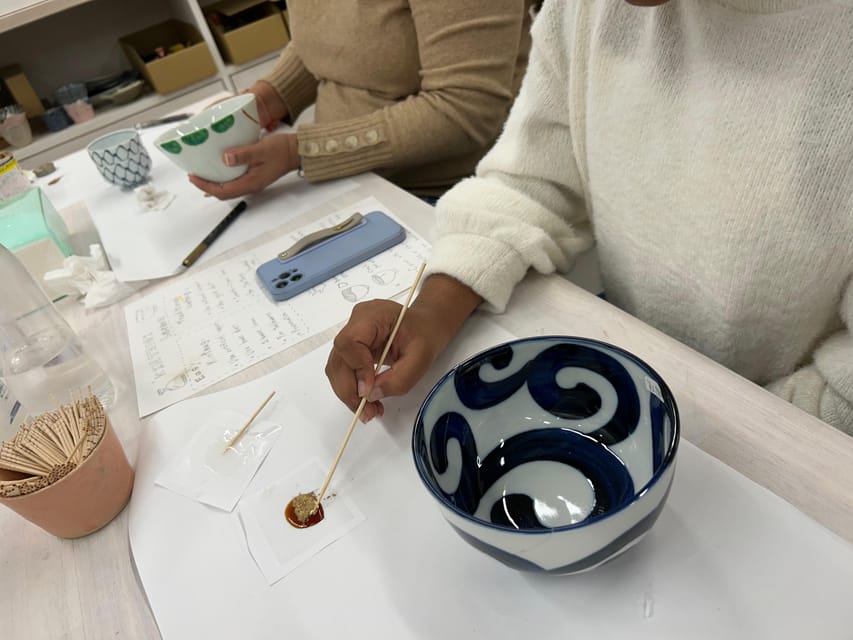
Kintsugi, written 金継ぎ, means golden joinery. The basic idea is simple: instead of throwing away broken pottery, you repair it with lacquer and powdered metal, then let the break become part of the design.
That idea gives this workshop more weight than a standard art activity. You are not simply decorating a bowl. You are working with damage already present, making a visible repair, and leaving the mark in place. The finished piece carries both its original form and the evidence of what happened to it.
The workshop uses artificial lacquer and gold powder. Traditional kintsugi can involve lengthy drying periods and materials that require careful handling, so this class is designed as a manageable visitor activity rather than a long studio apprenticeship. You get to perform the main stages without needing to spend days waiting for a repair to cure.
I find that appealing for a Tokyo itinerary. You leave with something personal, but you also leave with a new way to look at chipped or repaired objects. The activity has a quiet pace that can balance a day of stations, shopping streets, and crowded sights.
More Tokyo craft workshops:
- Tokyo Shinjuku Chopsticks Making Class
★ 5.0 · 1,763 reviews - Chopstick Making Workshop in Ginza
★ 4.8 · 1,366 reviews - Kintsugi Experience: Art of Golden Joinery in Tokyo
★ 5.0 · 467 reviews
Meeting your guide at Gakugei Daigaku Station
The meeting point is Gakugei Daigaku Station. Your guide will message you a photograph before the meeting time, a useful detail in a city where a station exit can put you on a completely different street from the one you expected.
You should allow enough time to reach the station and check the meeting instructions before class. The experience does not begin at a famous landmark, so the meeting photo matters more here than it would on a tour beside a large museum or monument.
The workshop is offered in English. Anne is named as one of the instructors, and Chiara has also led sessions, with translation help available when needed. That matters because the class depends on precise hand movements. You want to understand not only what to do, but how much pressure to use and where to stop.
The group is limited to six people. I would choose this over a larger class if you want personal help with the repair. It also leaves room for conversation with the instructor and the other participants without turning the activity into a noisy group event.
The first lesson: craft, philosophy, and old repair methods
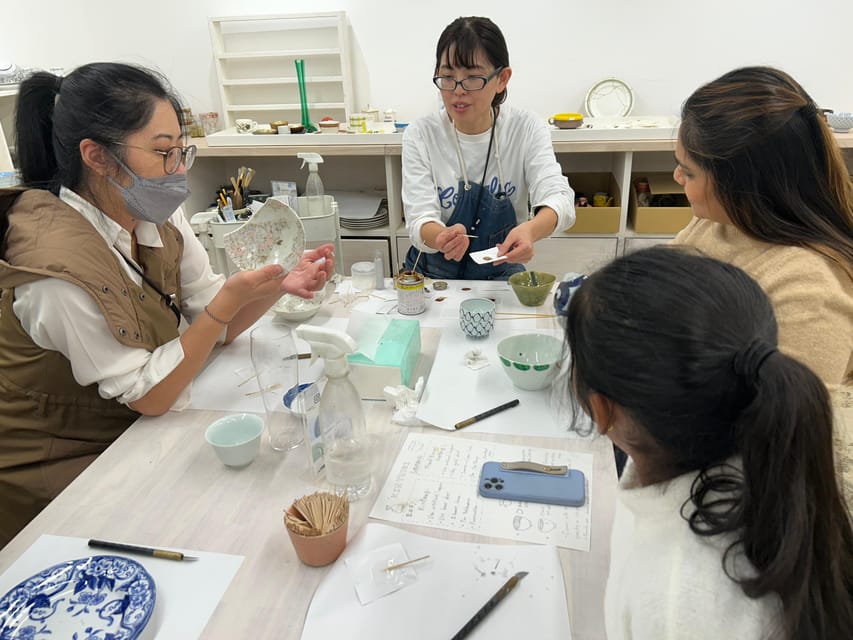
The session begins with a short introduction to kintsugi and its philosophy. You learn about the Japanese idea of valuing an object after it has been damaged, rather than treating the damage as a reason to discard it.
The class also connects kintsugi with wabi-sabi. In simple terms, wabi-sabi finds beauty in imperfection, age, change, and impermanence. You do not need a background in Japanese art to follow the lesson. The point is not to memorize a term. It is to understand why the golden crack is meant to be seen.
An instructor may also explain how adhesive was made in earlier periods. That historical detail adds interest because it shows that kintsugi was not invented as a modern craft for tourists. It grew from a practical tradition of repair and from the habit of caring for objects over time.
The philosophy is not forced on you. The work itself makes the point. You handle a broken or cracked piece, make decisions about its repair, and watch the damage become part of the finished object.
Filing, joining, and adding the golden seam
The hands-on portion is the heart of the experience. You work with the provided lacquer and gold powder, following the instructor through each stage of the repair.
One practical detail is easy to underestimate: part of the process may involve filing the pottery for about half an hour. That is not difficult, but it requires patience and steady attention. Younger children may find this tiring, which is why the activity is better suited to older children, including those over 12, than to toddlers or very young families.
The instructor demonstrates each step and then lets you do the work. That balance is important. You are not watching an expert repair a piece while you stand back. At the same time, you are not left alone with fragile pottery and unfamiliar tools.
When a hand needs stabilizing or a technique needs correction, help is available. That can make the difference between a repair that feels personal and one that feels stressful. You should expect the result to show your own hand. The goal is not machine-perfect symmetry.
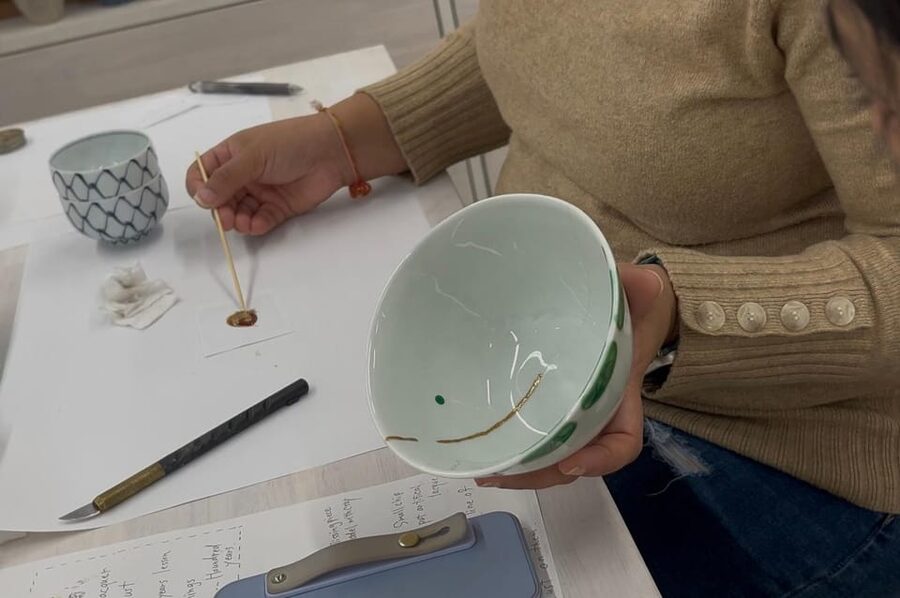
The gold powder brings the visual change. A plain crack becomes a bright line, and the repair becomes the first thing you notice. The effect is modest rather than flashy. You take home a small work of craft, not a museum object.
More hands-on classes and workshops in Tokyo:
- Sushi Making Tokyo Roll and Authentic Japanese Sushi Class
★ 5.0 · 3,971 reviews - Tokyo: Roll and Authentic Sushi Making Class in Asakusa
★ 4.9 · 1,957 reviews - Tokyo: Sushi Making Class in a Happi Coat near a Famous Spot
★ 4.9 · 1,377 reviews - Tokyo Sushi Making Class in Tsukiji with Professional Chef
★ 5.0 · 1,177 reviews
How much pottery will you actually repair?
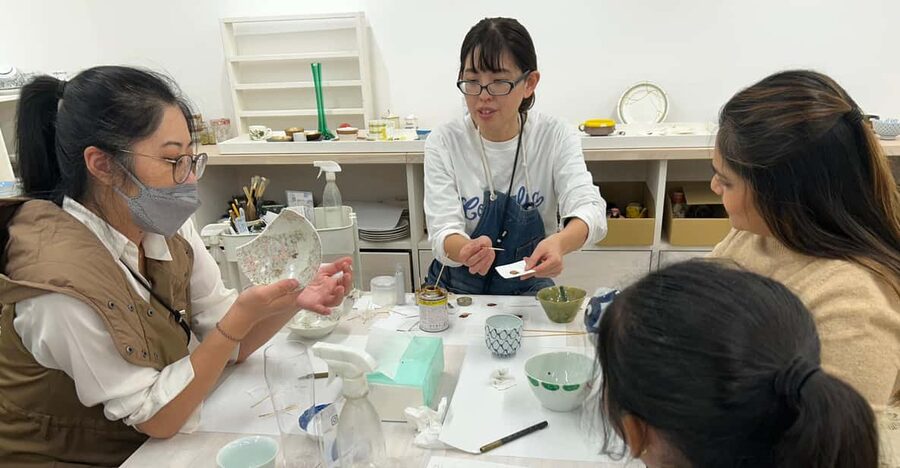
This is the most important question to ask before reserving. The experience includes the main tools, lacquer, and gold powder, but the plate or pottery piece is arranged separately for about ¥1,000 to ¥2,000.
The wording about the pottery can leave room for different expectations. One person arrived expecting to repair an entire bowl and felt disappointed by the small amount of work involved. Other sessions produced a bowl or dish with a clearly visible golden crack. That tells me the size and condition of the piece, and perhaps the planned repair, can vary.
Before you book, contact Bloom Voyage JP and ask:
- What type of pottery will I receive?
- How large is the crack or broken section?
- Will I repair one small area or most of the piece?
- Is the item already prepared for the class?
- Can I choose a plate, bowl, or another form?
These questions are not picky. At $63 per person, the scope of the project affects the value. If you mainly want a gentle introduction and a small keepsake, the class may fit well. If your dream is to reconstruct a large broken bowl from several pieces, confirm that this is what you will do before booking.
A quiet activity with real time to think
The two-hour length works in the class’s favor. You have enough time to listen, practice, file the pottery, apply the materials, and allow the instructor to check your work.
A shorter session could feel rushed. Kintsugi is not a fast craft, and hurrying would work against the reflective quality that makes it appealing. Two hours also gives you time to talk with the instructor and other participants.
I would place this activity on a day when you want a break from sightseeing. It is not a high-energy attraction, and that is the point. You sit, concentrate, and make something slowly. For couples and friends, it offers conversation without requiring constant movement. For solo visitors, the small group makes it easier to meet people without signing up for a large social event.
The class also works for families with older children. The filing stage takes patience, and babies under one are not suitable. If your child enjoys careful handwork, the process can be satisfying. If your family wants quick results and constant action, choose another activity.
What makes the keepsake worth carrying home
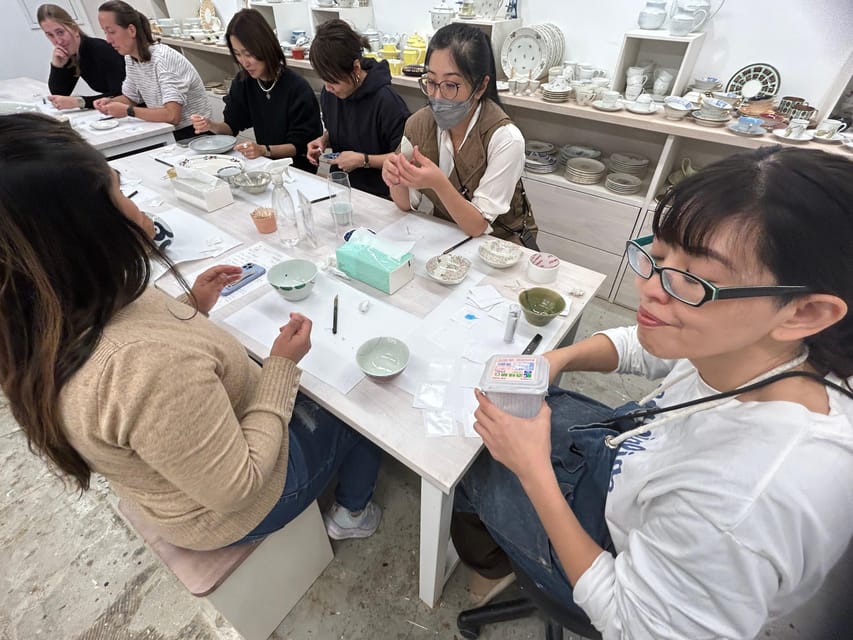
A repaired plate is not just a souvenir with a Tokyo label. Its value comes from your involvement in the process. You decide how carefully to file, where to place the lacquer, and how the golden line will appear.
The final piece will not hide its damage. That is its charm. You can see where the object was repaired, and the seam becomes a record of preservation rather than a cover-up.
The finished pottery also gives you a concrete reminder of the class. Many short activities leave you with photographs or a generic craft. Here, you take home an object with a visible story and a personal connection to the time you spent making it.
Do keep your expectations realistic. The result may be uneven, and the amount of gold may be limited to one crack or section. That is part of the nature of the craft, but it is worth knowing if you are looking for a polished professional finish.
Is $63 a fair price in Tokyo?
At $63 per person, the workshop is not the cheapest hands-on activity in Tokyo. You also need to add roughly ¥1,000 to ¥2,000 for the pottery piece, so the real cost is higher than the headline price.
The value comes from the small class, English instruction, materials, guided practice, and take-home object. You are paying for a structured lesson rather than simply buying a repaired plate. The two-hour schedule gives the instructor time to explain the philosophy and let you complete the work yourself.
I think the price is reasonable if you care about the teaching and the meaning behind the craft. It is less convincing if you expect to repair a large amount of pottery or create a high-value ceramic piece. The most important value question is not simply how much gold you receive. It is how much of the repair you get to perform.
The 4.8 rating from 27 reviews points to a strong overall experience, but the mixed expectations about project size should guide your decision. Ask for a clear description of the piece before you reserve. That one step can prevent the main disappointment.
Practical details that affect your choice
The experience offers free cancellation up to 24 hours before the start time, and you can reserve while paying later. That is helpful when your Tokyo schedule is still changing.
Starting times vary, so you need to check availability for your date. If no slot appears, the provider asks you to contact them through WhatsApp. The schedule may sometimes be adjusted, though you should confirm directly rather than assume a private time is available.
The activity is described as wheelchair accessible in one part of the information, yet another section says it is not suitable for wheelchair users. That contradiction needs clarification before booking. Ask the provider about the meeting route, room access, seating, and table setup.
The guide sends a photo before the meeting, and the instruction is in English. The group has no more than six participants. These details make the class easier to manage, especially if you are visiting Tokyo alone or want a quieter lesson.
Who will enjoy this kintsugi workshop?
I would recommend it most strongly to:
- People who enjoy making things by hand
- Couples looking for a calm shared activity
- Solo visitors who want a small English-speaking group
- Families with children old enough to handle careful filing
- Anyone interested in Japanese aesthetics and the idea of visible repair
- Visitors who prefer a meaningful keepsake to a mass-produced souvenir
I would be more cautious if you want a large, elaborate reconstruction project. I would also think twice if the extra pottery cost is a concern or if you dislike slow, careful work.
The class is not mainly about producing a perfect object. It is about learning a method, understanding why the method matters, and leaving with something marked by your own effort.
Should you book this Tokyo kintsugi class?
Book it if you want a two-hour creative pause and like the idea of carrying home a repaired piece with a story. The small group, English instruction, patient pace, and hands-on guidance make it a good fit for solo visitors, couples, friends, and families with older children.
Before paying, confirm the size of the pottery and the amount of repair included. Also clarify the wheelchair access issue and budget the extra ¥1,000 to ¥2,000 for your plate. If you accept that the finished piece may be modest and handmade rather than perfect, this is a thoughtful way to spend part of a Tokyo day.
FAQ
How long does the kintsugi workshop last?
The workshop lasts two hours.
Where do I meet the guide?
You meet the guide at Gakugei Daigaku Station. The guide will send a photograph before the meeting time.
Is the workshop taught in English?
Yes. The activity is offered with English instruction.
What is included in the price?
The main tools, artificial lacquer, gold powder, and a brief introduction to kintsugi and its philosophy are included.
Is the pottery piece included?
No. You need to arrange the plate or pottery piece separately. The stated cost is approximately ¥1,000 to ¥2,000.
What will I repair?
The activity involves repairing pottery with lacquer and gold powder. The exact size and form of the piece, and how much of it you repair, should be confirmed with the provider before booking.
Can I take my repaired piece home?
Yes. You take home the piece you repair as a personal keepsake.
How many people are in the group?
The group is limited to six participants.
Can children join the workshop?
Children may join, but the activity is not suitable for babies under one year. The filing stage can last about half an hour, so older children, including those over 12, may find it easier.
Can I cancel the booking?
You can cancel up to 24 hours in advance for a full refund. Reserve now and pay later is also available.
Is the workshop wheelchair accessible?
The supplied information gives conflicting details. One section describes the activity as wheelchair accessible, while another says it is not suitable for wheelchair users. Contact the provider to confirm the current access arrangements before booking.
Newly reviewed around Tokyo
- Tokyo Asakusa:Calligraphy & Make T-shirt Activity★ 5.0 · 62 reviews
- Intercity Shuttle, Tokyo to Haneda /Narita /Yokohama /Makuhari★ 5.0 · 5 reviews
- 1 Hour Travel around Tokyo with a Professional Photographer★ 5.0 · 3 reviews
- Travel Tokyo with Your Own Personal Photographer★ 5.0 · 43 reviews
- Train in Samurai Swordsmanship and Defeat the Demon in Tokyo★ 5.0 · 5 reviews
- Shuttle Van 6hr Tokyo Tour to-and-from Tokyo, Yokohama and Narita★ 5.0 · 9 reviews
- Kickboxing & Body Training with EX-Pro Fighter★ 5.0 · 4 reviews
- Traditional Japanese Knife Sharpening Class★ 5.0 · 18 reviews
Tokyo Traditional Craft Workshops, compared.
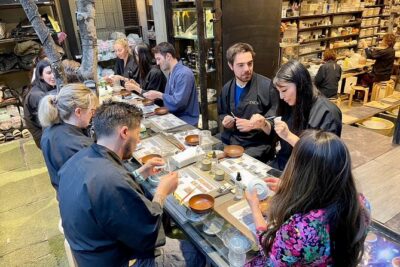
Kintsugi Experience: Art of Golden Joinery in Tokyo
Read our review →

Authentic Pure Gold Kintsugi Workshop with Master Taku in Tokyo
Read our review →
Private Handmade Ring Workshop Activity in Tokyo Shibuya
Read our review →
Browse the lists this tour appears in