

Reviewed · TOKYO TRADITIONAL CRAFT WORKSHOPS
Tokyo: Edo Kiriko Traditional Glass Carving Class
Edo Kiriko is not a quick souvenir-shop trick. It is hand-cut glasswork with more than 180 years of Japanese tradition, and this 90-minute class lets you try the difficult part yourself. You choose a glass and pattern, practice on sample pieces, then use traditional cutting methods to make a glass you can take home.
I like the small-group feel and patient instruction, especially from Ze, whose clear English and calm corrections help beginners recover from crooked lines. I also like the location: Sokichi is only about 30 seconds from Asakusa Station, close to Senso-ji and roughly 15 minutes from Tokyo Skytree. The main consideration is that accuracy takes practice. Your finished glass may not look like a master’s work, though the instructor can help refine it.
Key points to know before you book
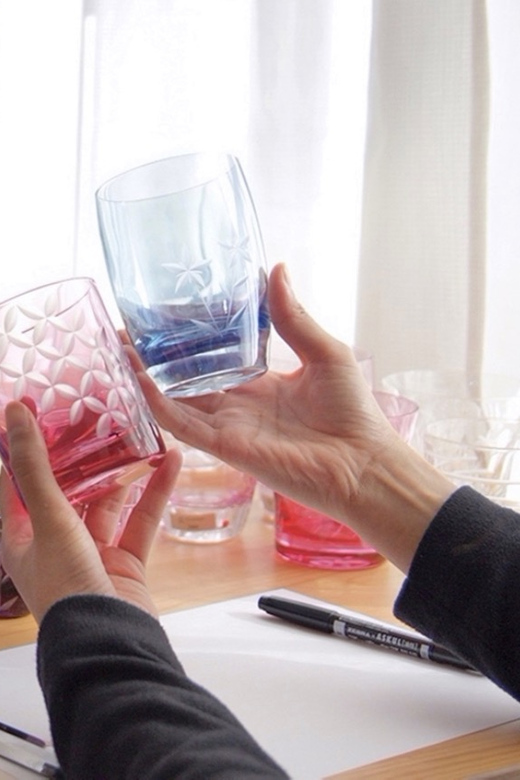
- Practice comes first: You work on sample designs before cutting your actual glass.
- Choose from many options: Pick from more than 20 glass types and dozens of patterns, including clear, blue, pink, and yellow glass.
- English support is available: Classes are offered in English and Japanese, with instructors such as Ze providing patient corrections.
- Your work goes home with you: The finished glass becomes a useful souvenir, not just a photo or certificate.
- The location is easy to fit into a sightseeing day: Sokichi is a short walk from Asakusa Station, near Senso-ji and within reach of Skytree.
- The $30 price is strong value: You receive instruction, materials, and a handmade keepsake in a compact 90-minute session.
Why Edo Kiriko makes a better souvenir than a shop-bought trinket

Tokyo gives you no shortage of things to buy. Many are attractive, but few carry much of your own effort. This class changes that. You leave with a glass that is part traditional Japanese craft and part record of your own patience, mistakes, and improvement.
Edo Kiriko began in the Edo period and has more than 180 years of craft tradition behind it. The basic idea is simple: cut patterns into glass so that the clear or colored surface catches the light. The hand movements are not simple. A line that looks easy on a sample takes control to reproduce.
That gap between seeing the craft and trying it is the reason I find this activity worthwhile. You get an up-close look at finished glasswork, then learn why the patterns demand care. You do not need an artistic background. The class is designed for beginners, yet it leaves room for more ambitious designs if you already enjoy making things.
Your piece may show a crooked line or an uneven shape. That is part of the point. The instructor helps you produce something attractive, but the class does not pretend that a first attempt will match professional work. You get a more honest connection to the craft by feeling how hard it is.
More Tokyo craft workshops:
- Tokyo Shinjuku Chopsticks Making Class
★ 5.0 · 1,763 reviews - Chopstick Making Workshop in Ginza
★ 4.8 · 1,366 reviews - Kintsugi Experience: Art of Golden Joinery in Tokyo
★ 5.0 · 467 reviews
Finding Sokichi near Asakusa Station
Start at Sokichi, a glassware shop about 30 seconds from Asakusa Station. Speak with a staff member inside, and you will be escorted to the room used for the class. The entrance can be reached by a small side street, so keep the meeting point details handy rather than wandering around the larger Asakusa area.
This is a particularly convenient activity if you already plan to visit Senso-ji. The class space is about five minutes from the temple, according to the location details provided for the experience, and roughly 15 minutes from Tokyo Skytree. You can place it before or after sightseeing without giving up half a day.
The room itself is a quiet space above the glassware shop. That matters. Asakusa can be noisy and crowded around its major sights, while the class gives you a calmer hour and a half. You are still in the center of old Tokyo, but the pace changes once you sit at the work station.
Transportation is not included, so you make your own way to Sokichi. The short walk from Asakusa Station keeps this simple, but leave enough time to find the shop and check in. Bring a hair tie if you have long hair.
Choosing your glass and pattern

The selection is one of the class’s pleasures. You can choose from more than 20 kinds of glass and dozens of pattern samples. The course includes six types of clear and colored glass, with blue, pink, and yellow among the colored choices.
The color affects how the finished cuts appear, so do not choose only by what looks best before carving. The instructor can explain how different designs work with different glasses. A pattern that looks delicate on one color may read more boldly on another.
You also choose your level, from beginner to expert. The important point is that every option remains beginner-friendly. You are not expected to arrive knowing the tools or the cutting method. If you want a straightforward first attempt, choose a simpler pattern. If you enjoy careful handwork, the more detailed samples give you a greater challenge.
Take time here. The pattern is not a minor detail that you can fix later. Once you start cutting, your choice shapes the whole piece. I would ask the instructor how a design will look on the particular glass you select before settling on one.
The first practice cuts
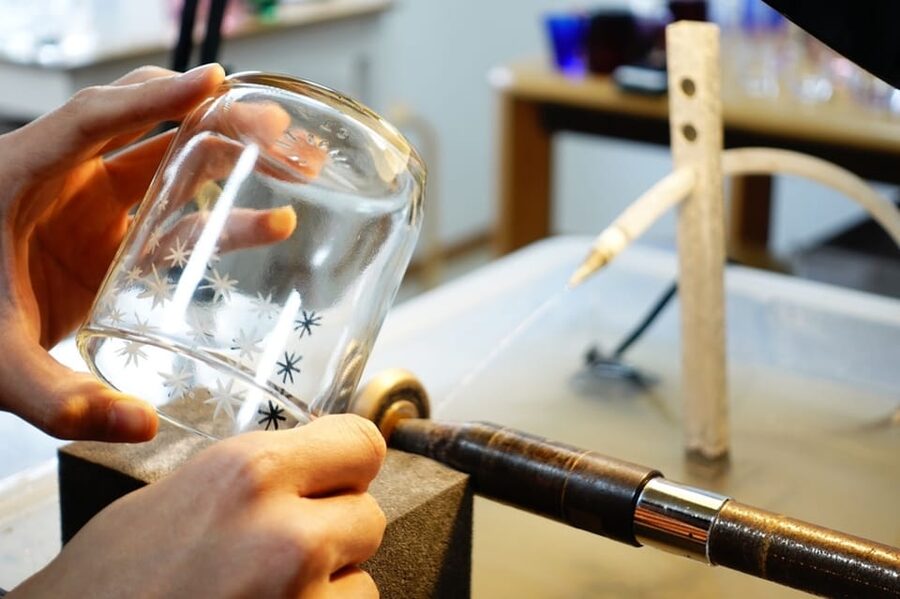
The class begins with instruction and practice. You get a chance to make sample cuts before working on the glass you will take home. This is one of the best features of the experience because it removes some of the fear from the first real cut.
The technique is straightforward to understand but difficult to control. You learn how to guide the tool across the glass and create the chosen marks. Producing a line is one thing. Producing a line with the right direction, depth, and placement is harder.
That is where the instructor earns the fee. The strongest part of the class is not simply being shown what to do. It is having someone beside you who can point out a problem before it ruins the design. Ze is praised for clear, supportive critiques and for helping people through weak first attempts. Other instructors have also been described as calm, friendly, and patient, with strong English communication.
You should expect correction, not constant hand-holding. The goal is for you to make the piece yourself. The instructor can guide your technique and refine some rough areas, but your hands do the main work.
More hands-on classes and workshops in Tokyo:
- Sushi Making Tokyo Roll and Authentic Japanese Sushi Class
★ 5.0 · 3,971 reviews - Tokyo: Roll and Authentic Sushi Making Class in Asakusa
★ 4.9 · 1,957 reviews - Tokyo: Sushi Making Class in a Happi Coat near a Famous Spot
★ 4.9 · 1,377 reviews - Tokyo Sushi Making Class in Tsukiji with Professional Chef
★ 5.0 · 1,177 reviews
Cutting the final glass
After practice, you choose or confirm your final glass and pattern, then begin the real carving. The activity stays focused on one craft rather than rushing you through several unrelated stations. That makes the 90-minute length feel useful.
The class is long enough to settle into the work, yet short enough to fit comfortably into a day in Tokyo. Several people have completed two glasses during the session, but you should not treat that as a guarantee. Your pace will depend on the pattern, your confidence, and how much detail you attempt.
The cutting itself requires concentration. It is not a loud or physically demanding activity, but it asks you to slow down and watch what your hand is doing. If your sightseeing schedule has been packed with temples, shopping, and train changes, this quiet work can be a welcome change.
Do not chase perfection. A first piece with a few uneven etchings can still be a fine souvenir. The instructor may refine a rough section, as happened for one participant, but the result remains your work. That balance is important. You receive help without losing the satisfaction of having made it yourself.
The class keeps a small-group atmosphere. One group had four people, which allowed everyone to receive support time with the instructor. The exact group size may vary, but the experience is better suited to people who want individual guidance than to those looking for a large demonstration.
What you take home
Your finished glass is the central value of the class. It is also the part that makes the activity work well for couples, families, and friends who want a shared memory with a physical result.
The glass is not merely a workshop sample. You select it, practice the design, cut it, and take it home. Some people finish with two glasses, though the supplied details do not promise a specific number. Plan on receiving the piece or pieces you complete during your session.
Packing and transporting glass always require care, so you should handle your work cautiously after class. The exact packaging arrangements are not specified, so ask the staff how best to carry it before leaving. If you are early in a longer Japan trip, remember that you will need to protect it in your luggage.
The finished item also gives the class lasting value. At $30 per person, you are paying for instruction, colored glass, the workshop, and a handmade object. Comparable craft activities can cost much more once materials and teaching are included, while a store-bought glass may cost less but gives you no personal connection to the design.
Is the $30 price good value?
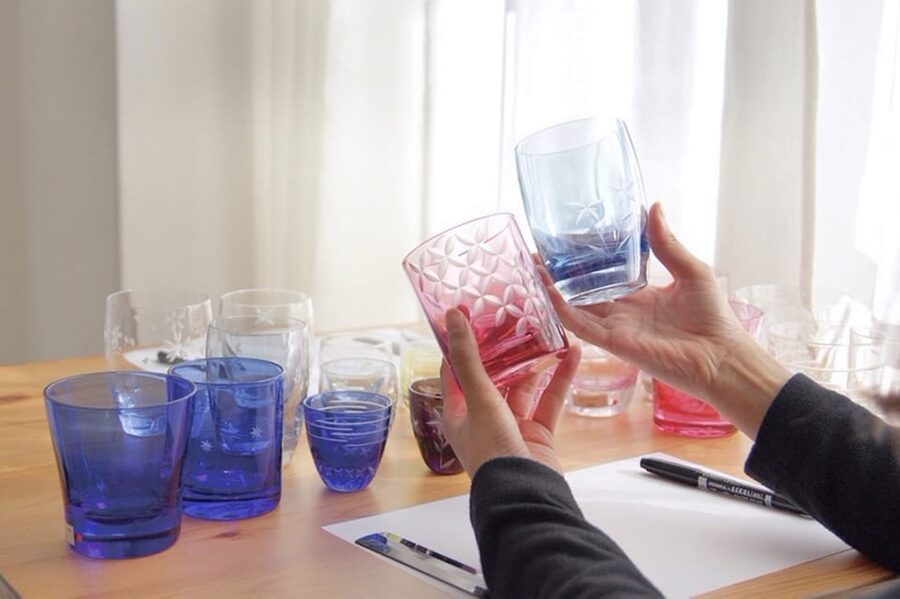
Yes, especially if you value making rather than simply seeing. The price is modest for a guided 90-minute activity in central Tokyo, and the experience includes the glass carving class, lecturer, and colored glass.
I would not choose it only as a way to acquire the cheapest possible souvenir. You can buy glassware elsewhere without spending time on practice or accepting the chance of a slightly imperfect result. The value here comes from the lesson and the satisfaction of taking home something you shaped.
The price also works well for a short itinerary. You do not need to reserve an entire morning or afternoon, and the nearby sights make it easy to combine the class with Senso-ji or Skytree. It is a practical choice for a rainy day, a break from major attractions, or a day when you want a quieter activity.
Free cancellation is available up to 24 hours before the start time, and you can reserve now and pay later. That gives you some flexibility when building a Tokyo schedule. Check the available starting times before booking, since the 90-minute duration does not by itself tell you which sessions are offered.
Who will enjoy this class most?
This is a strong choice for anyone who likes hands-on activities, Japanese crafts, or souvenirs with a story. You do not need drawing or carving experience. The class begins at a beginner-friendly level, and the practice stage gives you room to make early mistakes without sacrificing your final glass.
It also suits parents and older children if the child can follow careful tool instructions. The provided information does not specify an age range, so confirm age requirements before booking if that matters for your family.
Couples and friends can work side by side while making different choices. It is also a good solo activity because the instructor provides direct support and the work gives you something to focus on. The small room and quiet setting may appeal to you if large group tours feel tiring.
You may want to skip it if you dislike precision work, want a fast demonstration, or expect a flawless professional finish. Cutting glass is controlled handwork. The experience rewards patience more than speed.
English instruction and the role of the lecturer
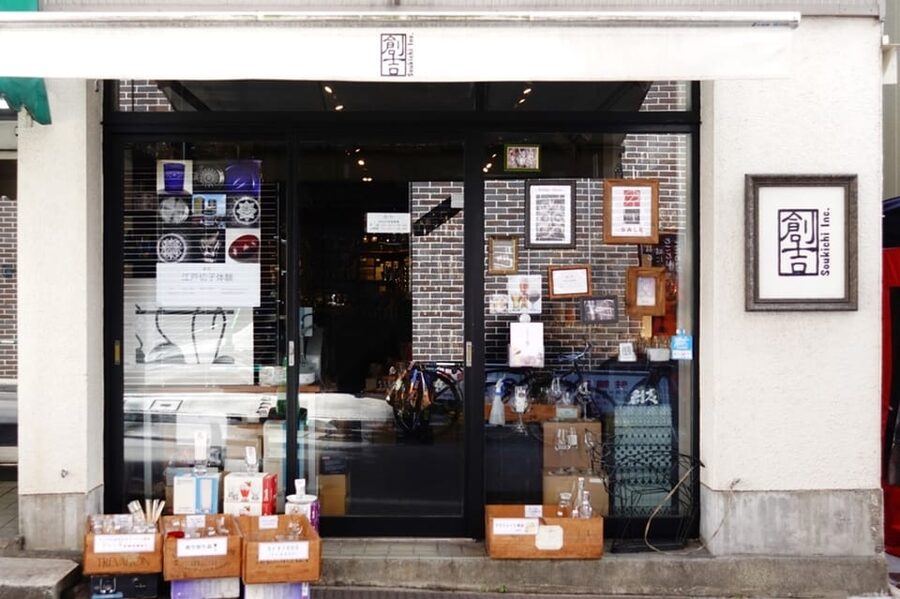
The class is offered in English and Japanese. That makes a real difference because the technique depends on small adjustments that are hard to pick up from watching alone.
Instructor Ze is especially useful for English-speaking participants. His instruction has been described as fully clear, with critiques that are supportive rather than discouraging. Other class information also points to friendly instructors who explain how patterns will look on different glasses.
Still, ask questions. The historical background may not be delivered as a long formal lecture. You can request a pamphlet or ask about the craft if you want more context. The activity gives you a good starting point on Edo Kiriko, but much of the learning comes through the tools, patterns, and process.
That is a fair trade for this type of workshop. You are not sitting through a long talk before touching the glass. You spend most of the time making something.
Planning the class into your Asakusa day
The easiest plan is to visit Senso-ji and the surrounding Asakusa area before or after the workshop. Sokichi’s location near the station means you can reach the class without a long transfer or complicated walk. Skytree is also close enough to pair with the activity if your timing works.
Allow more than the official 90 minutes for your full appointment. You need time to reach Sokichi, speak with staff, enter the class room, and leave with your glass. Transportation is not included, and starting times vary, so check the schedule before you lock in other reservations.
Wear something that lets you work comfortably and tie back long hair. Bring a hair tie, which is specifically requested for the class. The provided information does not list other required equipment, so you do not need to arrive with craft supplies.
If you are planning a packed sightseeing day, place the class at a time when you can slow down. Rushing from the workshop to another booking would undercut the best part of it. The cutting takes concentration, and the reward comes from giving the work your attention.
Should you book the Edo Kiriko class?
Book it if you want a hands-on Tokyo memory for about $30, especially one that fits neatly near Asakusa’s major sights. The patient instruction, practice time, color and pattern choices, and take-home glass give the activity more substance than a quick souvenir stop.
Go in with realistic expectations. Your first design may have crooked cuts, and the instructor may need to refine parts of it. That is not a flaw in the idea. It is the honest result of trying a demanding craft in a short class.
I would choose this for a couple, family, solo maker, or anyone who wants a quiet break from sightseeing. I would pass only if you dislike detailed handwork or need a guaranteed polished result. For most visitors who enjoy making things, the location, price, English support, and personal keepsake make this one of the better short craft activities in Asakusa.
FAQ
How long does the Edo Kiriko class last?
The class lasts 90 minutes. Check the available dates and starting times when booking.
How much does the class cost?
The listed price is $30 per person. The fee includes the glass carving class, lecturer, and colored glass.
Where does the activity start?
You start at Sokichi, a glassware shop about 30 seconds from Asakusa Station. Speak with a staff member, who will escort you to the class room.
Is the class available in English?
Yes. Instruction is available in English and Japanese. Instructor Ze is noted for clear English guidance.
Can I choose my own glass and pattern?
Yes. You can choose from more than 20 kinds of glasses and dozens of pattern samples. The available glass colors include blue, pink, yellow, and clear options.
Can I cancel the booking for a refund?
Yes. You can cancel up to 24 hours in advance for a full refund. You can also reserve now and pay later.
Newly reviewed around Tokyo
- Tokyo Asakusa:Calligraphy & Make T-shirt Activity★ 5.0 · 62 reviews
- Intercity Shuttle, Tokyo to Haneda /Narita /Yokohama /Makuhari★ 5.0 · 5 reviews
- 1 Hour Travel around Tokyo with a Professional Photographer★ 5.0 · 3 reviews
- Travel Tokyo with Your Own Personal Photographer★ 5.0 · 43 reviews
- Train in Samurai Swordsmanship and Defeat the Demon in Tokyo★ 5.0 · 5 reviews
- Shuttle Van 6hr Tokyo Tour to-and-from Tokyo, Yokohama and Narita★ 5.0 · 9 reviews
- Kickboxing & Body Training with EX-Pro Fighter★ 5.0 · 4 reviews
- Traditional Japanese Knife Sharpening Class★ 5.0 · 18 reviews
Tokyo Traditional Craft Workshops, compared.
Kintsugi Experience: Art of Golden Joinery in Tokyo
Read our review →

Authentic Pure Gold Kintsugi Workshop with Master Taku in Tokyo
Read our review →
Private Handmade Ring Workshop Activity in Tokyo Shibuya
Read our review →
Browse the lists this tour appears in