
Reviewed · TOKYO WALKING TOURS
Tokyo: Asakusa Walking Tour with Japanese Comedian
Asakusa is one of Tokyo’s best places to understand how old Japan still fits inside a modern city. On this 90-minute walk, comedian and longtime local guide Ryo moves from Sumida Park and views of Tokyo Skytree to Kaminarimon Gate, Asakusa Shrine, and Senso-ji Temple. His comedy background adds a human touch to the history lesson.
I like two things here. First, Ryo explains the unusual closeness of Buddhist and Shinto sites, a useful introduction to Japanese religious life. Second, his six years as an Asakusa rickshaw driver give him a local view of side temples, statues, and neighborhood details you could easily pass without noticing.
The main consideration is pace. The tour covers several major sights in a short time, and the route follows a fixed plan without stopping for food or souvenir shopping. If you already know Asakusa well, some stops may feel familiar.
Key points to know before you book
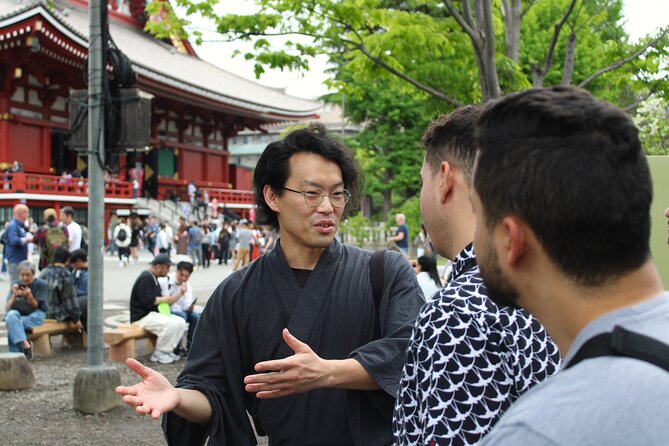
- Ryo brings two careers to the walk: He has worked as an Asakusa rickshaw driver for six years and also performs standup comedy in English.
- The tour begins with city views: You see Tokyo Skytree and the Asahi Beer Company before getting a free view of Asakusa from a nearby building.
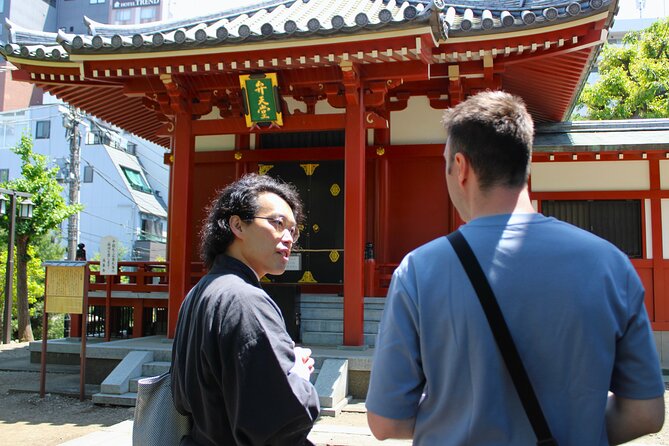
- Religion is explained in context: Ryo discusses how Buddhist temples and Shinto shrines can sit side by side in Japan.
- The route covers Asakusa’s core sights: Sumida Park, Kaminarimon Gate, Nakamise Shopping Street, Asakusa Shrine, and Senso-ji Temple.
- The group is kept small: A maximum of eight participants makes it easier to ask questions and follow the guide.
- The price is modest for a private-style introduction: At $31 per person, the value depends on how much context you want around sights you could otherwise visit for free.
Why Ryo’s Asakusa walk feels different
Many people visit Senso-ji, take a photo at Kaminarimon Gate, and walk up Nakamise Shopping Street. Those sights are easy to reach on your own. The useful part of this tour is not access to a locked room or an expensive attraction. It is the explanation that connects the places.
Ryo’s background matters. Six years driving a rickshaw in Asakusa means he has spent plenty of time watching people discover the district. He knows the familiar landmarks, but he also points out smaller temples, shrines, and Buddhist statues along the way.
His work as an English-speaking comedian gives the tour another layer. You should not expect a full standup show, but humor is part of how he presents Japanese culture. That can make topics such as religious customs and temple history easier to follow, especially if this is your first visit to Japan.
The tour has received a 4.6 rating from 18 bookings, with several five-star responses praising Ryo’s historical explanations, local knowledge, and friendly manner. One person found the guide less energetic than expected, so I would book this for cultural context and conversation rather than nonstop entertainment.
More Asakusa and Sensoji tours:
- Tokyo: Japanese Dance Cabaret Theater Asakusa-Kaguwa Ticket
★ 4.8 · 2,270 reviews - Tokyo: Meiji Shrine, Asakusa, Skytree Bus Tour and Cruise
★ 4.7 · 1,986 reviews - Tokyo: Roll and Authentic Sushi Making Class in Asakusa
★ 4.9 · 1,957 reviews
Meeting by Tokyo Cruise and the Sumida River
The meeting point is in front of Tokyo Cruise, the water bus station near Asakusa Station on the Tokyo Metro Ginza Line. It is only a one or two minute walk from the station, but you should still arrive five minutes early. The tour starts on time and cannot wait for late arrivals.
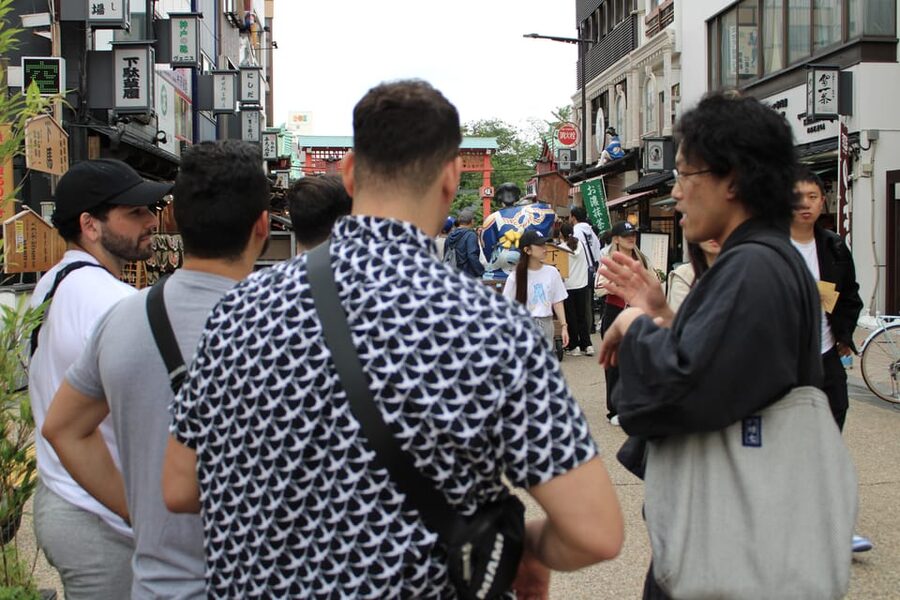
The first part takes place around Sumida Park. This is a good opening because it gives you a sense of Asakusa before you enter the temple district. Ryo points out Tokyo Skytree and the Asahi Beer Company, two very different markers of modern Tokyo.
You also get a view of Asakusa from the top of a nearby building at no extra cost. The information does not specify the building’s name, so you should treat this as a simple viewing stop rather than a major observation deck visit. Still, it is a useful orientation point. You can see how the historic temple area fits into the larger city.
This opening section also helps you understand the contrast that defines Asakusa. The district has old religious buildings, traditional shopping streets, river views, office towers, and unmistakably modern architecture. Ryo’s role is to connect those pieces rather than present each one as an isolated photo stop.
Kaminarimon Gate, the face of Asakusa
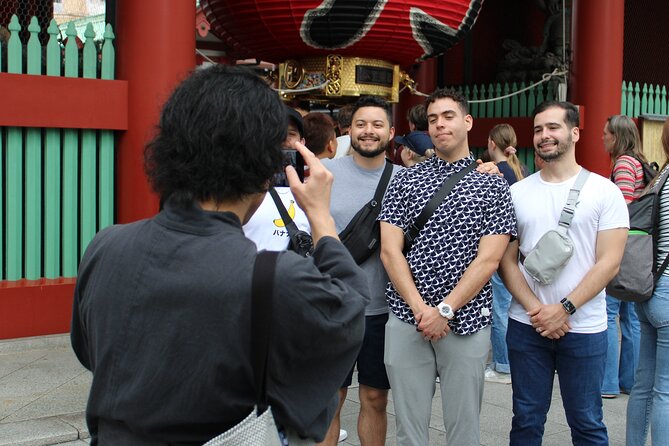
Kaminarimon Gate is one of Tokyo’s most recognizable sights. Its large lantern and imposing entrance make it a natural place for a photo, but the gate has more meaning than a quick picture suggests.
Ryo introduces the gate as the icon of Asakusa and explains its place in the approach to Senso-ji. This is where the walk shifts from broad city orientation to the history and customs of the temple district.
The gate area can be busy, especially around the central photo position. Since the group is limited to eight people, staying close to Ryo should be manageable, but you will still need to pay attention to the meeting point and the pace. The tour is not designed for long independent photo sessions.
I like this stop because it gives the rest of the walk a clear structure. You begin at the river, see the modern city, then pass through the famous gateway into Asakusa’s religious and commercial center.
Nakamise Shopping Street and the story behind Senso-ji
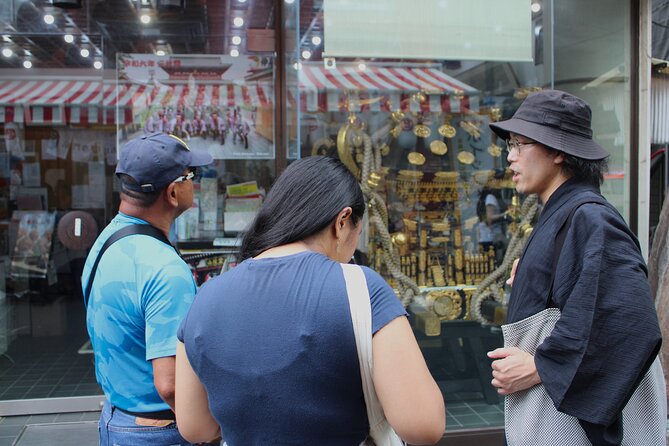
From Kaminarimon, the route continues along Nakamise Shopping Street. This is the traditional approach to Senso-ji, lined with shops and stalls selling souvenirs and local snacks.
The tour does not stop for shopping or food. That rule is worth taking seriously. If you want melon pan, small gifts, or other purchases, Ryo can recommend places for you to visit after the walk. One person used a recommendation to buy souvenirs and try what they considered an excellent melon pan, but you should save time and money for after the official route.
Nakamise is more than a retail strip. Ryo uses illustrations to explain the origin of Senso-ji and how the temple was supported by different groups over time, from ordinary local people to powerful generals from different periods.
That context is useful because the street can otherwise feel like a short path to the main hall. With an explanation of its connection to the temple, you can see Nakamise as part of the religious and civic life of Asakusa, not just a convenient place to buy gifts.
The fixed route has a clear advantage here. You will not lose half the tour browsing shops. The tradeoff is that you may spot something you want and have to remember to return later.
More Tokyo walking tours:
- Tokyo Tsukiji Fish Market Food and Culture Walking Tour
★ 5.0 · 3,184 reviews - Tokyo: Imperial Palace and Shogun Historical Walking Tour
★ 5.0 · 2,251 reviews - Tokyo: Shinjuku Local Bar and Izakaya Guided Walking Tour
★ 4.9 · 1,794 reviews - Tokyo: Tsukiji Fish Market Food and Walking tour
★ 5.0 · 1,724 reviews
Asakusa Shrine and Japan’s blended religious life
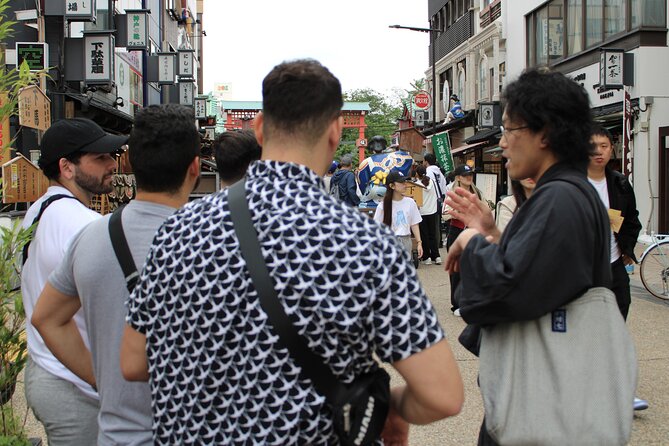
Asakusa Shrine sits beside Senso-ji, and that pairing is one of the most valuable parts of the walk. Senso-ji is a Buddhist temple, while Asakusa Shrine is a Shinto shrine. Seeing both in one compact area gives you a practical way to understand how the two traditions exist alongside each other.
Ryo explains religious views among Japanese people and helps you distinguish the role of a temple from the role of a shrine. This is especially useful if you are unsure about customs, symbols, or why the two sites share the same neighborhood.
The tour does not turn the subject into a dry lecture. Ryo’s local perspective and comic timing can make the explanation more approachable. You can ask questions in English or Japanese, and the small group gives you a better chance to do so than a large coach tour.
This stop is also a reminder that Japanese religious life does not always fit neat Western categories. The physical closeness of the two sites makes the idea easy to grasp. You are not simply hearing that Buddhism and Shinto coexist. You are looking at that coexistence in front of you.
Senso-ji Temple and its many Buddhist figures
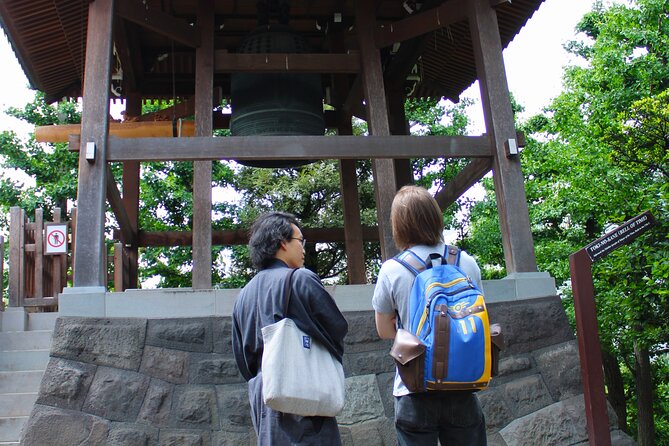
The walk finishes at Senso-ji, Tokyo’s best-known Buddhist temple. Ryo explains the temple’s origins and the ways it has been loved and supported across different periods of Japanese history.
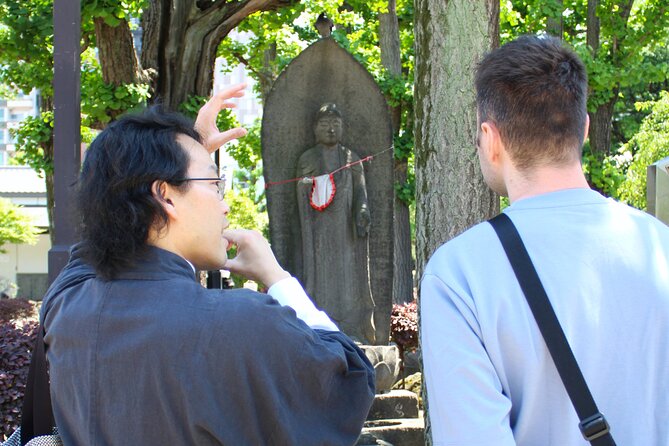
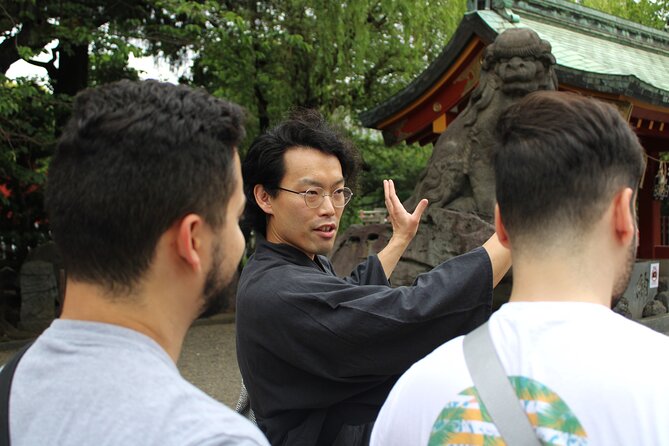
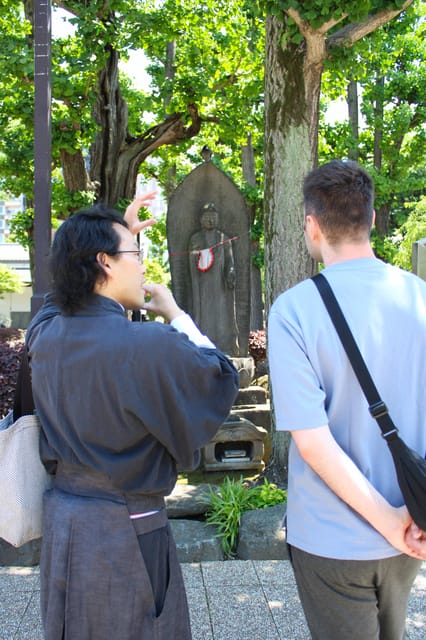
Along the way, he also introduces smaller temples, shrines, and Buddhist statues around Asakusa. The statues represent different Buddhist deities, and Ryo explains their importance. This is where the tour can add the most value for someone who might otherwise see a series of figures without knowing what they represent.
Several people found his explanations of Senso-ji and the surrounding area particularly detailed. One person described the tour as lasting about two hours, although the stated duration is 90 minutes. You should plan around the official 90-minute schedule and allow extra time only if the pace happens to run longer.
The listed finish is at the main hall of Senso-ji. The guide does not take you back to your hotel or escort you to a station afterward, so think of the temple as the end of the organized portion. That is not a problem in practice, since you can continue exploring the area independently, return to Nakamise, or follow Ryo’s shopping suggestions.
What the small group and short duration mean
With a maximum of eight participants, this is a personal format without the cost of a private tour. You can hear the guide more easily, ask about details, and stay connected as the route moves through crowded public areas.
Ninety minutes is enough for a focused introduction. It is not enough for a slow, detailed study of every temple, shrine, shop, and statue in Asakusa. You will see the district’s main sequence and receive useful background, then you can return to the places that interest you most.
This length suits the first morning or afternoon of an Asakusa visit. It gives you a framework before you explore on your own. If you already have a full self-guided plan, check the route carefully. The major sights are the same ones many visitors already intend to see, so the value depends on how much you want explanations along the way.
The tour is wheelchair accessible, according to the available details. Since this is a walking route through public streets, temple grounds, and shopping areas, it is still sensible to confirm any specific mobility needs before booking.
Is $31 a fair price?
At $31 per person, this is reasonably priced for a small-group walking tour in central Tokyo. You are paying for the guide, not admission to a major paid attraction. The temples, shrine, streets, and public views on the route do not require a separate entry fee as described.
The value comes from Ryo’s commentary. He provides historical background, explains religious customs, points out local details, and adds humor. If you would otherwise walk through Senso-ji without understanding the statues, temple origin, or relationship between Buddhism and Shinto, the fee can pay off quickly.
The value is weaker if you prefer to wander at your own speed or already have a strong grasp of Asakusa. You will not get dedicated shopping time, a meal, hotel pickup, or a ride to another destination. This is a compact cultural walk, not a full-day sightseeing package.
The free building view also adds a small benefit, although it should not be confused with a ticketed observation deck. The strongest reason to book is the guide’s interpretation of familiar places.
Who will enjoy this walk most?
I would recommend it to first-time visitors who want a clear introduction to Asakusa without committing to a long tour. It also suits anyone curious about Japanese history, temple customs, and the relationship between Shinto and Buddhism.
Ryo’s approach may work particularly well for people who enjoy conversation and light humor. He has been described as kind, humble, and willing to answer questions, while several people valued his detailed explanations and local insight.
Families and small groups may appreciate the short length and limited group size. The tour is also a practical choice for someone who wants English-language guidance but does not want a large organized group.
I would be more cautious if you need extended time for photography, shopping, or food. I would also skip it if your main goal is comedy. Ryo’s humor is an extra element within a cultural walking tour, not the central attraction.
Should you book the Asakusa comedian walking tour?
Book it if you want to understand the places you are seeing, not just photograph them. Ryo’s strongest contribution is the context around Senso-ji, Asakusa Shrine, Kaminarimon Gate, Buddhist statues, and the neighborhood’s long connection to local people and powerful historical figures.
The best plan is to take the tour early in your Asakusa visit, then return afterward to Nakamise Shopping Street or any temple that caught your attention. Arrive at Tokyo Cruise five minutes early, wear comfortable walking shoes, and keep shopping for after the tour.
Skip it if you already know Asakusa well or prefer complete independence. For everyone else, $31 buys a friendly, compact introduction led by someone with local working experience and a distinctive comic voice.
FAQ
How long is the Asakusa walking tour?
The stated duration is 90 minutes. One experience was reported to last about two hours, but you should plan around the official 90-minute schedule.
Where does the tour meet?
You meet in front of Tokyo Cruise, the water bus station near Asakusa Station on the Tokyo Metro Ginza Line.
How close is the meeting point to Asakusa Station?
The meeting point is about a one or two minute walk from Asakusa Station.
Where does the tour finish?
The tour finishes at the main hall of Senso-ji Temple.
Which sights are included?
The route includes Sumida Park, Kaminarimon Gate, Nakamise Shopping Street, Asakusa Shrine, and Senso-ji Temple.
Who leads the tour?
The guide is Ryo, an English-speaking Japanese comedian who has six years of experience working in Asakusa as a rickshaw driver.
What languages are available?
The tour is offered in English and Japanese.
Is the tour suitable for wheelchair users?
The activity is listed as wheelchair accessible.
How large is the group?
The tour is limited to eight participants.
Does the tour include shopping or food stops?
No. The route does not stop for food or souvenir shopping, though Ryo can recommend places for you to visit afterward.
Newly reviewed around Tokyo
- Tokyo Asakusa:Calligraphy & Make T-shirt Activity★ 5.0 · 62 reviews
- Intercity Shuttle, Tokyo to Haneda /Narita /Yokohama /Makuhari★ 5.0 · 5 reviews
- 1 Hour Travel around Tokyo with a Professional Photographer★ 5.0 · 3 reviews
- Travel Tokyo with Your Own Personal Photographer★ 5.0 · 43 reviews
- Train in Samurai Swordsmanship and Defeat the Demon in Tokyo★ 5.0 · 5 reviews
- Shuttle Van 6hr Tokyo Tour to-and-from Tokyo, Yokohama and Narita★ 5.0 · 9 reviews
- Kickboxing & Body Training with EX-Pro Fighter★ 5.0 · 4 reviews
- Traditional Japanese Knife Sharpening Class★ 5.0 · 18 reviews
Tokyo Walking Tours, compared.
Tokyo Tsukiji Fish Market Food and Culture Walking Tour
Read our review →
Imperial Palace and Shogun Historical Walking Tour
Read our review →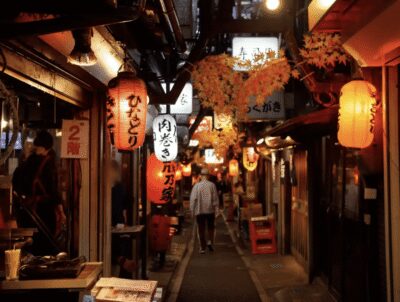
Shinjuku Local Bar and Izakaya Guided Walking Tour
Read our review →
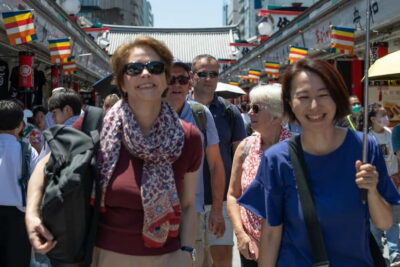
Asakusa Walking Tour with Sensoji Temple Visit
Read our review →
Tokyo Castle & Imperial PalaceーShogun Walking Tour
Read our review →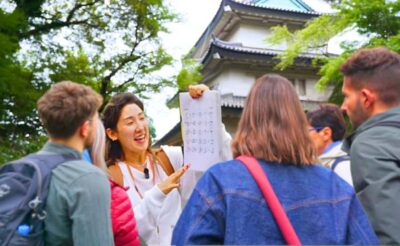
Browse the lists this tour appears in