
Reviewed · TSUKIJI AND TOYOSU FISH MARKET TOURS
Tsukiji: Unlimited Sake Tasting Experience
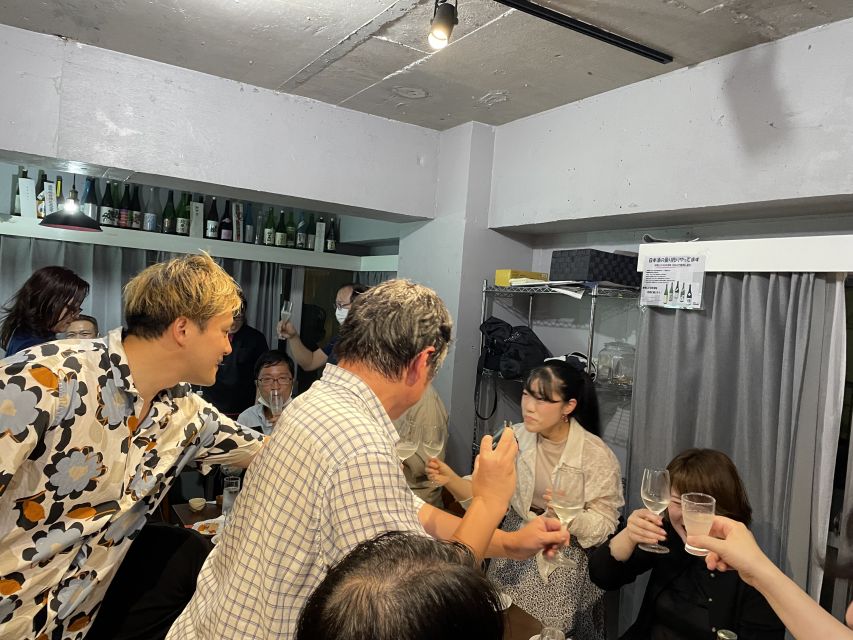
The real draw here is the chance to compare dozens of sakes from across Japan in one small Tsukiji salon. This is not a quick sample of one house pour. Your host explains the brewery and style, then lets you taste sake that ranges from sweet and gentle to dry, bitter, and full-bodied.
I like the friendly, private-room setting, and I like that the tasting teaches you how temperature changes flavor. The cheese, rice crackers, and other small snacks help, too. The one thing to watch is the time: the activity is sold as 90 minutes, while some details describe up to two hours, so plan around the shorter time.
Key points
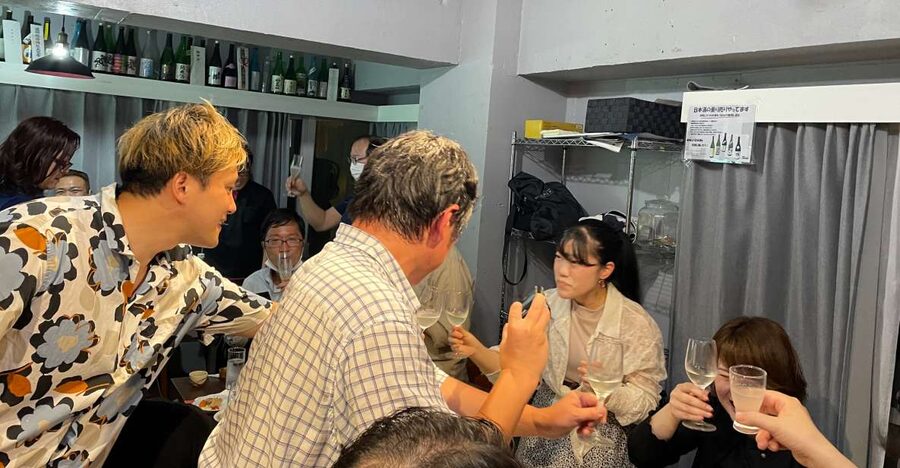
- Taste broadly: Around 50 to 60 bottles may be available, with many participants sampling about 20 to 30.
- Learn as you drink: An English-speaking sommelier explains brewing, breweries, sake styles, and serving temperatures.
- Expect a small group: Some sessions have only one to three participants, creating a near-private lesson.
- Try food pairings: Cheese, rice crackers, and other snacks are provided to support the tasting.
- Meet in Tsukiji: The private salon is at Sake Lovers Inc, on the fourth floor of a red brick building.
- Best for curious drinkers: You do not need prior sake knowledge, but you should be comfortable with alcohol tasting.
A Tsukiji sake lesson, not just a series of free drinks
This experience works because it gives structure to a drink that can seem confusing at first. Sake labels often use unfamiliar terms, and the drink can taste very different from one bottle to the next. Here, your host gives each pour a setting and a story.
The format is led in English by a sake sommelier or host. Mako, Yuki, and Kyoko are among the hosts who have led sessions, though the person you meet depends on the date. The teaching style appears to adjust to the group. If you know little about sake, you can start with the basics. If you already order it at Japanese restaurants, you can ask more specific questions about flavor and brewing.
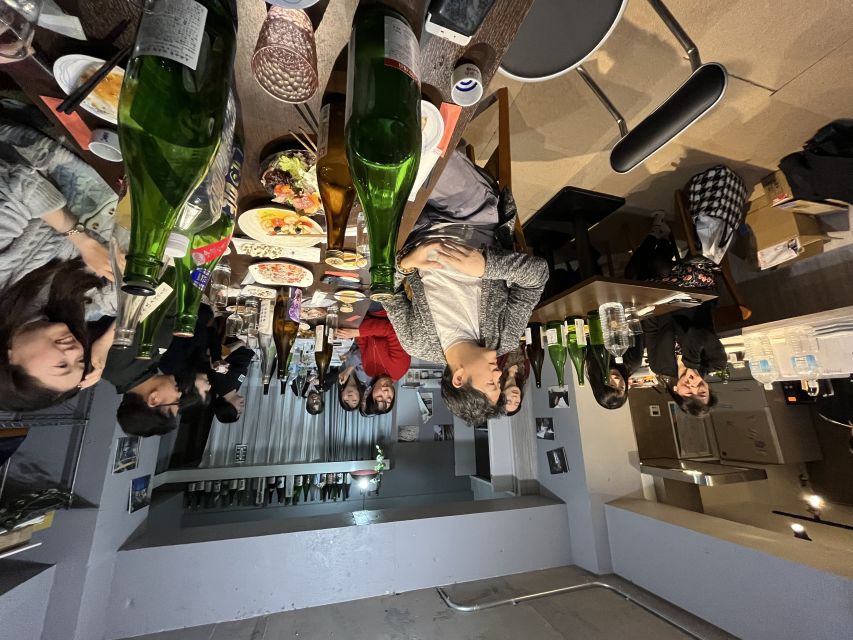
I like that this is held in a private salon rather than a large public bar. A small room keeps the focus on the bottles and the conversation. It also gives the host room to answer questions without rushing through a fixed speech.
The session is family-friendly in one limited sense: children may attend, but alcohol will not be served to them, and you must bring their nonalcoholic drinks. For most adults, this is best treated as a serious tasting rather than a family sightseeing stop.
More Tsukiji and Toyosu fish market tours:
- Tokyo Tsukiji Fish Market Food and Culture Walking Tour
★ 5.0 · 3,184 reviews - Tokyo: Tsukiji Fish Market Food and Walking tour
★ 5.0 · 1,724 reviews - Tokyo: Tsukiji Fish Market Guided Walking Tour
★ 4.9 · 1,397 reviews
Finding Sake Lovers Inc in the Tsukiji area
The meeting point is Sake Lovers Inc, written as サケ・ラバーズ株式会社. You are looking for a red brick building. Take the elevator to the fourth floor, then use the first door on the left, marked number 405.
That address detail matters. This is a private salon, not a large storefront with obvious tour signs. Give yourself enough time to identify the building and reach the room without hurrying. Hotel pickup and drop-off are not provided, so you arrange your own way to Tsukiji.
The location also fits nicely into a day spent around the Tsukiji area. I would schedule the tasting after you have explored the neighborhood, not before a long morning of other alcohol-based activities. Tsukiji is known for food, and the sake lesson makes more sense when you are thinking about how Japanese drinks match with meals.
The opening lesson: how sake differs from bottle to bottle
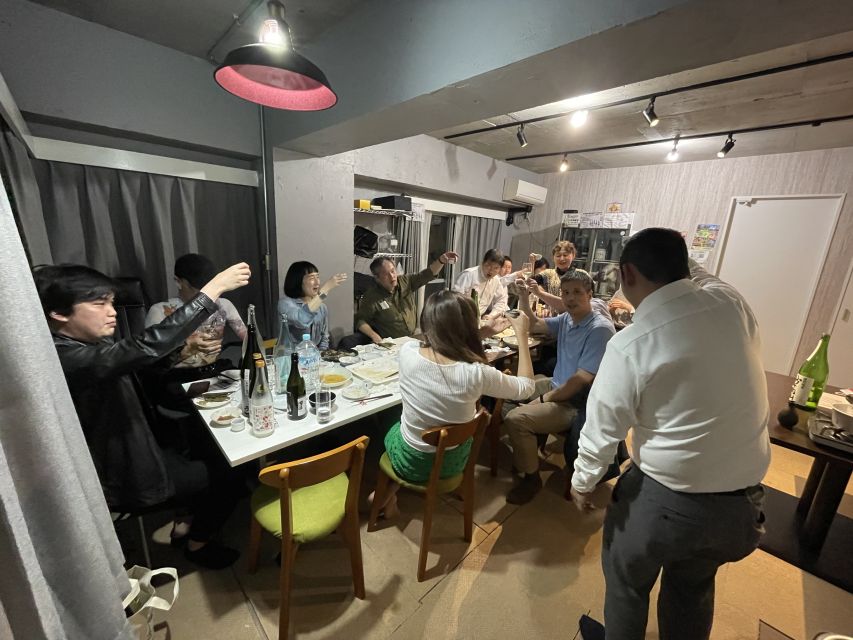
Your host begins by explaining what you are about to taste. The emphasis is not simply on alcohol strength. You learn that sake can vary in sweetness, acidity, aroma, weight, and finish, much as beer and wine can vary.
You may hear about the brewery behind each bottle and the story of its production. The brewing process is part of the lesson, along with the place of sake in Japan. The exact order and depth will depend on your host and the questions you ask.
This introduction is especially useful if your previous experience has been limited to one inexpensive bottle at a bar or supermarket. A single sake can give you a narrow idea of the drink. Sampling many styles helps you separate I do not like sake from I have not found the right sake for me yet.
The session is also useful for restaurant ordering. By the end, you should have a better sense of whether you prefer a light and gentle pour, something sweeter, or a stronger flavor with more bitterness and depth. You are not expected to memorize every label. The point is to learn what to look for.
Tasting 20 to 30 sakes from a larger selection
The salon may have 50 to 60 kinds of sake available, but that does not mean you should expect to drink a full glass of every bottle. In practice, people commonly taste around 20, and some sessions reach about 30. That is still a remarkably broad comparison in a short visit.
The host presents the drinks progressively, helping your palate move through different styles. You might begin with a softer or more approachable sake before moving toward bolder flavors. The exact sequence can change, but the guided approach is important. Without it, an unlimited tasting can become a blur of small pours.
I particularly like the range described by participants: sweet and gentle at one end, bitter and deep at the other. Some bottles are rare or less familiar outside Japan, since the group works with a wide selection from different breweries.
The phrase unlimited tastings should not be read as a challenge to drink as much as possible. It means you can continue sampling within the session, subject to the host’s pacing and available bottles. Use the water provided, eat the snacks, and pause when you need to. The value lies in comparison, not volume.
You may also find that your favorite bottle is not the one you expected. That is part of the fun. A person who usually drinks dry wine might prefer a crisp sake, while someone who likes sweeter drinks may enjoy a fuller, softer style.
More Tokyo sake tastings:
- Ramen and Sushi Cooking Class with Sake Pairing Set in Tokyo
★ 5.0 · 291 reviews - Sake Tasting Masterclass in Shinjuku (8+ Varieties with a Pro)
★ 5.0 · 271 reviews - Sake Omakase in Tokyo: Guided Tasting by Certified Sommeliers
★ 5.0 · 239 reviews - Tasting All Types of Sake with Sommelier
★ 5.0 · 151 reviews
Warm, chilled, and room-temperature sake
One of the more useful parts of the session is tasting sake at different temperatures. Temperature can change the way aromas, sweetness, acidity, and alcohol feel on your palate.
A chilled sake may come across as clean and bright. A warmer serving can make the drink feel rounder or bring different aromas forward. The point is not that one temperature is always better. It is that the same sake can give you a different impression depending on how it is served.
This lesson has direct practical value in Japan. If you order sake in a restaurant and the server asks how you want it served, you will have a better basis for answering. You may also discover that a bottle you disliked cold works better warm, or that a delicate style loses some of its appeal when heated.
The activity does not present this as a technical lecture only. You learn by tasting the difference yourself. That hands-on comparison is easier to remember than a list of serving rules.
Cheese, rice crackers, and small snacks
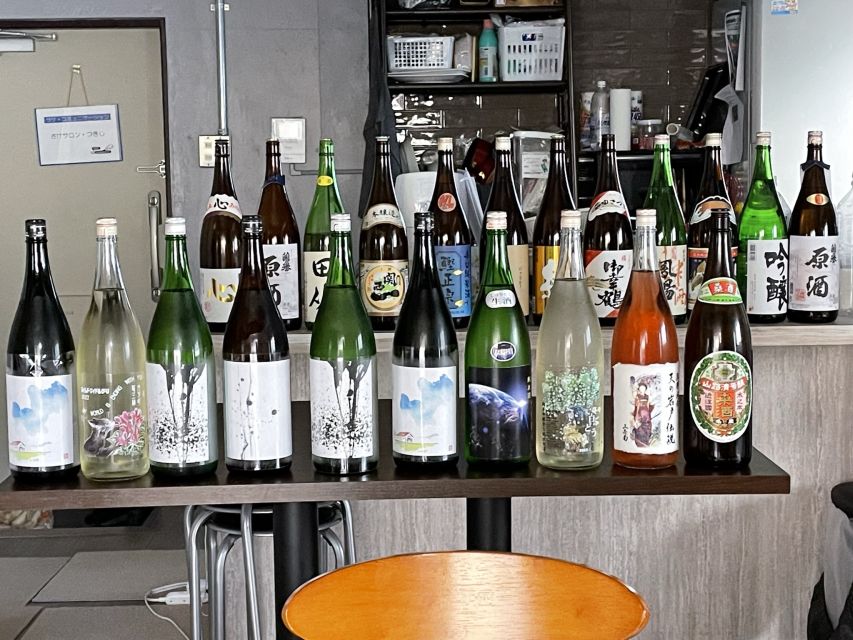
Food is provided during the tasting, but this is not a full meal. The snacks include cheese, rice crackers, and other small items. They give you something to eat between pours and show how sake works with salty, creamy, and crisp flavors.
This matters for two reasons. First, food helps slow the pace of an alcohol tasting. Second, pairing can change your view of a sake. A drink that feels too sharp by itself may work well with a savory snack.
You should eat before arriving if you need a substantial meal. Food is listed as not included, despite the snacks served during the session. Think of those snacks as tasting support, not lunch or dinner.
The tasting can also help you plan future meals. Once you find a style you like, you can ask a restaurant staff member for something similar or look for a matching dish. That is more useful than simply leaving with a favorite label and no idea why you liked it.
Why the small group format matters
Group size can vary, and some sessions have only one or two bookings. That can turn the experience into a private lesson, with plenty of room for questions. Other sessions bring together a small mix of people from different countries.
I see this as one of the strongest parts of the activity. A small setting makes it easier to say that you do not understand a term, ask to compare two pours again, or explain what flavors you prefer. The hosts are described as friendly and generous with their time, and the session feels more like a conversation than a formal class.
The tradeoff is that the experience depends partly on the host and the group. If you prefer a quiet, self-guided tasting, the teaching may feel more involved than you want. If you enjoy asking questions, that involvement is a benefit.
Host names that have been associated with sessions include Mako, Yuki, and Kyoko. Mako has been praised for adjusting explanations to the group’s experience, while Yuki and Kyoko have also led friendly, detailed tastings. You cannot assume which host will be present, but the English-language format is consistent.
Is $54 a good value?
At $54 per person, the price is fair if you want education as well as alcohol. You are paying for entry to a private salon, an all-you-can-taste format, an English-speaking host, and access to a large selection of bottles.
The value improves if you are new to sake. Buying several bottles on your own could cost more, and you might not know what to choose. Here, you can compare many styles before deciding what you enjoy.
It is less attractive if you only want one drink in a scenic bar or are looking for a full meal with sake. Food beyond the small tasting snacks is not included, and the private room is functional rather than a major sightseeing attraction.
The experience also makes sense for repeat visitors to Tokyo. Returning participants have found new bottles on later visits, so this is not limited to someone who has never tried sake. Availability changes, and the selection you taste will depend on what is being poured that day.
Timing, alcohol, and practical limits
The listed duration is 90 minutes. Some activity information describes two hours of unlimited tastings, and individual sessions may vary, but I would plan your day around a 90-minute appointment. Allow extra time to find the fourth-floor room.
This is a tasting with many pours, so pace yourself. Eat beforehand, drink water between samples, and do not schedule a demanding activity immediately afterward. The session includes water and snacks, but neither replaces a meal.
Pregnant women should not book this activity. Wheelchair users are also listed as unsuitable, so check your wider Tokyo plans if access needs are important.
Cancellation is free up to 24 hours before the activity for a full refund. You can also reserve now and pay later, which helps if your Tokyo schedule is still changing.
Who should book this Tsukiji tasting?
I would choose this for someone who wants to understand sake rather than simply consume it. It suits first-time drinkers, couples, small groups of friends, and food-focused visitors who want a better match for Japanese meals.
It also suits people who enjoy guided tastings but do not want a large tour group. The chance of a very small session gives the lesson a personal feel, though group size is not guaranteed.
I would skip it if you dislike alcohol, need a wheelchair-accessible venue, or want a substantial food experience. Families can bring children, but the children will receive no alcohol and need their own nonalcoholic drinks, so the format is still mainly for adults.
FAQ
Where does the sake tasting take place?
It takes place at Sake Lovers Inc, written as サケ・ラバーズ株式会社, in a red brick building in Tsukiji. Take the elevator to the fourth floor and use the first door on the left, number 405.
How long does the experience last?
The listed duration is 90 minutes. Some activity details describe two hours of unlimited tastings, so plan for at least the advertised 90-minute session and allow extra time for arrival.
How many kinds of sake can I try?
The salon may offer 50 to 60 different kinds of sake. Participants commonly taste around 20, while some sessions reach about 30.
Is the tasting conducted in English?
Yes. The host or greeter language is English, and the experience includes explanations from a sake sommelier or host.
Is food included?
Small snacks such as cheese and rice crackers are available during the tasting. A full meal is not included, so eat beforehand if you need more substantial food.
Can children attend?
The activity is family-friendly, but children will not be served alcohol. If you bring children, you must bring their own nonalcoholic drinks.
Can I cancel for a refund?
You can cancel up to 24 hours in advance for a full refund. The activity also offers a reserve-now, pay-later option.
Should you book it?
Book this if you want a clear introduction to Japanese sake, a wide choice of bottles, and a small-group lesson in Tsukiji. The strongest reason to go is the chance to taste many styles side by side, then learn how temperature and food change the experience.
At $54, it is a sensible buy for curious drinkers and returning Japan visitors. Just remember that the timing can be closer to 90 minutes than two hours, the snacks are not a meal, and the activity is not suitable for wheelchair users or pregnant women. If those limits fit your plans, this is a useful and enjoyable way to learn what kind of sake you actually like.
More Tokyo food tours
- Tokyo: Shinjuku Food Tour (13 Dishes at 4 Local Eateries)
★ 5.0 · 6,603 reviews - Tokyo: Shinjuku Food Tour (15 Dishes and 4 Eateries)
★ 4.9 · 2,033 reviews - Eat and Drink Like a Local: Tokyo Ueno Food Tour-Taverns&Ramen
★ 5.0 · 957 reviews - Tokyo: Shibuya Food Tour (13 dishes and 4 Eateries)
★ 5.0 · 770 reviews
More Tokyo drink tastings and bars
- Tokyo Bar Hopping Tour in Shinjuku (All-You-Can-Drink + Dinner)
★ 5.0 · 3,587 reviews - Best of Shinjuku: Izakaya Food Tour (4 Stops, 14+ Tastings)
★ 5.0 · 1,863 reviews - Tokyo: Shinjuku Local Bar and Izakaya Guided Walking Tour
★ 4.9 · 1,794 reviews - Shibuya Meltdown Nightlife Tour: All-You-Can-Drink Bar Hopping
★ 5.0 · 1,058 reviews
Newly reviewed around Tokyo
- Tokyo Asakusa:Calligraphy & Make T-shirt Activity★ 5.0 · 62 reviews
- Intercity Shuttle, Tokyo to Haneda /Narita /Yokohama /Makuhari★ 5.0 · 5 reviews
- 1 Hour Travel around Tokyo with a Professional Photographer★ 5.0 · 3 reviews
- Travel Tokyo with Your Own Personal Photographer★ 5.0 · 43 reviews
- Train in Samurai Swordsmanship and Defeat the Demon in Tokyo★ 5.0 · 5 reviews
- Shuttle Van 6hr Tokyo Tour to-and-from Tokyo, Yokohama and Narita★ 5.0 · 9 reviews
- Kickboxing & Body Training with EX-Pro Fighter★ 5.0 · 4 reviews
- Traditional Japanese Knife Sharpening Class★ 5.0 · 18 reviews
Tsukiji and Toyosu Fish Market Tours, compared.
Tokyo Tsukiji Fish Market Food and Culture Walking Tour
Read our review →
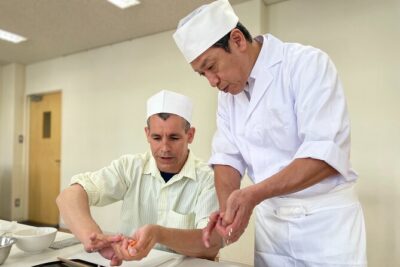
Tokyo Sushi Making Class in Tsukiji with Professional Chef
Read our review →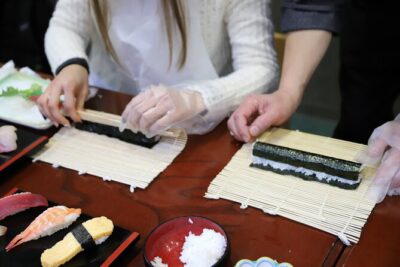
Tsukiji Fish Market Guided Tour and Sushi Making with Pro Chef
Read our review →Tsukiji Fish Market Food and Culture Walking Tour
Read our review →
Tsukiji Fish Market: Street Food & Culture Walking Tour
Read our review →
Tsukiji Fish Market Small-Group Food Walking Tour
Read our review →Browse the lists this tour appears in