
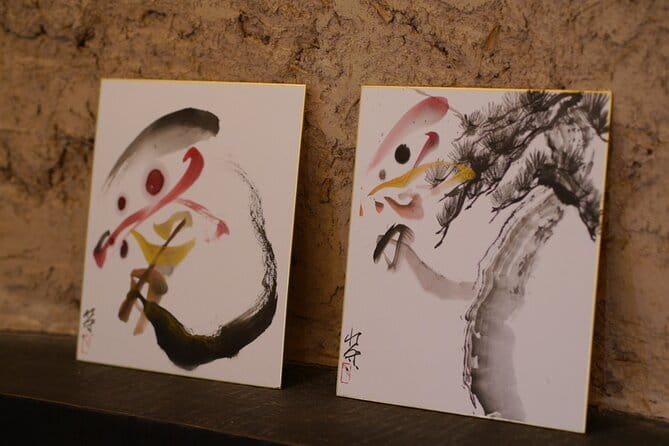
Reviewed · TOKYO TRADITIONAL CRAFT WORKSHOPS
Sumi-e Ink Painting Suiboku-Ga Workshop in a Japanese Teahouse
The quiet surprise here is how much expression you can get from one brushstroke. In a Tokyo teahouse, artist Rensui shows you how water and ink create soft shades, sharp lines, and texture without piling on layers of paint. You also enjoy green tea as you work.
I like the small class size, capped at eight, and the fact that your finished piece is a genuine souvenir rather than a shop-bought trinket. I also like the choice of subject, from bamboo and pine to Japanese kanji. The one caution is that simple-looking ink painting takes control, so your first picture may be more personal than polished.
Key points to know before booking
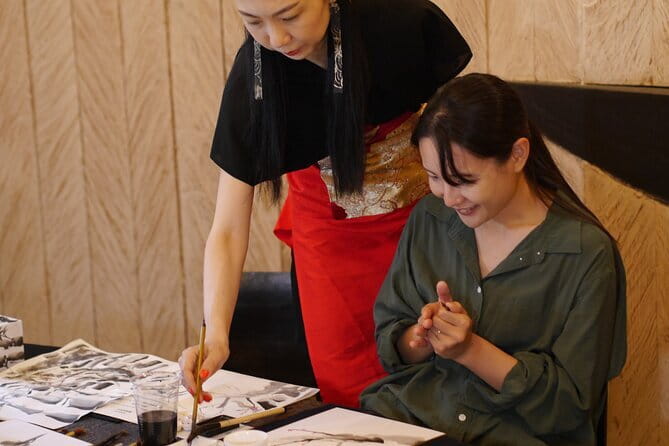
- A one-hour lesson with artist Rensui: Learn basic Suiboku-ga methods directly from an award-winning calligrapher and artist.
- A maximum of eight people: The intimate group gives the class a personal feel and keeps the activity from becoming a crowded demonstration.
- Six subject choices: Paint pine, bamboo, plum, orchid, chrysanthemum, or Chinese kanji characters.
- Tea is part of the experience: A light green tea refreshment is included, and you leave with a packet of green tea.
- Your artwork goes home with you: Materials and workshop fees are included, so the picture becomes the main souvenir.
- A central meeting point in Tsukiji: The class begins and ends at Uogashi Meicha Chanomi Club, near public transportation.
Why this one-hour art class feels different
Tokyo offers plenty of polished attractions, but this class gives you a short introduction to a traditional art form that many visitors never try. Suiboku-ga is a type of Sumi-e ink painting made with washes of ink. Instead of building color through many layers, you control the relationship between water, ink, paper, and brush pressure.
That simplicity is the point. A darker stroke can suggest a tree trunk. A lighter wash can give a branch air and distance. The result depends on timing and touch, not on correcting every mark later. I like that this makes the class feel less like a standard craft session and more like a brief lesson in Japanese artistic discipline.
The setting adds to the mood. You meet at Uogashi Meicha Chanomi Club in Tsukiji, a Japanese teahouse environment, and enjoy a light green tea while you work. The tea is not just a drink included on the checklist. It gives the hour a slower rhythm and helps connect the painting lesson with Japanese tea culture.
The class lasts about one hour, so it fits neatly into a busy Tokyo day. You could place it before or after time in Tsukiji, or use it as a calm break between larger sightseeing stops. The short format also makes it easier to book for children, couples, families, or anyone who wants to try art without giving up half a day.
More Tokyo craft workshops:
- Tokyo Shinjuku Chopsticks Making Class
★ 5.0 · 1,763 reviews - Chopstick Making Workshop in Ginza
★ 4.8 · 1,366 reviews - Kintsugi Experience: Art of Golden Joinery in Tokyo
★ 5.0 · 467 reviews
Meeting Rensui and learning the brush
The workshop is taught by Rensui, an award-winning calligrapher and artist. The lesson is introductory, which matters if you have never held a brush for Sumi-e painting. You are not expected to arrive with art training or a detailed understanding of Japanese calligraphy.
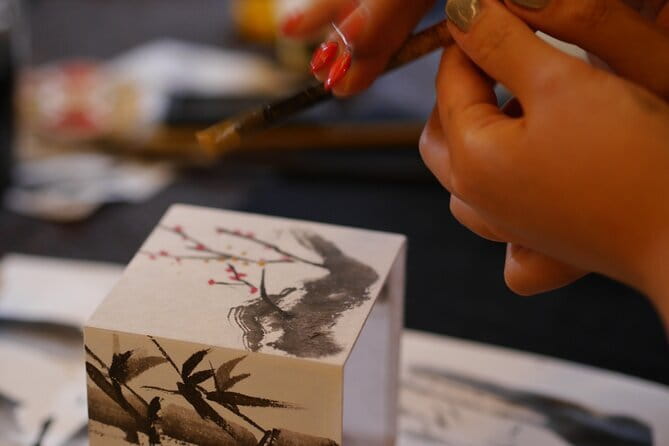
Rensui teaches basic ways to use water and ink, then shows how a single brushstroke can finish part of the image. This is a useful approach for beginners because it keeps the focus on technique rather than on producing a perfect drawing. You learn by watching how a stroke begins, changes pressure, and ends.
I would pay close attention to the amount of water on the brush. Suiboku-ga depends on balance. Too much water can make a mark pale and loose, while too much ink can flatten the contrast. The lesson gives you a chance to see how small changes affect the finished work.
The teaching style also seems suited to people who are nervous about drawing. One attendee described not expecting ink painting to be so difficult, yet still enjoying the challenge and feeling pleased with the final artwork. That is a fair way to approach this class. You are learning a demanding technique in miniature, not taking a shortcut to instant artistic perfection.
Choosing your subject before the first stroke
At booking, you choose the object or theme you would like to paint. The available subjects are pine, bamboo, plum, orchid, chrysanthemum, and Chinese kanji characters.
These options connect with familiar subjects in Japanese and East Asian art. Pine, bamboo, and plum are especially recognizable motifs, while orchid and chrysanthemum give you a different shape and rhythm to work with. Kanji offers another route if you prefer the balance of characters to the form of a plant.
The choice matters because each subject asks for a different kind of brush movement. Bamboo may call for clear, controlled lines. A flower can require lighter touches and careful spacing. A character depends on order, proportion, and confidence. You are not merely picking a picture from a menu. You are choosing the kind of movement you want to practice.
Families can also treat the subject choice as part of the fun. Two children, ages seven and nine, took part and chose their own direction. One wanted to paint Snoopy instead of the traditional subject offered, while the other chose a more standard option. That detail suggests some flexibility in how children connect with the activity, although the official themes remain the six choices listed above.
From tea and blank paper to a finished keepsake
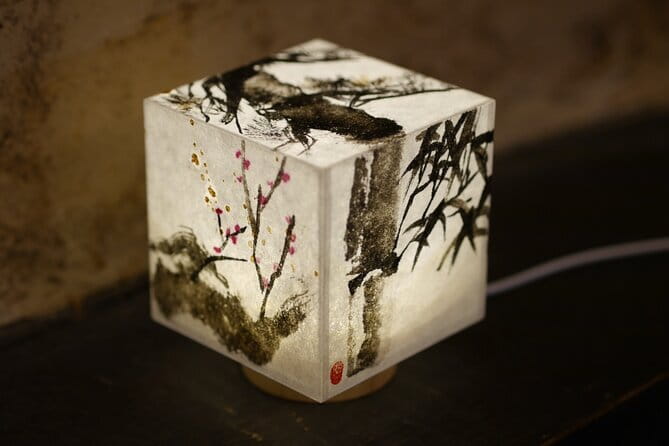
Once the lesson begins, you work with the supplied materials and practice the basic ink-wash methods. The class centers on creating one finished piece, and the artwork is yours to take home or give to someone else.
The souvenir has more meaning than a printed postcard because you made it during a guided cultural activity. It may show a bold stroke, a pale wash, or a small mistake that reminds you how the technique works. In this art form, those marks are part of the process. The goal is not to cover every trace of the person holding the brush.
You also receive a packet of green tea to take home. That is a practical extra, especially if you want a small, easy-to-pack reminder of the teahouse setting. The workshop fee, materials, and light tea refreshment are included, so you do not need to budget separately for the basic class supplies or the drink.
The hour should pass quickly. You will spend much of it listening, watching, and trying the technique yourself. Because the class is limited to eight people, the format should feel more personal than a large activity where everyone simply copies a demonstration from a distance. The available information does not promise one-to-one instruction at every moment, so I would still expect the class to mix explanation with independent practice.
More hands-on classes and workshops in Tokyo:
- Sushi Making Tokyo Roll and Authentic Japanese Sushi Class
★ 5.0 · 3,971 reviews - Tokyo: Roll and Authentic Sushi Making Class in Asakusa
★ 4.9 · 1,957 reviews - Tokyo: Sushi Making Class in a Happi Coat near a Famous Spot
★ 4.9 · 1,377 reviews - Tokyo Sushi Making Class in Tsukiji with Professional Chef
★ 5.0 · 1,177 reviews
What the small group changes
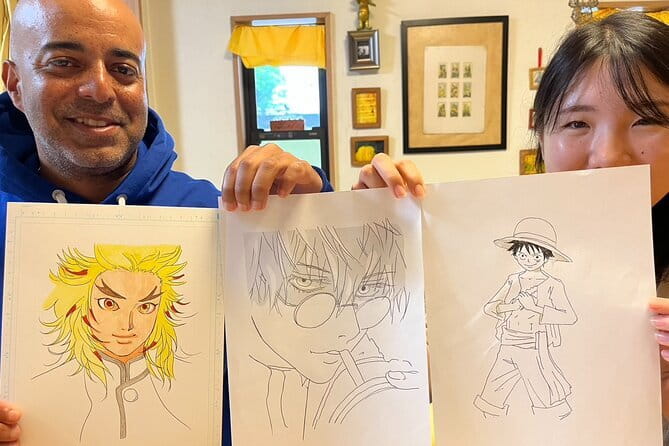
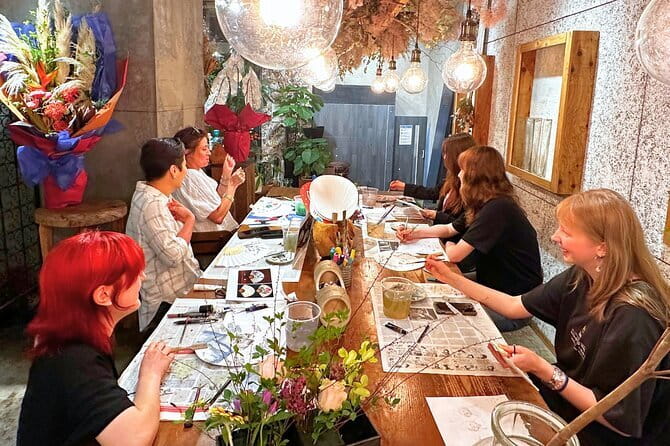
The maximum group size is eight people. That is one of the strongest reasons to consider this experience if you want instruction rather than a quick photo opportunity.
A small class gives you a better chance to see the brush technique clearly and receive guidance when your ink behaves differently from the demonstration. It also keeps the teahouse atmosphere quiet and manageable. For a creative activity, that matters. A crowded room can make it harder to focus on a single stroke.
The group size may also suit mixed ages and ability levels. Children can try the activity with their parents, while adults can take the technique more seriously. One family used the workshop successfully with children aged seven and nine. The experience is not described as adults-only, and most people can participate.
Still, small does not mean private. You will share the class with other participants, and the one-hour schedule limits how much personal correction any one person can receive. If you want a long, technical art course, this is too short. If you want a friendly introduction and something you can complete in one sitting, the format makes sense.
What the $93.34 price includes
At $93.34 per person, this is not the cheapest one-hour activity in Tokyo. The value depends on what you want from the hour.
You are paying for more than access to paint and paper. The price includes instruction from Rensui, the workshop itself, materials, a light green tea refreshment, your finished artwork, and a packet of green tea to take home. The setting and the small class limit also form part of the experience.
I would compare it with the cost of buying a souvenir and spending an hour at a café. This class gives you a guided cultural activity and a personal object that records your time in Tokyo. For an art lover, a family seeking a calm activity, or someone who values hands-on experiences, that can be reasonable value.
The price is harder to justify if you only want a quick introduction with no interest in keeping the artwork. You may also prefer a longer class if your main aim is to develop serious Sumi-e skills. This workshop is best understood as a compact cultural lesson, not a full art course.
The current rating is 5 out of 5 from 20 reviews, with 100 percent recommending it. The strongest praise focuses on Rensui’s teaching, the pleasure of the activity, and the finished artwork as a meaningful souvenir. That matches the basic value proposition: you leave with both a new technique and something you made yourself.
Getting to the Tsukiji meeting point
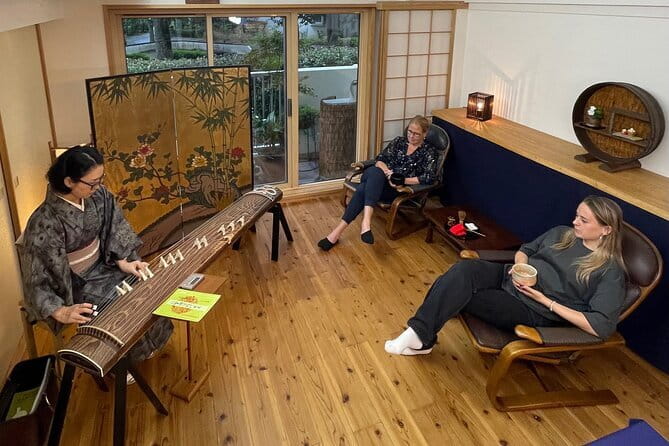
The class begins and ends at Uogashi Meicha Chanomi Club, at 2-chome-11-12 Tsukiji, Chuo City, Tokyo 104-0045. It is near public transportation, which makes the location practical for a Tokyo itinerary.
Because there is no hotel pickup or drop-off, you need to make your own way to the meeting point. I would allow enough time to locate the teahouse before the start, especially if you are navigating Tokyo for the first time. The activity is only an hour, so arriving late could take a noticeable part of the lesson away from you.
The return to the same meeting point is convenient. You do not need to arrange a second pickup location or work out where the class finishes. Afterward, you can continue with your Tokyo plans from Tsukiji.
Confirmation is provided within 48 hours of booking, subject to availability. Since the class is usually booked about 25 days ahead, early planning is sensible if your Tokyo dates are fixed. The small eight-person limit can make last-minute availability less certain.
Free cancellation is available if you cancel at least 24 hours before the local start time. Changes or cancellations inside that 24-hour window are not accepted for a refund. Keep that cutoff in mind when arranging a tightly packed sightseeing day.
Who should book this workshop
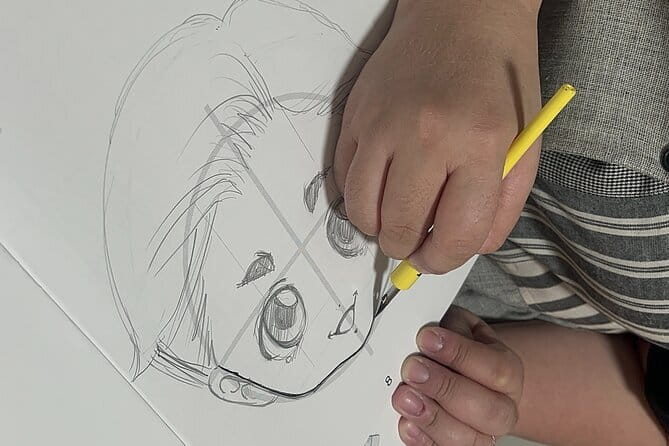
I would choose this experience if you want a quiet, hands-on activity that connects art, tea, and Japanese culture in one hour. It suits first-time visitors who want something beyond major sights, as well as repeat visitors looking for a more personal activity.
It is a particularly good fit for:
- Art lovers who want to try traditional ink painting
- Families with children who can follow a short guided activity
- Couples looking for a small creative souvenir
- Visitors who enjoy calligraphy, brushwork, or Japanese design
- Anyone who prefers a calm indoor activity to another crowded attraction
You do not need to be a skilled artist. In fact, the class may be more enjoyable if you accept that the technique is difficult and let the finished picture show your own hand.
I would be more cautious about booking if you dislike structured instruction, have no interest in taking home artwork, or want a long, advanced painting session. The hour is an introduction. It gives you a taste of Suiboku-ga rather than mastery.
Should you book the Suiboku-ga workshop?
I would book it if the price fits your budget and you want a souvenir with a story behind it. The small group, award-winning teacher, tea setting, and chance to choose your own subject give the hour a clear purpose.
The main drawback is cost for a short activity. At $93.34, you should care about the guided lesson and personal artwork, not just the tea or the location. If you do, this is a thoughtful addition to a Tokyo visit, especially for families and art-minded visitors.
FAQ
How long is the Suiboku-ga workshop?
The workshop lasts approximately one hour.
Where does the activity begin?
It begins at Uogashi Meicha Chanomi Club, 2-chome-11-12 Tsukiji, Chuo City, Tokyo 104-0045, Japan.
Where does the activity end?
The workshop ends back at the meeting point.
How many people can join the class?
The activity has a maximum of eight participants.
Who teaches the workshop?
Award-winning calligrapher and artist Rensui teaches the introductory lesson.
What subjects can I paint?
You can choose from pine, bamboo, plum, orchid, chrysanthemum, or Chinese kanji characters.
Are materials included?
Yes. The workshop fee and materials are included.
Is green tea included?
Yes. You receive a light green tea refreshment during the workshop and a packet of green tea as a souvenir.
Do I keep the artwork?
Yes. Your finished artwork can be taken home or given as a gift.
Can I cancel for a full refund?
Yes, if you cancel at least 24 hours before the experience start time. Cancellations or changes made less than 24 hours before the start are not refunded or accepted.
Newly reviewed around Tokyo
- Tokyo Asakusa:Calligraphy & Make T-shirt Activity★ 5.0 · 62 reviews
- 1 Hour Travel around Tokyo with a Professional Photographer★ 5.0 · 3 reviews
- Travel Tokyo with Your Own Personal Photographer★ 5.0 · 43 reviews
- Intercity Shuttle, Tokyo to Haneda /Narita /Yokohama /Makuhari★ 5.0 · 5 reviews
- Train in Samurai Swordsmanship and Defeat the Demon in Tokyo★ 5.0 · 5 reviews
- Shuttle Van 6hr Tokyo Tour to-and-from Tokyo, Yokohama and Narita★ 5.0 · 9 reviews
- Kickboxing & Body Training with EX-Pro Fighter★ 5.0 · 4 reviews
- Traditional Japanese Knife Sharpening Class★ 5.0 · 18 reviews
Tokyo Traditional Craft Workshops, compared.
Kintsugi Experience: Art of Golden Joinery in Tokyo
Read our review →

Authentic Pure Gold Kintsugi Workshop with Master Taku in Tokyo
Read our review →
Private Handmade Ring Workshop Activity in Tokyo Shibuya
Read our review →
Browse the lists this tour appears in