
Reviewed · TOKYO WALKING TOURS
Discover the History of Shinjuku Gyoen – Private Walking Tour
Shinjuku Gyoen is more than a quiet patch of trees in central Tokyo. Inside its gates, a private guide helps you read the park as a record of changing Japan, from a feudal lord’s estate to an imperial garden and then a public park. You’ll see historic buildings, formal gardens, and the tropical greenhouse during a two-hour walk.
I like the private format, since your group can ask questions and adjust the pace. I also like the mix of sights: the Former Imperial Rest House, the Former Western-style Rest House, traditional Japanese gardens, and the Goryōsho Pavilion give the walk more substance than a simple park stroll.
The main consideration is cost and admission. At $50 per person, this is a reasonable choice if you value personal guiding, but the park entrance fee is not included, and two hours gives you only a selective look at a large garden.
Key points to know before booking
- A private two-hour visit lets only your group take part, with room for questions and a flexible pace.
- The park’s changing role is the central theme, moving from feudal estate to imperial garden and public space.
- Several distinct sites are included, such as the Former Imperial Rest House, Former Western-style Rest House, greenhouse, Goryōsho Pavilion, and traditional gardens.
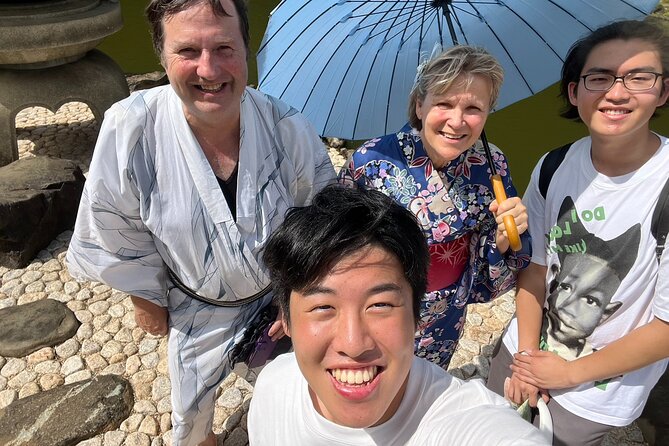
- Guides Mao and Yu are especially useful if you want photographs, patient explanations, or help adapting the walk to your interests.
- Admission is separate, so add the park entry fee to the $50 tour price.
- Advance planning helps, since this experience is booked about 58 days ahead on average.
Reading Shinjuku Gyoen through its changing past
The best reason to take this walk is that it gives the garden a storyline. Without context, you may see lawns, ponds, flowering plants, glasshouse greenery, and attractive buildings. With a guide, those pieces become evidence of how the site changed hands and purpose over time.
The tour focuses on three broad chapters. First came the feudal estate. Later, the grounds became an imperial garden, a place shaped by courtly taste and official use. Finally, Shinjuku Gyoen became a public garden where you can enjoy its paths and buildings today.
That sequence gives you a useful way to look at the park. A Japanese garden is not simply a collection of pleasing views. Its paths, planting, water, buildings, and open spaces reflect ideas about status, ceremony, nature, and design.
I find this kind of historical framing especially useful early in a Tokyo visit. It gives you cultural background without asking you to spend half a day inside a museum. You are walking outdoors, changing scenery often, and stopping at sites that make the story tangible.
The guide’s role matters here. A private tour gives you a chance to ask why a certain building matters, how a section of the garden differs from another, or what to notice in the design. A standard self-guided walk can be peaceful, but it may leave you guessing about what you are seeing.
More things to do in Shinjuku:
- Tokyo: Shinjuku Food Tour (13 Dishes at 4 Local Eateries)
★ 5.0 · 6,603 reviews - Tokyo Bar Hopping Tour in Shinjuku (All-You-Can-Drink + Dinner)
★ 5.0 · 3,587 reviews - Tokyo: Shinjuku Food Tour (15 Dishes and 4 Eateries)
★ 4.9 · 2,033 reviews
Starting at Shinjuku Gate
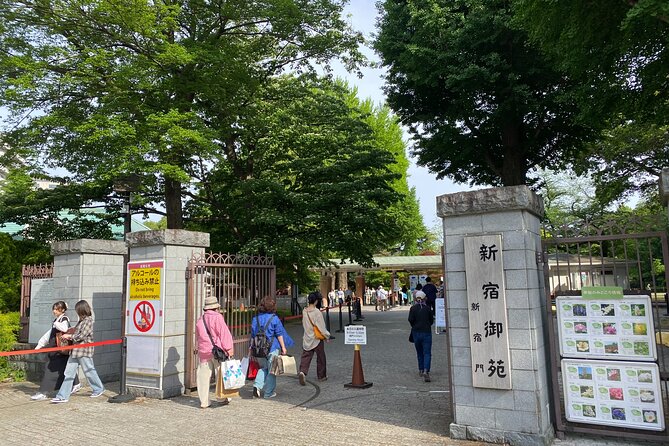
The meeting point is Shinjuku Gyoen Shinjuku Gate at 11 Naitōmachi, Shinjuku City, Tokyo 160-0014. The tour begins and ends at this same point, which keeps the plan simple for the rest of your day.
You should allow enough time to reach the gate before the start. The park is near public transportation, but the information provided does not specify a particular station, train line, or exit. Check the exact route before leaving your hotel, especially if you are crossing Tokyo during a busy morning or afternoon.
Once inside, your guide can help you get oriented. The park contains several different types of garden and a number of notable facilities, so the first few minutes are important. A private guide can explain the plan and help you decide which areas deserve the most attention for your group.
The two-hour duration is a useful middle ground. It is long enough to cover the main historic features without turning the visit into an all-day commitment. At the same time, it is not long enough to inspect every path or linger at every viewpoint, so you should think of this as a focused introduction.
If photography matters to you, say so early. Mao is specifically noted for suggesting good photo locations and offering choices about which places to see. That is a practical strength, since the most attractive spot may not be the most historically important one, and you may want a balance of both.
The Former Imperial Rest House
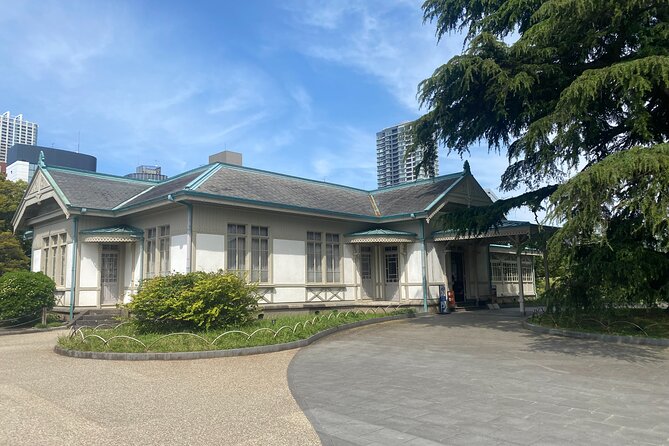
The Former Imperial Rest House is one of the main stops and gives the tour a clear connection to the park’s imperial period. The building is more than a photo stop. It helps you imagine how the grounds functioned when they were connected to imperial use rather than open public recreation.
The provided information also refers to this site by its Japanese name, Kyū Yōkan Gokyūsyo. Your guide can connect the Japanese name with the English description, which is useful if you later see references to it on signs or in other material about the park.
This part of the walk will suit you if you like architecture and social history. You are not only looking at a structure, but considering who used it, why it was placed within the garden, and how its role differs from the public park you see today.
The building may also help break up the greenery. Shinjuku Gyoen has plenty of open garden space, and a historic interior or exterior feature gives your eyes a different subject. If you are visiting Tokyo with someone who is less interested in plants, these buildings add variety.
Keep your expectations sensible. The tour description names the rest house as a stop, but it does not promise a full interior visit, special access, or an extended architectural lecture. The value comes from seeing it as part of the larger story and asking your guide what you want to know.
The Former Western-style Rest House
The Former Western-style Rest House adds another layer to the park’s history. Its inclusion shows that Shinjuku Gyoen is not limited to one idea of Japanese garden design. The grounds contain a meeting of Japanese traditions and Western influence, visible in the park’s buildings and planning.
This is one of the tour’s most useful contrasts. Traditional gardens invite you to notice controlled views, planting, water, and the shape of a path. A Western-style rest house points you toward a different architectural language and a different period of official design.
I would pay attention to how your guide compares the two types of space. That comparison can make the visit more interesting than treating each building as an isolated monument. You begin to see the park as an evolving place, not a garden frozen in one historical moment.
The name can be confusing because the tour also includes an Imperial Rest House. The guide can help sort out the differences between the Former Western-style Rest House and the Former Imperial Rest House. If you are taking notes or photographs, label them as you go so you do not mix them up later.
More Tokyo walking tours:
- Tokyo Tsukiji Fish Market Food and Culture Walking Tour
★ 5.0 · 3,184 reviews - Tokyo: Imperial Palace and Shogun Historical Walking Tour
★ 5.0 · 2,251 reviews - Tokyo: Shinjuku Local Bar and Izakaya Guided Walking Tour
★ 4.9 · 1,794 reviews - Tokyo: Tsukiji Fish Market Food and Walking tour
★ 5.0 · 1,724 reviews
The tropical greenhouse and Goryōsho Pavilion
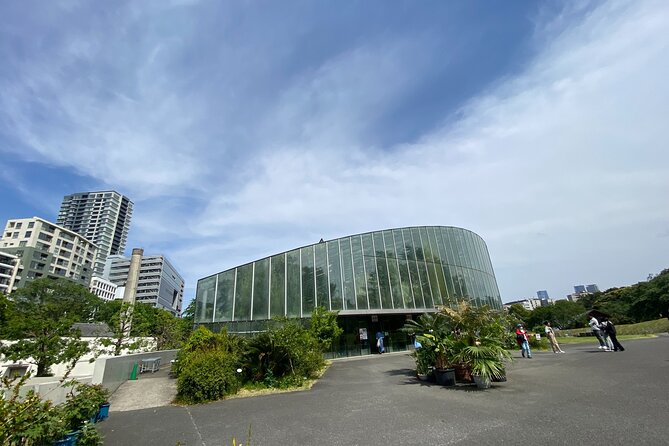
The tropical greenhouse gives the route a welcome change of mood. After historic buildings and formal outdoor gardens, you move into a warmer, plant-filled setting. The information provided does not list specific plant species, so you should treat it as a general greenhouse visit rather than expect a promised collection or special display.
For plant lovers, this may be a highlight. For other people in your group, it is still useful because it changes the rhythm of the walk. A two-hour tour benefits from these shifts, moving between architecture, outdoor design, and enclosed greenery.
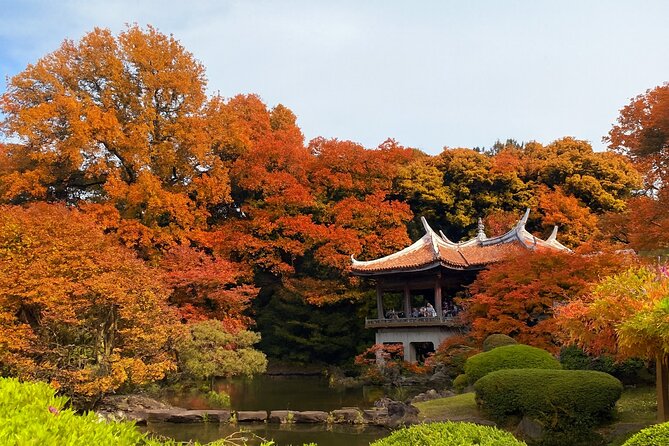
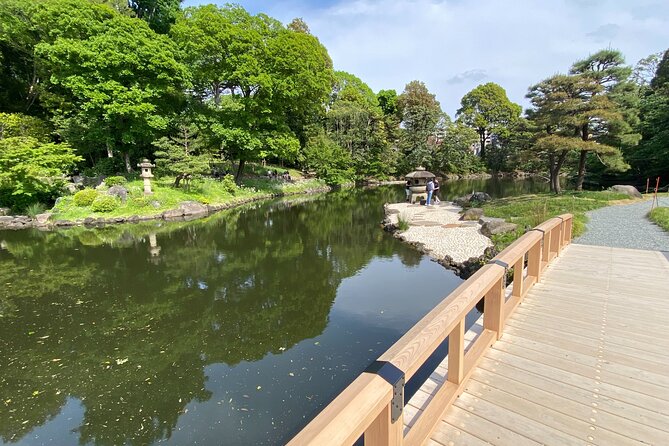
The Goryōsho Pavilion is another picturesque feature named among the places to see. Its appeal is likely strongest for anyone who enjoys careful composition and garden views, though the exact viewing conditions and access details are not specified.
Ask your guide to explain what makes the pavilion important rather than simply photographing it. A short explanation about its purpose, setting, or relationship to the surrounding garden can turn a pretty stop into a memorable one.
These stops also create good opportunities to tell your guide what you enjoy. Yu is described as speaking excellent English and adapting well to changing plans. That matters if your group wants to spend more time on plants, architecture, photography, or historical background instead of following a rigid script.
Traditional Japanese gardens within the park
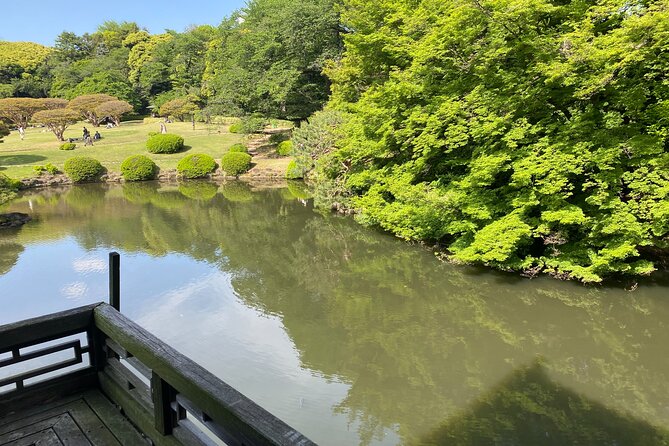
The traditional Japanese gardens are the heart of the visual experience. Here, your guide can direct your attention to the way the garden is arranged rather than leaving you with the broad instruction to admire the scenery.
Look for changes in scale, framed views, and the way paths guide your movement. The garden may look natural at first glance, but the placement of features is deliberate. A guide’s explanation can help you notice choices that are easy to miss when you are walking alone.
This portion should appeal to first-time visitors who want a gentle introduction to Japanese garden design. It also works for repeat visitors who have already seen Tokyo’s famous temples and shrines but want a different setting.
Do not expect a solemn temple visit. Shinjuku Gyoen is a public garden, and the experience is more open and relaxed. That can be an advantage if you want cultural context without the formal atmosphere of a religious site.
The tradeoff is that the private guide may make the walk feel more purposeful than a casual wander. If your ideal afternoon is simply sitting under a tree and taking your time, a self-guided visit may suit you better. If you want to understand what you are seeing, the guide earns the extra cost.
What the private format is really worth
The tour costs $50 per person, with group discounts available. Since admission is not included, you need to budget separately for entry to Shinjuku Gyoen. The exact entrance price is not provided here, so check the current fee before booking.
The price makes the most sense for a small group that wants personal attention. Shared tours can be less expensive, but you usually accept the guide’s pace and the interests of other people. Here, only your group participates, so questions about the buildings, garden design, or Japanese history can shape the walk.
A private tour is also useful for mixed-interest groups. One person may want historical detail, another may care about photographs, and someone else may mainly want to see the prettiest sections. Mao’s approach, with suggestions for photo spots and choices about where to go, fits that kind of group well.
The value is weaker if you are happy to read signs, wander without context, or spend a full day exploring at your own speed. The tour lasts about two hours, and it does not claim to cover every part of the park.
Booking patterns suggest you should not leave this until the last minute. It is booked about 58 days in advance on average. That does not guarantee a particular date will sell out, but it is a useful warning for anyone planning a tightly scheduled Tokyo trip.
Pace, comfort, and practical limits
You need a moderate level of physical fitness. The route takes place within a large garden, so expect walking rather than a seated sightseeing experience. The supplied information does not state the exact distance, terrain, or availability of benches, so ask the provider if your group has specific mobility concerns.
Service animals are allowed. The tour is near public transportation, but no detailed station instructions are provided. Confirm the meeting point carefully, and use the full address at Shinjuku Gate rather than relying on a general map pin for Shinjuku Gyoen.
The walk ends where it starts, at Shinjuku Gate. That makes it easy to continue exploring Shinjuku afterward or return to your hotel, though the tour does not include transportation beyond the meeting point.
Free cancellation is available if you cancel at least 24 hours before the start time. Cancellations or changes made less than 24 hours ahead are not accepted for a refund, and the cut-off follows local Tokyo time. This is fair flexibility, but it is worth noting if your itinerary may change.
Who will enjoy this walk most
I would recommend this experience to first-time Tokyo visitors who want more than attractive garden photographs. It gives you a manageable introduction to Japanese garden design, imperial history, and the park’s changing public role.
It is also a good match for couples, families, and small groups who prefer to ask questions privately. The guide can adjust the emphasis, and the reported strengths of Mao and Yu make the experience especially appealing if clear English, patient pacing, and photography help are important to you.
History and architecture fans should appreciate the Former Imperial Rest House and Former Western-style Rest House. Plant lovers will have the greenhouse and garden plantings to look forward to. Photographers can ask for help finding attractive viewpoints, as Mao does.
I would hesitate to book it if your main goal is a long, unhurried day in the park. Two hours passes quickly, and admission is extra. In that case, enter on your own and use the money for more time inside.
Should you book Discover the History of Shinjuku Gyoen?
Book this tour if you want a focused, private explanation of why Shinjuku Gyoen looks the way it does. The combination of historic rest houses, the greenhouse, Goryōsho Pavilion, and traditional gardens gives the walk enough variety to justify a guide.
The strongest reasons to choose it are the private setting, the flexible approach associated with guides Mao and Yu, and the chance to connect the park’s beauty with its past. Add the separate admission fee and remember that the tour offers a selected two-hour route, not a complete survey of every corner.
If you prefer independent wandering, skip the guide and explore at your own pace. If you want someone to point out the important details, help with photographs, and make the park’s history easier to follow, $50 per person is a sensible use of part of your Tokyo sightseeing budget.
FAQ
How long does the Shinjuku Gyoen walking tour last?
The tour lasts approximately two hours.
Where does the tour begin?
It begins at Shinjuku Gyoen Shinjuku Gate, 11 Naitōmachi, Shinjuku City, Tokyo 160-0014, Japan.
Where does the tour end?
The activity ends back at the meeting point at Shinjuku Gate.
Is admission to Shinjuku Gyoen included?
No. The admission ticket is not included in the tour price.
Is this a private tour?
Yes. Only your group participates in the activity.
What places are visited inside Shinjuku Gyoen?
The route includes the Former Western-style Rest House, the greenhouse, the Former Imperial Rest House, traditional Japanese gardens, and the Goryōsho Pavilion.
Is the tour suitable for people with service animals?
Yes. Service animals are allowed.
Can I cancel for a full refund?
Yes, if you cancel at least 24 hours before the experience start time. Cancellations or changes made less than 24 hours before the start are not accepted for a refund.
More history and heritage tours in Tokyo
- Tokyo: Imperial Palace Japanese History Walking Tour
★ 4.9 · 987 reviews - Yanaka Walking Tour: Historic and Traditional District of Tokyo
★ 5.0 · 530 reviews - Tokyo: Shinjuku Historical Walking Tour & Secret Backstreets
★ 5.0 · 530 reviews - Mt. Fuji Heritage Tour: Traditional Villages, Lakes & Shrine
★ 4.5 · 509 reviews
Newly reviewed around Tokyo
- Tokyo Asakusa:Calligraphy & Make T-shirt Activity★ 5.0 · 62 reviews
- Intercity Shuttle, Tokyo to Haneda /Narita /Yokohama /Makuhari★ 5.0 · 5 reviews
- 1 Hour Travel around Tokyo with a Professional Photographer★ 5.0 · 3 reviews
- Travel Tokyo with Your Own Personal Photographer★ 5.0 · 43 reviews
- Train in Samurai Swordsmanship and Defeat the Demon in Tokyo★ 5.0 · 5 reviews
- Shuttle Van 6hr Tokyo Tour to-and-from Tokyo, Yokohama and Narita★ 5.0 · 9 reviews
- Kickboxing & Body Training with EX-Pro Fighter★ 5.0 · 4 reviews
- Traditional Japanese Knife Sharpening Class★ 5.0 · 18 reviews
Tokyo Walking Tours, compared.

Tokyo Tsukiji Fish Market Food and Culture Walking Tour
Read our review →
Imperial Palace and Shogun Historical Walking Tour
Read our review →
Shinjuku Local Bar and Izakaya Guided Walking Tour
Read our review →

Asakusa Walking Tour with Sensoji Temple Visit
Read our review →
Tokyo Castle & Imperial PalaceーShogun Walking Tour
Read our review →
Browse the lists this tour appears in