
Reviewed · TOKYO KIMONO EXPERIENCES
Kimono Art Workshop in Tokyo
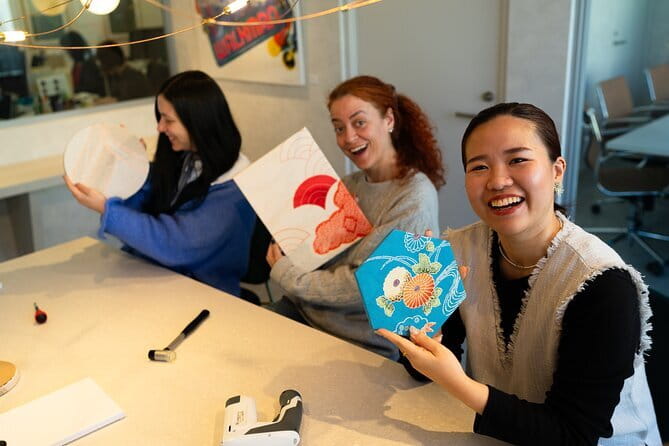
A kimono is more than a beautiful garment. Its fabric, colors, and patterns can point to a particular place in Japan, from Okinawa’s bold Bingata dyeing to Kyoto’s polished Kyo Yuzen. At this 90-minute workshop in Hatchobori, you learn that background, then turn a piece of vintage kimono cloth into wall art.
I like two things right away: the class gives you a useful cultural lesson, not just a craft project, and it lets you take home a genuine fabric keepsake without carrying an entire kimono through Japan. The small maximum of six also leaves room for clear, friendly help from Yuki, Kasumi, and the workshop team.
The main consideration is the price, $58.79 per person, for a short activity. It makes the most sense if you value personal instruction, traditional materials, and a finished souvenir more than a quick, inexpensive craft stop.
Key details at a glance
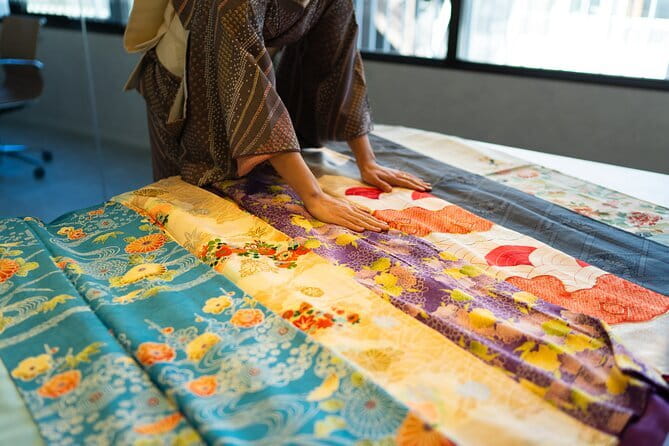
- Regional fabrics: Choose among Bingata from Okinawa, Oshima Tsumugi from Amami, Kaga Yuzen from Kanazawa, and Kyo Yuzen from Kyoto.
- A small class: The workshop accepts no more than six people, so instruction should feel personal rather than rushed.
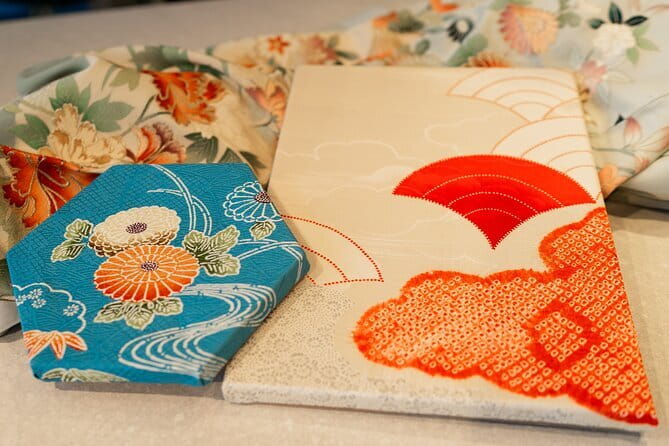
- A finished keepsake: You make a kimono art panel and take it home at the end.
- Cultural context: A kimono expert explains styles, patterns, regional differences, and how kimono are still worn.
- Beginner-friendly craft: The making process uses simple techniques, with all materials included.
- Central Tokyo meeting point: The activity begins and ends at 3-chome-14-4 Hatchobori in Chuo City.
What this Tokyo kimono workshop actually offers
This is a craft class with a cultural talk built into it. You do not simply pick a pretty cloth, glue it down, and leave. The opening part explains how kimono vary across Japan and why fabric patterns matter.
That distinction is important. Many first-time visitors recognize a kimono by its shape, but fewer know that the cloth itself can carry strong regional identity. The session gives you a way to look at kimono with a more informed eye during the rest of your time in Japan.
The class is led by a kimono specialist, and English instruction is available. Yuki is named as one of the instructors, with Kasumi also involved in the workshop. Their role is practical as well as educational: they explain the material, answer questions, and guide you through the artwork.
You should expect a relaxed pace rather than a formal art lesson. The activity is designed for beginners, and the techniques are simple enough that you do not need sewing, painting, or craft experience.
More Tokyo kimono experiences:
- Let’s make kimono !(Kimono is a gift for you
★ 5.0 · 252 reviews - Tokyo: Matcha and Kimono Experience
★ 4.7 · 219 reviews - Tokyo: Asakusa Kimono Dressing and Matcha Experience
★ 4.9 · 173 reviews
Starting in Hatchobori, not at a major sightseeing landmark
The meeting point is at Hatchobori, 3-chome-14-4, in Tokyo’s Chuo City. The workshop is near public transportation, but hotel pickup and drop-off are not included, so you need to make your own way there.
Hatchobori is a practical place for a short class. It is not presented as a sightseeing stop with a grand entrance or a major landmark attached. That can be a plus if you want an activity that fits between other plans without committing half a day.
Use the mobile ticket for the booking details and allow enough time to find the address. Since the class lasts about an hour and a half, arriving late could cut into both the talk and the making time. The activity ends back at the meeting point, so there is no complicated final transfer to arrange.
The opening lesson: reading kimono through place and pattern
The cultural explanation is the part that gives the craft more meaning. You learn about traditional kimono styles from different parts of Japan and about the designs associated with them.
Four fabric traditions receive special attention:
- Bingata: A colorful resist-dyeing tradition from Okinawa, known for strong decorative designs.
- Oshima Tsumugi: A refined woven textile from Amami, with an earthy appearance and a distinctive connection to the island region.
- Kaga Yuzen: A textile style from Kanazawa, appreciated for its elegant decoration.
- Kyo Yuzen: Kyoto’s refined Yuzen tradition, linked with the former imperial capital’s formal craft culture.
The exact fabric selection may vary, but these examples show the range you can expect. One cloth may feel bold and decorative, another quiet and textured. You are not choosing from identical souvenir material. You are comparing different Japanese textile traditions, each with its own visual character.
I find this background especially useful because it helps you make a more thoughtful choice. Instead of selecting a pattern only because it matches your hotel room, you can consider its color, origin, and style. The finished panel becomes a small record of Japanese craft, not just a decoration.
Choosing your vintage fabric
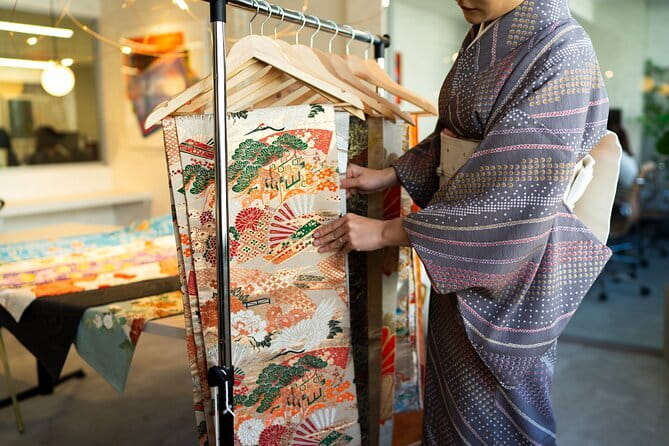
After the introduction, you select the piece of fabric for your artwork. This is likely to be the most personal part of the class, since the panel you create depends largely on your choice of pattern.
The workshop repurposes authentic vintage kimono fabrics and obi material. That gives the activity an eco-friendly angle, but the practical benefit is just as clear: you receive a piece with texture and character that is difficult to replicate with ordinary craft-store cloth.
The selection may be the one moment when you wish you had more time. With a small class and a 90-minute schedule, the process is focused rather than leisurely. If you are drawn to several patterns, ask the instructor about their regional style and how each one might work in the finished panel.
A useful approach is to choose the fabric first by overall design and then by story. Look for a pattern you will still enjoy seeing at home. A small panel cannot show every part of a kimono, so a strong central motif or pleasing color balance will matter more than the textile’s name alone.
More hands-on classes and workshops in Tokyo:
- Sushi Making Tokyo Roll and Authentic Japanese Sushi Class
★ 5.0 · 3,971 reviews - Tokyo: Roll and Authentic Sushi Making Class in Asakusa
★ 4.9 · 1,957 reviews - Tokyo Shinjuku Chopsticks Making Class
★ 5.0 · 1,763 reviews - Tokyo: Sushi Making Class in a Happi Coat near a Famous Spot
★ 4.9 · 1,377 reviews
Making the kimono art panel
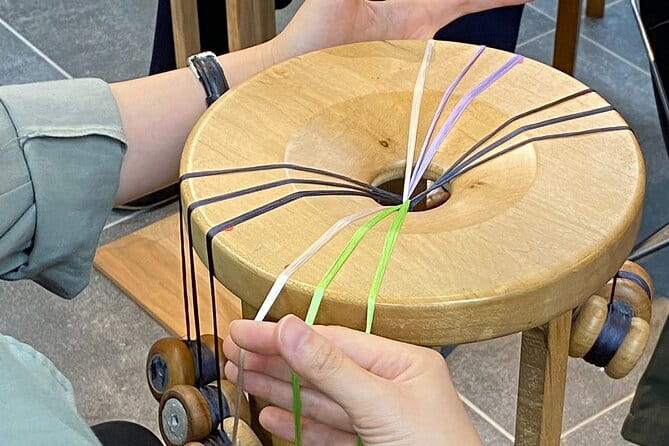
Once you have chosen your material, the instructor shows you how to turn it into a panel. The process uses simple techniques and includes the supplies needed for the project.
This is not a garment-making course. You will not learn to cut and sew a full kimono, and you should not book it expecting advanced textile training. The goal is a compact work of art that preserves the look of the cloth in a manageable format.
That limitation is also the charm. You can focus on the pattern instead of wrestling with a difficult project. Clear instructions and comfortable seating help make the activity accessible, including for people who do not usually consider themselves artistic.
The finished piece is useful as a wall decoration or as a gift. It is also easier to pack than a full-size textile. If you are moving between several Japanese cities, that practical detail matters. A flat art panel can become a lasting souvenir without taking up much space.
The class has received especially strong praise for its clear instruction, friendly staff, and satisfying creative process. Those strengths matter here because the project is hands-on. Good guidance keeps the activity from turning into a confusing exercise in following unfamiliar steps.
Why the small group size matters
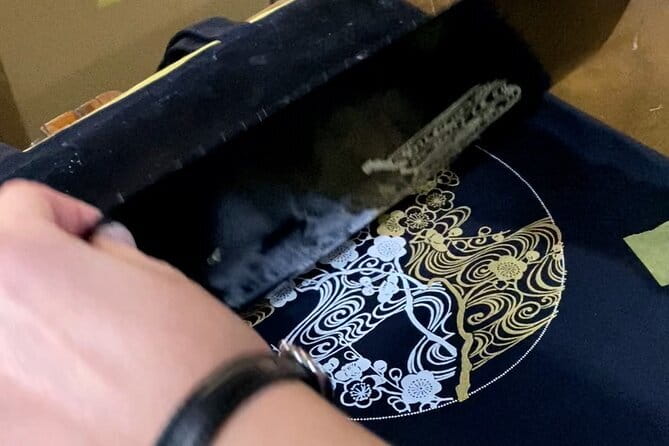
The maximum group size is six people. That is small enough to ask questions without competing with a crowd, and it gives the instructor a reasonable chance to check each person’s work.
A compact group also suits the quiet nature of the activity. This is not a loud demonstration or a large cultural show. You sit, listen, compare fabrics, and work with your hands. One account describes a session with only two participants, which suggests the class may sometimes feel especially personal, though the actual group size depends on the booking date.
Yuki’s English ability is a useful point for international visitors. The instruction has been described as clear in English, and the teaching covers both the practical steps and the cultural information. Still, if you want a highly technical discussion of textile production, this may feel introductory rather than specialist.
Is $58.79 a fair price?
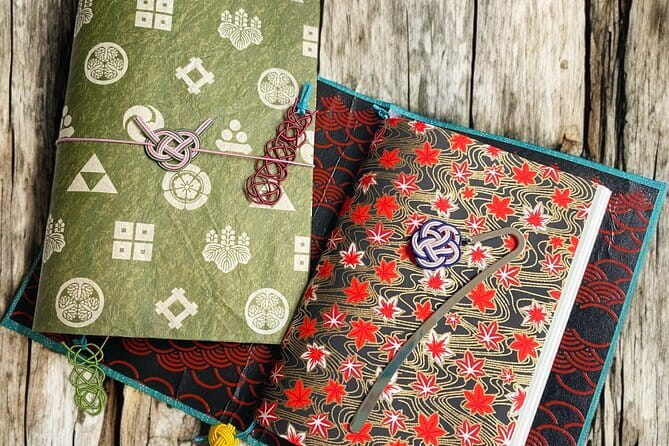
At $58.79 per person, this is not the cheapest souvenir-making activity in Tokyo. You are paying for more than the materials, though. The price includes the workshop, instruction from a kimono expert, and everything needed to make the panel.
The value improves if you care about three things: a small class, a guided cultural explanation, and a finished item made with authentic vintage fabric. Buying a mass-produced kimono-themed souvenir might cost less, but it would not give you the same connection to regional cloth or the experience of making the piece yourself.
The value is weaker if your main goal is simply to fill an hour cheaply. You could see kimono displays or browse textile shops without paying for a class. This experience earns its price through participation and personal guidance, not through a large number of sights.
I would compare it with the cost of an ordinary craft workshop in Tokyo and ask what you want to bring home. If you want a handmade object with a clear Japanese connection, the price is reasonable. If you prefer major sights, food, or a longer activity for the same money, this may not be your best choice.
Who will enjoy this activity most?
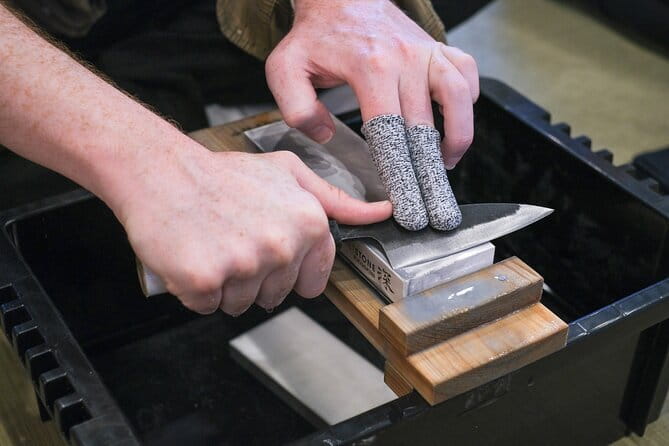
I would recommend it to first-time visitors who want a quieter break from Tokyo’s busy sightseeing schedule. It is also a good match for anyone interested in Japanese culture, textiles, design, or do-it-yourself projects.
Families with older children may find the format approachable, although the supplied information does not specify a minimum age. Most people can participate, and service animals are allowed. Since no special physical ability is described as necessary, the activity should suit a broad range of participants, but you may want to confirm any personal needs before booking.
This workshop also works well for solo visitors. A small class and guided process give you a clear activity without requiring a companion. Couples and friends can choose different fabrics and compare the results afterward.
You may want to skip it if you dislike sitting for a craft project, have little interest in kimono, or expect to leave with a large textile item. The final artwork is a panel, not a wearable kimono, and the cultural talk is an important part of the experience.
Planning the workshop into your Tokyo day
The activity lasts approximately one hour and 30 minutes. That makes it easy to pair with other plans in Tokyo, but do not pack your schedule too tightly. You need time to reach Hatchobori, find the exact meeting point, and finish the project without watching the clock.
Because the workshop starts and ends at the same location, you can continue on your own afterward. Hotel pickup is not provided, and food and drinks are not included, so plan those separately.
The activity is booked an average of 47 days ahead, which suggests you should not leave it until the last moment if your Tokyo dates are fixed. Confirmation is provided when you book, and free cancellation is available if you cancel at least 24 hours before the start time. Cancellations or changes made within 24 hours are not accepted for a refund.
The best reason to book
The strongest feature is the combination of place-based textile knowledge and a handmade result. You learn that kimono design is not one single national style, then choose a fabric connected with a particular Japanese region.
I also like that the material is repurposed. The project gives vintage cloth another life instead of treating it as a disposable activity supply. That makes the souvenir feel more considered, especially if you care about sustainable shopping while traveling.
The instructors are another reason to consider it. Yuki and Kasumi are presented as friendly, helpful guides, and the teaching includes enough cultural context to make the artwork more meaningful. You are not left alone with scissors and fabric and told to figure it out.
Should you book the Kimono Art Workshop in Tokyo?
Book it if you want a calm, personal activity that combines Japanese culture with a simple creative project. It is especially worthwhile for people who want a compact, handmade souvenir and enjoy learning the story behind traditional materials.
I would hesitate only if $58.79 feels high for a 90-minute class, or if you are looking for advanced kimono construction rather than decorative art. For most beginners, the small group, English-friendly instruction, regional fabric choices, and take-home panel make this a well-focused Tokyo experience.
FAQ
Where does the Kimono Art Workshop take place?
The workshop begins at 3-chome-14-4 Hatchobori, Chuo City, Tokyo 104-0032, Japan.
How long does the workshop last?
The activity lasts approximately 1 hour and 30 minutes.
Does the workshop include transportation?
No. Hotel pickup and drop-off are not included. The meeting point is near public transportation.
Where does the activity end?
The workshop ends back at the same meeting point in Hatchobori.
What is included in the price?
The price includes workshop participation, instruction by a kimono expert, and all materials needed to create the art panel.
Are food and drinks included?
No. Food and drinks are not included.
What fabrics can I choose from?
The workshop offers a selection that may include Bingata from Okinawa, Oshima Tsumugi from Amami, Kaga Yuzen from Kanazawa, and Kyo Yuzen from Kyoto.
Do I need previous craft experience?
No. The activity uses simple techniques, and most people can participate.
How many people can join the workshop?
The maximum group size is six people.
Can I cancel for a full refund?
Yes, if you cancel at least 24 hours before the experience start time. Cancellations or changes made less than 24 hours before the start time are not accepted for a refund.
Newly reviewed around Tokyo
- Tokyo Asakusa:Calligraphy & Make T-shirt Activity★ 5.0 · 62 reviews
- Intercity Shuttle, Tokyo to Haneda /Narita /Yokohama /Makuhari★ 5.0 · 5 reviews
- 1 Hour Travel around Tokyo with a Professional Photographer★ 5.0 · 3 reviews
- Travel Tokyo with Your Own Personal Photographer★ 5.0 · 43 reviews
- Train in Samurai Swordsmanship and Defeat the Demon in Tokyo★ 5.0 · 5 reviews
- Shuttle Van 6hr Tokyo Tour to-and-from Tokyo, Yokohama and Narita★ 5.0 · 9 reviews
- Kickboxing & Body Training with EX-Pro Fighter★ 5.0 · 4 reviews
- Traditional Japanese Knife Sharpening Class★ 5.0 · 18 reviews
Tokyo Kimono Experiences, compared.

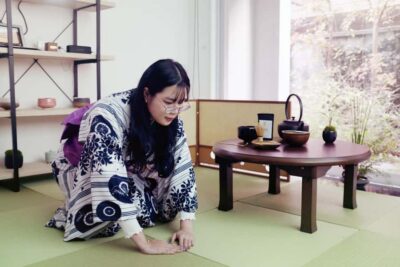

Tokyo Asakusa: Traditional Kimono Rental Experience at Wargo
Read our review →
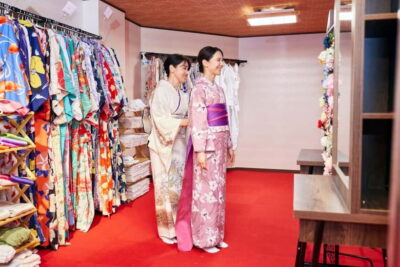
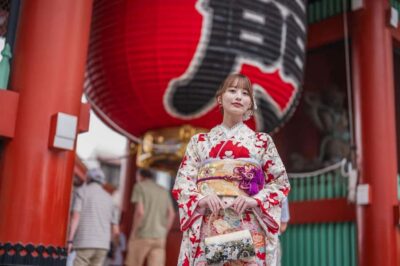
Tokyo Authentic Kimono Rental in Asakusa with Photography Option
Read our review →
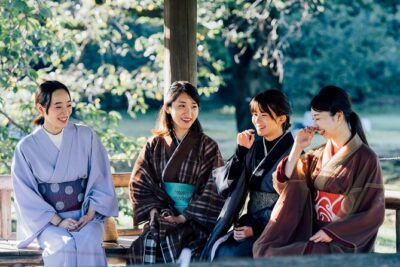
Kimono Rental inside Shinjuku Gyoen National Garden
Read our review →Browse the lists this tour appears in