
Reviewed · TOKYO TRADITIONAL CRAFT WORKSHOPS
Japanese Pottery Class in Tokyo
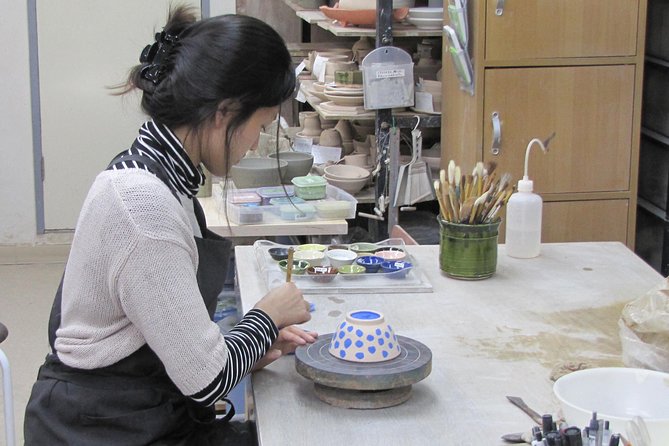
Making pottery in Tokyo gives you something most sightseeing cannot: a quiet hour with your hands in the clay. At Uzumako ceramic art school, an instructor demonstrates the basics, then helps you shape roughly two or three pieces of your own. Ruth, Stephen, Viki, and Hoshi are among the teachers praised for patient, clear instruction.
I especially like the central Minato location, near public transportation and Tokyo Tower, and the freedom to make a plate, cup, bowl, or another simple form. The friendly English support also matters when your clay begins leaning like a tired skyscraper. The main catch is cost and timing: the $26.73 fee covers the class only, while firing, glazing, and optional EMS shipping cost extra, and finished work takes about a month.
Key points to know before booking
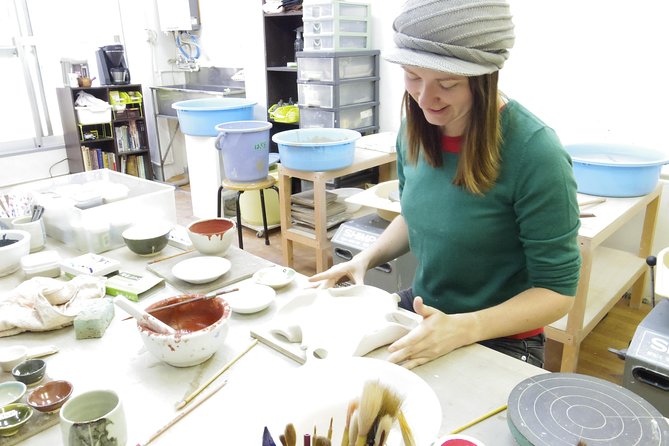
- Make two or three pieces in one hour: The class moves quickly but gives you time to try different forms.
- Choose what gets fired: You do not have to keep every piece you make.
- Colors and firing cost extra: The basic fee does not include finishing or kiln charges.
- A calm studio near Tokyo Tower: This is a useful break from busy sightseeing in central Tokyo.
- English help is available: Ruth, Stephen, Viki, Hoshi, and other instructors are praised for clear guidance.
- Plan ahead for your souvenir: Finished pottery is prepared in about one month, with optional EMS shipping.
A hands-on hour near Tokyo Tower
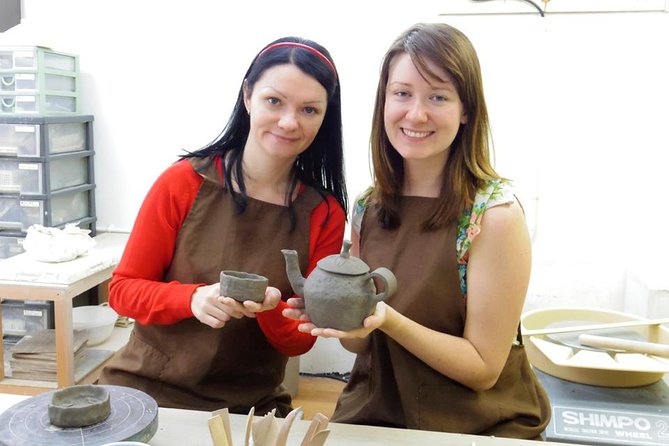
The appeal here is simple. You are not just looking at Japanese ceramics in a shop or museum. You are sitting at a worktable or wheel, feeling wet clay respond to pressure, and learning how much patience a basic bowl requires.
The studio is at Shimizu House in Shiba, Minato City, at 3-chōme 29-11. It is close to public transportation and near Tokyo Tower, so the class can fit neatly into an afternoon or evening around central Tokyo. The activity ends where it begins, which keeps the plan easy.
The advertised small-group format is important. The tour overview lists a maximum of 15, while the additional booking information gives a maximum of 25. Either way, this is not presented as a large factory-style workshop. The class format allows an instructor to check your work and step in when the clay starts to wobble.
I would not book this expecting a long traditional pottery course. You have about one hour, so the aim is a friendly first taste, not mastery of the wheel. You will learn enough to understand the basic process and make a few pieces with help.
More Tokyo craft workshops:
- Tokyo Shinjuku Chopsticks Making Class
★ 5.0 · 1,763 reviews - Chopstick Making Workshop in Ginza
★ 4.8 · 1,366 reviews - Kintsugi Experience: Art of Golden Joinery in Tokyo
★ 5.0 · 467 reviews
What happens during the first class
The session begins with an application form. This is ordinary paperwork, but it is worth arriving ready to start rather than expecting a long orientation.
Next, the instructor makes a sample. This demonstration gives you a visual guide to the hand positions, pressure, and shape you will try to copy. Pottery is easier to understand when you see the whole movement first, especially if this is your first time handling clay.
You then make around two or three works within the hour. Some participants have managed several smaller pieces, while others focus on one plate or cup. Your pace will depend on how much help you need and how ambitious your shapes are.
The instructors do not simply take over. The class gives you room to work on your own after the demonstration, with assistance when needed. That balance is one of the best parts of the experience. You get the satisfaction of making the piece yourself, but you are not left alone when the walls collapse.
Instructors named in the feedback include Ruth, Stephen, Viki, Hoshi, and a teacher identified as Jumpai. The exact instructor for your session is not specified, but the teaching style described is consistent: clear demonstrations, patient corrections, and encouragement for first-timers. English support is available, and Japanese instruction is also part of the school’s normal setting.
Choosing a plate, cup, or bowl
You have some freedom in what you make. A plate maker can work on a broad, shallow form, while a cup or rice bowl requires more control over the walls. The activity is not limited to one identical souvenir for every person.
That choice adds character, but it also brings a practical warning. Clay has a mind of its own, and a first attempt may come out thicker, shorter, or more uneven than planned. I consider that part of the value. A handmade bowl with small flaws tells a better story than a perfect factory souvenir, though you should not expect professional results after one hour.
The teachers can help repair or reshape a piece while you work. Their role is not to make every object perfect, but to help you produce something sound enough to finish. If you are already familiar with pottery, you can use the hour to experiment with different forms rather than sit through a long beginner lecture.
The pace works well for couples, friends, families, and solo participants. One child-friendly note appears in the feedback, but the supplied information does not give a minimum age, so families should confirm age rules before booking.
The quiet appeal of the studio
Tokyo can be loud, crowded, and fast. Pottery slows the rhythm down. The focus narrows to the clay, your hands, and the instructor’s next suggestion.
The atmosphere is described as peaceful, friendly, and relaxed. Some sessions have felt almost like private instruction when attendance was light. That is not something you can count on, but the small-group design gives you a better chance of receiving attention than a large craft demonstration.
The room has also been described as welcoming for beginners who feel unsure about making art. You are encouraged to try, laugh at mistakes, and keep shaping. That makes this a good choice if you want a creative activity without the pressure of producing a polished work of art.
I would also rate it as a useful rainy-day plan. You get a break from Tokyo’s streets and a souvenir that connects to the place where you made it. The one-hour length makes it easy to pair with other plans rather than give up half a day.
More hands-on classes and workshops in Tokyo:
- Sushi Making Tokyo Roll and Authentic Japanese Sushi Class
★ 5.0 · 3,971 reviews - Tokyo: Roll and Authentic Sushi Making Class in Asakusa
★ 4.9 · 1,957 reviews - Tokyo: Sushi Making Class in a Happi Coat near a Famous Spot
★ 4.9 · 1,377 reviews - Tokyo Sushi Making Class in Tsukiji with Professional Chef
★ 5.0 · 1,177 reviews
The most important cost detail: firing is extra
At $26.73 per person, the basic class is reasonably priced for a guided, hands-on activity in central Tokyo. It covers the pottery trial class, instruction, and the chance to make your pieces.
It does not cover the firing fee for each work you choose to keep. You also pay extra for glaze colors and optional EMS shipping. The exact total depends on how many pieces you select and where the finished pottery must be sent.
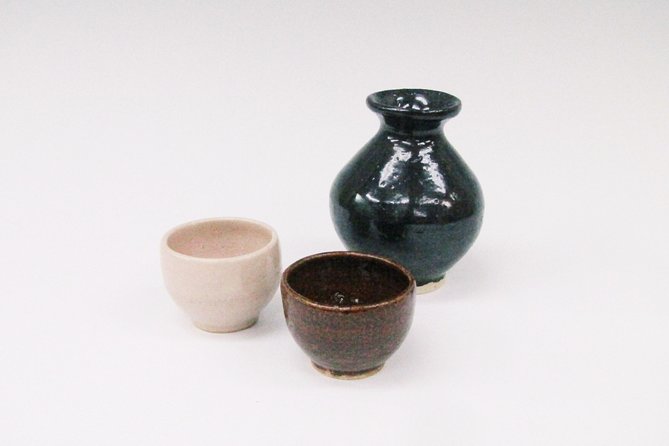
At the end of the class, you choose which works you want fired and select colors. This is a useful safeguard for your budget. You may decide that one strong piece is enough, rather than paying to finish every experimental shape.
Do not treat the $26.73 price as the final souvenir cost. Ask about the firing charge and shipping before committing to several pieces. One participant specifically enjoyed making around six small objects, but the more you keep, the more the additional fees can matter.
Why the one-month wait matters
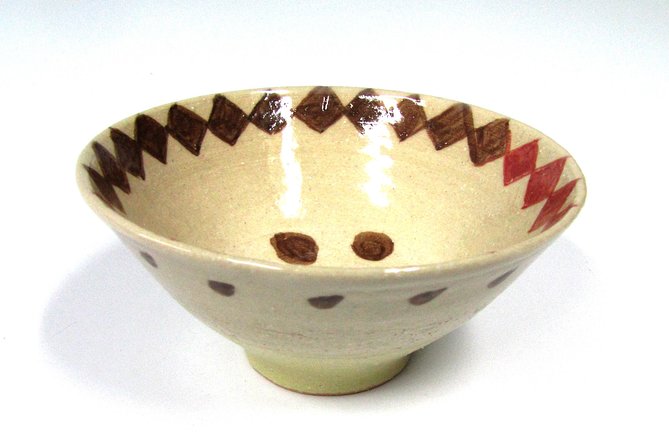
Your pottery is not ready to pack into your suitcase at the end of the class. The pieces need to be finished and fired, and preparation takes about one month.
That timing changes how you should plan. If you are staying in Japan for several weeks, you may have a chance to receive the pieces locally, but the supplied information does not promise local pickup or give a pickup schedule. Optional EMS shipping is available, but shipping rules vary by destination.
The school has issued a special warning for Brazil. Strict Brazilian customs rules have made sending class-made pieces there difficult, so people in Brazil should contact the provider before booking to discuss other ways to receive the work. Shipping to the United States is also described as unavailable in one class account, so you should verify current delivery options for your country before paying for firing.
This is the chief practical weakness of the experience. The class itself is easy to fit into a Tokyo itinerary, but the souvenir requires a second step, extra money, and patience. If you need to leave Japan tomorrow, enjoy the making rather than booking it solely for immediate luggage.
How the colors and finishing work
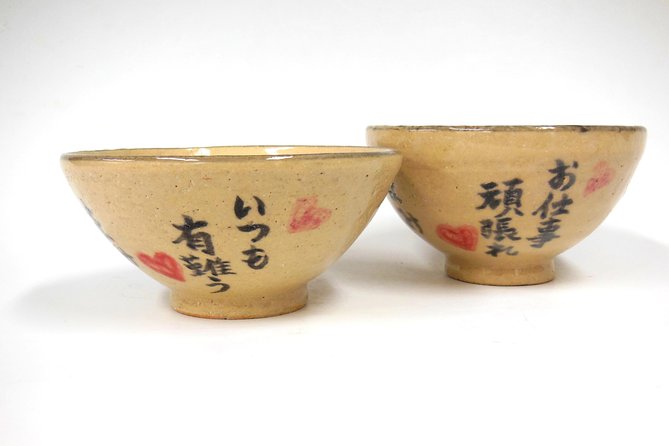
After making the pieces, you choose which ones to keep for firing and select colors. This gives you a final creative decision after the messy part is over.
You should understand that the class is not a full glazing lesson. The supplied schedule says you choose colors, but it does not describe a separate painting session or explain how much control you have over the final finish. The staff handle the later firing and preparation.
The advantage is convenience. You can finish your Tokyo visit without carrying damp or fragile pottery around the city. The drawback is that the finished result will include a later stage you do not personally perform.
At the end, you clean your area and complete payment. That simple cleanup step is worth noting. Pottery is enjoyable, but clay gets everywhere, and the session treats cleanup as part of the process rather than someone else’s problem.
Getting there and fitting it into your day
The meeting point is Japan, 105-0014 Tokyo, Minato City, Shiba, 3-chōme 29-11, Shimizu House. The studio is near public transportation, and Tokyo Tower is nearby, making this a natural pairing with sightseeing in the Minato area.
Your mobile ticket and booking confirmation make the arrival process straightforward. Confirmation is provided at booking, and the activity returns to the meeting point when finished.
Because the class lasts about an hour, I would allow extra time to find the building and settle in. The address includes Japanese characters in the meeting information, so save the full address on your phone rather than relying only on an English place name.
Service animals are allowed, and most people can participate. The information does not describe wheelchair access, step-free entry, or detailed physical requirements, so contact the provider if you need specific access arrangements.
Cancellation is free up to 24 hours before the start time for a full refund. Changes or cancellations made less than 24 hours before the local start time are not accepted, so check your Tokyo schedule before reserving.
Who will enjoy this pottery class most
This class is a strong fit if you want an activity that is:
- Hands-on but short: You get a real creative task without committing to a full-day workshop.
- Suitable for beginners: The instructors demonstrate first and help as you work.
- Personal and useful: You make a souvenir rather than simply buying one.
- Easy to pair with sightseeing: The Minato location works well around Tokyo Tower and nearby transit.
- Friendly to repeat potters: Experienced participants have enough freedom to try their own shapes.
It also suits people who find museums and temples tiring after several days in Tokyo. The atmosphere offers a slower hour, with mellow instruction and room to concentrate.
I would be more cautious if you need a finished souvenir immediately, have a strict budget for extra fees, or cannot arrange delivery to your country. The basic price is attractive, but firing and shipping can change the final cost.
Is the $26.73 class good value?
Yes, if you see the fee as payment for instruction and a creative hour, not as the complete price of a finished ceramic object.
The class includes a teacher-led demonstration, your own attempts at several pieces, color selection, and the chance to have selected works fired. The setting is central, and the format is small enough to support personal help. Those details give the price real value.
The cost becomes less appealing if you plan to fire many pieces or need international shipping. Still, the choice to fire only selected works lets you control some of the expense. I would decide in advance how many finished objects you really want.
The strongest value here is the experience itself. You learn why Japanese pottery takes care and time, and you leave with a connection to your day in Tokyo. The physical souvenir is a bonus, but it arrives later.
Should you book the Uzumako pottery class?
Book it if you want a calm, creative break near Tokyo Tower and like the idea of making a small Japanese keepsake with your own hands. The patient instructors, English support, flexible shapes, and one-hour format make it especially appealing for first-timers.
Before booking, check the current firing and shipping fees, then confirm delivery to your country. Remember that the pieces take about one month to prepare. If those conditions work for you, this is an affordable and personal way to add Japanese craft to a Tokyo itinerary.
FAQ
How long does the Japanese pottery class last?
The class lasts approximately one hour.
What does the $26.73 basic fee include?
It includes the basic pottery trial class.
Are firing fees included?
No. You pay a separate firing fee for each selected work.
Can I choose the color of my pottery?
Yes. After choosing the pieces you want fired, you select the colors.
How many pottery pieces can I make?
The class instructions say you make about two or three works within one hour. Some participants may make more small pieces, depending on their pace.
Can I take the finished pottery home immediately?
No. The pieces take about one month to prepare after the class.
Is shipping available?
Optional EMS shipping is available, but the shipping fee is not included. Delivery restrictions can vary by country.
Can people in Brazil receive their pottery?
People located in Brazil should contact the provider before booking because strict customs rules have made shipping class-made pieces there difficult.
Where does the class meet?
It meets at Shimizu House, 3-chōme 29-11, Shiba, Minato City, Tokyo 105-0014. The activity ends back at the meeting point.
Newly reviewed around Tokyo
- Tokyo Asakusa:Calligraphy & Make T-shirt Activity★ 5.0 · 62 reviews
- Intercity Shuttle, Tokyo to Haneda /Narita /Yokohama /Makuhari★ 5.0 · 5 reviews
- 1 Hour Travel around Tokyo with a Professional Photographer★ 5.0 · 3 reviews
- Travel Tokyo with Your Own Personal Photographer★ 5.0 · 43 reviews
- Train in Samurai Swordsmanship and Defeat the Demon in Tokyo★ 5.0 · 5 reviews
- Shuttle Van 6hr Tokyo Tour to-and-from Tokyo, Yokohama and Narita★ 5.0 · 9 reviews
- Kickboxing & Body Training with EX-Pro Fighter★ 5.0 · 4 reviews
- Traditional Japanese Knife Sharpening Class★ 5.0 · 18 reviews
Tokyo Traditional Craft Workshops, compared.
Kintsugi Experience: Art of Golden Joinery in Tokyo
Read our review →

Authentic Pure Gold Kintsugi Workshop with Master Taku in Tokyo
Read our review →
Private Handmade Ring Workshop Activity in Tokyo Shibuya
Read our review →
Browse the lists this tour appears in