
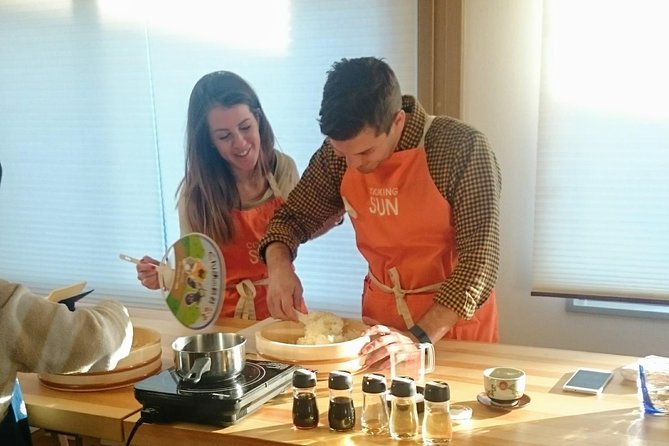
Reviewed · TOKYO SUSHI MAKING CLASSES
3-Hour Small-Group Sushi Making Class in Tokyo
The best part of this Tokyo class is that you do not simply watch a chef make sushi. You prepare the rice, cook tamagoyaki, shape several kinds of sushi, then sit down to eat the results. The hands-on format makes Japanese food feel less mysterious, even if your first roll looks a little lopsided.
I especially like the small group of no more than nine, since instructors can guide each person instead of leaving you to copy from across a crowded room. I also like the calm setting in a residential part of Shinjuku and the useful mix of dishes, from nigiri to inari. The main consideration is that the fish is pre-sliced, so this is a sushi assembly and cooking class, not a lesson in cutting whole fish.
Key points to know before booking
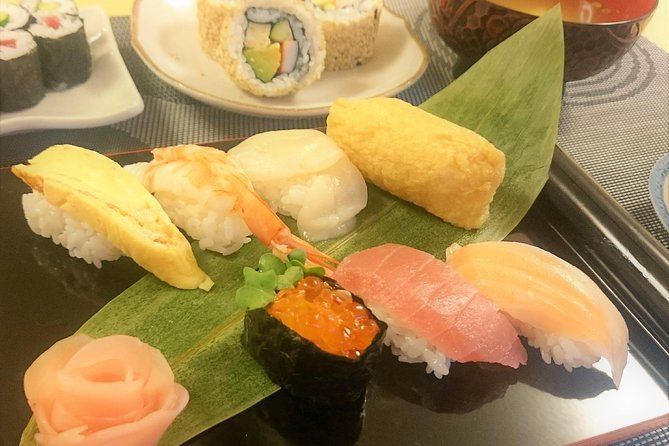
- You make several sushi styles: Nigiri, inari, hosomaki, California rolls, tamago sushi, and other pieces may be part of the meal.
- Tamagoyaki is part of the lesson: You cook the Japanese rolled omelet yourself before using it in the sushi.
- English support is built in: The class is designed for beginners, with instructors including Yuki, Yuma, Miki, Yuko, and Aya appearing in class feedback.
- The meal is substantial: Sushi is served with miso soup, fresh wasabi, and pickled ginger, so come hungry.
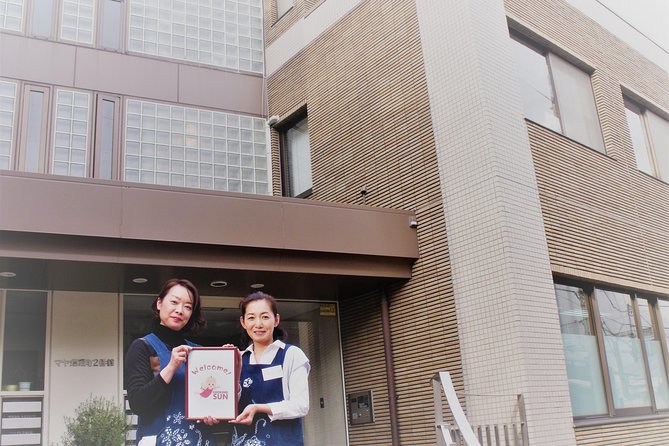
- The setting is quiet: Cooking Sun Tokyo is at 18-39 Shinanomachi in Shinjuku, away from the main roads.
- Vegetarian participation is possible: Tell the provider about dietary needs when you book.
What the three-hour Tokyo sushi class is really like
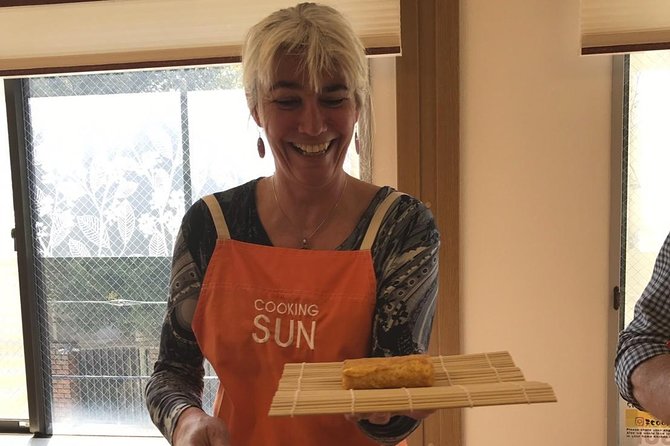
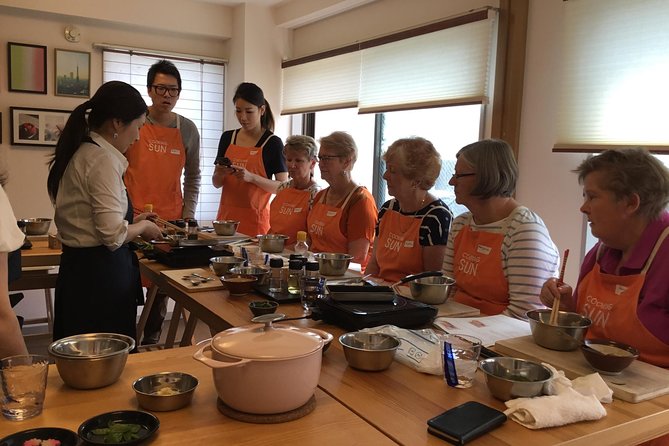
This experience works because it treats sushi as a meal, a craft, and a lesson in basic Japanese cooking. You are not expected to arrive with knife skills or previous kitchen training. The instructors guide the class through each stage, and the small format gives you room to ask questions and fix mistakes as you go.
The class begins at 1:30 pm at Cooking Sun Tokyo. That timing makes it a good afternoon activity after a morning of sightseeing, though you should allow enough time to find the studio near Shinanomachi. The meeting point is in Shinjuku City, close to public transportation, and the class ends back at the same location.
The studio sits in a quiet residential area rather than on a major shopping street. That change of pace matters. Tokyo can feel loud and fast, so stepping into a modest cooking room for a few hours gives you a more relaxed view of daily food culture.
More Tokyo sushi making classes:
- Sushi Making Tokyo Roll and Authentic Japanese Sushi Class
★ 5.0 · 3,971 reviews - Tokyo: Roll and Authentic Sushi Making Class in Asakusa
★ 4.9 · 1,957 reviews - Make Sushi and Create Unforgettable Memories in Tokyo
★ 5.0 · 1,413 reviews
Japanese ingredients before the sushi starts
Before you begin rolling, the instructors introduce basic ingredients such as dashi, miso, and traditional seasonings. This is more useful than it might sound. Sushi is not just raw fish placed on rice. The flavor depends on seasoned rice, broth, condiments, fillings, and the balance between sweet, salty, sour, and savory tastes.
You also learn how the meal fits together. Miso soup, pickled ginger, wasabi, rice, egg, tofu, shrimp, and fish each play a different role. The class gives you enough context to understand what you are eating without turning the afternoon into a formal lecture.
English-speaking instructors lead the class, and the teaching style is friendly and practical. Names connected with the class include Yuki, Yuma, Miki, Yuko, and Aya. The teaching team can vary, but the format is intended to be accessible to English-speaking visitors.
This is especially helpful for families and solo participants. You do not need to worry about being the only person who has never shaped sushi before. The class is built around shared instruction, repeated demonstrations, and plenty of time to try the techniques yourself.
Making tamagoyaki, the first real kitchen challenge
One of the most useful parts of the class is making tamagoyaki, the Japanese rolled omelet. It looks simple, but rolling thin layers of egg neatly takes some practice. You cook it as part of the lesson, then use it as a sushi filling.
I like this step because it moves beyond pressing toppings onto rice. You learn an actual Japanese cooking technique, and the result becomes part of the meal. If your omelet is not perfectly square, do not worry. The class is designed for fumbling hands, and an uneven piece still tastes good inside a roll.
The egg also gives the menu a welcome change from seafood. That matters for children, cautious eaters, and anyone who wants a broader lesson in Japanese home cooking rather than a narrow fish preparation demonstration.
Sushi rice, shrimp, and the art of shaping
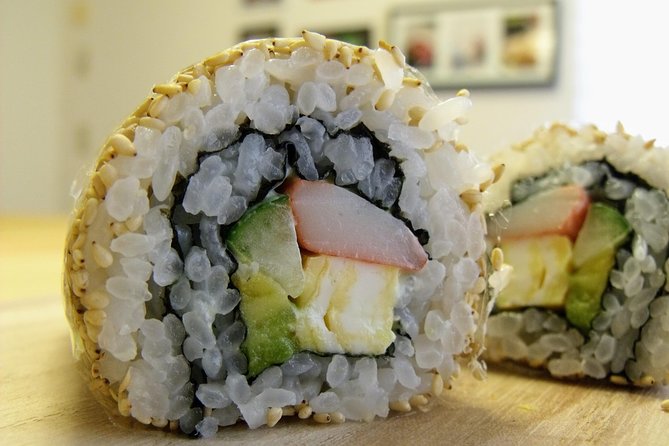
After the ingredient introduction and tamagoyaki, you prepare sushi rice and toppings such as shrimp. Rice is the foundation of sushi, and getting its texture and seasoning right is just as important as choosing the filling.
The class then moves into shaping and assembly. You practice making nigiri, the hand-pressed form with a topping placed over rice. You also prepare inari, in which seasoned rice goes into a sweet tofu pouch. These two types feel very different in the hand, which makes the lesson more interesting than making only one kind of roll.
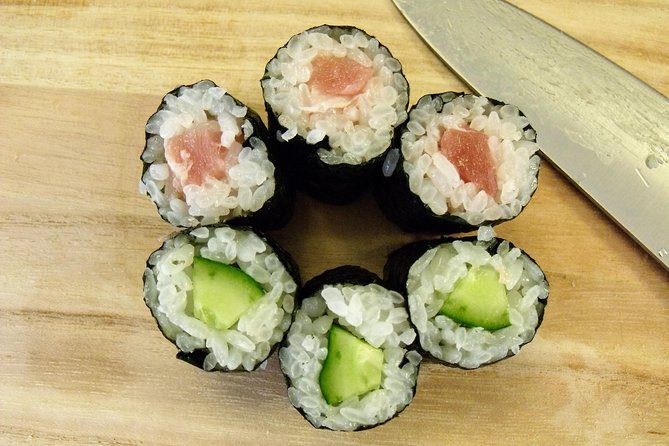
Hosomaki, the thin roll, gives you a chance to work with a bamboo mat and control the amount of filling. California rolls offer a more familiar entry point for people who have eaten sushi outside Japan. Together, the styles show how much variety can come from rice, seaweed, egg, tofu, shrimp, and sliced fish.
The instructors guide you through each shape. You will probably produce pieces that look less tidy than those in a sushi shop, but that is part of the fun. The class helps you understand why professional sushi looks so neat, while also showing that homemade sushi can be satisfying without perfect form.
More Tokyo cooking classes:
- Tokyo Shinjuku Chopsticks Making Class
★ 5.0 · 1,763 reviews - Tokyo: Sushi Making Class in a Happi Coat near a Famous Spot
★ 4.9 · 1,377 reviews - Tokyo Sushi Making Class in Tsukiji with Professional Chef
★ 5.0 · 1,177 reviews - Ramen & Gyoza Cooking Class in Tokyo with Local Supermarket Visit
★ 5.0 · 823 reviews
A full meal at the end, not just a sample
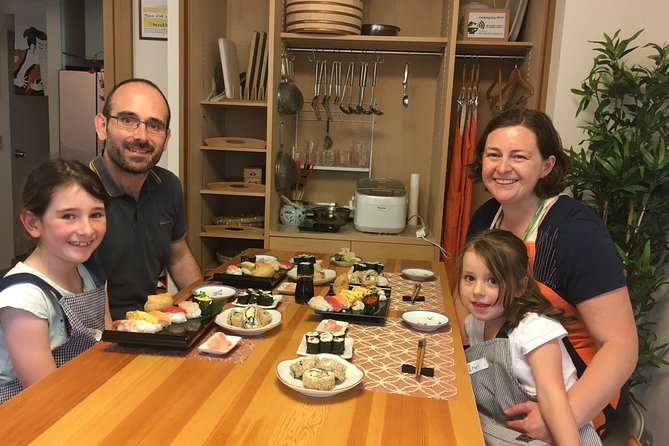
Once the preparation is finished, you sit down and eat what you made. The meal includes your sushi along with miso soup, fresh wasabi, and pickled ginger. Depending on the class session, you may produce a generous spread that includes several sushi types, tamago sushi, multiple nigiri pieces, inari, hosomaki, and California rolls.
Come hungry. The amount of food can be substantial, and the meal is more than a quick taste after a demonstration. You have spent the afternoon preparing it, so the final sitting feels like a proper reward and a chance to compare your own pieces.
There is also a practical benefit. By eating the finished sushi immediately, you can see how the rice, fillings, egg, tofu, and toppings work together. You do not need to wait until you return home to find out if the technique made sense.
The meal may not match the fish quality of a high-end sushi counter. That is an important distinction. This class focuses on learning, participation, and variety, not on serving rare or luxurious seafood. The fish is pre-sliced, and there is no whole-fish cutting lesson.
Why the small class size matters
The maximum group size is nine people. That is small enough for instructors to see what you are doing and offer help with rolling, shaping, or rice handling. It also makes the class workable for mixed groups, including couples, families, and solo participants.
Children from age six can join. The class can suit families because the activities are hands-on and the meal includes approachable items such as egg and California rolls. Parents should still expect children to need some help with hot pans, rice, and rolling tools.
The instructors are described as patient and attentive, including with children. The room is comfortably cooled, which can be welcome during Tokyo’s hot summer months. For a family, this gives you a useful indoor break without losing the sense that you are doing something distinctly Japanese.
For adults, the small size creates a social but not overwhelming setting. You may cook beside people from other countries, yet the focus stays on the food. It is a better fit for you if you want to learn by doing rather than watch a polished chef perform from a distance.
Price, timing, and what is included
The listed price is $72.67 per person for about three hours. I consider that fair value if you want both a meal and a real cooking activity. Your fee covers the English-speaking cooking instructor, recipes, ingredients, and apron and towel rental.
The value is strongest for anyone who would otherwise pay separately for lunch and a short cultural activity. You leave with techniques you can try at home, not just photographs and a restaurant bill. The recipe handouts also make it easier to repeat the dishes later.
The price is less compelling if your only goal is to eat exceptional sushi. This is not a replacement for a fine sushi counter or a specialist fish-cutting course. You are paying for instruction, access to a teacher, a generous prepared meal, and the chance to make several styles yourself.
There is no hotel pickup or drop-off. You make your own way to 18-39 Shinanomachi, Shinjuku City, and return to the meeting point when the class ends. Since it is near public transportation, the lack of transfers is not a major problem, but you should plan your route before the 1:30 pm start.
Dietary needs and practical limits
Vegetarian options are available, but you need to state that requirement at booking. The same applies to other dietary needs. Do not wait until you arrive, since the ingredients and lesson plan need to be prepared in advance.
The class welcomes beginners and has a minimum age of six. The supplied information does not promise a full menu for every dietary restriction, so be specific when you contact the provider. If you have a serious allergy, explain it clearly before booking.
The activity requires good weather, and poor weather can lead to a rescheduled date or a full refund. That condition is unusual for an indoor cooking class, so check the provider’s instructions if the forecast looks bad.
You can cancel for a full refund up to 24 hours before the start time. Changes or cancellations inside that window are not accepted for a refund. Those rules are simple, but the 24-hour cut-off is worth noting if your Tokyo plans are still shifting.
Who will get the most from this class
I would choose this for a first visit to Japan when you want more than sightseeing and restaurant meals. It gives you a practical connection to familiar Japanese foods and shows how much work goes into the dishes you may otherwise order in minutes.
It is also a strong choice for families with children six and older, couples looking for a shared activity, and solo visitors who like a friendly small-group setting. The English instruction removes much of the anxiety for beginners.
You may want something else if you are an advanced cook seeking professional sushi training. The class does not cover raw fish cutting, and the fish arrives pre-sliced. It is also not aimed at people who want a quiet tasting menu or a formal chef’s counter experience.
For most visitors, the best reason to book is the range of techniques. You make soup, egg, rice, rolls, tofu pouch sushi, and hand-pressed pieces in one afternoon. That variety makes the experience feel complete without requiring a full day.
Should you book the Cooking Sun Tokyo class?
Yes, if you want an approachable, food-focused activity with a meal at the end. The combination of English instruction, a nine-person limit, recipes, provided ingredients, and several sushi styles gives you solid value at $72.67.
Book it with realistic expectations. You will learn to assemble and shape sushi, not cut a whole tuna or train as a professional sushi chef. The fish is pre-sliced, and the final pieces may look homemade. That is fine. The point is to understand the process, enjoy the food, and leave with skills you can use at home.
I would especially recommend it for families, first-time sushi makers, and anyone who wants a quieter side of Tokyo. Bring an appetite, mention dietary needs in advance, and leave room in your schedule for a relaxed three-hour lesson.
FAQ
Where does the sushi class take place?
The class takes place at Cooking Sun Tokyo, 18-39 Shinanomachi, Shinjuku City, Tokyo 160-0016, Japan.
What time does the class start?
The stated start time is 1:30 pm.
How long does the sushi class last?
The experience lasts approximately three hours.
How many people can join the class?
The class has a maximum of nine participants.
What kinds of sushi will I make?
You will learn to make nigiri, inari, hosomaki, and California rolls. The class also includes tamagoyaki, sushi rice, and toppings such as shrimp.
Is the class suitable for beginners?
Yes. No previous experience is required, and the English-speaking instructors guide you through the preparation and shaping process.
Does the class teach raw fish cutting?
No. The fish used in the class is pre-sliced, so the experience does not include cutting whole raw fish.
Is a vegetarian option available?
Yes. A vegetarian option is available, but you must advise the provider when booking.
More 3 Hour Experiences in Tokyo
- Tokyo Top Highlights 3h Guided E-bike Tour
★ 5.0 · 714 reviews - 3h Tokyo E-Bike Tour: Hidden Gems, and Local Life with guide
★ 5.0 · 670 reviews - Tokyo: 3-Hour Bike or E-Bike City Highlights Tour
★ 4.8 · 435 reviews - Tokyo: 3-hour Guided E-Bike Tour of the City’s Hidden Gems
★ 4.8 · 251 reviews
More hands-on classes and workshops in Tokyo
- Chopstick Making Workshop in Ginza
★ 4.8 · 1,366 reviews - Matcha Making Class in Tokyo with Authentic Japanese Sweets Set
★ 5.0 · 744 reviews - Tokyo: Samurai Sword & Archery Class from Samurai Descendant
★ 5.0 · 603 reviews - Tokyo: Tsukiji Fish Market Sushi Making Class with Pro Chef
★ 4.9 · 506 reviews
Newly reviewed around Tokyo
- Tokyo Asakusa:Calligraphy & Make T-shirt Activity★ 5.0 · 62 reviews
- Intercity Shuttle, Tokyo to Haneda /Narita /Yokohama /Makuhari★ 5.0 · 5 reviews
- 1 Hour Travel around Tokyo with a Professional Photographer★ 5.0 · 3 reviews
- Travel Tokyo with Your Own Personal Photographer★ 5.0 · 43 reviews
- Kickboxing & Body Training with EX-Pro Fighter★ 5.0 · 4 reviews
- Train in Samurai Swordsmanship and Defeat the Demon in Tokyo★ 5.0 · 5 reviews
- Shuttle Van 6hr Tokyo Tour to-and-from Tokyo, Yokohama and Narita★ 5.0 · 9 reviews
- Traditional Japanese Knife Sharpening Class★ 5.0 · 18 reviews
Tokyo Sushi Making Classes, compared.
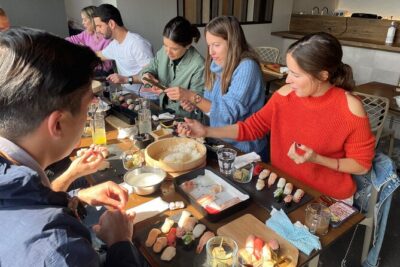
Sushi Making Tokyo Roll and Authentic Japanese Sushi Class
Read our review →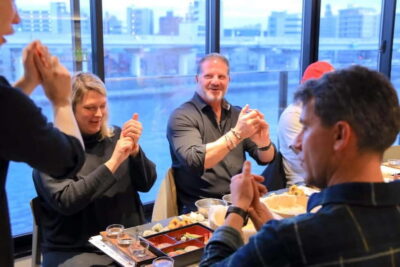
Roll and Authentic Sushi Making Class in Asakusa
Read our review →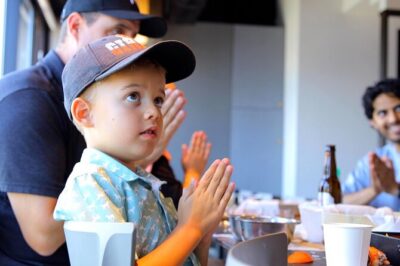
Make Sushi and Create Unforgettable Memories in Tokyo
Read our review →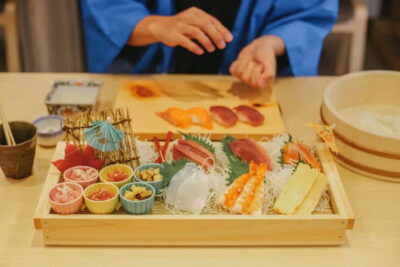
Sushi Making Class in a Happi Coat near a Famous Spot
Read our review →
Tokyo Sushi Making Class in Tsukiji with Professional Chef
Read our review →
Tsukiji Fish Market Guided Tour and Sushi Making with Pro Chef
Read our review →
Tsukiji Fish Market Sushi Making Class with Pro Chef
Read our review →
Browse the lists this tour appears in