
Reviewed · TSUKIJI AND TOYOSU FISH MARKET TOURS
10 kinds Sake Tasting Experience in Tsukiji with local!!
The real appeal here is the chance to taste about 10 different sakes while learning why they differ. Instead of ordering one glass and guessing at the menu, you work through styles, regions, brewing methods, and serving customs with a local host.
I like the private format and the practical teaching. I also like that the host, Matsu, works as a chef at Nomuno, so the tasting includes small snacks and a food-minded view of sake. The main drawback is simple: ten or eleven samples in 90 minutes can catch up with you, so pace yourself.
Key points
- Around 10 sake samples: Taste a range of styles, with one session including 11 samples.
- Private, informal setting: Only your own group takes part, though a solo booking may also be possible.
- Matsu as host: The guide is a Nomuno chef who speaks English well and uses handouts to explain the basics.
- Useful sake lessons: Cover Junmai, Daiginjo, regional differences, brewing, etiquette, and how to drink sake.
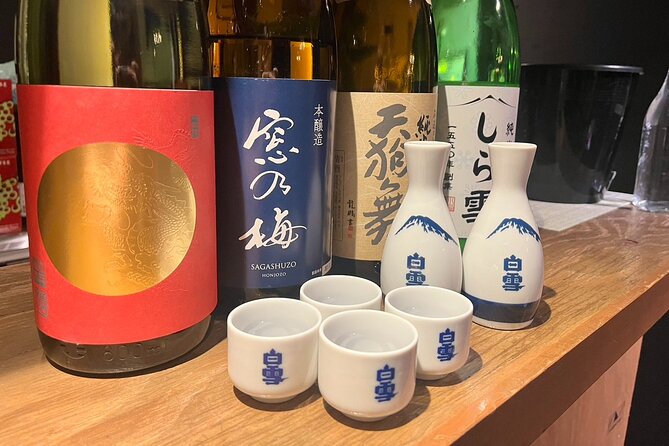
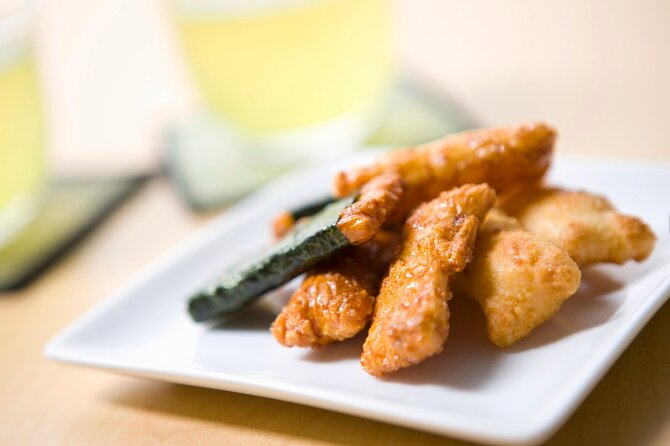
- Snacks included: Nuts and soybeans help break up the tasting.
- Easy booking terms: The experience lasts about 90 minutes and allows free cancellation up to 24 hours ahead.
Ten Sakes, One Small Table
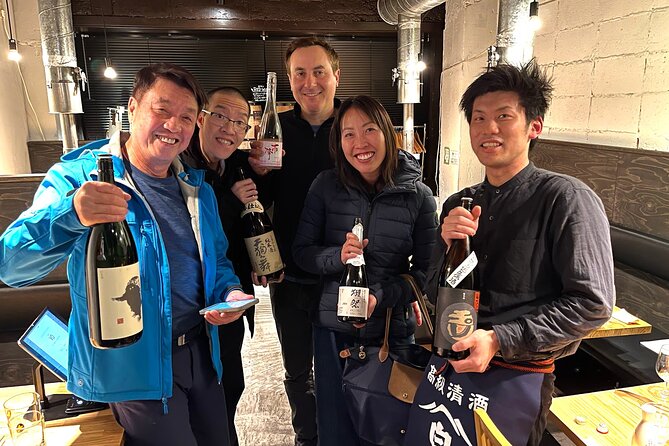
This is a tasting lesson rather than a quick drink stop. You meet at Wagyu Yakiniku & Sake all-you-can-drink Niku-no-Himalaya to nomuno, at 2-13-2 Shintomi in Chuo City, near the Tsukiji area. The session ends at the same place.
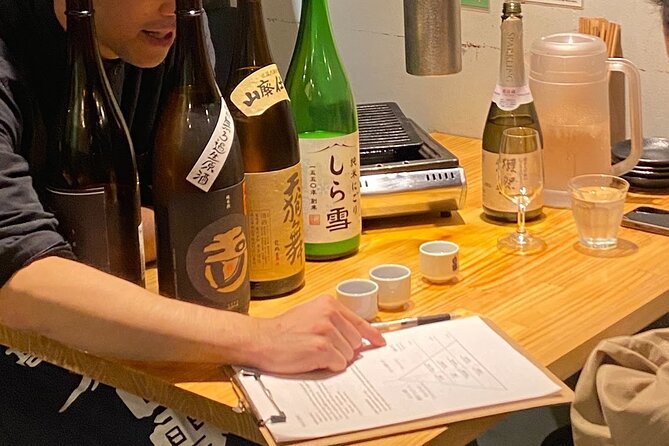
The format is straightforward. You sit with your host, receive an explanation of sake, and then taste a series of samples. The pours are used to show contrast, not simply to give you ten random drinks. You may compare lighter and fuller styles, different brewing approaches, and sake from separate parts of Japan.
That structure matters. Sake menus can be full of terms that mean little when you first arrive in Japan. Junmai, Daiginjo, and other labels tell you something about how the drink was made, but a short explanation followed by a taste is far more useful than memorizing a glossary.
The samples are served in a progression from lower to higher classifications, according to the tasting format described by the host. That gives you a way to notice changes as you go. You can think about aroma, sweetness, texture, and finish without needing expert language.
One session included eleven samples rather than ten. The exact selection can vary, so you should treat the advertised number as roughly ten rather than a strict promise of exactly ten bottles. Either way, this is a generous amount for a 90-minute activity.
More Tsukiji and Toyosu fish market tours:
- Tokyo Tsukiji Fish Market Food and Culture Walking Tour
★ 5.0 · 3,184 reviews - Tokyo: Tsukiji Fish Market Food and Walking tour
★ 5.0 · 1,724 reviews - Tokyo: Tsukiji Fish Market Guided Walking Tour
★ 4.9 · 1,397 reviews
Meeting Matsu, the Nomuno Chef
Matsu is presented as a local host and chef at Nomuno. That combination gives the experience a useful angle. You are not only hearing about sake as a drink, but also how it fits with food and everyday Japanese dining.
His role is especially helpful if you are new to sake. You can ask basic questions without feeling that you should already know the answers. The teaching is supported by information sheets, which give you something to refer to while tasting and something useful to keep afterward.
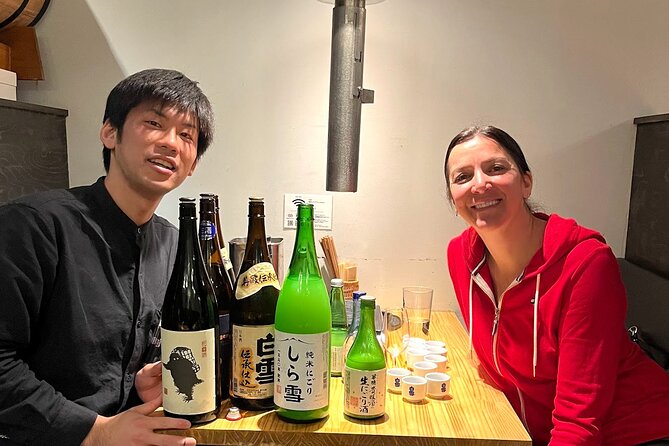
English support is another practical plus. A solo booking at an unusual noon time still allowed for a full conversation about sake and Japan. If you are worried about language barriers, this experience includes help from a host who can explain the tasting in English.
The private format keeps the conversation flexible. With only your own group, you can spend more time on a style you like or ask why two sakes taste so different. A larger public tasting might move faster and cover more people, but it would offer less room for questions.
There is one small point to keep in mind. Private does not always mean completely quiet or secluded. The meeting place is a restaurant and sake venue, so the setting may have the feel of a working food business rather than a formal classroom. That is part of the local character, but it may not suit someone seeking a polished, ceremonial tasting room.
Learning How Sake Is Made
The first part of the session covers basic sake information and brewing. You learn what separates the main classifications and why labels such as Junmai and Daiginjo appear on bottles.
The lesson is not just about ranking one bottle above another. Sake labels can reflect the rice, polishing, brewing choices, and whether additional alcohol has been used. The value of the explanation is that it gives you a starting point for choosing sake later, in Tokyo or elsewhere in Japan.
You also discuss differences between sake from various parts of the country. This is important because Japan does not produce one single, uniform style. Local water, rice, climate, brewery methods, and regional habits all affect the final drink.
I like this regional element because it links the glass to the wider country. You are not only comparing strong and mild flavors. You are beginning to see sake as a product with a place behind it.
The activity also covers how to drink sake and basic etiquette. That may include the customs around serving and receiving a drink, as well as the difference between enjoying sake chilled or at another temperature. The supplied details do not promise a full formal etiquette demonstration, so think of this as useful guidance rather than a complete lesson in Japanese dining rules.
For a first-time sake drinker, that is the right level. You get enough context to feel comfortable ordering and tasting, without turning a social experience into a lecture.
Tasting From Lighter Samples to Higher Classifications
The sample order gives the session its backbone. You start with one end of the sake range and work toward higher classifications. This makes it easier to notice differences than if you tasted ten unrelated bottles in a random order.
You might find that a lower classification is easier to drink than a more expensive or highly polished style. You might also discover that the sake you expect to like is not your favorite. That is one of the best reasons to taste several samples side by side.
The experience is not designed to tell you which sake is objectively best. It gives you a way to identify your own preference. You may prefer a clean, delicate pour, a fuller flavor, or something with a stronger finish. The host can help connect those impressions to the labels.
Food is part of the pacing. Small snacks such as nuts and soybeans are included between samples. They are modest rather than a full meal, but they provide a useful break and fit the casual restaurant setting.
You should eat something before arriving. The price includes the tasting and snacks, not a full lunch or dinner. Since the session can include ten or eleven pours, arriving hungry is not a good plan.
More Tokyo sake tastings:
- Ramen and Sushi Cooking Class with Sake Pairing Set in Tokyo
★ 5.0 · 291 reviews - Sake Tasting Masterclass in Shinjuku (8+ Varieties with a Pro)
★ 5.0 · 271 reviews - Sake Omakase in Tokyo: Guided Tasting by Certified Sommeliers
★ 5.0 · 239 reviews - Tasting All Types of Sake with Sommelier
★ 5.0 · 151 reviews
A Local Food Connection at the Tsukiji Meeting Point
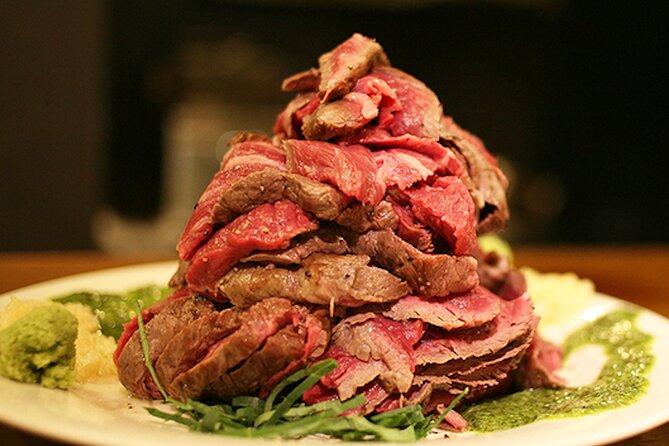
The meeting place is Wagyu Yakiniku & Sake all-you-can-drink Niku-no-Himalaya to nomuno. The name tells you that food and sake are central to the venue, even though the tasting itself is the main activity.
That setting helps explain why the host’s cooking background matters. Sake is often easier to understand with food, and the snacks give you a small example of how the drink works alongside savory flavors.
Do not expect a walking tour of Tsukiji. The information provided describes a seated tasting that begins and ends at the same address. The appeal is the local venue and the conversation, not a series of market stops or a guided tour of the neighborhood.
Finding the entrance may take a little care. One participant found the location hard to identify and suggested using the available pictures to get your bearings. I would allow extra time before the start, especially if you are unfamiliar with Shintomi and the surrounding Chuo City streets.
The location is near public transportation, but no specific station or route is given. Check the address before setting out rather than relying on the broad Tsukiji label alone. The meeting point is in Shintomi, and that distinction matters when you are navigating Tokyo.
Why the Private Format Matters
The private booking is one of the strongest features. Only your group takes part, so the session can feel more like a conversation with a local than a standard group presentation.
That works well for couples, friends, and families with adults who want to ask questions. It also worked for a solo visitor who booked at noon on a Wednesday and ended up having the host’s full attention.
A private session can be more relaxed for beginners. You do not need to perform an opinion about every sample or worry about keeping pace with strangers. You can say that one sake tastes sweet, dry, light, or sharp, and let the host help you put that reaction into context.
The tradeoff is price. At $62.40 per person, this is not the cheapest way to have a drink in Tokyo. You are paying for the private instruction, the number of samples, the host’s time, the handouts, and the snacks.
I think the price is reasonable if you want a structured introduction and expect to ask questions. It is less appealing if you simply want one or two casual glasses of sake. The value comes from comparison and explanation, not from the alcohol alone.
Pacing Ten or Eleven Samples
The session lasts about 1 hour and 30 minutes. That is enough time for a clear introduction and a substantial tasting, but it is not long enough to linger over every sample for several minutes.
You should pace yourself from the first pour. Taste slowly, take notes if you wish, and use the snacks. There is no need to finish every sample quickly just because it is in front of you.
The number of samples makes this point important. One tasting reached eleven sakes, and even enthusiastic drinkers should treat that as a serious amount. The session is educational, but it is still an alcohol tasting.
A noon start is possible, based on the available booking experience. That can be useful if your evening is already full, but a midday tasting may not suit everyone. If you prefer sake as part of an evening meal, choose a later time when available.
The activity is open to most participants, but the information does not provide a detailed accessibility statement. If you have specific mobility or access needs, confirm the arrangements before booking.
What You Will Take Away
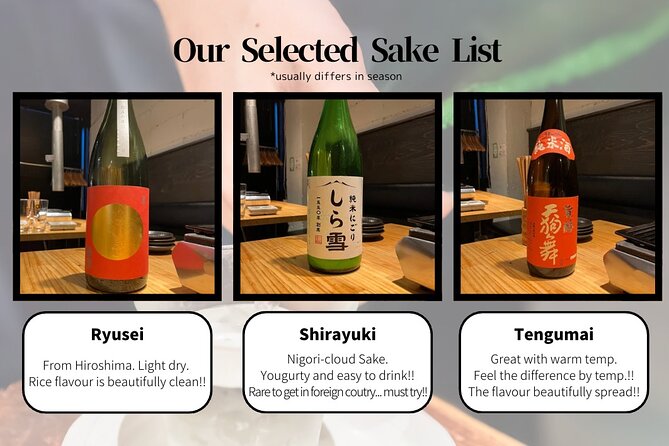
The best outcome is not simply remembering which sample you liked. You should finish with a clearer idea of how to read a sake menu and how to describe what you are tasting.
You will have covered:
- Basic ways to drink sake
- Common classifications such as Junmai and Daiginjo
- Brewing differences
- Regional differences across Japan
- Sake etiquette
- Comparisons between around ten samples
The handouts add lasting value. Without them, the labels and brewing terms might blur together after the tasting. With a booklet or information sheet, you can look back later when ordering at a restaurant or visiting a bottle shop.
The conversation is also part of the experience. The host can discuss sake as well as Japan more broadly, and the English support makes it easier to ask questions about customs and food.
I would not book this expecting a technical qualification or a full brewery visit. There is no brewery tour described, and the focus is tasting at the Nomuno venue. It is a compact introduction, not a professional certification course.
Who Will Enjoy This Sake Session?
This suits you if you are curious about Japanese food culture but do not yet know much about sake. It is also a good match if you have tried sake before and want to understand the labels and regional differences more clearly.
Food-focused visitors should get extra value from the host’s chef background. The included nuts and soybeans are simple, but the setting encourages you to think about sake with food rather than as a stand-alone drink.
I would also recommend it for a private date or a small group of friends. The informal tone leaves room for conversation, and the 90-minute length fits neatly into a day of sightseeing.
It may be less suitable for you if you do not drink alcohol, want a large meal, or prefer a broad neighborhood tour. The activity stays at the meeting point and centers on sake education.
The 100 percent recommendation rate and five-star score reflect a very strong response, but you should still match the format to your own plans. Ten samples, a restaurant setting, and a seated lesson are the key facts to weigh.
Booking, Cancellation, and Final Advice
Confirmation arrives within 48 hours, subject to availability. The ticket is mobile, and free cancellation is available if you cancel at least 24 hours before the start time. Changes or cancellations inside that 24-hour window are not accepted for a refund.
I would book this if you want a focused, friendly introduction to sake and care more about learning than simply drinking. Matsu’s English explanations, handouts, chef background, regional comparisons, and private setup give the tasting real substance.
I would skip it if your main goal is a full Tsukiji food tour or a long dinner. For everyone else, this is a smart way to turn a confusing sake menu into something you can approach with confidence. Just find the Shintomi address ahead of time, eat beforehand, and take the ten samples at a sensible pace.
FAQ
Where does the sake tasting take place?
It starts and ends at Wagyu Yakiniku & Sake all-you-can-drink Niku-no-Himalaya to nomuno, located at 2-13-2 Shintomi, Chuo City, Tokyo 104-0041, Japan.
How long does the experience last?
The tasting lasts approximately 1 hour and 30 minutes.
How many sakes will I taste?
You can expect to taste around 10 varieties. One session included 11 samples, so the exact number may vary.
Is this a private activity?
Yes. Only your own group participates in the private activity.
Who leads the tasting?
The host is Matsu, who works as a chef at Nomuno. English-language guidance is available.
What will I learn during the session?
You will learn basic sake information, how to drink sake, classifications such as Junmai and Daiginjo, brewing differences, regional differences, and sake etiquette.
Are snacks included?
Yes. Small snacks, including nuts and soybeans, are included during the tasting.
Is the experience near public transportation?
Yes. The meeting point is described as being near public transportation.
Can most people take part?
Yes. Most participants can join, though no detailed accessibility information is provided.
Can I cancel for a refund?
You can cancel for a full refund up to 24 hours before the experience start time. Cancellations or changes made less than 24 hours ahead are not refunded.
More Tokyo food tours
- Tokyo: Shinjuku Food Tour (13 Dishes at 4 Local Eateries)
★ 5.0 · 6,603 reviews - Tokyo: Shinjuku Food Tour (15 Dishes and 4 Eateries)
★ 4.9 · 2,033 reviews - Eat and Drink Like a Local: Tokyo Ueno Food Tour-Taverns&Ramen
★ 5.0 · 957 reviews - Tokyo: Shibuya Food Tour (13 dishes and 4 Eateries)
★ 5.0 · 770 reviews
More Tokyo drink tastings and bars
- Tokyo Bar Hopping Tour in Shinjuku (All-You-Can-Drink + Dinner)
★ 5.0 · 3,587 reviews - Best of Shinjuku: Izakaya Food Tour (4 Stops, 14+ Tastings)
★ 5.0 · 1,863 reviews - Tokyo: Shinjuku Local Bar and Izakaya Guided Walking Tour
★ 4.9 · 1,794 reviews - Shibuya Meltdown Nightlife Tour: All-You-Can-Drink Bar Hopping
★ 5.0 · 1,058 reviews
Newly reviewed around Tokyo
- Tokyo Asakusa:Calligraphy & Make T-shirt Activity★ 5.0 · 62 reviews
- Intercity Shuttle, Tokyo to Haneda /Narita /Yokohama /Makuhari★ 5.0 · 5 reviews
- 1 Hour Travel around Tokyo with a Professional Photographer★ 5.0 · 3 reviews
- Travel Tokyo with Your Own Personal Photographer★ 5.0 · 43 reviews
- Train in Samurai Swordsmanship and Defeat the Demon in Tokyo★ 5.0 · 5 reviews
- Shuttle Van 6hr Tokyo Tour to-and-from Tokyo, Yokohama and Narita★ 5.0 · 9 reviews
- Kickboxing & Body Training with EX-Pro Fighter★ 5.0 · 4 reviews
- Traditional Japanese Knife Sharpening Class★ 5.0 · 18 reviews
Tsukiji and Toyosu Fish Market Tours, compared.
Tokyo Tsukiji Fish Market Food and Culture Walking Tour
Read our review →
Tokyo Sushi Making Class in Tsukiji with Professional Chef
Read our review →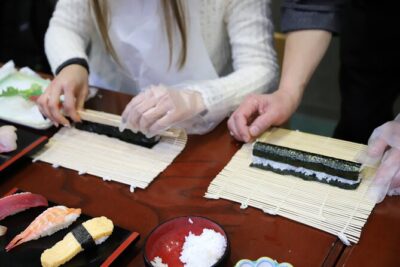
Tsukiji Fish Market Guided Tour and Sushi Making with Pro Chef
Read our review →Tsukiji Fish Market Food and Culture Walking Tour
Read our review →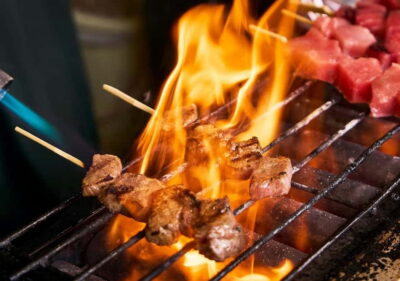
Tsukiji Fish Market: Street Food & Culture Walking Tour
Read our review →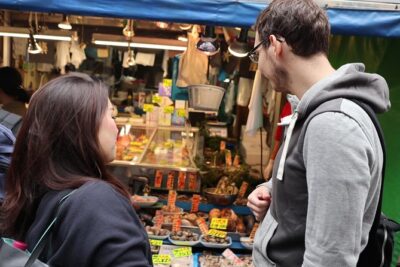
Tsukiji Fish Market Small-Group Food Walking Tour
Read our review →Browse the lists this tour appears in