
Reviewed · TOKYO COOKING CLASSES
Zen Buddhist Vegetarian(Shojin Ryori): Cooking Experience
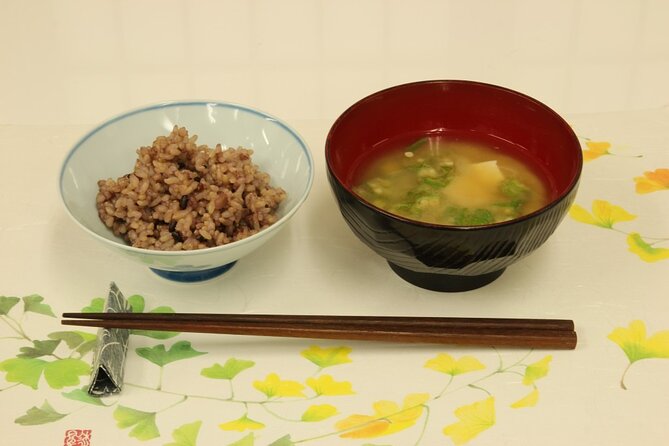
Shojin ryori gives you a different taste of Japan. Instead of sushi, ramen, or grilled meat, you learn the Zen Buddhist cooking tradition developed by monks over roughly 700 years. The lesson covers sesame tofu, dashi broth soup, vegetable tempura, and other vegetarian dishes you can make again at home.
I like the eight-person limit, which keeps the class personal, and I like that a nationally accredited guide-interpreter explains the philosophy behind the food rather than simply handing you a recipe. Guides Masue and Hiro are praised for clear demonstrations and patient help. The main drawback is the price, $114.67 per person, which is a serious outlay for a two-and-a-half-hour activity, especially since transportation is not included.
Key points to know
- A rare look at Zen Buddhist food: Learn why shojin ryori avoids animal products and how it fits into Buddhist practice.
- Small class size: The group is limited to eight, giving you a better chance to follow demonstrations and ask questions.
- Hands-on Japanese cooking: Prepare sesame tofu, dashi broth soup, vegetable tempura, and other vegetarian dishes.
- Useful recipes for home: This is not only a meal. You learn methods and dishes you can try in your own kitchen.
- Optional tea pairing: You can add Japanese tea to drink with the meal, but it is not part of the standard price.
- Central Tokyo meeting point: The class begins at Kikai Shinko Kaikan in Shibakoen, near public transportation.
Why Shojin Ryori Makes a Better Food Lesson Than Another Sushi Class
Japan has no shortage of cooking classes. Many focus on sushi, ramen, or tempura as a single specialty. This experience takes a quieter and less familiar route, introducing you to shojin ryori, a food tradition tied to Zen Buddhist temples.
The word refers to Buddhist vegetarian cuisine. Its purpose is not simply to replace meat with vegetables. The cooking reflects restraint, care, and respect for ingredients. You learn how a religious practice shaped the way food is prepared, served, and eaten.
That context gives the class more value than a standard recipe lesson. You are not just chopping vegetables and sitting down to lunch. You are learning why certain ingredients and methods matter within Japanese culture.
The program describes the food as vegan and vegetarian, with a cruelty-free foundation. If you follow a particular diet or have allergies, tell the operator about your requirements before the class. That is especially important for a cooking activity, where ingredients are prepared in advance.
More Tokyo cooking classes:
- Tokyo: Roll and Authentic Sushi Making Class in Asakusa
★ 4.9 · 1,957 reviews - Tokyo Shinjuku Chopsticks Making Class
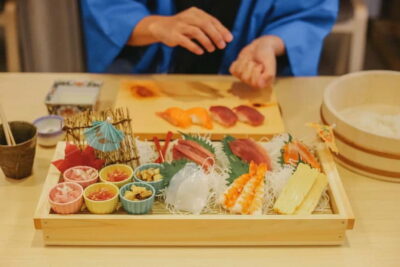
★ 5.0 · 1,763 reviews - Tokyo: Sushi Making Class in a Happi Coat near a Famous Spot
★ 4.9 · 1,377 reviews
What Happens During the 2.5-Hour Class
The experience begins at 11:00 a.m. at Kikai Shinko Kaikan, 3-chome-5-8 Shibakoen, Minato City, Tokyo. The activity ends at the same location, so you do not need to arrange a second meeting point after lunch.
The full session lasts about two hours and thirty minutes. That gives the class enough time for an introduction, cooking, and a meal without turning the activity into an all-day commitment.
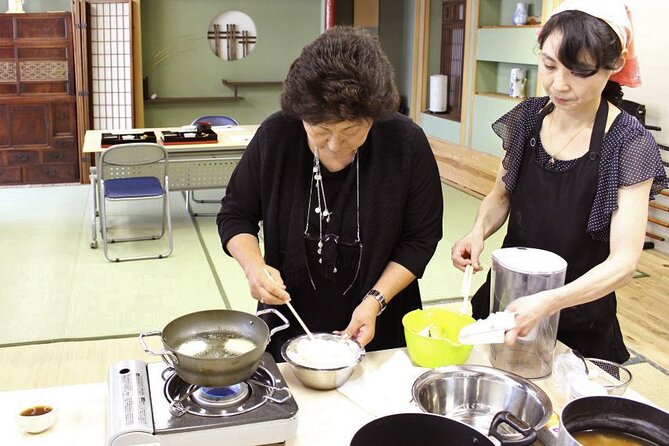
Your nationally accredited guide-interpreter leads the lesson and explains the background of shojin ryori as you work. The small group, capped at eight people, is important here. Cooking instruction becomes frustrating when you are standing behind a crowd or waiting for a turn. This format should give you a clearer view of the demonstrations and more room to ask for help.
Masue and Hiro have been praised for detailed instructions, clear demonstrations, and a calm approach with people who have little cooking experience. You do not need to arrive as a skilled home cook. The class is designed to teach the process, not to test your knife skills.
The exact order of the dishes is not specified, so you should think of the session as a guided workshop rather than a fixed restaurant-style itinerary. Expect the instructor to introduce the principles of the cuisine, show you the techniques, and help you prepare the meal before you sit down to eat it.
Sesame Tofu, Dashi Soup, and Vegetable Tempura
The named dishes give you a useful picture of the class.
Sesame tofu is one of the more distinctive parts of the menu. Despite its name, it is not simply ordinary tofu served with sesame. It is a traditional preparation that shows how shojin ryori can turn a small number of plant-based ingredients into something delicate and satisfying.
The dashi broth soup is also worth noting. Dashi is central to Japanese cooking, but the broth used in shojin ryori follows the needs of vegetarian cuisine. Learning this kind of soup gives you a practical base for future Japanese meals, especially if you want to cook without meat or seafood.
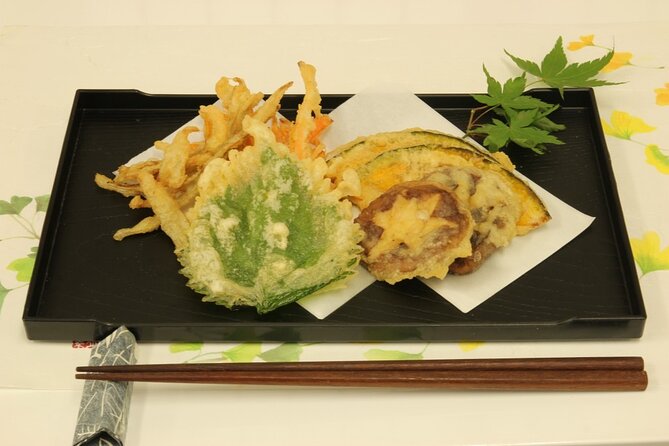
Vegetable tempura brings a familiar Japanese dish into the lesson. It is a good contrast to the tofu and soup because you work with texture as well as flavor. The crisp coating and vegetables make the meal feel substantial, even without meat.
The class also includes additional dishes beyond these named items. Since the exact menu may vary, contact the operator ahead of time if you need to know every ingredient. The activity provider asks you to share dietary requests or requirements in advance.
This menu should appeal to vegetarians, vegans, and anyone tired of treating Japanese food as a choice between raw fish and noodles. It also gives meat-eaters a better understanding of how Japanese cooks create balance without relying on animal products.
A Meal You Prepare Yourself
The strongest part of a cooking class comes at the table. After preparing the dishes, you sit down and eat the meal you made.
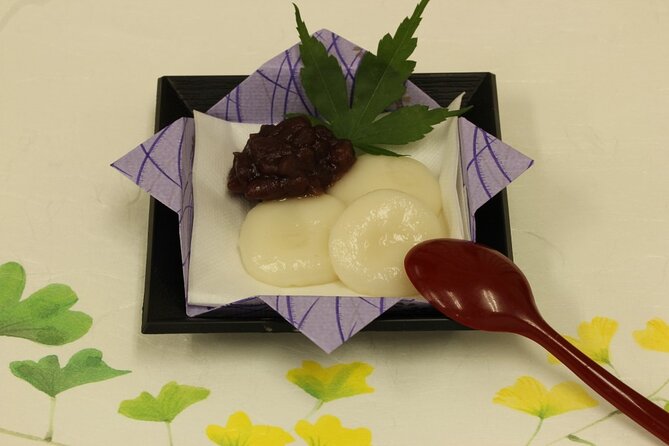
That final meal gives the techniques a clear purpose. You can taste how the sesame tofu, soup, tempura, and other dishes work together rather than sampling each recipe in isolation. It also lets you slow down after the hands-on portion of the class.
One of the class’s appealing qualities is its quieter pace. A cooking activity can fill a gap in a busy Tokyo schedule without adding another crowded sightseeing stop. The experience is still social, but the small group and Zen Buddhist subject give it a more thoughtful tone.
The meal is also where the optional tea pairing can add something extra. If you choose the upgrade, Japanese tea is served alongside the food. Tea is not included in the standard activity, so check the booking option and price before assuming it is part of the meal.
I would choose the tea option if you are particularly interested in Japanese food culture or want a more complete sit-down experience. If your priority is simply learning the recipes, the basic class may offer better value.
More vegan and vegetarian tours in Tokyo:
- Vegan Friendly Sushi & Okonomiyaki Shibuya Night Foodie Tour
★ 5.0 · 124 reviews - Ramen & Dumpling Cooking in Tokyo with Chef/Vegan possible
★ 5.0 · 107 reviews - Vegan/Vegetarian Ramen and Gyoza by Bentoya cooking
★ 5.0 · 59 reviews - Ramen Making from Scratch with Tokyo Mom(Vegan Option Available)
★ 5.0 · 39 reviews
What the Small Group Size Really Means
Eight people is a useful maximum for this kind of lesson. You are close enough to see a demonstration and likely to receive direct help when a preparation step is unclear.
A small group also changes the mood. You can ask about ingredients, cooking methods, or Buddhist food traditions without needing to compete with a large crowd. The class remains personal without requiring the cost of a private lesson.
The format suits couples and small family groups particularly well. One review describes a husband and wife taking part together, while another highlights the friendly and patient instruction of Masue and Hiro. You can work alongside companions while still meeting people from outside your group.
The limit also creates a practical reason to reserve ahead. This experience is booked about 24 days in advance on average, and confirmation arrives within 48 hours, subject to availability. If you want a particular date during a busy Tokyo visit, avoid leaving it until the last day or two.
The Price: A Cooking Lesson, Not Just Lunch
At $114.67 per person, this is not an inexpensive meal. You could eat a vegetarian lunch in Tokyo for much less.
The price makes more sense if you want three things at once: a hands-on activity, cultural explanation, and a prepared meal. Ingredients and the cooking lesson are included, along with the guide-interpreter. You are paying for instruction and access to a traditional food practice, not merely for the finished dishes.
The class may be good value for a vegetarian visitor who has found it difficult to identify Japanese meals without meat or seafood. It can also be worthwhile for a home cook who wants recipes that travel well beyond the experience itself.
The value is weaker if you only want to eat Japanese vegetarian food. In that case, a restaurant meal will cost less and require less time. You should book this for the instruction and cultural setting, not because it is the cheapest way to have lunch.
Group discounts are available, which may help if several people are booking together. The tea pairing is an extra consideration, so include that cost when comparing the total with other cooking classes.
Who Should Book This Experience
I would recommend this workshop to anyone who wants a cultural activity connected to food but does not want another sushi lesson.
It is especially suitable for:
- Vegetarians and vegans seeking a Japanese meal built around plant-based cooking
- Couples looking for a calm, hands-on activity
- First-time cooks who prefer close instruction
- Home cooks who want recipes they can recreate
- Visitors interested in Zen Buddhism and Japanese eating customs
- Anyone looking for a break from Tokyo’s crowded sightseeing areas
The program is also suitable for most participants, according to the provided activity information. Still, you should share dietary requirements before the class rather than waiting until you arrive.
This may not suit you if you want a fast demonstration with little participation, a large menu of dishes, or a low-cost lunch. It is also not ideal if you dislike group activities. Even with only eight people, you will be cooking and eating with others.
Getting to Kikai Shinko Kaikan in Shibakoen
Transportation to the venue is not included, so you must make your own way to Kikai Shinko Kaikan at 3-chome-5-8 Shibakoen, Minato City.
The venue is near public transportation, which makes the meeting point practical for a Tokyo itinerary. Give yourself enough time to find the building and arrive before the 11:00 a.m. start. The activity ends where it begins, so you can plan your next stop from the same general area.
The meeting point is useful for a morning schedule. You can attend the class, eat the meal you prepared, and continue sightseeing in the afternoon. Since the session lasts about two and a half hours, do not place a tightly timed museum reservation immediately afterward.
You should also keep your confirmation details handy. Confirmation is sent within 48 hours of booking when space is available. The activity uses a mobile ticket, which is convenient if you are already carrying your Tokyo plans on your phone.
Booking, Changes, and Practical Limits
Free cancellation is available if you cancel at least 24 hours before the local start time. If you cancel inside that 24-hour window, the payment is not refunded, and changes made during that period are not accepted.
That policy is fairly simple, but the timing matters. Tokyo plans can change quickly, so do not book this for a day that is still uncertain unless you are comfortable with the deadline.
The class maximum is eight people. Group discounts may be available, and the mobile ticket makes arrival easier. Transportation remains your responsibility, and the optional Japanese tea pairing should be selected only if you want that addition.
The operator is True Japan Tour. The activity includes ingredients and the cooking instruction, but no separate transportation service is part of the program.
Is This Shojin Ryori Class Worth Booking?
Book it if you want to understand a less familiar side of Japanese food and are happy to pay for instruction, not only lunch. The combination of Zen Buddhist context, hands-on preparation, a small group, and a meal you cook yourself gives the experience a clear purpose.
I particularly like the chance to learn sesame tofu and vegetarian dashi, dishes that can change how you cook Japanese food at home. The patient teaching associated with Masue and Hiro is another plus for beginners.
Skip it if your budget is tight or your main goal is simply to eat. At $114.67, the class needs to be judged as a cultural workshop. For vegetarians, curious cooks, and visitors who want a quieter Tokyo activity, it offers a useful and memorable change from the usual food tour.
FAQ
Where does the cooking experience take place?
It takes place at Kikai Shinko Kaikan, 3-chome-5-8 Shibakoen, Minato City, Tokyo 105-0011, Japan.
What time does the class start?
The class starts at 11:00 a.m.
How long does the experience last?
The activity lasts approximately two hours and thirty minutes.
How many people can join the class?
The group has a maximum of eight participants.
What dishes will I learn to prepare?
The class includes dishes such as sesame tofu, dashi broth soup, vegetable tempura, and additional vegetarian recipes.
Is tea included with the meal?
Japanese tea is available as an optional upgrade. It is not included in the standard activity details.
Is transportation to the venue included?
No. You are responsible for getting to the meeting point. The venue is near public transportation.
Can I cancel for a full refund?
Yes, if you cancel at least 24 hours before the experience start time. Cancellations made less than 24 hours before the start are not refunded.
Newly reviewed around Tokyo
- Tokyo Asakusa:Calligraphy & Make T-shirt Activity★ 5.0 · 62 reviews
- Intercity Shuttle, Tokyo to Haneda /Narita /Yokohama /Makuhari★ 5.0 · 5 reviews
- 1 Hour Travel around Tokyo with a Professional Photographer★ 5.0 · 3 reviews
- Travel Tokyo with Your Own Personal Photographer★ 5.0 · 43 reviews
- Train in Samurai Swordsmanship and Defeat the Demon in Tokyo★ 5.0 · 5 reviews
- Shuttle Van 6hr Tokyo Tour to-and-from Tokyo, Yokohama and Narita★ 5.0 · 9 reviews
- Kickboxing & Body Training with EX-Pro Fighter★ 5.0 · 4 reviews
- Traditional Japanese Knife Sharpening Class★ 5.0 · 18 reviews
Tokyo Cooking Classes, compared.
Roll and Authentic Sushi Making Class in Asakusa
Read our review →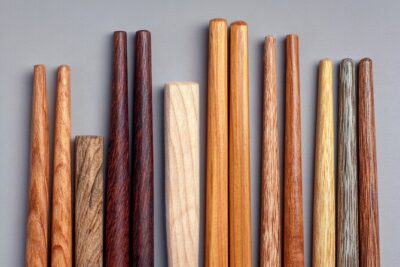
Sushi Making Class in a Happi Coat near a Famous Spot
Read our review →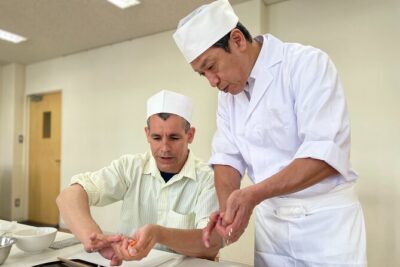
Tokyo Sushi Making Class in Tsukiji with Professional Chef
Read our review →
Ramen & Gyoza Cooking Class in Tokyo with Local Supermarket Visit
Read our review →
Matcha Making Class in Tokyo with Authentic Japanese Sweets Set
Read our review →
Tsukiji Fish Market Sushi Making Class with Pro Chef
Read our review →
Browse the lists this tour appears in