
Reviewed · MARKETS
Traditional Antiques Market Tour Tokyo
Tokyo’s shrine markets offer a very different kind of shopping trip. With Sayuki, a geisha guide, you search outdoor stalls for kimono robes, geisha pillows, samurai-related items, and other Japanese curiosities. I like the cultural angle, and I like that your guide bargains for you rather than leaving you to guess at a fair price.
The big concern is timing. The market at Tomioka Hachiman Shrine is not held every week, yet this tour has been offered on a weekly basis. I would confirm the market date before paying, especially since the booking is non-refundable.
Key Points Before You Book
- Meet at Tomioka Hachiman Shrine at 9:00 a.m. The tour begins and ends at this shrine in Koto City.
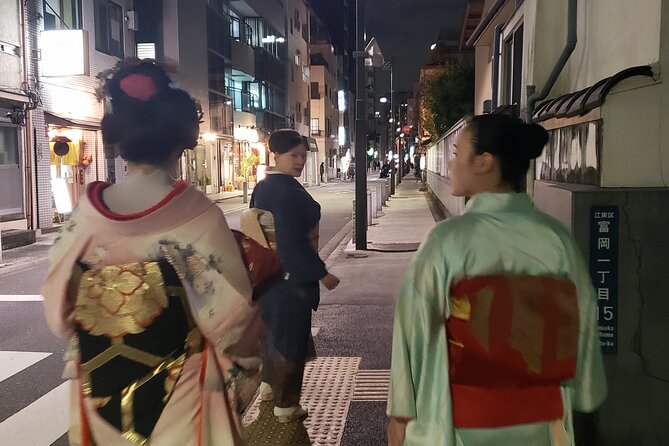
- Sayuki may be a geisha or apprentice geisha. Her role adds cultural context to a shopping trip that could otherwise feel like simple souvenir hunting.
- Expect about two hours of outdoor market browsing. The broader duration is listed as two to three hours.
- Your guide handles bargaining. This is useful if you do not know Japanese prices or feel uncomfortable negotiating.
- The market schedule needs checking. The shrine does not hold its antique market every week.
- The price is $170.60 for up to four people. It can be fair for a small private group, but poor value if the market is not operating.
What You Are Really Buying for $170.60
The advertised price is $170.60 per group of up to four people, not per person. For four people, that works out to about $42.65 each. For two people, the cost is $85.30 each. A solo booking pays the full group price, so this experience makes the most financial sense for a small party.
The fee buys more than a walk through stalls. You are paying for a guide who can help you understand what you are seeing, point out the more worthwhile items, and bargain on your behalf. That last part matters in an antique market, where you may have little idea if a price is reasonable.
Still, the value depends heavily on the market being open. There are no market admission fees, so the paid portion is mainly the guiding and bargaining service. If you arrive and find no market, the value disappears quickly.
I would book this only after confirming the exact market date with Sayuki or the booking company. One scheduled outing ended with no market at the shrine, and repeated attempts to contact the operator went unanswered. Viator support eventually handled the refund, but that is a poor way to begin a shopping morning.
The fact that people book this experience an average of 112 days ahead also matters. It may reflect limited availability or advance planning for Tokyo trips. It does not remove the need to confirm the market schedule.
More Tokyo markets and shopping streets:
- Tokyo Tsukiji Fish Market Food and Culture Walking Tour
★ 5.0 · 3,184 reviews - Tokyo: Tsukiji Fish Market Food and Walking tour
★ 5.0 · 1,724 reviews - Tokyo: Tsukiji Fish Market Guided Walking Tour
★ 4.9 · 1,397 reviews
Starting at Tomioka Hachiman Shrine
The meeting point is Tomioka Hachiman Shrine, 1-chome-20-3 Tomioka, Koto City, Tokyo 135-0047. You meet at 9:00 a.m., and the activity returns to the same spot.
That fixed meeting point makes the tour easy to plan around. You do not need to work out a different pickup location or wonder where the outing ends. It also means you should allow enough time to reach the shrine by public transportation and arrive ready to walk.
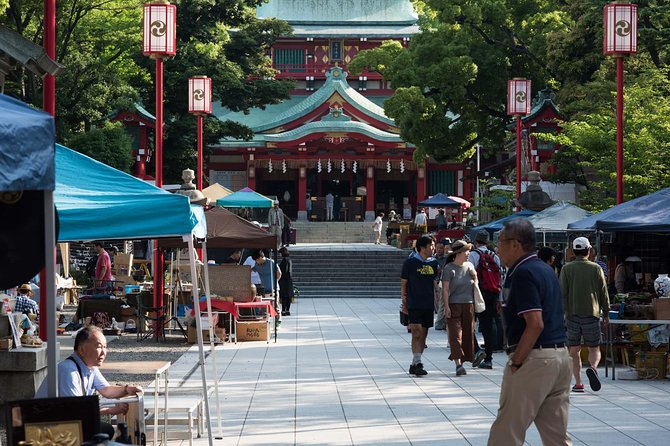
The shrine setting is part of the appeal. The market is connected to an active religious site rather than a modern shopping district, so the outing links shopping with a traditional Japanese setting. You are not simply moving from one indoor shop to another.
The information provided does not specify the exact market date, number of stalls, or which additional shrines you will visit. The tour description refers to markets around Tokyo shrines, while the listed meeting point is Tomioka Hachiman Shrine. Treat the shrine as the firm location and the rest as dependent on the market schedule.
Two Hours of Antiques and Collectables
The main activity lasts about two hours, with the overall estimate listed as two to three hours. You visit an outdoor shrine market and browse antiques and collectables with Sayuki.
The range of possible goods is the fun part. You might find kimono robes, geisha pillows, samurai swords, and other traditional wares. The word might is important here. A flea market changes from one date to the next, and no fixed item list is promised.
That uncertainty is also what makes this kind of shopping more interesting than a standard souvenir stop. You cannot simply select a known product from a shelf. You look through what is available that morning, ask questions, and decide if an object has meaning for you.
I would keep your expectations flexible. The tour promises access to interesting stalls and help finding traditional Japanese items, but it does not promise a particular sword, robe, pillow, or collectible. If you need one exact object, this is not the safest shopping plan.
The outdoor format also affects comfort. Wear comfortable walking shoes, as instructed. You may be standing and walking around stalls for much of the activity, and the experience takes place during the daytime.
What Sayuki Adds to the Shopping
Sayuki is identified as a geisha guide, though she may be an apprentice geisha. That gives the tour a more personal cultural angle than a standard flea-market visit.
Her value is not just her presence. The tour is designed to help you learn about Tokyo, shrine markets, Japanese arts, and the objects being sold. A guide can help explain why a garment, pillow, household item, or collectible matters, though the exact level of detail may vary.
I like this approach because antique shopping can be hard to read from the outside. A row of old objects may look appealing, but you may not know which pieces are traditional, decorative, modern reproductions, or simply inexpensive secondhand goods. A guide gives you someone to ask before buying.
The description says Sayuki can bargain for you and help you pay a fair price. This is one of the clearest practical benefits of booking. Bargaining can feel awkward when you are unfamiliar with local customs, and you may not know how far to negotiate. Having your guide handle that exchange can save money and remove stress.
Do not assume every item will be cheap. A fair price is not the same as a bargain-basement price, especially for older or unusual objects. Your guide can negotiate, but you still choose what to buy and pay for the item separately.
A completely different kind of day in Tokyo:
- Mt Fuji and Hakone 1-Day Bus Tour Return by Bullet Train
★ 5.0 · 26,383 reviews - 1-Day Tokyo Bus Tour
★ 5.0 · 14,250 reviews - Tokyo: teamLab Planets TOKYO Digital Art Museum Entry Ticket
★ 4.6 · 9,779 reviews - Mt Fuji & Hakone Cruise, Drum Show Bullet Train 1 Day from Tokyo
★ 4.0 · 7,413 reviews
Finding Better Souvenirs Than the Usual Tokyo Picks
This tour suits you if you want something more distinctive than mass-produced souvenirs. A kimono robe, an old textile, a geisha pillow, or a traditional decorative piece can carry a stronger sense of place than a standard shop purchase.
The best part is the chance to find an object with a past. Flea-market goods can show wear, age, and changing use. That does not automatically make an item valuable, but it can make your souvenir more personal.
The tour also gives you a reason to learn before you shop. Instead of asking only what something costs, you can ask what it was used for, how it was made, or how to recognize a worthwhile example. The information provided does not promise expert appraisal or certificates of authenticity, so you should not treat the outing as a professional antiques valuation.
Samurai swords deserve particular caution. They are listed as examples of traditional wares you may find, but the tour does not explain shipping, export rules, ownership requirements, or documentation. If you see a sword or another regulated object, ask about the legal and practical details before buying. The experience is designed for shopping help, not stated as a specialist export service.
Bargaining Without Guessing at the Price
For many people, the guide’s bargaining service is the strongest reason to book. You can point out an item you like, let Sayuki negotiate, and avoid trying to manage the exchange alone.
That does not mean every purchase will become dramatically cheaper. The exact savings depend on the seller, the item, and the starting price. The promise is that Sayuki will bargain and help you pay a fair price, not that she will secure a huge discount every time.
I would decide on a spending limit before the tour begins. It is easy to get carried away when you find an unusual object, especially if you are shopping with friends or family. Agree on who is buying what, and remember that the tour price does not include your purchases.
A simple plan helps:
- Decide what types of objects interest you.
- Set a maximum price for each purchase.
- Ask about the item before bargaining.
- Keep enough room in your luggage for anything you buy.
- Do not purchase a sword or other controlled item without checking the rules.
The tour can make bargaining less intimidating, but you remain responsible for the final purchase.
The Market Schedule Is the Serious Weak Point
This is the point I would not brush aside. The antique market at the shrine is not held every week, even though the activity has been listed for weekly dates. One outing reached the shrine and found no market at all.
That problem changes the booking decision. A normal uncertainty, such as not knowing which stalls will be open, is part of flea-market shopping. Arriving at an empty shrine after crossing Tokyo is different.
The safest approach is to confirm all of the following before booking:
- The exact date of the market
- That the market will operate at Tomioka Hachiman Shrine
- The meeting time of 9:00 a.m.
- Whether Sayuki or another guide will meet you
- What happens if the market is cancelled
The booking information says confirmation is received at the time of booking, but that does not necessarily tell you that the market itself is operating. I would seek direct confirmation of the market date rather than relying only on the tour calendar.
This matters even more because the cancellation policy is strict. The experience is non-refundable and cannot be changed for any reason. If the operator does not respond, the only practical recourse may be assistance from the booking platform. That kind of backup helped in one failed outing, but it is better to prevent the problem.
Walking, Group Size, and Morning Practicalities
Most people can participate, and service animals are allowed. The experience is near public transportation, which makes the meeting point reachable without a private car.
Comfortable walking shoes are a must. The tour takes place outdoors at market stalls, and the description does not promise seating or indoor shelter. A daytime start is sensible for browsing, but you should still dress for the conditions on your chosen date.
The maximum group size is 20 people. That is not a private tour by the strictest definition, even though the price is charged per group of up to four. A group of 20 may make it harder for everyone to gather around a small stall or receive long one-to-one attention.
The practical experience may feel most personal when your party is small. If you are booking for four, you can share the cost and still have a manageable group of your own. If the full maximum group attends, expect some waiting while others inspect items or negotiate.
The tour ends back at Tomioka Hachiman Shrine. That makes it easier to plan lunch or another activity afterward, but the exact ending time may vary because the total estimate is two to three hours rather than a guaranteed two-hour finish.
Who Will Get the Most From This Tour
I would recommend this experience to someone who enjoys browsing without knowing exactly what they will find. It is a good match for you if you like Japanese textiles, shrine settings, traditional objects, and the small drama of bargaining.
It also suits people who want cultural help while shopping. Sayuki’s role as a geisha or apprentice geisha gives the outing a specific identity, and the chance to ask about Japanese arts makes it more than a quick stop at a flea market.
Families or small groups can get decent value from the price. At four people, the per-person cost is reasonable for a guided morning with bargaining assistance. Solo shoppers pay much more per person, so I would compare the price with simply visiting a market independently.
I would be cautious if you have a tight Tokyo schedule. A two-hour tour can turn into a longer morning, and the market may not operate on every listed date. I would also skip it if your main goal is professional authentication, guaranteed antiques, or a specific item.
Should You Book the Traditional Antiques Market Tour?
Book it if you can verify that the market is running on your date and you are traveling with at least two or three people. The combination of shrine-market browsing, Sayuki’s cultural guidance, and bargaining help gives the outing a clear purpose.
Do not book blindly. The market schedule is the central risk, and the non-refundable policy leaves little room for error. If direct confirmation is unavailable, I would not pay $170.60 in advance for a market that may not exist that morning.
For the right shopper, this could be a memorable way to find a Japanese object with more character than a standard souvenir. For a solo visitor with a fixed itinerary, it is harder to justify. Confirm the date first, wear good shoes, bring a sensible spending limit, and let the market itself decide what you take home.
FAQ
Where does the tour begin?
It begins at Tomioka Hachiman Shrine, 1-chome-20-3 Tomioka, Koto City, Tokyo 135-0047, Japan.
What time does the tour start?
The start time is 9:00 a.m.
How long does the experience last?
The main itinerary is about two hours, while the overall estimated duration is two to three hours.
Does the tour include market admission?
There are no fees to enter the market. Your own purchases are not included in the tour price.
How many people can join?
The maximum group size is 20 people. The listed price of $170.60 covers a group of up to four people.
Can the guide bargain for purchases?
Yes. Sayuki bargains on your behalf and helps you pay a fair price for flea-market finds.
Newly reviewed around Tokyo
- Tokyo Asakusa:Calligraphy & Make T-shirt Activity★ 5.0 · 62 reviews
- Intercity Shuttle, Tokyo to Haneda /Narita /Yokohama /Makuhari★ 5.0 · 5 reviews
- 1 Hour Travel around Tokyo with a Professional Photographer★ 5.0 · 3 reviews
- Travel Tokyo with Your Own Personal Photographer★ 5.0 · 43 reviews
- Shuttle Van 6hr Tokyo Tour to-and-from Tokyo, Yokohama and Narita★ 5.0 · 9 reviews
- Kickboxing & Body Training with EX-Pro Fighter★ 5.0 · 4 reviews
- Train in Samurai Swordsmanship and Defeat the Demon in Tokyo★ 5.0 · 5 reviews
- Traditional Japanese Knife Sharpening Class★ 5.0 · 18 reviews
Markets, compared.
Tokyo Tsukiji Fish Market Food and Culture Walking Tour
Read our review →

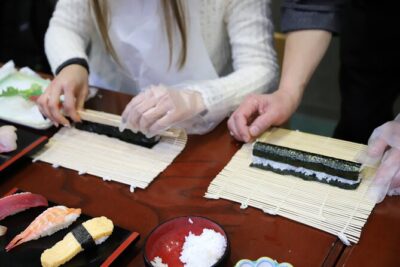
Tsukiji Fish Market Guided Tour and Sushi Making with Pro Chef
Read our review →Tsukiji Fish Market Food and Culture Walking Tour
Read our review →
Tsukiji Fish Market: Street Food & Culture Walking Tour
Read our review →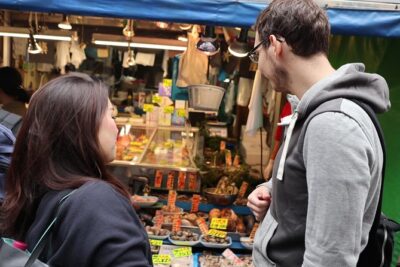
Tsukiji Fish Market Small-Group Food Walking Tour
Read our review →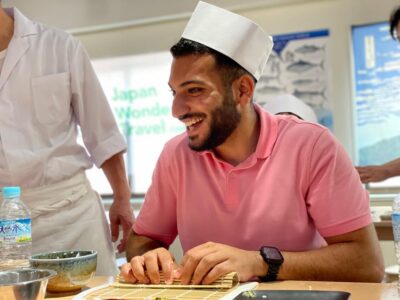
Tsukiji Fish Market Sushi Making Class with Pro Chef
Read our review →Browse the lists this tour appears in