
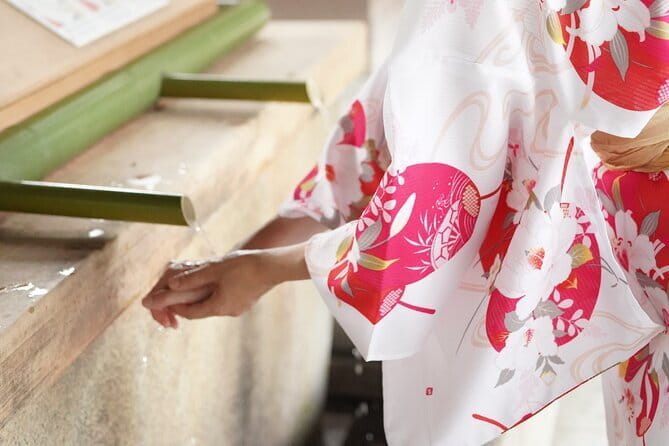
Reviewed · TOKYO KIMONO EXPERIENCES
:Tokyo,Shibuya /Meiji Shrine tour in KIMONO/English-friendly
Tokyo’s Meiji Shrine is at its most memorable when you approach it in a kimono, passing beneath the great torii gates and into the wooded grounds. This three-hour outing combines a traditional outfit with a guided look at Shinto customs, so you get more than a photo stop.
I especially like the free choice of kimono, yukata, bags, slippers, and accessories, and the shop’s short walk from both Meiji Shrine and Takeshita Street. The English-speaking guide also helps explain what you are seeing, while taking photos for you. The main consideration is that the meeting point is easy to miss: it is in an apartment building on the fourth floor, so allow time to find Jingumae Room 413.
Key points to know before booking
- Choose your own outfit: Kimonos and casual yukata are available in many colors and sizes for all ages.
- Walk six important shrine sights: The route includes torii gates, sake and wine barrels, the forest, the main shrine, and the prayer hall.
- Stay close to Harajuku: The shop is a few minutes from Meiji Shrine and about two minutes from Takeshita Street.
- Learn the basics of Shinto: An English-speaking guide explains the shrine’s customs, symbols, and seasonal details.
- Plan for free time: After the guided portion, you can explore on your own before returning to change clothes.
- Know the extra cost: Hair styling is optional and costs 2,000 JPY, paid at the shop.
Why a kimono makes Meiji Shrine feel different
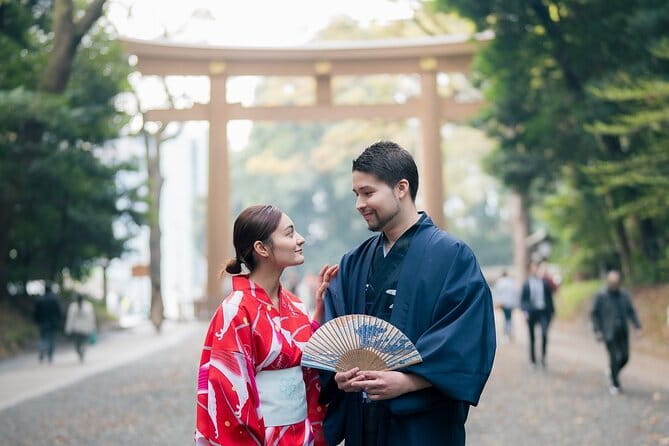
Meiji Shrine is free to visit, but it can be easy to walk through without understanding what the gates, barrels, and worship rituals mean. This tour gives you a simple cultural frame for the visit, then lets you see the grounds dressed in traditional clothing.
That combination is the real point. The kimono is not just a costume for a quick photograph. It gives you a reason to slow down, notice how people move through the shrine, and take part in a few Shinto practices with some guidance.
You do not need prior knowledge of Japanese customs. The tour is designed for an English-speaking audience, and the guide leads a presentation lasting about 50 or 60 minutes, described elsewhere as a one-hour guided walk. After that, you have free time before meeting again roughly 1.5 hours later.
The pace should suit you if you want cultural context without spending an entire day in a museum. It also gives you room to take your own photographs instead of following a guide from one stop to the next for the full three hours.
More Meiji Shrine tours in Tokyo:
- Tokyo: Meiji Shrine, Asakusa, Skytree Bus Tour and Cruise
★ 4.7 · 1,986 reviews - Tokyo Panoramic 1 Day: Meiji Shrine, Asakusa, Odaiba and SKYTREE®
★ 4.5 · 1,222 reviews - Tokyo: Meiji Shrine Walking Tour — Shinto & Imperial System
★ 4.9 · 266 reviews
Finding Harajuku Kimono SHIBUI
The practical starting point is Harajuku Kimono SHIBUI at Jingumae Room 413, Harajuku Cope Annex. The shop is on the fourth floor of an apartment building, an important detail that is easy to overlook when you are hurrying through Harajuku.
The location is one of the strongest parts of the outing. The shop is described as about a five-minute walk from Meiji Shrine, while Takeshita Street is about two minutes away. The activity is sometimes described under Shibuya, but your actual meeting area is Jingumae and Harajuku, beside the shrine and the famous shopping street.
I would arrive with a few spare minutes. Look for the building and room number rather than expecting a large street-level storefront. Once inside, the staff will help you select your clothing and prepare for the walk.
The small-group limit is 10 people. That is large enough for a social outing but still more manageable than a big group spread across the shrine grounds. The tour price is listed as $137 for a group of up to one person, so check the exact booking total and group conditions before paying. For one person, the value depends largely on how much you want the clothing rental, guided explanation, and personal photos. If you only want to rent a kimono, a separate rental may cost less, but it would not include this guided shrine visit.
Choosing between a kimono and a yukata
The shop includes both kimono and yukata in the tour price. A kimono is the more formal traditional choice, while a yukata is lighter and more casual. You can choose from different colors and styles rather than being assigned a single standard outfit.
You can also select matching slippers, a bag, and accessories without an added charge. That makes the preparation part more personal, especially if you are visiting with family or friends and want different colors for photographs.
Hair styling is not included. If you want it, the shop offers a hair set for 2,000 JPY, payable at the shop. This is a useful extra for anyone planning portrait photographs, but it is not necessary for taking part in the shrine walk.
Keep your practical side switched on. Traditional clothing can affect how quickly you walk and how comfortable you feel on a longer route. The outing lasts three hours, though part of that time includes changing clothes and free exploration. Choose an outfit you can wear comfortably for the walking portion, not only one that looks good in a photograph.
The six stops inside Meiji Shrine
The guided route focuses on six recommended places. Each stop adds a different piece to the visit.
More things to do in Shibuya:
- Official Street Go-Kart in Shibuya
★ 5.0 · 3,435 reviews - Tokyo: Street Kart Experience in Shibuya
★ 4.9 · 1,484 reviews - Shibuya Meltdown Nightlife Tour: All-You-Can-Drink Bar Hopping
★ 5.0 · 1,058 reviews - Shibuya Official Street Go-Kart in Shibuya Annex
★ 5.0 · 972 reviews
1. Torii gates
The torii marks the entrance into a Shinto sacred area. It is also one of the clearest visual moments of the tour. You leave the busy Harajuku streets behind and begin walking toward the shrine through a quieter setting.
Your guide can explain how to approach the gate and what it represents. This is a useful first lesson because it turns a large wooden structure into part of a living religious practice, not simply a scenic entrance.
The gates are also a natural place for photographs. Since the shrine grounds are open and spacious, your group may need to keep moving and avoid blocking the main route.
2. Sake barrels
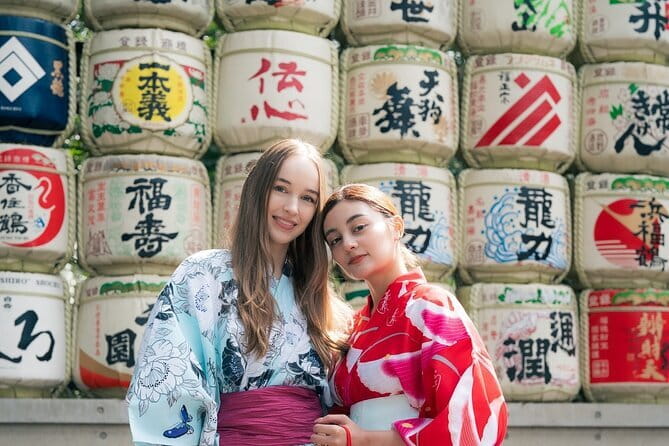
The rows of sake barrels are among Meiji Shrine’s most recognizable sights. They are displayed as offerings connected with the shrine and make a striking backdrop against the trees.
This is a good place to ask questions about offerings and the relationship between businesses, communities, and Shinto shrines. The explanation matters because the barrels can look decorative if you do not know why they are there.
It is also one of the easiest stops for group photographs. Your guide can help position you and your companions, though exact photo time depends on the group’s pace.
3. Wine barrels
The wine barrels offer a less expected detail. Along with the sake, they show a connection between Meiji Shrine and a wider range of offerings.
You will see both traditional Japanese references and a small reminder that the shrine exists in modern Tokyo. The guide’s explanation gives this stop more meaning than a quick glance would provide.
4. Meiji Shrine forest
The forest changes the feel of the visit. You are still in central Tokyo, yet the path is surrounded by trees and separated from the noise of the nearby shopping streets.
The tour uses this setting to discuss the shrine and seasonal changes. You may notice different colors, light, and atmosphere depending on the time of year, though the exact seasonal display cannot be guaranteed.
This section is also where comfortable footwear and a steady pace matter. Your kimono outfit includes suitable slippers, but you should still expect a walk rather than a short transfer between photo points.
5. Main shrine
The main shrine is the central destination. Here, the guide can explain the building, the worship area, and the correct way to behave in the shrine grounds.
The value of having an English-speaking guide is strongest here. You can learn what people are doing, when to bow, and how to approach the prayer area without guessing or copying the nearest person.
As with any active religious site, keep your photographs respectful and follow the guide’s instructions. The tour is meant to help you take part in the setting, not turn it into a private studio.
6. Shinto prayer hall
The prayer hall completes the main guided route. This is where the practical side of Shinto customs becomes clearer, since the guide can explain the steps involved in prayer and the meaning behind them.
You will have a better sense of how Meiji Shrine functions after these six stops. The route is not a lecture on every part of Japanese religion. It is a focused introduction that helps you understand what you see during your visit.
Free time for photographs and extra exploring
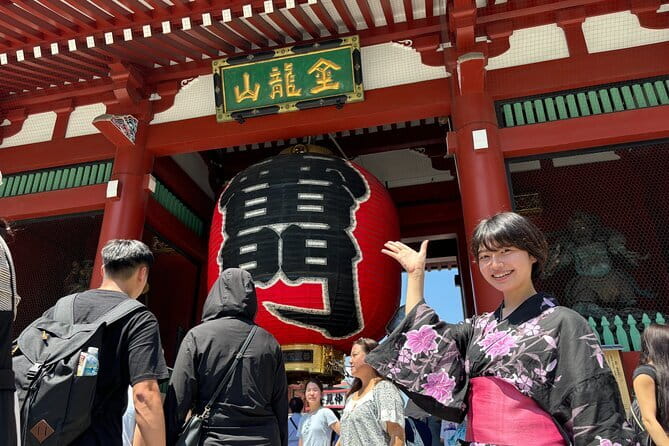
After the guided presentation, you have free time before meeting again about 1.5 hours later. This gives you space to take more photographs, revisit a favorite area, or simply enjoy the shrine without needing to stay beside the guide.
The guide can take photographs of you alone, with friends, or with family. Video is also possible, according to the activity details. That is a useful feature if you are traveling without someone who can take a good picture, though you should clarify exactly how many photographs or videos are included if that matters to you.
The free period also lets you visit the Meiji Jingu Museum or Inner Garden. These are optional and are not included in the tour price. Admission fees for both are separate, so treat them as add-ons rather than part of the basic three-hour plan.
You return to SHIBUI after the free time to change clothes. This final step is practical, but it also keeps the outing from taking over your entire Harajuku day. You can continue shopping on Takeshita Street or plan another activity nearby afterward.
What the $137 price really buys you
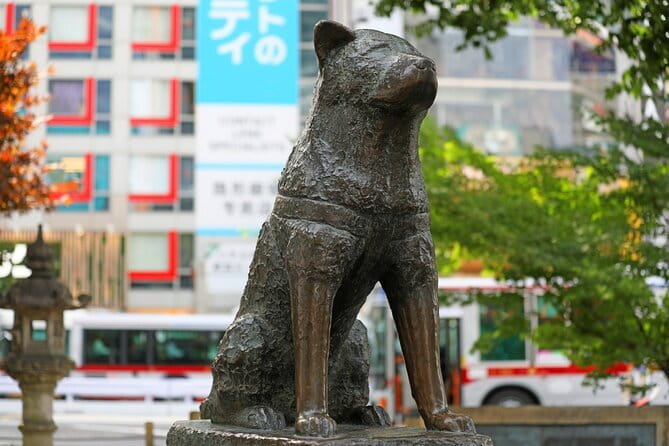
The listed price is $137 per group of up to one person. That wording is unusual, so confirm whether the booking system changes the price for additional participants before you reserve. The tour includes the kimono or yukata rental, accessories, an English-speaking guide, the guided shrine walk, and photo help.
For a solo visitor, it can be a fair package if you value all of those parts. You are paying for a prepared cultural outing, not just a garment rental. The short distance between the shop and shrine also saves time and avoids the hassle of carrying a rented outfit across Tokyo.
For two or more people, the value may improve if the booking price is truly calculated per group rather than per person. Check the terms carefully, since the supplied price line only specifies a group of up to one person.
Food and drinks are not included. That is not a major issue in Harajuku, where you can eat before or after, but budget for your own refreshments. The only clearly stated optional tour expense is the 2,000 JPY hair set.
Free cancellation is available up to 24 hours before the start time for a full refund, and you can reserve now and pay later. Those policies are useful if your Tokyo schedule is still shifting, but confirm the final terms shown for your chosen date.
Who will enjoy this outing most
I would recommend it to first-time visitors who want a gentle introduction to Meiji Shrine and Japanese customs. It also suits solo visitors who want help taking photographs and families who would enjoy choosing outfits together.
It is a good match for you if you like having a guide for the important explanations but still want time to explore on your own. The one-hour presentation keeps the cultural part focused, while the free period gives you independence.
You may want a different plan if your priority is a long, formal kimono photo session or a detailed religious tour. This experience combines clothing, sightseeing, explanation, and free time. It does not promise an extended study of Shinto or a full-day professional photography package.
The group size of up to 10 is worth considering as well. It remains small compared with a large coach tour, but you will not have the shrine entirely to yourself. If you want the most personal attention possible, ask how many people are booked for your date.
Should you book the SHIBUI kimono and shrine tour?
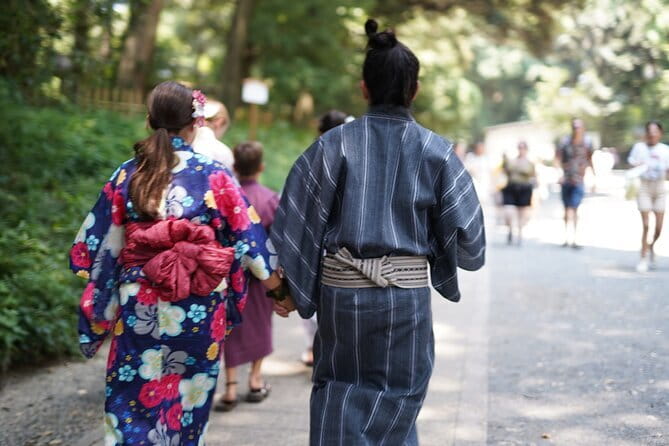
Book it if you want to connect three popular Harajuku experiences in one outing: traditional dress, Meiji Shrine, and personal photographs. The easy location, broad clothing selection, English guidance, and free exploration time give the tour a practical shape.
I would be cautious only if you dislike apartment-building meeting points, need a very precise photography schedule, or want every admission cost included. Find Jingumae Room 413 before the start, remember that hair styling and museum or garden admission cost extra, and confirm the group pricing.
For most visitors who want an approachable cultural activity near Takeshita Street, this is a sensible choice. You get the pleasure of dressing up, but the shrine explanation keeps the visit from becoming only a costume photo stop.
FAQ

Where does the tour meet?
The meeting point is Jingumae Room 413 in the Harajuku Cope Annex. The room is on the fourth floor of an apartment building.
How long does the activity last?
The full activity lasts three hours. The guided presentation at Meiji Shrine lasts about 50 or 60 minutes, followed by free time and a return to the SHIBUI shop to change clothes.
Is the guide fluent in English?
The tour includes live English guidance, and the activity is described as being led by English-speaking staff.
What clothing can I choose?
You can choose from kimono and yukata in different colors and styles. The collection is available for all ages.
Are accessories included?
Yes. Suitable slippers, bags, and accessories can be chosen without an additional charge.
Is hair styling included?
No. Hair styling is optional and costs 2,000 JPY, payable at the shop.
Are the Meiji Jingu Museum and Inner Garden included?
No. Both are optional, and their admission fees are not included in the tour package.
Is food or drink included?
No. Any food or drink you buy is paid for separately.
More Tokyo kimono experiences
- Let’s make kimono !(Kimono is a gift for you
★ 5.0 · 252 reviews - Tokyo: Matcha and Kimono Experience
★ 4.7 · 219 reviews - Tokyo: Asakusa Kimono Dressing and Matcha Experience
★ 4.9 · 173 reviews - Asakusa: Kimono Tea Ceremony with Matcha and Sweet
★ 4.9 · 153 reviews
Newly reviewed around Tokyo
- Tokyo Asakusa:Calligraphy & Make T-shirt Activity★ 5.0 · 62 reviews
- Intercity Shuttle, Tokyo to Haneda /Narita /Yokohama /Makuhari★ 5.0 · 5 reviews
- 1 Hour Travel around Tokyo with a Professional Photographer★ 5.0 · 3 reviews
- Travel Tokyo with Your Own Personal Photographer★ 5.0 · 43 reviews
- Train in Samurai Swordsmanship and Defeat the Demon in Tokyo★ 5.0 · 5 reviews
- Shuttle Van 6hr Tokyo Tour to-and-from Tokyo, Yokohama and Narita★ 5.0 · 9 reviews
- Kickboxing & Body Training with EX-Pro Fighter★ 5.0 · 4 reviews
- Traditional Japanese Knife Sharpening Class★ 5.0 · 18 reviews
Tokyo Kimono Experiences, compared.

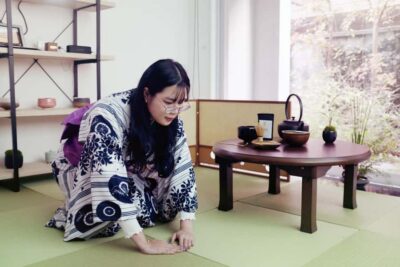
Tokyo Asakusa: Traditional Kimono Rental Experience at Wargo
Read our review →
Tokyo Authentic Kimono Rental in Asakusa with Photography Option
Read our review →
Kimono Rental inside Shinjuku Gyoen National Garden
Read our review →Browse the lists this tour appears in