
Reviewed · TSUKIJI AND TOYOSU FISH MARKET TOURS
Tokyo : Tsukiji Fish Market Tour with Fresh Sashimi Tasting
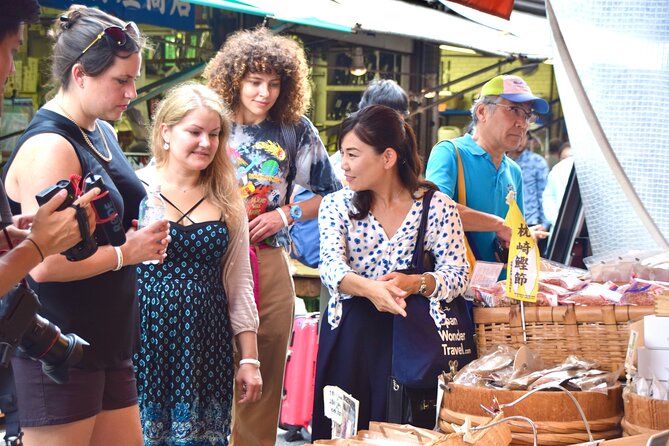
Tsukiji Outer Market is easy to enter and surprisingly hard to understand. About 400 shops fill its lanes, selling seafood, prepared food, kitchen tools, and other Japanese specialties. This 90-minute guided walk helps you find your way without blocking workers or wasting time at random stalls.
I like the small maximum of seven people, which makes it easier to hear your guide and move through narrow passages. I also like the tasting element: the sashimi has earned especially strong praise, and guides may introduce you to other foods you might skip on your own. The main drawback is the pace. One hour and 30 minutes can feel rushed if you want to stop often, browse, and ask lots of questions.
Key points to know before you book
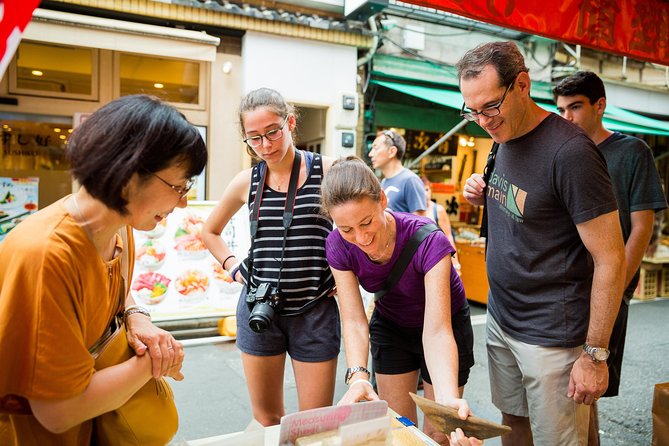
- A small group of up to seven: You get more room to ask questions than on a large coach-style outing.
- Fresh sashimi and other tastings: Seafood is the star, but the food stops can include several different samples.
- Two morning departure choices: This gives you some flexibility when planning your Tokyo day.
- A guide through about 400 shops: The value is in finding your way through the market’s maze, not simply walking past it.
- A guide helps with the language barrier: Names such as Shinobu, Tadashi, Ted, Monami, and K K appear in the experience feedback, though your assigned guide may differ.
- The meeting point needs care: The tour starts at Tsukiji 4-chome, while the walk ends at Namiyoke Shrine, and one booking experience found the meeting directions difficult to follow.
Why Tsukiji Outer Market works best with a guide
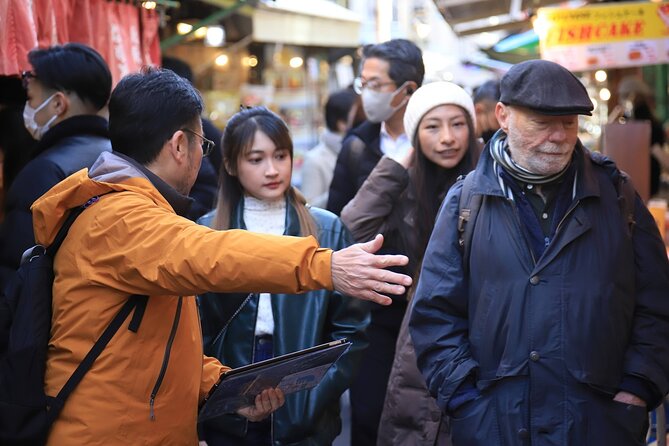
Tsukiji’s wholesale market moved to Toyosu, but Tsukiji Outer Market remains a major food district. It is a different experience from entering a single market hall. You walk through a maze of small businesses, food stalls, and specialist shops, with the working market operating around you.
That maze is the point, but it can also be the problem. With roughly 400 shops, you can easily miss the places that fit your interests. A guide gives you a route and helps you understand what you are seeing, instead of leaving you to wander with no idea which doorway leads to what.
I see the guide as a practical tool rather than a formal lecture. You get help with directions, food choices, and basic communication. That matters most if you want to sample food but are unsure how to order, where to stand, or which shops are meant for quick eating rather than browsing.
The tour also aims to keep you out of the way of people working in the market. That is an important detail. Tsukiji is not a staged attraction where every lane exists for sightseeing. You are entering an active food district, so a guide can help you move with more awareness.
More Tsukiji and Toyosu fish market tours:
- Tokyo Tsukiji Fish Market Food and Culture Walking Tour
★ 5.0 · 3,184 reviews - Tokyo: Tsukiji Fish Market Food and Walking tour
★ 5.0 · 1,724 reviews - Tokyo: Tsukiji Fish Market Guided Walking Tour
★ 4.9 · 1,397 reviews
Starting at Tsukiji and finding your bearings
The tour begins at Japan, 104-0045 Tokyo, Chuo City, Tsukiji, 4-chome 7-5, at the Tsukiji Ky Building. You should pay close attention to the exact meeting instructions rather than relying only on the broad name Tsukiji Fish Market.
This point matters because the market covers a large area, and one person had trouble locating the guide after a taxi was directed to the general fish market area. The practical lesson is simple: check the specific address and map pin before leaving your hotel. The market’s general name is not precise enough for a smooth meeting.
Once together, the group receives a brief introduction to the Outer Market. You then begin moving through the lanes, with the guide explaining how the area works and pointing out places to eat. The tour has two morning options, which can help you fit it around other Tokyo plans.
Morning is a sensible time for this activity because the experience is tied to a food market. The tour description does not promise a particular tuna auction, wholesale floor, or guaranteed shop, so you should book it for the Outer Market, its food samples, and local guidance. That keeps your expectations in the right place.
Walking through a 400-shop food maze
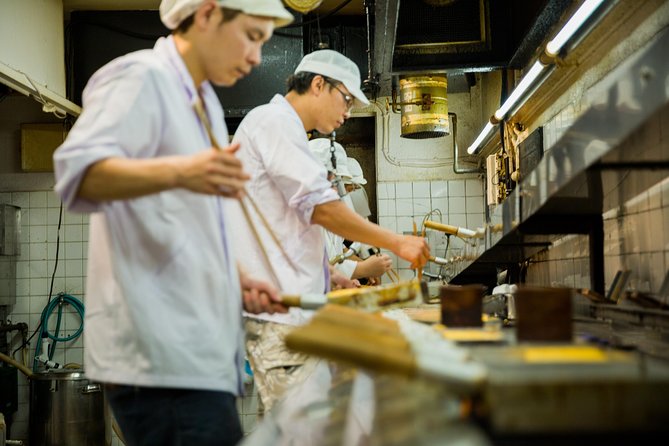
The best part of the walk is the local orientation. You are not simply shown a famous street and sent off. The guide helps you move through a complicated collection of businesses and tells you where to go next.
That help has several forms. Your guide may point out a worthwhile food stop, explain what you are eating, and help bridge the language gap. You may also get suggestions about dishes you would not have chosen without help. Shinobu, for example, was praised for recommending foods that one person would otherwise have missed.
The experience can also vary with the guide. Tadashi was singled out for explaining Japanese culture while walking through the market. Ted was appreciated for helping with the language barrier and showing good places to try. Monami was described as kind and sweet, while K K received praise for explaining the market’s history and leading the group through many shops.
Those details tell you what to hope for, but not what to demand from a particular departure. Guides have different personalities. One person found the experience helpful but somewhat mechanical, while others described their guide as warm and engaging. If you value conversation and cultural explanation, say so early in the walk and ask questions.
The narrow setting also affects the pace. You are moving through working lanes, not spending long stretches in one shop. One person felt the tour was rushed and wanted more time. I would treat this as a short introduction rather than a leisurely shopping morning.
Sashimi first, then a wider range of tastes
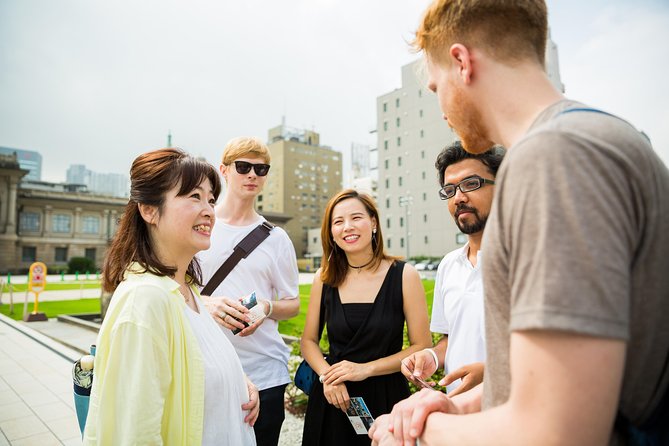
The fresh sashimi is the main food draw. It is the kind of tasting that gives the tour a clear purpose, especially if you want to try seafood in Tsukiji but do not know where to begin.
The food is not limited to one sashimi sample. Several people referred to a wider range of items, and one guide bought several things for the group to try near the end. The exact selection can change, so the experience should not be judged as a fixed tasting menu.
That flexibility is useful. You may be offered foods that are unfamiliar, and a guide can explain what is worth trying. Shinobu’s recommendations were particularly useful for someone who wanted to move beyond the obvious choices.
You should also remember that sampling is part of a walking tour, not a full breakfast or lunch. The supplied details do not state the number of portions, the exact seafood, or whether drinks are included. If you need a substantial meal, plan one separately.
I like the way the tastings add context to the market. You see the shops first, then understand why the products matter by trying some of them. Still, food preferences can differ. If you have allergies, dietary restrictions, or strong dislikes, ask the provider before booking because the available information does not explain how special diets are handled.
More Tokyo food tours:
- Tokyo: Shinjuku Food Tour (13 Dishes at 4 Local Eateries)
★ 5.0 · 6,603 reviews - Tokyo: Shinjuku Food Tour (15 Dishes and 4 Eateries)
★ 4.9 · 2,033 reviews - Best of Shinjuku: Izakaya Food Tour (4 Stops, 14+ Tastings)
★ 5.0 · 1,863 reviews - Eat and Drink Like a Local: Tokyo Ueno Food Tour-Taverns&Ramen
★ 5.0 · 957 reviews
The wholesale atmosphere without a wholesale-market promise
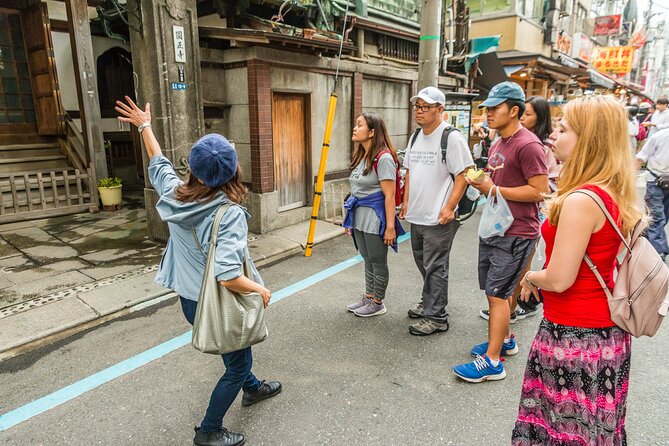
The walk includes the atmosphere of a wholesale market, but you should read that carefully. The stated stop is Tsukiji Jogai Market, or the Outer Market. The experience is not described as entry to a working wholesale auction or the former inner market.
That distinction helps you choose the right tour. If you want to browse food shops, eat samples, and understand the Outer Market, this format makes sense. If your main goal is a tuna auction or a behind-the-scenes wholesale operation, the details provided here do not promise it.
The guide’s role is to help you observe without getting in the way. This is valuable in a market where shopkeepers are serving customers and handling food. You get a closer look at the daily rhythm, but the tour does not turn the working area into a private show.
The stop lasts for the full 90-minute experience, with free admission to the market itself. The cost is tied to the guide service and tastings rather than an entrance ticket.
Is $39.64 a fair price?
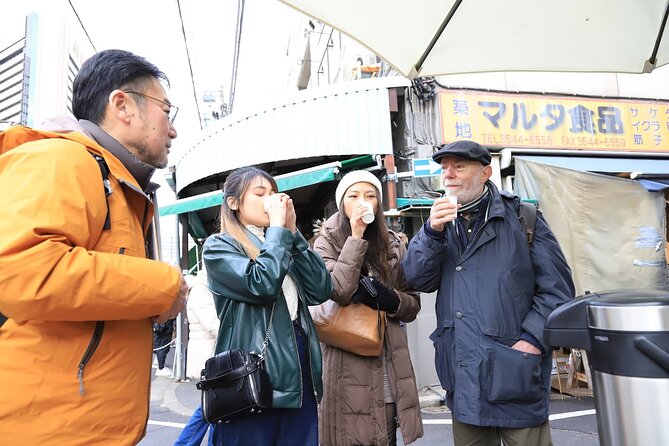
At $39.64 per person, the tour is reasonably priced if you want a short, guided introduction and food samples. You are paying for a small group, help with navigation, language support, and tastings in a market where it is easy to spend time without finding the best use of your morning.
The value is strongest for first-time visitors to Tsukiji. You may save yourself the trouble of choosing among hundreds of shops, and the guide can lead you toward foods you might not recognize. The small group also makes the price more appealing than a large group walk where you mainly listen from behind other people.
The value is weaker if you are comfortable exploring markets on your own. You can enter the Outer Market without an admission charge, and independent browsing gives you more control over timing. If you want to linger at one shop, take photos, or eat a full meal, the 90-minute schedule may feel restrictive.
I would also compare the price with your appetite for guidance. This is not a luxury food tour with a long seated meal. It is a compact orientation with samples. That makes it a good first activity, but not necessarily the only food experience you need in Tokyo.
Keeping the short itinerary comfortable
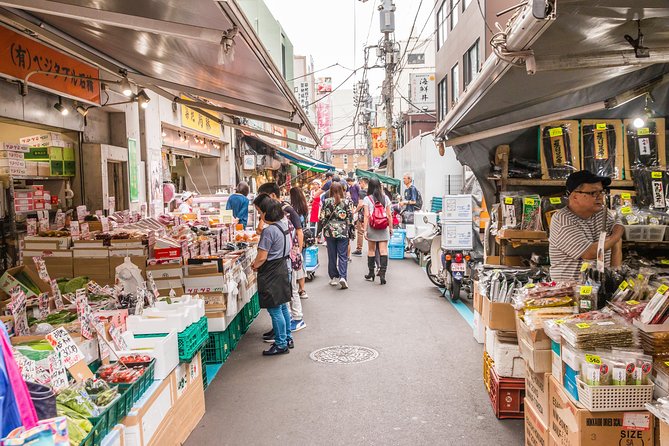
The tour takes about one hour and 30 minutes. That is long enough to get a useful introduction, taste several items, and hear some market background. It is not long enough to explore the entire Outer Market in depth.
The two morning tour choices help, but you should still leave room around the appointment. The exact schedule and meeting instructions matter because arriving at the general market instead of the specific building can cost you valuable time.
The end point is Namiyoke Shrine, at 6-chome 20-37 Tsukiji. Ending there gives you a clear place to continue your morning, but it also means the tour does not return you to the starting building. Keep that in mind when planning your next stop.
The meeting and ending points are near public transportation, according to the supplied details. Most people can participate, but the tour involves walking through market lanes. The information does not provide a detailed accessibility statement, so you should contact the provider if you have mobility needs.
Free cancellation is available until 24 hours before the start time for a full refund. Changes or cancellations inside that period are not accepted, and the cutoff follows Tokyo local time.
What kind of guide should you expect?
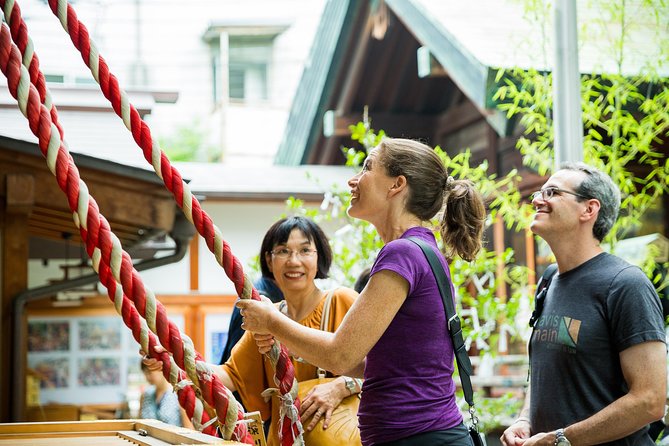
The strongest part of the experience depends on the person leading your group. Several guide names appear in the feedback, including Tadashi, Ted, Shinobu, Monami, and K K. Their praised strengths differ, which gives you a useful picture of the possible experience.
Tadashi brought Japanese cultural context to the market. Ted helped make the language gap less of a problem. Shinobu offered food suggestions that expanded the tasting experience. Monami was warm and considerate, while K K explained the market and guided the group through many shops.
Not every guide will have the same style. One person found the guide less personable and wondered if independent exploration might have been just as good. That is fair criticism. A guide adds value only when the explanations, recommendations, and navigation help you more than the cost and fixed pace limit you.
You can improve the experience by asking direct questions. Ask what a food is, how it is normally eaten, or which stalls are worth revisiting after the tour. The more you engage, the more useful the short format becomes.
Who should book this Tsukiji walk?
I would recommend this tour to you if you are visiting Tsukiji for the first time, want to try sashimi, or feel uneasy navigating Japanese food stalls alone. It also suits anyone who prefers a small group and wants a local guide to handle basic directions and communication.
It is a good choice for a short morning plan. You get a focused introduction without giving up half a day, and the end at Namiyoke Shrine leaves you free to continue exploring Tokyo.
I would think twice if you want a relaxed market crawl. The pace can feel quick, and you may not have time to stop wherever you like. Independent visitors who enjoy reading signs, choosing their own food, and returning to a favorite shop may find the guide less necessary.
Should you book it?
Book this Tsukiji tour if you want fresh sashimi, several small tastings, and clear direction through a 400-shop market. The small group and guide support are the main reasons to pay rather than wander in alone.
Skip it if you already know Tsukiji well or want a long, unhurried meal. For most first visits, though, $39.64 is a fair price for a compact introduction, especially if your guide is as helpful as Tadashi, Ted, Shinobu, Monami, or K K were described to be. Confirm the exact meeting point, arrive ready to walk, and think of the tour as your market orientation rather than the whole Tsukiji experience.
FAQ
How long does the Tsukiji Fish Market tour last?
The tour lasts approximately one hour and 30 minutes.
Where does the tour begin?
It begins at Japan, 104-0045 Tokyo, Chuo City, Tsukiji, 4-chome 7-5, at the Tsukiji Ky Building.
Where does the tour end?
The tour ends at Namiyoke Shrine, 6-chome 20-37 Tsukiji, Chuo City, Tokyo 104-0045.
How many people can join the tour?
The maximum group size is seven people.
Is sashimi included?
Yes. The experience includes fresh sashimi tasting along with several other food samples. The exact selection is not specified.
Can I cancel for a full refund?
Yes. You can cancel at least 24 hours before the start time for a full refund. Cancellations or changes made less than 24 hours before the start time are not accepted.
More Tokyo markets and shopping streets
- Tsukiji Fish Market Guided Tour and Sushi Making with Pro Chef
★ 5.0 · 775 reviews - Tokyo: Tsukiji Fish Market Food and Culture Walking Tour
★ 4.7 · 757 reviews - Tsukiji Fish Market: Street Food & Culture Walking Tour
★ 5.0 · 669 reviews - Tsukiji Fish Market Small-Group Food Walking Tour
★ 5.0 · 621 reviews
Newly reviewed around Tokyo
- Tokyo Asakusa:Calligraphy & Make T-shirt Activity★ 5.0 · 62 reviews
- Intercity Shuttle, Tokyo to Haneda /Narita /Yokohama /Makuhari★ 5.0 · 5 reviews
- 1 Hour Travel around Tokyo with a Professional Photographer★ 5.0 · 3 reviews
- Travel Tokyo with Your Own Personal Photographer★ 5.0 · 43 reviews
- Train in Samurai Swordsmanship and Defeat the Demon in Tokyo★ 5.0 · 5 reviews
- Shuttle Van 6hr Tokyo Tour to-and-from Tokyo, Yokohama and Narita★ 5.0 · 9 reviews
- Kickboxing & Body Training with EX-Pro Fighter★ 5.0 · 4 reviews
- Traditional Japanese Knife Sharpening Class★ 5.0 · 18 reviews
Tsukiji and Toyosu Fish Market Tours, compared.
Tokyo Tsukiji Fish Market Food and Culture Walking Tour
Read our review →
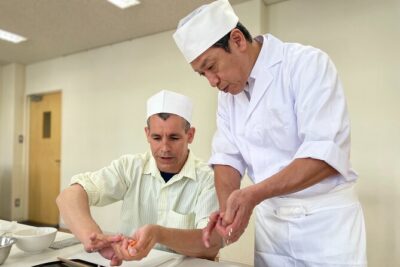
Tokyo Sushi Making Class in Tsukiji with Professional Chef
Read our review →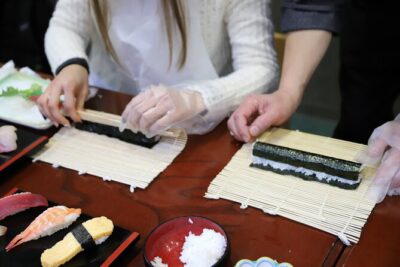
Tsukiji Fish Market Guided Tour and Sushi Making with Pro Chef
Read our review →Tsukiji Fish Market Food and Culture Walking Tour
Read our review →
Tsukiji Fish Market: Street Food & Culture Walking Tour
Read our review →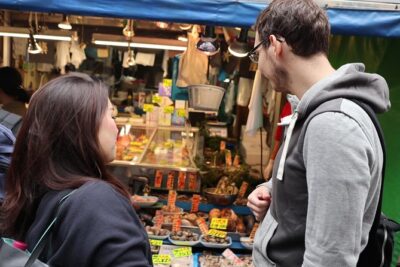
Tsukiji Fish Market Small-Group Food Walking Tour
Read our review →Browse the lists this tour appears in