
Reviewed · TSUKIJI AND TOYOSU FISH MARKET TOURS
Tokyo: Tsukiji Fish Market Seafood & Street Eats
Tokyo’s old fish-market district is best understood on foot, with a guide who can steer you through narrow lanes, explain the food customs, and help you choose what to eat. This tour covers Tsukiji Hongwanji Temple and the Tsukiji Jogai Market, the outer market that remains after the main wholesale market moved to Toyosu.
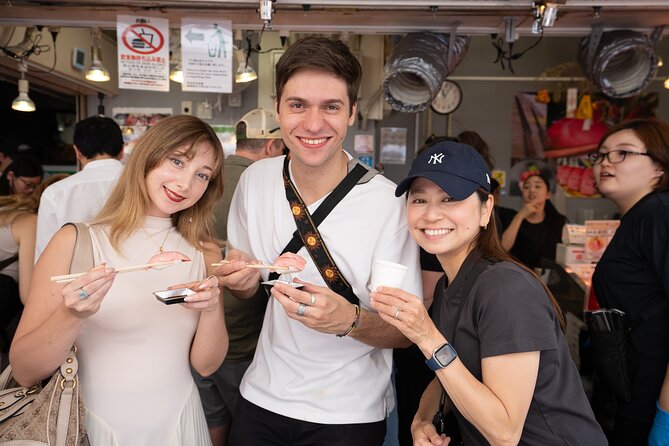
I like the small maximum of 10 people, which gives you room to ask questions and makes it easier to stop at food stalls. I also like the practical help: guides such as Haru have waited in line at popular tuna spots while families looked around, a real advantage when every queue and menu feels new.
The main drawback is simple: food and drinks are not included. Your $42 covers the guide and walking tour, but your final cost depends on how much seafood and street food you buy. Bring an appetite and a separate food budget.
Key points at a glance
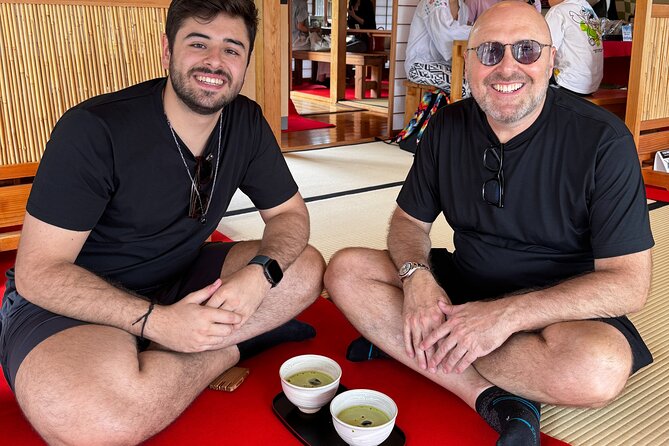
- Tsukiji Hongwanji Temple begins the walk: See the unusual temple architecture before entering the market district.
- The outer market is the main event: Spend about 90 minutes among seafood shops, food stalls, and vendors.
- Your guide can make eating easier: Haru, Toko, and Ryo are among the guides associated with this experience, with help ranging from food suggestions to waiting in line.
- Food is pay-as-you-go: Tuna, sushi, seafood rice crackers, crab, eel, scallops, and other items are available for separate purchase.
- The group is capped at 10: This is small enough for questions without the cost of a private tour.
- The morning timing is useful: The 2.5-hour walk can fit before another Tokyo activity, but you should arrive hungry.
Why Tsukiji still matters after the wholesale move
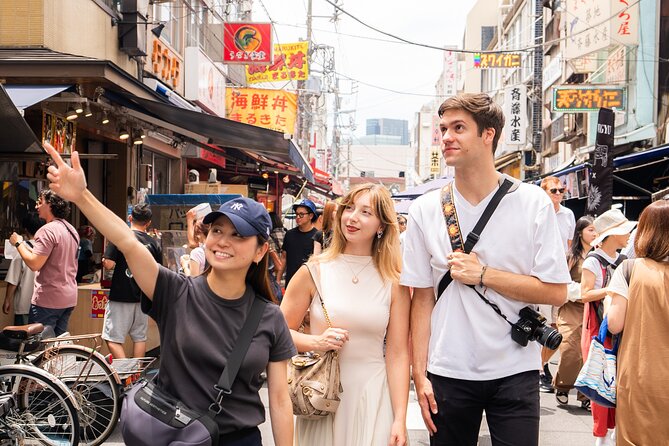
Many visitors arrive in Tokyo expecting the old Tsukiji wholesale market, famous for its tuna auctions. Those auctions now take place elsewhere, but Tsukiji’s outer market remains a busy food district with shops, counters, and stalls selling seafood and Japanese cooking ingredients.
That distinction matters. This is not a behind-the-scenes tour of an active wholesale auction. It is a guided walk through the public market area, where you can see food being prepared and sold, learn how the district developed, and purchase small portions as you go.
I like this format because you get a taste of Tokyo’s food culture without spending half a day in a formal cooking class or restaurant. You are moving through the market, stopping when something catches your eye, and letting the guide explain what you are seeing.
The market can feel confusing at first. There are many shops close together, and food stalls may have different serving styles, prices, and queues. An English-speaking local guide gives the area some order, especially if you want to try several things but do not know where to begin.
More Tsukiji and Toyosu fish market tours:
- Tokyo Tsukiji Fish Market Food and Culture Walking Tour
★ 5.0 · 3,184 reviews - Tokyo: Tsukiji Fish Market Food and Walking tour
★ 5.0 · 1,724 reviews - Tokyo: Tsukiji Fish Market Guided Walking Tour
★ 4.9 · 1,397 reviews
Starting at Tsukiji Hongwanji Temple
The meeting point is at 3-chōme-9-10 Tsukiji, Chuo City. The walk includes Tsukiji Hongwanji Temple, a striking religious site with unusual architecture. It is a good opening stop because it gives you a pause before the food begins.
The temple adds cultural context that a food-only walk might skip. You are not simply being taken from one snack to the next. You first see an important local site, then move into the market district where food, commerce, and neighborhood tradition meet.
The temple stop is included, as is admission to the Tsukiji Jogai Market. The provided schedule does not assign a separate length to the temple visit, so expect it to be part of the opening portion rather than a long formal tour inside the temple.
If you are mainly booking for seafood, do not expect the temple to take up most of the morning. The market receives the larger share of the scheduled time. Still, this first stop helps you understand that Tsukiji is more than a collection of food counters.
Ninety minutes in Tsukiji Fish Market
The first market section lasts about 1 hour and 30 minutes. Your guide introduces the history and culture of Tsukiji, including its connection to the famous tuna auctions, then leads you through the food scene.
This is the part where the guide’s personal choices matter most. A good market guide can help you decide what is worth trying, explain unfamiliar seafood, and keep the pace moving when there are many tempting stops. Guides named Haru, Toko, and Ryo have all been associated with this experience, and each has been praised for a different kind of help.
Haru, in particular, has been useful for families and first-time market visitors. He has waited in line at a popular tuna establishment while people in his group explored nearby. That can save you from standing in a long queue while missing everything else around you.
Ryo’s approach suits people who want to focus on eating rather than a long academic talk. Toko has been especially patient with children. These details are useful if you are choosing this tour for a family or if you want practical food guidance more than a formal lecture.
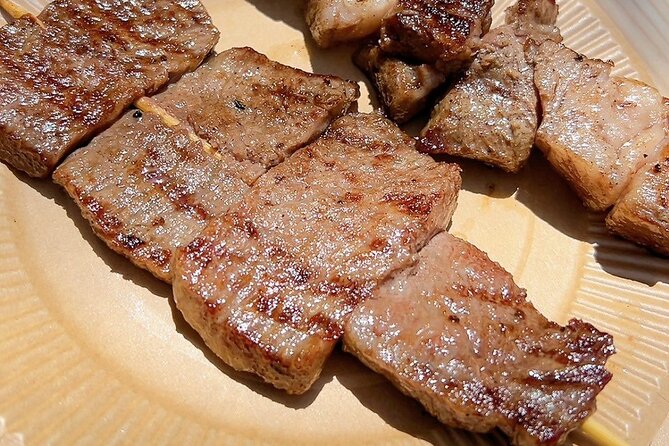
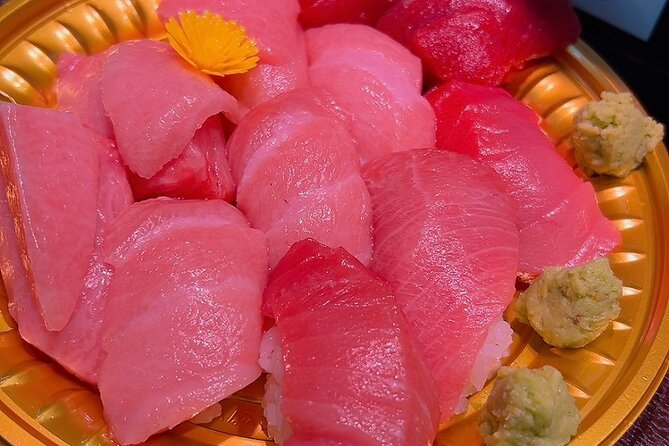
Your purchases might include fatty tuna, fresh sashimi, tuna skewers, seafood rice crackers, or other market specialties. One family’s food stops included three types of fatty tuna, seafood rice crackers, tuna kabobs, giant crab, eel, and scallops. That is not a fixed tasting menu, but it shows the range available if you arrive ready to spend.
The key point is that you choose your own level of eating. You can buy one small taste, sit down for a fuller seafood meal, or pass on a particular stall. Since food is not included, the tour works for both cautious eaters and serious seafood fans, though you need to manage your own budget.
One hour through Tsukiji Jogai Market
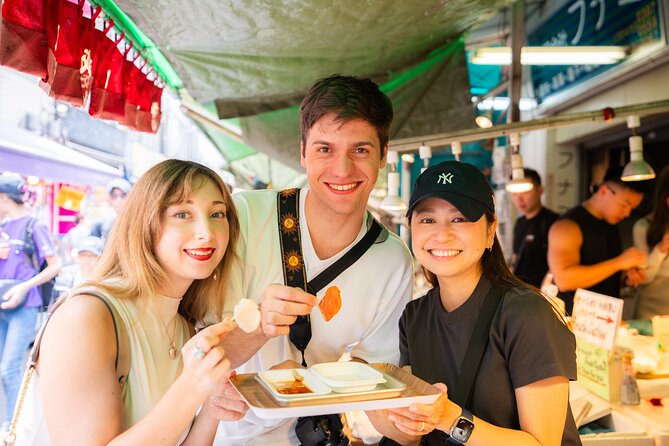
The final market section lasts about one hour in Tsukiji Jogai Market. This is the outer market area packed with food shops, seafood sellers, and Japanese street-food stalls.
The word market can sound simple, but the experience is more about small discoveries than one big attraction. You might stop for a bite, examine a seafood display, ask about a preparation method, then walk a short distance to another stall. The guide’s commentary helps turn that wandering into a story about Japanese food habits.
This section is also where a small group earns its keep. With up to 10 people, the guide can answer individual questions without losing the whole group. You can ask what a dish is, how it is usually eaten, or which item makes sense if you are already full.
The market is not a sightseeing backdrop only. It is a place to eat, and the schedule is arranged around that fact. Wear comfortable shoes, keep your hands free, and avoid planning a heavy breakfast beforehand.
Do remember that the market portion is not a private shopping session. You may need to share narrow spaces with other shoppers and market customers. Queues can affect the pace, and the guide cannot guarantee that every popular stall will be immediately available.
More Tokyo markets and shopping streets:
- Tsukiji Fish Market Guided Tour and Sushi Making with Pro Chef
★ 5.0 · 775 reviews - Tokyo: Tsukiji Fish Market Food and Culture Walking Tour
★ 4.7 · 757 reviews - Tsukiji Fish Market: Street Food & Culture Walking Tour
★ 5.0 · 669 reviews - Tsukiji Fish Market Small-Group Food Walking Tour
★ 5.0 · 621 reviews
What $42 buys you
At $42 per person, this is priced as a guided orientation rather than an all-inclusive food tour. You are paying for an English-speaking local guide, the planned walking route, market access, and the time saved by having someone help you navigate.
The value depends on how comfortable you are exploring Tsukiji alone. If you already know the market, read Japanese menus easily, and enjoy choosing stalls without advice, you may prefer to wander independently and put the full $42 toward food.
For a first visit, I see more value. Tsukiji has enough choices to make a short visit feel scattered, especially when you are trying to balance queues, unfamiliar dishes, and a fixed morning schedule. A guide can help you get to the parts that fit your interests.
The food bill is separate, so plan accordingly. You can spend as little or as much as you like, but the tour price should not be mistaken for a tasting package. A generous seafood morning can push the total well above the advertised rate.
That flexibility is a strength for families and mixed groups. One person can try fatty tuna while another chooses a smaller snack. Children can sample seafood rice crackers or a cooked item instead of committing to raw fish. The guide can offer suggestions, but you remain in charge of each purchase.
Timing, meeting point, and group size
The experience lasts approximately 2 hours and 30 minutes and is scheduled in the morning. That makes it useful on a busy Tokyo day. You can finish the market walk and continue with other plans rather than giving up an entire day.
The activity begins and ends at the same meeting point in Tsukiji. It is near public transportation, but you should still allow enough time to reach the start. The meeting point is in a large urban district, and the practical advantage of a guided tour disappears if you arrive late and are trying to find the group.
The maximum group size is 10 people. That is not a private walk, but it is small enough for direct conversation. It also helps the group move through food stalls without becoming a large crowd of its own.
Most people can participate, according to the activity information. The guide support can also help families manage the route. Haru has accommodated a multigenerational family and adjusted when the group had trouble finding accessible subway exits. That suggests useful flexibility, although you should explain any access needs before booking rather than relying on the guide to solve them on the spot.
Who will enjoy this walk most
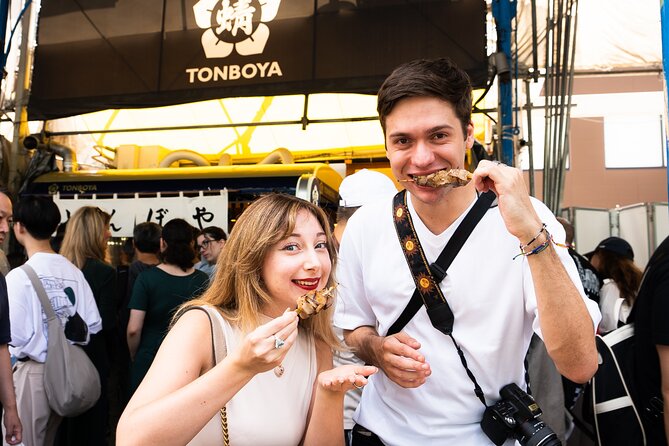
This tour fits first-time Tokyo visitors who want a quick introduction to Tsukiji without having to research every food stall in advance. It is also a strong choice for people who want to sample seafood but need help understanding what they are ordering.
Families can benefit from the short duration and the guide’s ability to adjust the pace. Toko has been particularly patient with children, while Haru has helped multigenerational groups. The small group size makes it easier to keep a family together than on a large bus-style excursion.
Food-focused visitors will appreciate the chance to choose several small bites. The experience suits people who want tuna, sashimi, crab, eel, scallops, and street food in one morning, provided they are comfortable paying separately for each item.
I would be more cautious about booking it if you want a formal tour of the wholesale fish trade or a guaranteed tasting menu. The old tuna auctions are part of Tsukiji’s story, but this activity takes place in the outer market. And because food is extra, the exact meal depends on your choices and what is available during the visit.
Practical advice before you go
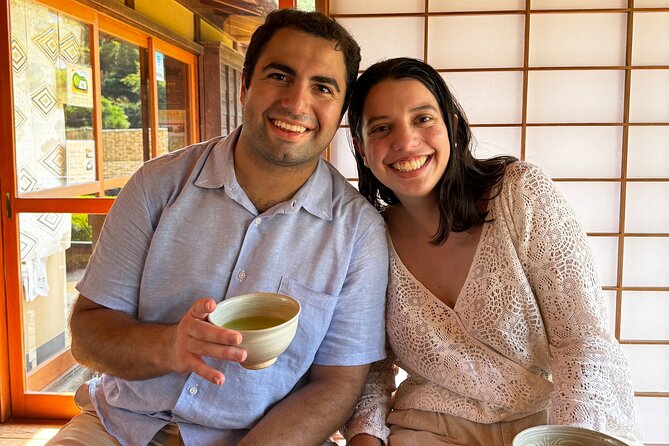
Arrive hungry, but not so hungry that you need a full meal immediately. The best use of the walk is to sample several items rather than spend the entire visit at the first stall.
Bring a separate food budget. The advertised $42 does not cover food or drinks. You can keep spending modest, but the market offers enough tempting seafood that many people will want more than one taste.
Ask your guide what is worth prioritizing. Haru, Toko, and Ryo have each been associated with strong food guidance, and a direct question can help you choose between raw seafood, cooked dishes, and street snacks.
If you use public transportation, check your route and station exits in advance. One family needed extra time to find accessible subway exits, and the guide adapted, but advance planning will make the meeting easier.
Good weather is required. If poor weather cancels the activity, you are offered another date or a full refund. The same applies if the minimum number of participants is not reached. For your own cancellation, you can receive a full refund if you cancel at least 24 hours before the start time. Changes or cancellations inside that window are not accepted.
Should you book the Tsukiji market walk?
Book it if you want a short, guided introduction to Tsukiji with the freedom to buy only what appeals to you. The strongest reasons are the small group, the local English-speaking guides, and the practical help with queues and food choices.
It is especially useful for families, first-time visitors, and anyone who wants to eat seafood without spending hours figuring out the market alone. The temple stop adds a little culture, while the market time keeps the focus on food.
Skip it if you expect a wholesale auction visit, an included tasting menu, or a private tour. The $42 price covers guidance and access, not lunch. For most first-time visitors who value orientation and good food advice, that division is fair, as long as you budget for the dishes you want to try.
FAQ
How much does the Tsukiji Fish Market tour cost?
The tour costs $42 per person. Food and drinks are not included and must be purchased separately.
How long does the experience last?
The experience lasts approximately 2 hours and 30 minutes.
Is the tour held in the morning?
Yes. This is a morning walking tour.
What language does the guide speak?
The tour includes a local Japanese guide who speaks English.
Where does the tour start?
It starts at 3-chōme-9-10 Tsukiji, Chuo City, Tokyo 104-0045, Japan.
Where does the tour end?
The activity ends back at the meeting point.
Does the tour include Tsukiji Hongwanji Temple?
Yes. Admission to Tsukiji Hongwanji Temple is included.
Does the tour include Tsukiji Jogai Market?
Yes. Entry to Tsukiji Jogai Market is included.
How many people can join the tour?
The maximum group size is 10 people.
Can I cancel for a full refund?
Yes. You can cancel at least 24 hours before the start time for a full refund. Poor weather or failure to meet the minimum number of participants may also lead to a different date or a full refund.
Newly reviewed around Tokyo
- Tokyo Asakusa:Calligraphy & Make T-shirt Activity★ 5.0 · 62 reviews
- Intercity Shuttle, Tokyo to Haneda /Narita /Yokohama /Makuhari★ 5.0 · 5 reviews
- 1 Hour Travel around Tokyo with a Professional Photographer★ 5.0 · 3 reviews
- Travel Tokyo with Your Own Personal Photographer★ 5.0 · 43 reviews
- Train in Samurai Swordsmanship and Defeat the Demon in Tokyo★ 5.0 · 5 reviews
- Shuttle Van 6hr Tokyo Tour to-and-from Tokyo, Yokohama and Narita★ 5.0 · 9 reviews
- Kickboxing & Body Training with EX-Pro Fighter★ 5.0 · 4 reviews
- Traditional Japanese Knife Sharpening Class★ 5.0 · 18 reviews
Tsukiji and Toyosu Fish Market Tours, compared.
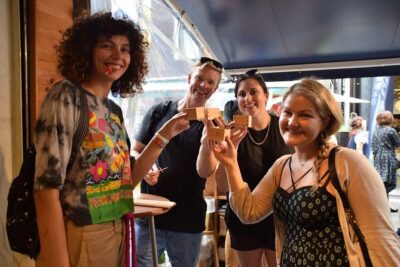
Tokyo Tsukiji Fish Market Food and Culture Walking Tour
Read our review →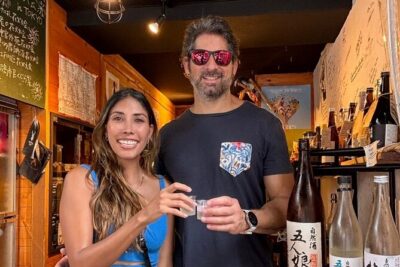
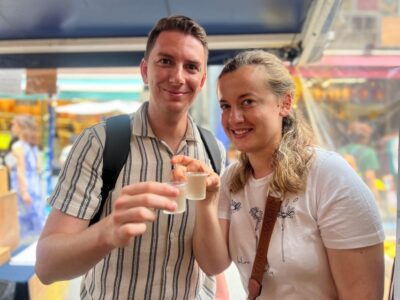
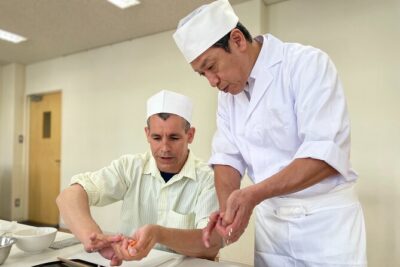
Tokyo Sushi Making Class in Tsukiji with Professional Chef
Read our review →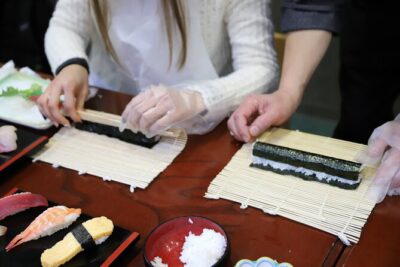
Tsukiji Fish Market Guided Tour and Sushi Making with Pro Chef
Read our review →Tsukiji Fish Market Food and Culture Walking Tour
Read our review →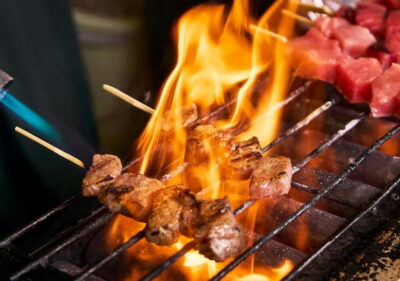
Tsukiji Fish Market: Street Food & Culture Walking Tour
Read our review →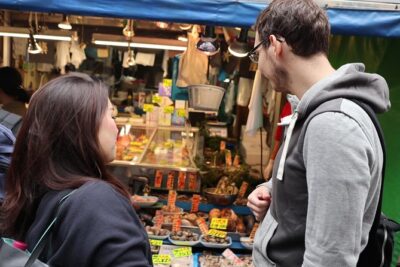
Tsukiji Fish Market Small-Group Food Walking Tour
Read our review →Browse the lists this tour appears in