
Reviewed · TOKYO SUMO EXPERIENCES
Tokyo Sumo Morning Practice Tour w/ Ring-Side Seat + Photo Shoot
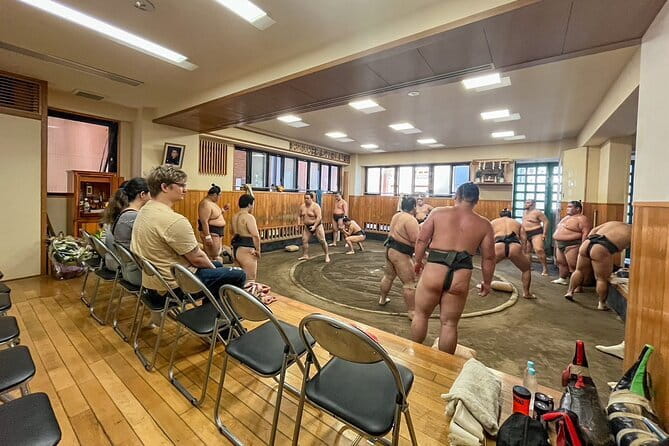
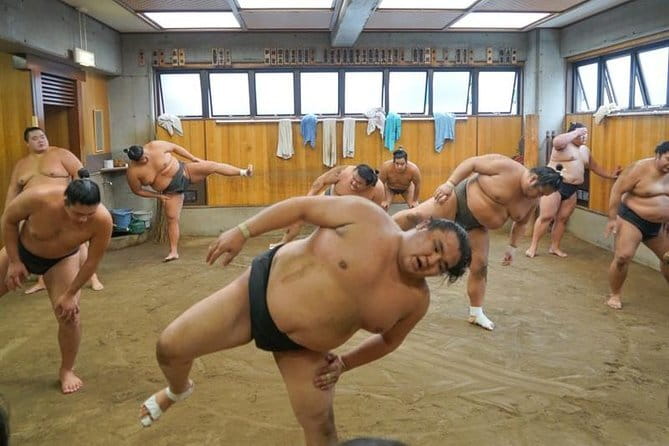
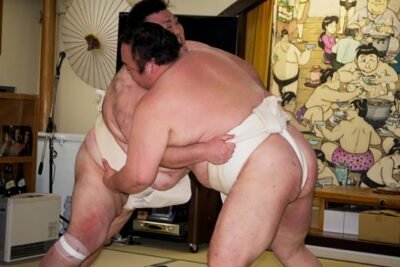
At this real sumo stable, you watch wrestlers train at close range rather than sit in a stadium and see only the polished contest. Morning practice can include stretching, repeated exercises, and hard practice bouts, with the wrestlers working under the watch of their stable master and senior trainers. It is quiet, serious, and far more demanding than a staged cultural show.
I like two things right away: the small group, limited to 10 people, and the guide who explains what you are seeing. Guides such as Marie add useful context, especially if you are new to sumo. I also like the follow-up photo opportunity, although photography with wrestlers depends on the stable’s rules that day.
The main thing to consider is the early start and strict timing. You meet at 8:30 am, and late arrivals cannot join or receive a refund. Seating is on a first-come basis, so arriving promptly matters if you want the closest available place on the tatami.
Key points before you book
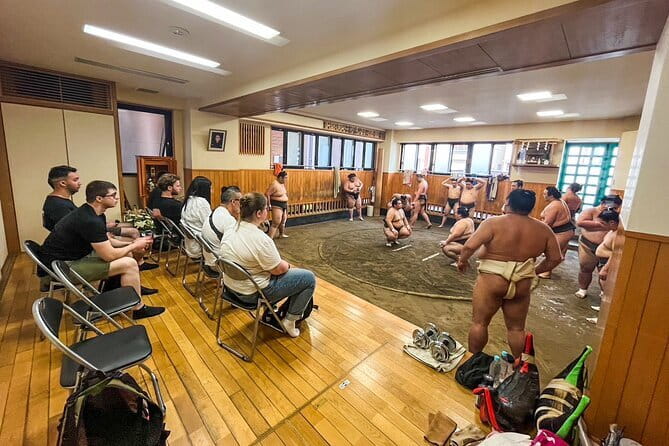
- Watch training inside a working sumo stable: This is a practice session, not a theatrical demonstration or a chance to enter the ring.
- Small group of up to 10 people: The limited size helps keep the visit orderly and gives you a better chance of seeing the action.
- Meet at Kiyosumi Shirakawa Station at 8:30 am: A local guide leads you on the short walk to the stable.
- Expect about 90 minutes of practice: The session may be shorter or longer depending on the stable’s schedule.
- Photo session included when permitted: Stable rules control all photography, including photos with wrestlers.
- Kiyosumi Gardens finishes the morning: The final 30 minutes offer a calmer setting after the intense practice.
Why this feels like real sumo, not a stage show
Sumo has plenty of ceremony and spectacle, but this tour focuses on the work behind the match. You see wrestlers repeat movements, stretch, prepare their bodies, and face one another in practice bouts. The emphasis is on discipline and technique, not on putting on a performance for an audience.
That distinction matters. One of the strongest reasons to book this outing is that it avoids the hokey approach sometimes used in sports-themed activities. You do not enter the ring for a novelty bout. You watch the athletes train, which gives you a clearer sense of their strength, balance, agility, and concentration.
The practice can be intense. Some wrestlers are enormous, while others appear closer to ordinary athletic builds. That contrast helps you understand that sumo is not simply about body size. You can watch different physiques work through the same demanding sport, each relying on power, timing, and control.
The stable is also a place of rules and respect. Only the tatami areas are open to the public, and other parts of the building are off-limits. You need to follow instructions closely and avoid interrupting the session. This is a working training space, not a museum designed for casual wandering.
More Tokyo sumo experiences:
- Tokyo: Sumo Show and Dining Experience
★ 4.8 · 2,742 reviews - the SUMO show
★ 5.0 · 1,960 reviews - Tokyo Shinjuku Sumo Show & Experience with Photo
★ 5.0 · 1,750 reviews
The 8:30 am meeting at Kiyosumi Shirakawa
The morning begins at 3-chōme-11-1 Kiyosumi, near Kiyosumi Shirakawa Station. Your guide takes you from the meeting point to the sumo stable. The walk is short, but do not treat the start time casually. The tour begins promptly, and a late arrival cannot join the group.
I recommend arriving early enough to find the station exit and meeting point without rushing. Tokyo’s station areas can be confusing, and missing this particular start has serious consequences. Same-day changes and requests cannot be handled, and there is no refund or rescheduling for a missed start.
A guide is important here. The route itself may be simple, but the stable visit benefits from someone who can explain what is happening without distracting from the training. Marie is specifically associated with this tour, and her explanations have included the sport’s basic ideas, the wrestlers’ work, and the meaning behind what you see.
If you have never watched sumo before, ask questions after practice. A short explanation of the sport’s history and basic rules can make the session much easier to follow. If you already follow sumo, you can focus on the physical details and the atmosphere inside the stable.
Ninety minutes beside the practice ring
The main visit lasts about an hour and a half, although the exact length can change. You watch from the tatami area, with no separate entrance fee for the practice itself. The tour description calls the seating ring-side, but the practical detail is that seats are assigned on a first-come basis.
That means your arrival time can affect your view. If several groups are placed at the same stable, later arrivals may be seated farther from the front. Depending on the day, you might be asked to sit or stand according to the stable’s instructions. Treat the seating arrangement as part of the stable’s rules rather than something the tour can guarantee.
The training may include a mix of stretching, repetitive exercises, and practice bouts. You can expect the wrestlers to remain focused on their work. The small audience does not turn the session into a show, and that is part of its appeal. You are watching athletes maintain their routine, not perform a simplified version for tourists.
The quiet can be as striking as the physical effort. Sumo practice has a strong sense of discipline and reverence toward teachers and the training process. You may notice the relationship between wrestlers and the stable master or head trainer, as well as the concentration among the athletes themselves.
Photography during practice is not guaranteed. Each stable sets its own policy, and on some days you may not be allowed to photograph the wrestlers or take photos with them. Keep your phone ready only if the guide and stable permit it. The priority is observing respectfully.
You can leave before practice ends if necessary, but once you exit, you cannot re-enter. Restroom access may not be available during the session, so use the facilities before the tour begins. This is a small practical point, but it matters during a long, quiet visit where moving around can be disruptive.
The photo opportunity, with an important condition
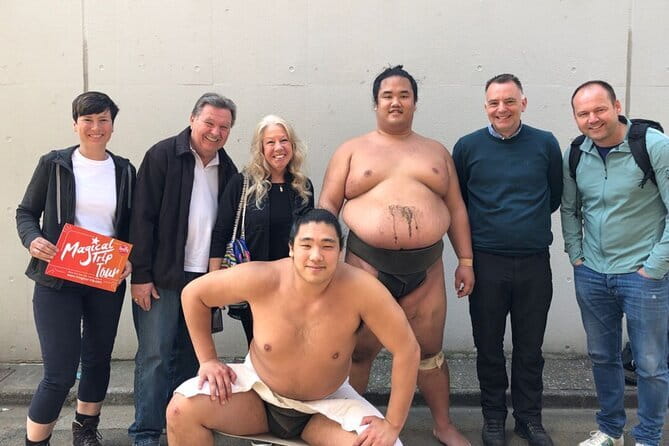
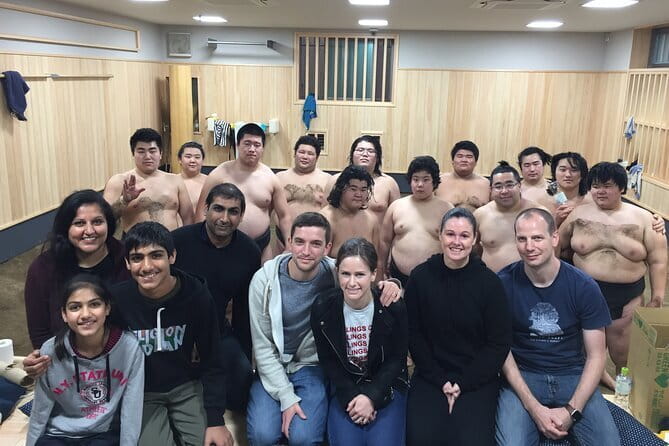
A photo shoot with sumo wrestlers is part of the advertised appeal, and it can give you a memorable record of the morning. It is especially useful for families with children aged 12 or older and for anyone who wants something more personal than a few distant pictures.
Still, do not book this tour on the assumption that a wrestler photo is guaranteed in every circumstance. Photography rules belong to the stable, and those rules can change by day. The stable may prohibit photographs during practice or with the wrestlers.
This is a good example of why the visit should be valued first as a chance to watch training. If the photo goes ahead, treat it as a welcome extra. If it does not, the main experience remains the practice session itself.
More Tokyo photo shoots:
- Tokyo Ryogoku Sumo Morning Practice + Photo Shoot with Wrestlers
★ 4.5 · 277 reviews - Tokyo Cyberpunk Street Photo Tour
★ 5.0 · 165 reviews - Tokyo Shinjuku Night Photo Tour with Pro Gota
★ 5.0 · 142 reviews - Tour with Pro Tokyo Photographer and take Edgy Unique Portraits
★ 5.0 · 80 reviews
Kiyosumi Gardens adds a quieter second act

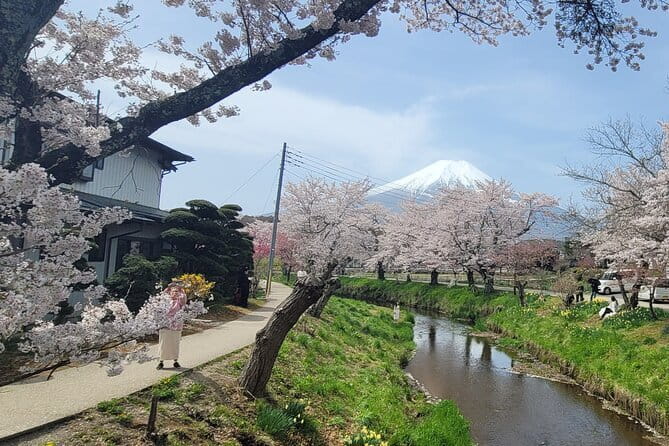
After the stable visit, the tour ends with about 30 minutes at Kiyosumi Gardens. The garden gives you time to cool down and collect your thoughts after the close, noisy bursts of training.
This final stop is not another major attraction with a long guided program. It is a gentle finish. You can use it to ask remaining questions, talk through what you saw, and enjoy a change of pace. The garden also makes the two-hour schedule feel more rounded than a simple trip in and out of the stable.
The tour ends back at the meeting point. Since the practice length can vary, the end time may be earlier or later than expected. Keep that in mind if you have a timed reservation immediately afterward.
Is $99.10 good value?
At $99.10 per person, this is not a budget morning activity, but the price includes access arranged at a working stable, a guide, a small group, and the garden stop. There is no separate entrance fee for the practice, so you are mainly paying for the organized access and interpretation.
The value is strongest if you cannot attend a tournament or want to understand what happens away from the official bouts. A tournament gives you the excitement of competition, but a stable visit shows the preparation behind it. For a sumo fan, that distinction can justify the cost.
It is also good value for a first-time visitor who would not know how to arrange a stable visit independently. The guide handles the meeting and walk, explains the setting, and helps you understand the sport without turning the morning into a lecture.
The value is weaker if you mainly want guaranteed photos, a long personal meeting with wrestlers, or a hands-on activity. The rules are controlled by the stable, and the visit is primarily observational. You are buying access to serious training, not a meet-and-greet package with fixed photo rights.
Who will enjoy this most?
This tour suits sumo fans who are in Tokyo outside tournament dates. It also works well for sports fans who appreciate the less polished side of competition: drills, repetition, hard contact, and the daily work that supports a public match.
It is a good pick for first-time sumo viewers, provided you are willing to ask questions. The practice itself may not explain every rule, so a short conversation with the guide afterward can help you understand what you saw.
Families can join if every child is at least 12 years old. Children under 12 are not permitted inside the stable, and the operator may deny participation without a refund if a younger child is brought along.
The outing may be less suitable if you need flexible timing, easy restroom access, or guaranteed seating close to the ring. It also requires respectful behavior and patience. The stable’s needs come first.
What to wear and bring for the morning
Dress for the season. Tokyo can reach about 40°C in summer and drop as low as -5°C in winter, so the same outfit will not work year-round. Wear something comfortable for a morning that includes walking, sitting, and possibly waiting according to stable instructions.
Use the restroom before meeting the guide. Access may not be available during practice, and leaving early means you cannot re-enter.
Bring a phone or camera only if photography is allowed. Do not assume that a good photo is guaranteed. Most important, bring punctuality and a willingness to follow the stable’s rules. A disruptive visitor can be refused entry or participation without a refund.
Cancellation and schedule changes
You can cancel for a full refund up to 24 hours before the start time. Cancellations made less than 24 hours before the tour are not refunded, and changes inside that period are not accepted.
The stable can also change or cancel practice at short notice because of a wrestler’s condition or tournament commitments. If the stable cancels, a full refund is issued. The operator may sometimes request a different date or time depending on stable availability.
This uncertainty is normal for an activity built around a working sports organization. Keep your schedule slightly open after the tour, since the practice may finish earlier or later than the estimated two hours.
Should you book this Tokyo sumo morning?
Book it if you want serious, close-up sumo training rather than a staged activity. The limited group, guide support, and access to a real stable make this a strong choice for fans and curious first-time viewers alike.
Skip it if you need a guaranteed photo, flexible arrival, or a hands-on bout. The stable controls the rules, seating, schedule, and photography.
For most people who can arrive early and accept those limits, $99.10 is a fair price for a rare look at the work behind Japan’s national sport. The best reason to go is not the photo at the end. It is the chance to sit quietly near the practice ring and watch the athletes earn their place.
FAQ
Where does the tour meet?
Meet at 3-chōme-11-1 Kiyosumi, Koto City, Tokyo 135-0024, near Kiyosumi Shirakawa Station.
What time does the tour start?
The tour starts at 8:30 am and begins promptly.
How long does the experience last?
The estimated duration is about two hours. Practice may run shorter or longer, so the ending time can vary.
How many people can join?
The tour has a maximum of 10 people. Depending on the number of participants, the group may be divided among different stables.
Are children allowed to join?
Only people aged 12 and over may enter the sumo stable. Children under 12 are not permitted inside.
Can I take photos during practice?
Photography depends on the rules of the sumo stable on that day. Photos of wrestlers or photos with wrestlers may not always be permitted.
Is seating guaranteed close to the ring?
Seating is first-come, first-served. Later arrivals may be seated farther from the front.
What happens if the stable cancels the practice?
If the stable cancels because of the wrestlers’ condition or tournament commitments, a full refund is issued.
More early morning tours in Tokyo
- Tokyo: Sumo Morning Practice Viewing Tour
★ 4.8 · 570 reviews - Tokyo: Sumo Morning Training Visit
★ 4.4 · 370 reviews - Tokyo: Sumo Morning Practice Tour at Sumida City
★ 4.8 · 308 reviews - Tokyo Sumo Morning Practice Tour at Stable
★ 5.0 · 298 reviews
Newly reviewed around Tokyo
- Tokyo Asakusa:Calligraphy & Make T-shirt Activity★ 5.0 · 62 reviews
- Travel Tokyo with Your Own Personal Photographer★ 5.0 · 43 reviews
- Intercity Shuttle, Tokyo to Haneda /Narita /Yokohama /Makuhari★ 5.0 · 5 reviews
- 1 Hour Travel around Tokyo with a Professional Photographer★ 5.0 · 3 reviews
- Train in Samurai Swordsmanship and Defeat the Demon in Tokyo★ 5.0 · 5 reviews
- Shuttle Van 6hr Tokyo Tour to-and-from Tokyo, Yokohama and Narita★ 5.0 · 9 reviews
- Kickboxing & Body Training with EX-Pro Fighter★ 5.0 · 4 reviews
- Traditional Japanese Knife Sharpening Class★ 5.0 · 18 reviews
Tokyo Sumo Experiences, compared.
Tokyo Shinjuku Sumo Show & Experience with Photo
Read our review →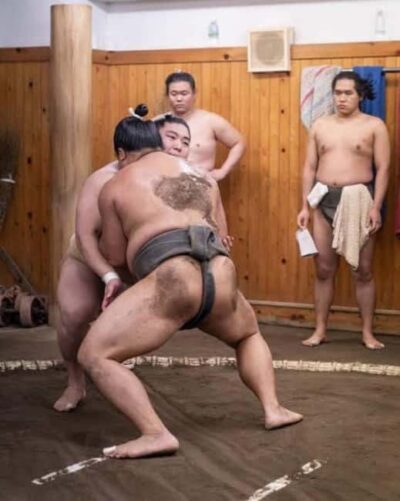

Luxury Sumo Show Experience & Japanese cuisine & Drink
Read our review →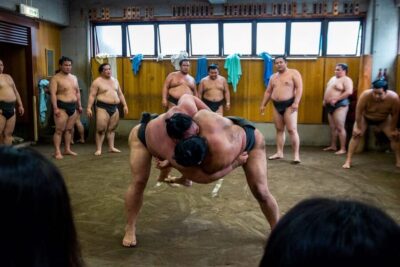
Tokyo Sumo Experience: Chanko & Mochi with a Former Pro
Read our review →
Ultimate Sumo Tournament: Tokyo, Osaka, Nagoya, Fukuoka
Read our review →Browse the lists this tour appears in