
Reviewed · TOKYO PHOTO SHOOTS
Tokyo Cyberpunk Street Photo Tour
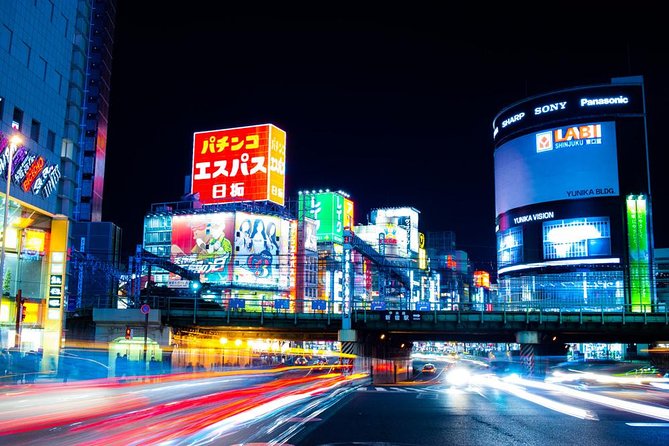
Tokyo after dark is made for a camera. Neon signs glow above narrow lanes, crowds stream across Shibuya Crossing, and even a simple street corner can turn into a strong photograph. This small-group walk gives you time to work on those scenes instead of merely passing them.
I like the hands-on instruction, especially the way guides such as Charles and Lukasz adjust advice to your camera or phone. I also like the small group, which can mean real one-to-one help with shutter speed, framing, contrast, and long exposure. The main caution is pace: one guide reportedly walked too quickly for two participants, so stay close and speak up if you need a slower walk.
Key points to know before booking
- Shinjuku comes first: Begin among Kabukicho’s signs, traffic, and evening crowds, then work toward smaller streets and Omoide Yokocho.
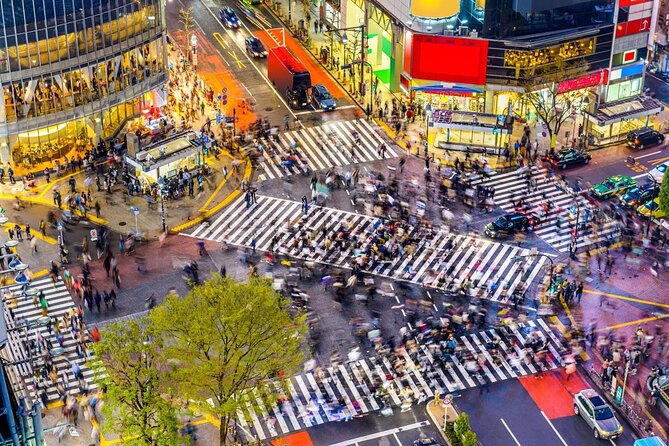
- Shibuya finishes the night: The final stop is Shibuya Crossing, where long exposure can turn moving crowds into striking streaks of light.
- Phones are welcome: The guides offer practical advice for iPhones and other smartphones, not just interchangeable-lens cameras.
- Small means personal: The maximum group size is four, though some departures may have fewer people.
- You pay for the train transfer: The ride from Shinjuku to Shibuya is at your own expense.
- Allow roughly three hours: The published details vary between about 2.5 and 3 hours, with a 7 p.m. start.
Why Tokyo night photography works so well
Tokyo gives you several kinds of photographs in a short walk. You get bright signs, dark lanes, reflective surfaces, passing faces, layered shopfronts, and crowds moving through strong geometric lines.
That variety is useful if you are learning. You can try a longer exposure in one place, then switch to candid street images or close details a few minutes later. The guide’s role is not only to point out famous views. It is to help you notice what makes an image work.
The experience is aimed at photography, not a broad sightseeing lecture. You will hear some local information as you move through Shinjuku and Shibuya, but the main goal is to improve your pictures. One participant described it as a strictly photography-focused evening, which is helpful if you want a workshop but less appealing if you want a detailed cultural tour.
More Tokyo photo shoots:
- Tokyo Ryogoku Sumo Morning Practice + Photo Shoot with Wrestlers
★ 4.5 · 277 reviews - Tokyo Shinjuku Night Photo Tour with Pro Gota
★ 5.0 · 142 reviews - Tokyo Sumo Morning Practice Tour w/ Ring-Side Seat + Photo Shoot
★ 5.0 · 93 reviews
Meeting near Shinjuku Station at 7 p.m.
The meeting point is outside Happy Lemon Keio Shinjuku Shop at 1-chōme-1-4 Nishishinjuku. Shinjuku Station is enormous, so give yourself extra time to reach the correct side of the station and find the shop.
This is one of the few practical weak spots. A participant arrived at the station early but still needed about ten extra minutes to locate the group. The meeting directions may be clear to someone who knows Shinjuku, but the station can be confusing on a first visit. If you are unsure, contact EYExplore Tokyo for more precise directions before the evening begins.
The tour starts at 7 p.m., when Tokyo is fully in its night rhythm. Bring a charged phone or camera battery. The supplied information does not state that equipment is provided, so plan to use your own camera or smartphone.
Kabukicho after dark
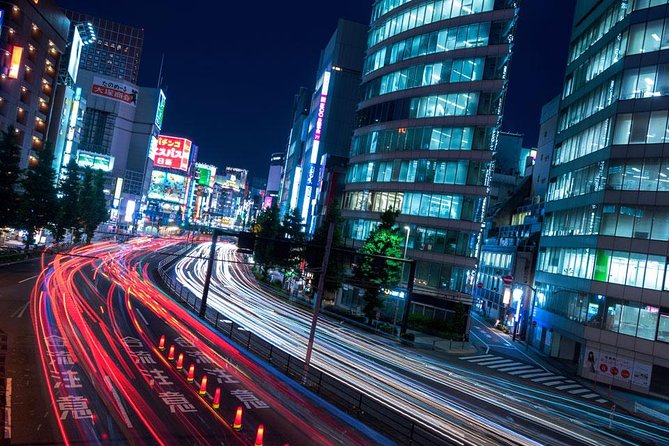
The first main stop is Kabukicho, with about an hour set aside for photography. This is a strong opening because you have time to settle into the night rather than rushing straight to the famous crossing.
Expect illuminated signs, traffic, people moving between restaurants and entertainment venues, and plenty of visual clutter. That clutter is part of the lesson. You need to decide what belongs in the frame and what should be left out.
Your guide may help you work with exposure, focus, composition, and the balance between bright signs and dark streets. A camera with some control over shutter speed or overall exposure is useful, but you do not need advanced skills. The instruction is designed for beginners as well as experienced photographers.
If you use a phone, the advice can be surprisingly practical. Lukasz helped participants with framing, contrast controls, and the lock function on a phone camera. Charles also worked with phone users and showed them how to make better use of their iPhones. You will not need to own a professional camera to get value from the walk.
Omoide Yokocho and the smaller Tokyo frame
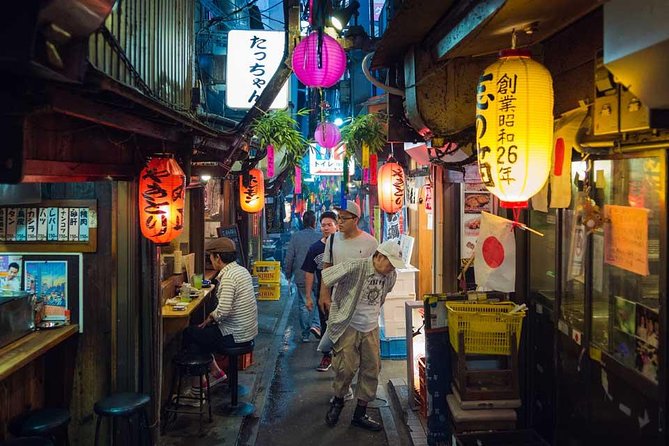
The tour then spends about 30 minutes at Omoide Yokocho, also called Memory Lane. This narrower area gives you a change of scale from the broad signs and open streets of Kabukicho.
Here, look for compressed views, glowing restaurant fronts, narrow passages, and small details. The setting can help you practice finding a subject instead of simply photographing the biggest sign. A guide who knows the area can also save you time by leading you toward useful positions rather than leaving you to search at random.
That is one of the best reasons to book a guided photography walk. You may recognize Omoide Yokocho on a map, but finding a good angle while managing settings and avoiding blocked views is another matter. The guides have been praised for showing participants where to stand and for offering a demonstration followed by time to practice.
The stop is short, so do not expect a long meal break or a relaxed restaurant visit. This is a photography stop. If you want to eat at Omoide Yokocho, you should treat that as a separate plan before or after the tour.
A completely different kind of day in Tokyo:
- Mt Fuji and Hakone 1-Day Bus Tour Return by Bullet Train
★ 5.0 · 26,383 reviews - 1-Day Tokyo Bus Tour
★ 5.0 · 14,250 reviews - Tokyo: teamLab Planets TOKYO Digital Art Museum Entry Ticket
★ 4.6 · 9,779 reviews - Mt Fuji & Hakone Cruise, Drum Show Bullet Train 1 Day from Tokyo
★ 4.0 · 7,413 reviews
The train from Shinjuku to Shibuya
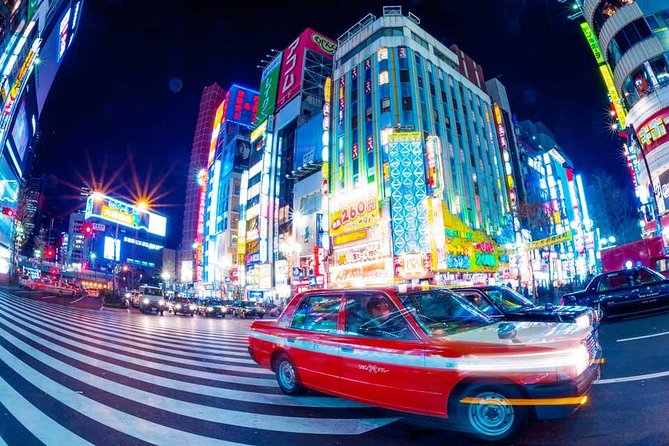
After working through Shinjuku, you travel by train to Shibuya. The fare is not included, so carry money or a usable transit payment method. The supplied details call out bus fare as excluded, while the route itself describes a train transfer. Either way, expect to pay the local transport cost yourself.
This transfer divides the evening into two useful sections. Shinjuku gives you signs, lanes, and smaller urban scenes. Shibuya brings bigger crowds and a more open, high-energy setting.
Keep your group together during the move. Shinjuku and Shibuya stations can be crowded and confusing, and one participant had trouble keeping up during the walking portion. The issue appears to be pace rather than the route itself. If you walk slowly, need more time to adjust equipment, or are traveling with someone who does, say so at the start.
Shibuya Crossing and the final photographs
The final featured stop is Shibuya Crossing, with about 45 minutes devoted to the area. This is the classic Tokyo night image: waves of people cross under glowing signs while traffic and buildings frame the scene.
The guide can show you how to use a slower shutter speed for light trails and movement. Long exposure is one of the main techniques associated with this tour, but it works best when you understand the tradeoff. A slower shutter can blur moving people, while a faster shutter can freeze them. Bright signs also make exposure tricky, so the instructor’s help matters here.
You may also work on composition. The crossing is visually loud, and it is easy to point your camera at the crowd and press the button without creating a clear image. Your guide can help you look for lines, layers, repeating shapes, and a cleaner arrangement of signs and people.
The tour ends near Shibuya Station at 2-chōme-2-1 Dōgenzaka. That is convenient if you want to continue exploring Shibuya, return to your hotel, or find dinner nearby. It also means the tour does not return you to Shinjuku, so plan your evening around the finish point.
What the photography lesson is really like
This is not a classroom lecture. The useful pattern is usually demonstration, adjustment, and practice. You try a setting, show the result, and receive a correction.
Guides named Charles, Lukasz, Luke, and Stephane have led different departures. Their styles may vary, but the strongest pattern is individual help. Charles has been praised for being patient with camera settings and for making sure each person received attention. Lukasz has been described as friendly and careful, with a workshop style that moved from explanation to practice. Stephane helped with composition and encouraged participants to look for lines, color, and interesting fragments.
That variety matters because the group may contain a complete beginner and someone with years of camera experience. The maximum is four, so there is a fair chance of personal instruction, though the amount of attention depends on the guide and the group.
Bring questions. If you want to learn how to control shutter speed, ask early. If your phone keeps changing exposure, ask for help with focus and exposure lock. If you are unsure how to frame a crowded street, ask the guide to explain what they see before taking the picture.
Camera, phone, tripod, and walking advice
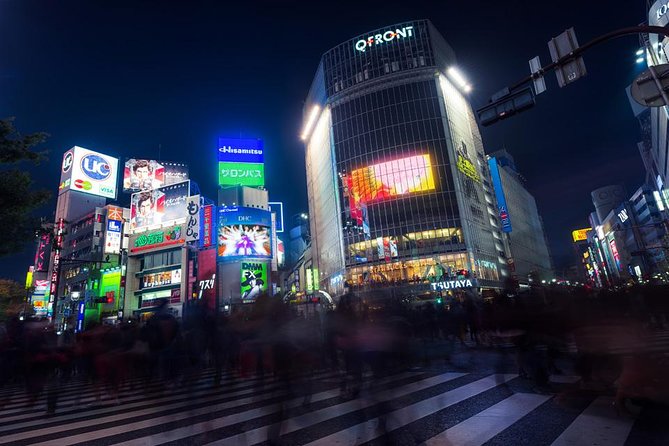
You can join with a camera or smartphone. A camera that allows control over shutter speed or overall exposure will give you more room to practice night photography. A tripod is suggested in one set of practical guidance, but the supplied details do not say that one is provided.
A tripod can help with long exposure, but Tokyo streets are crowded and you will be walking between stops. If you bring one, keep it compact and be ready to pack it away quickly. A phone is simpler and still works well for this tour, especially if you learn how to control exposure, contrast, and the lock function.
Wear comfortable walking shoes. The route includes Kabukicho, Omoide Yokocho, the train transfer, and Shibuya Crossing. The total time is listed as about three hours, while the detailed description also calls it a 2.5-hour adventure. Treat it as an evening walk lasting roughly 2.5 to 3 hours.
The biggest practical issue is staying with the group. In Shinjuku and Shibuya, it is easy to stop for a photograph and lose sight of the guide. Watch the group when crossing streets and entering stations. If you need to stop, signal clearly rather than falling behind.
Is $184.99 good value for two people?
The price is $184.99 per group of up to two people. That makes the cost more attractive for a couple or two friends sharing the booking. It is less appealing for a solo photographer who pays the same group rate, though a solo departure can offer more direct instruction.
You are paying for access to a professional photography instructor, route planning, and practical help in places that are difficult to photograph efficiently on your own. The value is strongest if you want to improve a real skill and leave with better night images, not simply walk past famous Tokyo sights.
The price does not include the train fare between Shinjuku and Shibuya. It also does not include food, drinks, or equipment. Those extra costs should be small compared with the tour price, but they are worth knowing before you book.
The tour is especially good value for a beginner who wants clear settings advice without committing to a full private lesson. It is also useful for an experienced photographer who wants local guidance on viewpoints and composition. If you already know your camera well and only want sightseeing, the price may feel high for a three-hour walk.
Weather, cancellation, and group size
The experience requires good weather. If poor weather forces a cancellation, you are offered another date or a full refund. Otherwise, the booking is non-refundable and cannot be changed for any reason, so choose your date carefully.
The group maximum is four people. That is small enough for the guide to check settings and answer questions, but it is not always a private tour. The price covers up to two people, and a departure may have fewer participants.
Most people can take part, and the meeting point is near public transportation. The route includes walking through crowded districts and stations, so consider your comfort with city walking and staying on the move.
Who should book this Tokyo photo walk?
I would choose this tour if you meet one or more of these conditions:
- You want night photos of Shinjuku and Shibuya but do not know where to begin.
- You use a phone and want better control over exposure and composition.
- You own a camera but rarely use manual settings.
- You want a small group rather than a large sightseeing walk.
- You care more about making photographs than hearing a long history of the neighborhoods.
- You are visiting Tokyo early in your trip and want a guided introduction to the city after dark.
I would think twice if you dislike walking at a brisk pace, need a long time at each location, or want a broad cultural tour. The evening is focused on images. You will gain photography skills and see memorable streets, but the guide may not provide the sort of detailed local history you would get on a dedicated city tour.
Should you book the Tokyo Cyberpunk Street Photo Tour?
Book it if you want an active photography lesson in two of Tokyo’s most recognizable night districts. The best parts are the small group, the hands-on camera and phone advice, the change from Shinjuku’s tighter streets to Shibuya’s huge crossing, and the chance to practice long exposure where it actually matters.
Before paying, make sure you can reach the Shinjuku meeting point on time, budget for the train, and accept the strict cancellation terms. Keep close to the guide, especially if you stop often for photographs.
For a phone photographer or beginner, this may be the easiest way to return home with better Tokyo night images. For an experienced shooter, its value lies in the route, the selected viewpoints, and a second set of eyes on your composition.
FAQ
Where does the Tokyo Cyberpunk Street Photo Tour start?
It starts at Happy Lemon Keio Shinjuku Shop, 1-chōme-1-4 Nishishinjuku, Shinjuku City, Tokyo 160-0023, Japan.
What time does the tour begin?
The start time is 7 p.m.
Where does the tour finish?
It finishes near Shibuya Station at 2-chōme-2-1 Dōgenzaka, Shibuya, Tokyo 150-0043, Japan.
How long does the experience last?
The tour is described as approximately three hours. The detailed description also gives a duration of about 2.5 hours, so plan for an evening lasting roughly 2.5 to 3 hours.
What neighborhoods does the tour visit?
The route includes Shinjuku and Shibuya, with stops in Kabukicho, Omoide Yokocho, and at Shibuya Crossing.
Can I use a smartphone instead of a camera?
Yes. The activity allows a camera or smartphone, and the guides provide tips for phone photography, including exposure and composition.
Is transportation included?
No. The local train journey from Shinjuku to Shibuya is at your own expense. Bus fare is also listed as not included.
How many people can join?
The maximum group size is four people. The price of $184.99 covers a group of up to two.
What happens if bad weather cancels the tour?
If poor weather causes cancellation, you are offered a different date or a full refund. The experience is otherwise non-refundable and cannot be changed for any reason.
Newly reviewed around Tokyo
- Tokyo Asakusa:Calligraphy & Make T-shirt Activity★ 5.0 · 62 reviews
- Intercity Shuttle, Tokyo to Haneda /Narita /Yokohama /Makuhari★ 5.0 · 5 reviews
- 1 Hour Travel around Tokyo with a Professional Photographer★ 5.0 · 3 reviews
- Travel Tokyo with Your Own Personal Photographer★ 5.0 · 43 reviews
- Train in Samurai Swordsmanship and Defeat the Demon in Tokyo★ 5.0 · 5 reviews
- Shuttle Van 6hr Tokyo Tour to-and-from Tokyo, Yokohama and Narita★ 5.0 · 9 reviews
- Kickboxing & Body Training with EX-Pro Fighter★ 5.0 · 4 reviews
- Traditional Japanese Knife Sharpening Class★ 5.0 · 18 reviews
Tokyo Photo Shoots, compared.
Tokyo Ryogoku Sumo Morning Practice + Photo Shoot with Wrestlers
Read our review →
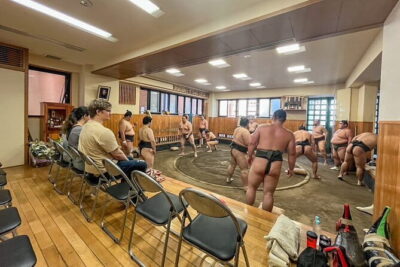
Tokyo Sumo Morning Practice Tour w/ Ring-Side Seat + Photo Shoot
Read our review →
Tour with Pro Tokyo Photographer and take Edgy Unique Portraits
Read our review →
Tokyo Portrait Tour with a Professional Photographer
Read our review →
Membership Car Club GTR35 LibertyWalk Daikoku car meet photoshoot
Read our review →
Travel Tokyo with Your Own Personal Photographer
Read our review →Browse the lists this tour appears in