
Reviewed · SHOPPING TOURS
Tokyo Shopping Street Hopping Private Tour with Government Licensed Guide
Tokyo shopping is far more than department stores and souvenir shelves. On this private tour, you can compare old-town market streets, restaurant-supply shops, fish stalls, youth fashion, and anime culture in one carefully planned day. The guide helps you shape the route around what you actually want to buy or see.
I especially like the flexible format and the help with Tokyo’s train system. Guides such as Izumi, Sam, Noripy, Steve, Hiro, Ayako, Kappa, and Kazuo have tailored days around family interests, cooking goods, anime, souvenirs, and local food. The main drawback is that the price does not include transportation, lunch, or entrance fees, and six hours is enough for only three or four stops, not all eight.
Key points to know before booking
- Choose three or four shopping areas: The tour offers eight possible districts, but the day is customized rather than an all-stops race.
- Walk with a licensed English-speaking guide: Pickup is arranged on foot within a designated Tokyo area, with no private vehicle included.
- Mix modern and traditional Tokyo: Pair Ameyoko or Tsukiji with Yanaka Ginza, or combine Kappabashi with Akihabara and Harajuku.
- Expect practical help: Your guide can assist with subway navigation, translation in shops, and finding food that suits your group.
- Plan for extra costs: Train fares, meals, entrance fees, and personal purchases are not part of the $154.37 per-person price.
- Best for a focused shopping day: This suits families, first-time visitors, and anyone who wants help turning a long wish list into a workable route.
What this private shopping day really offers
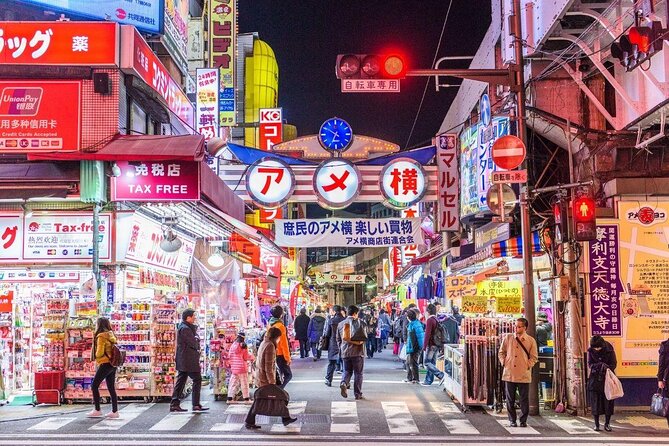
The useful idea here is not simply being taken to famous shopping streets. Tokyo is huge, and its shopping districts each have a very different purpose. Ameyoko is a crowded market corridor under the train tracks. Kappabashi serves restaurant owners. Yanaka Ginza preserves an older neighborhood feel. Akihabara focuses on electronics and Japanese pop culture.
You select three or four places from the available list, then work through them with one guide and only your own group. That private setup gives you room to explain what you want. If your family needs cooking tools, anime goods, unusual snacks, or fashion, tell the guide early so the route does not become a random march through Tokyo.
The guide is government licensed and trained in Japanese culture and history. That matters most when you want context, not just directions. A guide can explain what a shopping street is used for, help you read the local rhythm, and make a shop visit less awkward when language gets in the way.
The schedule lasts about six hours and offers several morning start times. The day begins at your hotel area, but pickup is on foot. You are not getting a private car, and the tour does not cover train or subway fares. Think of this as a guided walking and public-transit day, not a chauffeured shopping trip.
More Tokyo markets and shopping streets:
- Tokyo Tsukiji Fish Market Food and Culture Walking Tour
★ 5.0 · 3,184 reviews - Tokyo: Tsukiji Fish Market Food and Walking tour
★ 5.0 · 1,724 reviews - Tokyo: Tsukiji Fish Market Guided Walking Tour
★ 4.9 · 1,397 reviews
Ameyoko, Tokyo’s market corridor under the tracks
Ameyoko runs along the Yamanote Line between Okachimachi and Ueno stations. Its name is short for Ameya Yokocho, often translated as candy store alley, though the area now carries a much wider mix of shops and market stalls.
This is a good choice if you want movement, noise, quick browsing, and everyday shopping rather than polished luxury. You can look for food, small goods, and assorted market items while your guide explains how the district fits into Tokyo’s commercial life.
The listed visit is about 30 minutes, so keep your expectations sensible. That is enough for an introduction and some targeted shopping, but not enough to inspect every side street. If your main goal is food or market goods, tell your guide before the day begins so the stop earns its place in the route.
Ameyoko also pairs well with nearby Ueno or Kappabashi. The tradeoff is that a market street can feel crowded and fast-moving, and you may have little time for careful comparison if you are trying to cover several districts in one day.
Kappabashi for cooking tools and restaurant supplies
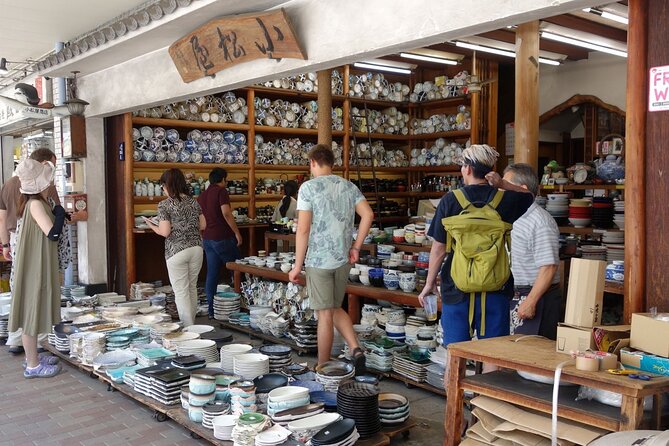
Kappabashi Dogugai sits between Ueno and Asakusa. Its shops serve restaurant operators, selling the tools and supplies that make Japanese kitchens function. For anyone interested in cooking, this may be the most practical stop on the list.
You might find knives, tableware, kitchen equipment, and other restaurant-related goods, though the exact selection depends on the stores you visit. The point is not a staged cultural display. This is a working shopping area built around the needs of food businesses.
One of the strongest uses of a private guide is here. You can explain what you cook, what size item you need, or what kind of souvenir will fit in your luggage. The guide can help with translation and shop navigation, but remember that purchases are your responsibility and personal expenses are extra.
A 30-minute stop gives you a taste rather than a full kitchen-shopping session. If you are serious about buying knives or cookware, make Kappabashi one of your top priorities and consider giving it more time than a casual stop.
Yanaka Ginza and the older side of Tokyo
Yanaka Ginza is one of the better choices for a slower, more traditional neighborhood feel. It retains the atmosphere of old Tokyo, often described as Shitamachi, the low-town districts associated with local commerce and community life.
This is not the place to chase the latest brand or collect electronics. Instead, you can stroll past small shops and get a sense of a Tokyo neighborhood that feels removed from the giant crossings and glass towers. It gives the tour needed balance if you have already selected modern shopping areas.
I would pair Yanaka Ginza with Ameyoko or Tsukiji. Together, they show different versions of local shopping: one market-oriented, one neighborhood-based, and one focused on food. The 30-minute allocation is enough to walk and look around, though you will need extra time if you want to stop often for snacks or purchases.
This district may suit you less if your priority is a tightly packed shopping list. Its value is the atmosphere and the chance to see a more relaxed side of Tokyo.
More private tours in Tokyo:
- Tokyo 6hr Private Tour with Government-Licensed Guide
★ 5.0 · 3,902 reviews - Private Tour to Mt. Fuji and Hakone (Fully Licenced Operator)
★ 5.0 · 1,910 reviews - Tokyo Customized Private Tour (Must See Places in 1 Day)
★ 5.0 · 1,499 reviews - Mount Fuji Full-Day Private Tour from Tokyo (Customizable)
★ 4.9 · 1,470 reviews
Tsukiji for food culture and an early start
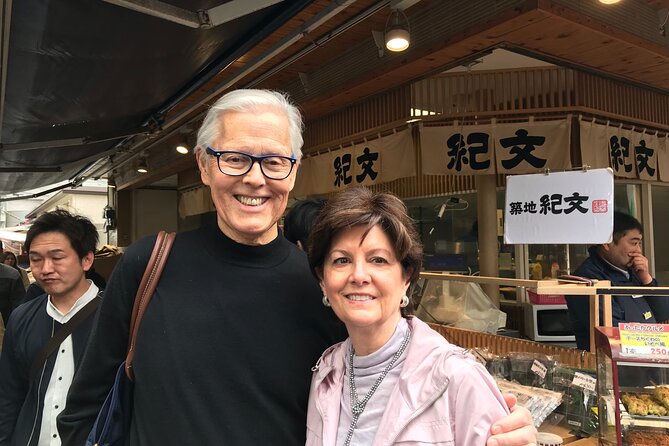
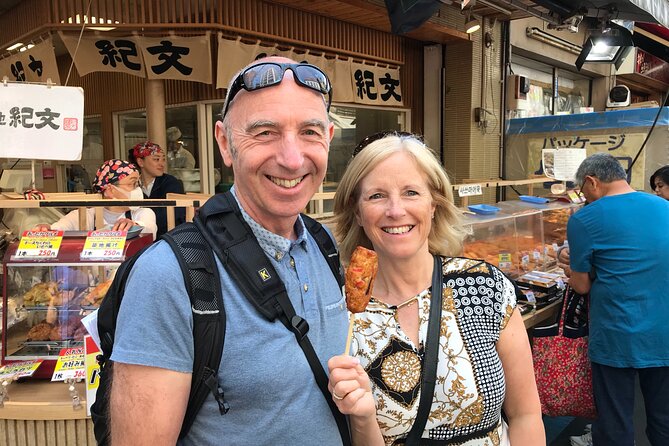
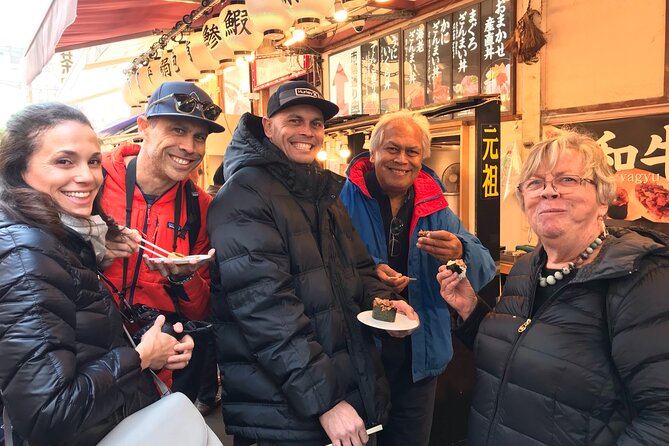
Tsukiji Fish Market is another possible stop, and it works especially well for visitors who want food culture mixed into their shopping day. The tour information does not promise a specific tasting menu or particular vendor, so you should treat this as a guided market visit rather than a food tour with included meals.
Your guide can help you make sense of the area and navigate between food-related shops. The schedule lists about 30 minutes, which is brief if you plan to eat, browse, and shop. Lunch is not included, so build that cost into your budget and ask your guide how to fit a meal into the route.
Tsukiji is a natural choice for an early morning start. It can also be a good family stop if your group wants food and local activity instead of clothing or electronics. If you are not interested in seafood or market goods, another district may give you better value.
Cat Street and Takeshita Street: two very different Harajuku moods
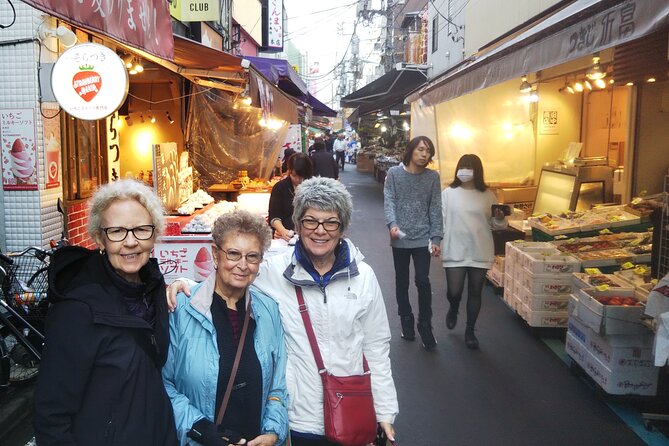
Cat Street runs between Harajuku and Shibuya. It is mostly pedestrianized and linked with youth fashion and hip culture. This is the better pick if you want a modern, style-focused walk with a less traditional feel.
Takeshita Street gives you a louder, more playful Harajuku experience. The pedestrian shopping strip is known for youth culture, crepes, candy floss, Calbee snacks, and novelty shopping. It can be a strong choice for teenagers and families with younger shoppers.
Do not confuse the two stops. Cat Street is more closely tied to fashion and the Harajuku to Shibuya connection. Takeshita Street is more concentrated, youthful, and snack-oriented. If your group has mixed interests, you might choose one of these and use the remaining time for a completely different district.
The short stop length matters here. You can get a clear taste of either street, but you will not have unlimited time to browse clothing, eat, and cross the area. A guide helps by keeping the route moving and pointing you toward the parts that match your interests.
Shibamata for old-school Tokyo away from the center
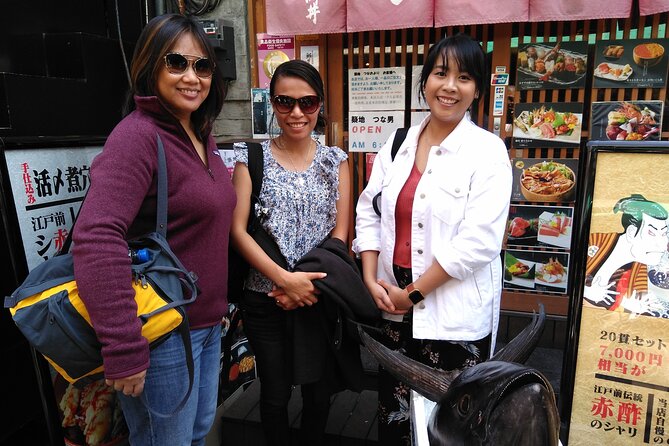
Shibamata sits at Tokyo’s eastern edge near the Edogawa River, which forms the natural boundary with Chiba Prefecture. It retains an old-fashioned town character and offers a change from central Tokyo’s better-known shopping zones.
Choose Shibamata if you want a neighborhood with a slower pace and a sense of older Tokyo life. It is not the efficient choice for a day focused only on fashion, cooking goods, or anime. Its location also means your route needs careful planning, since time spent reaching the eastern edge can reduce time elsewhere.
This is where a private itinerary has real value. You can decide if the change of pace is worth the travel time for your group. If you are staying in Tokyo for several days, Shibamata may be easier to visit on a separate outing. If this is your only guided day, ask yourself if you want one of your three or four selections to be outside the central districts.
Akihabara for electronics and anime culture
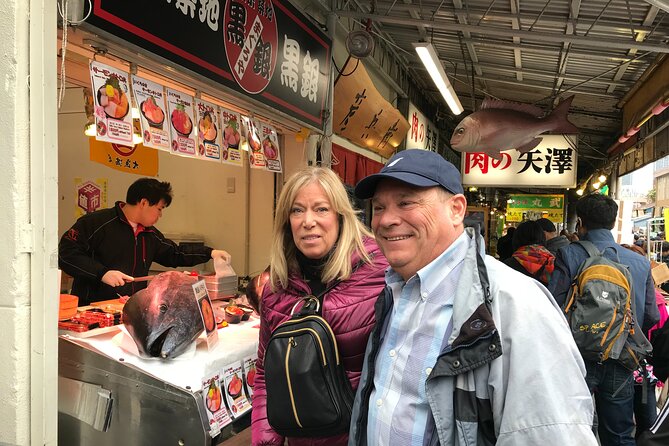
Akihabara is famous for electronics shops and has become a major center of Japanese pop culture. It is the obvious selection for anime, manga, gaming, electronics, and related interests.
The district can be confusing if you do not know what you are looking for. A private guide can help you organize the stop around your shopping goal instead of wandering from one sign to the next. One of the guides, Ayako, helped a group shop for cooking goods in one part of Tokyo and anime items in another, using the subway between them.
That example shows what this tour does best: it links areas that are far apart and turns a scattered wish list into a workable day. You still pay your own transportation costs, but you gain someone who knows how to make the connections and assist in shops.
Akihabara is less useful if your interests are traditional neighborhoods, food markets, or clothing. Pick it because you want its specific culture, not simply because it is famous.
Why the private guide can be worth the price
At $154.37 per person, this is not the cheapest way to wander Tokyo. You are paying for a private guide, route planning, language support, and help using public transportation. The value improves as your group grows, since the experience is private and group discounts may be available.
The strongest practical benefit is customization. Izumi reportedly began by laying out several options, then shaped the day around the family’s interests. Sam focused on what a shopper wanted to buy. Noripy helped with a suitable lunch for a family that included a picky teenager. Other guides, including Hiro, Steve, and Kazuo, prepared meeting points and routes around specific requests.
That kind of preparation can save more than time. It can prevent an expensive mistake, such as spending half a day crossing Tokyo for a district that does not match your interests. It can also make shopping less stressful when you need help communicating in a store.
The price is harder to justify for confident Tokyo visitors who already know the train system and have a narrow route planned. It is also less attractive if you want a vehicle, included meals, or admission to paid attractions. None of those are part of the package.
How to plan your six hours
Start by choosing your top two priorities, then add one or two secondary stops. For cooking and food, consider Kappabashi, Tsukiji, and Ameyoko. For youth culture, combine Cat Street, Takeshita Street, and Akihabara. For older Tokyo atmosphere, use Yanaka Ginza or Shibamata as an anchor.
Do not try to cover all eight places. Each stop is listed at about 30 minutes, but the day also requires walking and public transportation. A route with three well-matched areas will feel far better than a checklist that leaves you rushing.
Tell the guide what you hope to buy, your group’s ages, and any food needs. The tour can include lunch planning, but lunch itself is extra. Wear comfortable shoes, keep your purchases manageable, and leave room in your budget for train fares and personal spending.
The meeting arrangement deserves attention. Pickup is provided from your Tokyo hotel area on foot within the designated service area. Confirm the meeting point and allow enough time to reach it, since private transportation is not included.
Who should book this Tokyo shopping tour?
I would choose this tour if you are visiting Tokyo for the first time, have several unrelated shopping goals, or want a local guide to handle the practical side of the day. Families can benefit from the private format, especially when adults and teenagers want different things.
It also suits you if you want more than shopping. Yanaka Ginza, Shibamata, Tsukiji, and Ameyoko give you glimpses of daily Tokyo life, while Kappabashi, Harajuku, and Akihabara show how specialized each district can be.
I would skip it if you prefer independent wandering, already understand Tokyo’s transit system, or want a fixed sightseeing tour with guaranteed attractions. The route is intentionally flexible, and that means you need to participate in the planning.
You can cancel for a full refund up to 24 hours before the start time. Changes or cancellations made less than 24 hours ahead are not accepted for a refund.
FAQ
How long is the Tokyo shopping tour?
The tour lasts approximately six hours.
How many shopping areas can I visit?
You can customize the tour around three or four sites from the available list of eight areas.
Which shopping areas are available?
The choices are Ameyoko Shopping Street, Kappabashi Street, Yanaka Ginza Shopping Street, Tsukiji Fish Market, Shibuya Cat Street, Takeshita Street, Shibamata, and Akihabara.
Is hotel pickup included?
Pickup is offered on foot from your hotel within the designated Tokyo area. Private vehicle transportation is not included.
Is transportation included in the price?
No. Transportation fees, including public transit costs, are not included.
Is lunch included?
No. Lunch is an additional personal expense.
Is the tour private?
Yes. Only your group participates, and multiple tour groups cannot be combined.
Can I cancel for a refund?
Yes. You can receive a full refund by cancelling at least 24 hours before the experience start time. Cancellations made less than 24 hours before the start time are not refunded.
Should you book it?
Book this tour if you want a made-to-fit Tokyo shopping day rather than a fixed route. The best reason to go is the guide’s practical help: choosing districts, handling subway connections, translating in shops, and adjusting the day for children, food needs, or a very specific shopping list.
Before booking, decide which three or four areas matter most and remember to budget for transit, lunch, entrance fees, and purchases. If you do that planning, the $154.37 price can be fair for a private day that saves time and reduces confusion. If you already know Tokyo well, you may get better value exploring on your own.
Newly reviewed around Tokyo
- Tokyo Asakusa:Calligraphy & Make T-shirt Activity★ 5.0 · 62 reviews
- 1 Hour Travel around Tokyo with a Professional Photographer★ 5.0 · 3 reviews
- Travel Tokyo with Your Own Personal Photographer★ 5.0 · 43 reviews
- Intercity Shuttle, Tokyo to Haneda /Narita /Yokohama /Makuhari★ 5.0 · 5 reviews
- Train in Samurai Swordsmanship and Defeat the Demon in Tokyo★ 5.0 · 5 reviews
- Shuttle Van 6hr Tokyo Tour to-and-from Tokyo, Yokohama and Narita★ 5.0 · 9 reviews
- Kickboxing & Body Training with EX-Pro Fighter★ 5.0 · 4 reviews
- Traditional Japanese Knife Sharpening Class★ 5.0 · 18 reviews
Shopping Tours, compared.
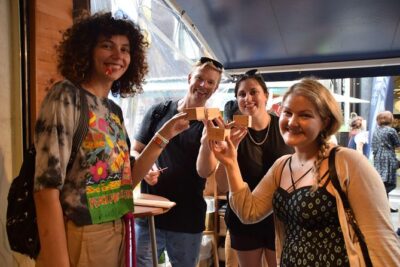
Tokyo Tsukiji Fish Market Food and Culture Walking Tour
Read our review →
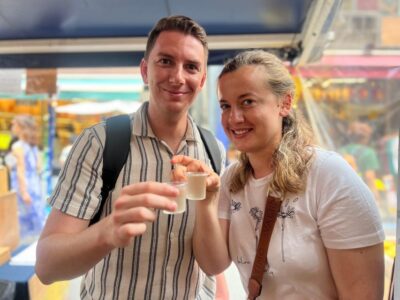
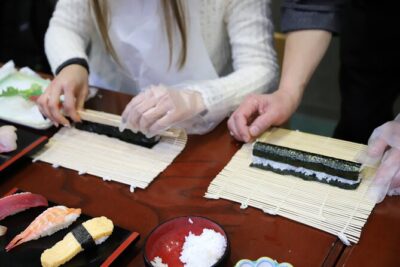
Tsukiji Fish Market Guided Tour and Sushi Making with Pro Chef
Read our review →Tsukiji Fish Market Food and Culture Walking Tour
Read our review →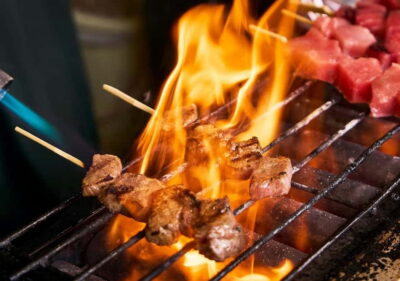
Tsukiji Fish Market: Street Food & Culture Walking Tour
Read our review →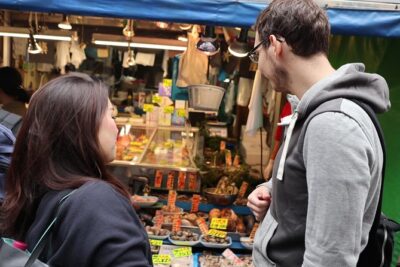
Tsukiji Fish Market Small-Group Food Walking Tour
Read our review →
Tsukiji Fish Market Sushi Making Class with Pro Chef
Read our review →Browse the lists this tour appears in