
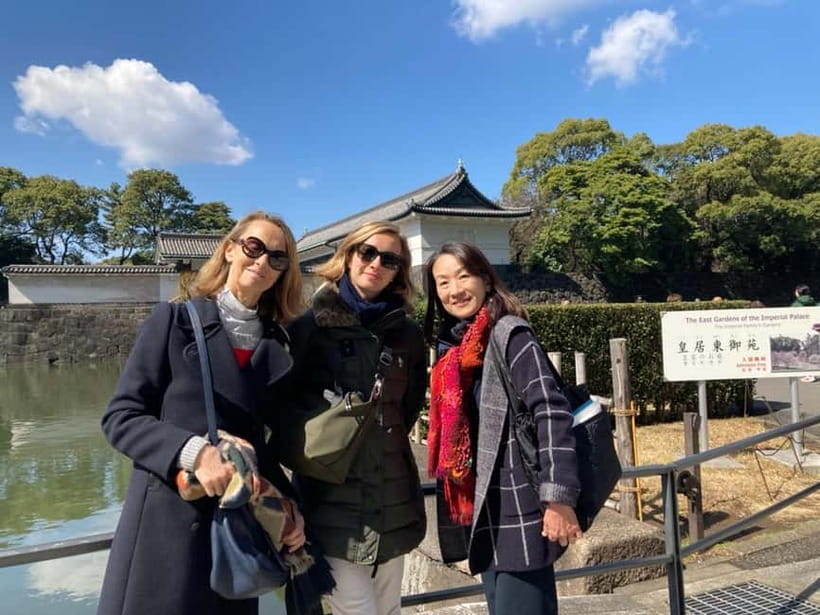
Reviewed · TOKYO IMPERIAL PALACE TOURS
Tokyo: Pvt. Tour – Edo Castle & Imperial Palace East Gardens
Tokyo’s Imperial Palace East Gardens give you a rare change of pace: one moment you are beside Tokyo Station, the next you are walking past Edo Castle stone walls, moats, and carefully planted gardens. The grounds connect Japan’s shogun-led past with the modern imperial city around them.
I like the private format, which lets your guide adjust the pace and answer questions without a large group slowing you down. I also like the seasonal character of Ninomaru Garden, with cherry blossoms, summer irises, or autumn leaves depending on your date. The main drawback is simple: you do not enter the palace where the Emperor resides, and a two-hour visit can feel short if you want a slow garden stroll.
Key Points
- Private English-speaking tour: You get a guide for your group rather than joining a large shared walk.
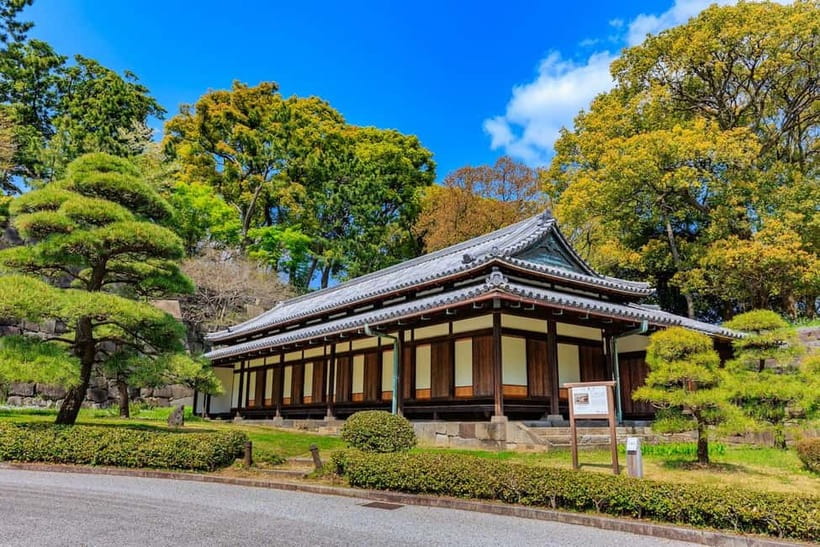
- Edo Castle remains: See ancient walls, moats, a traditional guardhouse, and the remains of Japan’s feudal power center.
- Ninomaru Garden: Look for seasonal flowers, koi, shaped plantings, and classic Japanese garden design.
- Easy central meeting point: Meet near Starbucks in Wadakura Fountain Park, about three minutes from Otemachi Station.
- Flexible pace: Guides including Yuji, Yoshi, Mari, and Masahito have been praised for clear explanations and family-friendly pacing.
- Important limitation: This tour visits the East Gardens only and does not enter the Inner Palace.
Why the East Gardens Matter in Central Tokyo
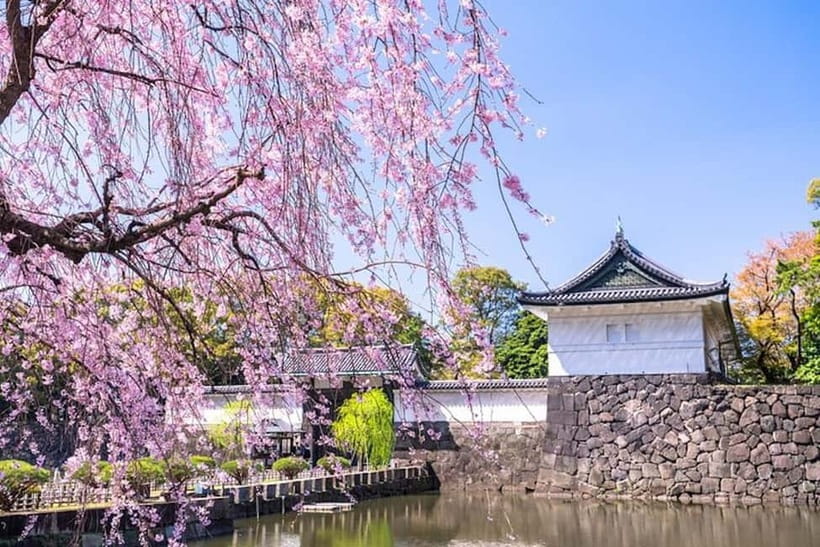
Tokyo can feel like a city built entirely for speed. Trains glide in and out, office towers rise around you, and wide roads carry a steady stream of people. The East Gardens offer a useful pause, but they are not simply a pretty park.
These grounds were once part of Edo Castle, the seat of the Tokugawa shoguns. The shogun ruled Japan from here during the Edo period, when Tokyo was still known as Edo. The surviving walls, moats, gates, and stone foundations help you picture the scale and authority of that former castle.
A guide adds meaning to details that are easy to miss alone. A broad stone wall may look like attractive masonry until you understand how it protected the castle. A quiet garden may seem purely decorative until you learn how Japanese garden design, court life, and political power overlapped.
The experience is especially useful if you are visiting Tokyo for the first time and want historical context without spending half a day in a museum. You walk, listen, stop for photographs, and move on at a calm pace.
More Imperial Palace tours in Tokyo:
- Tokyo: Imperial Palace and Shogun Historical Walking Tour
★ 5.0 · 2,251 reviews - Tokyo: Imperial Palace Japanese History Walking Tour
★ 4.9 · 987 reviews - Tokyo: Imperial Palace and Shogun Walking Tour
★ 4.9 · 935 reviews
Meeting at Wadakura Fountain Park
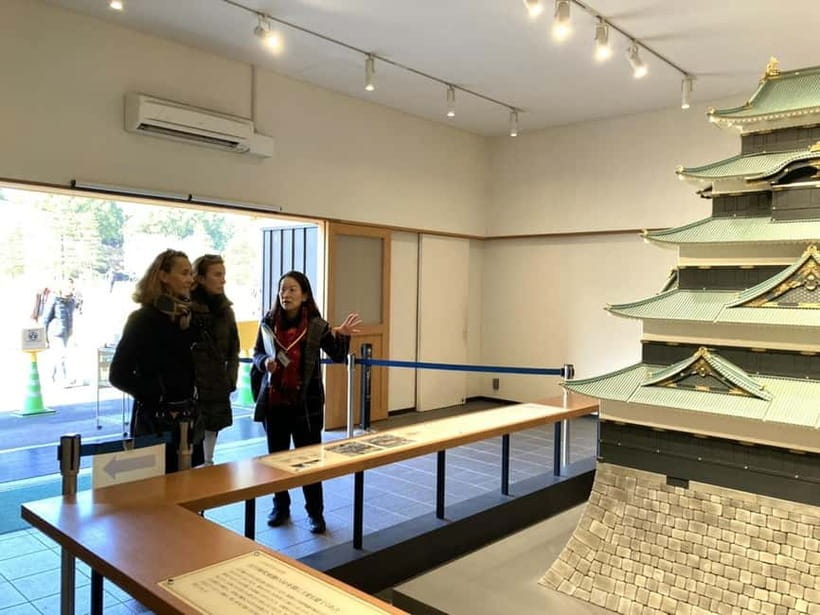
The meeting point is in front of Starbucks in Wadakura Fountain Park. Look for the guide carrying a sign that says gotcha. The location is practical, though you should allow enough time to find the correct station exit and reach the park.
From Tokyo Metro Otemachi Station, Exit D2 is about a three-minute walk. From Tokyo Station’s Marunouchi Central Exit, allow about ten minutes on foot. This makes the tour easy to pair with a morning or afternoon in the Marunouchi district.
The park is a sensible starting point because it places you beside the Imperial Palace grounds without sending you through a maze of palace entrances. If you arrive early, you can get your bearings around the fountains before meeting your guide.
You should also arrive ready for an entrance inspection. Bags are checked when entering the Imperial Palace grounds. If you have bought Japanese knives or another item that could be treated as a weapon at Tsukiji, Asakusa, or elsewhere, leave it in a coin locker or another secure place before the tour.
Entering the Grounds Through the Historic Main Gate
The route includes the historic Main Gate, where a traditional guardhouse sits beside modern security arrangements. This is a useful first lesson in how the site works today: it is both a preserved historic place and a functioning imperial property with controlled access.
Your guide can help you notice the contrast between old and new. The guardhouse recalls the castle’s earlier defenses, while present-day inspections remind you that the grounds still have a special official status.
Do not expect a grand palace interior at this point. The tour is an outdoor walking experience, and the emphasis is on surviving castle features, gardens, and stories connected with Japan’s imperial past.
The main gate also helps establish the scale of the former castle. Edo Castle was not a single isolated building. It was a large complex of defensive walls, moats, gates, residences, administrative areas, and gardens. Even the remaining pieces occupy a sizable area.
Edo Castle Ruins, Stone Walls, and Moats
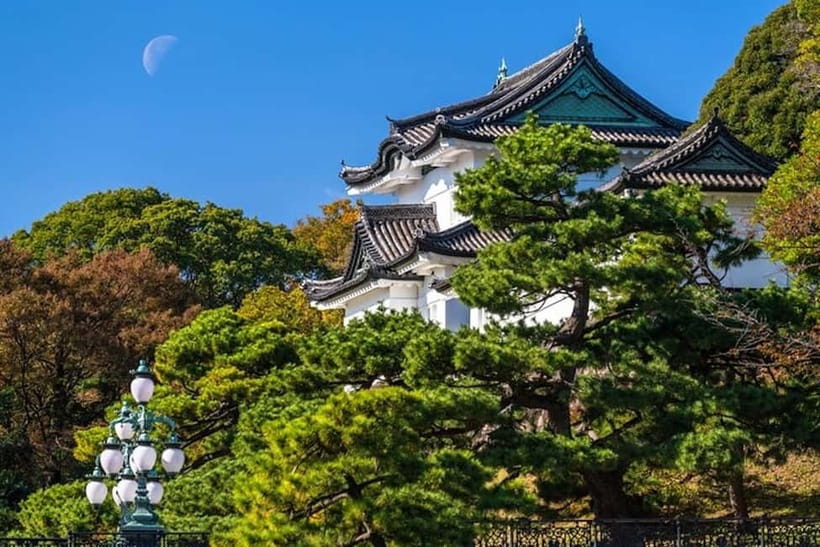
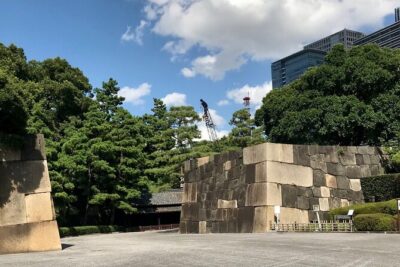
The castle ruins are the historical center of the walk. You will see ancient stone walls, moats, and the remains of a huge keep that hint at the size of Japan’s feudal architecture.
Stonework rewards a closer look. The walls are not just backdrops for photos. Their construction, height, and position around the moats show how the castle was protected. Your guide can connect these physical features with the shoguns who controlled Japan from Edo.
This is where a private tour earns much of its $63 price. If you walk alone, you can enjoy the trees and walls, but you may not understand why one section mattered more than another. A guide can stop at the right places, explain the political setting, and respond when you ask about the castle, its rulers, or the surviving structures.
The experience does not recreate the castle. Much of the original complex is gone, and you should not expect intact halls or rooms filled with period furnishings. Instead, the appeal comes from reading the site through its remains.
I would pay close attention to the transitions between open garden space and defensive architecture. The shift tells you something about the castle’s design. These were not separate attractions. They were parts of one powerful compound, built to protect authority while also supporting formal life.
A completely different kind of day in Tokyo:
- Mt Fuji and Hakone 1-Day Bus Tour Return by Bullet Train
★ 5.0 · 26,383 reviews - 1-Day Tokyo Bus Tour
★ 5.0 · 14,250 reviews - Tokyo: teamLab Planets TOKYO Digital Art Museum Entry Ticket
★ 4.6 · 9,779 reviews - Mt Fuji & Hakone Cruise, Drum Show Bullet Train 1 Day from Tokyo
★ 4.0 · 7,413 reviews
Ninomaru Garden and Seasonal Color
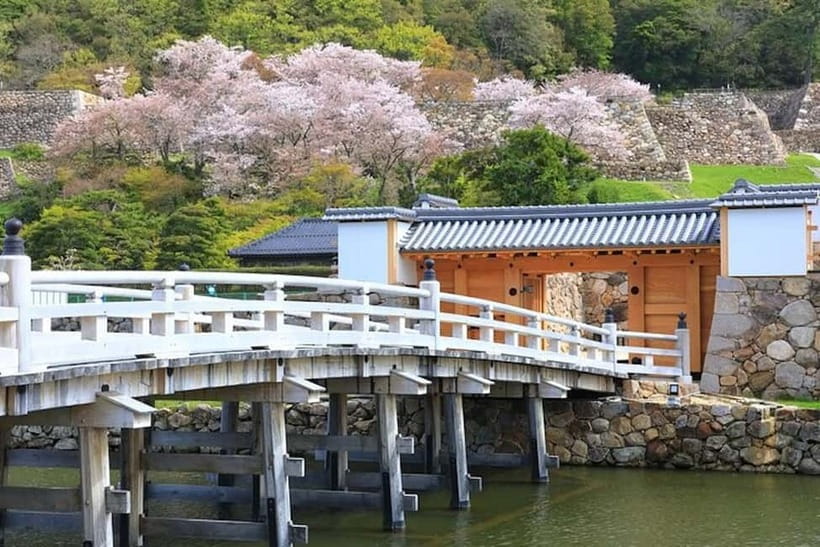
Ninomaru Garden brings a gentler mood to the walk. It is a traditional Japanese garden laid out on the former castle grounds, with seasonal flowers and carefully arranged scenery.
Spring may bring cherry blossoms, though timing is never guaranteed. One April visit found that the blossoms and flowers had not fully opened yet, so you should treat seasonal color as a bonus rather than a promise. Summer brings irises, while autumn can bring red and gold leaves.
The garden’s appeal is not limited to peak bloom. Planting, water, paths, and open views create a composed setting throughout the year. The garden is also a good place to slow down after the heavier stonework and castle stories.
One guide, Naoko, was praised for explaining the garden, its buildings, its past and present inhabitants, and even its hybrid koi. That sort of detail can change how you look at the pond and plantings. Instead of seeing a collection of attractive features, you begin to understand how each element fits Japanese ideas about beauty and order.
The private format is helpful here. Your guide can pause for photographs, adjust the walking speed, or spend more time on the garden if that interests you most. Families in particular may appreciate not having to match the pace of strangers.
Stories of Shoguns and Japan’s Imperial Past
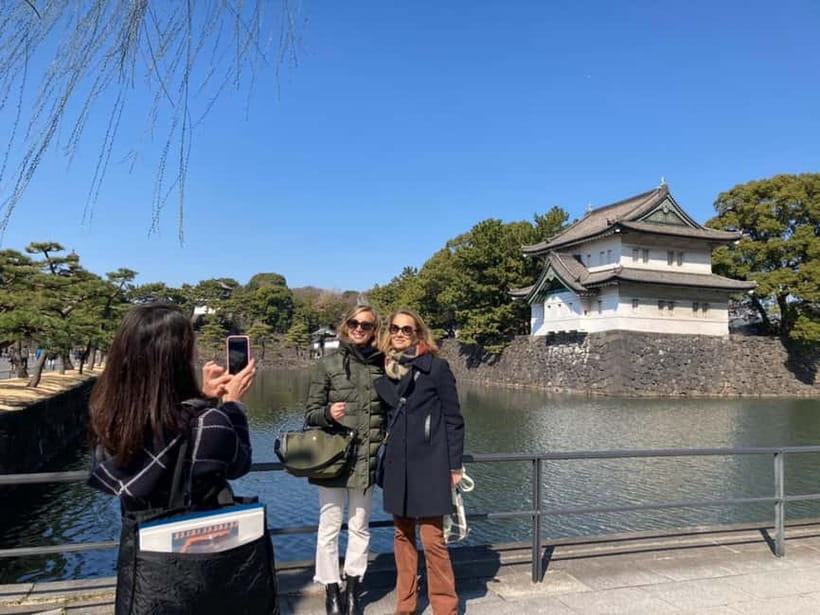
The tour connects two different chapters of Japanese history. Edo Castle is tied to the shoguns, military rulers who governed Japan during the Edo period. The Imperial Palace represents Japan’s later imperial era and present-day national institution.
That transition can be confusing if you only look at buildings. The guide’s job is to give you a clear thread through the site: first the castle as a center of shogunal power, then the changing role of the grounds under the imperial household.
You will hear stories about the buildings, gardens, and people connected with the area. The best guides make the information feel connected to what you are seeing rather than delivering a memorized lecture.
The guides named in past bookings include Hiroshito, Yoshi, Masahito, Mari, Ishida, Maru, Yuji, and Naoko. Yoshi was praised for strong English and interesting facts about the palace buildings and garden. Masahito was noted for matching the group’s pace and finding an answer to a question by contacting another guide.
That does not guarantee a particular guide when you book, but it does show the type of service to expect: a live English-speaking guide who can explain, adjust, and answer questions during a private walk.
What Two Hours Really Gets You
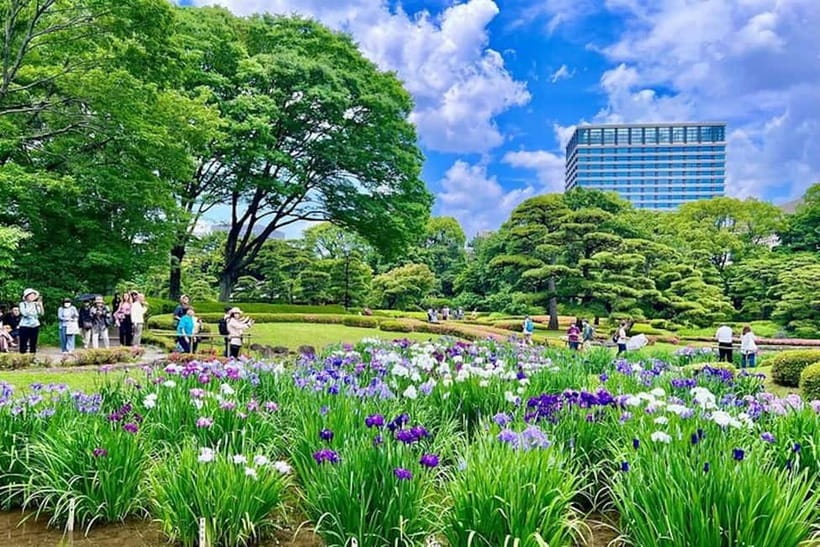
Two hours is enough for a focused introduction. You can visit the East Gardens, see the major castle remains, walk through Ninomaru Garden, and hear the main historical story without making the tour an all-day commitment.
The short duration also makes this easy to fit between other Tokyo plans. You could schedule it around Tokyo Station, Marunouchi, Ginza, or another central area. The central meeting point reduces travel time before and after the walk.
Still, two hours is not a leisurely botanical outing. If you stop for many photographs or ask detailed questions at every location, the guide may need to keep the group moving. The private format gives you more control, but it cannot add hours to the schedule.
Wear comfortable walking shoes. The experience is entirely outdoors and includes a garden route rather than an indoor museum circuit. Since the tour is exposed to the weather, seasonal conditions will affect how pleasant the walk feels.
The garden looks different throughout the year. Spring offers the possibility of cherry blossoms, summer brings irises, and autumn brings colored leaves. If your priority is flowers, check the likely season, but do not book this only for a specific bloom date.
Is $63 a Good Value?
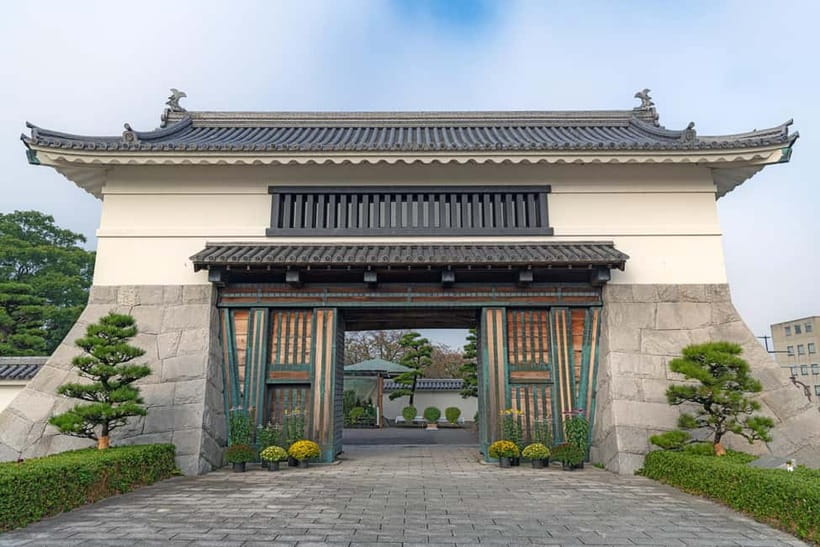
At $63 per person, this is not the cheapest way to enter the East Gardens. The gardens themselves can be appreciated without a private guide, so independent visitors may prefer to save the money and explore at their own speed.
The fee makes more sense if you want history explained in English, have limited time, or are visiting with family. You are paying for a private group, a guide’s attention, and help making sense of a site whose importance is not always obvious from the walls and paths alone.
I see the strongest value for first-time visitors to Tokyo, people curious about the Edo period, and anyone who tends to leave historic places thinking, I wish I understood what I was looking at. The guides have been praised for being friendly, organized, flexible, and easy to follow.
The price is less compelling if you mainly want a quiet garden walk. You may prefer to visit independently, especially if you already know Japanese history or want to spend as long as you like taking photographs.
The generous cancellation terms also reduce the risk of booking ahead. You can cancel up to 24 hours before the tour for a full refund, and the reserve-now, pay-later option lets you keep your schedule flexible.
Who Will Enjoy This Private Walk Most
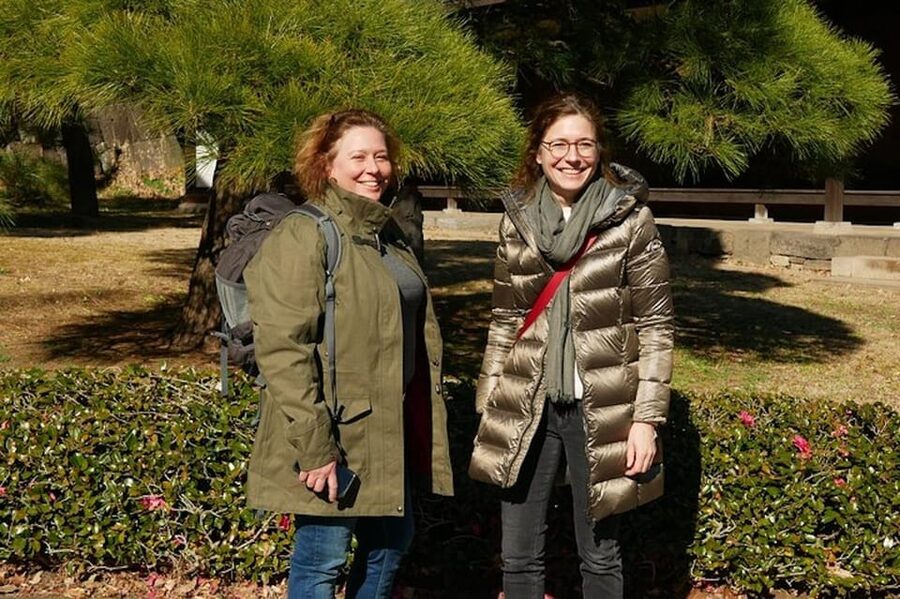
This tour suits you if you want a compact historical experience with personal attention. It works well for couples, families, and small private groups who prefer asking questions rather than listening from the back of a large crowd.
Families may appreciate the flexible walking speed. Sarah’s family found Yuji welcoming and able to walk at a comfortable pace while pointing out details they might otherwise have missed. Another family described the guided experience as a strong choice for everyone in the group.
It also suits you if English-language guiding matters. The guide is live and speaks English, and several guides have been praised for clear communication. You should still remember that individual guiding styles vary.
The tour is less suitable if your main goal is to enter the Imperial Palace itself. That is not part of the visit. You will see the East Gardens and castle remains, but not the Inner Palace or the Emperor’s residence.
It is also not the right pick if you want a long, unhurried garden session. The two-hour route is focused and informative, with enough time to see the main features but not unlimited time for lingering.
Practical Details Before You Book
The meeting point is Wadakura Fountain Park, near Starbucks. Find the guide with the gotcha sign. Otemachi Station’s Exit D2 is the closest stated subway access, and Tokyo Station’s Marunouchi Central Exit is also within walking distance.
Bring only what you need. Every visitor faces a baggage inspection at the entrance, and knives or similar purchases should be stored before you meet the guide. This is particularly important if you have been shopping in Tsukiji or Asakusa earlier in the day.
The tour is offered as a private group with an English-speaking guide. Starting times vary, so check availability for your date. The listed duration is two hours.
The tour provider is gotcha Corporation. The overall rating is 4.8 from 63 bookings, with especially strong praise for guide friendliness, clear explanations, organization, and the ability to adjust the pace.
Should You Book the East Gardens Tour?
Book it if you want to understand what you are seeing, not just walk through attractive grounds. The private setting, central location, seasonal garden, and Edo Castle remains make this a useful two-hour introduction to Tokyo’s political and cultural past.
I would especially choose it for a first Tokyo visit, a family group, or anyone who values an English-speaking guide. Guides such as Yuji, Yoshi, Mari, Masahito, and Naoko have been praised for warmth, clear explanations, and personal attention.
Skip it if you require access to the Inner Palace, want a self-guided visit, or are booking mainly for peak cherry blossoms. The palace interior is not included, flowers depend on the season, and independent visitors can enjoy the gardens for less.
For most people who want a compact, well-explained look at Edo Castle and the Imperial Palace East Gardens, $63 is a reasonable price for the added context and private attention.
FAQ
Where does the tour meet?
Meet in front of Starbucks in Wadakura Fountain Park. Look for the guide holding a sign that says gotcha. The meeting point is about three minutes from Tokyo Metro Otemachi Station Exit D2 and about ten minutes from Tokyo Station’s Marunouchi Central Exit.
Does the tour enter the Imperial Palace?
No. The tour visits the Imperial Palace East Gardens and the former Edo Castle grounds, but it does not enter the Inner Palace or the area where the Emperor resides.
How long does the tour last?
The guided walking tour lasts two hours.
Is the tour private?
Yes. It is offered as a private group experience with a live English-speaking guide.
What can I see in the East Gardens?
The route includes the historic Main Gate and guardhouse, Edo Castle ruins, ancient stone walls, moats, the remains of a large keep, and Ninomaru Garden with seasonal flowers and koi.
Can I bring Japanese knives purchased earlier in the day?
You should not bring them into the palace grounds. Baggage is inspected at entry, so store Japanese knives or other items that could be used as weapons in a coin locker or another secure place before meeting your guide.
Newly reviewed around Tokyo
- Tokyo Asakusa:Calligraphy & Make T-shirt Activity★ 5.0 · 62 reviews
- 1 Hour Travel around Tokyo with a Professional Photographer★ 5.0 · 3 reviews
- Travel Tokyo with Your Own Personal Photographer★ 5.0 · 43 reviews
- Intercity Shuttle, Tokyo to Haneda /Narita /Yokohama /Makuhari★ 5.0 · 5 reviews
- Train in Samurai Swordsmanship and Defeat the Demon in Tokyo★ 5.0 · 5 reviews
- Shuttle Van 6hr Tokyo Tour to-and-from Tokyo, Yokohama and Narita★ 5.0 · 9 reviews
- Kickboxing & Body Training with EX-Pro Fighter★ 5.0 · 4 reviews
- Traditional Japanese Knife Sharpening Class★ 5.0 · 18 reviews
Tokyo Imperial Palace Tours, compared.

Imperial Palace and Shogun Historical Walking Tour
Read our review →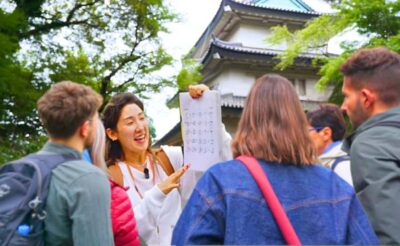
Imperial Palace East Garden and Edo Castle Walking Tour in Tokyo
Read our review →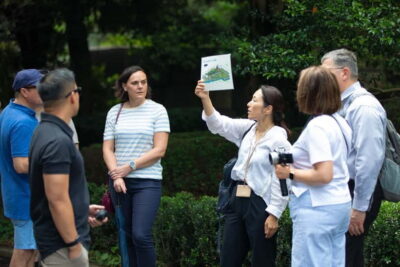
Imperial Palace, Sensō-ji Temple, & Tokyo Tower Tour
Read our review →
Tokyo Castle, Imperial Palace, Shogun & Garden Walking Tour
Read our review →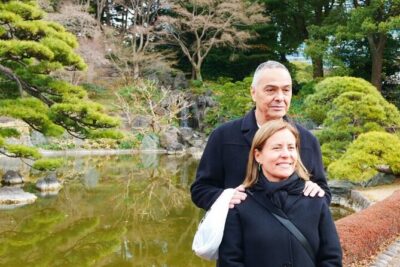
Edo Castle & East Garden of the Imperial Palace Tour
Read our review →Browse the lists this tour appears in