
Reviewed · TOKYO TEA CEREMONY EXPERIENCES
Tokyo: Practicing Zen with a Japanese Tea Ceremony
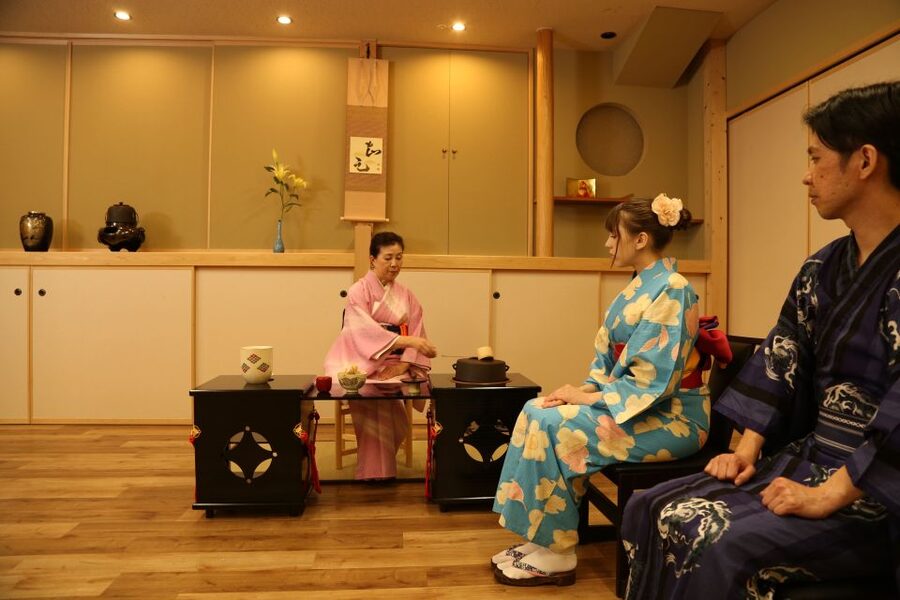
The most interesting part of this experience is that you do not only watch a Japanese tea ceremony. After your instructor demonstrates the careful movements, you prepare matcha yourself and learn why each step matters. The ceremony becomes a practical lesson in Zen, attention, and Japanese etiquette, not just a cup of tea.
I like the small group of up to 10, which makes it easier to see the utensils and ask questions. I also like the thoughtful setup: traditional sweets are paired with the green tea, and chairs are available if sitting on the floor is difficult. The main consideration is the setting. It is in a building opposite Tokyo Tower, not an old temple, and one past participant could hear activity from the neighboring room.
Key points
- Hands-on tea making: Watch the instructor first, then conduct a second ceremony with guidance.
- Zen explained clearly: Learn how the tea ceremony connects with Zen Buddhism, art, architecture, and daily life.
- Matcha and a traditional sweet: Taste the two together, as Japanese tea customs intend.
- Small English-speaking group: The class is limited to 10 people, with instructors such as Junko, Ken, and Midori appearing in past sessions.
- Comfortable for different abilities: Wheelchair access is provided, and chairs are available instead of floor seating.
- Easy Tokyo location: Meet at the Kikai Shinko Kaikan building, directly opposite Tokyo Tower.
A tea ceremony you can actually perform
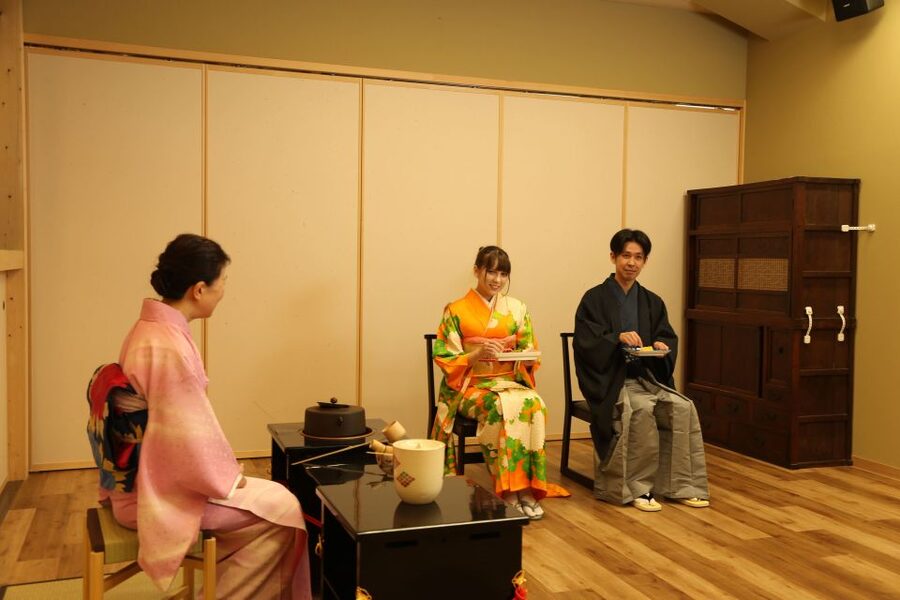
This 75-minute experience gives you a useful introduction to chanoyu, the Japanese way of tea. You first watch a complete demonstration, then try the process yourself. That second part is important. Without it, the class could feel like a short cultural show. With it, you begin to understand the focus, order, and restraint behind the ritual.
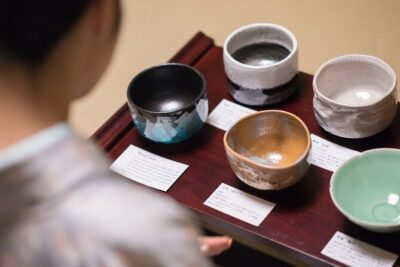
Your instructor prepares matcha while explaining the movements and utensils. You see how the bowl, scoop, whisk, and other tools fit into the ceremony. The actions are deliberate, and the pace encourages you to pay attention rather than rush toward the drink.
Then comes the part many people value most: you prepare tea under expert guidance. You are not expected to remember every detail perfectly. The instructor walks you through the process, explains what to do, and helps you recreate the ceremony in a respectful way.
I like this balance. You receive the polished demonstration first, then get permission to make mistakes in a relaxed setting. It gives you more than a photograph and a sweet. You leave with a basic understanding of how the ceremony works.
More Tokyo tea ceremonies:
- Matcha Making Class in Tokyo with Authentic Japanese Sweets Set
★ 5.0 · 744 reviews - Tokyo: Traditional Tea Ceremony with a Tea Master
★ 5.0 · 528 reviews - Dynamic Tokyo: Tokyo Tower, Tea Experience, Bay Cruise Day Tour
★ 4.5 · 521 reviews
Matcha, sweets, and the order of the ritual
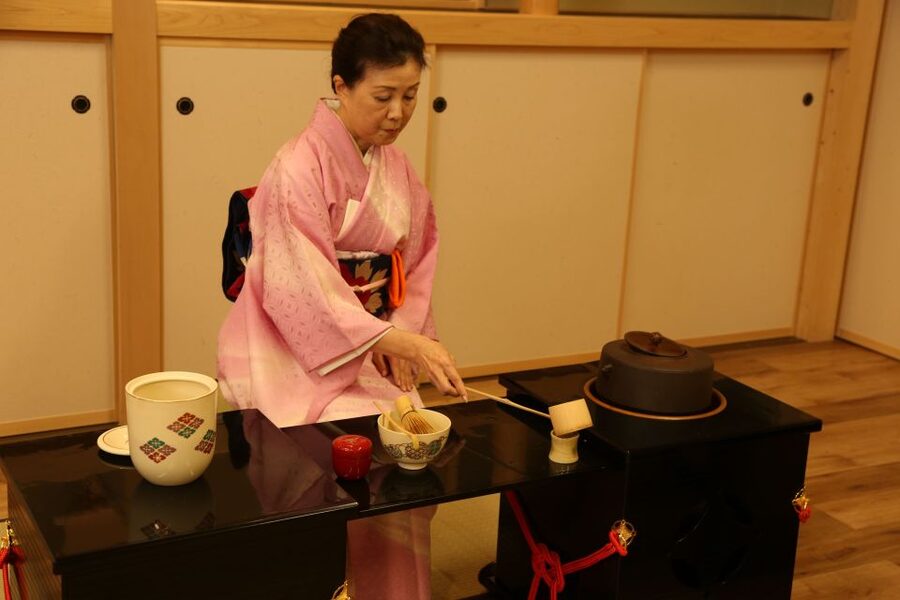
The tea is served with a traditional Japanese confection specially chosen to accompany green tea. This pairing is not a minor extra. The sweetness of the confection prepares your palate for the strong, grassy taste of matcha.
You taste the sweet before drinking the tea, then notice how the flavors work together. Matcha is not like the mild green tea commonly served in restaurants. It is powdered tea whisked into water, so you drink the leaf itself. The taste can be intense if you have not tried it before, but the sweet helps soften it.
The instructor also explains the different utensils and the purpose of the ceremony’s actions. You learn to watch the hands, the tools, and the order of events. Those details can seem fussy at first, but they express courtesy and care. The host prepares something for you with full attention, and you respond by receiving it with the same respect.
This is one reason the class works well for first-time visitors. You do not need prior knowledge of tea customs. The explanations provide enough context to make the movements understandable rather than mysterious.
What Zen means inside the tea room
The experience connects the ceremony with Zen Buddhism and explains the role Zen has played in Japanese culture. The point is not to turn you into a Zen student in 75 minutes. Instead, you get a clear look at the ideas expressed through the ceremony: concentration, simplicity, quiet, and attention to the present moment.
The instructor also discusses how Zen appears through Japanese art and architecture. That connection helps place the tea ceremony within a wider cultural setting. The room, the utensils, the movements, and the careful presentation of the tea all work together.
You should expect explanation rather than a long meditation session. One person felt the Zen exercise was too short, so book this for cultural learning and hands-on practice, not for an extended period of silent meditation. Still, the ceremony itself creates a slower rhythm than most Tokyo activities.
The rule against making noise is worth noting. It shows that quiet is part of the experience, not just a polite request. At the same time, the space is in a working building rather than a completely isolated retreat. A past participant heard another activity next door, which briefly interrupted the calm.
That is a fair tradeoff. You get an accessible, central location near Tokyo Tower, but you should not expect the silence of a remote temple.
Meeting opposite Tokyo Tower
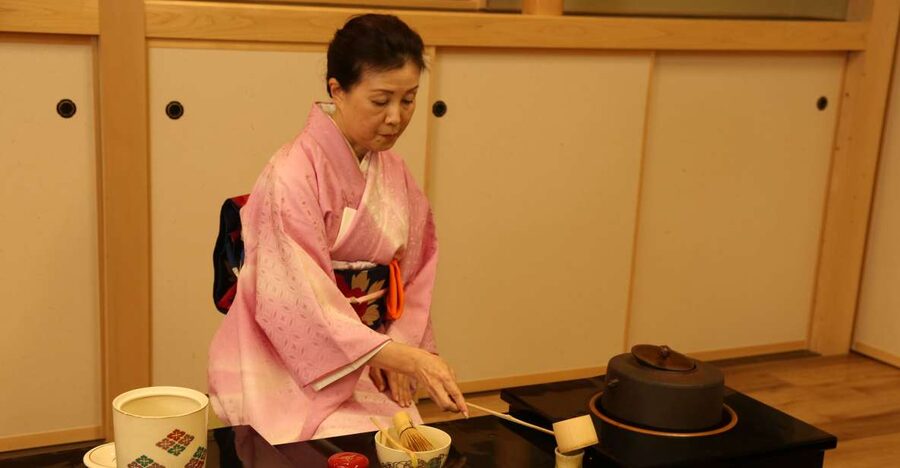
The meeting point is the main entrance on the first floor of the Kikai Shinko Kaikan building, directly opposite Tokyo Tower. You meet your instructor there. If you cannot find the instructor, go to True Japan Tour in Room B109 on the basement level.
Transportation is not included, so you make your own way to the building. The location is simple to identify once you are in the Tokyo Tower area, but allow enough time to find the correct entrance. Large city buildings can be confusing, and the backup location is on a different floor.
The setting has a practical advantage. You can pair the tea ceremony with time around Tokyo Tower before or after the class. That makes this a convenient choice if you want a cultural activity near one of Tokyo’s best-known sights.
It is not presented as a historic tea house or temple visit. The experience takes place in a dedicated indoor venue inside the Kikai Shinko Kaikan building. The space is arranged to feel like a tea room, and one participant particularly appreciated that atmosphere, but you should set your expectations accordingly.
A completely different kind of day in Tokyo:
- Mt Fuji and Hakone 1-Day Bus Tour Return by Bullet Train
★ 5.0 · 26,383 reviews - 1-Day Tokyo Bus Tour
★ 5.0 · 14,250 reviews - Tokyo: teamLab Planets TOKYO Digital Art Museum Entry Ticket
★ 4.6 · 9,779 reviews - Mt Fuji & Hakone Cruise, Drum Show Bullet Train 1 Day from Tokyo
★ 4.0 · 7,413 reviews
Why the group size matters
The maximum group size is 10 people. That is small enough for you to see the demonstration and hear the English explanations without being lost in a crowd. It also gives you a reasonable chance to receive help during your own tea preparation.
A small group matters more here than it would on a sightseeing bus. The value lies in seeing hand movements, handling utensils, and receiving correction. In a large class, those details could disappear. With fewer people, the instructor can guide you through the sequence at close range.
Some sessions may feel nearly private when attendance is low. One past booking was described as a one-on-one ceremony, while other sessions included several participants. You should not count on a private class, but the limit of 10 keeps the experience personal.
The English instruction is another strong point. Instructors have included Junko, Ken, and Midori, and past sessions have been praised for clear explanations and warm, welcoming teaching. The exact instructor depends on the date, but the activity is conducted in English.
Sitting on the floor is not required
Traditional tea ceremonies often bring to mind kneeling or sitting on tatami. That is not a requirement here. Seats are available for people who prefer not to sit on the floor, and the activity is wheelchair accessible.
This is a real practical benefit. You can focus on the ceremony instead of worrying about stiff knees, limited mobility, or getting up and down repeatedly. A past participant who could not sit on the floor found the setup comfortable, while able-bodied participants could experience the room in a more traditional way.
The activity is not suitable for children under four, and the request to keep noise down means very young children may not fit the tone even beyond that age. Older children who can sit quietly may find the hands-on element interesting, but the data provided does not specify a recommended age range beyond the minimum.
Is $63 a fair price?
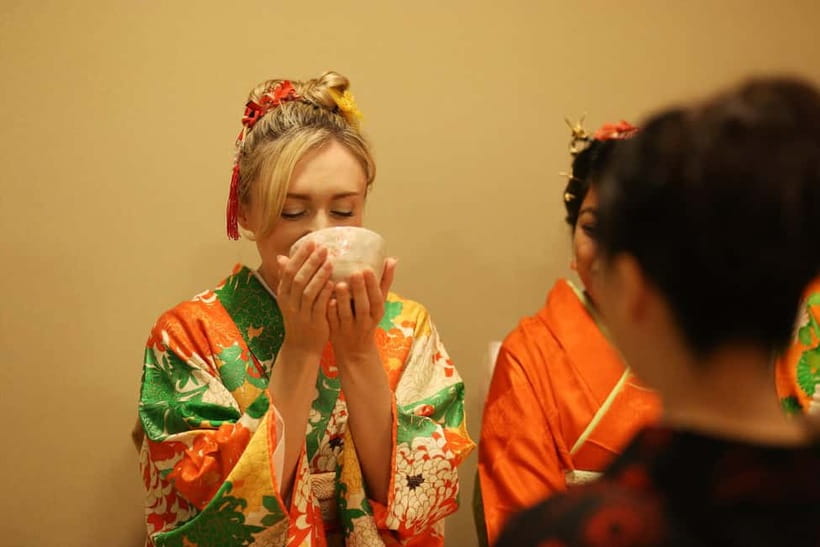
At $63 per person, this is not the cheapest way to drink matcha in Tokyo. You can find tea in many places for far less. The price makes more sense when you consider what is included: a 75-minute guided lesson, traditional sweets, matcha, an explanation of Zen, instruction on the utensils, and your own second tea ceremony.
You are paying for access to an instructor and for the chance to perform the ritual yourself. That is the key value. If you only want to taste Japanese green tea, save your money and visit a tea shop. If you want to understand what you are seeing and learn the basic process, the cost is more reasonable.
The small group also helps justify the price. You are not simply sitting in an audience while someone makes tea. The activity is structured around participation, and the instructor guides you through the actions.
I would book it for a first visit to Japan, especially if you want one focused cultural activity rather than another fast-moving sightseeing stop. I would skip it if your schedule is tight and you only want a quick taste of matcha, or if you are seeking a long, silent meditation.
Who will enjoy this most?
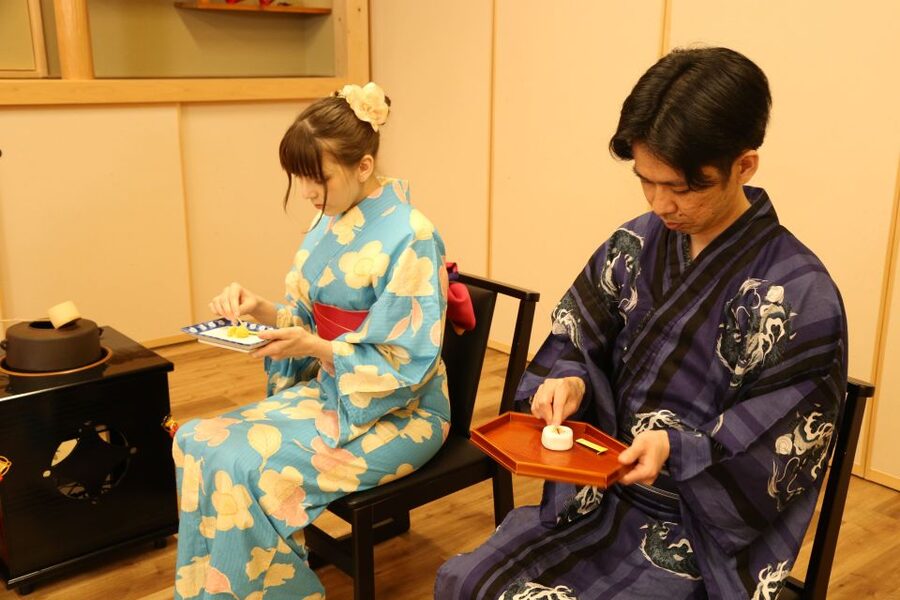
This suits you if you like learning the meaning behind customs. The ceremony rewards patience and curiosity. You do not need to know anything about Zen or Japanese tea beforehand, since the instructor explains the background and the actions as you go.
It is also a good choice for couples, solo visitors, and small groups who want a shared cultural activity. The class offers enough participation to keep you involved without requiring performance or public speaking.
The experience is especially useful for anyone who has watched a tea ceremony before and wondered what the host was doing. You learn about the tools, the order, the gestures, and the connection with Zen. Afterward, you can recognize more of the ceremony’s structure when you encounter it elsewhere.
You may want to choose another activity if you dislike formal rituals, strong green tea, or quiet settings. The rule about noise is clear, and the class is built around calm attention. The nearby activity issue also means the room may not be perfectly silent.
Practical details before you book
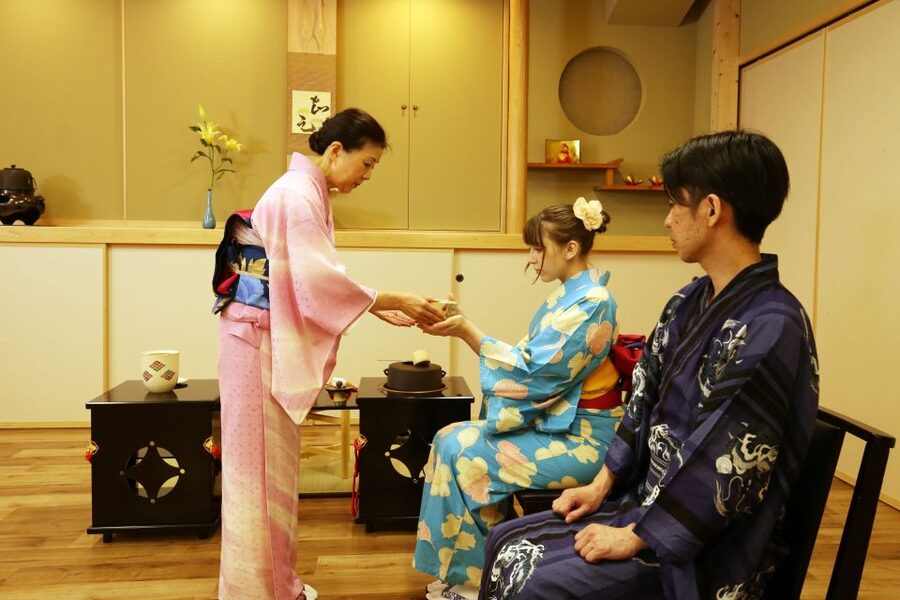
The activity lasts 75 minutes, with several possible starting times depending on availability. Arrive at the Kikai Shinko Kaikan building’s main entrance on the first floor, opposite Tokyo Tower. If you cannot locate your instructor, the backup point is True Japan Tour, Room B109 on the basement floor.
The experience includes the tea ceremony, traditional sweets, matcha, and the second ceremony that you perform yourself. Transportation is not included.
You can cancel up to 24 hours before the activity for a full refund, and you can reserve now and pay later. That flexibility helps if your Tokyo plans are still shifting.
The class is wheelchair accessible, and chairs are available for anyone who cannot sit on the floor. The instruction is in English, and the group is limited to 10 participants.
Should you book this tea ceremony?
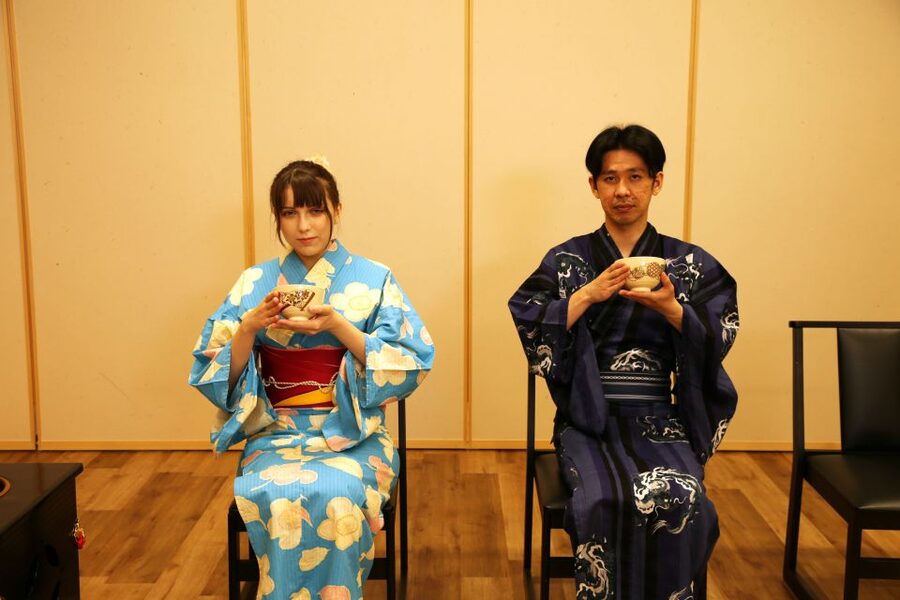
Book it if you want to do more than sample matcha. The strongest part is the progression from watching the instructor to preparing tea yourself. The Zen explanation, paired sweet, small group, and accessible seating add real value to the 75 minutes.
Keep your expectations practical. This is a classroom-style tea experience near Tokyo Tower, not a secluded temple ceremony. The room may not be perfectly quiet, and the Zen portion is brief. Still, for an approachable introduction to Japanese tea culture, the $63 price is fair, particularly if you value clear English instruction and hands-on practice.
FAQ
How long does the Japanese tea ceremony last?
The experience lasts 75 minutes.
Where do I meet the instructor?
Meet at the main entrance of the Kikai Shinko Kaikan building on the first floor. The building is directly opposite Tokyo Tower. If you cannot find the instructor, visit True Japan Tour in Room B109 on the basement floor.
Is transportation included?
No. Transportation to and from the meeting point is not included.
Is the activity conducted in English?
Yes. The instructor speaks English, and the activity is offered in English.
Do I have to sit on the floor?
No. Seats are available for people who prefer not to sit on the floor. The activity is also wheelchair accessible.
What is included in the price?
The price includes the tea ceremony, traditional Japanese sweets, matcha green tea, and a second tea ceremony that you perform yourself with guidance.
Newly reviewed around Tokyo
- Tokyo Asakusa:Calligraphy & Make T-shirt Activity★ 5.0 · 62 reviews
- Intercity Shuttle, Tokyo to Haneda /Narita /Yokohama /Makuhari★ 5.0 · 5 reviews
- 1 Hour Travel around Tokyo with a Professional Photographer★ 5.0 · 3 reviews
- Travel Tokyo with Your Own Personal Photographer★ 5.0 · 43 reviews
- Train in Samurai Swordsmanship and Defeat the Demon in Tokyo★ 5.0 · 5 reviews
- Shuttle Van 6hr Tokyo Tour to-and-from Tokyo, Yokohama and Narita★ 5.0 · 9 reviews
- Kickboxing & Body Training with EX-Pro Fighter★ 5.0 · 4 reviews
- Traditional Japanese Knife Sharpening Class★ 5.0 · 18 reviews
Tokyo Tea Ceremony Experiences, compared.
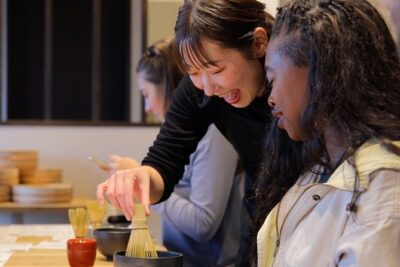
Matcha Making Class in Tokyo with Authentic Japanese Sweets Set
Read our review →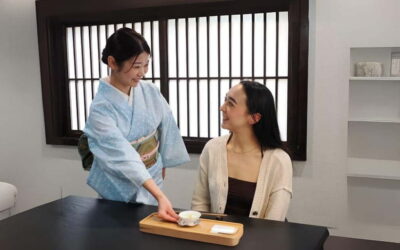
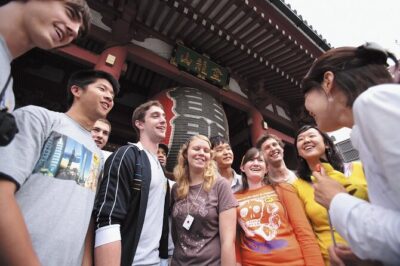
Dynamic Tokyo: Tokyo Tower, Tea Experience, Bay Cruise Day Tour
Read our review →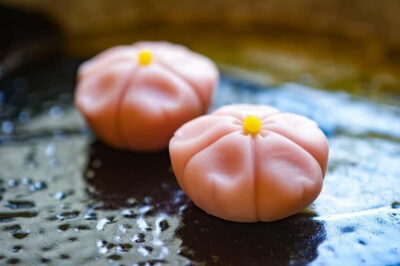
Matcha Making Experience with Mochi Sweets in Asakusa
Read our review →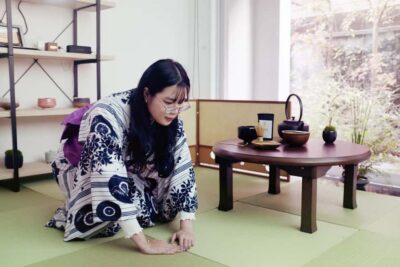
Tea Ceremony Workshop in Tokyo by the Experienced Instrucor
Read our review →
Browse the lists this tour appears in