
Reviewed · MEIJI SHRINE TOURS
Tokyo: Meiji Shrine Walking Tour with Local Guide
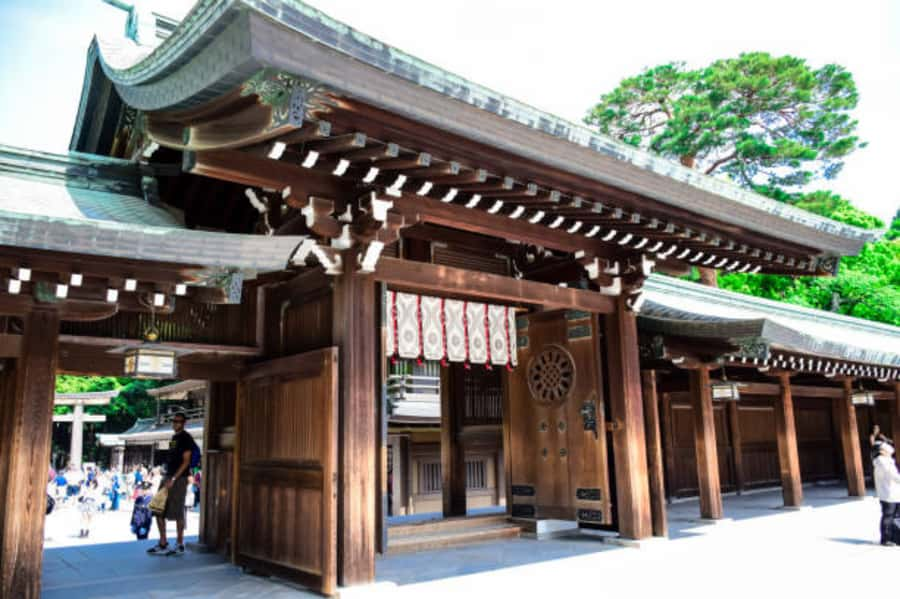
Meiji Shrine is more than a quick torii-gate photo stop. This walking tour leads you into its quiet forest, then shows you how the shrine works, from bowing at the gate to cleansing before prayer. I especially like the visit to the Imperial Fishing Platform, a calm corner many people miss, and the explanation of the turtle stone and sazare stone behind the main hall.
I also like that the tour connects sacred customs with ordinary Tokyo life at the bicycle parking area near Harajuku. The main consideration is simple: this is a walking tour, and the shrine grounds can require steady time on your feet, so comfortable shoes matter.
Key points to know before booking
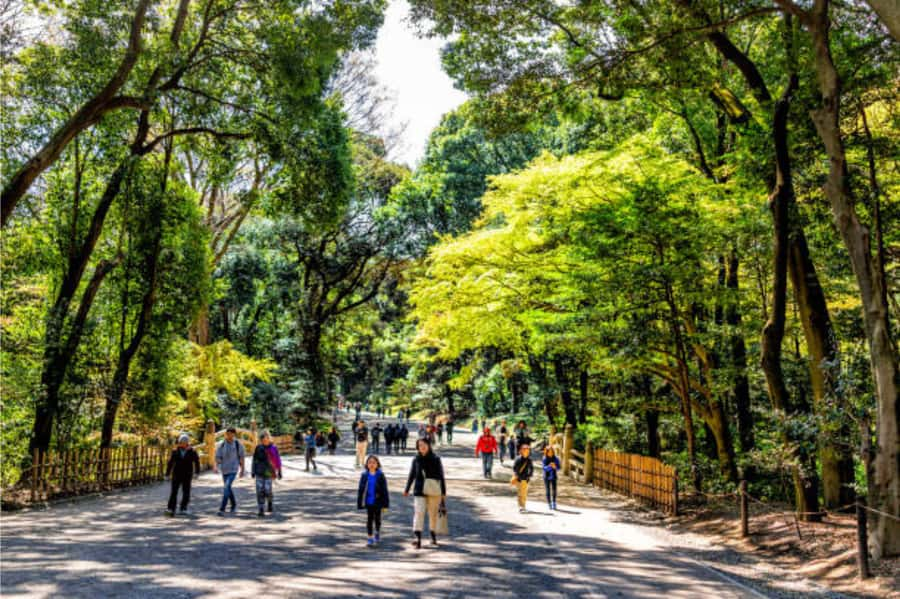
- The forest changes Tokyo’s mood: You leave busy streets and enter a quiet, carefully planned sacred setting.
- You learn the correct shrine manners: The guide explains how to bow, cleanse, walk through the torii gate, and pray.
- The Imperial Fishing Platform adds something unusual: This quiet stop gives you a glimpse of the Emperor’s pastimes and Japan’s respect for nature.
- The back of the main hall has worthwhile details: You may see the turtle stone and sazare stone, places easy to miss on your own.
- The ending works well for sightseeing: You finish near Harajuku Station, with easy access to your next Tokyo stop.
- The $20 price is reasonable for focused guidance: You are paying for interpretation and access to less obvious corners, not just transportation or entry.
Entering Meiji Shrine’s sacred forest
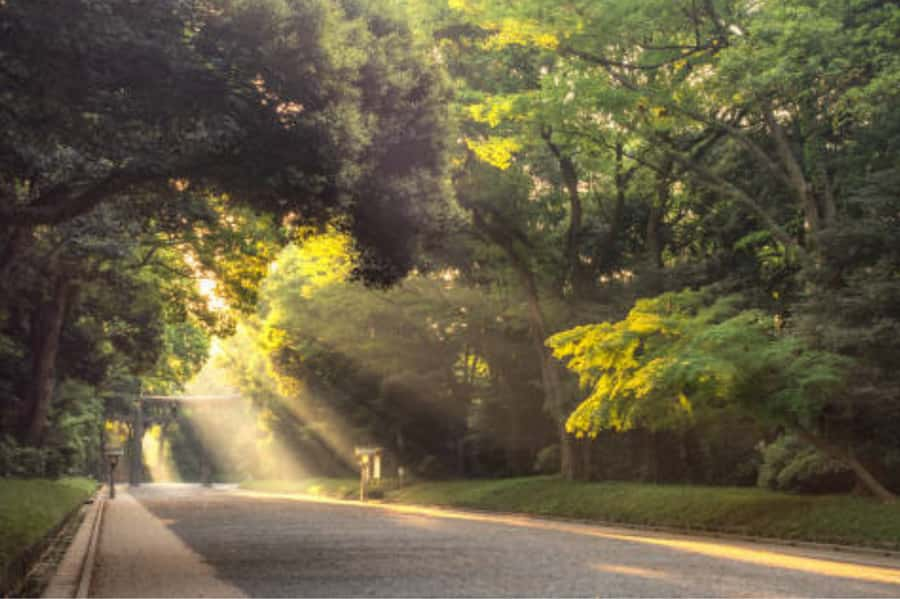
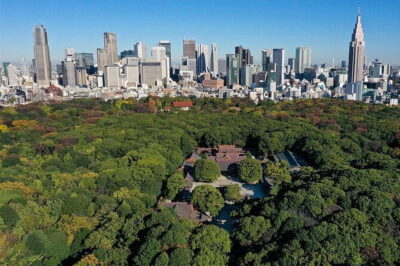
The appeal begins as soon as you leave the city streets behind. Meiji Shrine sits in central Tokyo, yet the approach gives you a strong sense of distance from traffic, signs, and crowds. The forest was created as part of the shrine grounds, and the long approach helps prepare you for the worship area ahead.
This is where a local guide adds real value. Instead of walking straight toward the main hall, you learn what the approach means and how to behave along the way. The central part of the path is understood as the route used by the gods, so you are taught to walk on the left side.
That small detail changes the way you see the path. You are no longer simply following a wide trail through trees. You begin to notice the approach as part of the ritual itself, with movement, silence, and respect built into the design.
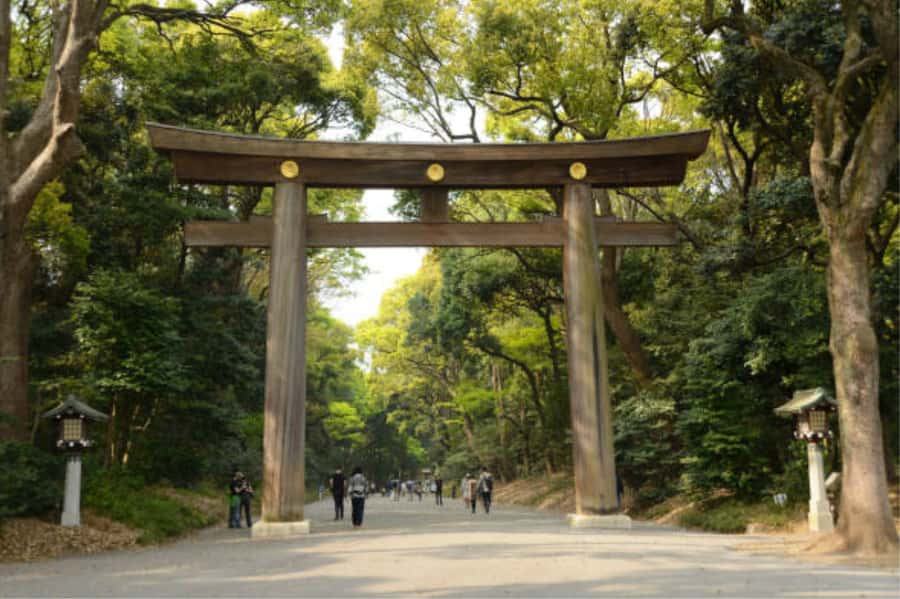
You will also learn about bowing when passing through the torii gate. These customs can be easy to miss if you visit alone, especially if you are focused on getting a photograph. A guide gives you the context before you reach the worship area, so your actions feel deliberate rather than copied at the last second.
The forest is a major part of the experience, but this is not a nature walk in the usual sense. Its purpose is tied to the shrine. The greenery, the broad approach, and the gradual movement toward the hall help create a sacred space in the middle of Tokyo.
More Meiji Shrine tours in Tokyo:
- Tokyo: Meiji Shrine, Asakusa, Skytree Bus Tour and Cruise
★ 4.7 · 1,986 reviews - Tokyo Panoramic 1 Day: Meiji Shrine, Asakusa, Odaiba and SKYTREE®
★ 4.5 · 1,222 reviews - Tokyo: Meiji Shrine Walking Tour — Shinto & Imperial System
★ 4.9 · 266 reviews
Learning the rituals at the Outer Worship Hall
The Outer Worship Hall is the central practical stop on the tour. This is where people come to show respect, make wishes, and pray, and it is also where you learn the basic sequence for worship.
Your guide explains how to bow, cleanse, and pray in the traditional way. The cleansing ritual is especially useful to understand before you approach the hall. Rather than treating it as a decorative water feature, you learn why it is part of preparing yourself for worship.
You will also be shown how to bow properly and how the prayer sequence works. The lessons are useful for first-time visitors, but they are not limited to beginners. Even if you have already visited a Japanese shrine, having the steps explained in place helps connect the actions with their meaning.
The tour also gives you a better sense of how the shrine fits into local life. These are not customs performed only for tourists. People come to make wishes and show respect, especially during New Year’s, when shrine visits become an important part of the season.
That context makes the visit feel less like a museum stop. You are seeing a living place of worship. The guide helps you take part respectfully without pretending that you have mastered every Japanese religious custom.
One practical point: the worship area can be active, so you should stay attentive to the guide and to people who are praying. This is a place for observation and participation, not loud conversation or a rushed photo session.
Finding the lesser-known stones behind the main hall
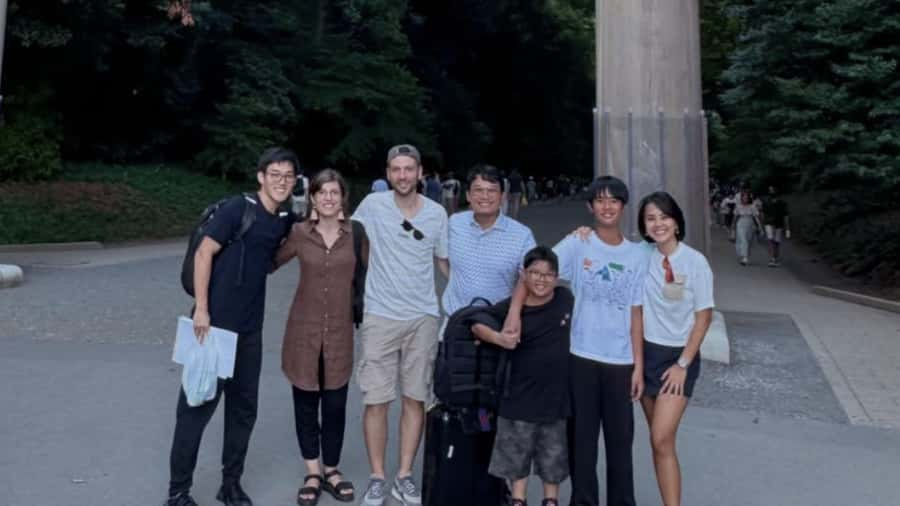
One of the strongest parts of the walk comes after the main worship area, when the guide points out details that are easy to miss. The back of the main hall includes the turtle stone and sazare stone, both mentioned as specific highlights of the route.
These stops show why a guided walk can be more useful than a quick independent visit. If you go alone, you might admire the main hall, take a few pictures, and continue toward Harajuku. You might never know that quieter points of interest are nearby.
The turtle stone gives the guide a chance to explain another layer of the shrine grounds and the way natural forms are treated with care. The sazare stone also adds meaning to the setting. The supplied information does not give a full explanation of each stone, so you should think of them as guide-led discovery points rather than a formal museum display with labels.
For me, this is exactly the sort of detail worth paying for. The tour does not just bring you to the most famous building. It helps you notice what is around it and understand why the approach and surrounding features matter.
The route is also a reminder that Meiji Shrine is not only about the front facade. The back of the hall and the less obvious spaces can feel calmer, giving you time to look closely and ask questions.
The Imperial Fishing Platform and a quieter side of the shrine
The Imperial Fishing Platform is the most distinctive stop on the tour. It is described as a quiet corner of the shrine grounds, and it offers a look at the Emperor’s pastimes and Japan’s careful relationship with nature.
This is not the sort of attraction you would expect to find near Harajuku. That contrast is part of its appeal. One moment you are thinking about shopping, youth culture, and Tokyo’s fast pace. The next, you are considering a much quieter tradition connected to the Imperial family and time spent outdoors.
The stop is valuable because it broadens your picture of Meiji Shrine. The shrine is not only a grand religious site with a famous entrance. It also includes calm spaces tied to private routines, nature, and older ideas of dignity and restraint.
Do not expect a large display or a dramatic sightseeing attraction. The strength of the fishing platform is its atmosphere and the explanation that comes with it. If you want constant action, this may feel modest. If you enjoy quiet places with a story, it is likely to be one of the most memorable parts of the walk.
The platform also gives the tour a useful rhythm. After learning formal worship customs at the Outer Worship Hall, you move into a more reflective area. The experience is less about checking off another sight and more about seeing how different parts of the shrine serve different purposes.
More Tokyo walking tours:
- Tokyo Tsukiji Fish Market Food and Culture Walking Tour
★ 5.0 · 3,184 reviews - Tokyo: Imperial Palace and Shogun Historical Walking Tour
★ 5.0 · 2,251 reviews - Tokyo: Shinjuku Local Bar and Izakaya Guided Walking Tour
★ 4.9 · 1,794 reviews - Tokyo: Tsukiji Fish Market Food and Walking tour
★ 5.0 · 1,724 reviews
Finishing where tradition meets Harajuku
The walk ends at the bicycle parking area, which sounds ordinary until you consider what it represents. Here, the shrine’s old customs meet daily Tokyo routines. People use bicycles, move through the area, and continue with their day, all beside one of the city’s most important sacred sites.
This final stop helps prevent the tour from presenting Meiji Shrine as a sealed-off relic. You are encouraged to think about how ancient customs and modern routines exist side by side. That is one of the most useful lessons you can take from a short cultural tour in Tokyo.
The ending is also practical. The activity finishes near Harajuku Station, making it easy to continue to nearby attractions or make your next rail connection. The stated meeting information also says the activity ends back at the meeting point, so check the exact end instructions when booking if the location matters for your schedule.
The Harajuku location makes this tour easy to combine with other plans. You can use it as a quieter start to a day in the area, or as a cultural break after spending time among Harajuku’s shops and streets. The tour itself does not include further sightseeing, meals, or transport, so plan those separately.
What $20 gets you
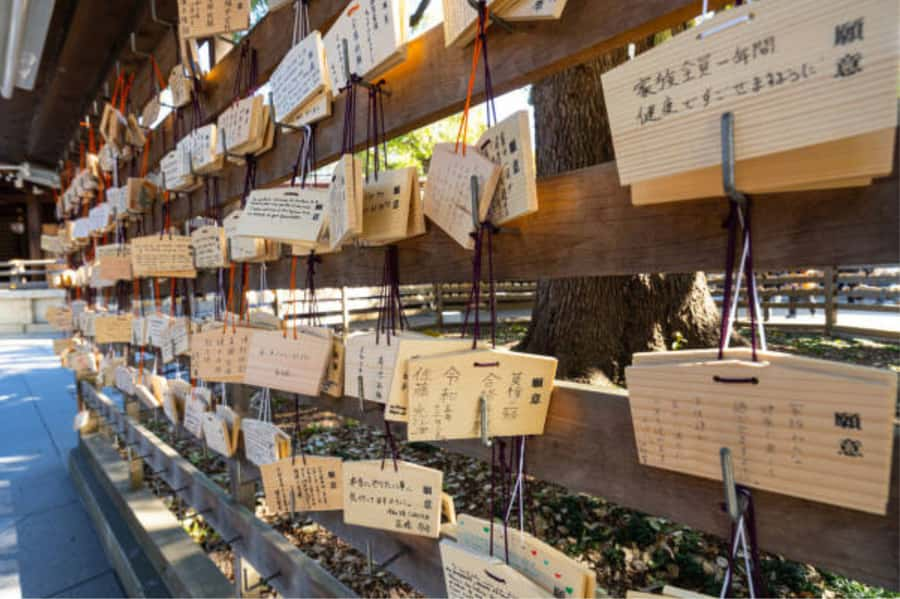
At $20 per person, this is a modestly priced walking tour. The value comes from the guide’s explanations, not from admission to a special attraction or a long list of included extras. You receive a local guide, a walking route, cultural insight, and photo stops.
That makes the price fair for someone visiting Meiji Shrine for the first time. You are paying to understand what you are seeing and to reach specific points that you might skip alone. The instruction on bowing, cleansing, and praying is especially useful if you want to behave respectfully rather than simply follow the crowd.
The tour is less compelling if you already know Meiji Shrine well or prefer to explore entirely at your own pace. You also should not book it expecting a broad Tokyo sightseeing tour. The focus is narrow and clear: Meiji Shrine, its customs, its quieter corners, and the connection to Harajuku.
The booking terms add flexibility. You can reserve and pay later, and cancellation is allowed up to 24 hours in advance for a full refund. That is useful when your Tokyo schedule is still changing.
Who should take this Meiji Shrine walk
I would recommend this tour to first-time visitors who want more than photographs. It suits you especially well if Japanese shrine etiquette is unfamiliar and you want someone to explain the customs before you reach the worship hall.
It is also a good match for travelers who enjoy details. The Imperial Fishing Platform, the path rules, the back of the main hall, the turtle stone, and the sazare stone give the walk more substance than a simple entrance-and-exit visit.
Families and mixed-age groups may appreciate the clear route and cultural focus, though everyone should be prepared to walk. The tour is conducted in English, and Japanese is also listed among the available languages, so confirm the language option you need when reserving.
You may want to skip it if you have very little time in Tokyo and only want a fast look at the main hall. You may also prefer an independent visit if you dislike fixed meeting arrangements or want to linger without a guide.
Meeting details and practical advice
Look for the guide holding a blue A4-sized board. That is the identifying detail provided for the meeting point, so keep an eye out for it rather than expecting a large tour sign.
Wear comfortable shoes. The route involves walking through the shrine grounds, and the value of the tour depends on seeing several areas rather than rushing to one building.
Bring a camera if you want photographs, but keep the setting in mind. The shrine is a place of worship, so use quiet manners around the Outer Worship Hall and avoid letting photography distract from the rituals being explained.
The guide provides the cultural information and photo stops, but food, drinks, and transportation are not listed as included. Plan your Harajuku activities separately after the walk.
Should you book this tour?
Book it if you want Meiji Shrine to make sense, not just appear in your Tokyo photo collection. For $20, the instruction on shrine etiquette, the explanation of the approach, and the visit to the Imperial Fishing Platform make this a useful introduction to one of Tokyo’s most important sacred places.
I would be less likely to book it if you already know the shrine well or have only enough time for a brief independent visit. For most first-time visitors, though, the combination of quiet forest, practical ritual guidance, overlooked stones, and an easy Harajuku ending offers good value without taking over your entire day.
FAQ
Where does the tour take place?
The walking tour takes place around Meiji Shrine in Tokyo, on Honshu, Japan.
How much does the tour cost?
The price is $20 per person.
What is included in the tour?
The tour includes a local guide, a walking tour, cultural insights, and photo stops.
What language is the tour conducted in?
The tour is conducted in English. Japanese is also listed among the available languages.
How do I identify the guide at the meeting point?
Look for the man holding a blue A4-sized board.
Where does the tour end?
The activity ends near Harajuku Station. The meeting information also states that the activity ends back at the meeting point, so check the exact end instructions when booking.
What should I bring?
Bring comfortable shoes and a camera.
Can I reserve now and pay later?
Yes. You can reserve your spot and pay nothing today.
What is the cancellation policy?
You can cancel up to 24 hours in advance for a full refund.
Newly reviewed around Tokyo
- Tokyo Asakusa:Calligraphy & Make T-shirt Activity★ 5.0 · 62 reviews
- 1 Hour Travel around Tokyo with a Professional Photographer★ 5.0 · 3 reviews
- Travel Tokyo with Your Own Personal Photographer★ 5.0 · 43 reviews
- Intercity Shuttle, Tokyo to Haneda /Narita /Yokohama /Makuhari★ 5.0 · 5 reviews
- Train in Samurai Swordsmanship and Defeat the Demon in Tokyo★ 5.0 · 5 reviews
- Shuttle Van 6hr Tokyo Tour to-and-from Tokyo, Yokohama and Narita★ 5.0 · 9 reviews
- Kickboxing & Body Training with EX-Pro Fighter★ 5.0 · 4 reviews
- Traditional Japanese Knife Sharpening Class★ 5.0 · 18 reviews
Meiji Shrine Tours, compared.
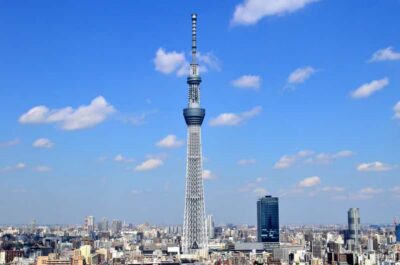
Meiji Shrine, Asakusa, Skytree Bus Tour and Cruise
Read our review →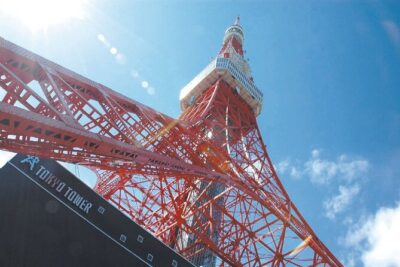
Tokyo Panoramic 1 Day: Meiji Shrine, Asakusa, Odaiba and SKYTREE®
Read our review →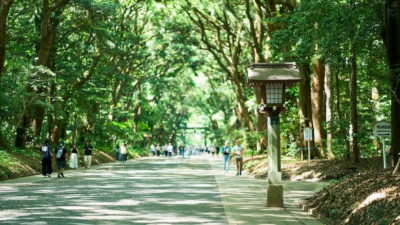
Meiji Shrine Walking Tour — Shinto & Imperial System
Read our review →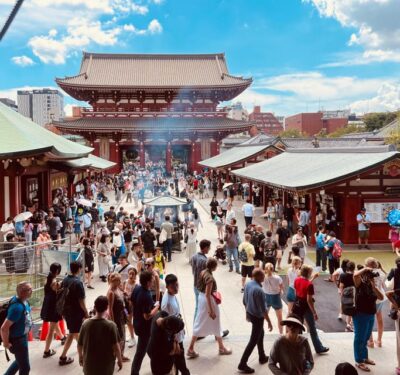
Meiji Jingu Shrine and Shinto Culture Walking Tour
Read our review →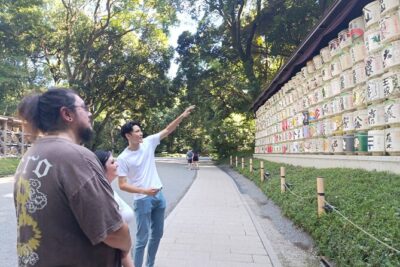
Meiji Shrine Walking Tour — Shintoism & Imperial System
Read our review →
1 Day Bus Tour with Meiji-Jingu,Odaiba,lunch&Skytree
Read our review →
Tokyo Morning Tour : Meiji Shrine, Asakusa and Fish Market
Read our review →Browse the lists this tour appears in