
Reviewed · MEIJI SHRINE TOURS
Tokyo Meiji Shrine & Harajuku: Walk Through Japanese Culture
Tokyo can change character in a single block. One minute you are among Harajuku’s bright shops, sweet treats, and young fashion crowd. Soon after, a huge torii gate leads you into the quiet forest of Meiji Shrine. I like that sharp contrast, and I like the way this walk explains the connection between old customs and modern street culture. The guides named in the tour feedback, including Mika, Lakki, and Nicolas, are praised for clear answers and warm, lively storytelling.
The main thing to consider is the pace. Two hours covers five stops, so you get a useful introduction rather than a slow, scholarly visit. Takeshita Street can also be crowded, and the walk includes outdoor paths, so comfortable shoes matter.
Key points at a glance
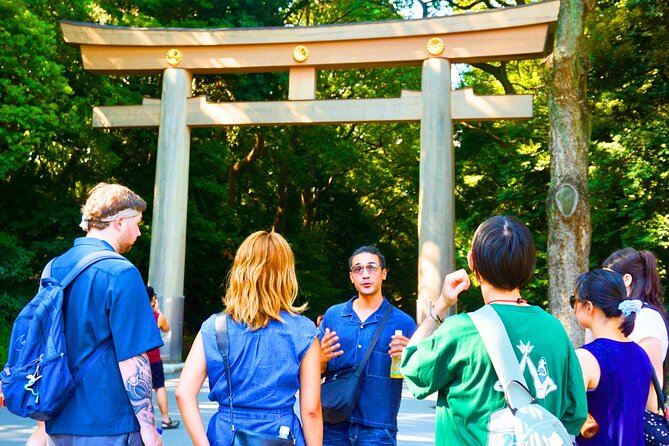
- The route moves from Takeshita Street to Meiji Shrine, giving you two very different sides of Tokyo in one compact walk.
- The group is limited to 10 people, which should make it easier to ask questions and hear the guide.
- Shinto customs are explained in practice, including purification, prayer, and omikuji fortune slips.
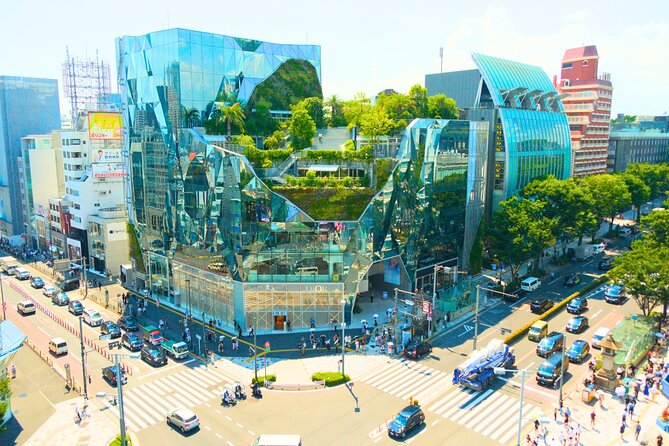
- Omotesando adds an architecture and shopping stop, with the mirrored Tokyu Plaza entrance and rooftop view.
- Guides bring different strengths, with Mika praised for kindness, Lakki for explaining significance, and Nicolas for answering questions with ease.
- The $39.02 price is reasonable for a two-hour guided walk, especially if you want context rather than a self-guided photo stop.
Why this short Tokyo walk works
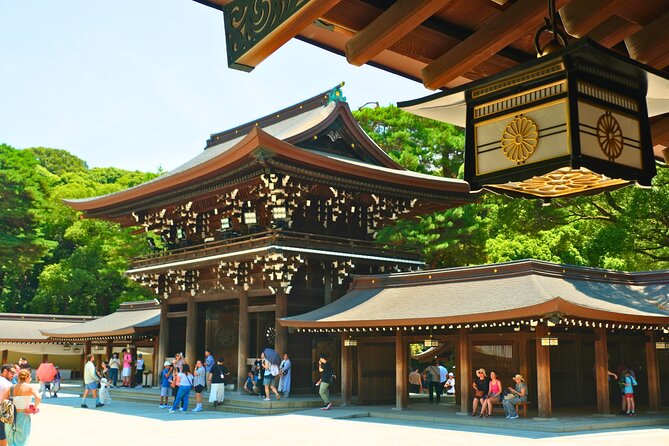
This tour makes sense because Harajuku and Meiji Shrine are close together but feel worlds apart. Harajuku is linked with youth fashion, unusual shops, and playful food. Meiji Shrine offers a wooded approach, Shinto rituals, and a quiet place to think. On your own, you can see both. With a guide, you are more likely to understand why they sit side by side.
I would choose this experience early in a Tokyo visit. It gives you a quick sense of how the city handles old and new without asking you to spend half a day on one subject. The route also provides useful orientation around Harajuku, Omotesando, and the shrine grounds.
The small group size is a real advantage. A maximum of 10 people is intimate enough for questions, yet it is not a private tour. That distinction matters. You get personal attention without paying the higher price normally attached to a private guide.
At $39.02 per person, the value depends on what you want. If you only need directions and photographs, you can visit these places without paying an admission fee. If you want someone to explain the meaning of the torii, shrine customs, Emperor Meiji, Harajuku fashion, and the sake barrels, the fee is easier to justify. The experience is less about entry tickets and more about interpretation.
More Meiji Shrine tours in Tokyo:
- Tokyo: Meiji Shrine, Asakusa, Skytree Bus Tour and Cruise
★ 4.7 · 1,986 reviews - Tokyo Panoramic 1 Day: Meiji Shrine, Asakusa, Odaiba and SKYTREE®
★ 4.5 · 1,222 reviews - Tokyo: Meiji Shrine Walking Tour — Shinto & Imperial System
★ 4.9 · 266 reviews
Takeshita Street: Tokyo’s youthful front door
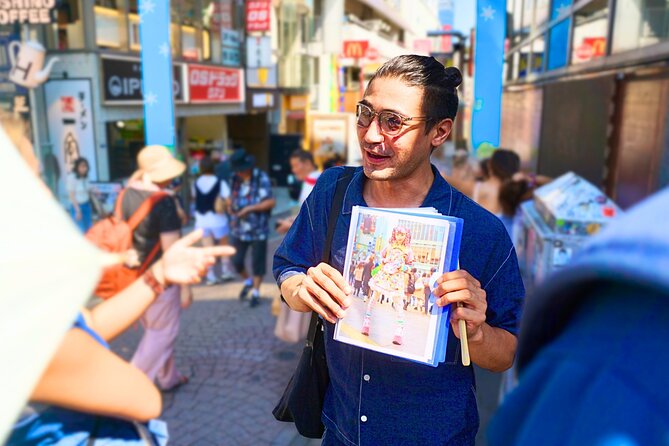
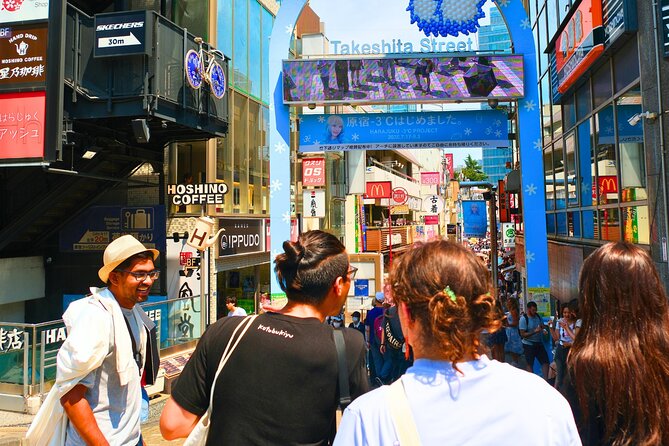
The walk begins near the UNIQLO Harajuku store, at the listed meeting point in Jingumae. From there, the first stop is Takeshita Street, the narrow pedestrian shopping road often linked with Harajuku’s youth culture.
You have about 15 minutes here. That is enough to get a feel for the street and hear why it became known for colorful fashion, unusual shops, and sweet treats. It is not enough for a serious shopping session, so set your expectations accordingly. This is a viewing and orientation stop, not a shopping expedition.
The value of having a guide here is context. A guide can help you see more than bright signs and crowded storefronts. The tour connects Harajuku style with the wider influence of Japanese pop culture. The description also points to international figures such as Lady Gaga drawing inspiration from Harajuku fashion, a useful reminder that this local street scene has reached far beyond Tokyo.
Takeshita Street may be the noisiest part of the route. If crowds make you uneasy, stay close to the guide and keep your belongings secure. The short visit limits the strain, but this is not the calm part of the walk.
Tokyu Plaza: a quick photo and city view
The next 15-minute stop is Tokyu Plaza Omotesando Harajuku. The mirrored entrance is designed for photographs, with a kaleidoscope effect that changes as you move through it. It is a simple stop, but it breaks up the walking and gives you a clear photo opportunity.
The tour also includes the rooftop terrace for a view over Omotesando. The information provided does not promise a particular skyline or weather condition, so treat this as a chance to look across the district rather than a guaranteed landmark panorama. On a clear day, the higher viewpoint should help you understand how the shopping streets fit together.
This stop will appeal most to people who like a mix of culture and visual details. It is not a museum visit and does not require a long explanation. Instead, it gives you a modern architectural counterpoint before the route turns toward the grand tree-lined avenue.
Omotesando: Tokyo’s polished contrast
Omotesando takes another 15 minutes. The avenue is described as Tokyo’s Champs-Élysées, with broad, tree-lined streets, stylish buildings, and an international feel. That comparison is useful, though you should not expect a replica of Paris. The point is the role of the street as a major, polished shopping and design district.
I like this section because it prepares you for the next change in mood. Harajuku’s youth culture can feel playful and compressed. Omotesando feels more formal and spacious. Then Meiji Shrine brings a third character altogether.
The guide’s explanation is important here. Without it, you may simply walk past expensive shops and striking facades. With context, the route becomes a lesson in how Tokyo places fashion, commerce, public space, and religious tradition within a short distance of one another.
The 15-minute timing keeps the walk moving. If you want time to enter shops, study architecture, or browse, you will need to return on your own. That is not a flaw, but it is worth knowing before you book.
More things to do in Harajuku:
- Tokyo Go-Kart Tour Shibuya-Harajuku-Shinjuku (*IDP Required)
★ 5.0 · 217 reviews - Tokyo: Guided Go Kart Tour from Harajuku to Shibuya Crossing
★ 4.5 · 166 reviews - Shibuya & Harajuku: Hidden Gems & Highlights Private Tour
★ 4.7 · 139 reviews - Harajuku Kawaii Fashion and Pop-Culture Tour
★ 5.0 · 94 reviews
Meiji Shrine: crossing into a forest
The route changes dramatically at Meiji Jingu Shrine. You pass beneath a massive torii gate, leaving the busy streets behind as the path enters the forest. The physical transition is the heart of the tour. You do not need a long speech to notice the difference, but the guide helps explain what the change means.
The shrine is connected with Emperor Meiji and the Meiji era. One of the tour’s historical themes is the emperor’s role in Japan’s opening and transformation, including the claim that without Emperor Meiji, foreign visitors might not have been allowed to travel to Japan. The guide can place that idea in the wider story of Japan’s transition, rather than leaving it as a passing fact.
You have about 15 minutes listed for the main shrine stop, followed by an hour in the Imperial Garden and surrounding shrine area. Together, these portions make up most of the experience. The forest walk is likely to feel calmer than Harajuku, but it is still a walking visit, not a seated lecture.
The shrine grounds are also where the tour earns its price. A guide can point out details you might otherwise miss and answer questions as they arise. One account specifically praised Lakki for explaining the significance of what the group was seeing. That kind of help matters at a shrine, where the actions may look simple but carry specific meaning.
Purification, prayer, and omikuji
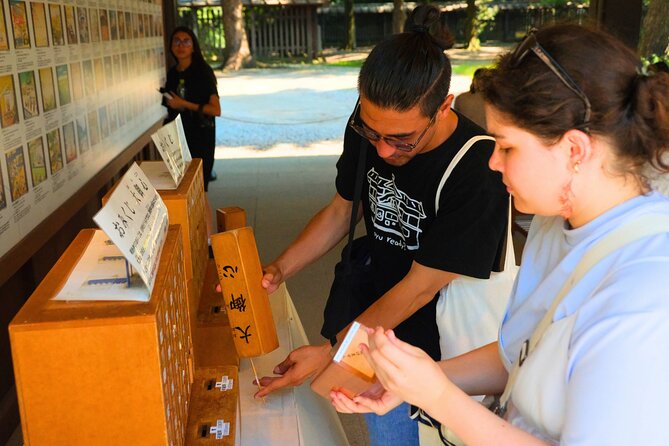
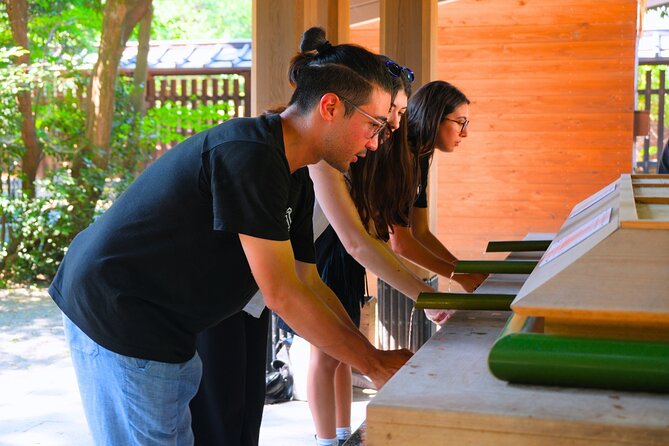
The longest section, about one hour, focuses on the Meiji Shrine Imperial Garden and Shinto practice. You learn how to purify yourself with water, offer prayers, and try omikuji, or fortune slips. These are not just decorative customs. The guide explains what they mean and how their history fits into Japanese religious life.
This hands-on element gives the tour more substance than a standard sightseeing walk. You are not only looking at a gate or a building. You are shown how to behave respectfully in the space and why the actions matter.
The purification ritual is especially useful for first-time visitors to a Japanese shrine. You learn the purpose of the water and the basic steps before trying them. The same is true of prayer. The guide can help you understand the sequence rather than leaving you to copy strangers at the worship area.
Omikuji adds a lighter touch. You can try a fortune slip and learn how it is used. The supplied information does not state the cost of any optional purchase, so ask the guide if payment is required for your particular slip. Do not assume every activity is included simply because the tour itself has no separate admission charge.
The garden and shrine section is the place to slow down. If you prefer fast sightseeing, an hour may feel long. If you want a better grasp of local customs, it is the most useful part of the route.
The sake barrels and the final stretch
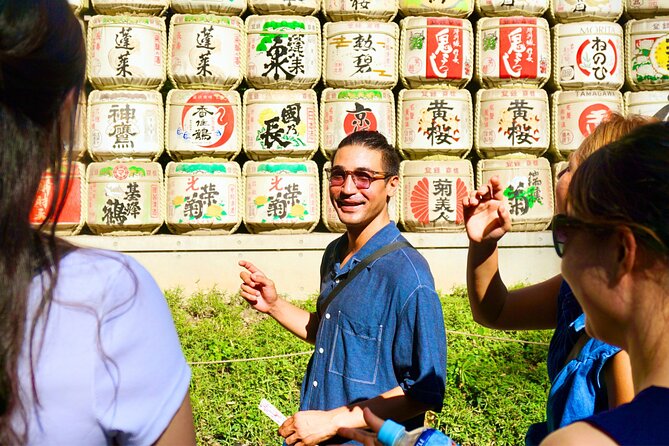
The walk ends back at the meeting point after a path lined with barrels of sake. These barrels are a memorable visual detail, and they give the final part of the route a strong sense of place. The supplied description cuts off after this detail, so you should not expect a longer set of promised activities beyond the shrine path.
The sake barrels also show how the shrine is connected with traditional offerings and community support. Your guide can explain what you are seeing and why the barrels are displayed there. Without that explanation, they can seem like an attractive photo backdrop with no obvious meaning.
Because the tour returns to its starting point, you do not need to plan a complicated pickup. You finish where you began near Harajuku. That is handy if you want to continue shopping, eat nearby, or use public transportation after the walk.
What the guides add
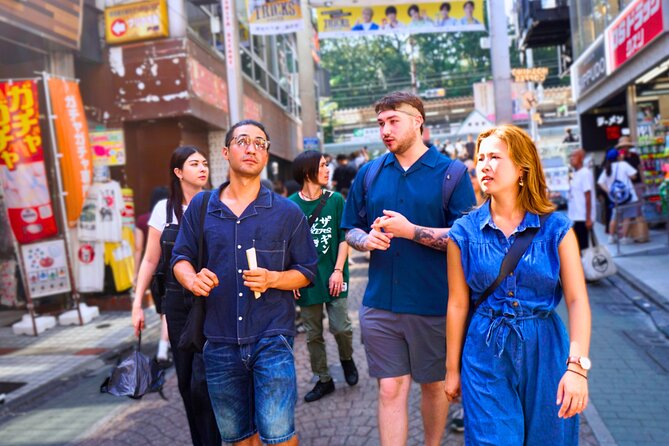
The tone of this experience depends heavily on the person leading it. The named guides connected with the tour include Mika, Lakki, and Nicolas. Mika is described as kind and helpful, Lakki as strong at explaining the meaning of the sights, and Nicolas as someone who handled questions with ease.
Those details point to the tour’s strongest feature: human explanation. The route itself is easy to find, but its meaning is not always obvious. A good guide can make the jump from chaotic shopping street to silent shrine feel like one connected story.
The descriptions also suggest a lively style, with humor and energy rather than a dry list of dates. That should suit couples, families, and solo visitors who want conversation during the walk. If you prefer to explore at your own speed with long pauses for photographs, a guided group may feel more structured.
The guide is also useful for questions. One account singled out the help given with questions about Meiji Shrine. That is important because a short tour cannot cover every detail in a prepared speech. A question-led explanation can make the visit feel more relevant to you.
Timing, group size, and practical comfort
The advertised duration is about two hours. The route includes five stops, with the longest period at Meiji Shrine and the Imperial Garden. You should plan for steady walking between the stops and outdoor conditions throughout.
The meeting point is the UNIQLO Harajuku store in Jingumae, at the listed address. The tour is near public transportation, which makes it practical to reach before or after other Tokyo plans. The activity ends at the meeting point.
A mobile ticket is provided. Keep it ready on your phone, and arrive with enough time to find the exact meeting spot. The address includes basement and first-floor details, so checking the meeting instructions before leaving your hotel is sensible.
Most people can participate, according to the supplied activity information. No special accessibility details are provided, so you should ask the operator directly if you need information about surfaces, rest stops, or mobility equipment.
The group limit is 10 people. That is small enough for the guide to keep the group together in busy Harajuku and for you to hear explanations at the shrine. It is still large enough that the pace may not match your own perfectly.
Free cancellation is available if you cancel at least 24 hours before the local start time. Cancellations or changes made later are not accepted for a refund.
Who will get the most from this experience
I would recommend this walk to first-time visitors who want a clear introduction to Harajuku and Meiji Shrine without spending a full day on either. It also suits solo visitors who want a little company and the chance to ask questions.
Families may like the short stops and the mix of fashion, architecture, forest, ritual, and fortune slips. The route gives children several different things to look at, though Takeshita Street can be crowded and the shrine portion requires a calmer pace.
Couples can use it as an easy starting point for a day in Harajuku and Omotesando. Afterward, you are already in a good area for more shopping and city wandering, though the tour itself does not include meals or extended free time.
I would be less likely to recommend it to someone who has already studied Meiji Shrine and Shinto customs closely. You may find the explanations familiar. I would also choose a self-guided visit if your main goal is shopping, since the 15-minute Takeshita Street stop does not leave much room to browse.
Should you book the Meiji Shrine and Harajuku walk?
Book it if you want Tokyo’s modern and traditional sides explained in one compact outing. The strongest reasons are the small group, the guide-led shrine customs, and the sharp transition from Takeshita Street to the wooded torii approach.
At $39.02, the cost is fair for a two-hour guided experience with a maximum of 10 people. You are paying for the guide’s stories and answers, not admission tickets. That makes it a good choice for a first visit, especially if you want to understand what you are seeing rather than simply photograph it.
Skip it if you want a slow shopping morning, a private guide, or a long visit focused only on shrine architecture. For everyone else, this is a well-shaped introduction to one of Tokyo’s most useful cultural pairings: Harajuku’s restless street style and Meiji Shrine’s calm ritual space.
FAQ
How long does the Tokyo Meiji Shrine and Harajuku tour last?
The tour lasts approximately two hours.
What locations are included?
The route includes Takeshita Street, Tokyu Plaza Omotesando Harajuku, Omotesando Hills, Meiji Jingu Shrine, and the Meiji Shrine Imperial Garden.
Where does the tour begin?
It begins at the UNIQLO Harajuku store in Jingumae, Tokyo.
Where does the tour end?
The activity ends back at the meeting point.
How many people can join the tour?
The maximum group size is 10 people.
Is the tour available with a mobile ticket?
Yes. The experience includes a mobile ticket.
What Shinto customs are covered?
You learn about purifying with water, offering prayers, and using omikuji fortune slips.
Can I cancel for a full refund?
Yes, if you cancel at least 24 hours before the experience start time. Later cancellations and changes are not accepted for a refund.
More Tokyo walking tours
- Tokyo Tsukiji Fish Market Food and Culture Walking Tour
★ 5.0 · 3,184 reviews - Tokyo: Imperial Palace and Shogun Historical Walking Tour
★ 5.0 · 2,251 reviews - Tokyo: Shinjuku Local Bar and Izakaya Guided Walking Tour
★ 4.9 · 1,794 reviews - Tokyo: Tsukiji Fish Market Food and Walking tour
★ 5.0 · 1,724 reviews
Newly reviewed around Tokyo
- Tokyo Asakusa:Calligraphy & Make T-shirt Activity★ 5.0 · 62 reviews
- 1 Hour Travel around Tokyo with a Professional Photographer★ 5.0 · 3 reviews
- Travel Tokyo with Your Own Personal Photographer★ 5.0 · 43 reviews
- Intercity Shuttle, Tokyo to Haneda /Narita /Yokohama /Makuhari★ 5.0 · 5 reviews
- Train in Samurai Swordsmanship and Defeat the Demon in Tokyo★ 5.0 · 5 reviews
- Shuttle Van 6hr Tokyo Tour to-and-from Tokyo, Yokohama and Narita★ 5.0 · 9 reviews
- Kickboxing & Body Training with EX-Pro Fighter★ 5.0 · 4 reviews
- Traditional Japanese Knife Sharpening Class★ 5.0 · 18 reviews
Meiji Shrine Tours, compared.
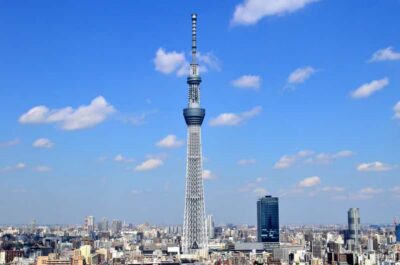
Meiji Shrine, Asakusa, Skytree Bus Tour and Cruise
Read our review →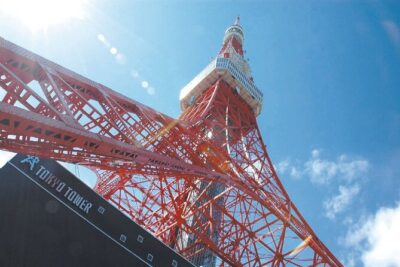
Tokyo Panoramic 1 Day: Meiji Shrine, Asakusa, Odaiba and SKYTREE®
Read our review →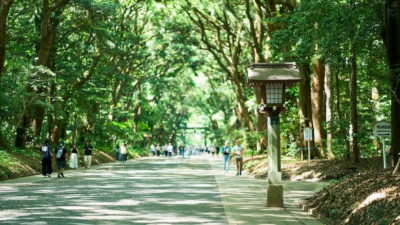
Meiji Shrine Walking Tour — Shinto & Imperial System
Read our review →
Meiji Jingu Shrine and Shinto Culture Walking Tour
Read our review →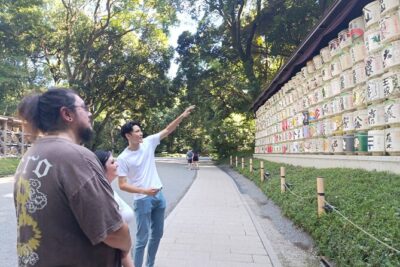
Meiji Shrine Walking Tour — Shintoism & Imperial System
Read our review →
1 Day Bus Tour with Meiji-Jingu,Odaiba,lunch&Skytree
Read our review →
Tokyo Morning Tour : Meiji Shrine, Asakusa and Fish Market
Read our review →Browse the lists this tour appears in