
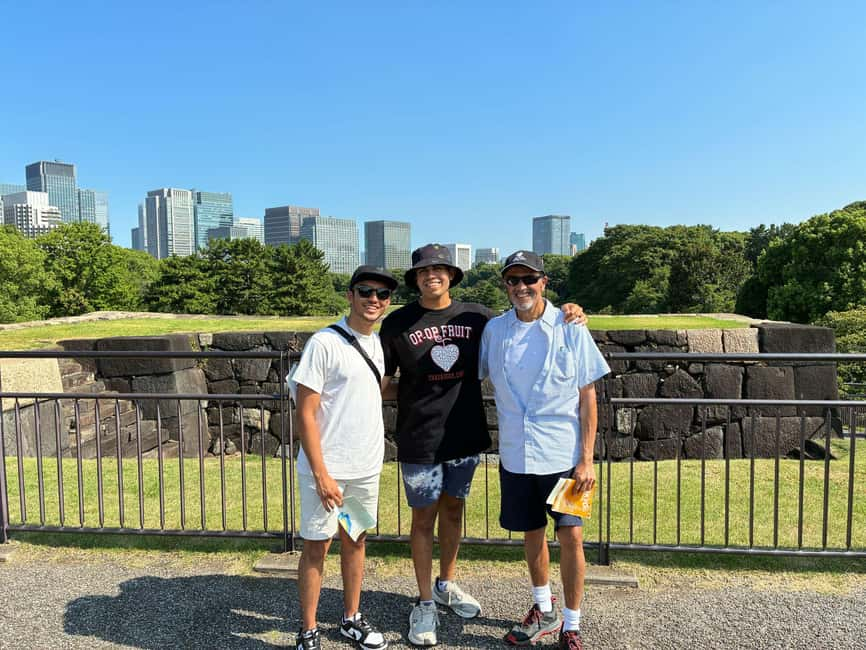
Reviewed · TOKYO IMPERIAL PALACE TOURS
Tokyo: Edo Castle Ruins & Imperial Palace East Garden Tour
Edo Castle is gone, but its scale is still easy to feel. On this two-hour walk, you pass through massive gates, old guard posts, stone walls, the former main hall site, and the broad grounds now linked with the Imperial Palace East Gardens. I especially like the samurai guardhouses, which turn a pleasant park walk into a lesson in how castle security worked. The view from Tenshu-dai also gives you a useful sense of the castle’s former size.
The tour is a good value at $37 if you want the ruins to make sense rather than simply stroll past them. I like the calm Ninomaru Garden, with its koi pond and carefully arranged scenery, and the chance to ask questions in a small group or private setting. The main limitation is clear: you do not enter the Imperial Palace buildings or its inner grounds, and one quiet stretch can feel like an ordinary park walk if your guide gives only brief explanations.
Key points
- Otemon Gate and the old guard system: Learn how visitors and samurai moved through the castle entrance.
- Tenshu-dai viewpoint: See the site of Edo Castle’s former keep and take in wide views around the grounds.
- Ninomaru Garden and koi pond: Finish with a peaceful garden stop that changes the pace of the tour.
- Wadakura Fountain story: Begin with a royal wedding memorial and get oriented before entering the castle area.
- English-speaking personal guide: Guides such as Mari and Isao are noted for friendly, patient answers and extra historical detail.
- Two hours on foot: Wear good shoes, bring water, and expect a steady outdoor walk rather than a palace interior visit.
Why Edo Castle Ruins Tell Tokyo’s Bigger Story
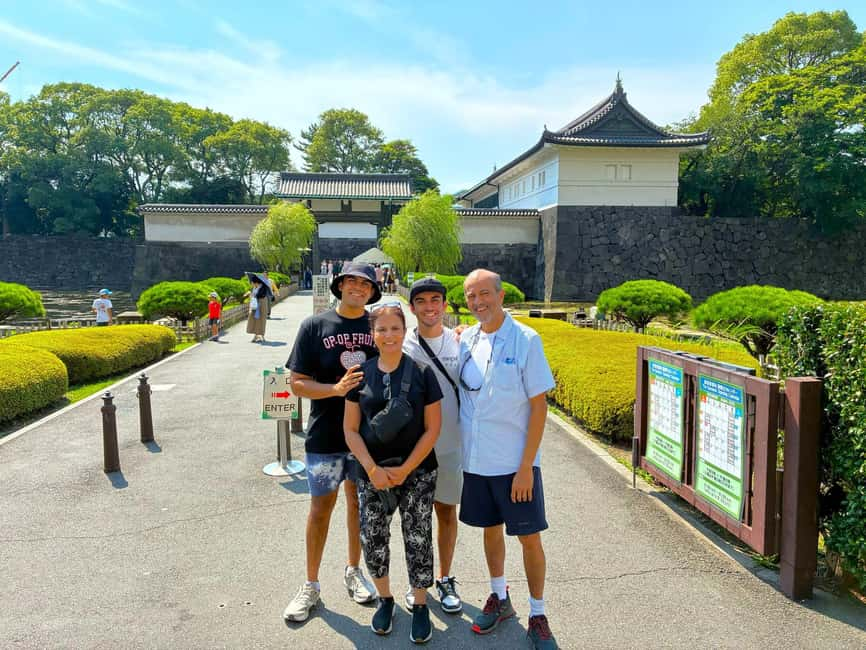
Edo Castle was the seat of the shoguns, while the Imperial Palace now occupies part of the same central Tokyo site. That overlap gives this tour more weight than a simple garden visit. You are seeing a place where military power, imperial life, and modern Tokyo meet.
The palace buildings themselves are not open to the public. The tour instead uses the remaining gates, moats, foundations, garden paths, and viewing points to explain what once stood here. That can be more useful than a quick glimpse through a palace window because the guide has room to explain how the castle functioned.
I would choose this experience if you want context. Without a guide, Otemon Gate is a large old entrance, Tenshu-dai is a stone platform, and the guardhouses are small historic structures. With clear narration, each stop connects to the castle’s defenses and the lives of the samurai who worked there.
More Imperial Palace tours in Tokyo:
- Tokyo: Imperial Palace and Shogun Historical Walking Tour
★ 5.0 · 2,251 reviews - Tokyo: Imperial Palace Japanese History Walking Tour
★ 4.9 · 987 reviews - Tokyo: Imperial Palace and Shogun Walking Tour
★ 4.9 · 935 reviews
Meeting at Wadakura Fountain
The tour begins outside the Wadakura Free Rest Area, in front of the entrance. Look for the guide holding a yellow sign. This is an indoor meeting point, which is useful if you need a short pause before the walk.
The first stop is Wadakura Fountain National Park. The fountain was built to commemorate a royal wedding, and your guide uses it to introduce the relationship between the modern Imperial Palace area and the older castle grounds. It is a gentle opening, not a dramatic historical site, but it gives you a chance to meet the guide and settle into the tour.
You then pause at the Wadakura Moat. The water and open space help you see why the castle was difficult to approach. A five-minute explanation may sound brief, but the moat works best as a visual clue. You can see the distance and barriers that once separated the castle from the surrounding city.
Passing Through Otemon Gate
Otemon Gate is the first major historical feature. It was the principal entrance to the castle and remains one of the clearest reminders that Edo Castle was a working military stronghold, not just a royal residence.
Your guide explains how the entry route controlled movement into the castle. Pay attention to the scale of the gate and the way the route narrows as you proceed. These details make the castle’s defensive plan easier to picture.
The tour then reaches the Ote-San-no-mon Gate Ruins. The ruins are less complete than Otemon Gate, so you will need the guide’s explanation to understand their former role. This is one reason the quality of the guide matters. A short comment can leave the site feeling like scattered stones, while a fuller explanation connects it to the approach roads and layered defenses.
Samurai Guardhouses and Castle Security
Doshin Bansho and Hyakunin Bansho show how the castle was guarded. These structures were used by officials and samurai who watched people entering the inner castle areas. The names and functions can be easy to forget, but the physical setting makes the system clearer.
Hyakunin Bansho is especially useful because its name refers to one hundred guards. The stop gives you a concrete picture of the staffing needed to protect a major seat of power. You are not simply hearing about samurai in the abstract. You are standing beside the kinds of posts where castle security was organized.
The walk between these points is outdoors and includes paved paths and historic surfaces. Comfortable shoes matter. This is not a difficult mountain walk, but people with mobility limitations may find the route unsuitable, and the tour is not designed for wheelchair users.
A completely different kind of day in Tokyo:
- Mt Fuji and Hakone 1-Day Bus Tour Return by Bullet Train
★ 5.0 · 26,383 reviews - 1-Day Tokyo Bus Tour
★ 5.0 · 14,250 reviews - Tokyo: teamLab Planets TOKYO Digital Art Museum Entry Ticket
★ 4.6 · 9,779 reviews - Mt Fuji & Hakone Cruise, Drum Show Bullet Train 1 Day from Tokyo
★ 4.0 · 7,413 reviews
Edo Castle Ruins and the Former Honmaru
The central ruins section brings together the castle’s remaining foundations and open grounds. Your guide explains what happened in the Honmaru, or main compound, and helps you imagine the buildings that once filled the area.
You also visit the site of Edo Castle’s Honmaru main hall. This is an important stop because the main hall was at the heart of the castle’s political life. The present setting is open and quiet, so you should not expect preserved rooms or elaborate interiors. The value comes from location and explanation.
For me, this is where expectations need to be realistic. If you want intact castle rooms, museum displays, or palace interiors, this tour will feel limited. If you are interested in reading a site through its walls, foundations, and layout, the Honmaru area gives the guide plenty to work with.
The Castle Keep Model and Tenshu-dai View
The Edo Castle keep restoration model helps fill in what the ruins cannot show. You can see an idea of the castle’s former height and appearance, giving you a visual reference before or after viewing the keep site.
The Tenshu-dai is the stone base where the castle keep once stood. From here, you get panoramic views of the surrounding area. Tokyo’s modern buildings make an effective contrast with the old stone platform, and the viewpoint helps you understand how large the castle complex was.
Do not expect a tall tower or a perfect skyline lookout. The appeal is historical scale, not height. You stand on the remains of the keep’s base and look outward from one of the most important points in the old castle.
A Pause Among Trees and Garden Plants
The itinerary includes a stop marked by the prefectural trees and a visit to Suwa no Chaya, a traditional tea house. These points add variety after the gates and ruins.
The prefectural trees provide a quieter, more botanical part of the walk. Suwa no Chaya gives you another small architectural feature to notice within the garden setting. The guide may spend around ten minutes at each stop, so the pace is measured rather than rushed.
These stops will appeal most if you enjoy the way Japanese gardens combine nature, architecture, and open space. If you are focused only on the castle’s military history, they may feel less essential. Still, they help prevent the two-hour walk from becoming a sequence of stone walls and historical terms.
Ninomaru Garden and the Koi Pond
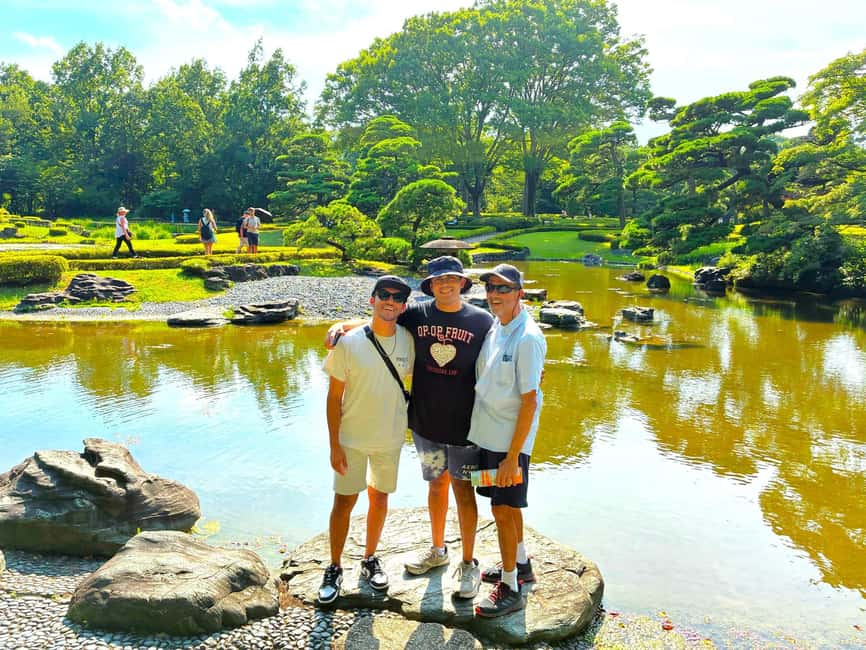
The East Gardens section ends with Ninomaru Garden, one of the most pleasant parts of the experience. The paths are calmer here, and the garden offers a change from the formal castle approach.
Look for the koi in the pond. They are a simple detail, but they give the garden a lived, peaceful quality after the hard surfaces of the gates and ruins. This is a good place to slow down and take photographs.
Ninomaru Garden also shows why the tour is not only for military-history fans. You get a balanced visit, with castle defenses, imperial connections, old structures, greenery, and water. The garden does not replace the historical content, but it gives the experience a more relaxed finish.
What the Guide Adds
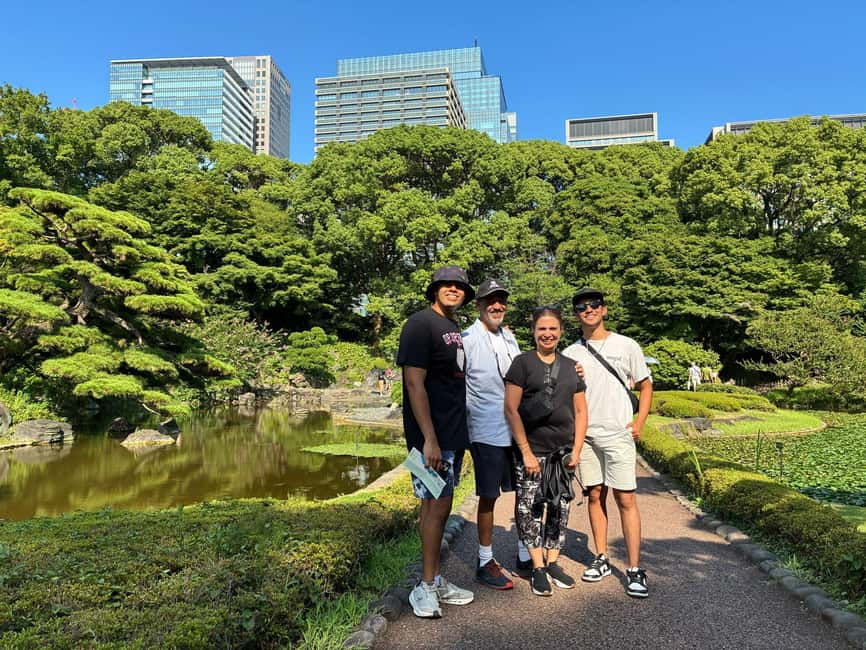
The guide is the main reason to book this instead of walking the grounds alone. Names such as Mari and Isao are associated with especially warm, patient guiding. If you are paired with a guide who answers questions fully, the castle’s confusing names and ruins become much easier to follow.
A good guide can explain why the gates were arranged in sequence, how the guardhouses fit into the entry system, and what the Honmaru represented. You can also ask about the shoguns, emperors, and the transition from Edo Castle to the Imperial Palace.
The experience may vary depending on the guide and group. Some tours may include many historical facts and extra answers, while a quieter guide may offer little more than directions and short descriptions. That is the main risk reflected in the mixed rating of 4.4 from 13 ratings. If history is your main reason for booking, choose a private or small-group option when available and arrive ready with questions.
Is $37 a Fair Price?
At $37 per person, this sits in a reasonable range for a two-hour guided walk in central Tokyo. Admission to Edo Castle and the Imperial Palace East Gardens is included, along with a live English-speaking guide and a commemorative photo opportunity.
The value depends on how much explanation you want. If you are happy reading signs and wandering through the gardens, you can explore much of the outdoor area without paying for a guide. The fee makes more sense if you want the old castle layout explained, need help identifying the guardhouses, or prefer a planned route that covers the main points in two hours.
You also avoid spending half your visit wondering where the important ruins are. The guide leads you from Wadakura Fountain through Otemon Gate, the guardhouses, Honmaru, Tenshu-dai, and Ninomaru Garden before returning to the meeting area.
Timing, Pace, and What to Bring
The stated duration is two hours, with about fifteen minutes at the Edo Castle ruins, fifteen minutes in Ninomaru Garden, and shorter stops at the gates, guardhouses, fountain, garden features, and model. You should expect a steady walking tour with regular pauses for explanation and photos.
Wear comfortable shoes and bring water. A camera is useful, but flash photography is not allowed. Smoking is also not allowed during the activity.
The meeting point is easy to identify if you follow the instructions: meet outside the Wadakura Free Rest Area, in front of the entrance, and look for the yellow sign. Hotel pickup and drop-off are not included, and food and drinks are your responsibility.
The experience is not suitable for children under six, people with mobility impairments, or wheelchair users. The grounds are open and scenic, but the tour still involves walking between several points and historic surfaces.
What You Will Not See
This is not an Imperial Palace interior tour. You cannot enter the palace buildings, and you cannot enter the inner grounds where the Imperial Family resides.
That restriction is important because the word palace can create the wrong picture. You are touring the East Gardens and the former Edo Castle area, not grand reception rooms or private imperial spaces.
For many people, that is still enough. The gardens and ruins provide a clear sense of the site’s past, and the outdoor route lets you see features that are easier to understand in person than in a book. Just book it for castle remains, gardens, and historical explanation, not for access to palace rooms.
Who Should Book This Walk?
I would recommend it to first-time Tokyo visitors who want a manageable history lesson without giving up half a day. It also suits anyone interested in the shoguns, samurai defenses, Japanese gardens, or the relationship between Edo Castle and the modern Imperial Palace.
It is a particularly good choice if you prefer a small group or private guide and enjoy asking questions. A patient guide can adjust the amount of detail and spend more time on the parts that interest you.
I would skip it if you want a dramatic preserved castle building, a museum-style display, or a tour with guaranteed long lectures at every stop. The outdoor ruins are meaningful, but they require imagination. The experience works best when you enjoy connecting fragments to a larger story.
Should You Book the Edo Castle Tour?
Book this tour if you want the Imperial Palace East Gardens to make sense. The route covers the strongest outdoor sights in two hours, from Wadakura Fountain and Otemon Gate to the samurai guardhouses, Tenshu-dai, and Ninomaru Garden.
The deciding factor is the guide. With a warm, engaged guide such as Mari or Isao, the $37 fee can turn a quiet walk into a useful lesson about power, defense, and royal history. If the explanations are brief, the same route may feel like a pleasant park stroll that you could manage alone.
For the best chance of value, choose a small group or private format, wear walking shoes, and remember that the palace interiors are off limits. Book it for the ruins and gardens, then let the guide provide the missing story.
FAQ
Where does the tour meet?
Meet outside the Wadakura Free Rest Area, in front of the entrance. The guide will be holding a yellow sign.
How long does the tour last?
The tour lasts two hours and returns to the Wadakura Free Rest Area.
Is the tour conducted in English?
Yes. The activity includes a live English-speaking guide.
Does the tour enter the Imperial Palace buildings?
No. The palace buildings are not open to the public, and the tour does not enter the inner Imperial Palace grounds.
What sights are included?
The route includes Wadakura Fountain, Wadakura Moat, Otemon Gate, Ote-San-no-mon Gate Ruins, Doshin Bansho, Hyakunin Bansho, Edo Castle ruins, the Honmaru site, a castle keep restoration model, Tenshu-dai, Suwa no Chaya, the East Gardens, and Ninomaru Garden.
Is admission included?
Yes. Admission to Edo Castle and the Imperial Palace East Gardens is included.
What should I bring?
Bring comfortable shoes, water, and a camera. Flash photography is not allowed.
Is the tour suitable for wheelchair users or young children?
The activity is not suitable for wheelchair users, people with mobility impairments, or children under six years old.
Newly reviewed around Tokyo
- Tokyo Asakusa:Calligraphy & Make T-shirt Activity★ 5.0 · 62 reviews
- Intercity Shuttle, Tokyo to Haneda /Narita /Yokohama /Makuhari★ 5.0 · 5 reviews
- 1 Hour Travel around Tokyo with a Professional Photographer★ 5.0 · 3 reviews
- Travel Tokyo with Your Own Personal Photographer★ 5.0 · 43 reviews
- Shuttle Van 6hr Tokyo Tour to-and-from Tokyo, Yokohama and Narita★ 5.0 · 9 reviews
- Kickboxing & Body Training with EX-Pro Fighter★ 5.0 · 4 reviews
- Train in Samurai Swordsmanship and Defeat the Demon in Tokyo★ 5.0 · 5 reviews
- Traditional Japanese Knife Sharpening Class★ 5.0 · 18 reviews
Tokyo Imperial Palace Tours, compared.

Imperial Palace and Shogun Historical Walking Tour
Read our review →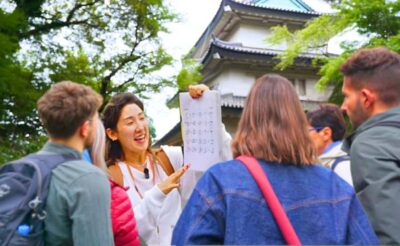

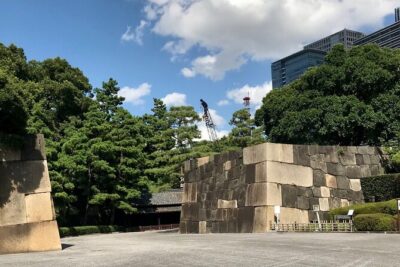
Imperial Palace East Garden and Edo Castle Walking Tour in Tokyo
Read our review →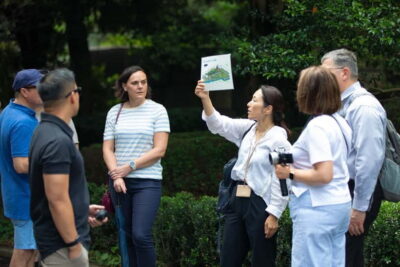
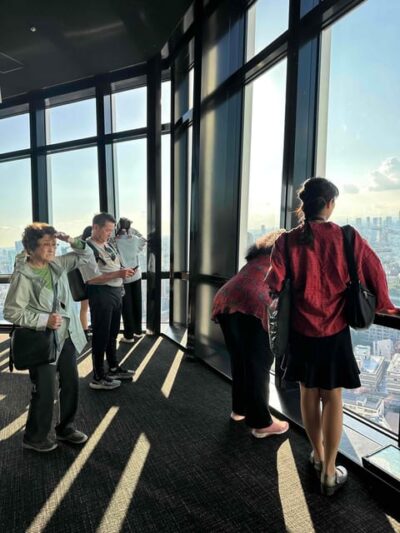
Imperial Palace, Sensō-ji Temple, & Tokyo Tower Tour
Read our review →
Tokyo Castle, Imperial Palace, Shogun & Garden Walking Tour
Read our review →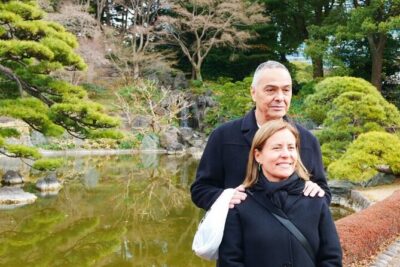
Edo Castle & East Garden of the Imperial Palace Tour
Read our review →Browse the lists this tour appears in